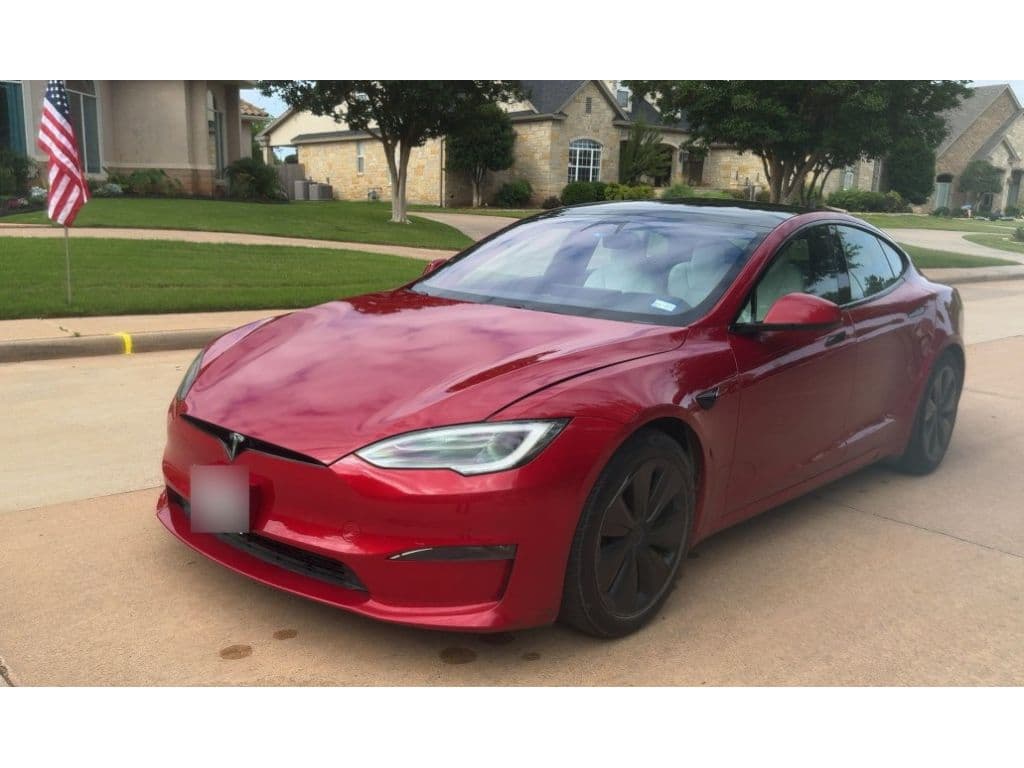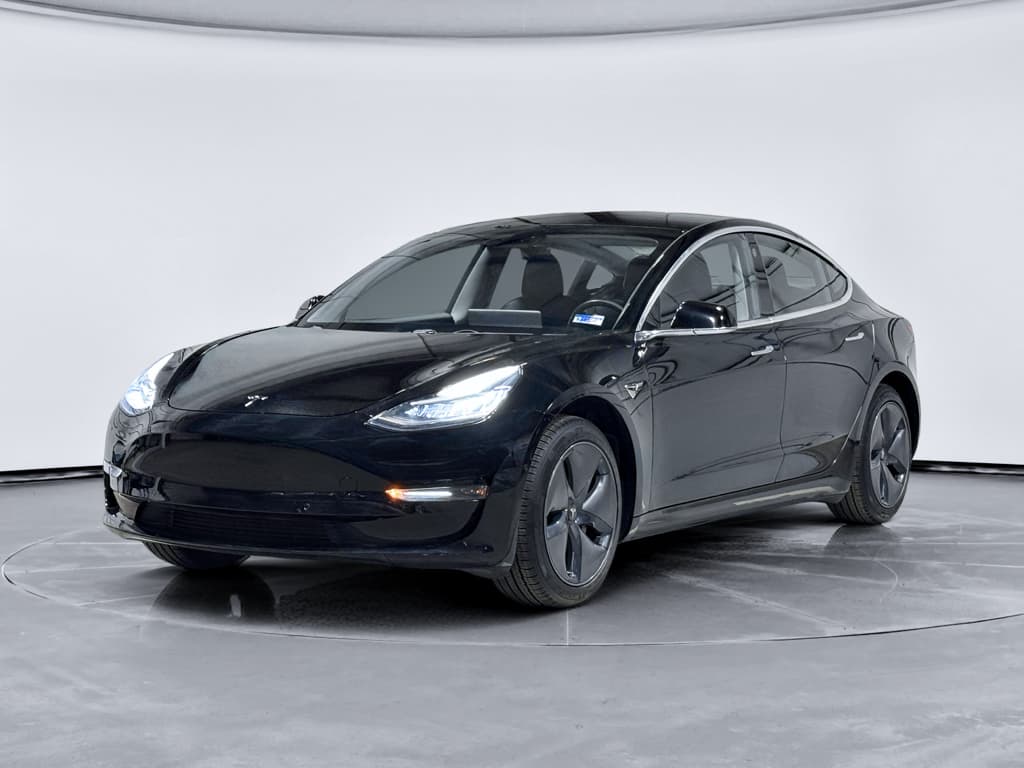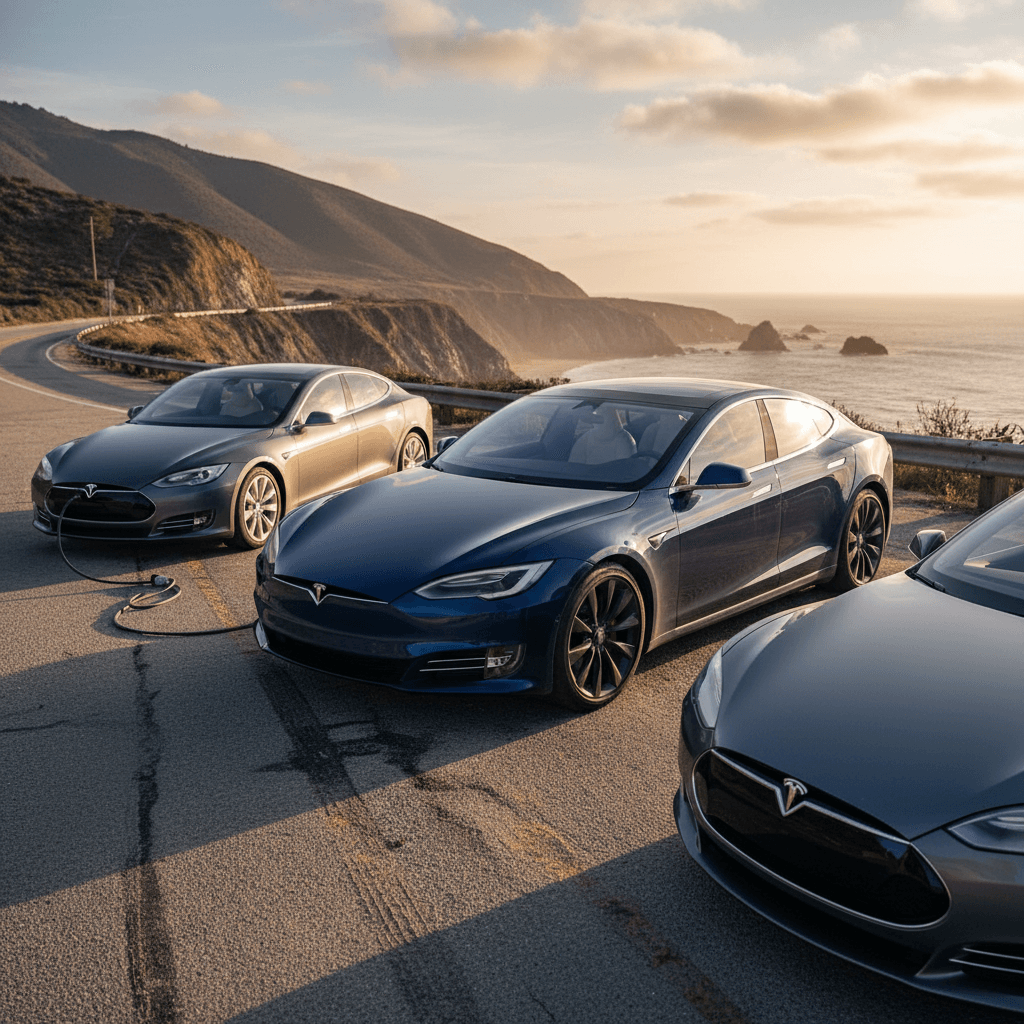
If you’re shopping for a fast, long-range electric sedan, a used 2021 Tesla Model S, especially the Plaid, will show up on your radar quickly. This was the year Tesla refreshed its flagship with the outrageous tri‑motor Plaid, big range gains, and a minimalist new interior. In this 2021 Tesla Model S review, we’ll break down performance, real‑world range and charging, day‑to‑day livability, and what to look for if you’re considering one on the used market today.
Why the 2021 Model S still matters
2021 Tesla Model S overview
For 2021, Tesla heavily reworked the Model S without changing the basic body shell. The big news was the Plaid trim, adding a third motor and truly absurd acceleration, while the Long Range focused on efficiency and maximum miles per charge. Both ride on an updated battery pack and power electronics, with a revised interior, new infotainment hardware, and a standard heat pump to improve cold‑weather efficiency.
Key 2021 Tesla Model S numbers
On today’s used market, 2021 Model S prices span a wide range depending on mileage, condition and whether you’re looking at a Long Range or Plaid. Data from major valuation guides in early 2026 shows typical resale values in the mid‑$30,000s to low‑$40,000s for higher‑mileage cars, with cleaner, low‑mile Plaids trading much higher. The flip side is above‑average depreciation, which creates opportunity if you’re buying used and have done your homework.
Trims, specs and Plaid performance
2021 Model S trims at a glance
Both versions are fast; Plaid rewrites the rules
Model S Long Range (dual motor)
Positioning: Efficiency and range.
- Dual‑motor all‑wheel drive
- EPA range roughly 405 miles with 19" wheels
- 0–60 mph in the low‑3‑second range
- Top speed around 155 mph
For most drivers, this is already an extremely quick luxury EV with superb range.
Model S Plaid (tri‑motor)
Positioning: Maximum performance.
- Tri‑motor all‑wheel drive, ~1,020 hp
- EPA range roughly 348–390 miles depending on wheels
- 0–60 mph near 2.0 seconds with rollout
- Quarter‑mile in the 9‑second range
Still one of the quickest four‑doors ever built, even compared to newer EVs.
Performance testing from independent outlets confirms that the 2021 Model S Plaid delivers on its headline numbers. Multiple instrumented tests recorded quarter‑mile times in the mid‑9‑second range and 0–60 mph sprints just over 2 seconds using rollout‑adjusted figures. Meanwhile, the Long Range trim offers more than enough thrust for everyday use, with effortless passing power and strong acceleration even at highway speeds.
Tip: Choose Plaid only if you’ll actually use it
Real-world range and charging experience
Tesla’s official EPA ratings for the 2021 Model S Long Range hover around 405 miles on the standard 19‑inch wheels, with the Plaid rated around 348 miles on 21‑inch wheels and higher if you stick with 19s. Independent highway testing at 70–75 mph has seen Plaid models travel 280–345 miles on a charge, depending on temperature, wheels, and driving style, impressive for a 1,000‑horsepower sedan.
2021 Model S range: what to expect
Approximate EPA and real‑world range figures when new. Your results will vary with speed, weather, wheels, and battery health.
| Trim & Wheels | EPA Range (mi) | Typical Highway Range (mi) | Notes |
|---|---|---|---|
| Long Range, 19" | ~405 | 300–330 | Best pick if you value distance over speed. |
| Plaid, 19" | High 380s–390 | 290–320 | Small range penalty vs Long Range with huge power gain. |
| Plaid, 21" | ~348 | 260–290 | Sharply reduced range from larger, stickier tires. |
Plaid range drops more with 21-inch wheels than most buyers expect; factor that into your search.
Wheel choice matters
Charging is a relative strong suit. The 2021 Model S supports up to 250 kW on Tesla’s V3 Superchargers in ideal conditions. In practice, you can add roughly 180–200 miles of range in about 15 minutes when starting from a low state of charge. At home on a 240‑volt Level 2 charger, plan on an overnight fill, roughly 8–12 hours depending on your wall‑box amperage.
Living with a 2021 Model S: charging checklist
Confirm Supercharging status
Ask the seller whether DC fast‑charging is enabled and if any abuse‑related limitations have been applied, heavy DC use can sometimes trigger Tesla‑imposed charge‑rate limits.
Plan for Level 2 at home
A 240‑volt outlet or wall‑box charger dramatically improves ownership. Without it, you’ll rely on public charging and won’t fully benefit from the car’s range.
Check peak charge rate in practice
During a pre‑purchase test, note the peak kW you see at a Supercharger. If it’s far below expectations, the pack may be cold, nearly full, or potentially limited.
Factor winter range loss
Cold weather can trim 20–30% or more from any EV’s range. The 2021 Model S’s heat pump helps, but you’ll still want charging at home or work in colder climates.
Interior, tech and comfort
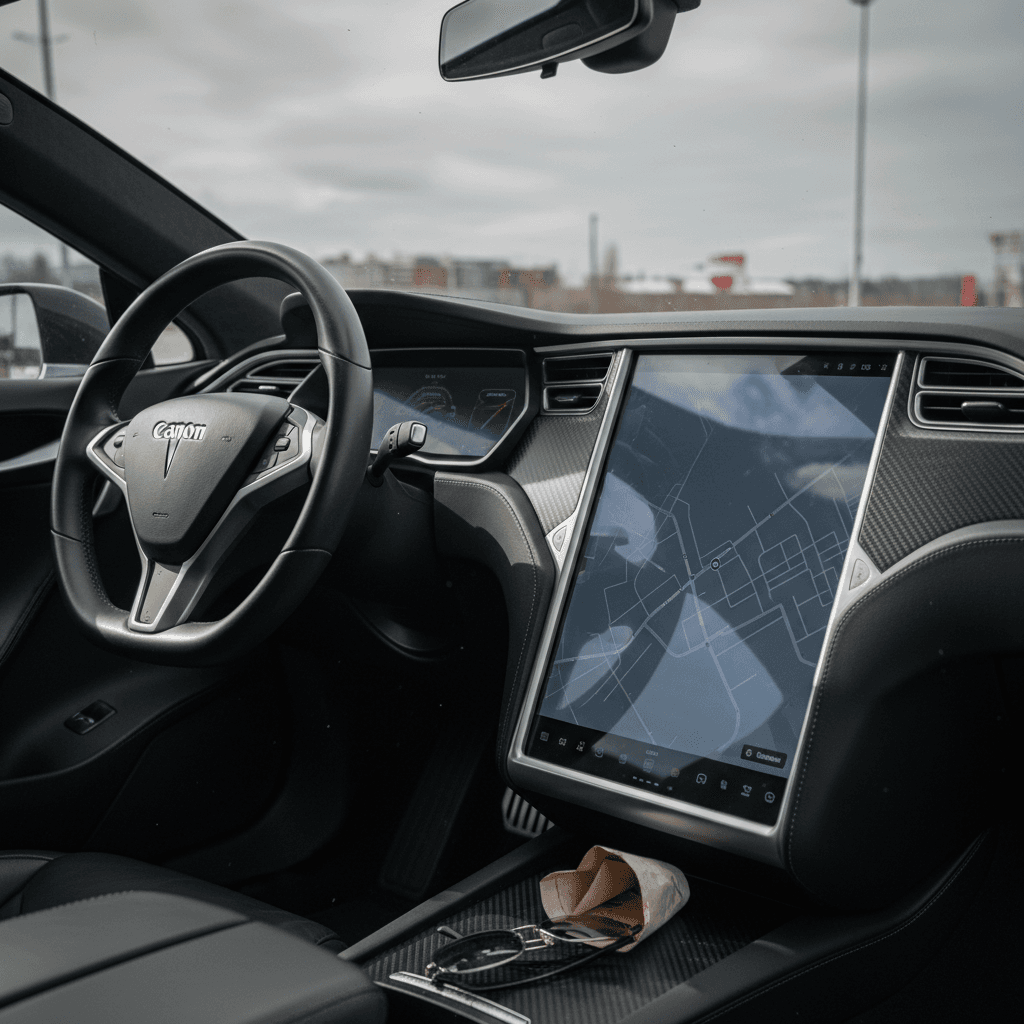
The 2021 refresh reimagined the Model S cabin. You get a clean, minimalist dashboard with a 17‑inch center touchscreen, a separate digital gauge cluster ahead of the driver, and an additional screen for rear passengers. Materials and build quality are generally better than early Model S years, though still not at the same level as the very best German luxury sedans.
Yoke steering wheel
The most controversial part of the 2021 Model S is the yoke‑style steering wheel that replaces a conventional round wheel on most builds. At highway speeds it feels fine, and visibility to the gauges is excellent. Low‑speed parking and tight turns, however, can feel awkward until you adjust.
Later model years reintroduced a traditional wheel as an option, so some 2021s may have been retrofitted.
Seats, space and practicality
The Model S remains a large hatchback disguised as a sedan. You get generous cargo space, a usable rear seat for adults, and a flat floor that makes the cabin feel open.
The front seats are comfortable for long drives, though some owners wish for more lateral support to match the Plaid’s cornering ability.
Tech highlights in the 2021 Model S
Where Tesla still leads, and where it doesn’t
Infotainment & UI
The horizontal center screen is bright, responsive, and handles navigation, media, climate, and vehicle settings. Over‑the‑air updates mean features can improve over time.
Driver assistance
Autopilot and optional Enhanced Autopilot or Full Self‑Driving add adaptive cruise and lane‑keeping. They’re powerful tools but require active supervision and don’t make the car autonomous.
Always‑connected experience
Built‑in connectivity supports live traffic, streaming audio, and app control. You can precondition the cabin, schedule charging, and monitor charging sessions from your phone.
User‑interface quirks
Driving dynamics and ride quality
On the road, the 2021 Model S feels every bit like a big, heavy luxury EV, but a very fast one. The adaptive air suspension balances comfort with control, soaking up highway miles while keeping body motions in check when you drive quickly. Turn‑in is reasonably sharp for such a large car, and the low center of gravity from the under‑floor battery pack keeps roll in check.
- Plaid models feel brutally quick in a straight line, but remain composed and quiet at a cruise.
- Long Range cars ride slightly softer and are better matched to rough pavement.
- Road and wind noise are well controlled, though not as hushed as the very quietest German flagships.
- Regenerative braking is strong and can allow true one‑pedal driving in most situations.
Track use and repeated hard runs
Reliability, battery health and running costs
On paper, the 2021 Tesla Model S carries Tesla’s standard 4‑year/50,000‑mile basic warranty and an 8‑year battery and drive unit warranty with mileage limits that vary by configuration. Most 2021s are now far enough along in their life cycle that early reliability patterns are visible.
Reliability snapshot
What owners and data are showing so far
Powertrain & battery
The dual‑ and tri‑motor systems have generally held up well so far. Battery packs use Tesla’s proven architecture, and there are relatively few high‑profile pack failures reported versus the number of cars on the road.
Fit, finish & hardware
Owners report intermittent issues with trim alignment, rattles, and hardware like door handles and trunk latches. These are rarely catastrophic, but can be annoying and sometimes require multiple service visits.
Software & electronics
Glitches in infotainment, Bluetooth, and driver‑assist behavior (including phantom braking) are among the most common complaints. Over‑the‑air updates address some issues but can introduce new quirks.
Recall awareness is essential
Battery health is the make‑or‑break factor for a used EV. Most Teslas show relatively modest degradation when properly maintained, often on the order of 5–10% loss in the first 100,000 miles, but usage patterns matter. Frequent DC fast‑charging, sustained high‑speed driving, and long periods at high state of charge can all accelerate wear.
How Recharged helps on battery health
Ready to find your next EV?
Browse Vehicles2021 Model S vs newer EVs
Where the 2021 Model S still wins
- Range: Even by 2026 standards, ~400 miles is outstanding for a luxury EV.
- Performance: Plaid acceleration remains near the top of the industry.
- Charging network: Tesla’s Supercharger network is still a major advantage for road trips.
Where it’s starting to age
- Interior design: Clean but less opulent than newer rivals from Mercedes, BMW, and Lucid.
- Driver assistance: Competing Level 2 systems have caught up and sometimes feel more polished.
- Refinement: Ride and noise isolation lag the very latest luxury flagships.
Value equation as a used EV
- Steeper depreciation means you can access high performance and big range for far less than new.
- Running costs remain low if you mostly charge at home.
- Battery health and warranty coverage are the key levers that separate a smart buy from a risky one.
Used 2021 Tesla Model S buying guide
If you’re considering a 2021 Model S in 2025–2026, you’re shopping in a rapidly maturing used‑EV market. Prices have cooled from their peaks, but not all cars are equal. Here’s how to approach the search strategically.
7 key steps before you buy a used 2021 Model S
1. Decide: Long Range vs Plaid
If you prioritize long‑distance driving and lower running costs, the Long Range is ideal. Choose the Plaid only if you’ll realistically use its performance and are comfortable with potentially higher tire and brake wear.
2. Verify battery and charging behavior
Check recent charging logs if possible, look for signs of unusually slow Supercharging, and, ideally, obtain a third‑party or <strong>Recharged Score</strong> battery health report to quantify remaining capacity.
3. Inspect wheels and tires
21‑inch wheels look great but ride more firmly, cost more to replace, and cut range. Inspect for curb rash or bent rims, and price in a possible downsizing to 19s if you value comfort and efficiency.
4. Test all screens and driver‑assist features
Cycle through the center screen, gauge cluster, and rear display. Test Autopilot on a brief highway drive, watching for erratic lane‑keeping or phantom braking that could signal calibration or sensor issues.
5. Check for completed recalls and service history
Ask for Tesla service records showing recall completion and any repairs. Cars with regular service visits and prompt recall work are safer bets than ones with gaps in their history.
6. Evaluate interior wear and build quality
Listen for rattles over rough roads, inspect stitching and trim, and make sure doors, trunk, and charge port open and close smoothly. Minor issues are common but should be accounted for in the price.
7. Consider total cost of ownership
Factor in insurance (often higher for Plaid), expected tire replacement intervals, home‑charging installation if you don’t already have it, and potential software add‑ons like Enhanced Autopilot or FSD.
Leaning toward a used EV but unsure where to start?
2021 Tesla Model S pros and cons
Pros
- Exceptional range, especially on Long Range with 19‑inch wheels.
- Plaid performance that still embarrasses most sports cars.
- Strong Supercharger network and fast DC charging.
- Spacious hatchback practicality with large cargo area.
- Constant over‑the‑air software updates.
Cons
- Interior quality and noise isolation trail some newer luxury rivals.
- Yoke steering wheel and touch‑heavy controls won’t suit everyone.
- Steeper depreciation than many gas luxury sedans.
- History of multiple recalls, VIN checks are mandatory.
- Driver‑assist behavior can be inconsistent, especially on non‑ideal roads.
Viewed from 2026, the 2021 Tesla Model S is a pivotal car: it ushered in Plaid‑level performance while pushing EV range to new heights. As a used buy, it can be a compelling mix of speed, practicality, and long‑distance usability, provided you pay close attention to battery health, recall completion, and how the car was used. If you’re cross‑shopping high‑end gas sedans or newer luxury EVs, a well‑vetted 2021 Model S deserves a spot on your shortlist. And if you’d like help decoding battery reports, comparing trims, or arranging financing and trade‑in for a used Model S, Recharged is built to guide you through the process from first search to delivery.