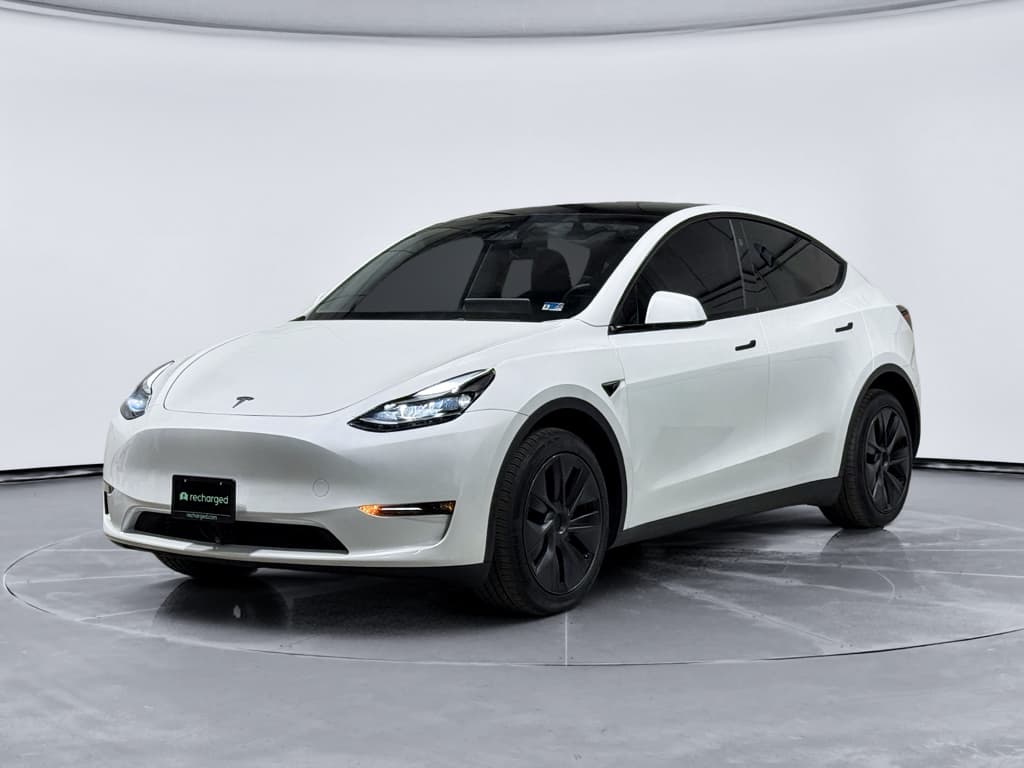
If you’re eyeing a used 2021 Tesla Model S, especially the first‑year Plaid, you’re probably wondering how reliable it really is. The short answer: it’s a stunningly quick, long‑range luxury EV wrapped around average‑to‑below‑average reliability, with lots of software fixes but also more recalls and quality gripes than many rivals. That doesn’t make it a bad buy, but you do need to go in with eyes wide open.
Quick reliability take
Overview: How reliable is the 2021 Tesla Model S?
2021 Model S reliability at a glance
From a reliability standpoint, the 2021 Model S is a mixed bag. Independent surveys of owner‑reported problems show the car scoring worse than average overall for its model year, largely due to issues with build quality, in‑car electronics, and minor hardware like trim and body hardware. At the same time, the core EV systems, battery and motors, tend to be robust, and many issues are cured by software updates rather than mechanical repairs.
What’s unique about the 2021 Model S refresh?
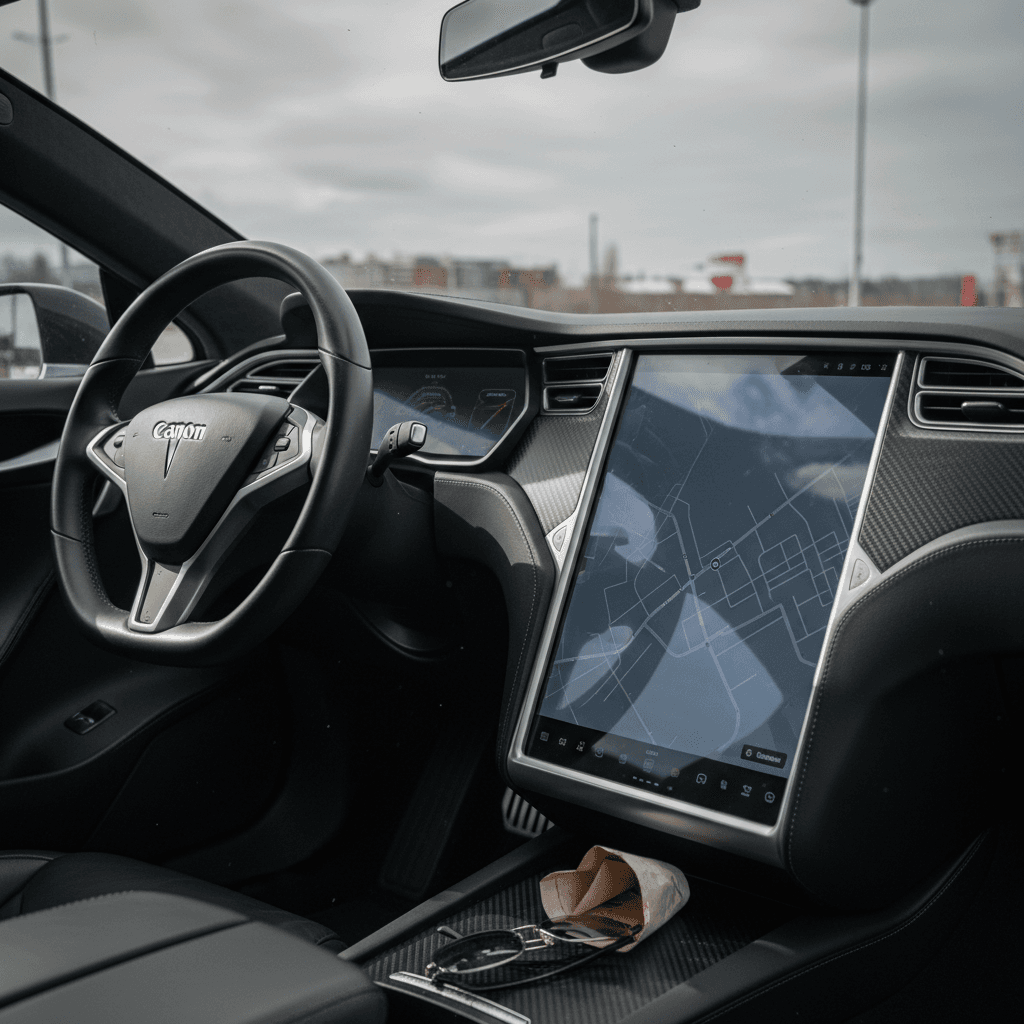
When you talk about 2021 Tesla Model S reliability, you’re really talking about the first year of a major refresh. Tesla redesigned the interior, updated the exterior, and introduced the wild Plaid tri‑motor powertrain for 2021. That matters, because first‑year refreshes on any brand tend to have more bugs than the later years that follow.
Key 2021 Model S changes
- New interior with landscape center screen and yoke (or later, round) steering option.
- Updated powertrains, including the 1,000+ hp Plaid tri‑motor.
- Revised suspension tuning and updated electronics architecture.
- Long Range versions rated up to ~400+ miles of EPA range when new.
Why it matters for reliability
- First‑year issues: More reports of software glitches, trim problems, and squeaks/rattles than on earlier, more mature years.
- New components: Yoke steering, new screens, and revised suspension parts introduced new failure points.
- Rapid iteration: Tesla frequently changes hardware mid‑year, so build date matters almost as much as model year.
Reliability snapshot: Scores, recalls, and complaints
Independent reliability surveys that track owner‑reported trouble spots rate the 2021 Tesla Model S as below average compared with other 2021 luxury cars. The biggest knocks are on build quality, electronics, and body hardware, not the battery or drive units.
How the 2021 Model S scores on reliability building blocks
Think in systems, not just a single score
Battery & motors
Generally strong. Most owners see minor degradation and few outright pack or motor failures, especially under 100k miles.
Electronics & software
Problem area. Glitches with the center screen, cameras, sensors, and driver aids are common themes in complaints.
Body & hardware
Mixed. Reports of misaligned panels, wind noise, rattles, window issues, and latches or trunk not behaving correctly.
Recall reality check
Common 2021 Model S problems to know about
No two cars live the same life, but owner reports and complaint data point to several recurring 2021 Tesla Model S issues. When you’re shopping used, these are the areas to focus on during a test drive and pre‑purchase inspection.
Common 2021 Model S problem areas
Use this as a short list of systems to double‑check before you buy.
| Area | Typical symptoms | What to ask or check |
|---|---|---|
| Electronics & screens | Laggy or rebooting center screen, glitches when fast‑charging, backup camera delays | Confirm software is current; test the screen after a DC fast‑charge session and in cold/hot weather. |
| Driver‑assist / Autopilot | Phantom braking, inconsistent lane‑keeping, warnings about cameras or sensors | Test on a familiar freeway; ask for service records showing camera or sensor calibrations/repairs. |
| Suspension & ride control | Clunks over bumps, harsh ride, "adaptive ride control unavailable" messages | Listen on rough roads; scan for suspension‑related fault messages in the service history. |
| Tires & alignment | Fast inner‑edge tire wear, tramlining, sensitivity to alignment | Inspect tire tread across the full width; look for frequent alignments or tire replacements in records. |
| Body hardware | Trunk that won’t latch, windows not sealing, hatch beeping and refusing to open/close | Cycle every door, window, and hatch multiple times; check for wind noise on the highway. |
| Climate system | "Climate control service required" messages, weak A/C or heat, odd compressor noises | Run HVAC at different temps; check for any open service bulletins or prior repairs. |
Severity and repair cost can vary widely depending on mileage, climate, and how quickly problems are addressed.
Don’t ignore minor annoyances
Battery, range, and long‑term durability
The good news for anyone focused on 2021 Model S reliability is that the high‑voltage battery and drive units have an excellent reputation overall. Real‑world data from Tesla’s own impact reports and third‑party trackers suggest that Model S/X packs typically retain around 88% of their original capacity at roughly 200,000 miles. Many owners report only single‑digit degradation through the first 80,000–100,000 miles.
- Early range loss of a few percent in the first year or two is normal, followed by a slower, flatter rate of decline.
- Software updates and battery‑management tweaks can cause the displayed range to fluctuate even when actual degradation is modest.
- DC fast‑charging (Supercharging) is fine when used sensibly, but a heavily Supercharger‑dependent history can add thermal stress over time.
- Extreme heat and frequent 0–100% charge swings are harder on any lithium‑ion pack than moderate temperatures and a 10–80% daily window.
Battery warranty snapshot
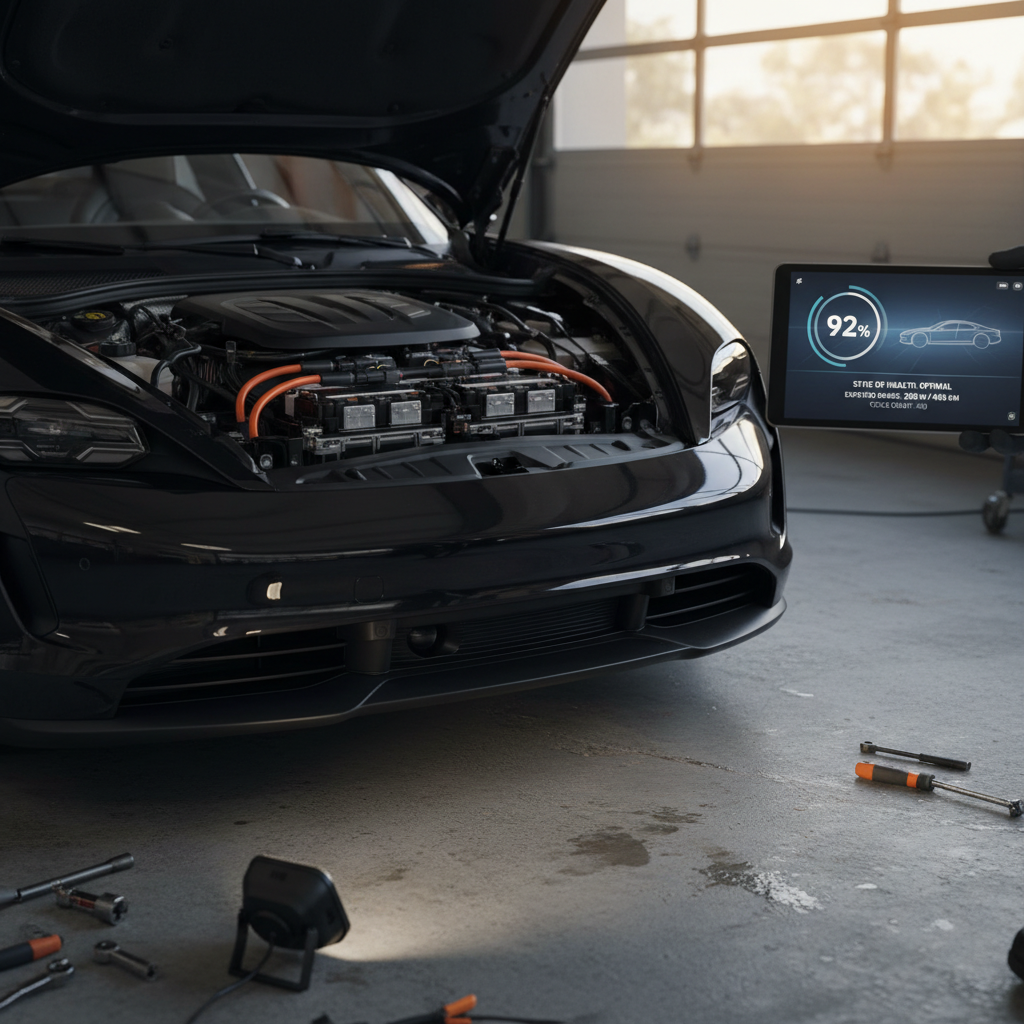
At Recharged, every vehicle receives a Recharged Score Report with an independent battery‑health assessment. For a 2021 Model S, that means we’re not guessing about pack condition, we’re measuring it with diagnostic tools, looking at capacity, charge behavior, and any historical fault codes before we list the car.
Software, Autopilot, and FSD reliability
Software is both Tesla’s superpower and a recurring source of headaches. The 2021 Model S is heavily dependent on over‑the‑air (OTA) updates, which have fixed many recall items but have also introduced short‑term bugs for some owners.
How software affects perceived reliability
Great when it works, frustrating when it doesn’t
OTA recall fixes
Many 2021 Model S recalls have been handled via software updates, no service visit required. That’s a big plus, as long as the car is updating regularly.
Glitches & regressions
New firmware can occasionally cause temporary issues: odd warnings, laggy screens, or Autopilot behavior changes that feel worse before they get better.
Autopilot & FSD
Owner complaints highlight phantom braking and inconsistent stopping behavior at intersections on some software builds. These aren’t mechanical failures but they do impact day‑to‑day confidence.
Driver‑assist is not a reliability crutch
What 2021 Model S reliability means for used buyers
If you’re shopping for a used 2021 Tesla Model S, the right mindset is this: buy the specific car, not the model’s reputation. Two 2021s built the same month can have very different reliability stories depending on mileage, climate, how aggressively they’ve been driven, and whether the owner kept up with software and service.
Who the 2021 Model S fits well
- Drivers who value performance and charging access over perfect panel gaps.
- Owners willing to live with the occasional software quirk in exchange for the latest features.
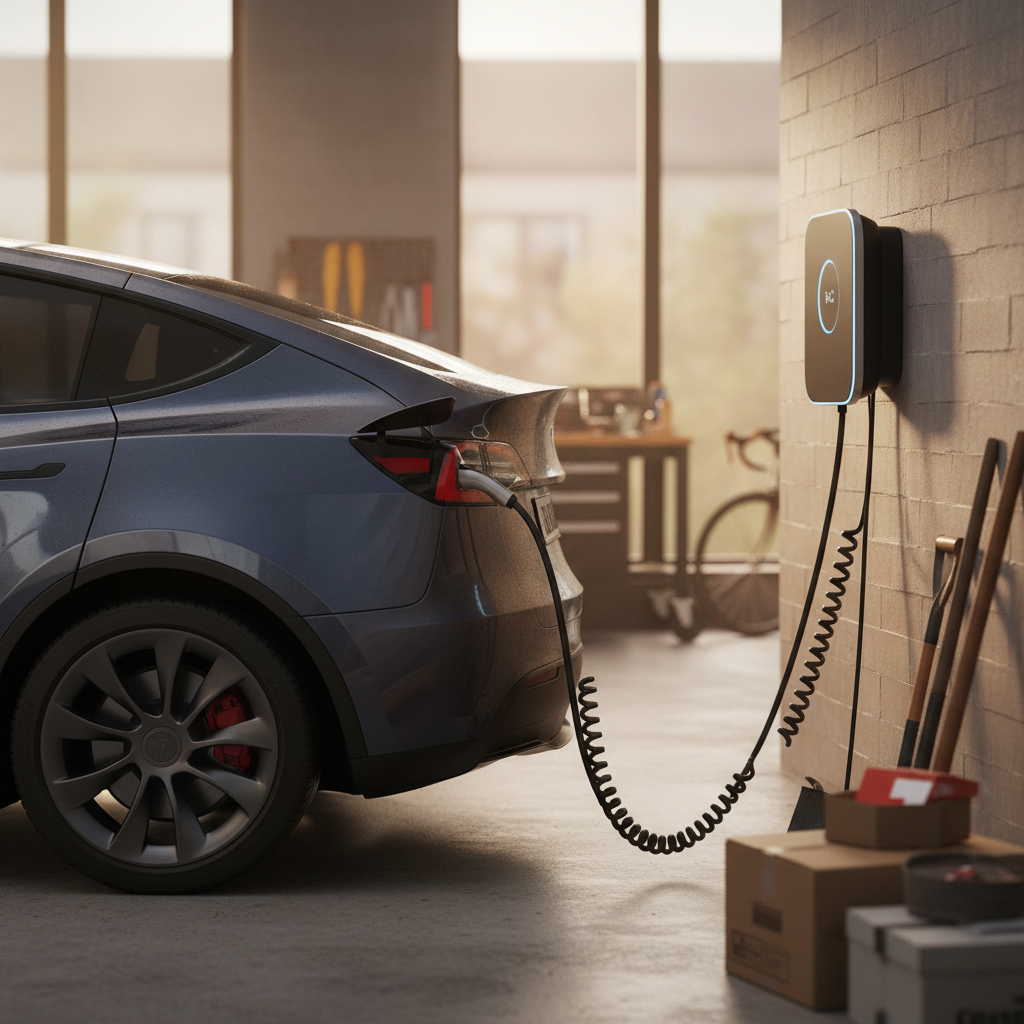
- Shoppers who can keep the car garaged and plugged in to get the most from the battery and OTA updates.
Who might want to look elsewhere
- Buyers who prioritize near‑flawless build quality above everything else.
- Those uncomfortable with a car that changes behavior slightly after software updates.
- Shoppers on a tight repair budget who can’t absorb potential out‑of‑warranty suspension or electronics work down the road.
How Recharged de‑risks a used 2021 Model S
Ready to find your next EV?
Browse VehiclesUsed 2021 Model S reliability checklist
Before you commit to any 2021 Model S, whether it’s a Long Range or Plaid, run through this reliability‑focused checklist. You can do much of it yourself; a shop familiar with Teslas or a platform like Recharged can dig into the deeper diagnostics.
Pre‑purchase reliability checklist for a 2021 Model S
1. Verify software version and recall completion
From the center screen, confirm the car is on a current software version and that no recall or update alerts are present. Ask for a printout or screenshot of recent updates and check for any outstanding NHTSA recalls by VIN.
2. Scan for warning messages and stored faults
On startup, look for alerts related to suspension, climate system, Autopilot, or battery/charging. A professional scan can reveal stored intermittent faults that don’t always trigger a dashboard warning.
3. Inspect battery health and charging behavior
Review the displayed full‑charge range against the original EPA estimate and consider a professional battery‑health report. Test Level 2 and DC fast‑charging if possible to look for abnormal charge stops or overheating warnings.
4. Check suspension, steering, and tire wear
Drive over rough pavement and at highway speed, listening for clunks or rattles. Inspect tire wear across the full tread, heavy inner‑edge wear can signal alignment or suspension concerns that add up over time.
5. Exercise every door, window, and hatch
Open and close all doors, the power trunk, and the charge port several times. Watch for three‑beep error tones, partial closures, or latches that don’t reliably engage, these show up often in owner complaints.
6. Stress‑test the HVAC and defrost
Run the climate system from low to high temperatures, test seat heaters, and check window defogging. Messages like "climate control service required" are worth investigating before you sign anything.
7. Evaluate Autopilot behavior safely
On a familiar, lightly traveled road, test basic Autopilot (if equipped). Watch for phantom braking or erratic lane‑keeping. Any odd behaviors should be cross‑checked against recent software notes and, ideally, a Tesla service evaluation.
8. Review service history and warranty status
Ask for a printout of service visits, especially suspension work, battery/charging repairs, and collision damage. Confirm remaining battery/drive‑unit warranty and whether any extended coverage is available or transferable.
Costs, warranty coverage, and ownership experience
Reliability isn’t just about whether the car breaks; it’s about how expensive and painful repairs are when it does. With the 2021 Model S, the story is nuanced. Many issues are resolved by software updates or relatively quick service visits, but out‑of‑warranty hardware failures, especially suspension components, large screens, or HVAC parts, can be pricey at Tesla service centers.
Typical running‑cost profile
- Energy costs: Nearly always lower than a comparable gas luxury sedan, especially if you charge at home on off‑peak rates.
- Routine maintenance: No oil changes; focus is on tires, cabin filters, brake fluid, and wiper blades.
- Tires: Powerful Plaid models with 21‑inch wheels can be hard on tires; budget accordingly.
Potential big‑ticket items
- Suspension work: Air‑suspension repairs or replacements can be expensive out of warranty.
- Electronics: Infotainment or display hardware issues are rare but not cheap if they occur.
- Body & trim: Fixing rattles, wind noise, or misaligned panels can take multiple visits to get right.
Financing and protection options
FAQ: 2021 Tesla Model S reliability
Frequently asked questions about 2021 Model S reliability
Bottom line: Should you buy a 2021 Model S?
If you’re drawn to the 2021 Tesla Model S for its incredible performance, range, and access to the Supercharger network, those strengths are very real. From a reliability standpoint, though, you should think of it as a high‑tech luxury EV with more quirks and quality issues than the best traditional luxury sedans, especially in its first refreshed year.
For the right buyer, someone who understands EVs, is comfortable with software‑driven updates, and is willing to scrutinize service history and battery health, a well‑vetted 2021 Model S can be a deeply satisfying long‑term car. The key is choosing the specific car carefully, not assuming that every 2021 is created equal. That’s where a structured process, a thorough inspection, and tools like the Recharged Score can turn a complicated decision into a confident one.