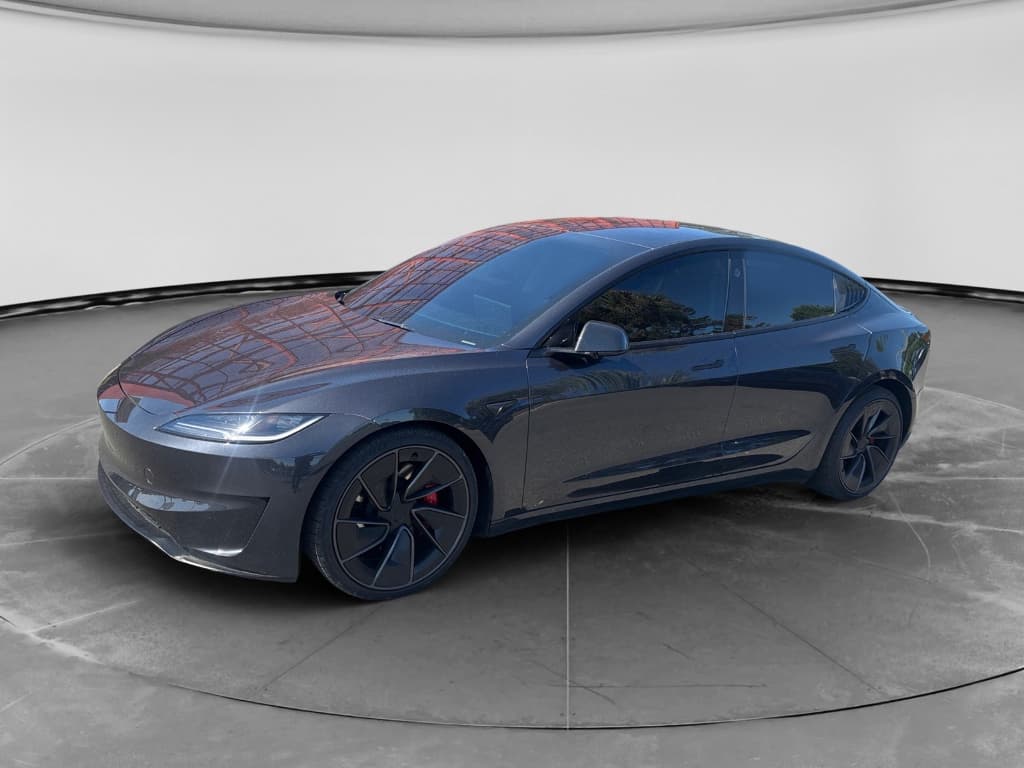
If you’re shopping for a used EV, a 2021 Tesla Model 3 is probably on your shortlist. Three model years in, most 2021s now have substantial mileage, some battery degradation, and a mix of software updates and normal wear. This 2021 Tesla Model 3 review (focused on used buyers) walks through range, battery health, reliability, remaining warranty, and exactly what to inspect before you commit.
Why 2021 is a pivot year
2021 Tesla Model 3 as a Used Buy: Quick Take
2021 Model 3 Used: At a Glance
Viewed purely as a used car, the 2021 Model 3 still checks three big boxes: strong range even with some degradation, access to Tesla’s Supercharger network, and leading safety scores. The trade‑offs: ride noise, some software quirks, out‑of‑warranty repairs that can be pricey, and the need to understand which battery chemistry you’re getting in the base model. For many shoppers, especially commuters and tech‑forward drivers, it’s still one of the most compelling used EVs on the market.
Trims, Range & Key Specs for 2021 Model 3
Tesla sold the 2021 Model 3 in three main trims. Names can be confusing because Tesla quietly tweaked branding mid‑year, but mechanically they fall into three buckets:
2021 Tesla Model 3 Trim Comparison (New EPA Ratings)
Approximate EPA ranges and performance for 2021 Model 3 when new. Expect modest reductions on a used car due to normal battery degradation.
| Trim | Drivetrain | EPA Range (new) | 0–60 mph (approx.) | Notable Traits |
|---|---|---|---|---|
| Standard Range Plus (later just "Model 3") | RWD | ~263 miles | ~5.3 sec | Most affordable; smaller battery; often NCA chemistry in 2021 North America |
| Long Range | Dual‑motor AWD | ~353 miles | ~4.2 sec | Best balance of range and performance for road‑trippers |
| Performance | Dual‑motor AWD | ~315 miles | ~3.1 sec | Track‑ready acceleration, larger wheels, lower ride height |
Use these original specs as a starting point, then factor in real‑world battery health on any used example you’re considering.
Trim choice tip
All 2021s gained a heat pump for more efficient cabin heating, updated wheels and black exterior trim, plus ongoing software updates for infotainment and driver‑assist. That means even in 2026, a clean 2021 doesn’t feel dated in the way a typical five‑year‑old sedan might.
Battery Life & Degradation on a 2021 Model 3
Battery health is the single biggest question for any used EV. By 2026, a 2021 Model 3 is about five years old, and many cars are sitting between 40,000 and 80,000 miles. Real‑world owner reports and Recharged’s own diagnostics suggest that most 2021 Model 3 packs show roughly 8–12% capacity loss in that mileage band when they’ve been used and charged reasonably.
Battery Chemistries You’ll See on 2021 Model 3
Why the battery type matters for daily charging and long‑term life.
Standard Range Plus (NCA)
Most 2021 SR+ cars in North America used an NCA (Nickel Cobalt Aluminum) battery pack.
- Faster degradation if abused (frequent 100% charges, lots of DC fast charging).
- Tesla recommends keeping daily charge around 80–90% to preserve life.
Later LFP Swaps
Some 2021 SR+ cars have had their packs replaced with LFP under warranty.
- LFP tolerates 100% daily charging better.
- Range often similar, but cycle life can be longer.
Long Range & Performance
2021 Long Range and Performance use larger NCA packs.
- Higher absolute range even after 10% loss.
- More sensitive to fast‑charging habits and storage at 100%.
Watch out for abused packs
How to sanity‑check range on a test drive
- With the battery around 70–80%, note the projected rated miles.
- Compare that to the original EPA figure for that trim.
- A rough rule of thumb: a healthy pack might show ~88–94% of original capacity at 50–70k miles.
How Recharged validates battery health
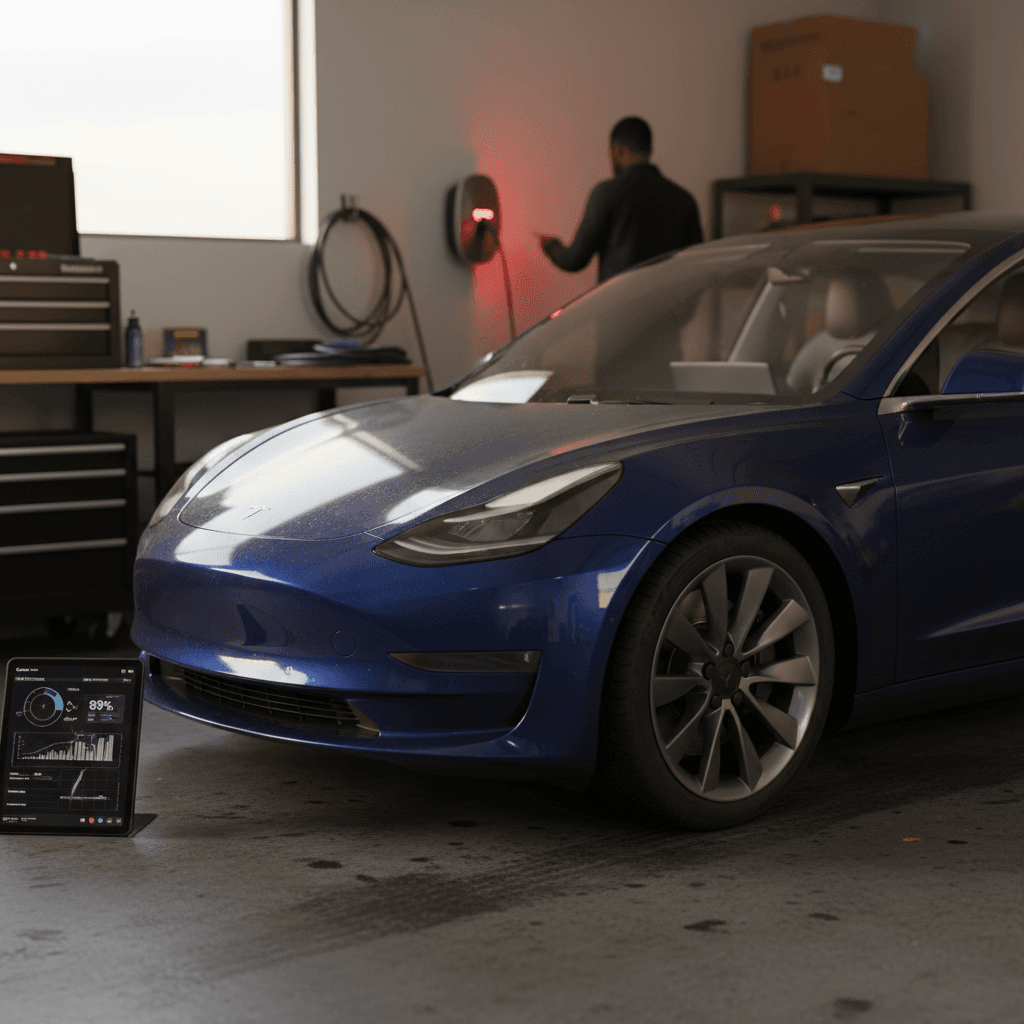
Every used EV sold through Recharged includes a Recharged Score battery report. We pull live pack data, look at charging history patterns when available, and translate that into an easy letter grade and estimated remaining usable life, so you’re not guessing off a single number on the screen.
Driving Experience: How a Used 2021 Model 3 Feels Today
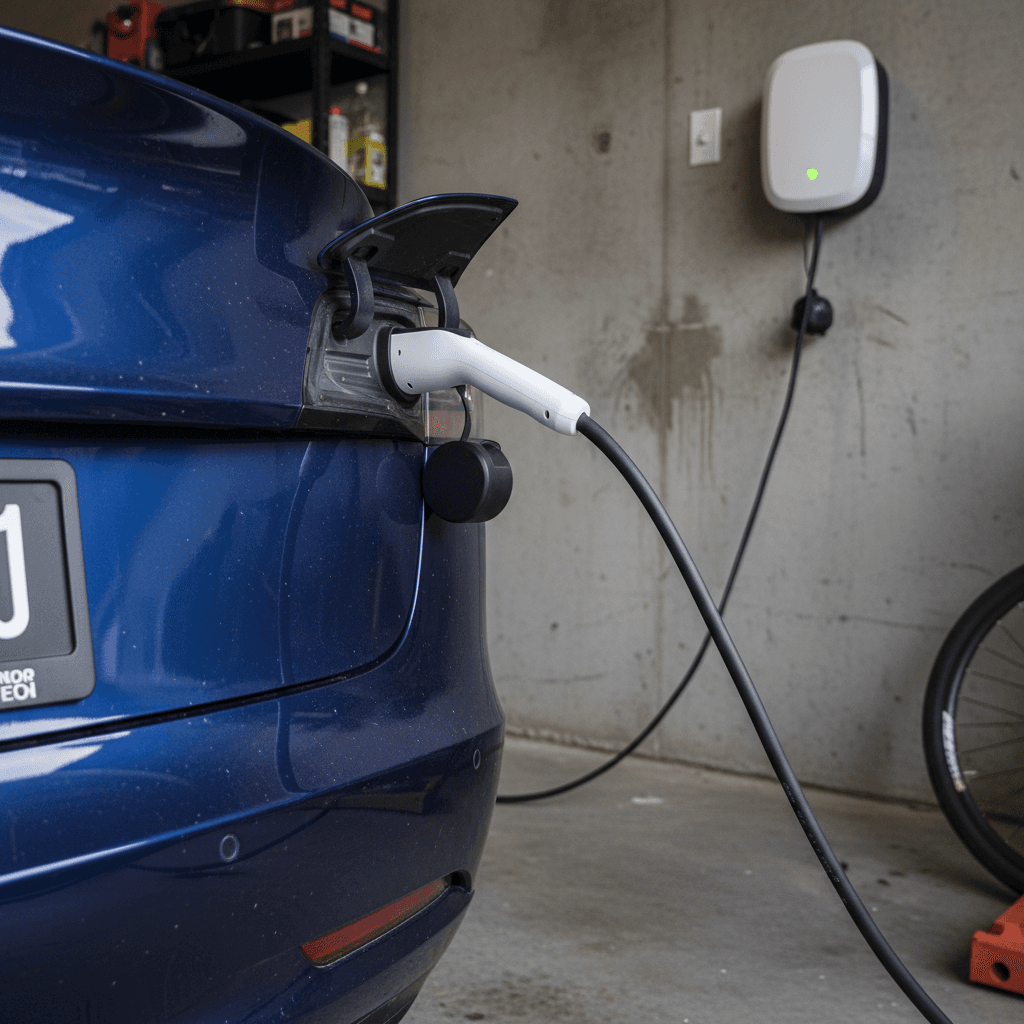
A good 2021 Model 3 still feels distinctly modern: instant torque, quick steering, and a minimalist interior dominated by the center screen. Long Range and Performance trims in particular deliver acceleration that outpaces many new gas sport sedans even in 2026.
- Ride quality skews firm, and on Performance models with 20‑inch wheels it can feel busy on broken pavement.
- Cabin noise is improved versus early 2018–2019 builds but still higher than some luxury sedans, expect some wind and tire noise at highway speeds.
- Tesla’s software UX remains a strong point: over‑the‑air updates, responsive navigation, built‑in trip planning around Superchargers, and a strong app experience.
- Autopilot (standard) handles lane‑keeping and traffic cruise well when used attentively, but you should not treat it as self‑driving.
Software age matters less than model year
Reliability & Common 2021 Model 3 Problems
Overall, 2021 Model 3 reliability has been better than early build years, but no used Tesla is trouble‑free. Here’s what tends to show up most often by year five:
Most-Reported 2021 Model 3 Used Issues
The stuff owners and shops see most as 2021s age.
Suspension & front control arms
Some owners report clunks or creaks when turning the wheel or going over bumps, often traced to front control arms or suspension components. Repairs are straightforward but not cheap if you’re out of warranty.
Wind noise & trim wear
Wind noise around front doors and mirrors plus rattles in the dash or glass roof are common complaints. They’re often annoyances rather than safety issues but can affect perceived quality.
Software quirks & sensors
Phantom braking, inconsistent auto‑wipers, and occasional camera or sensor calibration messages show up across Model 3 years. Most resolve via software updates or simple service visits, but they’re worth testing on a drive.
Water/weather‑related issues
A small number of 2021 owners have reported issues like horn failures or condensation after heavy rain, and early corrosion where road salt is aggressive. Check underbody, door sills, and lights closely if you live in the Rust Belt or coastal regions.
Don’t ignore safety recalls
Against all that, you also have one big advantage: far fewer moving parts than a gas sedan. There’s no engine oil, spark plugs, or transmission fluid to worry about, and brake wear is often minimal thanks to regenerative braking. Tires, suspension, and electronics become the primary maintenance line items.
What Warranty Is Left on a 2021 Tesla Model 3?
In 2026, every 2021 Model 3 is aging out of standard coverage, but many still carry significant battery and drive‑unit warranty, especially lower‑mileage examples. Exact coverage depends on trim:
2021 Tesla Model 3 Factory Warranty Overview
Tesla’s original warranty terms for the 2021 Model 3. Always confirm remaining coverage by VIN and in writing.
| Component | Standard Range Plus | Long Range / Performance | What It Means in 2026 |
|---|---|---|---|
| Basic (bumper‑to‑bumper) | 4 years / 50,000 miles | 4 years / 50,000 miles | Most 2021s are now out of this coverage. |
| Battery & Drive Unit | 8 years / 100,000 miles (70% capacity retention) | 8 years / 120,000 miles (70% capacity retention) | Many cars still have 3+ years and tens of thousands of miles left. |
| Corrosion / Body | Varies by market (often 12 years, unlimited miles on perforation) | Same | Helpful if you’re in high‑salt regions, check local terms. |
Most 2021 cars still have battery and drive‑unit coverage in 2026, even if the basic warranty has expired.
Ask for a written warranty snapshot
Used Pricing, Operating Costs & Value in 2026
Pricing moves with the broader EV market, but by mid‑2026, many 2021 Model 3s slot into a sweet used‑car window. Exact numbers vary by mileage, trim, condition, and region, yet broad patterns are emerging:
- Standard Range Plus: Often clustered in the mid‑$20,000s for average miles, dipping lower with high mileage or cosmetic wear.
- Long Range: Typically commands several thousand more, but the extra range and warranty miles can justify the spread for many buyers.
- Performance: Priced at the top of the 2021 stack, with values sensitive to wheel damage, tire health, and how hard the car has been driven.
Day‑to‑day operating costs
- Electricity vs. gas: Even with higher electricity rates, most drivers see a meaningful per‑mile savings versus a comparable gas sedan.
- Maintenance: No oil changes; main costs are tires, alignment, cabin filters, and occasional suspension or brake service.
- Insurance: Can be higher than a mainstream compact sedan; get a quote on the specific VIN before you buy.
Resale outlook
Tesla has cut new‑car prices aggressively in recent years, which pushed used values down from 2022 peaks. That’s bad news if you bought new, but an opportunity if you’re entering the market now. A well‑specced 2021 Model 3 that you buy at today’s more realistic pricing should have a gentler depreciation curve from here, especially if the battery stays healthy.
Where Recharged can help on value
Ready to find your next EV?
Browse VehiclesWhat to Inspect on a Used 2021 Model 3
Because so much of a Model 3’s value lives in software and the battery, a quick walk‑around isn’t enough. You’ll want a structured game plan before you put down a deposit.
Critical Checks Before You Buy a 2021 Model 3
1. Confirm battery health and range
Ask the seller for a recent battery health report or have a shop (or Recharged) run diagnostics. Compare displayed range at 90–100% to the original EPA figure for that trim and look for signs of abnormal degradation.
2. Verify Autopilot and safety features
On a test drive, confirm that Autopilot engages properly on marked highways, that lane‑keep works as expected, and that forward collision warnings or phantom braking aren’t unusually aggressive.
3. Listen for suspension and steering noises
At low speeds in a parking lot, turn the wheel lock‑to‑lock and drive over small bumps. Clunks or creaks from the front end can point to worn control arms or bushings, common wear items as 2021s age.
4. Check tires, wheels and brakes
Performance models are notorious for curb‑rashed 20‑inch wheels and short‑lived summer tires. Inspect tread depth, sidewalls, and rotor condition; factor replacements into your budget if anything looks marginal.
5. Inspect body, paint and glass
Look closely at door edges, rocker panels and behind the wheels for rock chips or rust starting where road salt hits. Inspect the glass roof and windshield for cracks or significant chips; replacements aren’t cheap.
6. Confirm account transfer & app access
Make sure the seller removes their Tesla account from the car and that you can successfully add the vehicle in the Tesla app. Without that, you’ll have headaches scheduling service or using app‑based features.
Don’t skip a pre‑purchase EV inspection
Who a 2021 Model 3 Fits Best (and Who Should Skip It)
Great fit for
- Daily commuters with home or reliable workplace charging who want low running costs and modern tech.
- First‑time EV buyers who value Tesla’s charging network and software ecosystem.
- Enthusiasts considering a Performance trim as an affordable, shockingly quick sports sedan alternative.
- Used‑car shoppers who want a safety‑rated compact with strong crash scores and advanced driver assistance.
Maybe not ideal for
- Drivers who can’t install home charging and rely completely on public DC fast charging.
- Shoppers who prioritize super‑quiet, cushy ride comfort over handling and efficiency.
- Buyers extremely sensitive to tech quirks like occasional software bugs or over‑the‑air changes.
- Anyone uncomfortable with out‑of‑warranty repair costs on a premium EV.
FAQ: 2021 Tesla Model 3 Used
Frequently Asked Questions About the 2021 Model 3 (Used)
Bottom Line: Is a Used 2021 Tesla Model 3 a Good Buy?
If you want a modern EV with long‑distance capability, strong safety ratings and software that won’t feel dated anytime soon, a used 2021 Tesla Model 3 deserves a close look. The Long Range trim, in particular, hits a compelling balance of price, range and remaining warranty in 2026.
The flip side is that you can’t treat a 2021 like a generic used compact. Battery health, charging history, suspension wear and software behavior matter more than they would on a traditional sedan. Take the time to verify those pieces, and don’t be afraid to walk away from cars with questionable histories or unusually high degradation.
If you’d rather not do that homework alone, buying through Recharged means every 2021 Model 3 comes with a Recharged Score battery report, EV‑focused inspection, fair‑market pricing, and optional financing and trade‑in. However you shop, go in with clear expectations about range, warranty and condition, and a 2021 Model 3 can still be one of the smartest used EV buys on the road today.