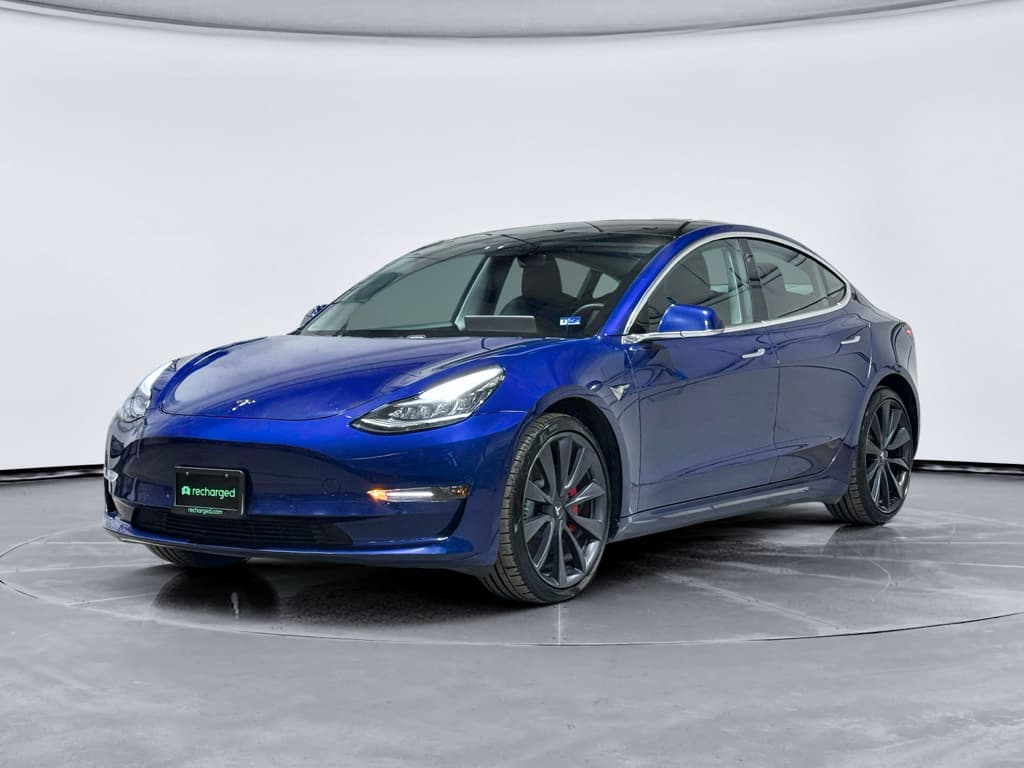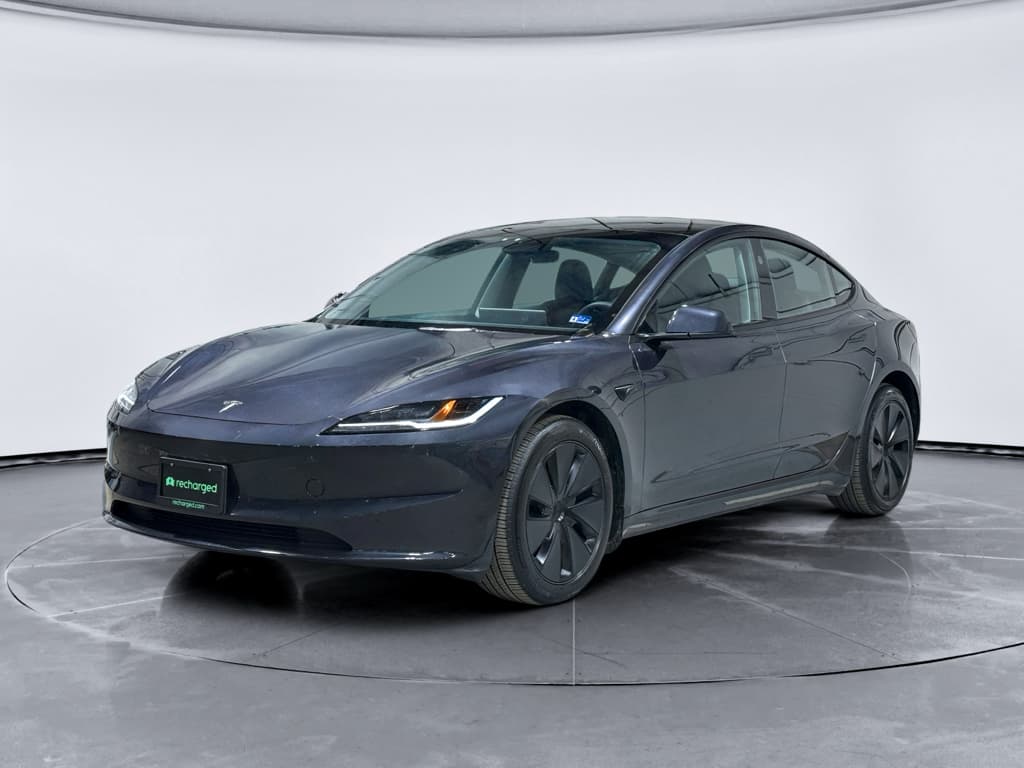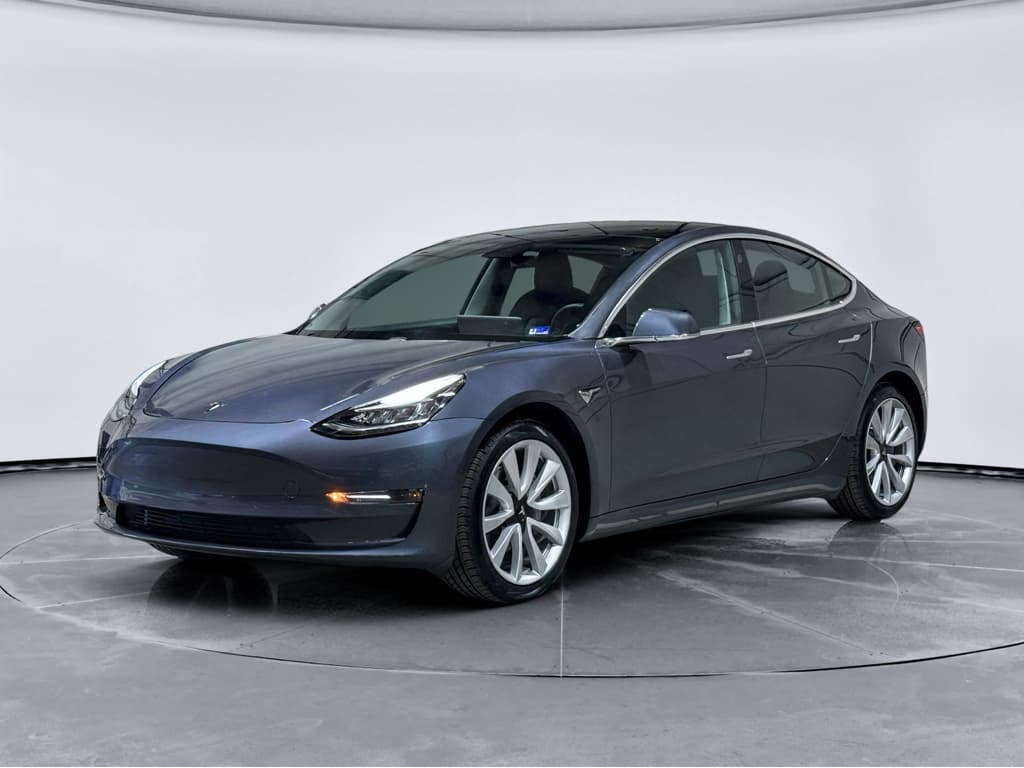
If you’re looking at a 2021 Tesla Model 3 today, you’re shopping one of the sweet spots in the used EV market. It has more range and refinement than early Model 3s, but costs far less than a brand‑new car. This review focuses on how the 2021 Model 3 drives, how its battery and tech hold up several years later, and what you should watch for before you buy.
Quick verdict
2021 Tesla Model 3 at a glance
2021 Tesla Model 3 quick stats
For 2021, the Model 3 lineup in the U.S. consisted of three main versions: Standard Range Plus (RWD), Long Range Dual Motor (AWD), and Performance (AWD). All share the same basic package: a compact four‑door sedan with a minimalist interior, big glass roof, and a single center touchscreen controlling nearly everything.
What changed for 2021, and why it matters used
Key 2021 upgrades
- Slightly more range across all trims versus 2020, thanks to efficiency tweaks.
- Revised center console with a cleaner design, covered storage, and improved materials.
- Quieter cabin from additional sound insulation and double‑pane front windows on many builds.
- Black exterior trim replacing the older chrome look.
- Improved heat pump system (rolled out in late 2020) to help cold‑weather efficiency.
Why it matters to you
- Compared with a 2018–2019 Model 3, a 2021 car feels more refined and goes farther per charge.
- The updated console and materials help the interior feel less "cheap" over time.
- Better climate efficiency means less winter range loss and lower energy use.
- Most of these changes are baked in, so you benefit without paying new‑car prices.
If you’re cross‑shopping years, 2021 is often a better value than a newer refresh at a much higher price, but it’s noticeably more polished than many 2018–2019 cars.
Model year vs. build date
Range, battery, and charging performance
Range is one of the main reasons shoppers target the 2021 Model 3. Across the lineup, EPA‑rated range improved versus 2020, and the Long Range model in particular stands out for highway commuters and road‑trippers.
Official EPA range estimates for 2021 Model 3
Approximate EPA combined range ratings for the 2021 Tesla Model 3 lineup.
| Trim | Drivetrain | EPA range (mi) | Typical real‑world range |
|---|---|---|---|
| Standard Range Plus | RWD | ~263 | Around 220–240 miles in mixed driving |
| Long Range | Dual‑motor AWD | Up to ~353 | Roughly 280–320 miles for most drivers |
| Performance | Dual‑motor AWD | ~315 | Often 250–290 miles depending on wheel size and driving |
Real‑world range will vary with temperature, speed, and driving style, but these numbers show how the trims compare.
In independent real‑world tests, modern Teslas usually come in a bit under their official ratings, especially at high interstate speeds or in cold weather. That’s normal for EVs and similar to what we see from other brands.
Cold‑weather expectations
- Battery size: The 2021 Long Range and Performance trims use a pack around 75–82 kWh usable; Standard Range Plus uses a smaller pack in the ~50–55 kWh range.
- DC fast charging: Up to 170–250 kW depending on trim and charger. On a high‑power Supercharger, adding 150–200 miles in about 20–25 minutes is realistic when the battery is warm and low.
- Home charging: On a 240V Level 2 setup, expect roughly 30–40 miles of range per hour of charging, so an overnight charge easily replenishes a full day’s driving.
Real‑world driving review: performance and comfort
Even in its most affordable form, the 2021 Tesla Model 3 is quick. Instant electric torque makes merging and passing easy, and the dual‑motor variants feel genuinely sporty. Yet this is still a practical compact sedan that’s easy to maneuver and park.
How the 2021 Model 3 drives
Different trims, similar Tesla character
Standard Range Plus
0–60 mph in the mid‑5‑second range, with responsive acceleration up to highway speeds. Light, quick steering and low center of gravity make it feel more agile than most gas sedans in its class.
Long Range AWD
Dual‑motor traction adds confidence in bad weather and shaves meaningful time off 0–60 mph. It feels strong at any speed and is a great blend of performance and efficiency.
Performance
Roughly 3‑second 0–60 mph sprints, bigger wheels, and a sportier suspension turn the Model 3 into a legitimate sport sedan. The tradeoff is a firmer ride and a bit more road noise.
Ride and noise
Tech, interior, and day-to-day ownership
The 2021 Model 3’s interior is famously minimalist: no traditional gauges, few physical buttons, and a single 15‑inch touchscreen handling nearly everything. That keeps the cabin clean and modern, but it also means a short adjustment period when you’re learning where key controls live in menus.
- Infotainment: The large, responsive touchscreen still feels modern in 2026. Over‑the‑air updates can add features, adjust range estimates, and tweak driving behavior, even on used cars.
- Driver display: Vehicle speed, navigation, and driver‑assist info all live on the left side of the center screen rather than behind the steering wheel.
- Storage and practicality: A deep center console, front trunk (frunk), and split‑folding rear seats make the Model 3 more practical than many compact sedans. The sloping rear roof limits rear headroom for tall adults but is fine for most families.
- Materials: 2021 updates improved perceived quality, but this still isn’t a traditional luxury cabin. Think clean and modern more than plush and ornate.
Over‑the‑air advantage
Safety ratings, driver assistance, and known issues
Safety is a strong point for the 2021 Tesla Model 3. It earned top crash‑test marks and offers robust active‑safety tech, but there are important nuances around driver‑assist features and a few areas where you should pay extra attention when buying used.
- Crashworthiness: The Model 3 has a rigid passenger cell, multiple airbags, and a very low rollover risk thanks to the under‑floor battery. Independent crash tests rated it at the top of its class for overall protection.
- Active safety: Automatic emergency braking, lane‑departure warning, and forward‑collision warning were standard. Many cars also include Autopilot (traffic‑aware cruise control and lane centering), with some equipped with optional Full Self‑Driving (FSD) capability.
- Vision-only updates: During 2021 Tesla transitioned from radar‑plus‑camera to camera‑only (“Tesla Vision”) driver‑assist systems. Later testing confirmed that the camera‑only setup can still qualify for top safety ratings, but behavior can differ slightly from earlier cars. It’s wise to test these systems on a test drive and review the owner’s manual.
Door and emergency escape concerns
On the reliability front, most 2021 Model 3s have held up well in terms of batteries and motors, with relatively low degradation reported by typical drivers. More common complaints involve paint quality, panel alignment, squeaks and rattles, and occasional infotainment glitches. Those are things you can often spot on a careful test drive and pre‑purchase inspection.
2021 Tesla Model 3 trims and key specs
2021 Model 3 trim comparison
High‑level overview of the 2021 Tesla Model 3 lineup. Exact specs can vary slightly by wheel choice and software version.
| Trim | Drivetrain | EPA range (mi)* | 0–60 mph (approx.) | Notable traits |
|---|---|---|---|---|
| Standard Range Plus | RWD | ~263 | ≈5.3 s | Best value; lighter, slightly simpler hardware, plenty quick for daily use. |
| Long Range | Dual‑motor AWD | Up to ~353 | ≈4.2 s | Biggest usable range, strong acceleration, confident all‑weather traction. |
| Performance | Dual‑motor AWD | ~315 | ≈3.1 s | Sports‑car speed, sport suspension, larger wheels and tires, lower efficiency. |
Always confirm the specific configuration of the car you’re considering, especially wheels, options, and any software‑locked features.
Wheel size matters
Pros and cons of the 2021 Tesla Model 3
What the 2021 Model 3 does best
- Excellent efficiency and range for the size and price, especially in Long Range trim.
- Strong performance across all trims, with genuinely thrilling acceleration in the Performance model.
- Robust fast‑charging access via Tesla’s Supercharger network and third‑party options using adapters.
- Top‑tier safety scores and a very low risk of rollover.
- Modern tech experience with over‑the‑air updates and seamless phone integration.
Where the 2021 Model 3 falls short
- Firm ride and road noise compared with some entry luxury sedans, especially on big wheels.
- Mixed build quality, panel gaps, paint chips, and interior squeaks show up on some cars.
- All‑touchscreen interface can feel distracting at first, particularly for climate and wiper controls.
- Rear headroom and trunk opening are more sedan‑like than hatchback‑like.
- Service and parts delays can be frustrating depending on your local Tesla service center.
Buying a used 2021 Tesla Model 3: what to look for
A used 2021 Model 3 can be a smart buy, but like any used EV, condition and battery health matter more than odometer alone. Here’s how to shop intelligently.
Used‑buyer checklist for the 2021 Model 3
1. Verify battery health and range
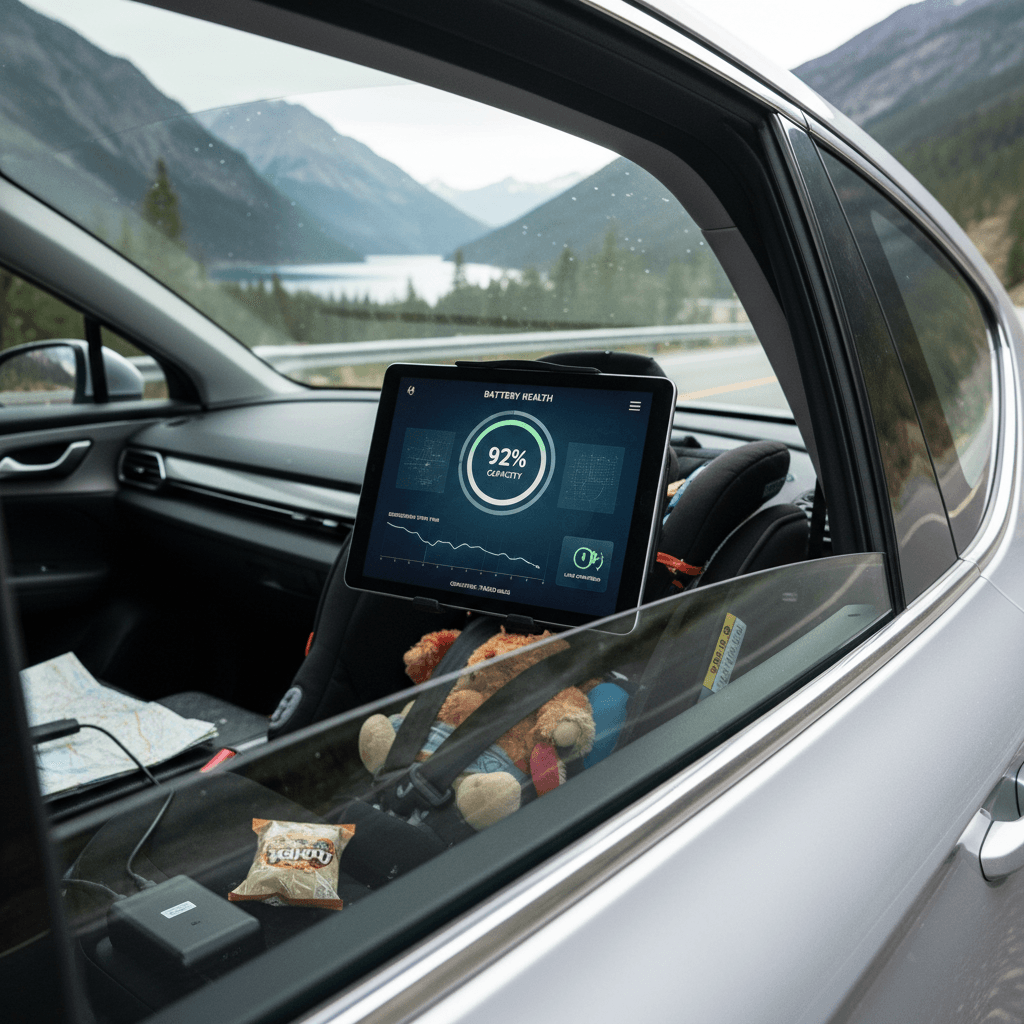
Check the displayed range at 100% charge and compare it with the original EPA figure for that trim. Some loss is normal; what you want to avoid is an outlier with much lower range than similar‑mileage cars. A <strong>Recharged Score Report</strong> includes independent battery‑health diagnostics so you’re not guessing.
2. Inspect exterior and glass
Look closely for paint defects, uneven panel gaps, curb rash on wheels, and chips or cracks in the big glass roof and windshield. Many of these items aren’t cheap to correct, so they’re fair points for negotiation.
3. Test driver‑assist features
On your test drive, verify that Autopilot (if equipped) engages smoothly, tracks lanes reliably, and doesn’t show error messages. Confirm which options, Autopilot, Enhanced Autopilot, or Full Self‑Driving, are actually active on the car; these can affect value.
4. Check for interior wear and rattles
Listen for squeaks and rattles over rough pavement and check for worn seat bolsters, sticky door seals, and loose trim. Software issues are often fixable with updates, but persistent noises take more effort to track down.
5. Confirm charging hardware and adapters
Make sure the car includes the correct charging cable, plugs, and any adapters you’ll need at home. If you plan to use non‑Tesla fast chargers, factor in the cost and availability of the appropriate adapter.
6. Review software and service history
Ask the seller for service invoices, recall documentation, and screenshots of the software version. You want evidence of prompt recall work and properly completed repairs, not lingering warnings on the screen.
Leasing return sweet spots
How Recharged helps you shop for a 2021 Model 3
Shopping for a used Tesla can feel different from shopping for a traditional gas car. Software options, charging hardware, and battery history can dramatically affect the value of two otherwise similar‑looking Model 3s. That’s where Recharged is designed to help.
- Recharged Score battery diagnostics: Every vehicle on our platform includes a Recharged Score Report with verified battery health, charging behavior, and usage history, so you’re not relying on a simple state‑of‑charge guess.
- Fair market pricing: We analyze current EV market data to price 2021 Model 3s competitively, taking into account trim, options like Autopilot or FSD, mileage, and battery condition.
- Financing and trade‑in options: You can line up EV‑friendly financing, explore trade‑in or instant‑offer options for your current car, and keep the entire process digital if you prefer.
- Nationwide delivery and EV‑specialist support: Our team can walk you through charging setup, road‑trip planning, and daily use so your first days with a Model 3 are smooth, not stressful.
- Experience Center in Richmond, VA: If you’d rather see and feel an EV before buying, you can visit our Experience Center, compare vehicles in person, and still complete the deal online.
Start with pre‑qualification
Ready to find your next EV?
Browse Vehicles2021 Tesla Model 3 FAQ
Frequently asked questions about the 2021 Model 3
Bottom line: Is the 2021 Model 3 still worth it?
If you’re shopping for a used EV that still feels current, the 2021 Tesla Model 3 deserves to be on your shortlist. It offers long range, strong performance, and a mature charging ecosystem, wrapped in a compact sedan that’s easy to live with day to day. The main tradeoffs are ride firmness, minimalist controls, and the need to pay close attention to build quality and battery condition on a car‑by‑car basis.
Viewed through a value lens, a well‑vetted 2021 Model 3, especially a Long Range car with documented history, can be one of the smartest ways to get into a modern EV without paying new‑car money. Pair that with transparent battery‑health data, fair‑market pricing, and expert guidance, and you have a confident path into Tesla ownership rather than a leap of faith.