If you’re eyeing a **2024 Genesis Electrified G80**, you’re probably wondering whether this handsome Korean limo is a safe long‑term bet, or a science project wearing a leather interior. With any low‑volume luxury EV, reliability is just as important as range and features, especially if you’re buying used.
Quick context
2024 Electrified G80 reliability at a glance
Genesis G80 and Electrified G80 reliability snapshot
Overall, early signs suggest the **2024 Genesis Electrified G80** is *solidly reliable* in its first few years, leveraging proven Hyundai–Kia EV hardware. The biggest caveat is simply that there aren’t many of these cars on the road, so long‑term data is thin. That means you need to shop carefully and lean on tools like verified battery health reports rather than anecdotes alone.
How the Electrified G80 fits into Genesis reliability
To understand Electrified G80 reliability, you have to start with **Genesis as a brand**. The G80 lineup, gas and electric, has been a quiet all‑star in traditional quality surveys. In the 2024 J.D. Power U.S. Initial Quality Study, the G80 was named **Best Upper Midsize Premium Car** yet again, with Genesis ranking near the top of premium brands for fewest defects and malfunctions reported in the first 90 days of ownership.
Important nuance
What this means for reliability
- Good fundamentals: The underlying G80 platform has been in production for years, and many mechanical and structural bugs were worked out on the gas models.
- Shared EV tech: The Electrified G80 uses battery, inverter, and charging hardware closely related to the group’s other EVs, which have accumulated more miles globally.
Where uncertainty remains
- Low sales volume: With only a few thousand sold in North America across 2023–2024, there isn’t the huge data set you see with a Tesla Model 3 or Mercedes EQE.
- Support footprint: Genesis is still a young luxury brand in the U.S., and some dealers are learning EV service on the job, which can affect repair experience even if the car itself is sound.
Dealer experience varies
Battery life and EV-specific reliability
The Electrified G80 uses a large lithium‑ion battery pack (around the high‑80s kWh) with the group’s **800‑volt architecture**. This is essentially the same family of hardware used in the Hyundai Ioniq 5/6 and Kia EV6, which have built a track record for good efficiency and relatively low degradation when owners aren’t abusing DC fast charging.
- Real‑world owners of Hyundai–Kia 800‑V EVs commonly report single‑digit percentage degradation in the first 50,000–60,000 miles when mostly AC‑charged at home.
- There are no widespread patterns yet of Electrified G80 traction battery failures or mass recalls for pack replacement.
- Thermal management is robust, with active liquid cooling and heating designed to protect the pack in both hot and cold climates.
Battery longevity tips for an Electrified G80
Genesis backs all this with an **8‑year/100,000‑mile battery and EV component warranty**, which is competitive with Tesla, Mercedes‑Benz, BMW, and others. In practical terms, a healthy 2024 Electrified G80 that’s at, say, 40,000 miles today still has several years of coverage remaining on its most expensive hardware.
Motor, drivetrain, and charging hardware
The Electrified G80 uses dual permanent‑magnet motors and a single‑speed reduction gear on each axle. This layout is inherently simple compared with a turbocharged ICE engine and multi‑speed automatic transmission; there are fewer moving parts and fewer opportunities for wear and tear.
EV hardware reliability: where the Electrified G80 stands
Most failure risk sits with peripherals, not the motors themselves
Electric motors
So far there are no consistent reports of motor failures on Electrified G80s. Electric motors in modern EVs are generally among the most reliable components.
Onboard charger & DC hardware
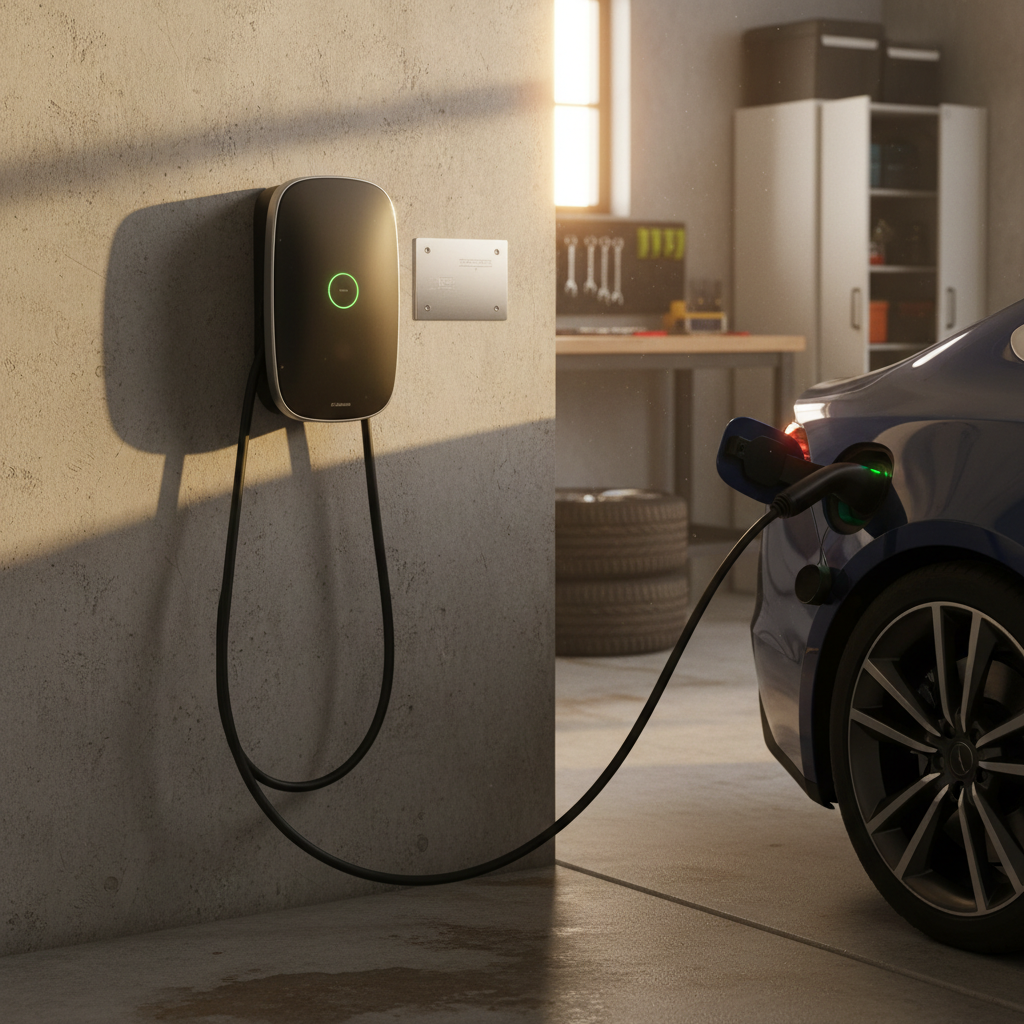
The 11 kW onboard AC charger and 800 V DC hardware are shared tech. Occasional home‑charging glitches usually trace back to the wall equipment or wiring, not the car.
High‑voltage ancillaries
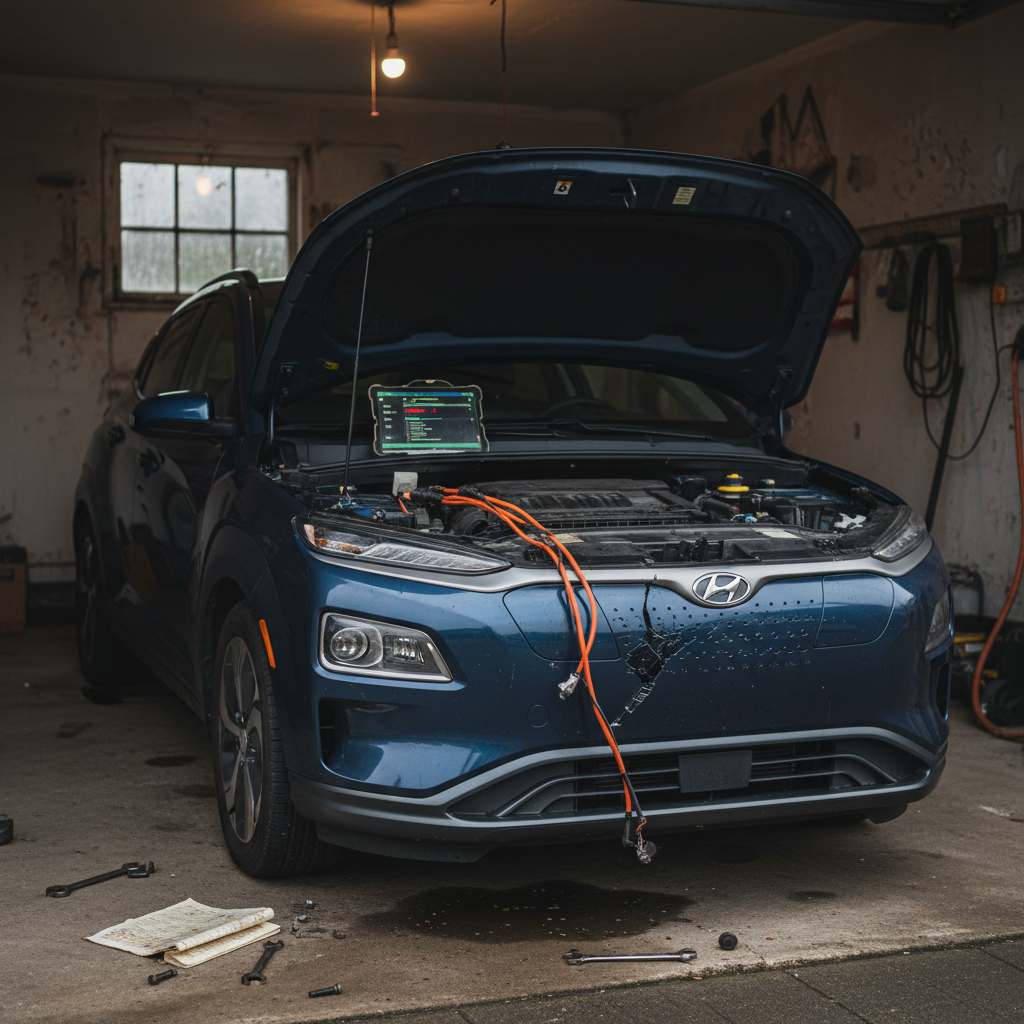
High‑voltage contactors, DC‑DC converters, and charge‑port doors are more likely failure points, but there’s no broad Electrified G80 pattern yet, just isolated, fixable cases.
Charging reliability in the real world
Electronics, software, and build quality
If there’s a classic modern‑luxury‑car reliability story, it isn’t the engine exploding, it’s the **screens, sensors, and modules** getting moody at 70,000 miles. The Electrified G80 is loaded with all the usual troublemakers: panoramic displays, radar and camera‑based driver assistance, a busy CAN bus of talking computers.
- Interior materials and assembly in the G80 line are excellent. Owners rarely complain about loose trim, persistent rattles, or peeling coatings in the first years.
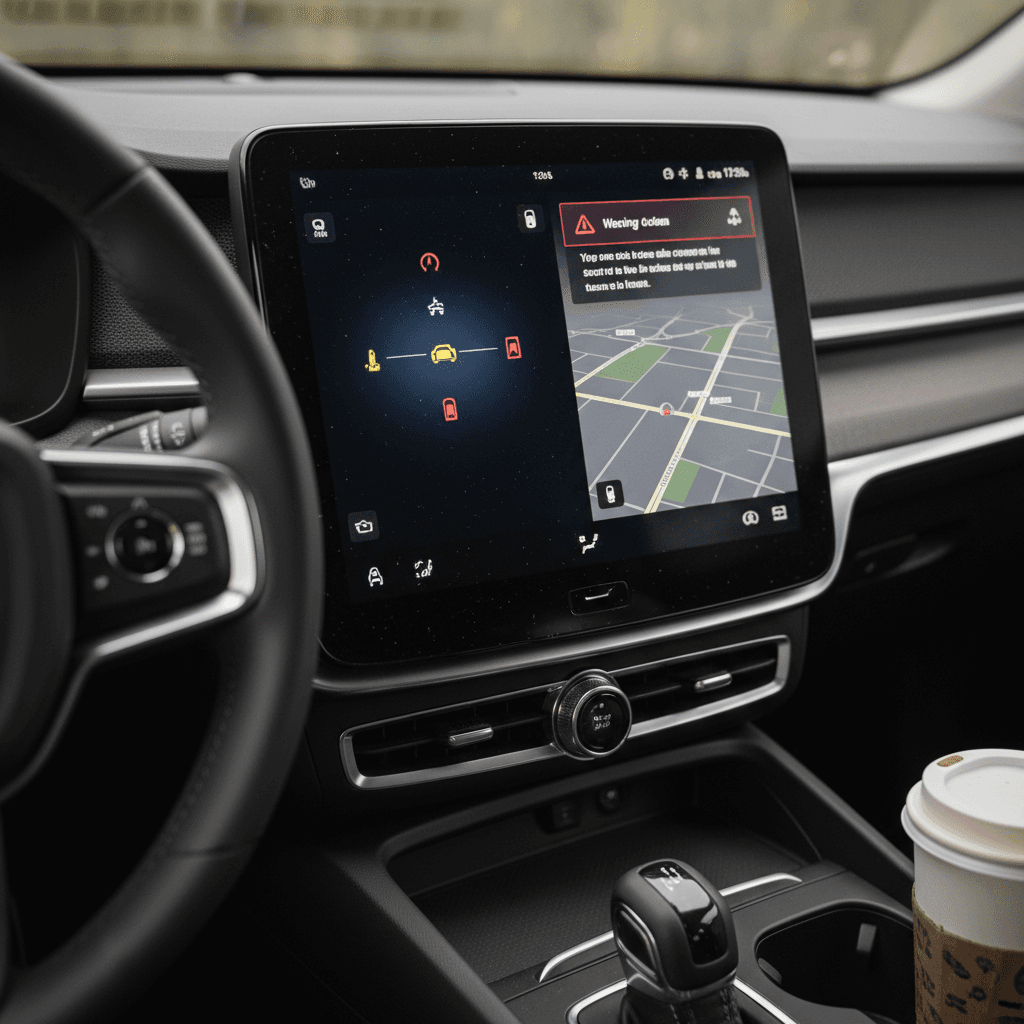
- Some Genesis owners, mainly in other models, report occasional infotainment freezes, black screens, or over‑the‑air update hiccups, usually fixed with software patches or module resets.
- Driver‑assist systems (lane‑keeping, adaptive cruise, highway assist) are generally reliable but can be sensitive to camera/radar alignment after a windshield replacement or minor accident.
Electronics age differently than engines
The good news: the G80’s cabin hardware, switchgear, and physical controls feel overbuilt and expensive. That bodes well for **“perceived reliability”**, how the car feels to live with day‑to‑day, even when it’s a few years old and the new‑car smell has been replaced by lost French fries.
Warranty coverage and running costs
One of the Electrified G80’s quiet strengths is its warranty. From new, U.S.‑market Genesis vehicles typically include:
Typical Genesis coverage for the G80 and Electrified G80
Exact terms can vary by model year and region, but this is the general picture for recent Genesis models sold in the U.S.
| Coverage | Approx. Term | What it covers |
|---|---|---|
| Basic bumper‑to‑bumper | 5 years / 60,000 miles | Most non‑wear items, electronics, interior hardware |
| Powertrain | 10 years / 100,000 miles (original owner) | Motors, reduction gears, and related components on EVs; ICE powertrains on gas models |
| EV battery & major EV parts | 8 years / 100,000 miles | High‑voltage battery, inverter, onboard charger, some high‑voltage electronics |
| Corrosion | 7 years (varies) | Perforation from rust on body panels |
Always verify the in‑service date and remaining coverage for the specific VIN you’re considering.
Why this matters for reliability
Day‑to‑day running costs are friendly for a big luxury sedan. There’s no engine oil to change, no spark plugs, and dramatically less brake wear thanks to regenerative braking. You’re mainly looking at tires, cabin filters, brake fluid intervals, and whatever the luxury‑car gods decide to smite next.
Known issues and owner complaints so far
Because the Electrified G80 is rare, every owner problem echoes loudly online, even if it’s a one‑off. So far, there are **no major, model‑specific defect campaigns** focused on the EV sedan, no notorious battery recall, no epidemic of failed motors.
Emerging reliability themes to watch
12‑volt battery and parasitic drain
Across Genesis products, not specifically the Electrified G80, owners occasionally report dead 12‑volt batteries or electrical drains that leave the car unstartable after sitting. It’s a nuisance more than a catastrophe, but worth testing on a pre‑purchase inspection.
Infotainment and camera glitches
As with most tech‑heavy cars, some owners encounter the occasional frozen screen, rebooting head unit, or finicky surround‑view camera. These are usually resolved with software updates or module replacements under warranty.
Charging‑station compatibility quirks
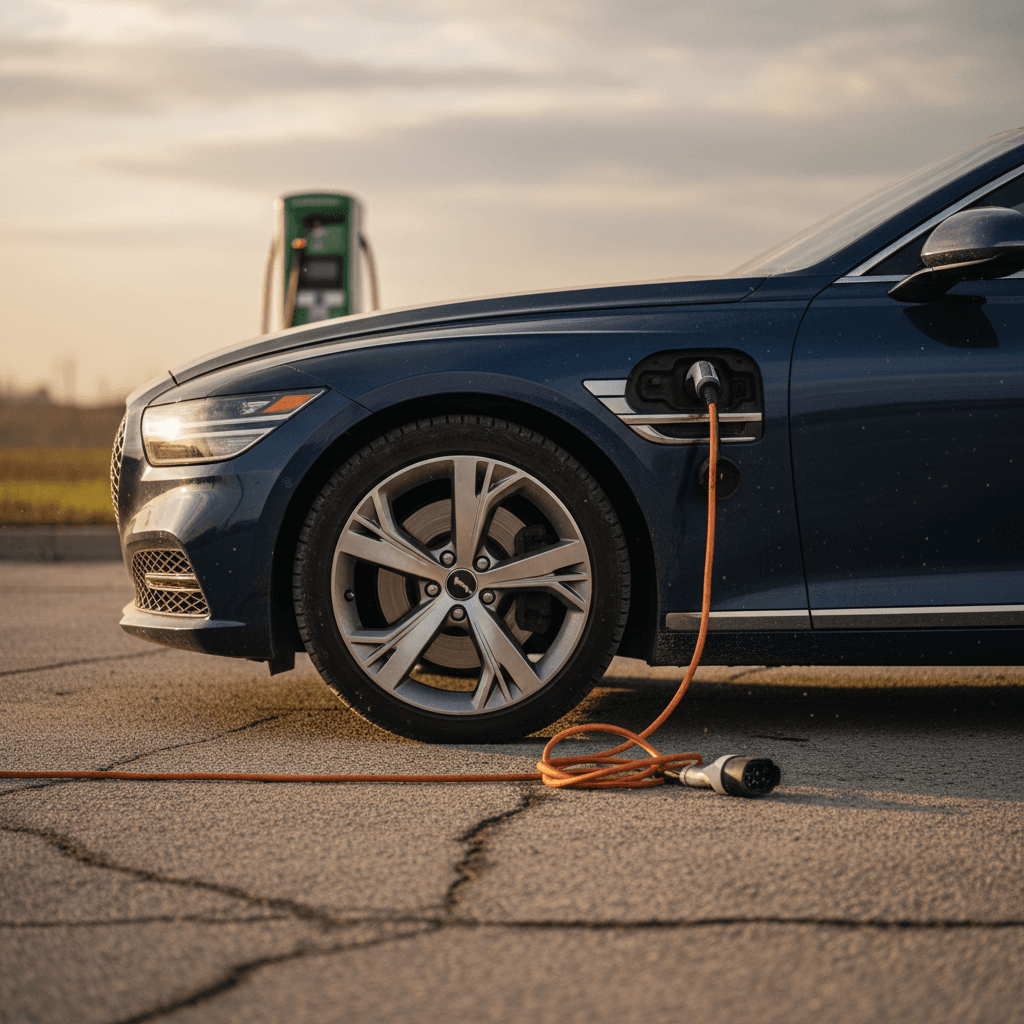
Most complaints around “charging problems” come down to public DC fast‑charging networks being unreliable, not the car itself. Still, you should test your Electrified G80 on your local networks before road‑trip season.
Limited parts availability
For low‑volume EVs, certain body and trim parts may require longer lead times if you’re unlucky enough to need them. This isn’t unique to Genesis but is more noticeable when there aren’t thousands of cars in every junkyard.
Discontinued, not defective
How Electrified G80 reliability compares with rivals
If you’re shopping a 2024 Electrified G80, you’re probably also looking at cars like the Mercedes‑Benz EQE, BMW i5, Tesla Model S, or maybe a Lucid Air. Each comes with its own reliability profile and set of compromises.
Electrified G80 vs key luxury EV rivals: reliability flavor
A qualitative comparison of reliability tendencies, not a scientific ranking.
| Model | Reliability flavor | Common pain points |
|---|---|---|
| Genesis Electrified G80 | Early signs good; limited long‑term data | Dealer service variability, typical luxury‑car electronics risk |
| Mercedes‑Benz EQE | Complex, tech‑heavy; mixed owner reports | Software glitches, suspension and electronics repairs out of warranty |
| BMW i5 | Built on mature 5‑Series base; new EV systems | High parts and labor costs, sophisticated chassis hardware |
| Tesla Model S | Drivetrain generally robust; build quality inconsistent | Fit‑and‑finish issues, infotainment aging, air‑suspension and door‑handle repairs on older cars |
| Lucid Air | Brilliant powertrain; very new brand | Early build issues, service network still growing |
Always evaluate individual vehicles, maintenance history and prior use can matter more than brand stereotypes.
How to read this comparison
Buying a used Electrified G80: reliability checklist
Because every Electrified G80 is, by definition, relatively new and relatively rare, **how it’s been treated** matters as much as which badge is on the grille. Here’s how to stack the deck in your favor if you’re hunting one on the used market.
Used Electrified G80 reliability checklist
1. Verify battery health with data, not vibes
Ask for a quantified battery‑health or state‑of‑health report, not just “it seems fine.” At Recharged, every EV listing includes a <strong>Recharged Score Report</strong> with tested battery condition so you’re not guessing about the most expensive component.
2. Confirm remaining factory warranty
Use the VIN and in‑service date to confirm how much basic, powertrain, and EV battery warranty remains. A car that entered service late in 2024 will be covered longer than one titled in early 2023, even if both are sold as 2024 models.
3. Scan for software and module history
A dealer service printout should show if the car has had repeated visits for infotainment resets, sensor replacements, or charging‑system faults. One fix is fine; a repeated pattern is a red flag.
4. Inspect for collision and water damage
Because parts are not cheap, any poorly repaired accident or flood damage can turn into a reliability nightmare. Look for inconsistent panel gaps, overspray, fogged lights, or musty smells.
5. Test charging at home and on DC fast charge
Before you buy (or immediately afterward during a return window), plug the car into your intended home charging setup and at least one local DC fast‑charging station. Confirm that it starts and sustains a reasonable charging rate and doesn’t throw errors.
6. Drive it in the conditions you’ll use it
If you commute on broken pavement, listen for rattles. If you spend hours on the interstate, pay attention to wind and road noise. Reliability is also about how livable the car feels doing your real‑world routine.
How Recharged can help
Ready to find your next EV?
Browse VehiclesShould you worry that the Electrified G80 was discontinued?
Genesis has already pulled the Electrified G80 from the U.S. consumer site, focusing instead on its electric SUVs and crossovers. That can look ominous on paper, "Was it unreliable?", but the more boring reality is demand. Americans simply bought more EV SUVs than electric sedans, and tariffs and pricing pressure didn’t help the business case.
What discontinuation does mean
- Depreciation: Low‑volume discontinued models often take a harder early hit on resale, which can make them phenomenal used buys if you plan to keep the car.
- Mindshare: Fewer new owners means less forum activity and fewer DIY guides, so you’re leaning more on professional service and solid documentation.
What it doesn’t necessarily mean
- Not a recall: There’s no evidence the Electrified G80 was dropped due to systemic safety or reliability defects.
- Not orphaned: Genesis must continue to support parts and service for years; your car doesn’t become unfixable because the model is off the new‑car menu.
Think of it like a limited‑run luxury watch
FAQ: 2024 Genesis Electrified G80 reliability
Frequently asked questions
Bottom line: Is the Electrified G80 a safe bet?
If you’re looking for a **quietly excellent luxury EV sedan** rather than a rolling tech demo, the 2024 Genesis Electrified G80 makes a compelling case. Early reliability indicators are positive, the underlying G80 bones are proven, and Hyundai–Kia’s modern EV hardware has not revealed any large‑scale defects. The flip side is that low production means fewer datapoints and potentially longer waits for some parts, especially as the model fades from the new‑car spotlight.
The smart move is to treat each Electrified G80 as an individual: insist on documented service history, verify battery health, test charging in your real‑world environment, and pay attention to warranty timelines. Do that, and you’re not just buying a discontinued curiosity, you’re getting a deeply comfortable, well‑built electric sedan that should age more gracefully than many flashier rivals. And if you’d like a second set of eyes on a specific car, Recharged is built exactly for that: to make **used EV ownership simpler, more transparent, and a lot less of a gamble.**