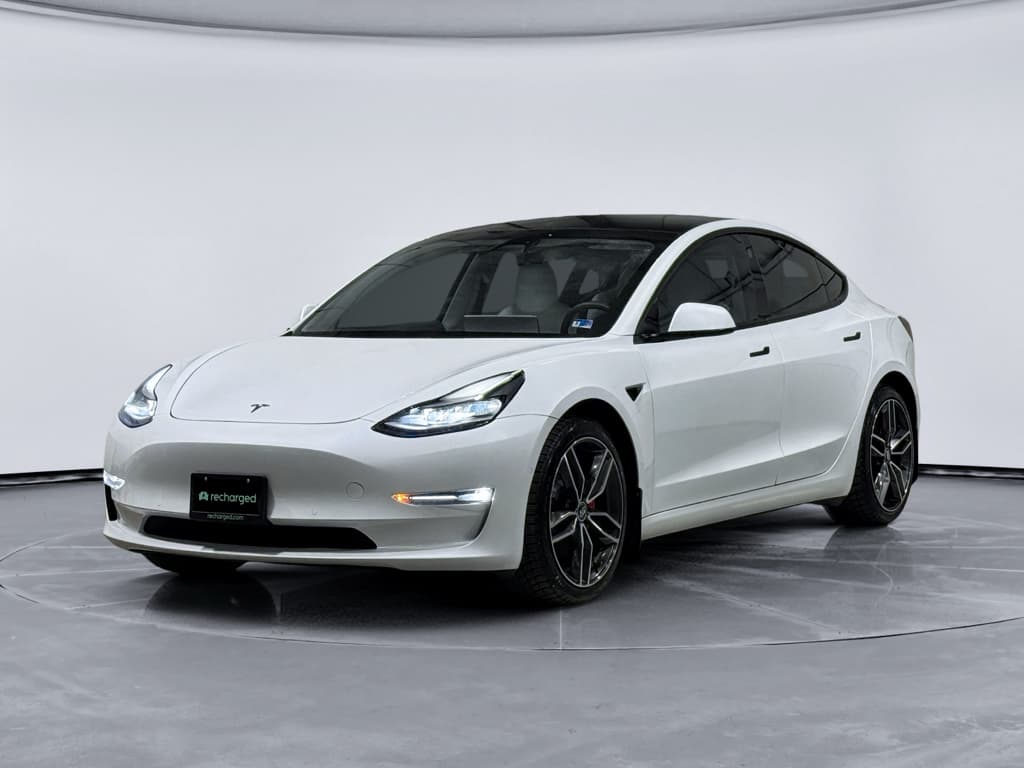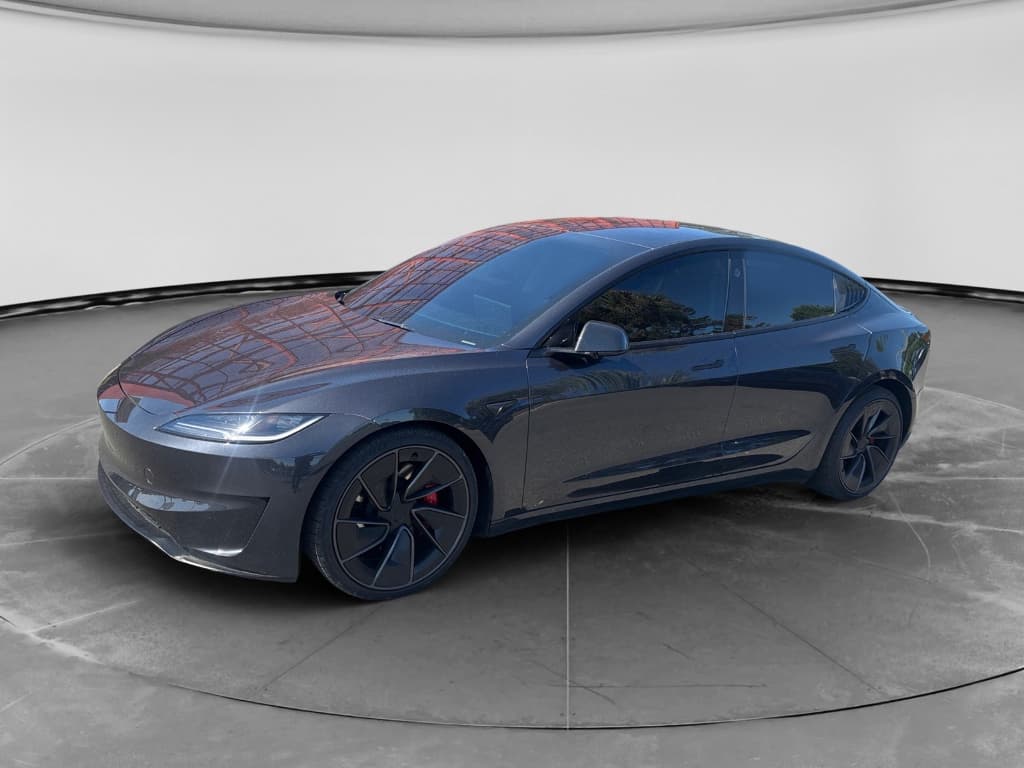
If you’re eyeing a used 2021 Tesla Model 3, you’re looking at one of the most popular EVs on the road, but also one built during a period when Tesla was still ironing out some reliability wrinkles. This guide walks through the most common 2021 Tesla Model 3 problems and fixes, how serious they really are, what they cost, and what to check before you buy.
Why 2021 matters
2021 Model 3 reliability in context
Across most owner surveys, the 2021 Model 3 scores above average for overall satisfaction but only mid-pack on reliability. The car’s battery and motor hardware are generally robust; the headaches come more from HVAC components, suspension wear, build quality quirks, and software-driven behavior like phantom braking. The good news is that most of these issues are manageable, or can be spotted before you buy, if you know where to look.
2021 Model 3 reliability at a glance
The biggest 2021 Tesla Model 3 problems
Top 2021 Model 3 problem categories
What owners report most often as the car ages
HVAC & heat pump
Suspension & tires
Software & electronics
Autopilot behavior
Problem 1: HVAC and heat pump failures in cold weather
For 2021, Tesla switched the Model 3 to a heat pump–based HVAC system to improve efficiency. It worked, but it also introduced the single most talked‑about 2021 Model 3 issue: sudden loss of heat in cold weather, often accompanied by error messages or a screaming compressor sound from the front of the car.
- Cabin suddenly blows cold air in freezing temperatures
- Defrost performance drops and windows ice up on longer drives
- HVAC error messages or warnings about climate system
- Loud "shudder" or grinding noises from the front while using heat
Why this matters
Root causes and Tesla’s response
Most heat failures trace back to sensors, valves, or the heat pump assembly itself rather than the battery or main drive unit. Tesla has issued service bulletins and at least one recall campaign to address heat pump behavior via both hardware replacements (pressure/temperature sensors, manifolds, lines) and firmware updates that change how the system de‑ices and protects itself in extreme cold.
How to diagnose HVAC problems on a test drive
1. Start with a cold soak if possible
If you’re in a cooler climate, inspect the car after it has sat outside for several hours. Turn climate control to HI and max defrost, and confirm that strong, consistent warm air comes from the vents within a few minutes.
2. Listen for heat pump noises
A brief whoosh or hum is normal. Grinding, rattling, or rhythmic "shudder" noises from the front of the car during heating can indicate a failing compressor or valve issue.
3. Watch for HVAC error messages
Any climate‑system or heat‑pump warning on the touchscreen is a red flag. Take screenshots in the moment; intermittent issues have a way of disappearing by the time the car gets to service.
4. Check defrost performance
On a damp or cold day, fog the inside of the windows with your breath and use the defrost mode. Windows should clear quickly and stay clear without cycling between fogged and clear.
Typical fixes and cost expectations
If the car is still under Tesla’s basic 4‑year/50,000‑mile warranty, most HVAC issues are covered. Out of warranty, owners most commonly report the following fixes:
Common 2021 Model 3 HVAC fixes
Approximate out‑of‑warranty costs at Tesla or a specialist shop (USD). Actual pricing varies by region.
| Repair | What it does | Typical cost |
|---|---|---|
| Refrigerant pressure/temperature sensor replacement | Addresses faulty readings that can cause heat pump shutdown | $250–$500 |
| Heat pump manifold / line replacement | Fixes leaks or flow issues in the refrigerant loop | $600–$1,200 |
| Complete heat pump assembly replacement | Replaces compressor and related components | $1,400–$2,200 |
| Software / firmware update only | Adjusts control logic for de‑icing and protection | Often free at Tesla |
These are ballpark estimates, always get a written quote for your VIN.
Negotiation angle
Problem 2: Suspension noises and tire wear
Another recurring 2021 Model 3 theme is front suspension wear, especially on cars that see rough roads or aggressive driving. Owners often notice a creak, pop, or clunk from the front end when turning the steering wheel at low speeds or going over speed bumps. At the same time, the Model 3’s weight and instant torque can chew through tires faster than many buyers expect.
- Creaking or popping from the front when parking or maneuvering
- Clunking over small bumps at urban speeds
- Uneven tire wear, inner shoulders worn more than outer
- Steering that feels a bit "loose" or wanders on the highway
Likely culprits
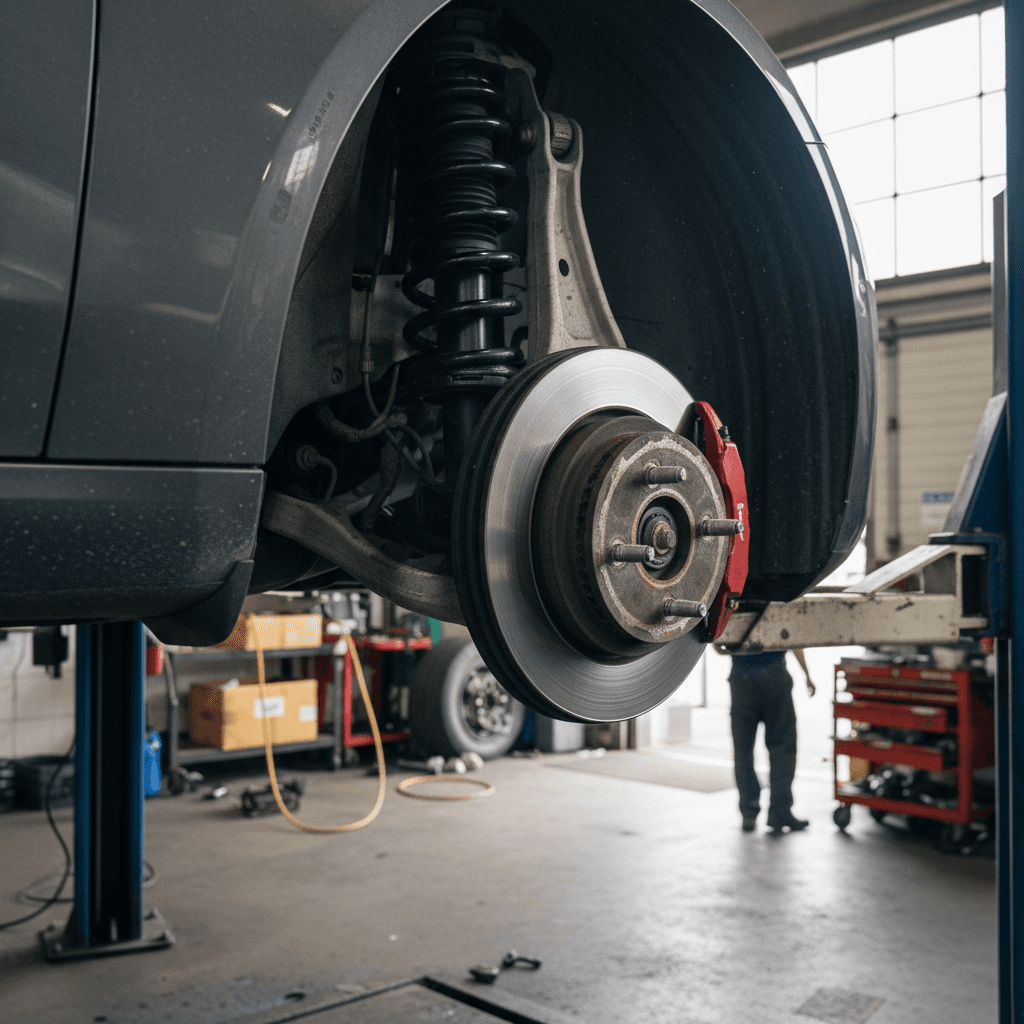
On 2021 Model 3s, the usual suspects are front upper control arm ball joints and bushings. As they wear, they can creak or clunk, especially while turning at low speeds. Alignment that’s slightly out of spec will accelerate inner‑edge tire wear, and many cars leave the factory with fairly aggressive alignment settings that favor sharp handling over tire life.
Suspension and tire checks before you buy
1. Full‑lock steering test
In a quiet parking lot, turn the wheel to full lock in each direction and slowly roll. Listen for creaks or pops from the front corners, both moving and stationary.
2. Speed bump and driveway test
Drive over a few speed bumps or angled driveway entrances at low speed. Any sharp clunking from the front end warrants further inspection.
3. Inspect tire tread carefully
Turn the front wheels full left and right so you can see the inner tread. Uneven wear, particularly on the inside edge, points to misalignment or worn suspension.
4. Check mileage and tire brand
If the car is still on its original tires at 30,000–40,000 miles, understand that a full set of quality EV‑rated tires can run $900–$1,300 installed.
How serious is it?
Problem 3: Autopilot and phantom braking complaints
The 2021 Model 3 relied heavily on camera‑based driver assistance. Owners report phantom braking: sudden, unnecessary deceleration on highways or when passing certain vehicles or shadows. Regulators have taken notice, and Tesla has issued a series of over‑the‑air updates to adjust Autopilot and Full Self‑Driving (FSD) behavior.
- Unexpected, sharp deceleration on highway with no clear obstacle
- Overly cautious behavior approaching overpasses, shadows, or parked vehicles
- Inconsistent lane‑centering on poorly marked roads
- Forward collision warnings that feel oversensitive or late
Safety perspective
How to evaluate Autopilot on a test drive
1. Confirm software version and options
On the main screen, tap the vehicle icon and open the Software tab. Note whether the car has Basic Autopilot, Enhanced Autopilot, or FSD, and which software version it’s running.
2. Test on a familiar highway
On a clear, lightly traveled stretch of highway, engage Autopilot and see how consistently it maintains speed and lane position. Stay ready to override at all times.
3. Look for pattern, not perfection
Some mild over‑caution is normal; repeated hard braking for harmless situations is not. If the car behaves unpredictably on the same stretch of road, expect it to do so in your ownership as well.
4. Check for camera and sensor warnings
Any warnings about blocked cameras, calibration, or unavailable driver‑assist features can indicate past damage, poor windshield replacement, or unresolved service needs.
Problem 4: Build quality and interior wear
The 2021 Model 3 improved on earlier years, but build consistency still isn’t at traditional luxury‑brand levels. Used shoppers often find minor paint defects, panel‑gap variation, and interior squeaks and rattles. After a few years, steering‑wheel coatings can peel and seat bolsters may show more wear than mileage alone would suggest.
Typical 2021 Model 3 build and wear issues
Mostly cosmetic, but worth checking before you commit
Paint & exterior trim
Panel alignment
Interior wear & squeaks
How to separate quirks from red flags
Problem 5: Electronics, software glitches, and 12V issues
Because nearly every function on a Model 3 runs through the central screen, even minor software or electronics glitches feel like a big deal. On 2021 cars, owners most often report random reboots of the center screen, intermittent Bluetooth or camera behavior, and occasional warning lights that clear after a restart.
- Touchscreen freezing or rebooting mid‑drive
- Backup or side cameras intermittently unavailable
- Random error messages that disappear after a restart
- 12V battery warnings or accessory power issues as the car ages
Simple fixes you can try
- Soft reset: Hold both scroll wheels on the steering wheel until the screen goes black and reboots.
- Check connectivity: Many map or streaming issues are just weak cell or Wi‑Fi signals.
- Camera cleaning: Wipe all camera lenses with a clean microfiber cloth before assuming a hardware fault.
When it’s more serious
- Repeated reboots or persistent warnings after a reset.
- Long‑term 12V battery warnings, these can eventually strand the car.
- Driver‑assist systems frequently unavailable even in clear conditions.
These issues may require Tesla service diagnostics or, in rare cases, hardware replacement (MCU, cameras, 12V battery).
The upside of software‑centric design
Key recalls affecting the 2021 Model 3
Every modern vehicle has recalls; what matters is whether they’ve been addressed. The 2021 Model 3 is no exception, with several software‑based campaigns plus a smaller number of hardware‑related recalls. Fortunately, most are remedied through free over‑the‑air updates or no‑cost service visits.
Examples of recalls that can affect 2021 Model 3s
This isn’t a complete list, but it highlights the flavor of issues you’ll see in recall histories.
| Recall type | What can happen | How it’s fixed |
|---|---|---|
| Autopilot / FSD software behavior | Unexpected braking, incomplete stop‑sign behavior, or failure to follow certain rules of the road in rare cases | Over‑the‑air software update from Tesla |
| Front trunk / hood latch | Potential for hood not to latch or to open unexpectedly if mis‑aligned | Hardware inspection and adjustment or latch replacement at a Tesla service center |
| Rearview camera harness | Camera image may intermittently cut out due to harness wear at trunk hinge | Updated harness or rerouting at no cost to owner |
| Heat pump / HVAC logic | Loss of heating in certain cold‑weather conditions due to control logic | Firmware update plus, if needed, sensor or manifold replacement |
Always run the VIN through NHTSA and Tesla’s account portal to confirm all recalls are complete.
How to check a car’s recall status
Pre‑purchase checklist for a used 2021 Model 3
If you’re buying from a private seller or traditional dealer, you’ll need to do the homework yourself. Use this checklist to stack the odds in your favor before you sign anything.
Essential 2021 Model 3 buyer checklist
1. Confirm build date and warranty status
Tap the vehicle icon, then Software, to see the VIN, build date, and warranty mileage. Tesla’s basic warranty is 4 years/50,000 miles; battery and drive unit coverage extends longer.
2. Pull service and recall history
Ask the seller for Tesla service invoices and any documentation of repairs. Look specifically for HVAC, suspension, and camera harness work, as well as completed recall campaigns.
3. Inspect tires, brakes, and suspension
Check for uneven tire wear, listen for suspension noises, and have a trusted shop put the car on a lift if possible. A pre‑purchase inspection is money well spent on any EV.
4. Test HVAC hot and cold
Run heat at full blast and, if possible, test air conditioning as well. Verify strong airflow, stable temperatures, and no odd noises from the front of the car.
5. Evaluate Autopilot and cameras
On safe roads, test cruise, lane‑keeping, and lane‑change (if equipped). Confirm the backup and side cameras work reliably without intermittent blackouts.
6. Check for water leaks and trunk issues
Inspect the trunk well, underfloor storage, and rear lights for signs of water intrusion or mildew smell, especially on cars from very rainy or snowy climates.
7. Scan for error messages
Before and after your test drive, look for any warning lights or messages on the central display. Take photos; intermittent issues often don’t show up once the car is back home.
When to walk away
Estimated costs for common 2021 Model 3 fixes
To make a smart offer on a used 2021 Model 3, you need a realistic sense of what common fixes actually cost. Here’s a high‑level guide to ballpark out‑of‑pocket expenses once the basic warranty expires.
Ballpark cost ranges for frequent 2021 Model 3 repairs
Approximate U.S. pricing at Tesla service centers or reputable EV specialists.
| Repair / service | Why it’s needed | Typical cost |
|---|---|---|
| Front upper control arm replacement (pair) | Creaks and clunks from front suspension | $600–$1,100 |
| Four‑wheel alignment | Corrects uneven tire wear and pulls | $175–$275 |
| Set of 18–20" EV‑rated tires | Normal wear or inner‑edge cord showing | $900–$1,300 |
| Heat pump sensor / manifold repair | Restores consistent cabin heat and defrost | $250–$1,200 |
| 12V battery replacement | Aging low‑voltage battery causing warnings | $250–$450 |
| MCU or camera hardware repair | Persistent screen reboots or camera faults | $800–$2,000+ |
These numbers are estimates, not quotes, labor rates and parts pricing vary by region and over time.
Use costs to shape your offer
How Recharged reduces risk on a 2021 Model 3
Buying a used Tesla doesn’t have to mean guessing what’s going on under the floor and behind the touchscreen. At Recharged, every 2021 Model 3 we sell goes through a structured intake process and receives a Recharged Score Report so you can see exactly what you’re getting.
What Recharged does differently for 2021 Model 3s
Less guessing, more verified data
Verified battery health
Targeted problem checks
Transparent pricing & financing
Nationwide delivery
EV‑specialist guidance
Flexible selling options
Ready to find your next EV?
Browse VehiclesFAQ: 2021 Tesla Model 3 problems and fixes
Frequently asked questions
The 2021 Tesla Model 3 blends efficient electric performance with one‑pedal driving and access to Tesla’s charging ecosystem, but like any complex car, it has its own pattern of problems. Go in expecting possible HVAC, suspension, and software quirks rather than catastrophic battery failures, and budget realistically for wear items. Whether you buy privately or through a specialist like Recharged, the key is simple: verify, don’t assume. With the right checks, and the right car, a 2021 Model 3 can still be one of the smartest used EV buys on the road.