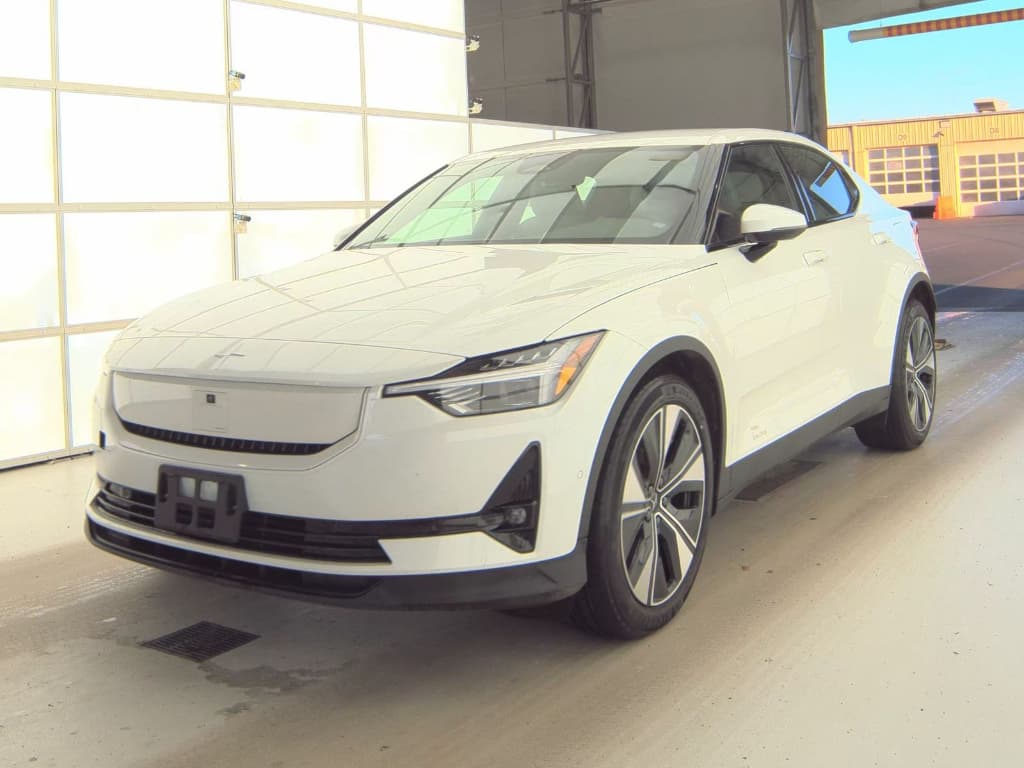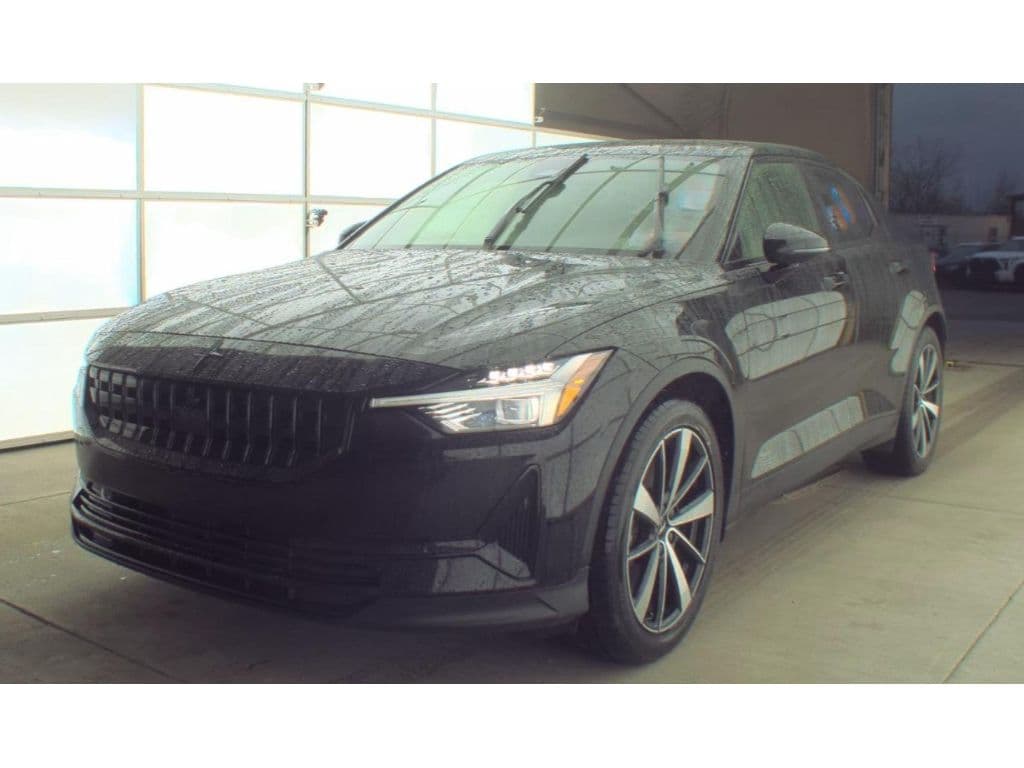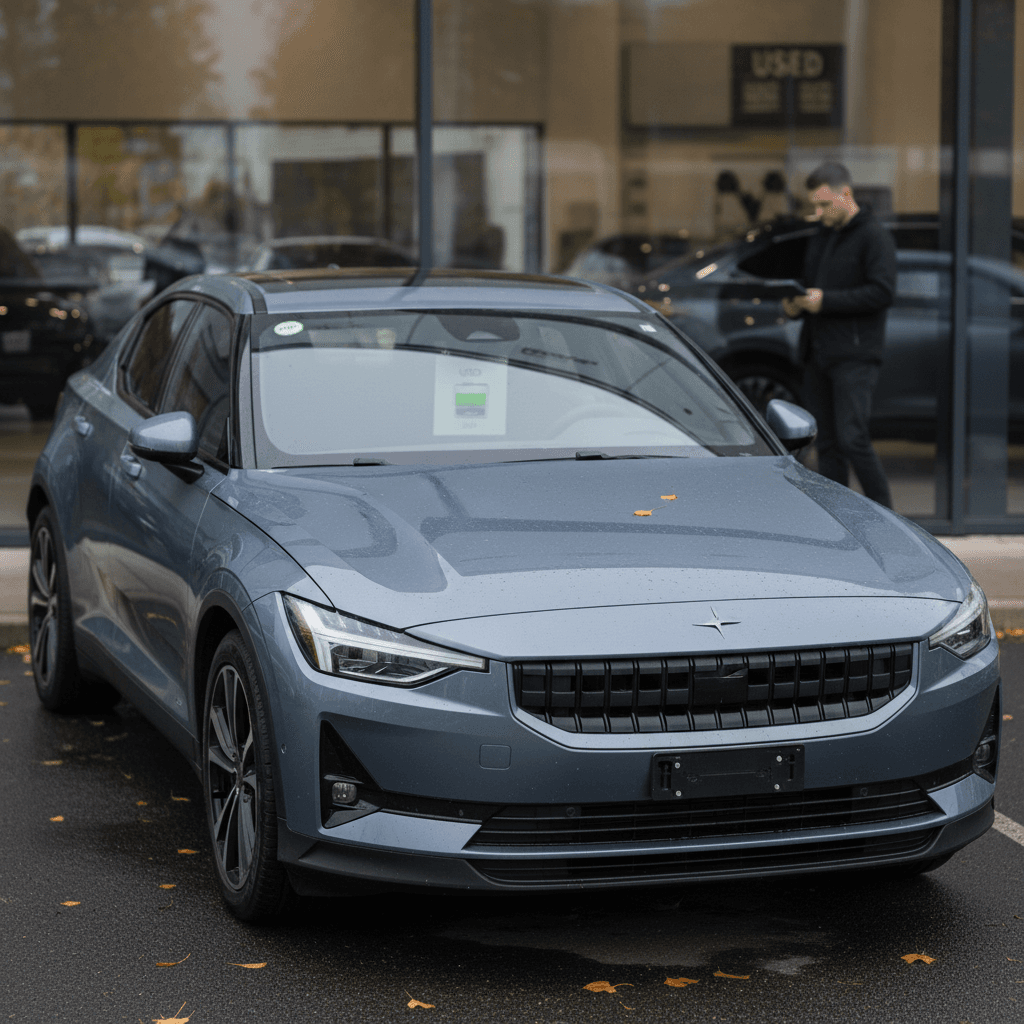
If you like the idea of a premium electric hatchback but don’t want to follow the Tesla crowd, a used 2021 Polestar 2 is probably on your radar. The first U.S. model year now sits squarely in the sweet spot for value, and this 2021 Polestar Polestar 2 review (focused on used buyers) breaks down range, reliability, depreciation, and what to check before you sign anything.
Quick take
2021 Polestar 2 Used Overview
Polestar launched the 2 in the U.S. for the 2021 model year as a dual‑motor, long‑range liftback positioned between a Tesla Model 3 and a compact luxury SUV. Every 2021 U.S. car is all‑wheel drive with a roughly 78 kWh gross battery, 233‑mile EPA range and a Scandinavian‑minimalist interior anchored by Google’s Android Automotive infotainment.
- Body style: compact five‑door liftback (think tall sedan hatchback)
- Drivetrain (U.S. 2021): dual‑motor all‑wheel drive only
- Target segment: premium EV shoppers cross‑shopping Tesla Model 3, BMW i4, Audi Q4 e‑tron
- Core strengths: design, build quality, driving feel, Google‑based infotainment
- Core weaknesses: range vs. rivals, charging‑network experience, early software and camera niggles
Used‑buyer tip
Key Specs for the 2021 Polestar 2
Core 2021 Polestar 2 (U.S.) Specs at a Glance
2021 Polestar 2 Major Specs (U.S. Dual‑Motor)
Key mechanical and battery specs for used‑car shoppers.
| Item | 2021 Polestar 2 Dual‑Motor (U.S.) |
|---|---|
| Battery (gross / usable) | Approx. 78 kWh / ~75 kWh |
| Drivetrain | Dual‑motor all‑wheel drive |
| Power & torque | ≈408 hp, 487 lb‑ft |
| EPA range | 233 miles |
| 0–60 mph | Low‑to‑mid 4‑second range |
| Max DC charge rate | Up to 150–155 kW |
| On‑board AC charger | 11 kW |
| Wheel sizes | 19" or 20" (Performance Pack) |
Exact performance can vary slightly by wheel size and whether the car has the Performance Pack.
Battery warranty reminder
Driving Experience: How the 2021 Polestar 2 Feels on the Road
The 2021 Polestar 2’s driving manners are where it most clearly feels like a premium European EV. Steering is accurate and nicely weighted, the chassis is taut without being punishing, and the dual‑motor powertrain delivers instant, confident thrust at any speed.
Driving Strengths and Weak Spots
Where the 2021 Polestar 2 shines – and where it doesn’t – from behind the wheel.
Engaging handling
The Polestar 2 feels planted and composed, especially with the optional Performance Pack’s adjustable Ohlins dampers and larger wheels. It leans more toward a firm, sporty ride than a cushy cruiser.
Strong acceleration
With roughly 408 horsepower, the 2021 dual‑motor car launches hard enough to surprise passengers. It’s not a drag‑strip monster like some Teslas, but in daily use it feels more than quick enough.
Ride comfort trade‑off
That taut chassis and low‑profile tires mean you’ll feel rough pavement more than in a softly sprung SUV. If you live with broken roads, prioritize cars on 19‑inch wheels over the 20‑inch Performance Pack setup.
Noise and refinement
Range, Charging and Real-World Efficiency
Polestar’s original range target for the 2 was ambitious, but the EPA number landed at 233 miles for the 2021 dual‑motor. In mixed driving, many owners report something closer to the high‑100s to low‑200s, especially on 20‑inch wheels or in cold climates.
- City and suburban use can get you near the rated range in mild weather if you drive efficiently.
- Highway drives at 70+ mph can drop real‑world range into the 180–200‑mile window.
- Cold weather, heavy use of climate control and short trips all chip away at range more noticeably than in a gas car.
DC fast charging
- Peak rates around 150–155 kW when conditions are ideal and the battery is warm.
- Plan on ~30–40 minutes to go from 10% to ~80% at a strong DC fast‑charging station.
- Charging curves matter more than peak numbers; older software versions can be a bit conservative early in the session.
Home and Level 2 charging
- 11 kW on‑board AC charger means a 40‑amp Level 2 home station can comfortably refill the pack overnight.
- At 32–40 amps, expect roughly 25–30 miles of added range per hour of charging, depending on conditions.
- For most U.S. owners, overnight home charging turns the 233‑mile rating into a non‑issue for commuting.
Plan your DC fast‑charge stops
Interior, Space and Tech: Scandinavian but Still Maturing
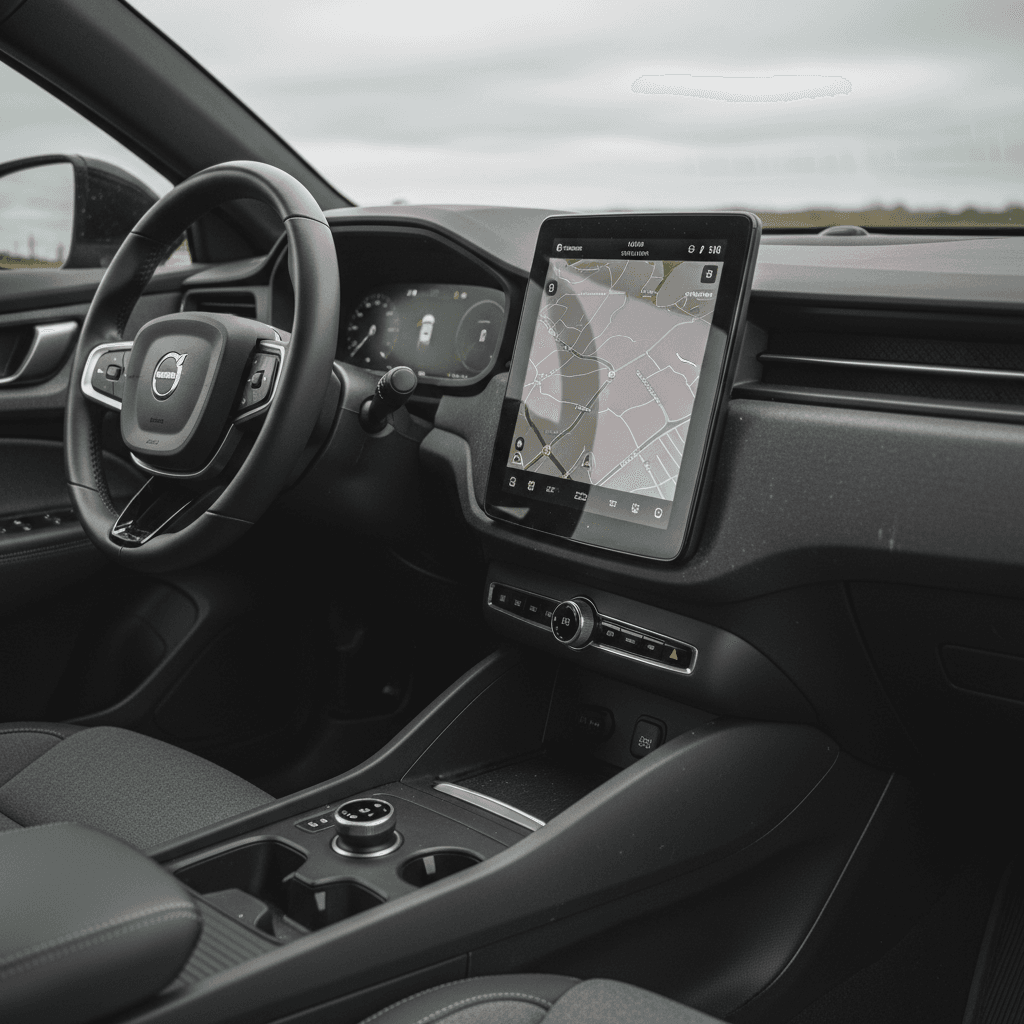
Inside, the 2021 Polestar 2 plays the Scandinavian card convincingly. Materials feel solid, the driving position is spot‑on, and you get a clean, almost architectural dashboard with a portrait‑oriented central touchscreen and a fully digital driver display. Front passengers enjoy generous space; the rear bench is adequate rather than expansive, especially for taller adults under the sloping roofline.
Interior and Tech Highlights
What stands out when you live with a 2021 Polestar 2 every day.
Google built‑in
The 2 was one of the first cars to run Android Automotive as its native OS. Google Maps, Assistant and the Play Store are integrated, so navigation and voice control feel more smartphone‑like than many rivals.
Premium seating
Supportive front seats, available vegan upholstery and tasteful trim options give the cabin a quietly upscale feel. It’s more Volvo‑calm than Silicon Valley‑flashy.
Practical hatchback shape
The liftback gives you a useful cargo opening and a split‑fold rear seat. Think of it as a stylish EV alternative to a compact crossover rather than a traditional sedan.
Infotainment and camera quirks
Reliability and Common Issues on 2021 Cars
As a first‑generation product from a relatively new brand, the 2021 Polestar 2 doesn’t have the long track record of a Toyota hybrid, but it also isn’t collapsing under systemic failures. Owner reports and independent reliability summaries paint a mixed but generally improving picture: solid battery and drivetrain durability so far, with most headaches centered on software, infotainment, and a handful of hardware components.
- Infotainment glitches: Occasional freezes, laggy responses, or Google apps failing to load. Many cars have improved as software has matured, but some owners still report the odd reboot.
- Rear‑view camera issues: A number of 2021–2025 cars have experienced intermittent loss of rear‑camera image. That’s drawn regulatory attention and, in some markets, service actions, ask specifically about camera behavior and any related repairs on any car you’re considering.
- Clicking rear axles / suspension noises: Some owners mention faint clicks or knocks from the rear axle area that can require parts replacement if they worsen.
- Climate‑control oddities: Isolated reports of inconsistent heating or fan behavior; these can be software or hardware related and typically need dealer diagnosis.
- Charging‑station handshake problems: A minority of owners report the car refusing to charge on certain public DC fast‑chargers until software or hardware issues are resolved. This is worth testing on your local network after purchase while the car is under warranty.
Out‑of‑warranty repair risk
"Aside from some camera and infotainment quirks, long‑term owners often report that their 2021 Polestar 2s still feel tight, solid and battery‑healthy well past 50,000 miles."
Depreciation and Used Pricing for 2021 Polestar 2
The 2021 Polestar 2 launched with a new‑car price that put it firmly in premium‑EV territory. Fast‑forward to 2025, and depreciation has done its work: first‑year cars have shed a little over half of their original value, which is good news if you’re shopping used and willing to live with shorter range than newer EVs.
Polestar 2 Depreciation Snapshot (2021 Model Year)
In plain terms, a used 2021 Polestar 2 dual‑motor that once stickered well above $50,000 now often lists in the high‑$20,000s to low‑$30,000s depending on mileage, options and condition. That puts it up against used Long Range Tesla Model 3s, Hyundai Ioniq 5s and Kia EV6s, many of which offer more range but less brand individuality.
How Recharged fits in
Ready to find your next EV?
Browse VehiclesChecklist: What to Check on a Used 2021 Polestar 2
Pre‑Purchase Checklist for a 2021 Polestar 2
1. Confirm warranty timelines
Ask for the in‑service date and confirm when the basic and high‑voltage warranties expire. If you’re close to the end of basic coverage, factor potential out‑of‑pocket repairs into your budget or look for extended‑warranty options.
2. Pull full service and recall history
Request documented service records from a Polestar or Volvo dealer and confirm that any recalls or service campaigns, especially those related to the rear camera, software or high‑voltage components, have been completed.
3. Test infotainment and cameras thoroughly
On your test drive, open multiple apps, run navigation, pair your phone, switch camera views and repeatedly shift between Drive and Reverse. Any black screens, camera failures or crashes should be addressed before purchase.
4. Check charging behavior
If possible, plug into both a Level 2 station and a local DC fast‑charger. Confirm the car starts charging promptly and that the charge rate looks reasonable for the state of charge and conditions.
5. Listen for suspension and axle noises
Drive over speed bumps, tight turns and rough pavement with the windows cracked. Clicking, knocking or clunking from the rear may indicate axle or suspension issues that could require parts replacement.
6. Inspect tires and wheels carefully
Performance Pack cars on 20‑inch wheels can be harder on tires and more sensitive to pothole damage. Look for uneven wear, sidewall bubbles or bent rims and factor replacement costs into your negotiation.
7. Evaluate range on a long test drive
Start with a known state of charge and watch projected range and consumption during a 20–30‑mile drive mixing city and highway. You won’t get lab‑perfect data, but you’ll see whether the car’s range behavior seems healthy and consistent.
Leverage third‑party battery health data
Used 2021 Polestar 2 vs. Tesla Model 3 and Other Rivals
No used EV exists in a vacuum. When you’re weighing a 2021 Polestar 2, you’re almost certainly looking at used Tesla Model 3s, plus crossovers like the Hyundai Ioniq 5, Kia EV6 and perhaps a BMW i4. Here’s how a 2021 dual‑motor Polestar 2 stacks up in broad strokes.
2021 Polestar 2 vs. Key Used Rivals (Typical 2021 Trims)
High‑level comparison for shoppers cross‑shopping popular used EVs in a similar price band.
| Model | Approx. EPA Range | Drivetrain | Typical Used Price (2025) | Key Strength | Key Trade‑Off |
|---|---|---|---|---|---|
| 2021 Polestar 2 Dual‑Motor | 233 mi | AWD | High‑$20Ks to low‑$30Ks | Premium feel, distinct design, strong performance | Shorter range, smaller brand and service footprint |
| 2021 Tesla Model 3 Long Range | ~350 mi | AWD | Low‑to‑mid $30Ks | Class‑leading range, Supercharger access, big network | More common, simpler cabin, variable build quality |
| 2021 Hyundai Ioniq 5 (SE/SEL) | ~250–300 mi | RWD/AWD | Low‑to‑mid $30Ks | Spacious interior, fast DC charging | Less premium badge, early‑build quirks |
| 2021 Kia EV6 (Wind/GT‑Line) | ~274–310 mi | RWD/AWD | Mid‑$30Ks | Sharp styling, very fast DC charging | Less upright cargo space than a crossover |
| 2022 BMW i4 eDrive40 (close rival) | Up to ~300 mi | RWD | Mid‑to‑high $30Ks | BMW driving feel, strong range | Conventional sedan trunk, options can get pricey |
Specs and pricing are approximate and vary by configuration, wheel size, and regional incentives.
How the Polestar 2 carves out a niche
Who a Used 2021 Polestar 2 Is (and Isn’t) For
Great fit if you…
- Value understated Scandinavian design and a premium, solid‑feeling cabin.
- Mostly drive commuter‑length distances with reliable access to home or workplace Level 2 charging.
- Want dual‑motor all‑wheel drive and strong performance in a compact footprint.
- Prefer to avoid the Tesla ecosystem but still want modern software (Google built‑in).
- Are comfortable buying from a newer brand as long as warranty and inspection boxes are checked.
Think twice if you…
- Do frequent long‑distance road trips in areas with sparse or unreliable public charging.
- Need a roomy rear seat for tall passengers or rear‑facing child seats every day.
- Live far from a Polestar or Volvo service point and don’t want to travel for repairs.
- Are extremely risk‑averse about first‑generation tech hiccups or out‑of‑warranty repair costs.
- Care more about maximum range and charging‑network convenience than design or driving character.
Frequently Asked Questions About Used 2021 Polestar 2
Used 2021 Polestar 2: Common Questions
Bottom Line: Is a 2021 Polestar 2 a Good Used EV?
If you’re shopping with a clear idea of your driving patterns, a used 2021 Polestar 2 can be a smart, character‑rich alternative to more common EVs. It serves up a premium cabin, strong dual‑motor performance and genuinely enjoyable dynamics at a price that, by 2025, undercuts many of its original peers. The trade‑offs are equally clear: range that trails newer rivals, a smaller service network and the usual first‑generation software and hardware quirks to watch for.
Go in with a detailed checklist, confirm warranty and software status, and insist on transparent battery‑health data. Whether you find your Polestar 2 through a local seller or a digital marketplace like Recharged, doing that homework up front will help you decide if this Scandinavian EV is the right long‑term match, or if your money is better spent on a longer‑range alternative.