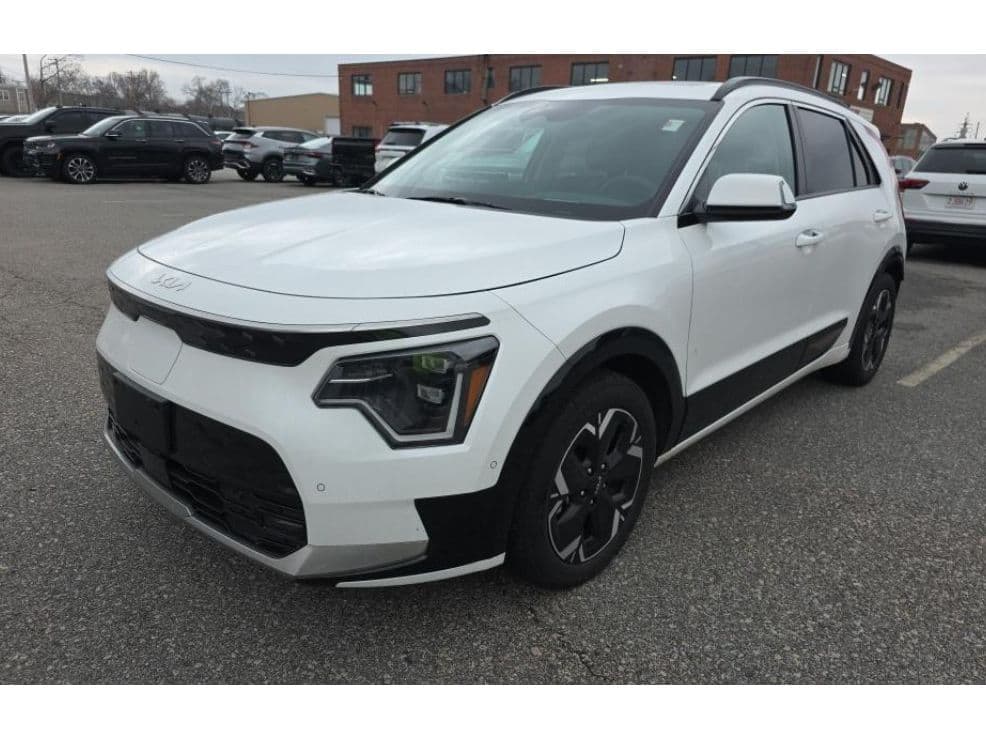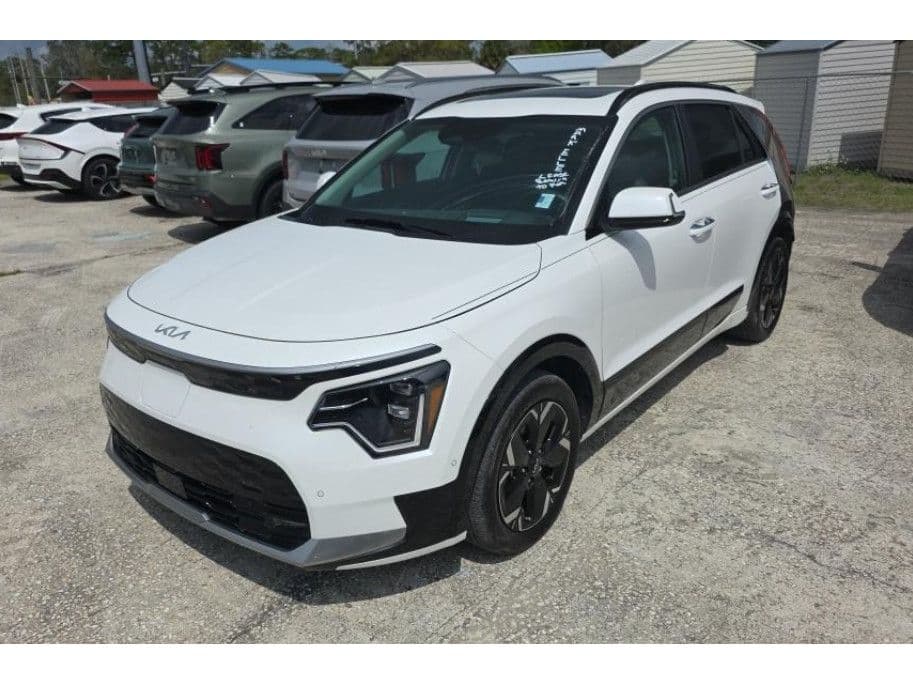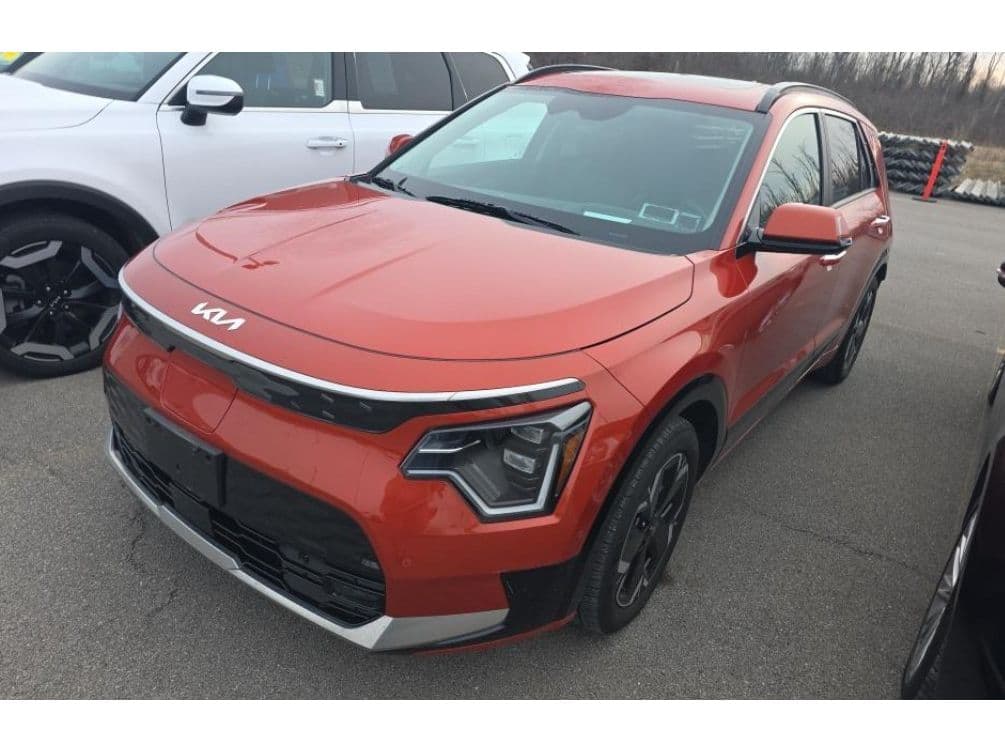
If you’ve peeked at used listings and then at your loan balance, you already know the uncomfortable truth: the Kia Niro EV depreciates fast. The real question isn’t just “how fast does the Kia Niro EV depreciate,” but whether that’s a financial disaster for you, or a quiet buying opportunity if you’re coming in on the used side.
Quick take
Kia Niro EV depreciation at a glance
How fast does a Kia Niro EV lose value?
Those are averages pulled from real‑world transaction and valuation data. Your exact numbers will move around with trim, mileage, incentives in your state, and how desperate your local dealers are feeling this month. But the direction of travel is clear: the Niro EV is a strong value as a used purchase, and a little unforgiving as a new‑car flip.

How fast does the Kia Niro EV actually depreciate?
Let’s put some ballpark dollars to the percentages so you can feel what this looks like in your budget. To keep things simple, imagine a fairly typical Niro EV with an original transaction price around $39,000 (what many 2019–2022 cars landed at after destination but before tax credits).
Illustrative Kia Niro EV depreciation from a $39,000 starting point
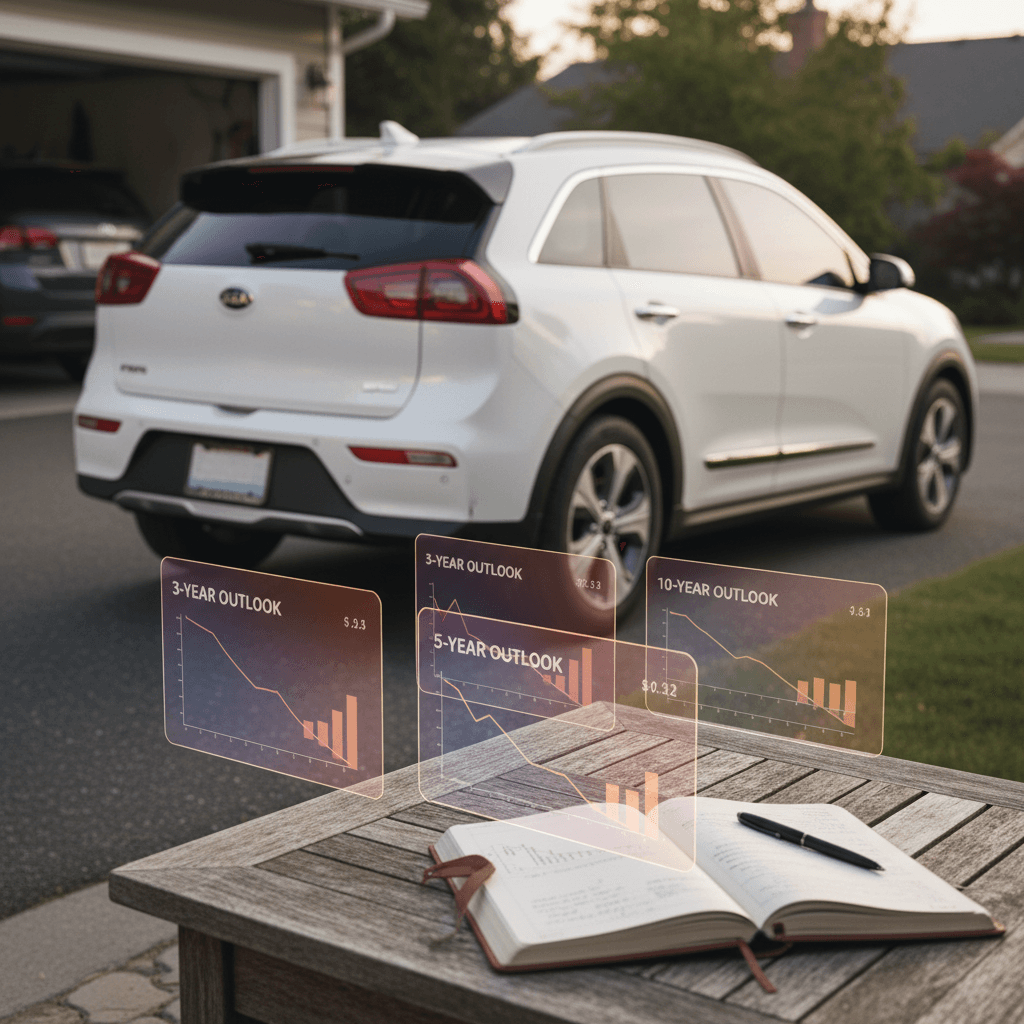
Approximate value trajectory for a typical Kia Niro EV, assuming average mileage, normal wear, and no major accidents.
| Age | Odometer (approx.) | Typical value | Total depreciation | Notes |
|---|---|---|---|---|
| 1 year | 12,000–15,000 mi | $30,000–$33,000 | 15–23% | Early drop as new‑car premiums vanish |
| 3 years | 36,000–45,000 mi | $24,000–$26,000 | 33–38% | Where many off‑lease cars sit |
| 5 years | 60,000–75,000 mi | $15,000–$17,000 | 55–60% | Steep but in line with a lot of EVs |
| 8–10 years | 90,000–120,000+ mi | $13,000–$17,000 | ~55–65% | Curve flattens; battery health and history matter most |
These are rounded examples, not appraisal quotes, your local market will nudge values up or down.
Depreciation isn’t a single number
Big picture: the Kia Niro EV’s 5‑year depreciation around 59–60% is a touch steeper than the overall EV average, but not a horror story. It’s more like the EV world’s sensible compact crossover that quietly takes one for the team so you can swoop in later and buy cheap.
Year‑by‑year: Kia Niro EV depreciation curve
Years 0–3: The cliff
This is where most of the pain lives for new‑car buyers. Between factory incentives, tax credits, and rapid EV price corrections, the Niro EV can shed roughly a third of its value by its third birthday.
- Year 1: Big adjustment once it’s no longer “new”
- Years 2–3: Values stabilize but still edge downward as more used supply hits the market
- This is also when lots of off‑lease Niros arrive, which puts pressure on prices
Years 4–7: The plateau
Once the Niro EV is past its third or fourth birthday, the curve flattens. Annual depreciation slows as long as:
- Battery health remains strong
- There are no major accident or title issues
- The interior and tech still feel modern enough
This 4–7‑year window is the value sweet spot for used buyers: much lower price, but still contemporary range and safety tech.
After year seven or so, age and battery anxiety start to weigh on shoppers even if the pack is fine. The conversation becomes less about percentages and more about: “Do I trust this car for my life?” That’s where battery diagnostics and a clear history file suddenly matter as much as any book value, exactly why every used EV on Recharged includes a Recharged Score battery health report to separate the good ones from the maybes.
Why does the Kia Niro EV drop so much in value?
Four forces pushing Niro EV prices down
None of them are personal. They’re market math.
1. Incentives distort the “real” new price
Many Niro EVs were effectively $7,500–$10,000 cheaper new once you factor in federal and state tax credits or heavy dealer discounts. Used buyers don’t always see that, so the sticker MSRP overstates value and makes depreciation look brutal on paper.
2. EV price wars & tech pace
Since 2022, EV makers have been slashing new‑car prices and adding range and features. When a new, more capable EV arrives for less money, yesterday’s Niro EV has to adjust downward whether it’s a good car or not.
3. Brand & demand dynamics
Kia doesn’t have the cult‑brand pricing power of Tesla or certain luxury marques. On the used market, that means generous discounts for you, but it also means weaker residuals if you bought new.
4. Range expectations keep creeping up
The Niro EV’s ~239–253‑mile EPA range is solid, but newer rivals are pushing well past 260–300 miles. As expectations shift, some shoppers mentally discount older‑range EVs, even if the car easily covers their daily needs.
Used‑buyer upside
Kia Niro EV vs other EVs and gas SUVs
Depreciation only makes sense in context. A 60% haircut sounds extreme until you look around and realize nearly the whole EV class is getting a similar trim, and some gas SUVs aren’t far behind.
How the Niro EV stacks up on 5‑year depreciation
Approximate 5‑year depreciation comparisons for similar vehicles.
| Vehicle | Type | Typical 5‑yr depreciation | What that means |
|---|---|---|---|
| Kia Niro EV | Small electric SUV | ~59–60% | Steep, but in the pack with many mainstream EVs |
| Hyundai Kona Electric | Small electric SUV | ~55–58% | Slightly better resale, similar story |
| Tesla Model 3 | Compact electric sedan | ~50–55% | Better brand pull; prices also whipsawed by Tesla cuts |
| Mainstream gas compact SUV | e.g. RAV4, CR‑V | ~45–50% | Historically stronger, but narrowing as EVs get cheaper |
| Luxury compact SUV | Premium brands | ~55–65% | Can be worse than Niro EV if heavily optioned |
These are broad, segment‑level averages; individual cars can be better or worse depending on options, mileage, and history.
So no, the Niro EV isn’t some uniquely tragic case. It’s more like the bellwether of mainstream EV depreciation: not a disaster, not a hero, just the going rate for a practical electric crossover with a non‑luxury badge.
Battery health vs. depreciation: what actually matters
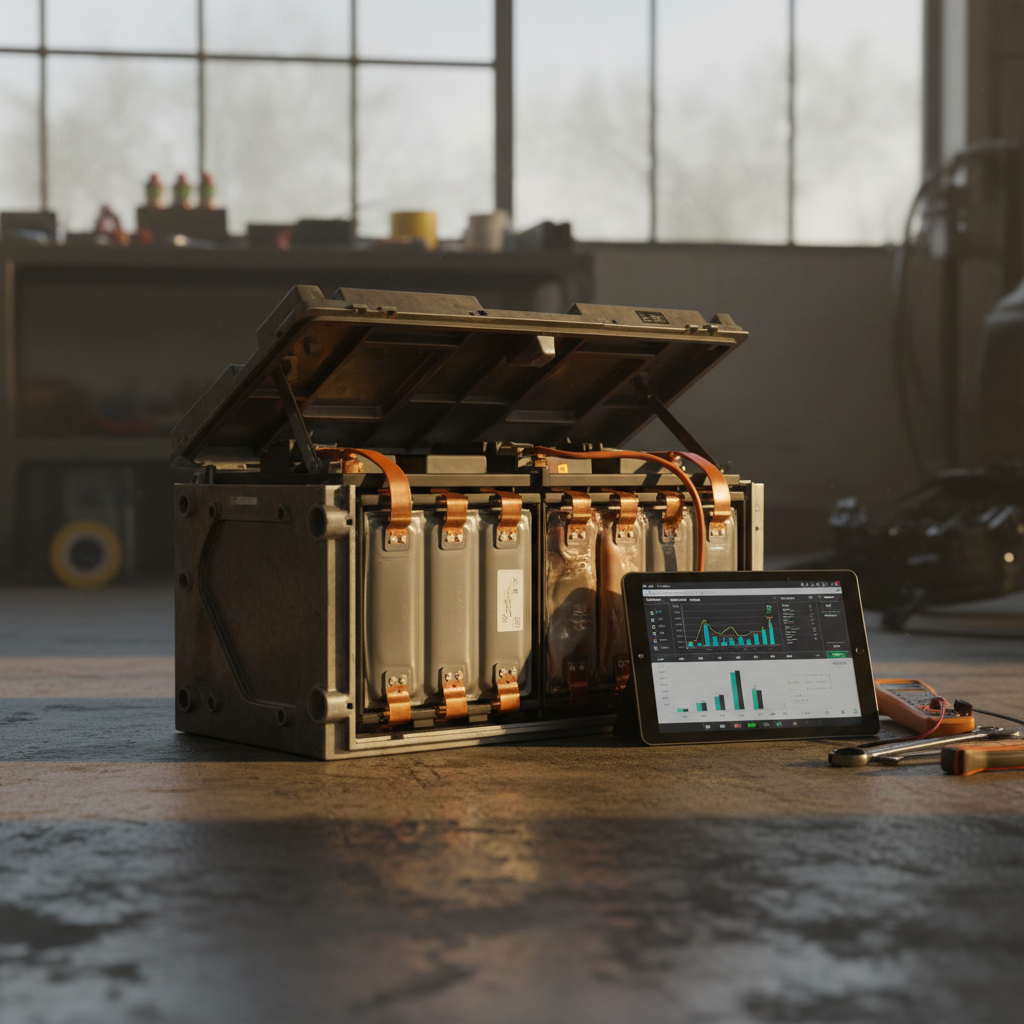
One of the quiet surprises of the Niro EV is how well its batteries tend to hold up in the real world. Many owners report minimal range loss in the first 3–4 years, even with regular DC fast charging. That’s not a promise, but it’s a pattern.
- The Niro EV uses a liquid‑cooled, well‑managed pack that generally ages gracefully when charged sensibly.
- Light degradation (say, 5–10% over the first several years) is common and usually not noticeable in day‑to‑day driving.
- Severe degradation or range loss often points to abuse, extreme climates, or a one‑off pack issue, not the model line as a whole.
Battery health ≠ book value
This is why buying used EVs “by the numbers” alone is dangerous. You want objective data on pack health. On Recharged, every Niro EV listing includes a Recharged Score battery health report, so you’re not guessing based on age and miles alone.
How to shop smart for a used Kia Niro EV
6 keys to taking advantage of Niro EV depreciation
1. Target the 3–6‑year‑old sweet spot
This is where the previous owner has already eaten the steepest part of the curve, but you still have modern range, active safety tech, and (often) some battery warranty remaining.
2. Focus on battery health, not model year alone
A 5‑year‑old Niro EV with a strong battery report is often a better buy than a 3‑year‑old car with fast‑charge abuse. Use tools like the Recharged Score to see real, pack‑level data before you commit.
3. Check charging history and climate
Frequent DC fast charging, hot‑weather operation, and chronic 100% charging can age any EV faster. Look for service records and owner habits that suggest reasonable care.
4. Compare total cost, not just price
Weigh the lower purchase price against your estimated years of use, charging costs, insurance, and taxes. A slightly more expensive car with lower miles or better battery health can be cheaper to own overall.
5. Watch for tech and safety equipment gaps
Earlier Niro EVs may lack the newest driver‑assist features or larger screens. Make sure the infotainment and safety tech feel current enough for you; that affects long‑term livability and resale.
6. Consider certified or verified listings
Third‑party inspections, clean title history, and verified battery diagnostics can justify paying a bit more. On Recharged, that’s bundled into a transparent report so you know exactly what you’re getting.
Where Recharged fits in
Ready to find your next EV?
Browse VehiclesFinancing and loan‑length tips so depreciation doesn’t hurt you
Depreciation becomes a real problem the moment you owe more than the car is worth. With the Niro EV’s front‑loaded curve, that’s a risk if you stretch too far on term length or roll negative equity into your next loan.
For new or nearly new Niro EV buyers
- Aim for the shortest loan term you can comfortably afford, 60 months or less if possible.
- Consider a larger down payment (10–20%) to offset the steep first‑year drop.
- Be very careful rolling negative equity from your last car into a new Niro EV loan; it’s how people end up deeply upside‑down.
For used Niro EV buyers (3–6 years old)
- You have more flexibility: the curve is flatter, so a 60–72 month term can be reasonable.
- Still avoid borrowing to the hilt; leave room for taxes, fees, and future EV tech changes.
- Consider pre‑qualification before you shop, so you know your rate and max budget going in.
Pre‑qualify without the stress
Is the Kia Niro EV’s fast depreciation a bad thing?
- If you bought new and plan to sell or trade within 3 years, yes, it can feel painful. You’re absorbing the lion’s share of the loss.
- If you buy new and keep the car 8–10 years, depreciation is just the cost of having a modern EV when it was new.
- If you’re shopping used, the Niro EV’s fast early depreciation is your entire value proposition: a well‑equipped electric SUV for compact‑gas‑car money.
In the EV market, depreciation is less a moral failing and more a wealth transfer, from early adopters to value shoppers who show up a few years late to the party.
Viewed that way, the Kia Niro EV is not a cautionary tale; it’s an opportunity machine. The people who bought at the top subsidize the people who buy today, especially if those buyers do their homework on battery health and ownership costs.
Kia Niro EV depreciation FAQ
Frequently asked questions about Kia Niro EV depreciation
Bottom line: who should lean into Kia Niro EV depreciation
If you want to be on the bleeding edge, trade out of cars every 36 months, and brag that yours was the first one on the block, the Kia Niro EV’s depreciation curve is not your friend. You’re the one underwriting the discount everyone else will enjoy in a few years.
But if you’re the second or third owner, the pragmatic one who buys slightly used and drives a car until it’s part of the family, the Niro EV is exactly the kind of vehicle you want the market to underestimate. It’s efficient, practical, and, thanks to that brisk early depreciation, available for surprisingly reasonable money once it’s 3–6 years old.
That’s where Recharged comes in: curating used EVs like the Niro, verifying battery health, pricing them transparently, and helping you finance them sensibly, so depreciation is something you exploit, not something that happens to you.