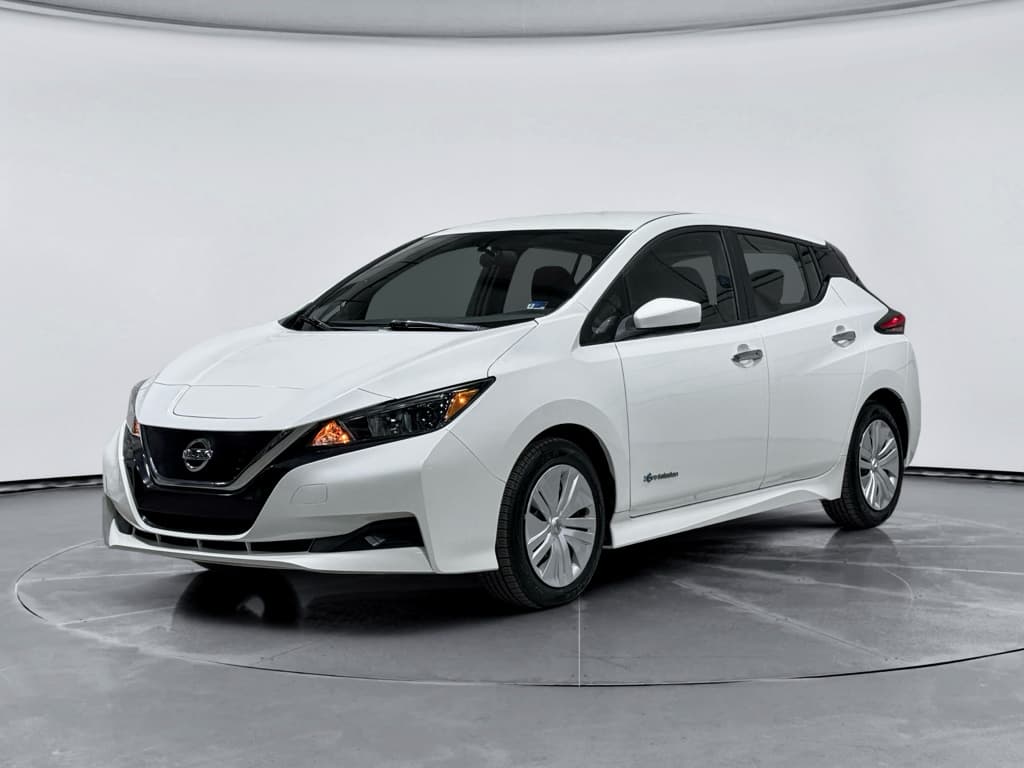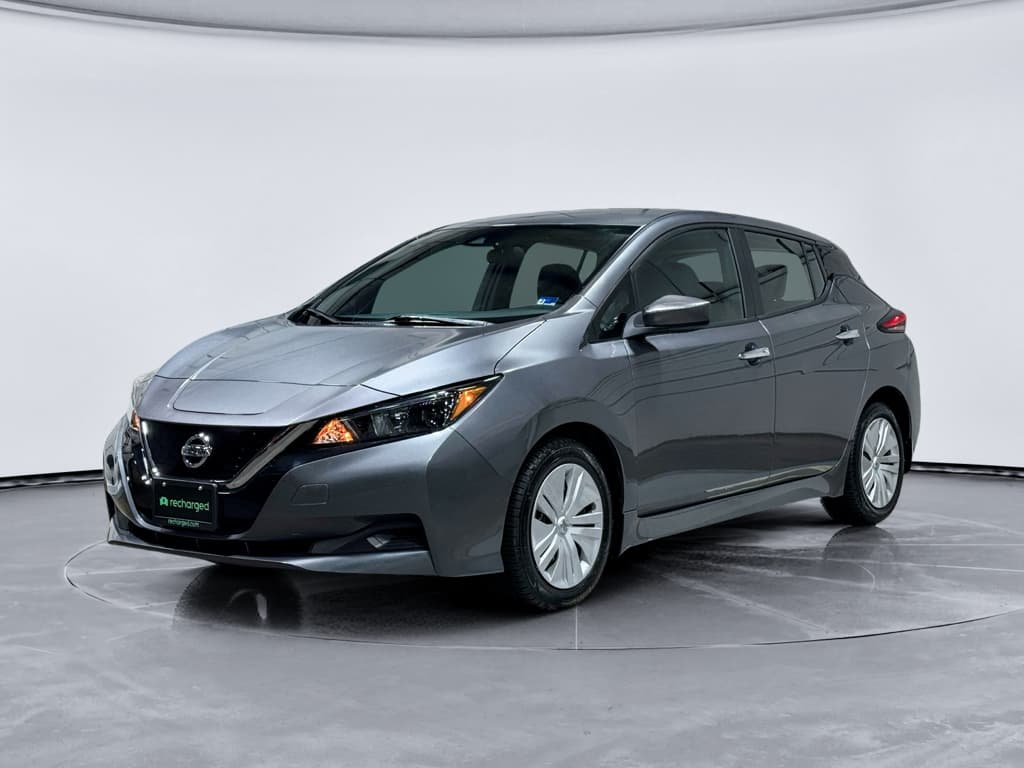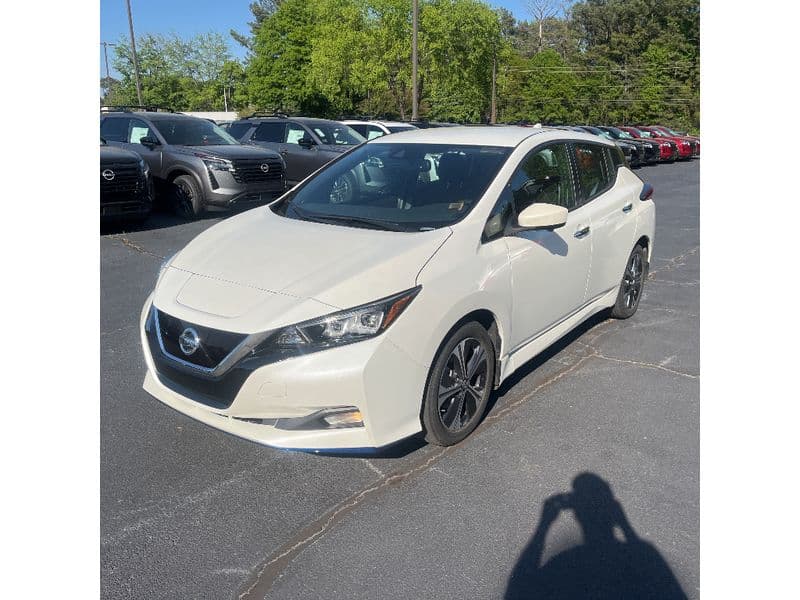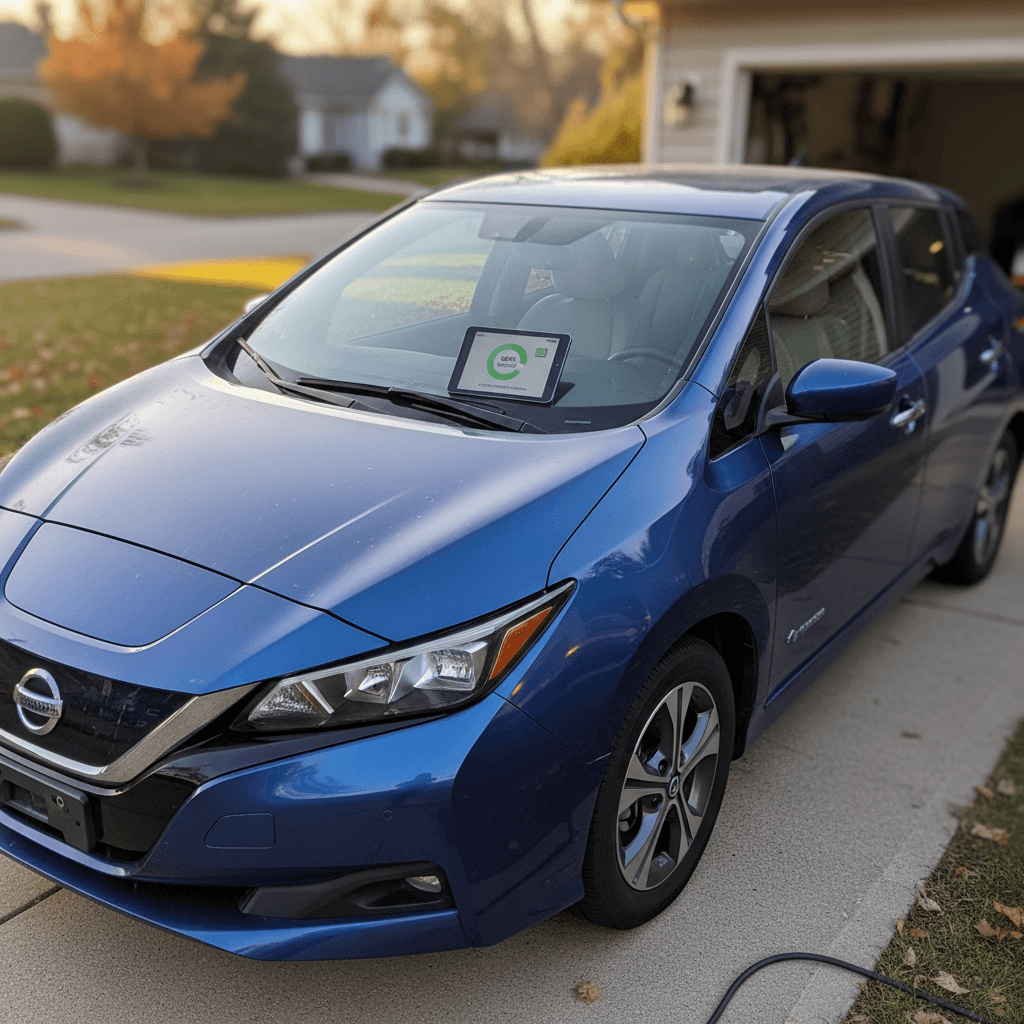
If you’re hunting for an affordable used EV, you’re going to bump into the 2021 Nissan Leaf again and again. The big question is whether the 2021 Nissan Leaf reliability rating is strong enough that you can buy one with confidence, or if you’re inheriting someone else’s headaches.
Quick take
2021 Nissan Leaf reliability at a glance
2021 Nissan Leaf reliability snapshot
On paper, the 2021 Leaf looks like a safe bet: simple powertrain, long production history, and generally happy owners. In practice, reliability splits into three buckets you need to think about separately: everyday mechanical reliability, battery health and range loss, and the new DC fast‑charging recall that’s front‑of‑mind in 2026.
Model‑year nuance
How major rating sites score the 2021 Leaf
Let’s translate the alphabet soup of ratings into plain English. No single score tells the whole story, but taken together they sketch a pretty clear picture.
2021 Nissan Leaf reliability ratings from key sources
How different review and data sites rate the 2021 Leaf’s reliability as of early 2026. Exact numbers may vary slightly by trim and sample size, but the trend is consistent: above‑average reliability with some caveats around the high‑voltage battery and recent recall.
| Source | Type of rating | Score for 2021 Leaf or 2nd‑gen Leaf | What it’s really saying |
|---|---|---|---|
| Owner reviews (Kelley Blue Book, Cars.com) | Owner satisfaction & reliability sentiment | Around 4.4–4.7 / 5 overall | Most owners are pleased with reliability; complaints cluster around range expectations and a few electrical glitches. |
| RepairPal | Predicted reliability score | Around 4.5 / 5 | Lower‑than‑average repair frequency and cost compared with other alt‑fuel cars. |
| The Car Guide & similar outlets | Expert reliability sub‑score | Roughly 8 / 10 | Solid long‑term track record; no systemic mechanical failures popping up. |
| What Car? & long‑term EV surveys | EV reliability survey (2019–2024 Leaf) | High 90s / 100 in some surveys | Leaf sits toward the top of small EVs for reliability, especially on driveline and electronics. |
| NHTSA & safety databases | Complaints, investigations, recalls | One notable 2025–2026 recall plus scattered complaints | Nothing like the chronic transmission or engine issues you see on some gas cars, but the new recall is a real factor. |
Use these scores as a starting point, not the final word, real‑world battery condition matters more on a used EV than any generic rating.
How to read these scores
Battery health and degradation on the 2021 Leaf
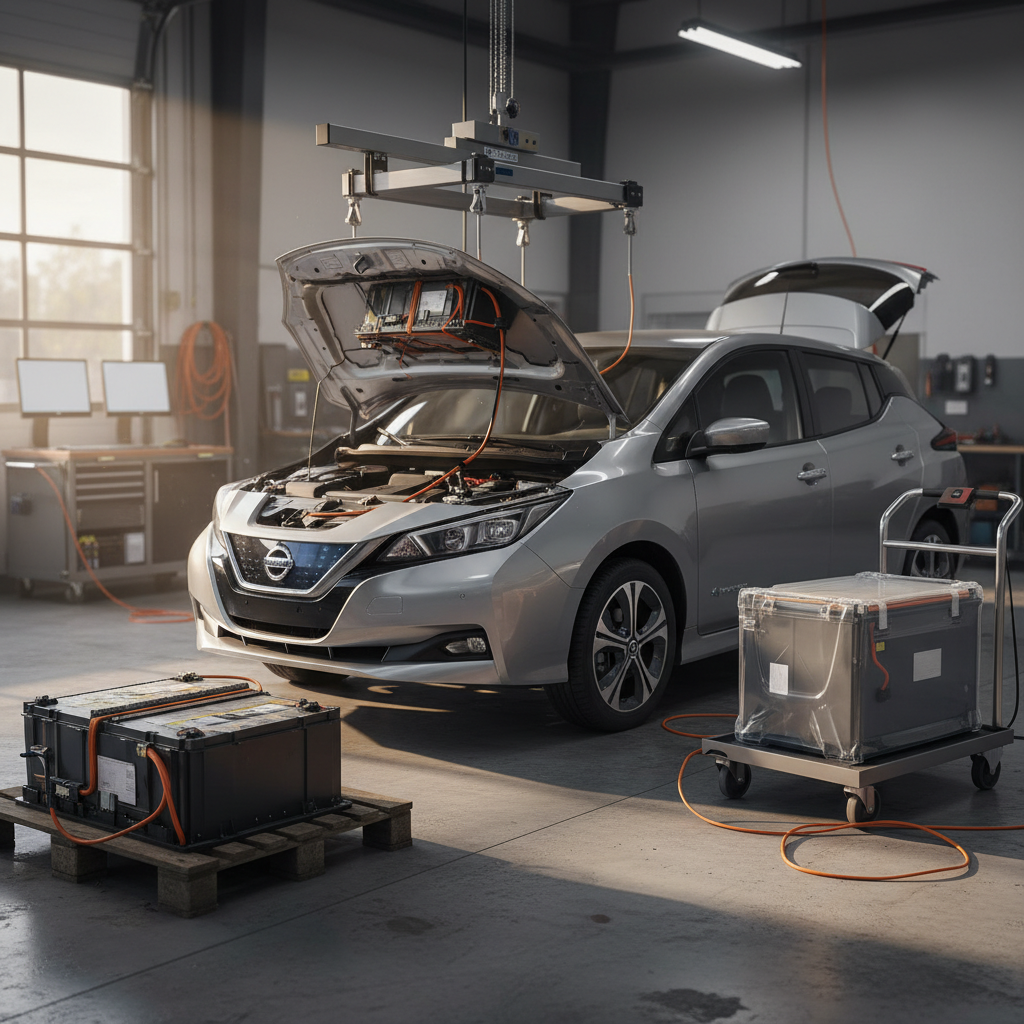
The Leaf’s electric motor and single‑speed gearbox are about as drama‑free as car hardware gets. Reliability anxiety with the 2021 Leaf is mostly about the high‑voltage battery: how quickly it loses capacity and how the car was used in its first few years.
- The 2021 Leaf came with either a 40 kWh pack (S, SV) or a 62 kWh pack in Leaf Plus trims.
- Unlike many newer EVs, the Leaf still uses passive air cooling, not liquid cooling, which makes it more sensitive to heat and repeated DC fast charging.
- Real‑world owner reports in mild climates often show modest loss, maybe one capacity bar gone by 60,000–80,000 miles, but hot‑climate and fast‑charge‑heavy cars can fare worse.
- Nissan’s 8‑year/100,000‑mile battery capacity warranty applies, but only if the gauge drops below 9 of 12 bars within that window.
Those little capacity bars matter
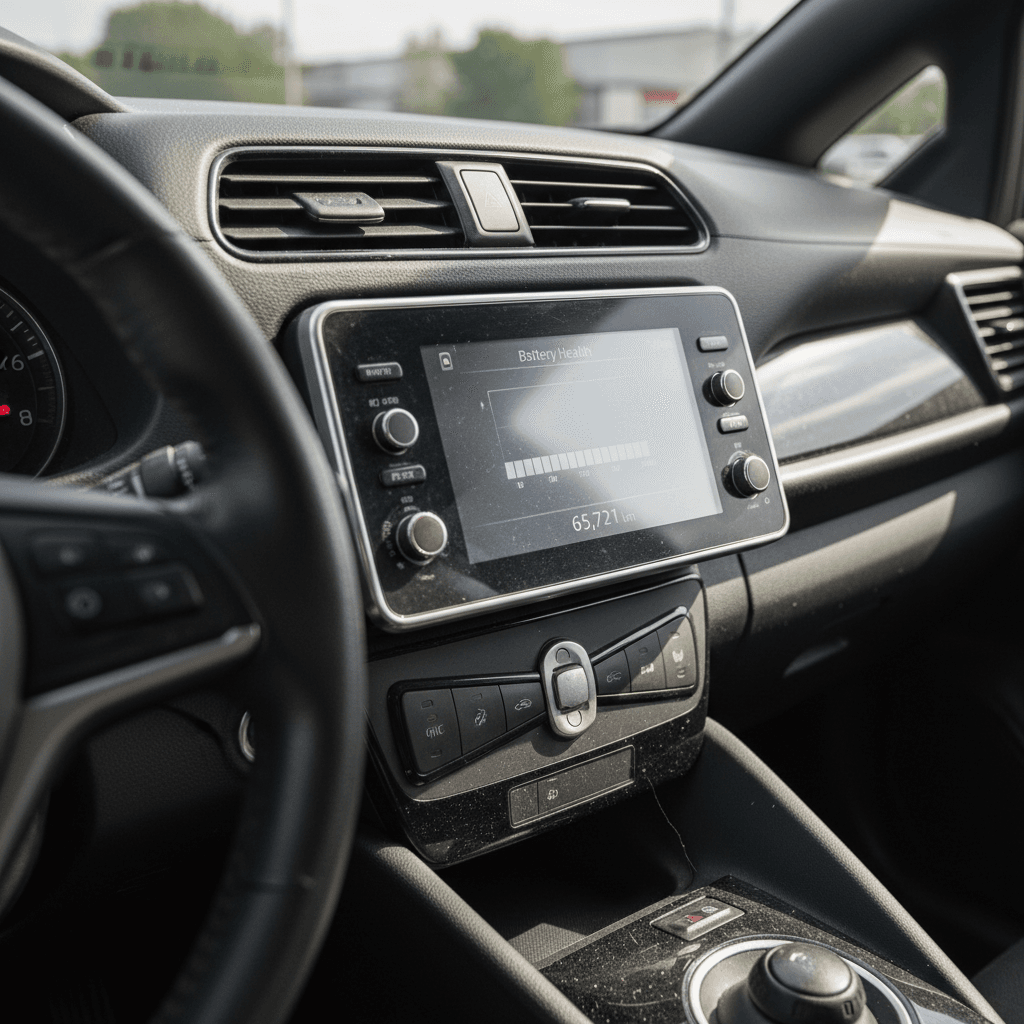
For a 2021 Leaf in 2026, a healthy battery usually means 11–12 capacity bars, especially on lower‑mileage cars from cooler regions. A 2021 already down to 9 or 10 bars isn’t automatically a deal‑breaker, but you should expect reduced range and negotiate price accordingly.
Battery health checklist for a used 2021 Leaf
1. Count the capacity bars
With the car powered on, pull up the energy screen and confirm how many of the 12 tiny capacity bars are still lit. Fewer than 11 bars on a low‑miles 2021 deserves closer scrutiny.
2. Note mileage and climate history
Ask where the car spent its life. A 2021 Leaf with 60,000 miles from coastal Oregon is a very different story than 60,000 miles in Phoenix heat.
3. Ask about DC fast‑charging use
Heavy, frequent DC fast charging on an air‑cooled pack can accelerate degradation. Many Leafs were used mainly as commuters and rarely fast‑charged, that’s ideal.
4. Scan for warranty coverage
Check the in‑service date. A 2021 Leaf may still be under the 8‑year/100,000‑mile battery capacity warranty, which can be a lifeline if the pack drops below 9 bars.
5. Get a professional battery health report
A third‑party diagnostic, like the Recharged Score battery evaluation, pulls detailed pack data far beyond what the in‑car screen shows.
Common 2021 Leaf problems owners report
Compared with some first‑generation EV experiments, the 2021 Leaf’s problems are refreshingly ordinary. You don’t see widespread motor failures or mystery drivetrain issues. Instead, patterns show up in smaller electrical quirks and wear‑and‑tear items.
Typical issues on the 2021 Nissan Leaf
Most are fixable and not catastrophic, but you should know what you’re buying into.
12‑volt battery failures
Charging & onboard charger quirks
HVAC and heat pump issues
Infotainment glitches
Range expectations vs reality
Normal EV wear items
The good news
Recalls, including the DC fast‑charging fire risk
The reliability story changed in late 2025 and early 2026, when Nissan announced a recall on certain 2021–2022 Leaf battery packs after internal testing revealed a potential thermal‑runaway and fire risk during DC fast charging. As a stop‑gap, Nissan pushed software that restricts or disables DC fast charging on affected cars until a permanent remedy is available.
- The recall applies to specific VIN ranges of 2021–2022 Leafs; not every car is affected.
- Owners report that, in the interim, their cars either cannot initiate a DC fast charge or are severely limited, even though Level 1 and Level 2 charging still work normally.
- As of early 2026, some owners say they’ve been told by dealers that no hardware fix is available yet, only the restriction.
- This means an otherwise reliable 2021 Leaf might be a poor fit if you depend on fast charging for road trips.
Buying an affected car? Read this first
How to check a 2021 Leaf for open recalls
1. Run the VIN through official tools
Use your country’s official recall lookup (or Nissan’s own site) and enter the full VIN. Look for open recalls related to the battery or DC fast charging.
2. Ask the seller for paperwork
Request service records or recall letters. A completed recall should come with a repair order that spells out what was done and when.
3. Try a public DC fast charger
If possible, meet near a DC fast charger. Initiate a session and see whether the car will accept a charge and at what speed. If it refuses, get a clear explanation from the seller.
4. Confirm Level 2 behavior
Even on recalled cars, Level 2 should work normally. If it doesn’t, you may be looking at a separate charging‑system issue.
5. Factor recall status into value
A 2021 Leaf with DC fast charging effectively disabled is still a solid city commuter, but it’s not the same car Nissan advertised. Don’t pay road‑trip money for a commuter‑only EV.
Safety and build quality: How solid does it feel?
Reliability isn’t just about not getting stuck; it’s also about how a car protects you when things go wrong. On that front, the 2021 Leaf performs well. It earned a five‑star overall crash rating from NHTSA and solid scores from IIHS, and its structure has been refined over more than a decade of production.
Safety systems
- Automatic emergency braking with pedestrian detection was standard on all 2021 trims.
- Most models include lane‑departure warning and blind‑spot monitoring.
- SV and SL trims often bundle ProPILOT Assist, Nissan’s adaptive cruise and lane‑centering suite.
All of this quietly supports reliability: a car that helps you avoid crashes is one that’s less likely to rack up body‑shop visits and insurance claims.
Everyday build quality
- Interior plastics are economy‑car grade, but they generally hold up well unless abused.
- Seats and fabrics in 2021 cars are wearing normally at this age, look for bolster wear and stains, not chronic failures.
- There are no widespread reports of rust or structural issues beyond localized damage or poor prior repairs.
In other words, the Leaf feels exactly like what it is: a practical compact hatchback that happens to run on electrons.
What this means if you’re buying a used 2021 Leaf
Put all of this together, and the 2021 Leaf lands in a sweet spot: mechanically simple, electrically mature, but dependent on battery health and recall status. That makes it a fantastic commuter or second car for many households, if you choose the right example.
Is a 2021 Leaf a good fit for you?
Match its strengths to your real‑world needs before you sign anything.
Great match if…
- Your daily driving is mostly city and suburban trips under 60–80 miles.
- You can charge regularly at home or work on Level 2.
- You’re okay treating DC fast charging as an occasional bonus, not a necessity, especially on recalled cars.
- You’d rather have simple, proven hardware than the flashiest, newest tech.
Think twice if…
- You need reliable 150–200‑mile highway days, even in winter.
- You live in a very hot climate and the car has a history of heavy fast‑charging.
- You expect Tesla‑like charging speeds or road‑trip flexibility.
- You’re unwilling to walk away from a car with ambiguous battery or recall documentation.
Use reliability to negotiate, not just eliminate
How Recharged evaluates 2021 Leaf reliability
Generic reliability scores won’t tell you whether the specific 2021 Leaf in front of you is a hero or a headache. That’s why every Leaf sold through Recharged comes with a Recharged Score Report, a deeper look at battery health, pricing, and condition.
- Battery health diagnostics: We pull detailed pack data, including state of health, cell balance, and charge‑cycle patterns, not just the dashboard capacity bars.
- Charging system check: We verify Level 1, Level 2, and, when applicable, DC fast‑charging behavior and check for open recalls or restricted functionality.
- Road‑test and functional inspection: Our EV‑specialist inspectors look for the HVAC, infotainment, and electrical quirks that show up in 2021 Leaf owner forums and complaint databases.
- Fair‑market pricing: We price each 2021 Leaf against its battery health, mileage, trim, and options, so a car with more degradation is automatically valued accordingly.
- Nationwide support: Whether you buy online or visit our Experience Center in Richmond, VA, our team walks you through how this particular Leaf fits your daily life.
Why this matters for reliability
Ready to find your next EV?
Browse VehiclesFAQ: 2021 Nissan Leaf reliability
Frequently asked questions about 2021 Leaf reliability
Bottom line: Is the 2021 Nissan Leaf a reliable used EV?
Viewed from 30,000 feet, the 2021 Nissan Leaf reliability rating is reassuring: above‑average scores from owners, few catastrophic failures, and a decade‑plus of refinement behind it. Zoom in, though, and the story becomes more personal. The car that’s perfect for you is the one with a healthy battery, clear recall history, and a range profile that honestly matches your life.
If you want a quiet, low‑drama commuter with simple running costs and you mostly charge at home, a carefully chosen 2021 Leaf can be a fantastic value. Just don’t skip the homework. Have the battery health inspected, verify recall status, and buy from someone who understands EVs, not just cars. That might be a trusted local specialist, or it might be a Recharged listing backed by a full Recharged Score Report. Either way, the more you know going in, the more likely your 2021 Leaf will simply start every morning, sip electrons, and get on with the job.