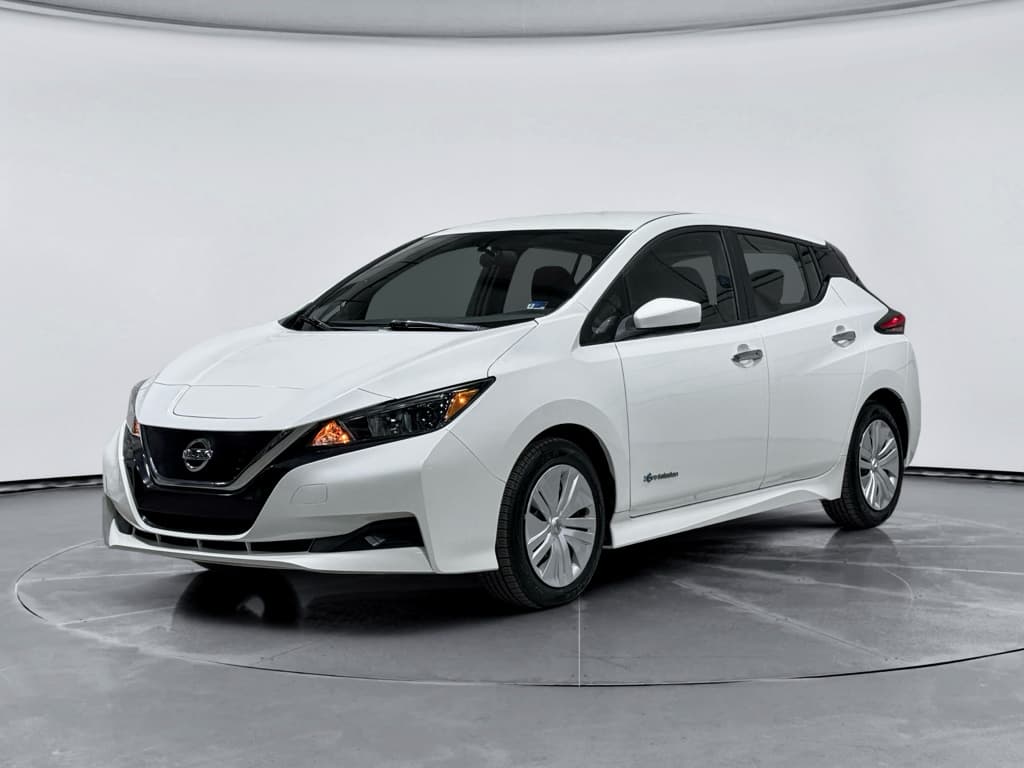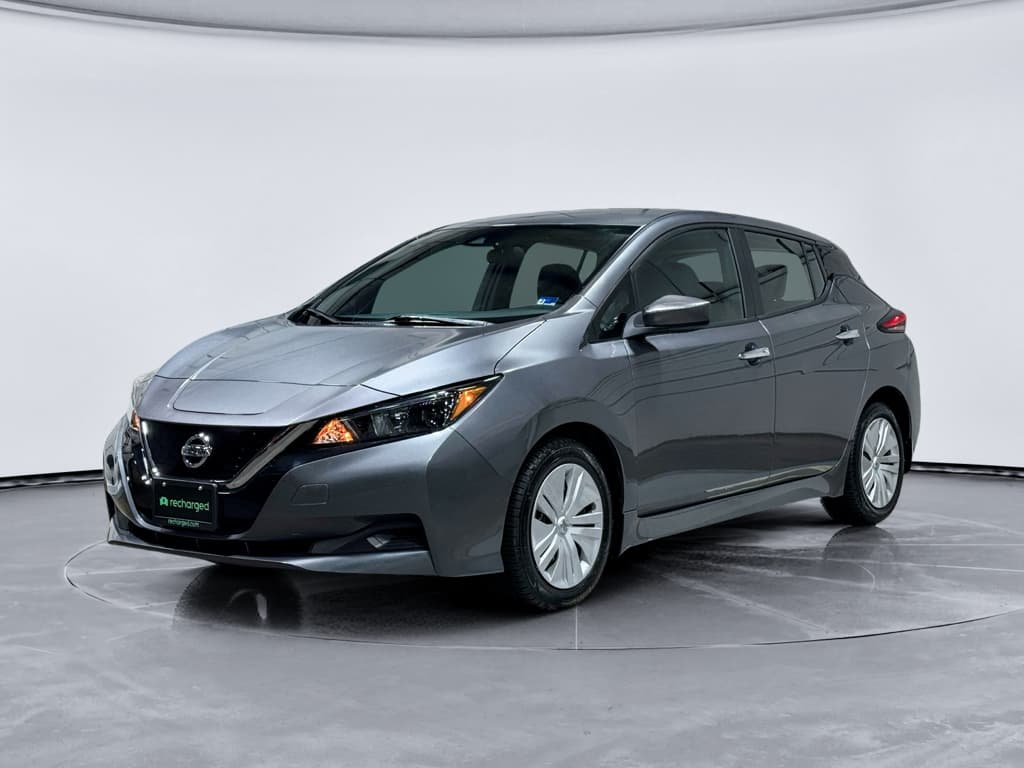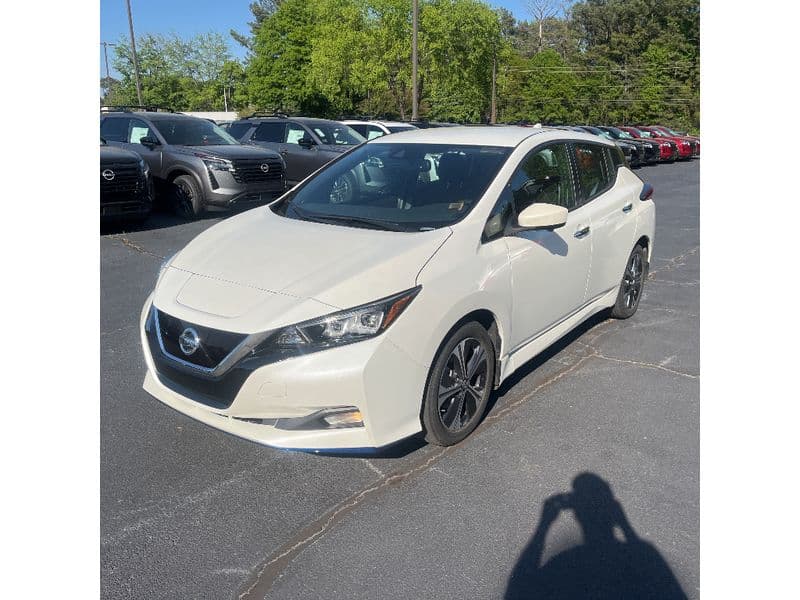
If you're shopping for an affordable used EV, the 2021 Nissan Leaf should be high on your list. This guide walks you through trims, range, battery health, charging, pricing, and inspection tips so you can decide whether a 2021 Leaf fits your commute, budget, and long‑term plans.
Quick take
Why the 2021 Nissan Leaf is a smart used EV
The second‑generation Leaf (2018–2024) is a known quantity at this point. By 2021, Nissan had settled into a stable formula: two battery sizes, proven powertrains, and standard driver‑assist tech. That makes the 2021 model year a sweet spot: newer safety and infotainment, but old enough to have taken a big depreciation hit already.
Who the 2021 Leaf fits best
Match the car to your real daily use, not your edge cases.
Urban & suburban commuters
Ideal if you drive 30–60 miles per day and can charge at home or work. Even the 40 kWh Leaf covers this comfortably with some range to spare.
Budget-focused buyers
Used 2021 Leafs typically cost less than many hybrids, yet you avoid gas, oil changes, and most traditional maintenance. Operating costs are among the lowest in the segment.
“Second car” households
Perfect as a dedicated commuter or school‑run car while another vehicle handles road trips and towing. This setup sidesteps the Leaf’s fast‑charging and highway limitations.
Where the Leaf may disappoint
2021 Leaf trims, batteries, and key specs
For 2021, Nissan sold the Leaf in two basic flavors: the standard Leaf with a 40 kWh battery and the Leaf Plus with a 62 kWh pack. Power, range, and charging times all depend on which one you get.
2021 Nissan Leaf trims, batteries and EPA range
Use this chart to quickly compare the main 2021 Leaf configurations.
| Trim | Battery | Power | EPA range (new) | Typical use case |
|---|---|---|---|---|
| S | 40 kWh | 147 hp | 149 miles | Short commutes, city driving |
| SV | 40 kWh | 147 hp | 149 miles | More features, same range as S |
| S Plus | 62 kWh | 214 hp | 226 miles | Best combo of price and range |
| SV Plus | 62 kWh | 214 hp | 215 miles | Extra comfort and tech |
| SL Plus | 62 kWh | 214 hp | 215 miles | Top trim, longest feature list |
EPA range figures are when new; expect some reduction on a 4–5‑year‑old battery.
Best value trim
Range: what to expect from a 2021 Leaf today
Official EPA range ratings are a helpful baseline, but a used 2021 Leaf will not behave like a brand‑new car. Age, miles, climate, and driving style all chip away at range, and the Leaf’s passive‑cooled battery is more sensitive to heat than some liquid‑cooled rivals.
Real‑world range expectations (2026)
- Expect the 40 kWh Leaf to feel comfortable for daily 60–70 mile commutes with home charging, but tight for 100+ mile winter days.
- The 62 kWh Leaf Plus is much easier to live with, especially if you do frequent 80–150 mile days or can’t charge every night.
- High sustained speeds (70–80 mph), cold weather, and frequent fast‑charging will noticeably reduce usable range.
Highway and winter driving reality
Charging the 2021 Leaf: home, public, and fast charging
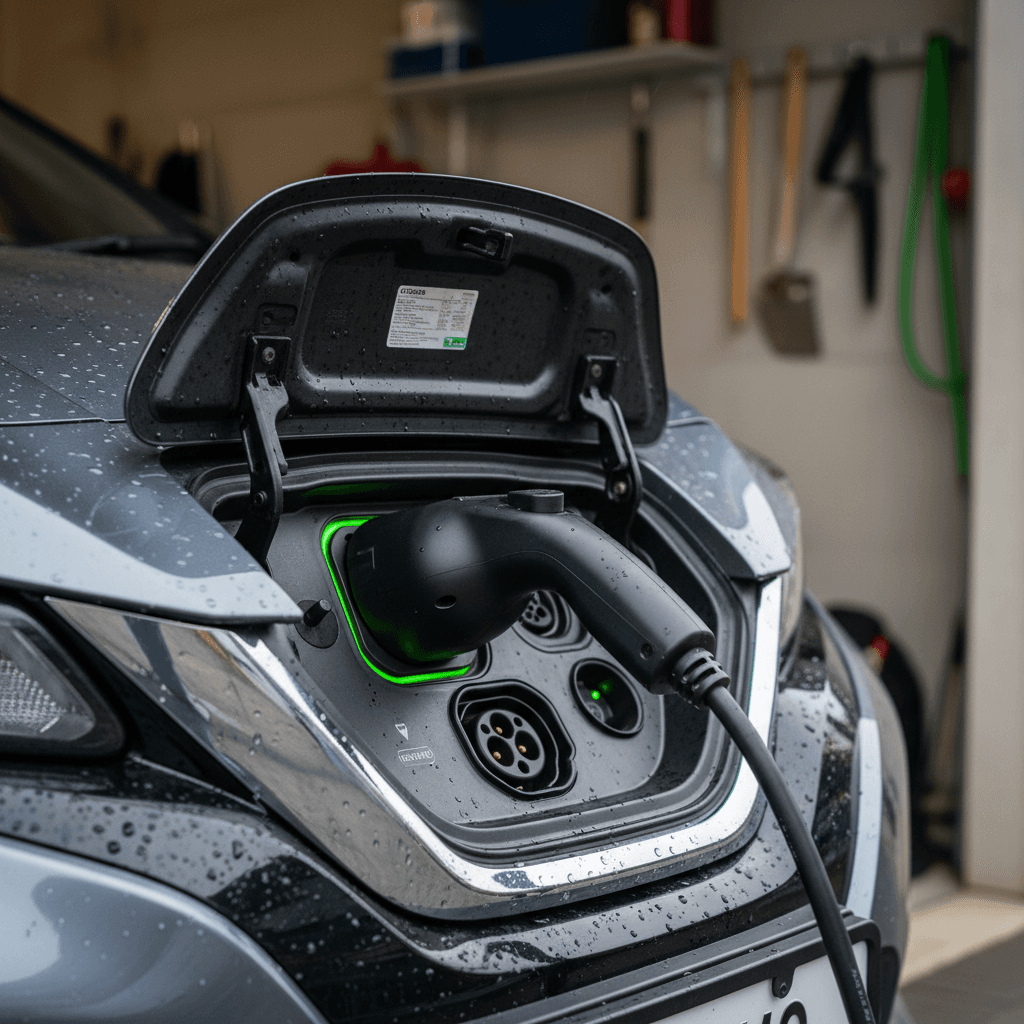
All 2021 Leafs support Level 1 and Level 2 AC charging and use the older CHAdeMO standard for DC fast charging. That combination works well for home and local public charging, but it’s less future‑proof than CCS or NACS on newer EVs.
Charging options for a 2021 Leaf
How you plan to charge should heavily influence whether the Leaf makes sense for you.
Home Level 2 (recommended)
With a 240V Level 2 charger, the Leaf’s 6.6 kW onboard charger can refill a 40 kWh pack in roughly 7–8 hours and a 62 kWh pack in about 11–12 hours. This turns most homes into "full every morning" fueling stations.
Public Level 2
AC stations at workplaces, gyms, and parking garages are plentiful in many metro areas. A couple of hours at 6–7 kW can easily add 30–50 miles of range while you go about your day.
DC fast charging (CHAdeMO)
Fast charging is possible but the Leaf uses CHAdeMO, a standard that’s fading in North America. Connector availability is shrinking on many new sites, so long‑term road‑trip support is uncertain.
The CHAdeMO caveat
Battery health, degradation, and warranty
Battery health is the single most important variable when buying any used Leaf. Unlike some competitors, the Leaf’s pack is air‑cooled, which makes it more sensitive to heat and high‑stress charging patterns. But with the right history, a 2021 pack can still be in solid shape.
What "state of health" means
Battery state of health (SoH) is a percentage estimate of remaining capacity vs. when the car was new. A 62 kWh Leaf at 85% SoH effectively behaves like a ~53 kWh pack.
Nissan’s in‑car battery bar display is crude. Many owners and dealers use tools like Leaf Spy to get a more precise SoH reading, but interpreting that data correctly matters.
Typical degradation pattern
Real‑world owner data suggests a front‑loaded degradation curve: a few percent in the first year or two, then a slower taper. Climate, fast‑charging, and storage at high state‑of‑charge can accelerate losses.
Instead of fixating on a single SoH number, look at how the car is actually behaving: usable range, rapid drops at low state‑of‑charge, and whether the car has lost any capacity bars.
2021 Nissan Leaf battery warranty overview
High‑voltage battery coverage is a key part of the buying decision.
| Coverage | Term | What it covers |
|---|---|---|
| Basic EV system warranty | 5 years / 60,000 miles | Electric powertrain components beyond the battery pack |
| Lithium‑ion battery capacity warranty | 8 years / 100,000 miles | If capacity drops below 9 bars (about 70% SoH) on the gauge within the term |
| Battery defect warranty | 8 years / 100,000 miles | Manufacturing defects causing failures beyond normal degradation |
Warranty terms can vary by region and prior usage; always confirm with a dealer using the VIN.
Look for remaining battery warranty
Safety ratings and driver-assistance tech
On safety, the 2021 Leaf punches above its price bracket. Later second‑gen Leafs benefit from structural and restraint updates plus a full suite of active‑safety features, making them a reassuring choice for new EV drivers and families.
- Available crash‑test results from major US and global programs are generally strong for the 2020–2024 Leaf generation.
- Nissan Safety Shield 360, automatic emergency braking, blind‑spot monitoring, lane‑departure warning, rear cross‑traffic alert, and more, came standard on all 2021 trims.
- ProPILOT Assist, Nissan’s lane‑centering and adaptive‑cruise system, is available on SV/SV Plus (via packages) and standard on the SL Plus. It makes highway commuting noticeably less tiring.
Good news for first‑time EV buyers
Used pricing and running costs
Because new Leafs were aggressively discounted and the market has shifted toward newer EVs with CCS/NACS, the 2021 Leaf has taken heavy depreciation. That’s frustrating for first owners but great for used buyers.
2021 Leaf cost snapshot (early 2026)
Why prices vary so much
2021 Leaf buying checklist
Step‑by‑step 2021 Leaf inspection checklist
1. Confirm battery size and trim
Check the window sticker, build sheet, or VIN decoder to verify whether you’re looking at a 40 kWh Leaf (S/SV) or a 62 kWh Leaf Plus (S Plus/SV Plus/SL Plus). Don’t rely solely on seller claims or badging.
2. Review battery health
Use a trusted scan (like a Recharged Score battery report) to see state of health, DC fast‑charge counts, and any trouble codes. Be wary of cars with unusually low SoH for their age or signs of frequent rapid‑charging abuse.
3. Evaluate your real range needs
List your typical weekday and weekend miles, climate, and highway speeds. If your regular days are pushing beyond 70–80 miles, even in winter, strongly favor the 62 kWh Leaf Plus.
4. Inspect charging hardware
Verify the included Level 1 or Level 2 portable charger works, and inspect the CHAdeMO port and dust cap for damage or corrosion. Test charge at both Level 2 and (if possible) a CHAdeMO station before buying.
5. Check safety and driver‑assist features
Confirm that Safety Shield 360 functions correctly. If the car advertises ProPILOT Assist, test it on a highway stretch to ensure lane‑centering and adaptive cruise work smoothly and without warnings.
6. Run a full history and recall check
Pull a vehicle history report, look for prior accidents or flood damage, and verify open recalls have been addressed. Because the battery is so central, avoid cars with unclear service histories.
7. Evaluate tires and brakes
EVs are heavier than similar gas cars and can be harder on tires. Inspect tread depth and look for uneven wear that could indicate suspension or alignment issues from curb hits or potholes.
8. Test drive under your real conditions
Don’t just loop the block. Drive at highway speeds, climb any local hills, and watch how the range estimate behaves. Abrupt drops in the state of charge at low battery levels can hint at cell imbalances.
Common issues and what to watch for
Overall, the 2021 Leaf’s electric powertrain has proven robust, but like any EV there are patterns in owner reports. Knowing them upfront helps you separate normal quirks from red flags.
Common 2021 Leaf issues (and how to interpret them)
Not every quirk is a deal‑breaker, but some deserve extra scrutiny.
Faster‑than‑expected degradation
Some owners in hot climates or with heavy fast‑charging use report steeper capacity loss than they expected. A single low SoH number doesn’t tell the whole story; pair data with real‑world range and warranty status.
Cold‑weather range swings
Large drops in range and sharp state‑of‑charge swings at low temperatures are widely reported. Mild variation is normal; severe or unpredictable drops can indicate a weak cell or battery management issue.
Charging‑related glitches
Occasional errors when plugging into certain public stations are more about the station than the car. However, repeated failures with multiple stations, or overheating warnings, justify a deeper battery and charge‑port inspection.
When to walk away
How Recharged evaluates 2021 Leaf battery health
Because a Leaf’s value lives or dies with its battery, Recharged bakes deep pack analysis into every 2021 Leaf we list. The goal is to translate raw data into a simple story about what you can realistically expect from the car over the next several years.
Recharged Score battery diagnostics
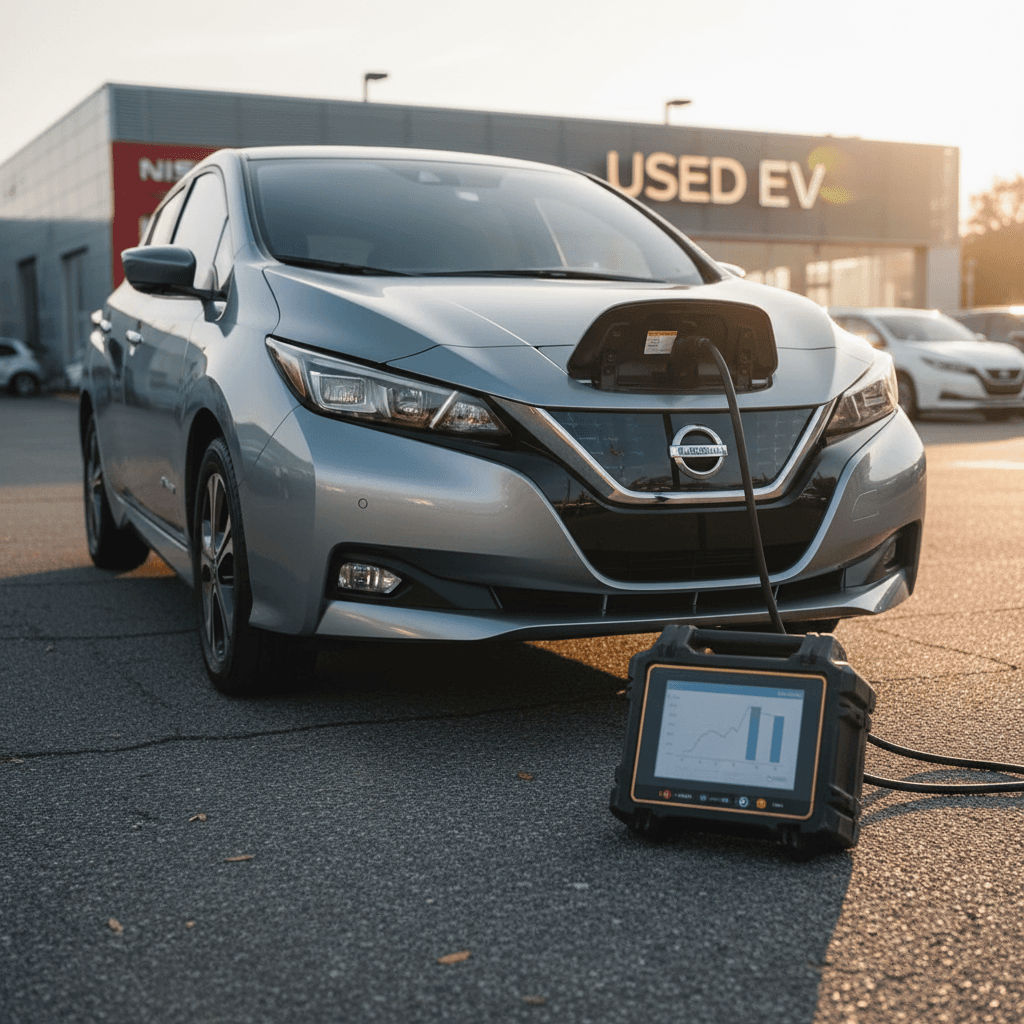
Every Leaf on Recharged gets a Recharged Score Report that includes verified battery health, pack temperature behavior, and charging history indicators. Instead of a vague "12 bars" or a single SoH screenshot, you see how the battery performs under load and across the charge curve.
This helps you compare two similar‑looking 2021 Leafs and immediately spot which one has the stronger pack and better long‑term prospects.
End‑to‑end used EV support
Beyond diagnostics, Recharged offers financing, trade‑in options, instant offers or consignment, and nationwide delivery, plus EV‑specialist support if you’re new to electric ownership. You can do the entire transaction digitally or visit our Experience Center in Richmond, VA to see cars in person.
If you already have a specific Leaf in mind (even at another seller), you can use our content library, like this guide, to reality‑check its battery health claims and pricing.
FAQ: 2021 Nissan Leaf buying questions
Frequently asked questions about buying a 2021 Nissan Leaf
Is a 2021 Nissan Leaf right for you?
A well‑chosen 2021 Nissan Leaf can deliver incredibly cheap, low‑drama electric miles for years to come. The key is matching its strengths, simple hardware, low running costs, and comfortable daily range, to a lifestyle that doesn’t depend on constant DC fast charging or 300‑mile highway days. If that sounds like your reality, focusing on a Leaf Plus with a verified strong battery and remaining warranty is the smartest play. And if you want expert help decoding battery data and pricing, Recharged is built to guide you through every step of the used EV buying journey.