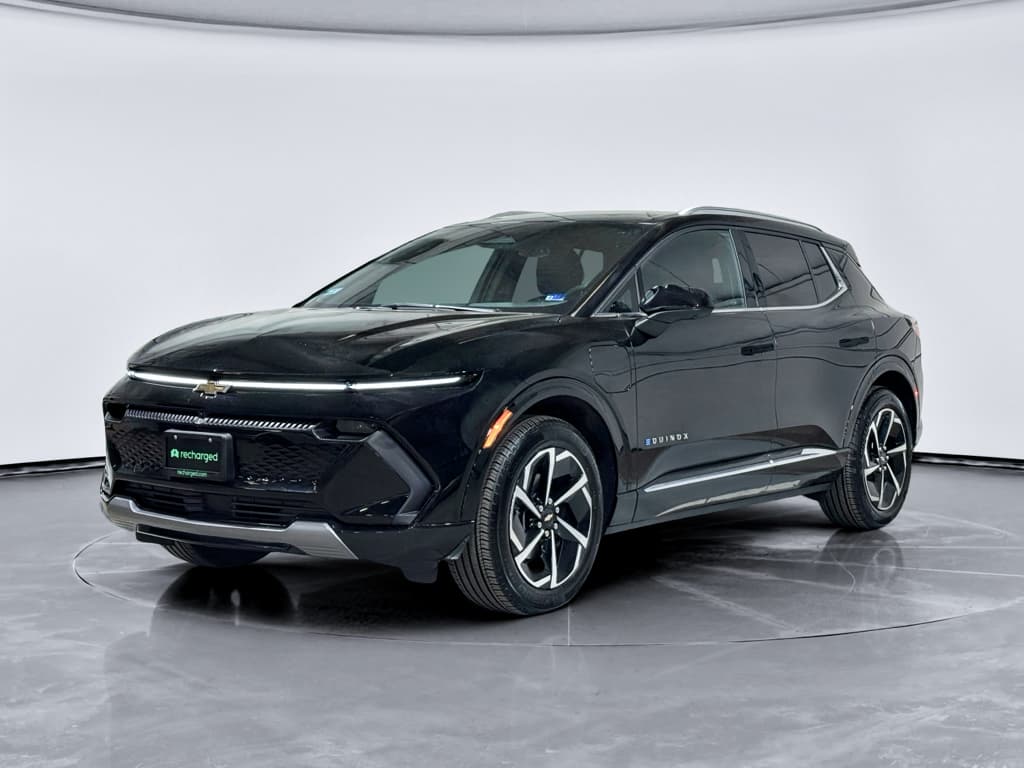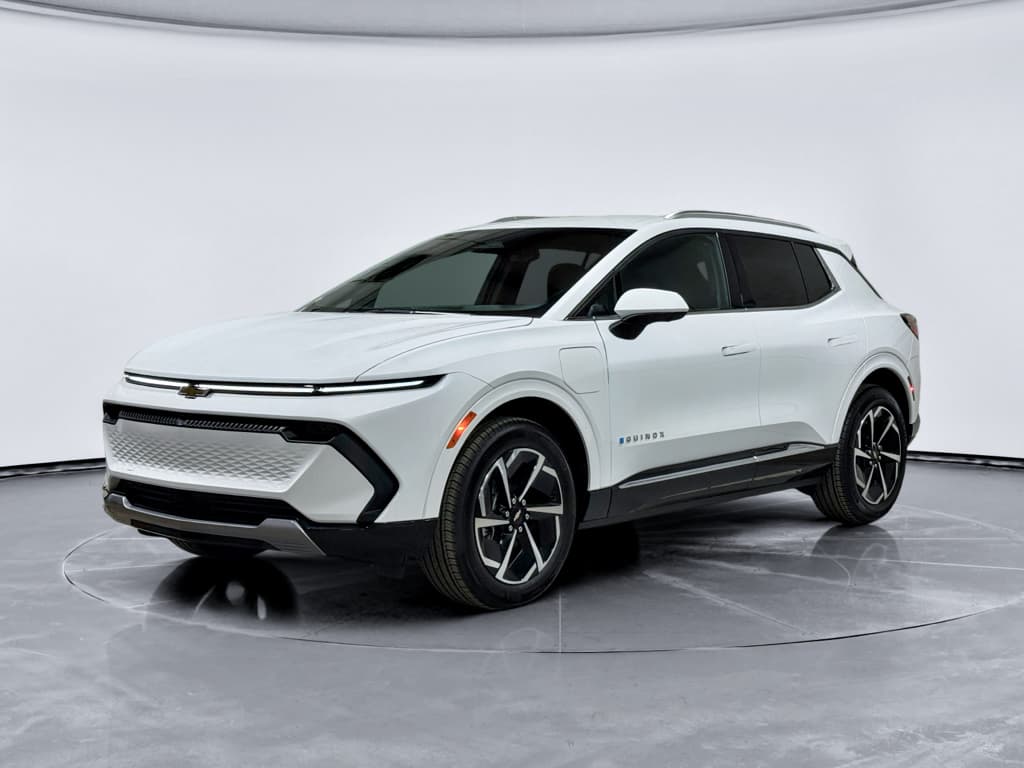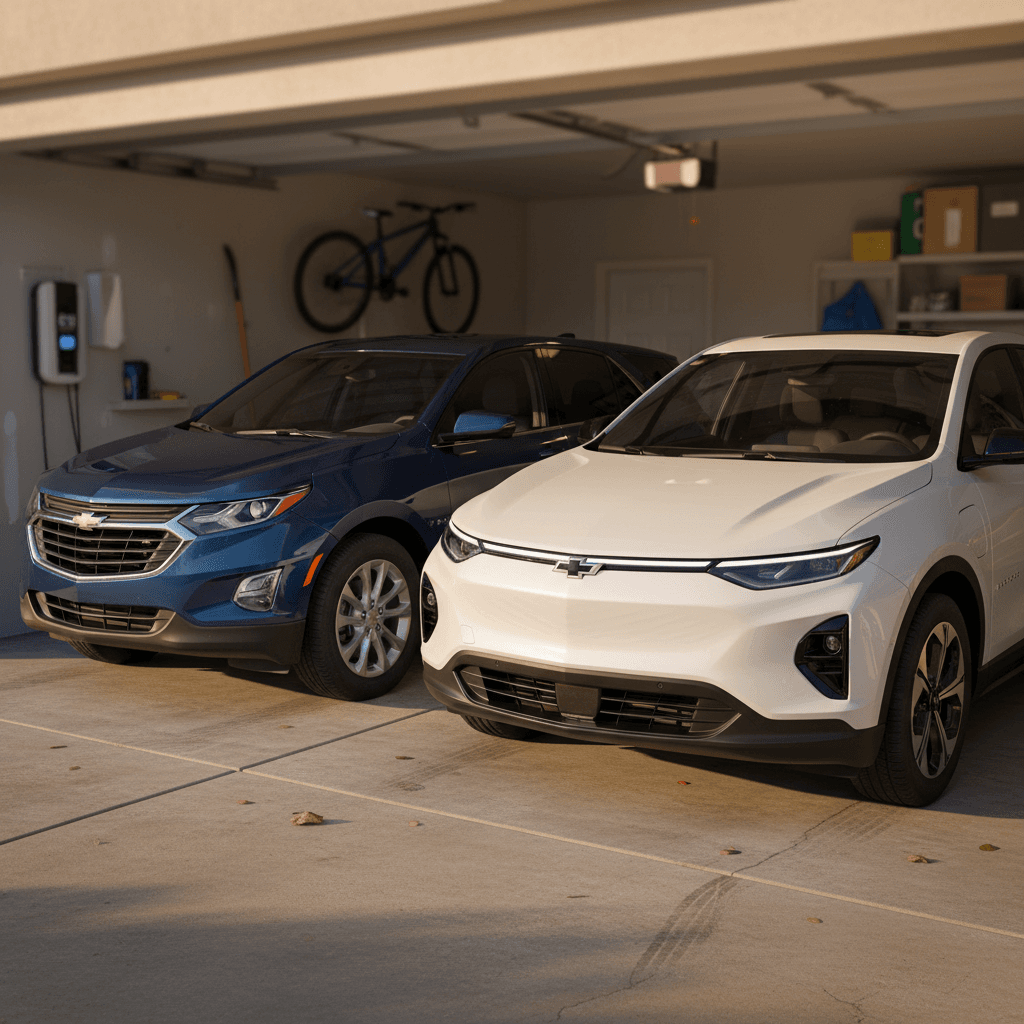
If you’ve spent years with a gasoline Chevrolet Equinox, the idea of jumping to the all‑electric Chevrolet Equinox EV is both tempting and a little intimidating. This owner‑style review looks at the switch through your eyes: how range, charging, comfort, and costs actually compare in day‑to‑day use, and what you should know before you trade pumps for plugs, especially if you’re considering a used Equinox EV.
Context: where the Equinox EV fits
Why this Equinox-to-Equinox EV review is different
Most reviews compare the Equinox EV to other electric crossovers. If you’re already an Equinox owner, your real question is simpler: “How different will my life be if I replace my current Equinox with the EV version?” Here, we frame everything, range, charging, space, costs, around that specific leap, including what changes, what feels instantly familiar, and which compromises might surprise you.
What you probably like about your Equinox
- Comfortable, carlike ride and easy driving manners
- Practical cargo area and simple controls
- Reasonable fuel economy for a compact SUV
- Predictable dealer experience and mainstream brand
What you’re hoping for in the Equinox EV
- Lower running costs and less maintenance
- Quicker, smoother driving feel
- Modern tech and safety features
- Keeping that familiar Chevy crossover vibe
Side‑by‑side overview: Equinox vs Equinox EV
Chevy Equinox vs Chevrolet Equinox EV: quick comparison
Key differences that matter most when you’re deciding whether to swap your gas Equinox for the Equinox EV.
| Feature | Gas Chevrolet Equinox (recent gen) | Chevrolet Equinox EV (Ultium) |
|---|---|---|
| Powertrain | 1.5L turbo gas, FWD or AWD | Single‑motor FWD or dual‑motor AWD, all‑electric |
| Rated range / MPG | Mid‑20s mpg combined | Up to ~300+ miles EPA‑estimated on select trims |
| Refueling | 3–5 minutes at any gas station | Home Level 2 overnight + public DC fast charging |
| 0–60 mph feel | Adequate, can feel strained when loaded | Noticeably quicker, instant torque, especially AWD |
| Cabin noise | Typical compact SUV, engine noise under load | Much quieter; no engine, less vibration |
| Cargo space | Competitive for class | Similar footprint, slightly different packaging but still practical |
| Routine maintenance | Oil changes, transmission service, exhaust & fuel system | Tires, brakes, cabin filter; no engine oil or exhaust |
| Energy cost | Tied to gas prices | Depends on electricity rate; often cheaper per mile |
Specs vary by model year and trim; think of this as a directional owner’s guide, not a build‑sheet.
Trim and year matter
Living with range after gas-tank freedom
If you’re used to 350–450 miles from a tank of gas, even a 300‑mile electric range sounds like a downgrade. In practice, most former Equinox drivers report that day‑to‑day range anxiety fades quickly, provided their daily driving fits within the Equinox EV’s comfort zone and they can charge at home or work.
Range realities for a typical Equinox owner
Think in “days of driving,” not just miles
Charging vs gas stops: how the routine really changes
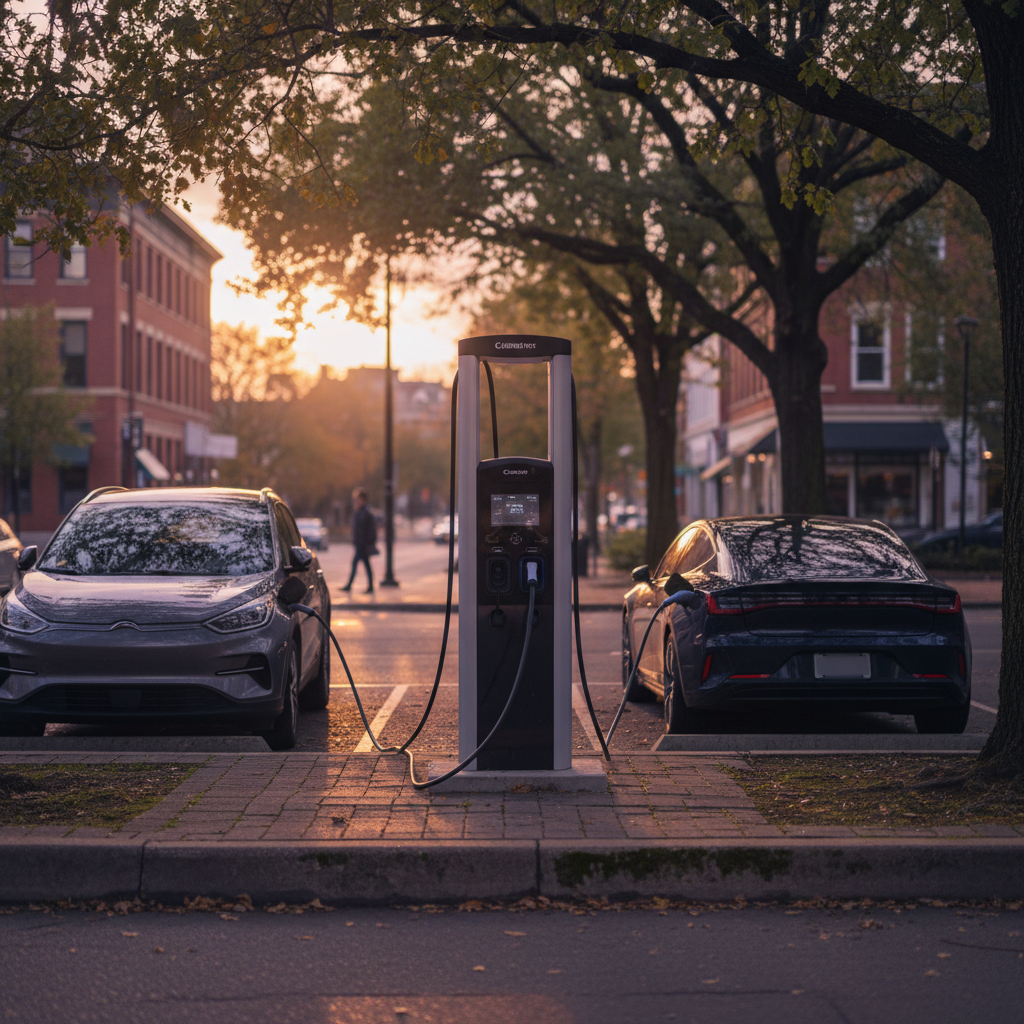
The biggest lifestyle shift going from a gas Equinox to the Equinox EV isn’t speed or space, it’s how you refuel. You’ll swap five‑minute gas stops every week or two for slower but more convenient charging, mostly while you sleep. Long trips require more planning than you’re used to, and public fast‑charging quality is still uneven depending on where you live.
Daily driving: the Equinox EV is easier
- Home Level 2 charging (typically 7–11 kW) can add dozens of miles of range per hour, more than enough to refill your commute overnight.
- You start most mornings with a “full tank,” so you rarely need public chargers for local driving.
- No detours to the gas station on busy days; you simply plug in at home like your phone.
Road trips: more planning than your gas Equinox
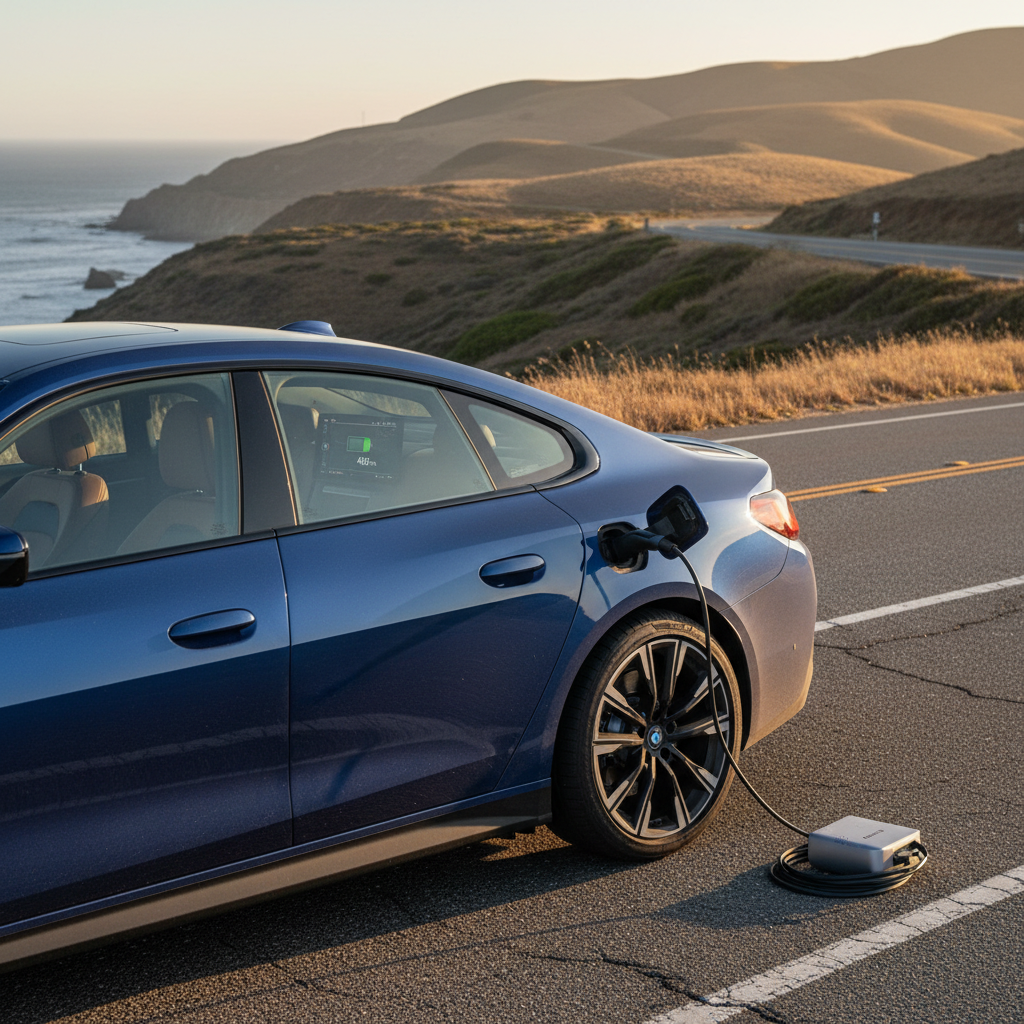
- On a compatible DC fast charger, the Equinox EV can spike near 150 kW, but many real‑world stations deliver less than their advertised power.
- Expect to stop every 150–220 miles and spend 25–45 minutes topping up from a low state of charge to ~80%.
- You’ll need to route‑plan around reliable networks and build in extra time versus your gas road‑trip habits.
Don’t count on peak charging speed all the time
Performance, ride, and noise: from ICE crossover to Ultium EV
If your current Equinox sometimes feels strained merging or passing when fully loaded, the Equinox EV will feel like someone removed a 10‑second delay from everything you do with the right pedal. Even single‑motor FWD versions have strong off‑the‑line punch, and dual‑motor AWD models add a shove that your gas Equinox simply can’t match.
How the driving experience changes
Same badge, very different feel from behind the wheel.
Instant torque
Smoother & quieter
Weight and ride
“One of its standout features is its quiet cabin, remarkably quieter than even my highest trim‑level Acura RDX… none of which the Equinox EV includes.”
Good news for existing Equinox drivers
Interior, tech, and storage: familiar but more digital
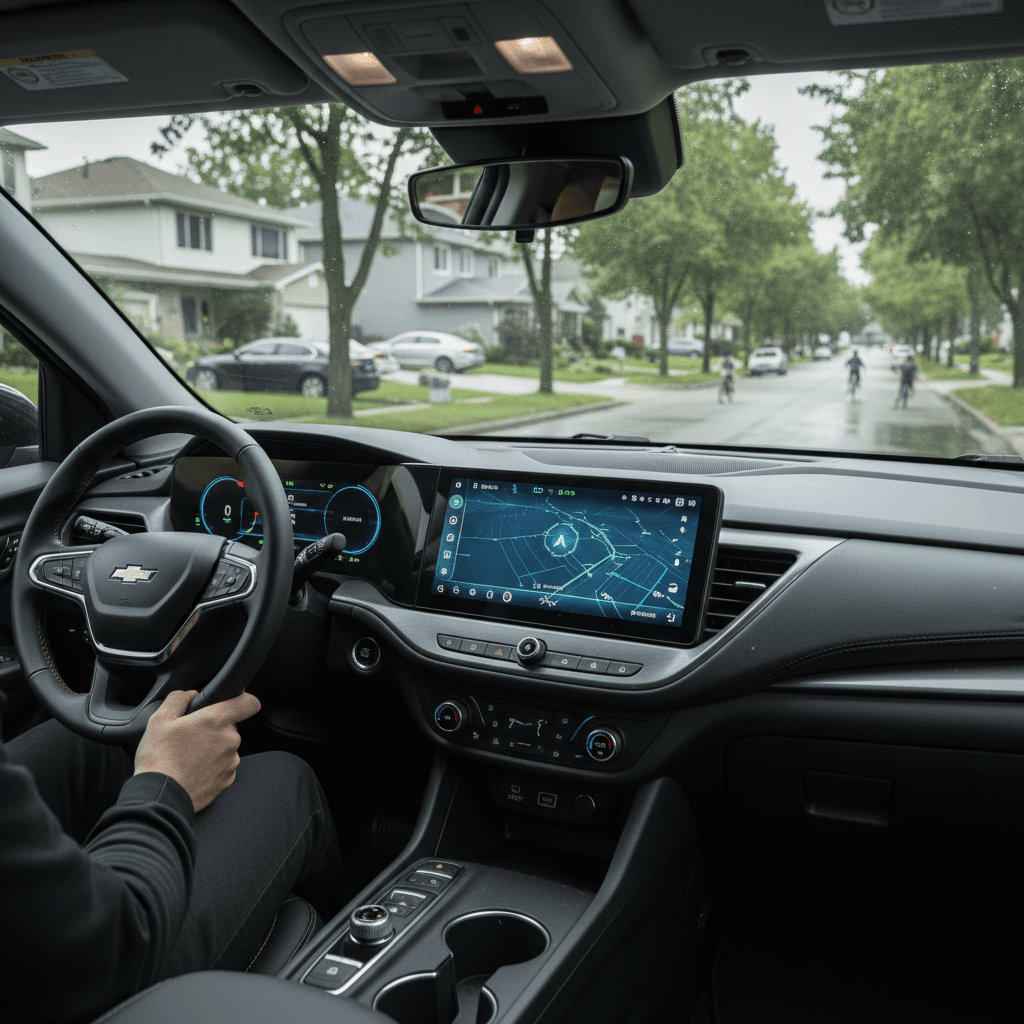
The Equinox EV doesn’t feel like a spaceship inside, and that’s by design. You still get a practical two‑row cabin and usable cargo space, but the dashboard is dominated by a wide digital display, Google‑built‑in infotainment on many trims, and a more modern control layout. If you’re coming from an older Equinox, the jump in tech, especially driver‑assist systems, will be one of the biggest upgrades you feel every day.
- Digital gauge cluster and large central touchscreen become your main interface, replacing analog dials and simpler head units.
- Wireless Apple CarPlay/Android Auto or built‑in Google services reduce the need to mount your phone for navigation.
- Driver‑assist features like lane‑keeping assist, adaptive cruise, and advanced parking aids are more common and more refined than in many earlier gas Equinox trims.
- Battery under the floor slightly changes the seating and cargo feel, but the Equinox EV still functions as a traditional compact family SUV.
Costs: pay at the pump vs pay at the plug
From an owner’s point of view, the Equinox EV trades unpredictable gas bills and regular engine maintenance for more stable electricity costs and fewer service visits. Whether you come out ahead depends heavily on local electricity and fuel prices, incentives, and how many miles you drive each year.
Energy and maintenance savings
- Electricity vs gas: On typical residential rates, many drivers see per‑mile energy costs that beat gasoline, especially if they can charge off‑peak.
- Maintenance: No oil changes, spark plugs, exhaust, or complex multi‑speed transmission to service. You’re mainly watching tires, brakes, coolant, and cabin filters.
- Brake wear: Strong regenerative braking can extend pad and rotor life compared with your gas Equinox, especially in city driving.
New costs and trade‑offs
- Home charging install: Many owners pay an electrician to add a 240‑V circuit or wallbox, which can run hundreds to a few thousand dollars depending on panel capacity.
- Public fast charging: Per‑kWh pricing on some networks can be higher than home electricity; in a few markets it can approach gas‑equivalent costs.
- Depreciation: Early Equinox EVs have already started appearing on the used market at meaningful discounts from MSRP, good news if you’re buying used, not as great if you paid full price new.
Run the numbers on *your* commute
Used Equinox EV: what to check before you switch
Because the Equinox EV is relatively new, early leases and first‑wave buyers are just beginning to send these crossovers into the used market. That creates an opportunity for longtime Equinox owners to step into an EV at a much lower price than new, if you know what to look for.
Key checks for a used Chevrolet Equinox EV
1. Verify battery health, not just mileage
With EVs, odometer reading is only half the story. You want to know how the battery has aged and how much usable capacity remains. At Recharged, every vehicle includes a <strong>Recharged Score Report</strong> with verified battery diagnostics so you’re not guessing about range.
2. Confirm charging performance
Ask the seller for recent DC fast‑charging session data or plan a supervised test on a reputable network. You’re checking that the car can reach reasonable power levels for its trim and that it doesn’t throttle excessively early in the charge.
3. Check for software and recall updates
Like other modern EVs, the Equinox EV relies on software for charging behavior, thermal management, and driver‑assist. Make sure all campaigns, recalls, and major updates have been completed by a Chevy dealer.
4. Inspect tires and suspension carefully
The Equinox EV’s extra weight can be harder on tires and suspension components than your gas model. Uneven wear patterns, cheap replacement tires, or clunks over bumps are worth investigating before you sign.
5. Test home‑charging compatibility
If possible, plug into a known‑good Level 2 charger during your test drive. Confirm the car charges reliably at the expected power level and doesn’t throw unexpected fault codes or warning lights.
6. Evaluate real range on your routes
Take a mixed city/highway drive and watch projected range versus actual miles covered. This gives you an early feel for whether the Equinox EV’s range matches your expectations on the roads you actually drive.
How Recharged fits into your search
Who should switch, and who should wait
Even if you love the idea of never visiting a gas station again, the Equinox EV isn’t automatically the right move for every Equinox owner. Your charging situation, driving patterns, and appetite for new tech matter more than brand loyalty.
Is the Equinox EV a good move from your gas Equinox?
Two quick owner profiles that map to most real‑world cases.
Great fit: Home‑charging commuter
- Drive 20–60 miles most days, with occasional weekend trips.
- Have a driveway or garage where you can install Level 2 charging.
- Live near at least one reliable DC fast‑charge corridor for road trips.
- Value smoother, quieter driving more than the last word in cargo space.
If this is you, the Equinox EV is likely to feel like a major upgrade in day‑to‑day life with lower running costs.
Probably wait: Heavy road‑tripper without charging
- Regularly drive 250–400 miles in a single day.
- Rely heavily on roadside stops with uncertain charging options.
- Live in an apartment or condo with no realistic home‑charging access.
- Are extremely sensitive to travel‑time increases versus your gas SUV.
Here, the gaps in public fast‑charging reliability and longer road‑trip times may outweigh the benefits of the EV, for now.
Checklist: is the Equinox EV a good fit for you?
Quick self‑assessment before you trade your Equinox
You can charge at home or at work
If you don’t have convenient access to at least Level 2 charging where the car will sit for hours, the Equinox EV will feel like more work than your gas Equinox.
Your daily driving is under ~150 miles
Most Equinox EV trims can comfortably cover 150 miles even in less‑than‑ideal conditions. If you need more than that most days, you’ll be charging often.
You’re okay planning road trips
You don’t have to be a spreadsheet nerd, but you do need to be willing to use apps, watch state‑of‑charge, and occasionally adjust routes around working chargers.
You value smoothness and quiet
If you’re picky about noise, vibration, and harshness, the Equinox EV’s refined powertrain will feel like a big upgrade from your current SUV.
You’re ready for more software in your life
Infotainment, apps, over‑the‑air updates, and driver‑assist features are part of daily life with the Equinox EV. If that excites you more than it scares you, you’re in the right mindset.
You’ve thought about resale and battery health
Plan to buy with verified battery health and an eye on depreciation. Used EV platforms like Recharged can help you understand how the market is moving.
FAQ: Chevy Equinox owner switching to Equinox EV
Frequently asked questions from Equinox owners
Bottom line: should an Equinox owner go electric?
If you’re a satisfied Chevrolet Equinox owner who wants lower running costs, smoother performance, and a more modern cabin, and you have a reliable place to charge, the Chevrolet Equinox EV is one of the most natural steps you can take into electric ownership. The learning curve is real, especially for road trips and public charging, but day‑to‑day life typically gets easier, not harder.
The smartest path is to treat the switch like any other major upgrade: test drive an Equinox EV on your real routes, run the numbers for your fuel and electricity prices, and, if you’re shopping used, insist on objective battery‑health data. Platforms like Recharged are built around exactly that kind of transparency, from Recharged Score battery reports to expert EV support and nationwide delivery. If you do the homework up front, moving from a gas Equinox to an Equinox EV doesn’t just check the “EV” box, it can genuinely improve how your crossover fits into everyday life.