If you’re considering a used 2021 Hyundai Kona Electric, you’re not alone. It’s one of the most affordable long‑range EVs on the market, with punchy performance and a rated 258 miles of range. But like any EV, the 2021 Kona Electric has a few known trouble spots. This guide walks you through the most common 2021 Hyundai Kona Electric problems and fixes so you can shop confidently and know what to expect in ownership.
Key context for 2021 models
Overview: How reliable is the 2021 Kona Electric?
The 2021 Kona Electric generally scores better than average for overall reliability in owner surveys, especially compared with some early EVs. Many owners report several years and tens of thousands of miles with little more than tire rotations and a cabin filter replacement. At the same time, a minority of drivers have faced expensive coolant‑system, charging, or drive‑unit repairs, usually covered under Hyundai’s warranties but still inconvenient.
2021 Kona Electric at a glance
The takeaway: when maintained properly and updated with the latest software, a 2021 Kona Electric can be a very solid daily driver. The key is understanding which issues are annoyances, which are red flags, and how to spot the difference when you’re test‑driving or booking a pre‑purchase inspection.
Quick glance: Most common 2021 Kona Electric problems
Most talked‑about 2021 Kona Electric problems
Not every car will see these, but they’re the patterns shoppers and owners report most often.
Coolant & thermal warnings
Charging & charge‑port door issues
Gear reduction unit noise
12V battery & electronics
How Recharged helps
High-voltage battery history, recalls and real-world degradation
Battery headlines can make any shopper nervous, and the Kona Electric has had its share, especially 2019–2020 models, which were recalled globally for cell‑related fire risk. For 2021, Hyundai rolled in updated hardware and software strategies. While no EV battery is immune to problems, catastrophic pack failures on 2021 cars are relatively uncommon compared with the noise around earlier years.
- 64 kWh pack with ~258 miles EPA range when new.
- Most 2021 owners report modest degradation, often retaining 90%+ of original range after the first few years when mainly charged at home.
- Cars that lived on DC fast chargers or in very hot climates may show more noticeable capacity loss.
- Some owners have seen conservative charging limits or range estimates after software updates, often by design to protect longevity.
Don’t ignore battery or EV‑system warnings
How to assess a 2021 Kona Electric battery before you buy
- Start the car at a high state of charge and verify there are no battery or EV‑system warning lights.
- Compare the displayed range at 80–90% charge to what owners typically report (many see 210–230 miles at 100% with mixed driving).
- Ask the seller how the car has usually been charged (home Level 2 vs. constant DC fast charging).
- Request any previous battery or high‑voltage service records, including recall or campaign paperwork.
Going deeper with diagnostics
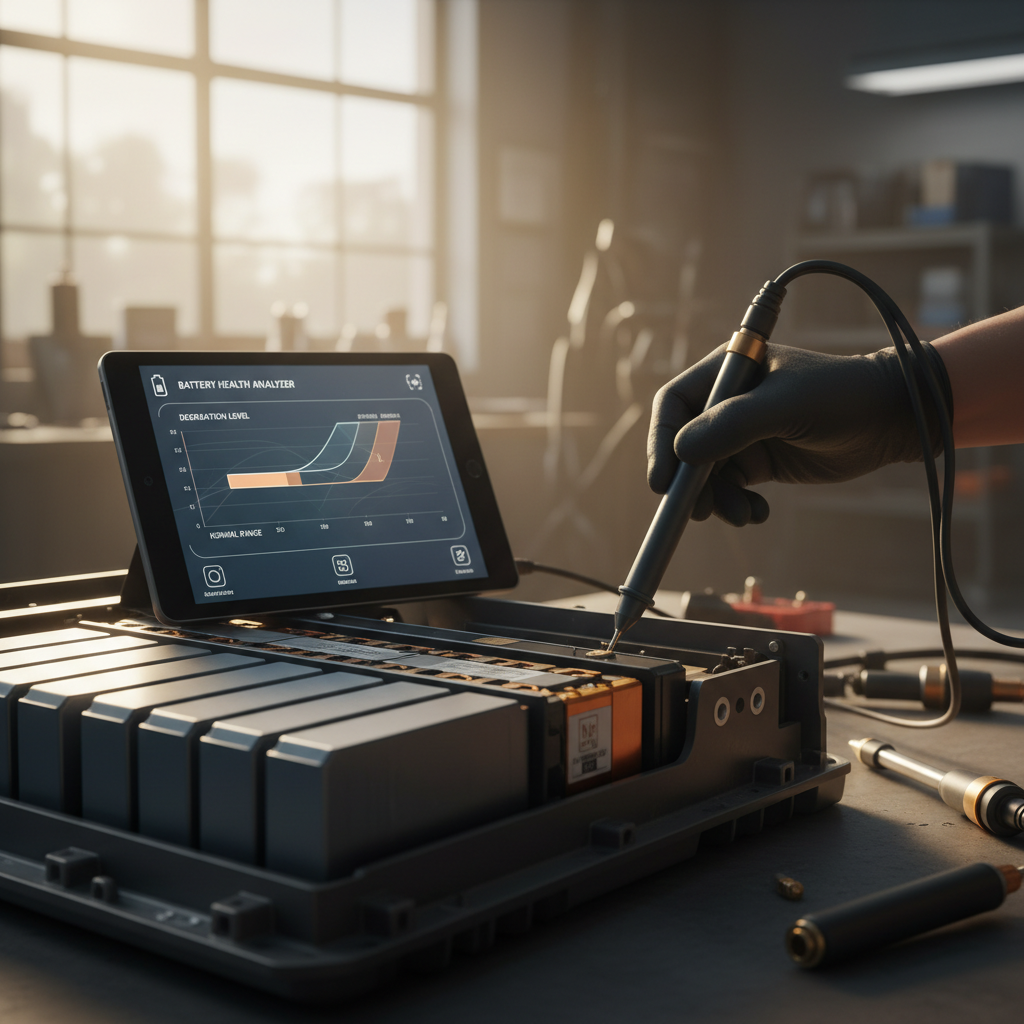
If you’re serious about a particular Kona Electric, consider having it scanned with an EV‑specific diagnostic tool or a service like the Recharged Score at an inspection partner. That can reveal:
- Measured state of health (SoH) for the pack, not just a guess from the dash.
- Fast‑charge history and temperature events.
- Any stored high‑voltage fault codes, even if the dash is currently clean.
Coolant leaks and thermal management warnings
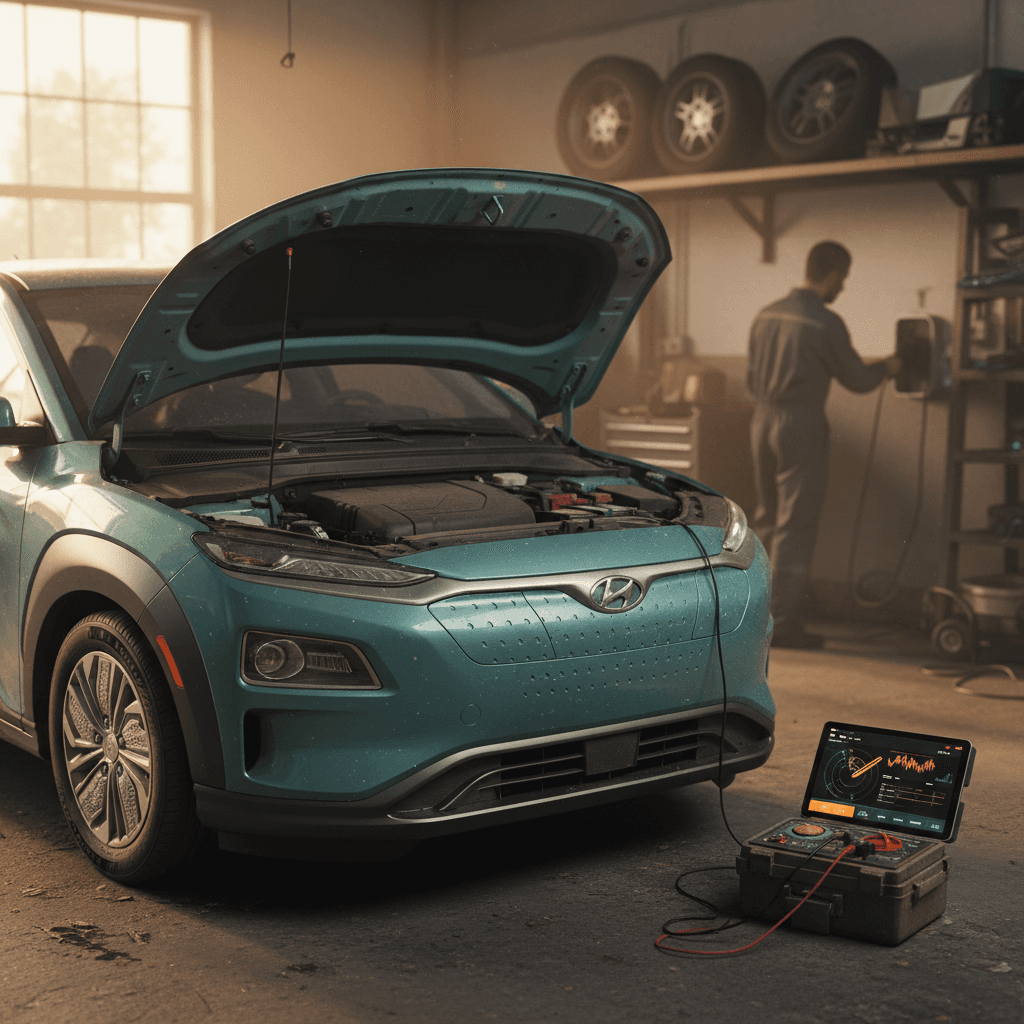
One of the most common real‑world 2021 Hyundai Kona Electric problems involves the battery and inverter cooling system. The Kona EV uses liquid coolant to control temperatures in the high‑voltage battery and power electronics. When something in that loop isn’t right, you may see a yellow or red coolant icon, a “Check EV System” message, derated power, or, rarely, refusal to start.
- Coolant warning light on the dash.
- “Check EV System” or similar message at startup.
- Reduced power or limp‑home behavior if the system detects overheating risk.
- Visible coolant under the front of the car or a low reservoir level in the under‑hood tank.
High‑voltage cooling is not DIY
Typical coolant‑system issues and fixes
These are common patterns technicians see on Kona Electric models when coolant or thermal warnings appear.
| Problem | Likely Cause | How It’s Fixed | Owner Tip |
|---|---|---|---|
| Slow coolant loss, occasional low‑level warning | Loose hose clamps or minor hose leak | Pressure test, new hose or clamp, refill and bleed system | Check under‑car for pink residue or wet spots after parking. |
| Coolant light, no visible leak | Faulty coolant‑level sensor or wiring | Sensor or harness replacement, software reset | If under warranty, push for proper diagnosis, not just a reset. |
| “Check EV System” and reduced power under load | Issue with battery chiller or pump | Component replacement and full bleed procedure | Document when and how the warning appears for the dealer. |
| Warnings after prior service | Air trapped in cooling circuit | Correct bleed procedure using factory tools | Ask whether a Hyundai EV service bulletin was followed. |
Costs vary by market; many repairs are covered under Hyundai warranties on relatively young 2021 cars.
Good news on coolant issues
Charging and charge-port door problems
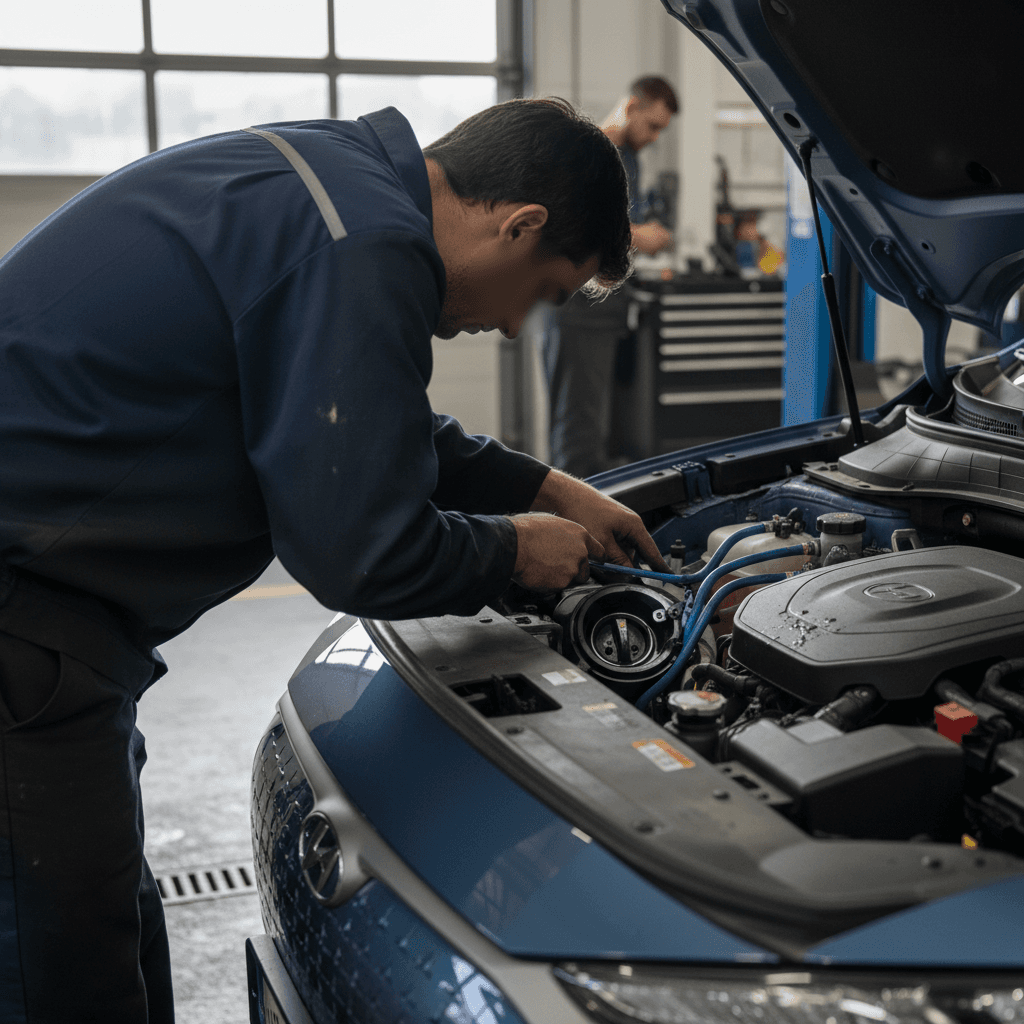
The Kona Electric’s front‑mounted charge port is handy in tight parking lots, but it lives in the line of fire for road salt, grime and minor bumps. Owners of 2019–2021 cars, including 2021s, report a few recurring problems related to the charge‑port door, latch and charging electronics.
- Charge‑port door won’t unlatch or sticks, especially in cold weather.
- Car thinks the charge‑port door is open when it’s closed, triggering warnings or disabling some driver‑assist features.
- LED ring around the port fails or flickers, making it harder to see charging status at night.
- Some DC fast‑charging stations won’t initiate or stop early, while others work normally.
- AC charging stops after a few minutes due to sensitive ground‑fault or temperature sensing.
How to test the charge port on a test drive
- Open and close the charge‑port door several times. It should release cleanly and latch without forcing.
- With the car in READY, verify there are no “charge door open” or charging‑system warnings on the cluster.
- Plug into a Level 2 charger (at home or public) and confirm the Kona immediately locks the connector and shows a charging status.
- If possible, try one DC fast charger to verify the car can initiate and sustain a session.
Typical fixes and workarounds
- Charge‑port door issues may require adjusting or replacing the latch assembly, the bumper skin often has to come off, so this isn’t a driveway job.
- Persistent DC fast‑charge failures can be related to onboard charging module issues that Hyundai has repaired under warranty on some cars.
- For minor sticking in cold climates, careful cleaning of the door seals and a silicone‑safe lubricant can help, but don’t force a frozen door open.
Watch for signs of front‑end damage
Gear reduction unit and drive-system noise
Unlike a gasoline Kona, the Kona Electric uses a single‑speed gear reduction unit in place of a traditional transmission. Most owners experience years of quiet, trouble‑free operation. A minority, however, report a whine, grinding, or rumbling that grows louder over time, often traced to the reduction gearbox or related bearings.
- High‑pitched whine that changes with speed, not with accelerator position.
- Rumbling or “wheel of fortune” sound at steady highway speeds.
- Noise that seems to come from the front center of the car rather than one wheel well.
- In some cases, metal shavings found during fluid inspection.
Drive‑unit noise: what it might be
Noises can have multiple sources. Here’s how technicians typically sort them out on a 2021 Kona Electric.
| Symptom | Likely Source | Fix | Owner Next Step |
|---|---|---|---|
| Whine only under acceleration | Motor or reduction gear mesh | Monitor; may be normal EV noise if subtle | Compare to another Kona Electric if possible. |
| Constant rumble increasing with speed | Reduction‑gear bearings | Gearbox tear‑down or replacement | Ask dealer to road‑test and record noise for warranty claim. |
| Clicking in tight turns | CV joints or half‑shafts | Boot inspection, joint replacement if worn | Have suspension and driveline joints inspected on a lift. |
Any suspected gearbox issue should be evaluated under Hyundai’s powertrain warranty if still in effect.
Noise is normal… up to a point
12V battery and electrical gremlins
Like many modern EVs, the 2021 Kona Electric relies on a conventional 12V battery to power control modules, locks, and start‑up routines. A weak 12V can cause a grab‑bag of issues, no‑start conditions, random warning lights, or glitches that seem like major failures but clear up with a new battery and software update.
- Complete failure to “wake up” or go into READY despite a high‑voltage battery showing plenty of range.
- Intermittent warning lights for systems that check out fine on inspection.
- Infotainment screen freezing, rebooting, or refusing updates.
- Battery drain if doors are left unlocked, key fobs remain close to the car, or software isn’t up to date.
Simple 12V best practices
Brakes, suspension and tires
The Kona Electric is heavier than a gasoline Kona and delivers instant torque, which can accelerate wear on tires, bushings and dampers. Thanks to strong regenerative braking, physical brake pads and rotors often last a long time, but they can also corrode if they’re rarely used, especially in rust‑belt climates.
Chassis and wear‑item issues to watch for
Most of these are normal wear, but they matter for your total cost of ownership.
Tires
Suspension
Brakes
Short‑trip city use vs. highway miles
DIY vs dealer: what you can safely do
Reasonable DIY tasks
- Checking and correcting tire pressures and visually inspecting tread.
- Replacing cabin air filters and wiper blades.
- Carefully cleaning the charge‑port door area, seals, and hinges.
- Monitoring coolant reservoir level (engine off, on a level surface) and watching for obvious leaks.
- Using a basic OBD reader or EV‑specific app to look for non‑high‑voltage fault codes.
Leave these to EV‑trained technicians
- Any work on the high‑voltage battery, orange‑cabled components, or inverter.
- Opening the cooling system or bleeding coolant on the EV loop.
- Diagnosing persistent “Check EV System” messages or drive‑unit noises.
- Repairing the charge‑port latch assembly (often requires bumper removal).
- Software updates or TSBs that require factory scan tools.
When in doubt, assume high‑voltage components require professional handling. The risk of electric shock or creating an undiagnosed fault isn’t worth it.
Checklist: Shopping for a used 2021 Kona Electric
11 must‑do checks before you buy a 2021 Kona Electric
1. Verify recall and campaign history
Ask for the VIN and run it through Hyundai’s recall checker or ask a dealer to print a campaign history. You want a car with all applicable <strong>software and safety campaigns</strong> completed.
2. Review battery and charging habits
Ask the owner how they typically charged the car (home Level 2 vs. constant DC fast charging) and whether they’ve noticed any big change in range over time.
3. Scan for warning lights and messages
With the car in READY, the dash should be clear: no coolant, battery, or “Check EV System” alerts. Any active warnings should be investigated before you talk price.
4. Inspect coolant levels and look for leaks
With the car cold, check that the coolant reservoir is between MIN and MAX. Look under the front of the car and around the under‑hood area for dried pink coolant or wet spots.
5. Test Level 2 and, if possible, DC fast charging
Confirm the car accepts and maintains a charge on a Level 2 station. If you can, briefly test a DC fast charger to rule out obvious communication or hardware issues.
6. Work the charge-port door repeatedly
Open and close the charge‑port door a dozen times. It should feel consistent and secure, with no binding or misalignment. Note any “door open” warnings that don’t match reality.
7. Listen for drive-unit and suspension noise
On a quiet road, cruise at 25–45 mph and again at highway speed. Note any unusual whining, grinding, or rumbling that isn’t just tire or wind noise.
8. Check tires, brakes and underbody
Look for even tire wear, healthy tread depth, and reasonably clean brake rotors. If possible, have a shop put the car on a lift to examine suspension bushings and underbody corrosion.
9. Test all electronics and driver assists
Try the infotainment system, Bluetooth, climate controls, heated seats, adaptive cruise (if equipped) and lane‑keep assist. Strange behavior could be a sign of low 12V voltage or software quirks.
10. Confirm warranty status
Ask for in‑service date and mileage to understand what remains of the <strong>5‑year/60,000‑mile basic</strong> and <strong>10‑year/100,000‑mile powertrain/battery</strong> coverage, if applicable in your region.
11. Consider a third‑party EV inspection
For extra peace of mind, use an EV‑savvy shop or a marketplace like <strong>Recharged</strong> that includes a battery health report and scan‑tool diagnostics with every used EV.
FAQs: 2021 Hyundai Kona Electric problems
Frequently asked questions about 2021 Kona Electric problems
Is a used 2021 Kona Electric a good buy?
For many shoppers, the 2021 Hyundai Kona Electric hits a sweet spot: long range, compact size, strong warranty coverage, and pricing that’s often more approachable than newer EVs. Its most notable issues, coolant‑system quirks, occasional charge‑port and charging‑hardware problems, and the usual EV 12V battery drama, are real but manageable when you know what to look for.
If you’re comfortable doing a careful test drive, following the checklist in this guide, and getting a solid pre‑purchase inspection, a used 2021 Kona Electric can be a smart, efficient daily driver rather than a science experiment. And if you’d rather not navigate all of that alone, shopping through Recharged gives you access to expert EV specialists, detailed battery health reporting, financing, trade‑in options, and nationwide delivery, so you can focus on enjoying your next electric car instead of worrying about what might go wrong.