If you’re shopping the used EV market, the 2021 Chevrolet Bolt EV keeps popping up for a reason. On paper, it delivers 259 miles of EPA-rated range, hatchback practicality, and strong performance, often for less than many hybrids. But this is also a car with a very public battery recall history, and those details matter when you’re looking at a used example.
At a glance
Why the 2021 Bolt EV is on so many used shortlists
By 2021, Chevy’s first‑generation Bolt EV was a known quantity. The 65 kWh battery pack (about 62–63 kWh usable) and single front motor were already proven, and range had been bumped to an EPA‑rated 259 miles. That puts the 2021 car in the same conversation as modern compact EVs that often cost far more on the used lot.
Used 2021 Bolt EV: three big selling points
Why it keeps showing up in EV shoppers’ searches
Strong real-world range
Compact, practical hatchback
Compelling used pricing
Where Recharged fits in
Key specs: 2021 Chevrolet Bolt EV at a glance
2021 Chevrolet Bolt EV core specs
Headline numbers that matter most when you’re comparing used EVs.
| Category | Spec | Notes |
|---|---|---|
| Battery | ~65 kWh (≈62–63 kWh usable) | Lithium-ion pack supplied by LG Energy Solution |
| EPA range | 259 miles | Single rating for both LT and Premier trims |
| Motor / power | 150 kW (200 hp) FWD | 266 lb‑ft of instant torque |
| 0–60 mph | ~6.5–6.7 seconds | Comfortably quick for a small hatchback |
| Onboard AC charger | 7.2 kW Level 2 | Roughly 9–10 hours 0–100% on a 40A circuit |
| DC fast charging | Up to ~55 kW | Standard on Premier, optional on LT |
| Charging port | CCS Combo 1 (J1772 + DC) | Works with most public fast‑charging networks |
| Seating | 5 passengers | Rear seat best for 2 adults + child |
| Cargo | 16.9 cu ft (seats up), 56.6 cu ft (max) | Competitive with small crossovers |
Specs apply to the 2021 Bolt EV LT and Premier trims unless noted.
2021 Bolt EV by the numbers
Driving experience: performance and comfort
On the road, the 2021 Bolt EV feels more like a warmed‑up hot hatch than an eco‑appliance. The 150 kW motor delivers 266 lb‑ft of torque right off the line, so stop‑light launches are brisk. Independent tests peg 0–60 mph in the mid‑6‑second range, which is still competitive against many newer compact EVs.
City and suburban driving
In stop‑and‑go traffic, the Bolt’s single‑pedal driving mode is the star. Dial in "L" on the shifter and you can modulate speed mostly with the accelerator, using strong regen to slow the car. The short overall length and quick steering make parking lots and tight streets easy to manage.
Highway manners
At 70 mph, the Bolt tracks straight and feels composed, but wind and road noise are more noticeable than in larger, newer EVs. The suspension is tuned on the firmer side; it’s fine for daily driving but you’ll feel sharper potholes and expansion joints.
Where the Bolt EV draws the most criticism is seat comfort and cabin noise. The front seats in earlier model years were infamous for being narrow and firm; Chevy made small tweaks, but if you’re sensitive, you’ll want a long test drive. Interior materials are functional rather than fancy, and the 10.2‑inch touchscreen feels modern enough, even if the overall design is more practical than premium.
Comfort check
Range and charging in the real world
The 2021 Bolt EV’s headline figure is its 259‑mile EPA range. In everyday terms, that means many owners can commute all week, 40 to 50 miles a day, without plugging in until the weekend. In mixed driving with a healthy battery, it’s reasonable to expect 220–260 miles per full charge, depending on speed, weather, and terrain.
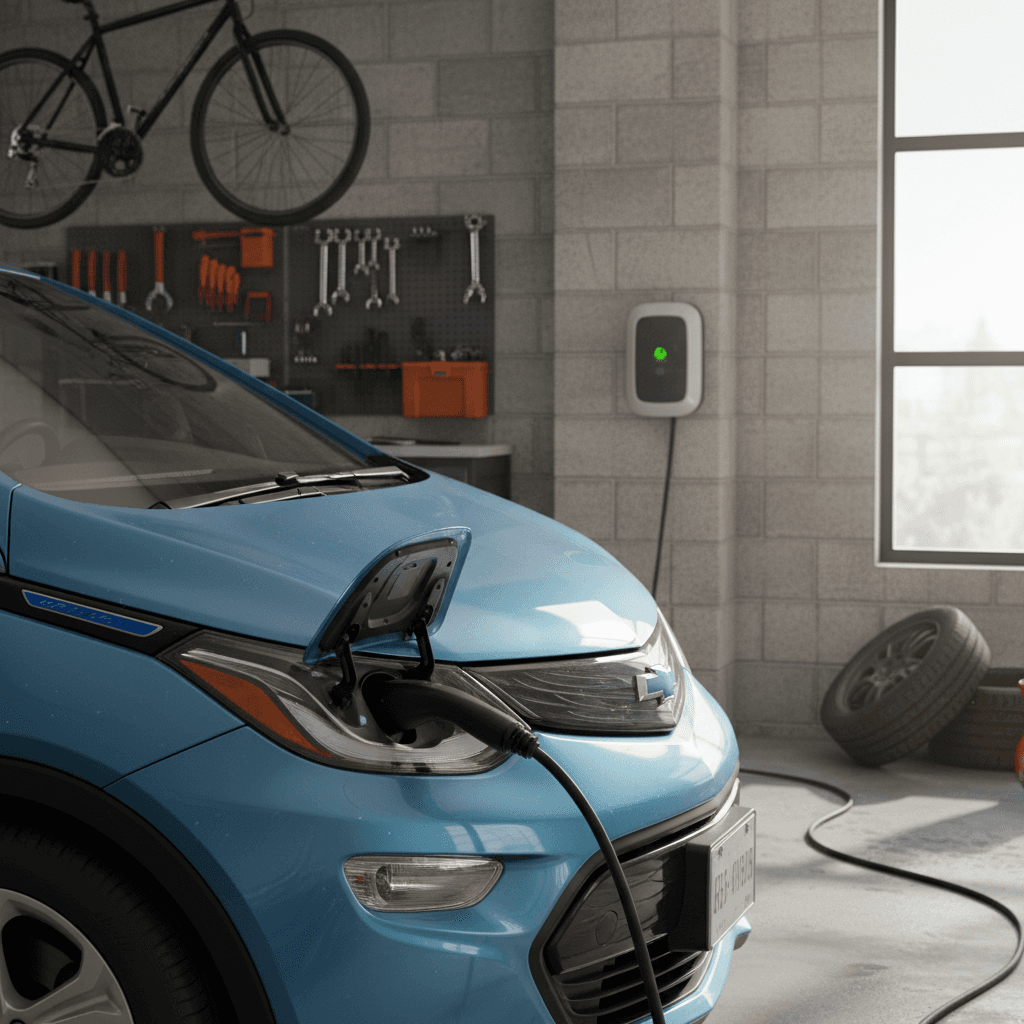
How long does a 2021 Bolt EV take to charge?
Approximate charging times from low state of charge to around 80–100%, assuming a healthy battery.
| Charging type | Power (approx.) | Typical use case | Time (low to ~100%) |
|---|---|---|---|
| Level 1 (120V wall outlet) | 1.3 kW | Last‑resort or occasional charging | 40–60 hours |
| Level 2 (240V, 32–40A) | 7.2 kW | Home or workplace wall charger | 9–10 hours |
| Public Level 2 (common) | 6–7 kW | Destination charging at work, hotels, parking decks | 8–11 hours |
| DC fast charging (CCS) | Up to ~55 kW | Road trips, quick top‑ups | ~45–60 minutes (10–80%) |
Actual times vary with temperature, battery state of charge, and charger behavior.
DC fast charging wasn’t standard on every 2021 Bolt
The big issue: battery recall and fire-risk history
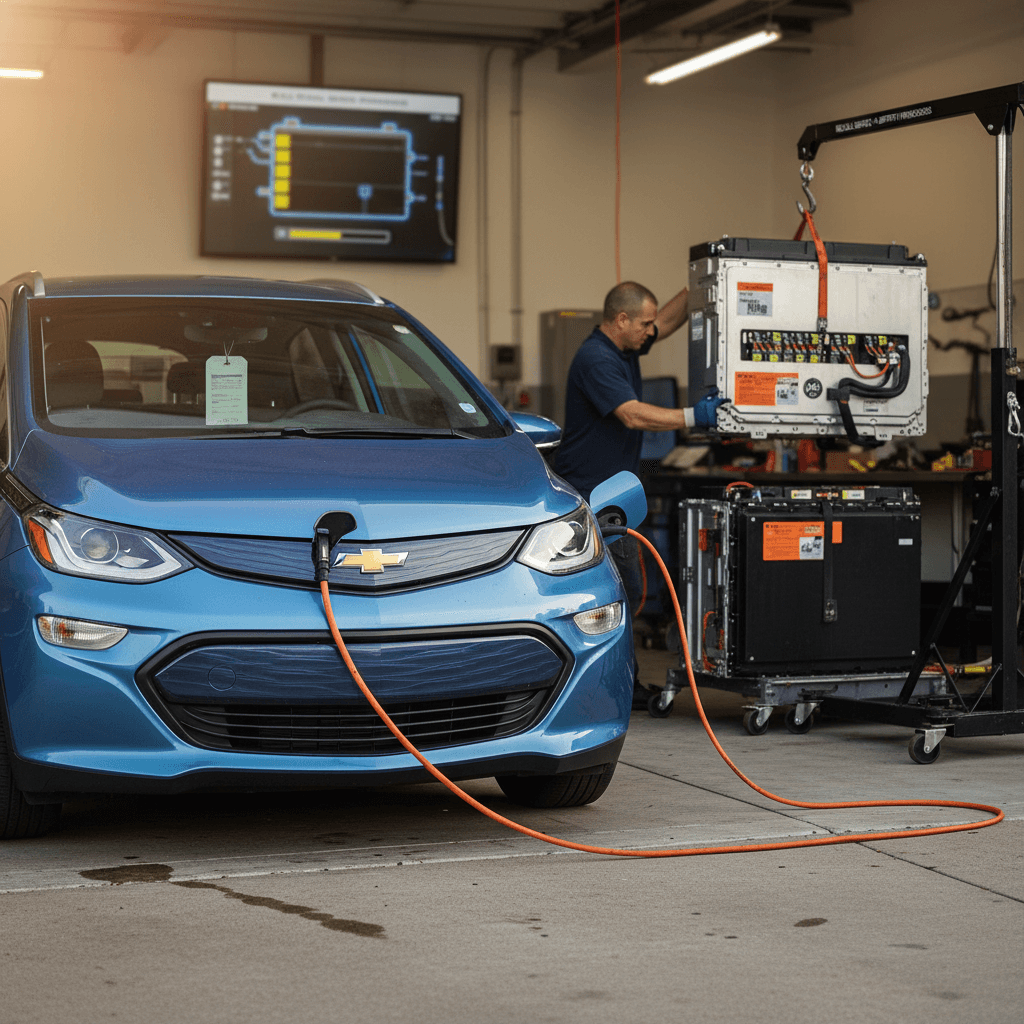
No honest review of a used 2021 Chevrolet Bolt EV can skip the battery story. All model‑year 2017–2022 Bolt EV and EUV vehicles were affected by a series of high‑voltage battery recalls after a small number of packs experienced fire. GM and supplier LG Energy Solution eventually tied the risk to rare manufacturing defects in individual cells and rolled out a major fix campaign.
- Many early Bolts received complete battery pack replacements with new modules.
- Other cars had software installed to detect abnormal cell behavior and limit charging if needed.
- GM and LG set aside billions of dollars to cover the recall, and replacement packs generally carry new warranty coverage.
Why this matters on a used 2021 Bolt EV
Battery recall checklist for a 2021 Bolt EV
1. Run the VIN through GM’s recall site
Before you fall in love with the price, plug the VIN into GM’s recall lookup. Confirm that all battery‑related recalls show as completed or that a remedy is available and scheduled.
2. Ask for proof of battery work
Request service records from a Chevy dealer or the seller showing whether the pack was replaced or software‑limited. A full pack replacement with documentation is a big plus for long‑term peace of mind.
3. Confirm remaining battery warranty
Most Bolt EVs carry federally mandated battery coverage (often 8 years/100,000 miles from in‑service date). A 2021 model may still have several years of coverage left, confirm the exact in‑service date.
4. Inspect charge behavior
On a test drive, watch how the car charges on Level 2 or DC fast charging if possible. Strange behavior, warnings, or very low DC speeds can indicate open campaigns or issues that need diagnosis.
5. Check for software limits
Some pre‑replacement software updates temporarily limited state of charge (for example, capping at 80–90%). Make sure any limits you see are intentional and not left over from older recall instructions.
Silver lining: many used Bolts now have fresh packs
Used market pricing and value
As of 2026, used EV pricing is still moving fast, but the 2021 Bolt EV typically sits in the budget end of the market compared with newer crossovers and long‑range sedans. Incentives on new EVs and the lingering recall headlines pushed resale values down, which can work in your favor if you’re diligent.
How the 2021 Bolt EV stacks up
- Compared with similar‑range EVs from Hyundai, Kia, and Tesla, used Bolts usually list for thousands less.
- Insurance and registration costs are often closer to a compact hatchback than a luxury EV.
- Operating costs stay low thanks to cheap electricity and minimal routine service (no oil changes, fewer moving parts).
What typically moves prices
- Battery status: Fresh replacement pack and clean recall history = stronger pricing, but still good value.
- DC fast charge hardware: LT cars without DCFC often sell for less and may be harder to resell.
- Mileage and climate: High‑mileage or vehicles from very hot climates may show more battery wear.
Why dealers price Bolts aggressively
What to check before you buy a used 2021 Bolt EV
If you’re used to buying gas cars, a used EV, and especially a used Bolt, requires a slightly different playbook. Battery health and charging hardware matter as much as cosmetic condition and service history.
Pre‑purchase checklist for a used 2021 Bolt EV
1. Verify DC fast charging hardware
Open the charge door and look for the two large DC pins under the J1772 AC connector. If they’re missing, the car doesn’t have DC fast charging, fine for some city drivers, a deal‑breaker for road‑trippers.
2. Review battery recall and warranty
Confirm recall completion and battery warranty status with a Chevy dealer. Ideally, get documentation showing whether the pack was replaced and when.
3. Get a battery health report
Instead of just guessing from the range estimate on the dash, use a tool like the <strong>Recharged Score</strong> or specialized diagnostics to measure usable capacity. That tells you how much of the original kWh you still have.
4. Test charging at home level
If possible, plug into a Level 2 charger during the test drive or inspection. Confirm the car charges at expected power (around 7 kW) with no errors or unusual noises from the battery cooling system.
5. Inspect tires and brakes
Like many EVs, the Bolt can eat front tires if driven aggressively. Regenerative braking means physical brakes may rust or seize if the car sat, make sure stopping power feels even and predictable.
6. Check interior wear and infotainment
Look for cracked plastics, worn seat bolsters, or glitchy infotainment behavior. None of these are deal‑breakers alone, but together they tell you how the previous owner treated the car.
7. Look for DC fast‑charge throttling signs
On a short DC session (if you can arrange it), note whether charging speeds seem unusually low for a warm battery and low state of charge. That can hint at battery management limits or pending issues.
How Recharged simplifies the checklist
Who the 2021 Bolt EV fits best, and who should skip it
Great fit for
- Urban and suburban commuters who drive 30–80 miles a day and can install (or already have) home Level 2 charging.
- Budget‑minded EV shoppers looking to go electric without stretching into premium brands.
- Small families or couples who value hatchback practicality and don’t need a tall SUV.
- Second‑car households where the Bolt handles daily errands and a gas car or larger EV covers long trips.
Maybe look elsewhere if
- You take frequent long highway road trips and want 150 kW+ DC fast charging and a larger charging network.
- You need more rear‑seat space and cargo than a compact hatchback can offer.
- You’re very sensitive to seat comfort and cabin noise and prefer a cushier, quieter ride.
- You’re unwilling to navigate recall history and documentation, even with expert help.
FAQ: 2021 Chevrolet Bolt EV (used)
Common questions about buying a used 2021 Bolt EV
Bottom line: Is a used 2021 Bolt EV worth it?
If you’re willing to do your homework, a used 2021 Chevrolet Bolt EV can be one of the strongest values in the electric market. You’re getting a proven powertrain, genuinely useful range, and city‑friendly packaging at prices that often undercut newer competitors by a wide margin.
The catch is straightforward but non‑negotiable: you must understand battery recall history, confirm DC fast‑charging hardware if you need it, and verify the pack’s health. For shoppers who check those boxes, the 2021 Bolt EV delivers cheap miles, low running costs, and a surprisingly fun drive.
If you’d rather have experts run those traps for you, Recharged pairs every used EV with a Recharged Score Report, EV‑savvy support, financing options, trade‑in help, and nationwide delivery. Whether you end up in a 2021 Bolt EV or another used electric hatchback, that extra transparency can make the difference between a good deal and a great one.