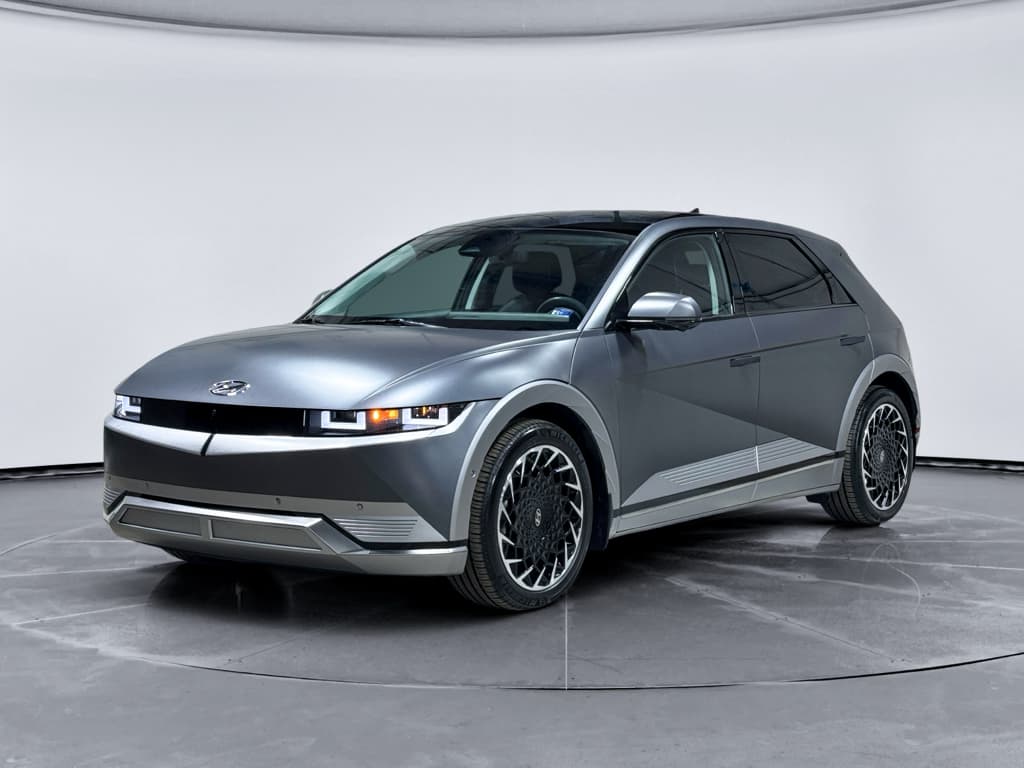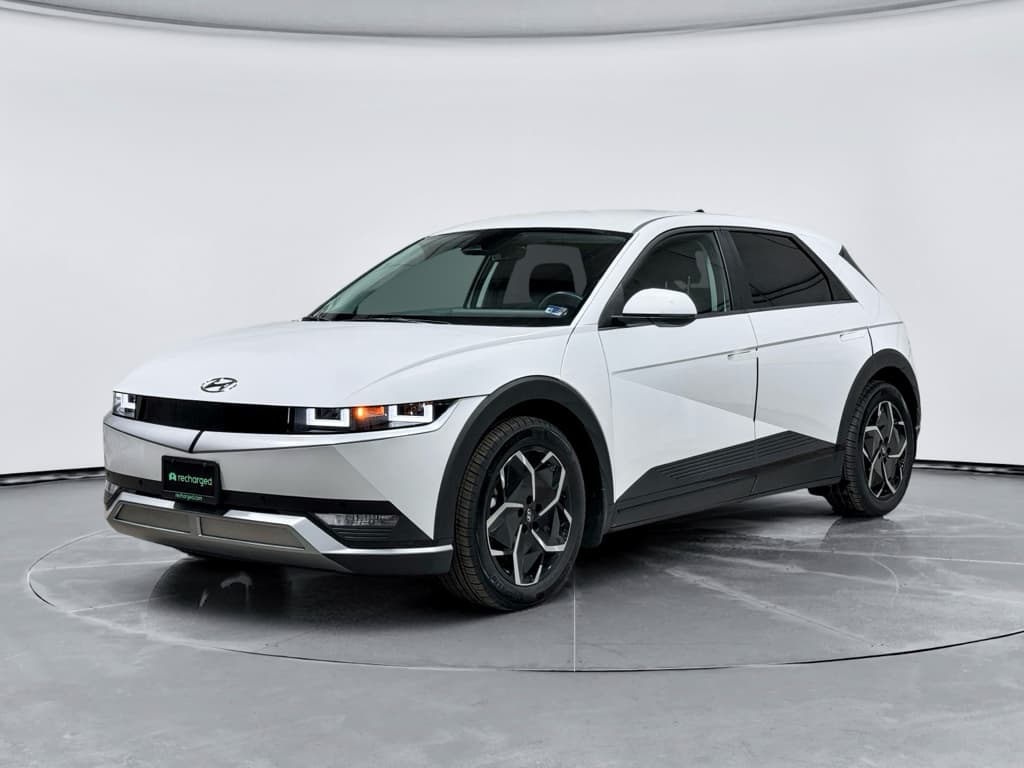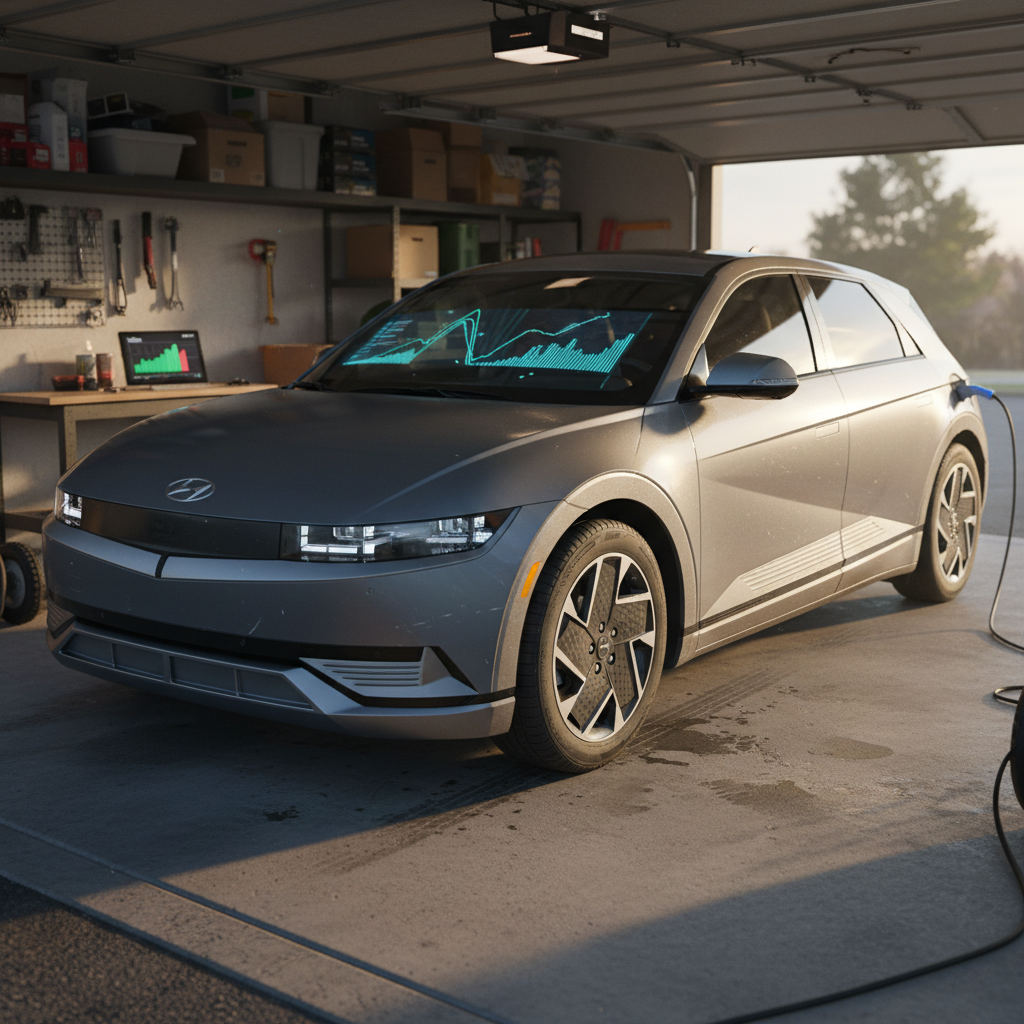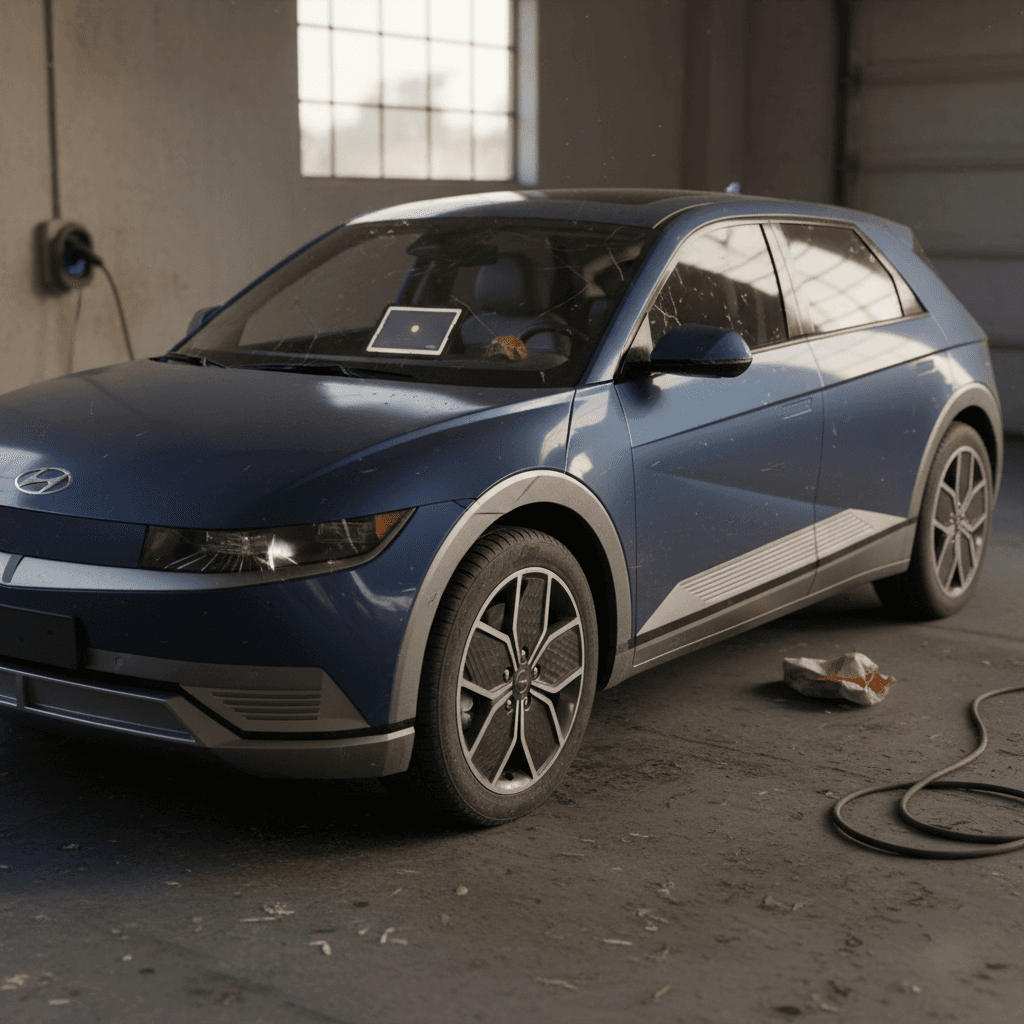
If you’re shopping for a used EV, the 2022 Hyundai IONIQ 5 is probably on your short list, and so are its reported problems. Early-build cars helped launch Hyundai’s modern EV platform, but they also revealed a few weak spots, especially around charging hardware and software. Understanding those 2022 Hyundai IONIQ 5 problems upfront is the key to buying confidently instead of crossing your fingers.
Big picture
Why focus on 2022 Hyundai IONIQ 5 problems?
The 2022 IONIQ 5 was the first model year on Hyundai’s dedicated E-GMP EV platform. First‑year vehicles tend to carry more **teething problems** as real-world use exposes weaknesses that never showed up in lab testing. Surveys from owner‑feedback publications and EV forums suggest the 2022 model is **less reliable than average**, mainly because of charging‑related components and early software. The upside: Hyundai has issued multiple **recalls, software updates, and extended warranties** to address many of these issues. If you know which fixes to verify, a 2022 can be a great value compared with newer model years.
2022 IONIQ 5 problem snapshot
Quick overview: the most common 2022 IONIQ 5 issues
- Integrated Charge Control Unit (ICCU) failures leading to no‑charge or reduced‑charge situations, and sometimes a dead car that needs a tow.
- Level 2 charging interruptions or unexpectedly slow charging, often tied to software and thermal‑management updates.
- 12V battery drain or sudden failure, leaving the car unable to start even though the high‑voltage pack is fine.
- Charge port door that doesn’t open reliably via the button, app, or voice command.
- Finicky communication between the car and some home chargers, especially with the factory 120V cord.
- Occasional infotainment and connectivity glitches (Bluelink, navigation, CarPlay/Android Auto).
Not every car has every problem
ICCU and charging failures: the big headline issue
If you’ve heard anything about 2022 Hyundai IONIQ 5 problems, you’ve probably heard about the **Integrated Charge Control Unit (ICCU)**. This box manages the flow of power between the high‑voltage battery, the onboard charger, and the 12V system. When it misbehaves, it can cause a cascade of symptoms:
- Car won’t charge on Level 2 at home or at public AC stations, but **DC fast charging still works**.
- Car shows “Charging unsuccessful” or similar messages and stops charging after a few minutes.
- 12V battery dies repeatedly, the car won’t “turn on,” and it has to be towed.
- In rare cases, the car shuts down while driving and coasts to a stop.
Owner reports and reliability surveys describe ICCU failures occurring anywhere from relatively low mileage into the 20,000–30,000‑mile range. Hyundai has addressed the issue with **software updates, a recall campaign, and hardware replacements**. In many cases, the fix involved replacing the ICCU and, sometimes, an associated fuse or the 12V battery as well. The pain point for early owners wasn’t just the failure, it was **parts availability**. Some drivers were stuck in loaners for weeks or months while waiting for a replacement ICCU. Parts supply has improved since those early days, but you still want to verify a specific car’s history.
What to verify on a test drive
Level 2 charging quirks and software updates
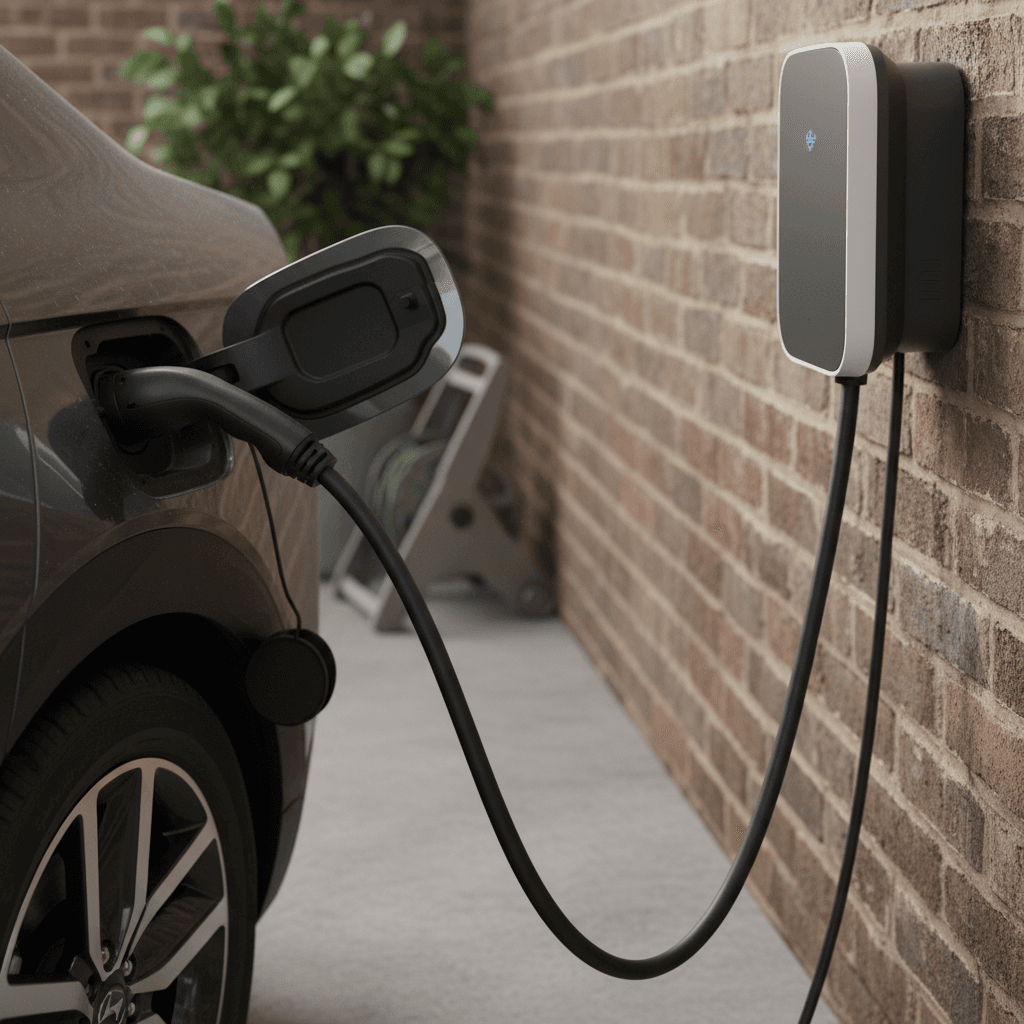
Even when the ICCU is healthy, some 2022 IONIQ 5 owners have experienced **interrupted Level 2 charging sessions** or dramatic power drops while charging at home. Typical complaints include chargers stopping on their own, the Bluelink app showing “connection failure,” or the vehicle and EVSE disagreeing about whether charging is actually happening.
Hyundai later issued **software campaigns** to improve how the car manages heat and current on Level 2. In practice, that means a healthy car with the latest updates may **throttle charging speed** if it detects overheating or communication issues instead of simply quitting. It’s a safer, smarter behavior, but it may surprise you if you were expecting full power all the way to 100%.
Normal vs. not‑normal behavior
How the 2022 IONIQ 5 should behave on Level 2
- Starts charging within a few seconds of plugging in.
- Holds a steady power rate (typically 7–11 kW depending on your setup).
- Gradually slows down as it nears your set charge limit.
- Runs the cooling system as needed; a bit of fan noise is normal.
Red flags while AC charging
- Frequent “charging unsuccessful” or connection errors.
- Car charges fine on DC fast but repeatedly fails on Level 1/Level 2.
- Charge cable or port feels excessively hot to the touch.
- Needs multiple plug‑unplug attempts to start a session.
12V battery drain and no-start situations
The traction battery in an IONIQ 5 is big and expensive. The **12V battery** is small, cheap, and absolutely critical. If it’s weak or drained, the car may act like it’s completely dead, even if the high‑voltage pack is full.
Early 2022 cars saw a noticeable number of **12V failures**, sometimes linked to ICCU issues or background software that didn’t go to sleep properly. Symptoms owners describe include:
- Car won’t “power on” after sitting for a couple of days.
- Random warning lights followed by a complete blackout.
- Needing frequent jump‑starts despite regular use.
- 12V dying again soon after being replaced, suggesting an underlying problem.
Safety note
By now, many original 2022 12V batteries are simply **old** and due for replacement on age alone. That’s normal wear. What you want to avoid is a car with **repeated** 12V failures and no clear fix documented in its service history.
Recalls and service campaigns affecting the 2022 IONIQ 5
Because EVs evolve quickly, software and hardware updates are part of the deal. The 2022 IONIQ 5 has been subject to several **NHTSA recalls and Hyundai service campaigns** covering things like charging electronics, safety systems, and instrumentation. Exact campaigns can vary by build date and market, but common themes include:
Key recall themes for early IONIQ 5s
Always run a VIN check with Hyundai or NHTSA for the most accurate, up‑to‑date recall list.
| Area | What it addressed | What to confirm |
|---|---|---|
| ICCU / charging electronics | Overheating or failure of the Integrated Charge Control Unit and related fuses, potentially causing loss of charging or power. | ICCU recall or service campaign completed; documentation of any ICCU replacement. |
| Software & instrumentation | Updates to warning logic, displays, and charging control to improve reliability and safety. | Latest software installed at a Hyundai dealer; no outstanding software campaigns. |
| Safety systems | Standard airbag or safety‑related recalls that may affect multiple Hyundai models. | All safety recalls closed in Hyundai's system before you buy. |
This summary is for shopper education, not a substitute for an official VIN lookup.
How to check recalls on a specific car
Other owner‑reported nuisances
Beyond the big‑ticket charging issues, 2022 IONIQ 5 owners have also mentioned a handful of **annoying but usually fixable** quirks:
Smaller problems 2022 IONIQ 5 owners talk about
Not dealbreakers, but useful bargaining chips if they’re present.
Charge port door
Infotainment glitches
Bluelink & app behavior
Compared with the charging system, these issues rarely strand anyone, but they do affect day‑to‑day satisfaction. On a test drive, spend time with the little things: doors, switches, infotainment, the app, and every way you’d actually use the car on a Tuesday afternoon.
Battery health and long-term reliability
The good news in all of this: the **high‑voltage battery pack itself** in the 2022 IONIQ 5 has not been a widespread trouble area. You don’t see the pattern of rapid capacity loss that plagued some early EVs. Most owners report **stable range** after several years, assuming normal use and charging habits.
Hyundai backs the battery with a **long warranty** for original owners, and many of the charging‑system components fall under extended coverage as well. Still, battery health is something you want to **measure, not guess at**, especially with a used EV.
How Recharged checks battery health
Inspection checklist for a used 2022 Hyundai IONIQ 5
You don’t need to be an engineer to shop smart. Use this checklist to separate a sorted 2022 IONIQ 5 from one that could be a headache.
2022 IONIQ 5 problem checklist for shoppers
1. Confirm recall & campaign history
Get a **printout from a Hyundai dealer** or screenshot from Hyundai’s owner portal showing no open recalls. ICCU‑related campaigns and major software updates should be marked as completed.
2. Test Level 2 charging
If possible, plug into a **known‑good Level 2 charger** and watch a full session from ~20–30% up to at least 80%. Look for stable power, no warning messages, and normal heat at the cable and port.
3. Try DC fast charging
Use a reputable DC fast charger to confirm the car ramps up quickly and holds a reasonable rate. A momentary taper as the battery fills is normal; repeated errors or very low power are not.
4. Evaluate the 12V system
Ask whether the **12V battery has been replaced** and why. Multiple failures or unexplained drains are a red flag. With the car off for a while, it should still wake up instantly and show no warning lights.
5. Check the charge port door
Open and close the charge door **every way the car allows**, button, app, and voice. It should move cleanly without sticking or error messages.
6. Work the tech hard
Pair your phone, run navigation, stream music, and use CarPlay/Android Auto. Look for **screen freezes or random disconnects**. A little bugginess can be fixed with updates; chronic issues are bargaining leverage.
7. Inspect for physical damage
Look at the port, cable area, underbody, and wheel wells for signs of **curb strikes or impact** that might have damaged wiring or cooling lines for the battery and charging hardware.
8. Ask for charging history
It’s a great sign if the owner can tell you **where and how they typically charge** (mostly Level 2 at home, occasional DC fast, etc.) and show receipts or app history. It suggests the car has been used predictably, not abused.
What these problems mean for value and warranty coverage
All of this talk about problems has a silver lining: **pricing on 2022 IONIQ 5s can be very attractive**, especially compared with new inventory. Early concerns have softened demand a bit, but many of the big issues have known fixes and warranty support.
Why a sorted 2022 can be a smart buy
- Lower purchase price than later model years with similar range and features.
- Known problem areas with documented fixes; you’re not a test pilot anymore.
- Generous Hyundai **EV powertrain warranty** still in effect for many cars.
Where you still need to be careful
- Out‑of‑warranty repairs to charging electronics can be expensive.
- Spotty service history may mean recalls or campaigns are still outstanding.
- Lack of documentation around ICCU or 12V repairs is a reason to walk or negotiate hard.
Use problems to your advantage
How Recharged evaluates and stands behind IONIQ 5s
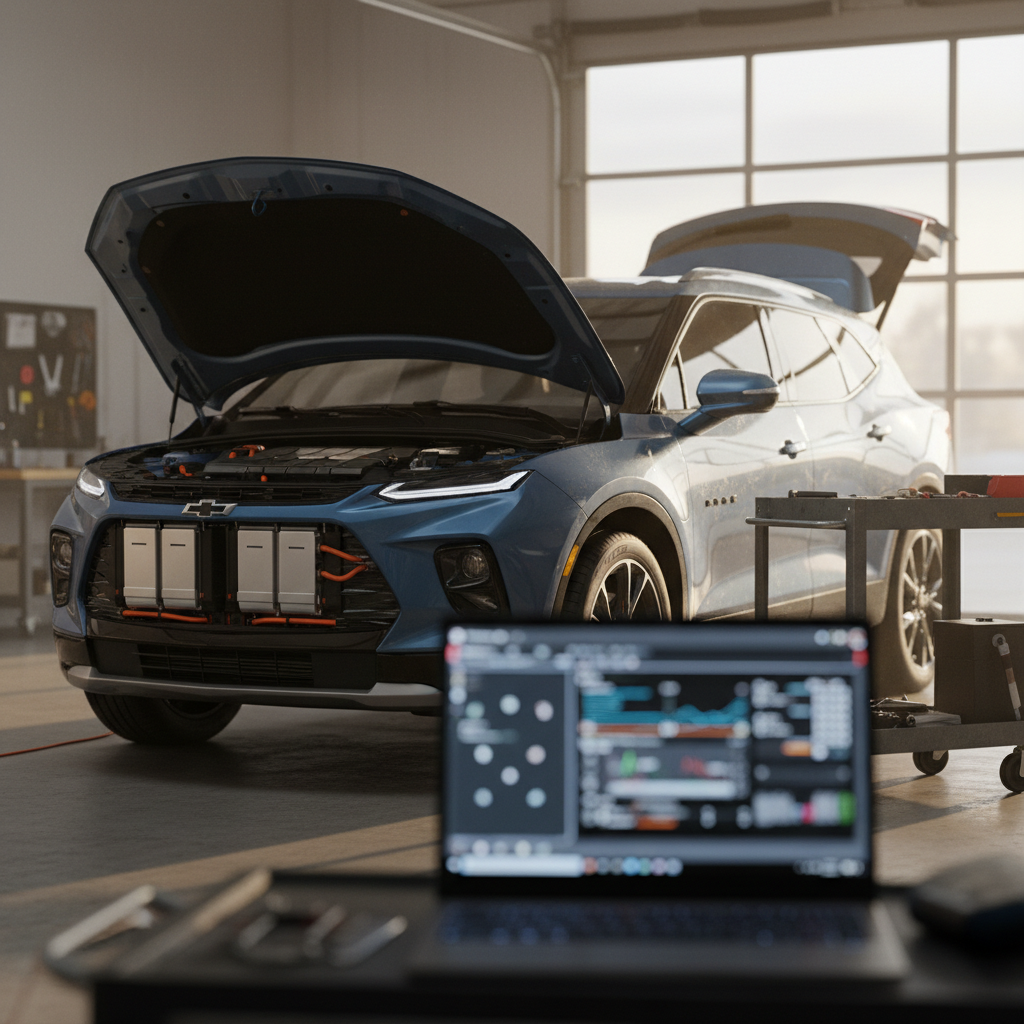
Buying any used EV is easier when someone has already asked all the hard questions. At Recharged, every 2022 Hyundai IONIQ 5 goes through **EV‑specific diagnostics** you won’t get from a typical lot, plus a full **Recharged Score Report** you can read in plain English.
What Recharged does differently with used EVs
Especially on first‑year models like the 2022 IONIQ 5.
Battery & ICCU diagnostics
Recall & software verification
Nationwide, transparent experience
Ready to find your next EV?
Browse VehiclesIf you’re comparing a private‑party 2022 IONIQ 5 with a Recharged vehicle, factor in the **cost of independent diagnostics** and the risk that a hidden charging issue could surface later. With a vetted car and a Recharged Score Report in hand, you start ownership on much firmer ground.
FAQ: 2022 Hyundai IONIQ 5 problems
Common questions about 2022 IONIQ 5 reliability
So…is the 2022 IONIQ 5 still worth buying?
The 2022 Hyundai IONIQ 5 is an early chapter in a very good EV story. Its list of problems, especially around the ICCU, Level 2 charging quirks, and 12V behavior, is real, but it’s also **well‑understood** at this point. Hyundai has issued recalls and updates, owners have road‑tested the fixes, and the market has priced in those risks.
If you want cutting‑edge styling, strong range, and rapid DC fast‑charging at a used‑EV price, a carefully vetted 2022 IONIQ 5 can be an excellent choice. The key is to buy with your eyes wide open: verify recall status, test charging in the real world, and insist on transparent battery‑health data. Whether you’re browsing on your own driveway charger or working with an EV‑focused retailer like Recharged, the right homework upfront can turn a first‑year model into a long‑term win.