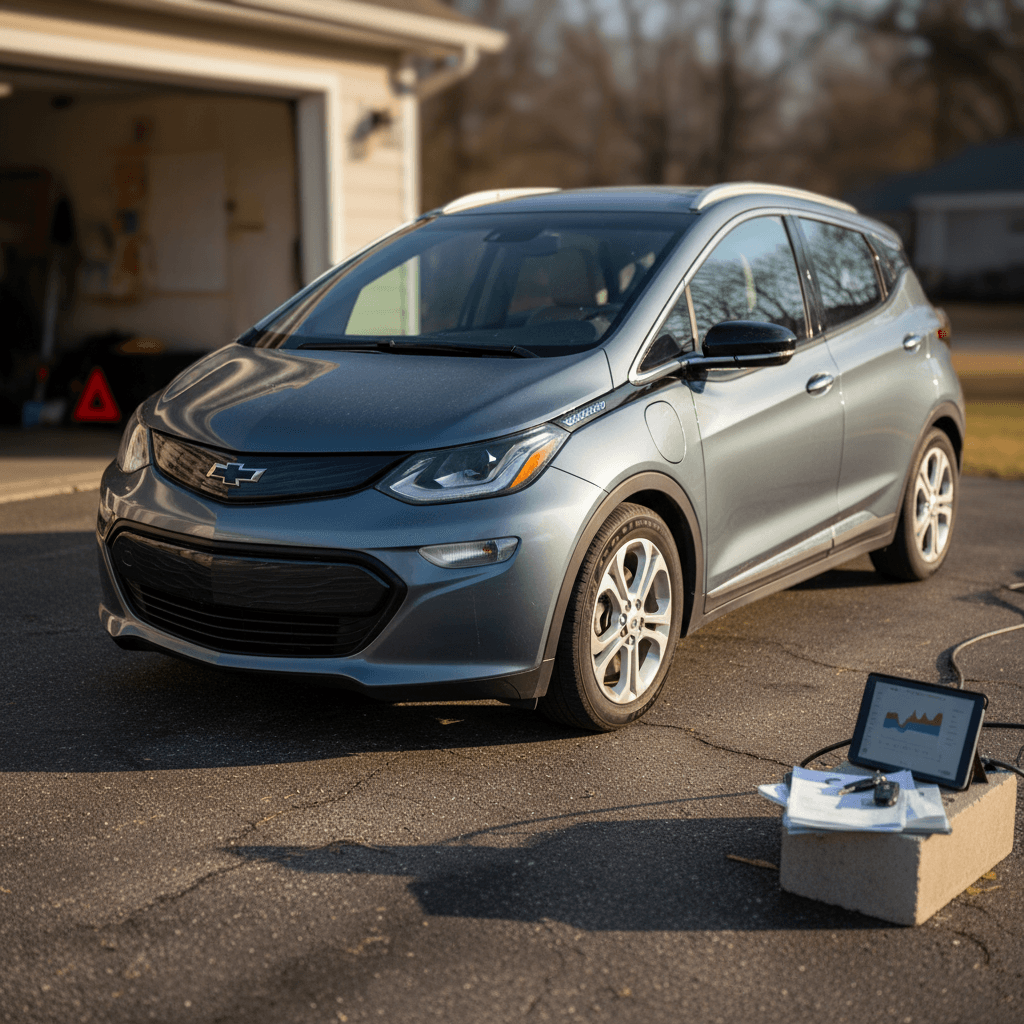
If you’re shopping for an affordable long‑range EV, the 2021 Chevrolet Bolt EV belongs on your short list. On the used market in 2026, a 2021 Bolt often costs less than half of its original MSRP while still delivering EPA‑rated 259 miles of range and practical hatchback utility. This buying guide walks you through specs, trims, the well‑publicized battery recall, pricing, and what to look for before you commit.
Model years vs. generations
Why the 2021 Bolt EV is interesting in 2026
In 2026, the used‑EV market is maturing fast, but there are still very few cars that offer 200+ miles of real‑world range for compact‑car money. The 2021 Chevrolet Bolt EV is one of them. Significant depreciation, GM’s battery recall and replacement campaign, and generous federal and state incentives in some years pushed many Bolts into the used market at bargain prices.
What makes a 2021 Bolt EV compelling
Three reasons it still earns a spot on your shopping list
Big range for the money
The 2021 Bolt EV has a 66 kWh battery and an EPA rating of about 259 miles on a full charge, comparable to many newer EVs that cost far more.
Heavy depreciation
Rapid depreciation and the shadow of the recall mean many 2021 Bolts sell well below their original $37,000–$43,000 MSRP. That’s frustrating for first owners, but excellent news for you as a used buyer.
Mature EV package
The Bolt EV delivers proven DC fast‑charging, versatile hatchback packaging, and a simple FWD powertrain that’s easy to live with for commuting and road trips alike.
Key specs: 2021 Bolt EV at a glance
2021 Chevrolet Bolt EV core specs
2021 Bolt EV high‑level specs
Approximate factory specs for the 2021 model year. Always confirm details against the specific car you’re considering.
| Spec | 2021 Bolt EV |
|---|---|
| Battery capacity | 66 kWh (lithium‑ion) |
| Official EPA range | 259 miles |
| Drive layout | Front‑wheel drive |
| Motor output | ~200 hp / 266 lb‑ft |
| 0–60 mph (approx.) | 6.5 seconds |
| On‑board AC charger | 7.2 kW Level 2 |
| DC fast‑charge connector | CCS Combo (option on LT, standard on Premier) |
| Wheelbase / length | 102.4 in / ~164 in |
| Body style | 5‑door hatchback |
Key mechanical and performance specs for a 2021 Chevrolet Bolt EV.
Trim levels: LT vs Premier and option packages
The 2021 Chevrolet Bolt EV came in just two trims, LT and Premier, plus several option packages. Under the skin they’re the same car, but features and equipment can vary a lot. Knowing how they differ will help you avoid overpaying for missing tech or, just as bad, passing on the right car because the window sticker looks confusing.
2021 Bolt EV LT vs Premier highlights
Feature differences between LT and Premier, plus common option packages to watch for on used cars.
| Feature/Option | LT (base) | Premier (top) |
|---|---|---|
| Seats & upholstery | Cloth, manual adjust | Leather‑appointed, heated front & rear |
| Wheels | 17" alloy | 17" machined‑finish with contrasting pockets |
| DC fast charging | Optional package | Standard |
| Surround‑view camera | Optional (with packages) | Standard |
| Rear camera mirror | Not available on most LT | Standard on Premier |
| Blind‑spot & rear cross‑traffic alert | Optional Driver Confidence packages | Standard |
| Adaptive cruise control | Very rare on LT (if equipped) | Available in select packages |
| Roof rails | Optional | Standard |
| Bose audio | Optional | Standard or optional depending on build |
Many LT cars were ordered with option packages that bring them close to a Premier in equipment.
Don’t assume every Premier has DC fast charging
- If you care most about price, a well‑optioned LT with DC fast charging and basic safety packages can be a sweet spot.
- If you road‑trip regularly, prioritize any 2021 Bolt with DC fast charging and the Driver Confidence packages for extra safety tech.
- If you want a more premium feel, heated leather seats, and all the cameras, hunt for a Premier, even if it costs a bit more up front.
Range, charging, and real‑world usage
On paper, the 2021 Bolt EV’s 259‑mile EPA rating looks generous, and in normal mixed driving many owners see 220–260 miles per charge. Weather, speed, and terrain still matter, but compared with early EVs, the Bolt’s 66 kWh pack gives you genuine flexibility for commuting and weekend trips.
Home charging expectations
- Level 1 (120 V): Using the included portable cord on a household outlet typically adds only a few miles of range per hour. Treat this as a backup, not your long‑term plan.
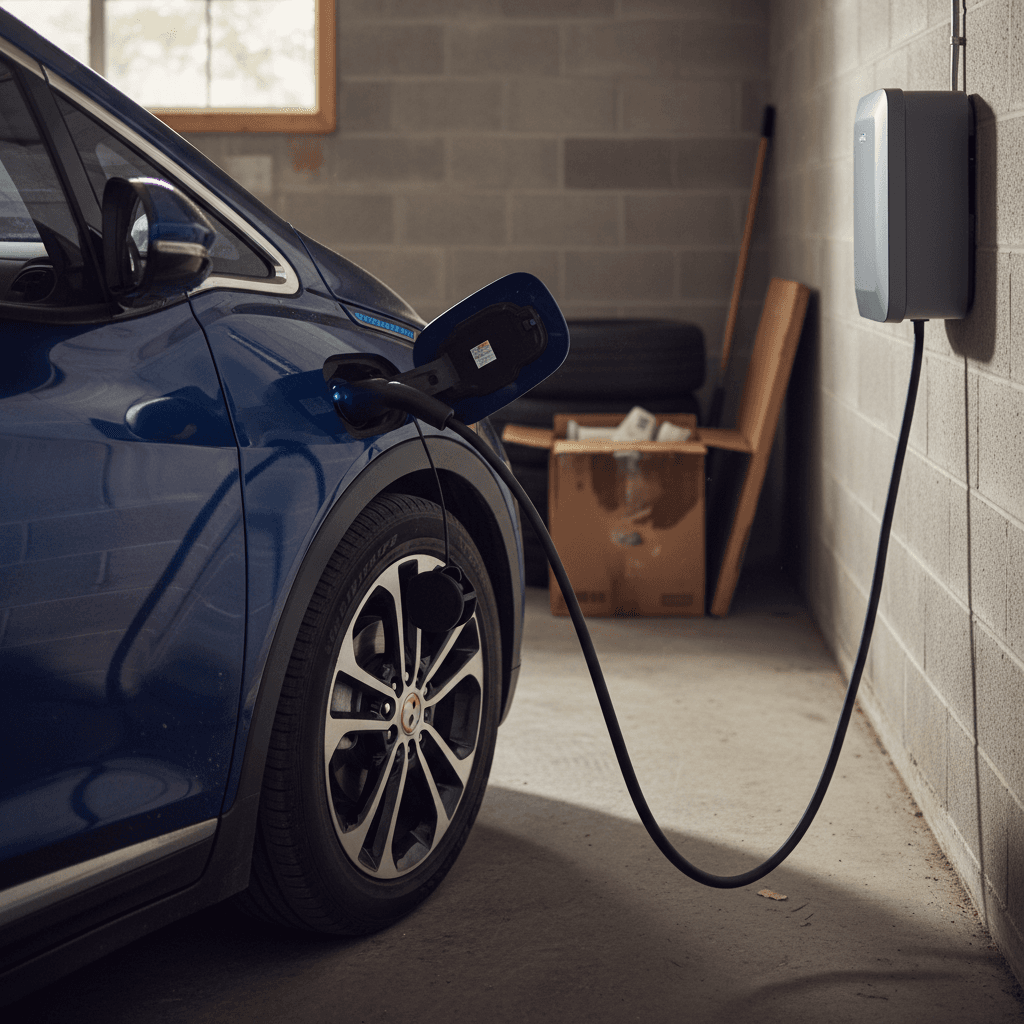
- Level 2 (240 V): With a 7.2 kW on‑board charger, a dedicated Level 2 station can add roughly 25–30 miles of range per hour and fully recharge an empty battery overnight.
- Installation: Many owners install a 240 V circuit in the garage or carport. Always use a licensed electrician, these are continuous high‑current loads.
Public and fast charging
- Public Level 2: Great for topping up while you work, shop, or stay overnight at a hotel. Plan on 4–6 hours for a significant charge.
- DC fast charging (CCS): When equipped, the Bolt can pull about 50–55 kW at peak, adding on the order of 100–150 miles in 30–45 minutes under ideal conditions.
- Planning trips: For longer drives, use apps like PlugShare or your preferred network’s app to check station power levels, pricing, and any recent reliability reports.
Fast charging etiquette and battery care
Battery recall: what it means for 2021 buyers
No 2021 Chevrolet Bolt EV buying guide is complete without discussing the battery recall. GM ultimately recalled essentially all 2017–2022 Bolt EV and EUV models to address a manufacturing defect in certain LG battery modules that could, in rare cases, lead to a fire. That recall looms large over the Bolt’s reputation, but as a used buyer in 2026, it can actually work in your favor if you shop carefully.
How the recall affects your purchase
There’s risk here, but also real upside if you understand the details.
Potential upside: newer battery
Many 2021 Bolt EVs received new battery modules or entire packs under warranty. That means you could be buying a car with a replacement battery that’s significantly newer than the chassis, with fresh capacity and warranty coverage starting from the replacement date in many cases.
Risks and open questions
Some cars may not yet have had the final recall work performed, or may have had only interim software updates. In rare instances, owners have reported issues even after pack replacement. That doesn’t make the Bolt a bad car, but it does mean you need to verify recall history carefully.
How to check recall and battery‑replacement status
1. Run the VIN through official recall tools
Use the 17‑digit VIN on the windshield or registration in GM’s or NHTSA’s online recall lookup tools. Confirm that all Bolt EV battery recalls show as completed, not just “open” or “incomplete.”
2. Ask for dealer recall documentation
Request printed service history from a Chevrolet dealer or reputable seller. You’re looking for line items that clearly list battery module or pack replacement, not just a software update.
3. Look for “Recall Certified” Bolt specialists
Many Chevy dealers became very familiar with Bolt recall work. If you’re buying through a dealer, ask whether they’re experienced with Bolt EV/EUV recalls and whether their technicians have done multiple pack replacements.
4. Confirm battery warranty coverage
The Bolt EV’s battery carried an 8‑year/100,000‑mile warranty when new. A replacement pack may have its own coverage start date. Ask for documentation so you know how much warranty runway you have left.
5. Check for software limits or odd behavior
On a test drive, watch for unusually low maximum charge levels, abrupt range drops, or warning messages. These can indicate unresolved recall work or unrelated electrical issues that should be investigated before purchase.
How Recharged handles Bolt recall concerns
Pricing and depreciation in 2026
If you bought a 2021 Bolt EV new, depreciation has been painful. If you’re buying used in 2026, that same curve is your friend. Market data shows that recent‑model Bolts typically retain only a bit more than half of their original MSRP after three years, with some cars trading even lower depending on mileage, location, and whether they were part of a recall buyback program.
Depreciation snapshot for a 2021 Bolt EV
Think in “total cost of range”
Pricing for individual cars still varies widely. A low‑mile 2021 Premier with a documented replacement pack will command more than a high‑mile LT with minimal options. Local incentives, remaining battery warranty, and used‑EV demand in your region all play a role. This is where shopping across multiple vehicles, and leaning on transparent marketplaces like Recharged, can help you understand whether a specific car is fairly priced.
Inspection checklist for a used 2021 Bolt EV
Because the Bolt EV has no engine, traditional used‑car worries, like oil leaks or timing belts, go away. Instead, your focus should be on battery health, charging hardware, electronics, and the usual suspension and body checks. Use the checklist below as a starting point when you inspect and test‑drive a candidate.
2021 Bolt EV pre‑purchase inspection checklist
1. Confirm DC fast‑charging hardware
Open the charge door: you should see a J1772 AC connector on top and, if equipped, two additional DC pins below for CCS. If they’re missing, the car doesn’t have DC fast charging, something to factor into your price and usage plans.
2. Review recall and service records
Verify all battery‑related recalls are complete and ask for documentation of any pack or module replacements. Look for regular maintenance like brake fluid changes and tire rotations; EVs still need basic care.
3. Evaluate battery health and range
With a full or nearly full charge, compare the displayed range estimate to the EPA rating and seller’s claims. Modest variation is normal, but large discrepancies or very low projected range may indicate aggressive driving history, extreme climates, or an issue that deserves a closer look.
4. Test Level 2 and (if possible) DC fast charging
If you can, plug into a known‑good Level 2 station and confirm the car charges without warnings. On a longer test, try a DC fast charger to see that it ramps up normally and doesn’t immediately throttle down or throw errors.
5. Check driver‑assist and infotainment features
Confirm lane‑keeping alerts, blind‑spot monitoring, rear cross‑traffic alert, cameras, and parking sensors all work as expected. Also test the touch screen, Bluetooth, Apple CarPlay/Android Auto, and physical buttons and knobs.
6. Inspect tires, brakes, and suspension
EVs are heavy, and that weight can wear tires and suspension components faster than you might expect. Look for even tire wear, listen for clunks over bumps, and pay attention to steering feel and brake pedal consistency.
7. Examine interior wear and cargo practicality
Check for seat wear, rattles, and any water leaks in the hatch area. Fold the rear seats and make sure the cargo floor and under‑floor storage meet your needs for strollers, bikes, or luggage.
How Recharged simplifies inspections
Ready to find your next EV?
Browse VehiclesWhich 2021 Bolt EV is right for you?
Match a 2021 Bolt EV to your driving profile
Urban commuter with home charging
Prioritize a clean history 2021 LT with DC fast charging, you might not use it often, but it’s nice insurance.
Look for Driver Confidence packages for blind‑spot and rear cross‑traffic alerts in busy traffic.
A replacement battery pack is a bonus, but a well‑documented original pack with good health can also serve you well.
Apartment dweller or street parker
DC fast charging becomes more important if you can’t easily install a home Level 2 station.
Focus on cars with minimal DC fast‑charge throttling history and verify fast‑charge behavior during your test drive.
Consider how close you are to CCS fast‑charging networks and public Level 2 stations before you commit.
Suburban family hauler
The Bolt’s compact footprint hides a surprisingly roomy cabin; bring car seats or bulky strollers to your test drive to be sure they fit.
A Premier trim with surround‑view cameras and rear heated seats makes daily use more pleasant.
If you frequently visit relatives out of state, put extra weight on DC fast‑charging capability and battery warranty coverage.
Budget‑focused EV first‑timer
A higher‑mile 2021 LT can be a value play if its battery tests strong and recall work is complete.
Don’t stretch for features you don’t need; a basic LT with DC fast charging and solid service history is often smarter than an option‑loaded car you can barely afford.
Factor in total ownership costs: electricity vs. gas, tax credits (if available), insurance, and maintenance. A slightly higher purchase price can still pencil out if the car is efficient and reliable.
When to walk away
FAQ: 2021 Chevrolet Bolt EV buying questions
Common questions about buying a 2021 Bolt EV
Bottom line: should you buy a 2021 Bolt EV?
For the right driver, a 2021 Chevrolet Bolt EV is one of the best used‑EV values available in 2026. You get genuine long‑range capability, nimble city manners, and surprisingly useful cargo space for the price of many ordinary compact hatchbacks. The battery recall is a serious chapter in the Bolt’s story, but approached correctly, it can mean you end up with a newer pack and years of warranty coverage ahead of you.
The key is doing your homework: verify recall and service history, confirm DC fast‑charging capability if you need it, and pay close attention to battery health and range. If you’d rather not do that detective work alone, shopping through Recharged gives you clear pricing, a Recharged Score battery‑health report, EV‑savvy guidance, and delivery right to your driveway. With those pieces in place, a well‑chosen 2021 Bolt EV can be a smart, budget‑friendly step into electric ownership, and one you’re likely to be happy with for years.