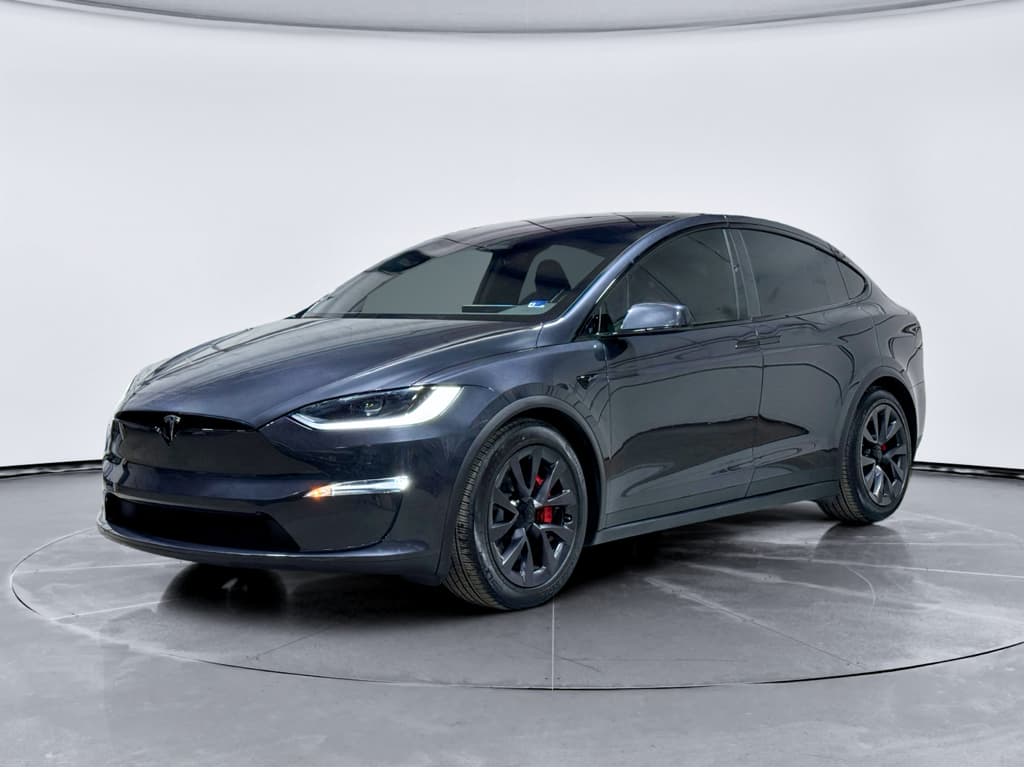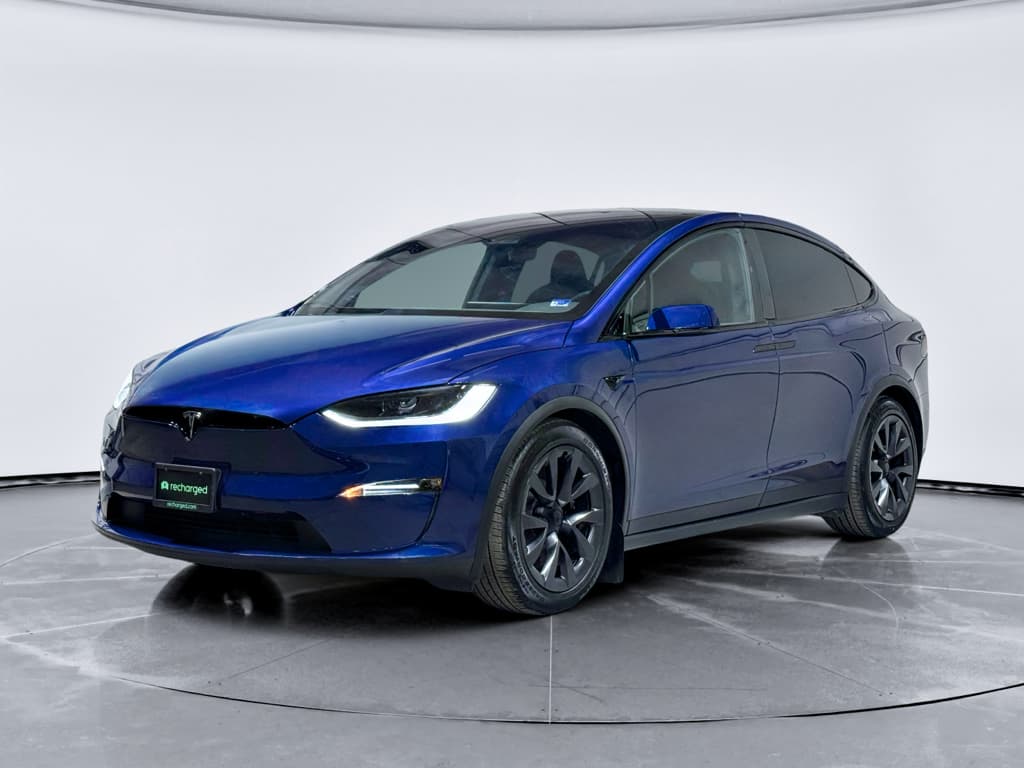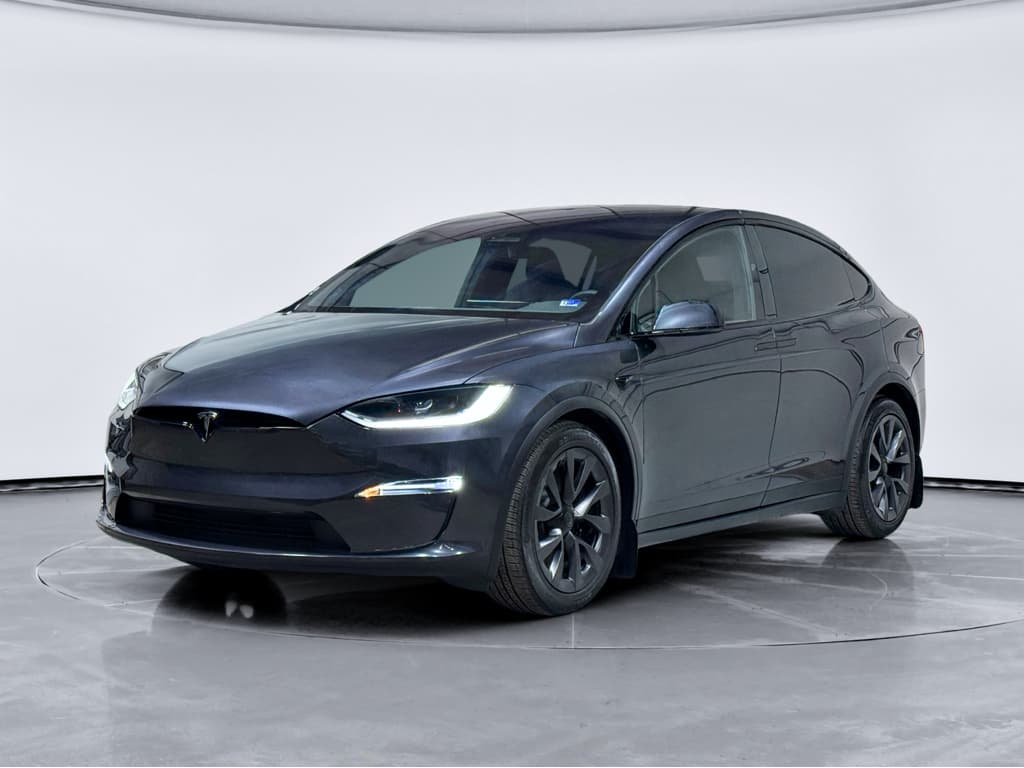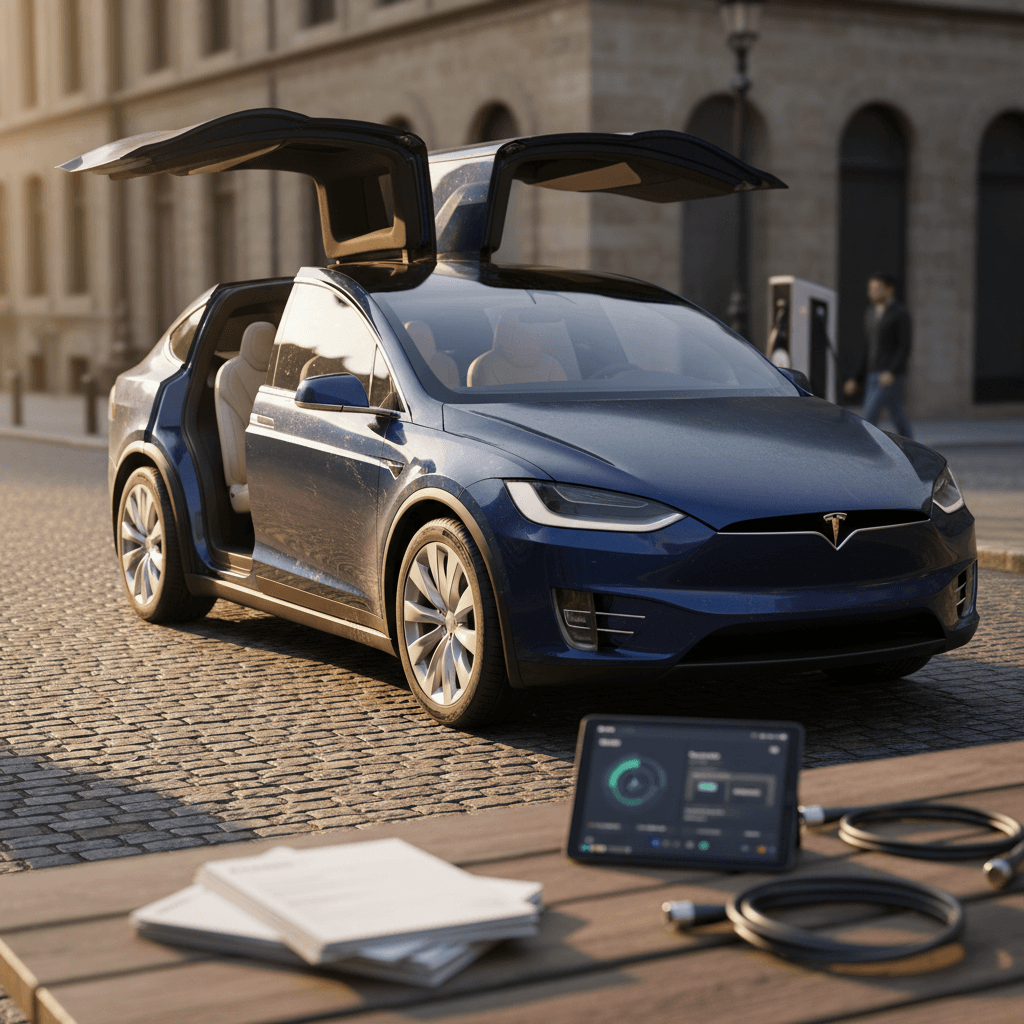
If you’re eyeing a used 2020 Tesla Model X, you’re shopping for one of the strangest and most spectacular family vehicles ever built. It’s an all-electric, 3-row spaceship with Falcon Wing doors, ludicrous acceleration, and access to Tesla’s Supercharger network, wrapped in the reliability reputation of a temperamental movie star. This review walks through how the 2020 Model X actually holds up in 2026 as a used buy: value, range, reliability, and what to look for before you wire a large sum of money to a stranger.
Quick verdict
Why the 2020 Model X matters on the used market
The 2020 Model X sits in a sweet spot in Tesla’s history. It’s post-early-build teething, but pre-2021 interior refresh. You get the updated Long Range powertrain with improved efficiency and range, the big panoramic windshield, mature Autopilot hardware for its era, and the full-size Falcon Wing circus, all without paying the premium for the refreshed models.
On today’s market, a typical 2018–2020 Model X, depending on mileage and spec, often sits around $30,000–$45,000 at dealers, roughly half or less of its original MSRP. That kind of depreciation turns what was once a six-figure tech toy into a realistic contender versus new mainstream SUVs and EV crossovers.
2020 Model X used-market snapshot
2020 Tesla Model X key specs at a glance
By 2020, the Model X lineup had simplified but was still confusing at a glance. What matters to you on the used market are battery size, motor count, and whether you’re looking at a Long Range cruiser or a Performance hot rod.
2020 Tesla Model X trims and key specs
Approximate U.S. specs for the main 2020 Model X variants. Exact figures vary slightly by wheel choice and software version.
| Trim | Drivetrain | EPA range (mi) | Approx. battery (kWh, gross) | 0–60 mph | Seating |
|---|---|---|---|---|---|
| Long Range | Dual-motor AWD | ~328 | ≈100 | ~4.4 s | 5, 6 or 7 |
| Performance | Dual-motor AWD | ~305 | ≈100 | as quick as ~2.7 s with Ludicrous | 5, 6 or 7 |
Check the specific vehicle’s window sticker or Tesla account for exact build details.
Which trim is the smart buy?
Driving experience: how the 2020 Model X feels today
Drive a good 2020 Model X today and it still feels indecently quick for such a large object. The instant torque, single-speed transmission, and low center of gravity make it feel lighter on its feet than its curb weight suggests. The air suspension can loaf along in Comfort mode or hunker down on the highway to slice through the air more efficiently.
What you’ll like
- Effortless acceleration that turns on-ramps into party tricks.
- Smooth, quiet highway manners once you’re up to speed.
- Adjustable air suspension that can raise for driveways and lower for efficiency.
- Regenerative braking you can tune to taste, making one-pedal driving possible.
What may bug you
- The steering feel is competent rather than communicative.
- Some owners report front-end vibration or clunks under hard acceleration, often tied to the half shafts and suspension geometry.
- On 22-inch wheels, impacts are sharper and range suffers.
- Wind noise and squeaks/rattles can appear as the miles pile on.
Test-drive it like you mean it
Range, battery health, and charging
On paper, a 2020 Model X Long Range was rated around 328 miles of EPA range. In the real world, five or six years in, you should mentally budget more like the mid‑200s for highway road trips, depending on wheel size, climate, and how the previous owner treated the battery.
What to know about a 2020 Model X battery
Range is still solid, but set realistic expectations.
Battery chemistry & size
The 2020 X uses a ~100 kWh pack with liquid cooling and thermal management. Tesla packs of this era tend to age fairly gracefully when not abused.
Typical degradation
Many owners report around 5–10% capacity loss by year 5–6, assuming normal mileage and charging habits. Extreme fast‑charging or very high mileage can push that higher.
Charging experience
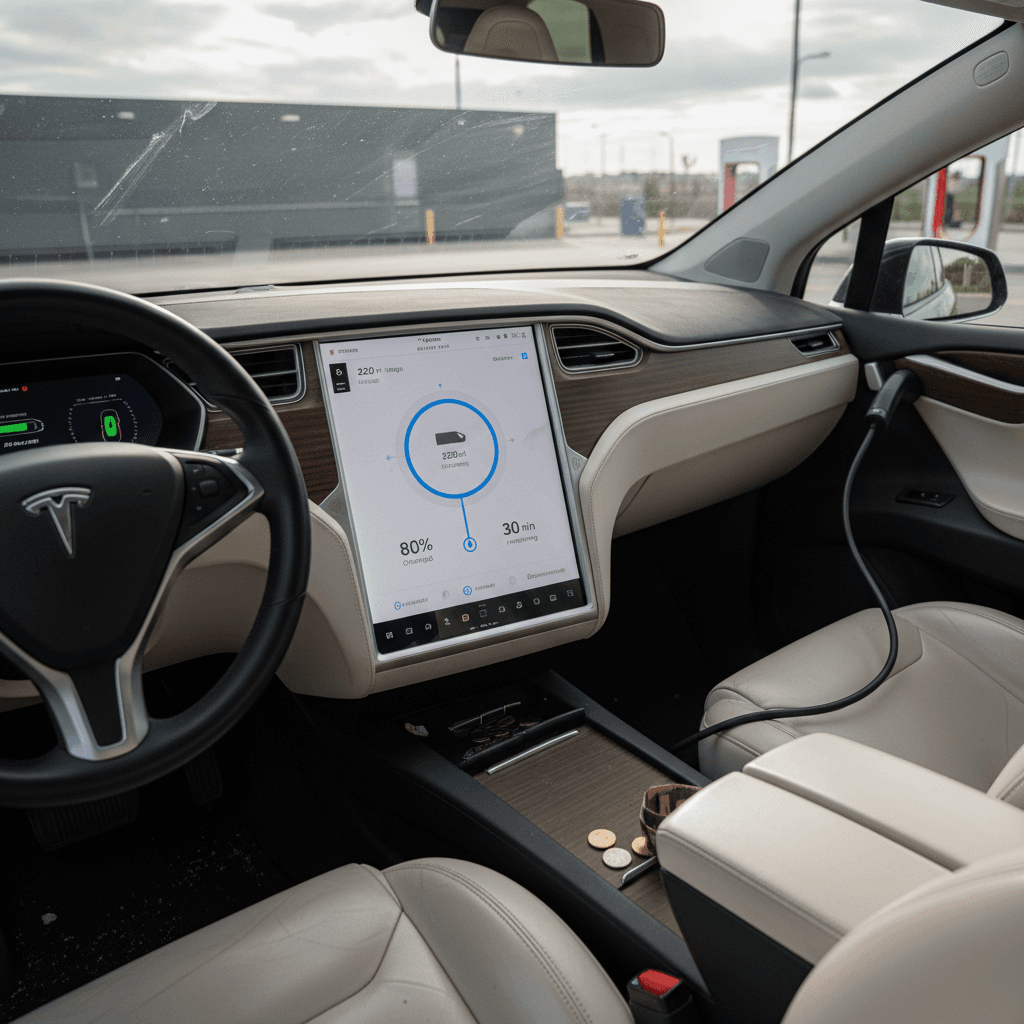
You get full access to the Tesla Supercharger network plus AC charging at home. For U.S. buyers, this remains a huge advantage over rival used EVs.
Home charging reality check
Because range and battery health are such a big part of a used EV’s value, Recharged puts every car through a Recharged Score battery health assessment. That helps you see how a specific 2020 X compares to typical degradation for its age, instead of guessing from a generic range estimate in the infotainment screen.
Used pricing and depreciation: what should you pay?
This is where the 2020 Model X gets interesting. When new, a well‑optioned 2020 X could easily crest $100,000. By early 2026, many 2018–2020 Model X examples sit around $30,000–$45,000 at dealers and online marketplaces, depending on mileage, seating layout, wheels, and whether it’s a Long Range or Performance model.
Approximate early‑2026 price bands for 2020 Model X
High-level guidance for U.S. retail asking prices. Actual values depend heavily on mileage, condition, options, and local demand.
| Condition & miles | Long Range | Performance | What that usually looks like |
|---|---|---|---|
| High miles (80k–110k+) | $30k–$35k | $33k–$38k | Fleet or high‑use family car, cosmetic wear, out of basic warranty. |
| Average miles (45k–80k) | $35k–$42k | $38k–$45k | Typical private or CPO-style example with documented service. |
| Low miles (<45k) | $40k–$48k+ | $45k–$55k+ | Well-kept, desirable spec (6-seat, nice colors, 20" wheels). |
Use this as a directional guide. Always verify with live market data and condition-specific appraisals.
Value play
At Recharged, we price used Model X inventory against both national listing data and independent valuation benchmarks, then include those comparisons in your Recharged Score report. That way you can see whether a specific 2020 X is fairly priced relative to similar EVs, not just to other Teslas.
Reliability: what actually goes wrong
The Model X has never been a paragon of trouble‑free ownership. Think of it less as a Toyota Highlander and more like an electric Mercedes GLS with avant‑garde doors. The underlying battery and motors have generally held up well; the headaches tend to live in the suspension, doors, and trim.
Common issue patterns on 2020 Model X
Not every car will have these, but they’re the greatest hits.
Suspension & half shafts
- Front half‑shaft shudder or vibration under strong acceleration, especially at standard ride height.
- Clunks or knocks over bumps from control arms or bushings.
- Occasional air‑suspension height errors or sagging corner.
Repairs can be pricey, so catching this on a pre‑purchase inspection is key.
Falcon Wing & door hardware
- Falcon Wing doors needing alignment or sensor calibration.
- Interior trim pieces or latch covers working loose.
- Occasional water or wind noise if seals are out of adjustment.
They’re brilliant in tight parking lots, but they are complex.
Electronics & infotainment
- Center screen reboots or glitches if MCU hasn’t been updated.
- Intermittent Bluetooth, LTE, or camera quirks.
- Window switches, seat motors, and sensors occasionally misbehaving.
Fit, finish & niggles
- Wind noise from frameless doors at highway speed.
- Squeaks and rattles from the enormous glass and hatch.
- Paint and panel alignment that was never S‑Class precise.
Don’t ignore recall and software history
When you buy used, you’re inheriting whatever the first owner fixed, or didn’t. With the Model X, that makes choosing the right individual vehicle far more important than picking the right model year on paper.
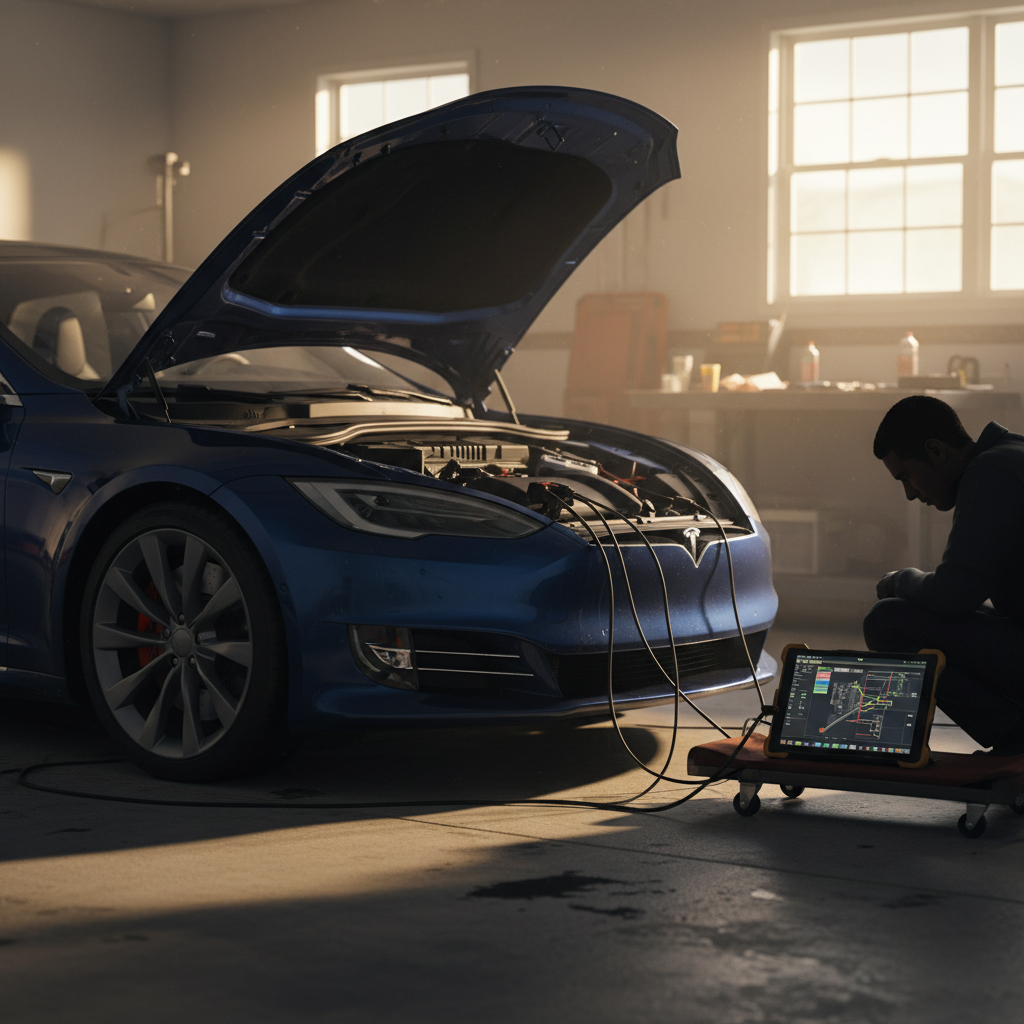
Recharged bakes this reality into our process: every used Model X we list gets a multi-point EV inspection, a detailed Recharged Score report, and battery health diagnostics. That doesn’t magically turn the X into a Camry, but it dramatically reduces the odds you adopt someone else’s unsolved science project.
Safety, tech, and Autopilot
From a safety standpoint, the Model X remains one of the safer family haulers on the road. Its low center of gravity, no-engine front structure, and strong crash performance have earned top marks from regulators. You also get a suite of active safety features baked in: automatic emergency braking, lane-keeping, blind-spot monitoring (via the cameras), and over‑the‑air improvements over time.
- Autopilot (basic) was standard on new 2020 X models, bundling adaptive cruise and lane centering on highways.
- Many used 2020 Xs will have Enhanced Autopilot or Full Self‑Driving Capability purchased by the original owner, whether that’s actually worth paying extra for in 2026 is a separate spiritual question.
- Over‑the‑air updates have refined behavior but have also triggered high‑profile recalls around driver attention and Autosteer usage; treat these systems as advanced cruise control, not a self‑driving replacement.
Treat it like driver-assistance, not self-driving
2020 Model X vs newer EV SUVs
Buyers cross-shopping a used 2020 Model X in the $35k–$45k range often also look at newer, smaller EVs like the Tesla Model Y, Kia EV9, Hyundai Ioniq 5, or used Audi e‑tron/Q8 e‑tron. The question is simple: is the X’s size, style, and Supercharger access enough to outweigh its age and quirks?
2020 Model X vs popular EV SUV alternatives (used or new)
High-level comparison from a used‑buyer perspective at roughly similar transaction prices.
| Model | What you get | Where it falls short vs 2020 X |
|---|---|---|
| Used 2020 Tesla Model X | 3-row seating option, huge glass, Falcon Wing doors, big power, Supercharger access. | Older interior design, mixed build quality, out-of-warranty repairs can be costly. |
| Newer Tesla Model Y (used or new) | More efficient, simpler and newer interior, generally better reliability, access to same Superchargers. | Less space, 3rd row is cramped, lacks the X’s presence and ride comfort. |
| Used Audi e‑tron / Q8 e‑tron | Luxury interior, traditional SUV feel, strong ride comfort, good safety tech. | Shorter real‑world range and slower charging on many versions; service costs can rival Tesla. |
| Hyundai Ioniq 5 / Kia EV9 | Modern design, solid tech, strong warranty, good fast‑charging speeds. | Charging network experience isn’t as seamless; packaging and prestige differ from a big Tesla SUV. |
Exact pricing and specs vary; this is about feel and ownership trade‑offs, not lab-sheet numbers.
Who the Model X still beats
Buying checklist: how to shop a used 2020 Model X
With the Model X, the difference between a dream machine and a service‑center frequent‑flier is all about picking the right example. Use this checklist as your pre‑purchase playbook.
2020 Model X used-buying checklist
1. Verify battery health, not just displayed range
Don’t rely only on the dash estimate. Look for documented battery tests or a third‑party assessment. With a Recharged vehicle, your Recharged Score includes an independent battery‑health reading so you can see how this pack compares to typical 2020 X degradation.
2. Inspect suspension and half shafts
On the test drive, raise the suspension and accelerate firmly a few times. Any shudder, vibration, or loud clunks from the front end should trigger a deeper inspection, repairs here aren’t cheap.
3. Cycle every door and seat mechanism
Open and close both Falcon Wing doors multiple times in different environments (slope, tight parking, etc.). Check that handles, latches, and all seat motors work smoothly and quietly.
4. Check for water leaks and wind noise
Inspect seals around the windshield, Falcon Wing doors, and rear hatch. After a car wash or rain, look for damp carpets or headliner stains. On the highway, listen for whistling around the door frames.
5. Review software, recalls, and accident history
Confirm the car is on recent Tesla software and that all open recalls have been addressed. Pull a vehicle history report to check for structural repairs or repeated body‑shop visits around the doors.
6. Consider warranty coverage and who you buy from
A 2020 X may be outside its basic warranty depending on in‑service date and mileage, though the battery and drive unit warranty often runs longer. Buying through Tesla or an EV‑focused retailer like Recharged can add protection and expertise you won’t get from a generic lot.
FAQ: 2020 Tesla Model X used
Frequently asked questions about the 2020 Model X used
Bottom line: who should buy a used 2020 Model X?
A used 2020 Tesla Model X is not the rational choice for everyone, and that’s exactly why it’s interesting. If you simply want low‑drama transportation, there are easier, cheaper, and calmer options. But if you want an all‑electric family hauler that still feels like a piece of the future, with outrageous doors, instant thrust, and road‑trip‑ready charging, a thoughtfully chosen 2020 X can be a steal at today’s used prices.
The trick is discipline: buy the car in front of you, not the idea in your head. Prioritize strong battery health, clean history, and good door/suspension behavior over color or wheels. Consider who you buy from and what support you’ll get after the sale. Work with an EV‑focused retailer like Recharged, and you’re not just getting a used Tesla, you’re getting data, diagnostics, and people whose full‑time job is making sure your first months with a 5,000‑pound electric spaceship are memorable for the right reasons.