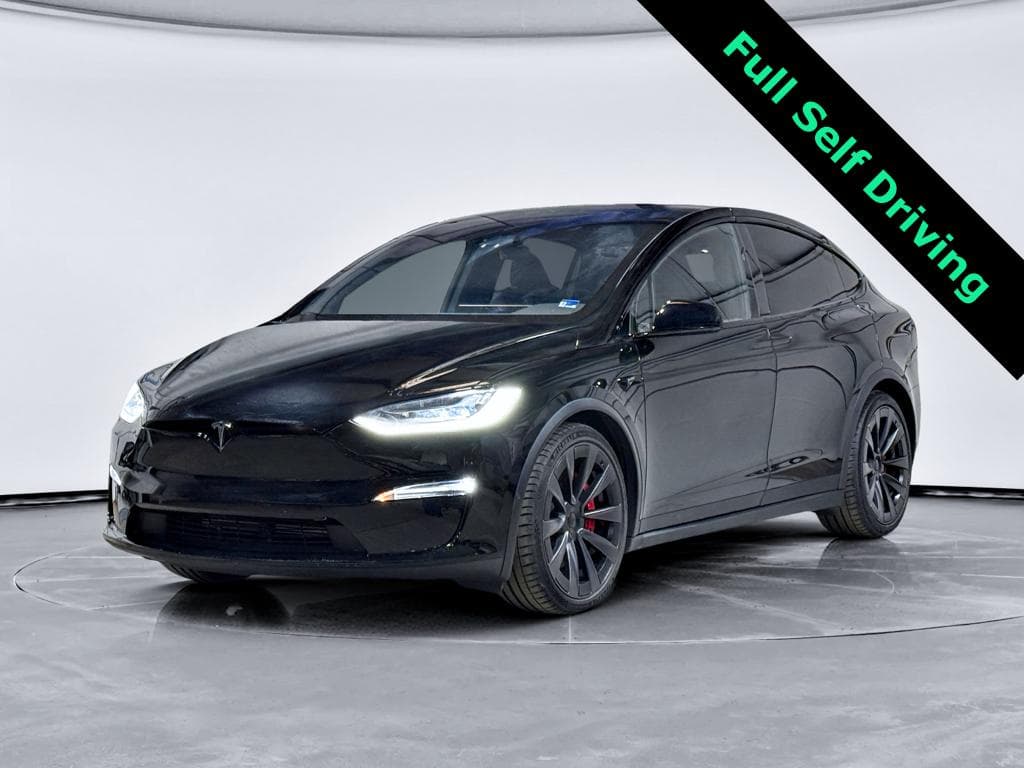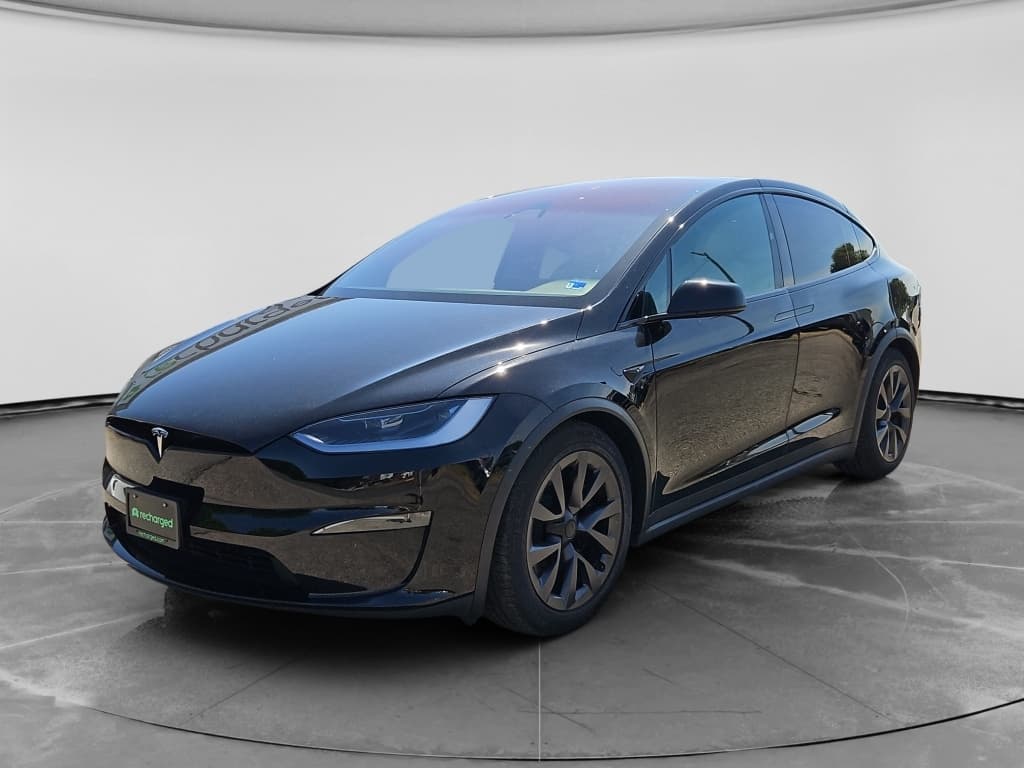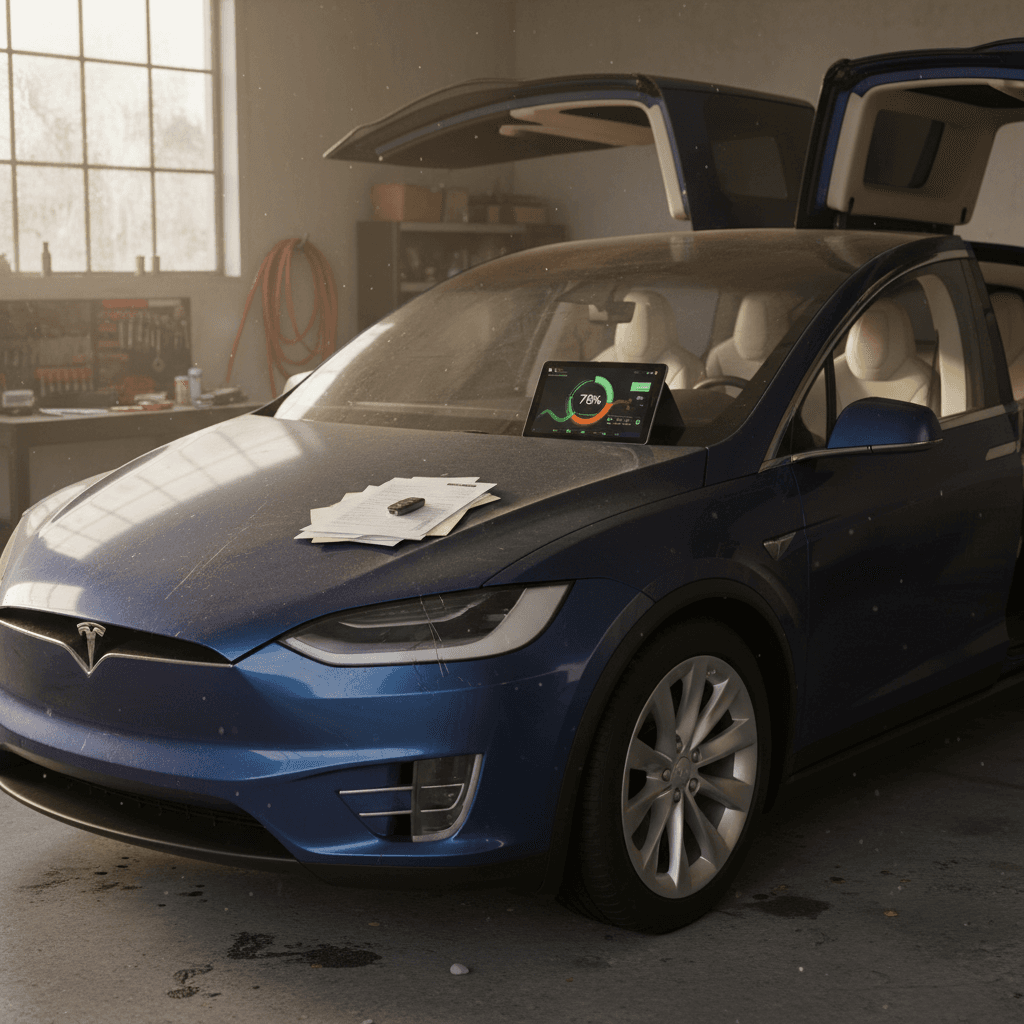
If you’re shopping for a used luxury EV SUV, the 2020 Tesla Model X is probably high on your list, and so are questions about 2020 Tesla Model X problems. Between falcon wing doors, air suspension, and a software-heavy driving experience, there’s more to vet here than on a typical gas-powered SUV.
Where this information comes from
Overview: Should You Worry About 2020 Model X Problems?
The short answer: yes, you should pay attention, but no, the 2020 Model X isn’t automatically a bad bet. Tesla vehicles in general score below average in initial quality studies, with more reported problems per 100 vehicles than many legacy brands, especially around fit-and-finish and software quirks. At the same time, the Model X’s core electric drivetrain is usually robust, and many owners report years of trouble-free driving.
2020 Tesla Model X at a Glance
Luxury EV, luxury-risk repairs
How the 2020 Model X Fits Into Tesla Reliability
By 2020, the Model X was no longer a brand-new experiment. Tesla had already iterated on early build issues from 2016–2018, especially around falcon wing doors and seat hardware. Still, owner surveys and studies show Tesla as a brand near the bottom of traditional reliability rankings, driven mostly by trim, electronics, and software complaints rather than catastrophic powertrain failures.
Where the 2020 Model X tends to be strong
- Battery and motors rarely fail outright when cared for properly.
- Regenerative braking greatly reduces wear on traditional brakes.
- Over-the-air updates can fix some bugs and enhance features after purchase.
- Crash safety and structural protection are generally excellent.
Where reliability concerns show up
- Build quality: panel gaps, wind noise, minor water leaks.
- Suspension and half shafts: clunks, vibrations, premature wear.
- Falcon wing and front doors: misalignment, sensors, latches.
- Software and Autopilot behavior: phantom braking, glitches.
Think “EV-drivetrain solid, peripherals mixed”
Most Common 2020 Tesla Model X Problems
Not every 2020 Model X will have these issues, but they’re common enough in owner forums, complaints, and service invoices that you should screen for them. We’ll group them into mechanical, body/doors, and electronics/software.
Top Problem Areas Reported on the 2020 Model X
What shows up most often as these SUVs age
Suspension & Half Shafts
Owners frequently report front suspension clunks, squeaks, and axle vibration under acceleration. Some 2020 owners have had half shafts replaced more than once, as well as control arms and other front-end components.
Repairs can run into the low four figures outside of warranty, especially if several parts are replaced at once.
Falcon Wing & Front Doors
The Model X’s signature falcon wing doors can suffer from sensor misalignment, latch issues, and wind-noise complaints. Front doors sometimes present incorrectly or develop window and trim problems.
Later years improved reliability, but the added complexity still makes this a key inspection point.
Electronics & Infotainment
Black-screen events, slow reboots, camera glitches, and Bluetooth or audio problems remain recurring complaints. While Tesla upgraded its media control unit (MCU) over time, older hardware in some 2020 builds can be more failure-prone.
Most fixes are software, but MCU replacement is a significant expense if needed.
1. Suspension Noise, Half-Shaft Vibration, and Air Suspension Wear
By far one of the most talked-about 2020 Tesla Model X problems is front-end noise and vibration. Owners describe rattles or squeaks over bumps and a shudder under hard acceleration at highway speeds. Tesla has updated parts over the years, but some vehicles still see repeat failures, including new half shafts and control arms in just a few years of ownership.
- Clunking or knocking when turning or going over speed bumps
- Vibration under acceleration, especially in "Ludicrous" or high-torque launches
- Squeaks from front suspension at low speeds
- Air suspension height changes behaving oddly or leaning to one side
Why this matters on a used purchase
2. Falcon Wing Door and Trim Issues
The falcon wing doors are a big part of the 2020 Model X’s appeal, but they’re also a source of ongoing reliability complaints. Early years were worst; by 2020 Tesla had improved alignment and sensors, but age and high mileage can still bring problems.
- Doors failing to open or close fully, especially on inclines or in tight spaces
- Obnoxious wind noise at highway speeds from misaligned seals or glass
- Water leaks around the doors after heavy rain or car washes
- Wear in the hinges and motors from frequent use
3. Wind Noise, Panel Gaps, and Cosmetic Defects
Build-quality criticisms haven’t spared the 2020 Model X. Tesla scored 250 problems per 100 vehicles in the 2020 J.D. Power Initial Quality Study, placing it at the bottom of that year’s ranking. Many of those issues are panel alignment, trim, rattles, and wind noise, annoying, but usually not safety-critical.
- Noticeable panel gaps around the rear hatch, falcon wing doors, and hood
- Air leaks that cause whistling or booming at highway speeds
- Loose interior trim, especially near the dash, doors, and third row
- Premature wear on seat bolsters and soft-touch materials in high-mileage cars
4. Electronics, MCU, and HVAC Glitches
The Model X relies heavily on its central touchscreen (MCU) for basic functions, so any issues there get your attention fast. Owners of 2020 vehicles report occasional black screens, sluggish performance, random reboots, and camera dropouts. Some also see intermittent A/C performance problems, air going warm on hot days or shutting off after long drives.
MCU hardware matters
Battery and Range Issues on the 2020 Model X
Battery health is usually the first thing shoppers ask about any used EV. For the 2020 Model X, the good news is that catastrophic pack failures are rare compared with smaller or older EVs. The main questions are about range loss over time and how the previous owner treated the pack.
Realistic Battery Expectations for a 2020 Model X
What you’re likely to see by year and mileage, assuming normal use
| Age / Mileage | Likely Range Loss | What You Might See Day-to-Day |
|---|---|---|
| 3–4 years / 40–60k mi | 5–10% | Full charge shows slightly less range, long trips need a few extra minutes of fast charging. |
| 5–7 years / 70–100k mi | 10–18% | Real-world range comfortably lower than EPA rating; still usable for most commutes. |
| 8+ years / 120k+ mi | 15–25% | Trip planning becomes more important, especially in cold climates or at high speeds. |
These are broad estimates, individual vehicles can perform better or worse depending on climate, charging habits, and driving style.
Large Tesla packs used in the Model X have historically degraded at roughly 1.5–2% of capacity per year on average in real-world data. That means a 2020 Model X that started with around 328 miles of rated range might realistically show something in the high 200s after 70,000–90,000 miles, assuming normal care.
Battery health red flags
Charging Hardware and Onboard Charging Issues
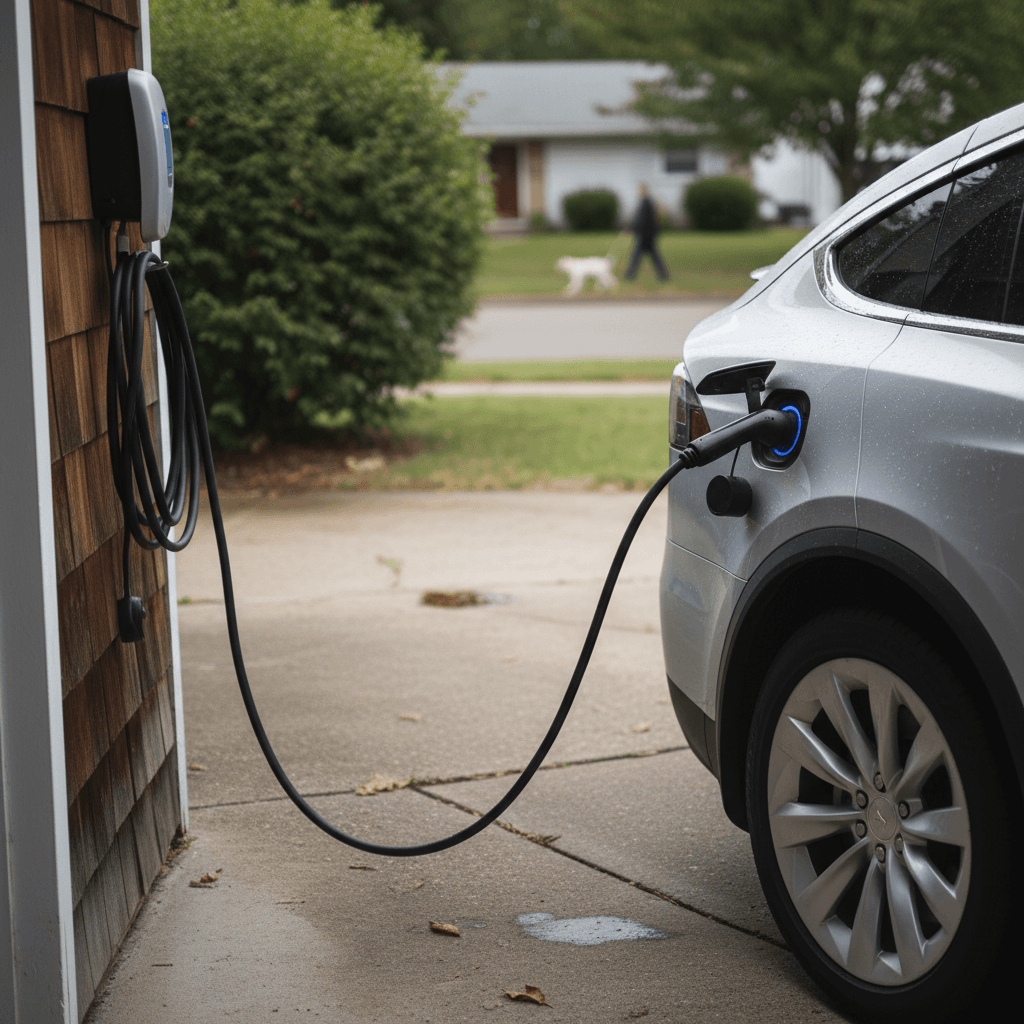
True onboard charger failures are uncommon but can happen. More often, charging complaints come from home wiring, wall connectors, or software limits. On a test drive or pre-purchase inspection, it’s smart to plug into at least one AC charger and, if possible, a Supercharger to confirm speeds look normal for that location and state of charge.
Autopilot and Safety Concerns
Many 2020 Model X vehicles were sold with Autopilot and optional Full Self-Driving (FSD) capability. Over time, regulators have scrutinized these systems, and owners have filed complaints about phantom braking, unexpected acceleration, or erratic lane-keeping. Some of this behavior is software-tunable, but it still matters for your safety and comfort.
- Sudden braking on highways with no clear obstacle (phantom braking)
- Autosteer ping-ponging within the lane or diving toward exits
- Traffic-Aware Cruise Control accelerating too aggressively from a stop
- Driver overreliance, treating Autopilot like full self-driving when it isn’t
Treat Autopilot as driver assist, not a robotaxi
Recalls Affecting the 2020 Tesla Model X
The Model X, including 2020 builds, has been involved in numerous recalls since launch. Some affect early years only, but several campaigns include 2020 vehicles, addressing items like power steering bolts, trim that can detach, and camera or infotainment issues.
Major Recall Themes That May Include 2020 Model X
Always check a specific VIN, but these are the broad categories you’ll see.
| Recall Theme | Potential Risk | Typical Fix |
|---|---|---|
| Power steering bolts / corrosion | Loss of power steering assist at low speeds | Replace or treat bolts, inspect steering components |
| Exterior trim / roof pieces | Body trim detaching at speed | Reattach or replace trim with revised parts |
| Backup camera / MCU issues | Reduced rear visibility or display failure | MCU software update or, in some cases, hardware replacement |
| Autopilot / driver monitoring behavior | Higher risk of misuse leading to crashes | Over-the-air software updates to change engagement rules and alerts |
Not every 2020 Model X is affected by every recall, many VINs have already been repaired at no cost to the owner.
Good news: recall fixes are free
Cost of Repairs and Out-of-Warranty Risk
A 2020 Model X is now at the age where basic bumper-to-bumper coverage is likely expired, though the battery and drive unit often remain under warranty for 8 years and a generous mileage cap. That means many of the common issues, suspension, doors, electronics, can fall squarely on your wallet.
Typical Out-of-Warranty Cost Ranges (Non-Tesla Shops Often Lower)
Ballpark figures to help you budget; actual quotes vary by region and shop.
Mechanical & Suspension
- Front half shafts & related hardware: often in the low-to-mid four figures if multiple components are replaced.
- Control arms, bushings, alignment: hundreds to low four figures depending on scope.
- Air suspension compressor or bags: typically four figures per axle if not under warranty.
Electronics, Doors & Interior
- MCU replacement (if not covered): can reach into the low-to-mid four figures.
- Falcon wing door motor/sensor work: hundreds to low four figures based on parts and labor.
- Trim and wind-noise fixes: anywhere from minor to several hundred dollars.
Why a pre-purchase inspection is non-negotiable
How to Inspect a Used 2020 Model X Before You Buy
Even if you’re buying from a reputable dealer or online marketplace, it pays to do your own due diligence. Here’s a structured way to check for the most common 2020 Tesla Model X problems in an afternoon.
2020 Model X On-the-Ground Buying Checklist
1. Check battery health and displayed range
With a full or near-full charge, note the displayed rated range and compare it to the original ~328-mile rating for a Long Range. A modest drop is normal; an unusually low number for the mileage suggests heavy fast charging, harsh climate exposure, or underlying issues.
2. Scan for open recalls and service history
Ask for a service history printout and confirm recall status via Tesla or official tools. Look for repeated suspension work, door repairs, or MCU replacements, one repair is fine, a pattern can be a warning sign.
3. Test every door in real-world scenarios
Open and close both falcon wing doors and front doors multiple times in different parking situations, including near walls if possible. Listen for grinding, observe how smoothly they move, and check for wind noise on the highway afterward.
4. Drive over imperfect roads at various speeds
On your test drive, include neighborhood streets with potholes, speed bumps, and a short highway run. Pay attention to any clunks, squeaks, or vibrations, especially while cornering or accelerating.
5. Stress-test the electronics and HVAC
Toggle the HVAC between temperature extremes, use seat heaters, engage navigation, and switch between all cameras. Note any lag, black screens, or A/C that fades during longer use.
6. Try Autopilot carefully in light traffic
If the car has Autopilot or FSD, test it on a clearly marked road at moderate speeds with your hands ready. You’re looking for smooth lane-keeping and reasonable braking, not perfection, but no scary surprises.
Have a Tesla-savvy shop review it
How Recharged Evaluates Used Model X SUVs
Because the 2020 Model X combines complex hardware and cutting-edge software, it’s exactly the kind of EV that benefits from deep, objective screening. At Recharged, every Model X we list goes through a structured process designed specifically around the issues we’ve covered here.
Inside a Recharged Score Report for a 2020 Model X
How we de-risk complex used EVs for buyers
Battery & Fast-Charge History
We use our Recharged Score diagnostics to verify battery health against the original pack capacity, and we look at charging patterns to flag heavy fast-charging use or unusual behavior.
Suspension, Doors & Drive Test
Technicians perform a structured road test and physical inspection that targets suspension clunks, axle vibration, falcon wing door function, and wind noise. Problem vehicles don’t make the cut.
History, Recalls & Transparent Pricing
Your listing includes a Recharged Score Report summarizing battery condition, recall status, accident history, and fair market pricing, plus options for trade-in, financing, and nationwide delivery.
Ready to find your next EV?
Browse VehiclesMake a complex EV feel simple
FAQ: 2020 Tesla Model X Problems
Common Questions About 2020 Tesla Model X Issues
Bottom Line: Is a 2020 Model X Worth It Used?
A 2020 Tesla Model X can be a fantastic used EV if you know what you’re getting into. You’re buying a fast, comfortable, family-sized electric SUV with real long-distance capability and a unique interior experience, but also one with more complexity and more potential nuisance issues than the average crossover.
If you take the time to understand common 2020 Tesla Model X problems, insist on clear records, and get a proper EV-focused inspection, you dramatically improve your odds of landing on the right side of that equation. And if you’d rather not decode battery logs and service notes yourself, shopping a Model X that already has a Recharged Score Report, verified battery health, and support from EV specialists can make this high-tech SUV feel like a far lower-risk move.