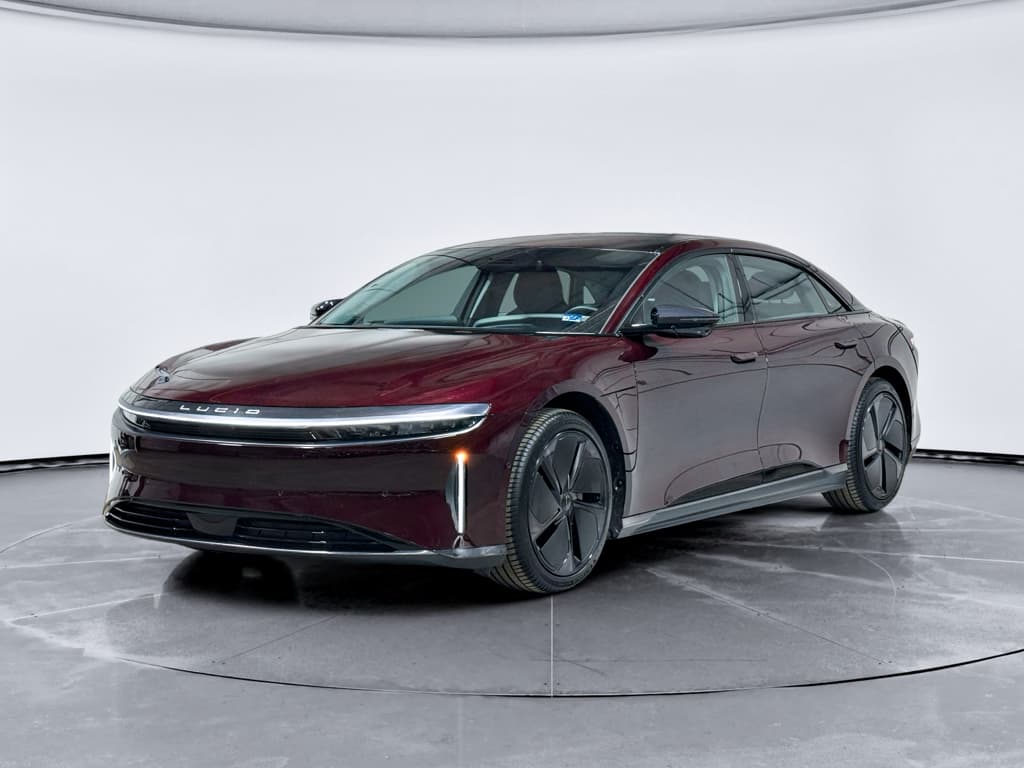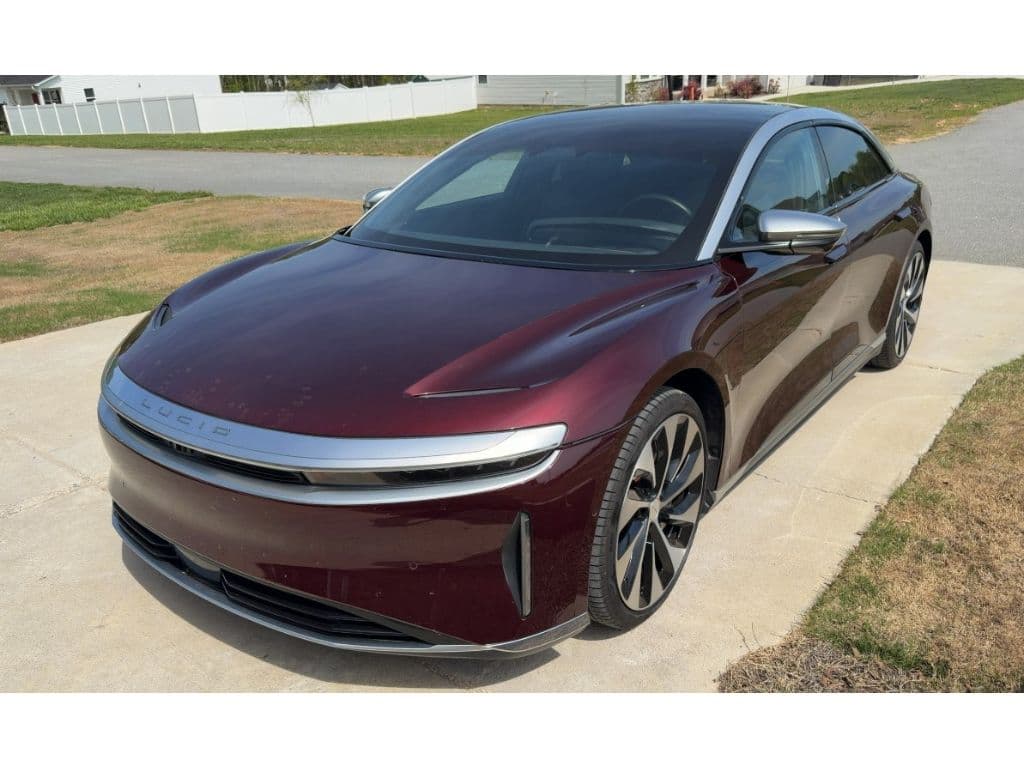
If you’re driving a Lucid Air, you already know it’s not a normal luxury sedan. But when it’s time to sell or trade in, reality sets in fast: what is a fair Lucid Air trade in value in today’s market, and how do you keep from leaving thousands on the table?
Quick take
Lucid Air trade‑in value: the 2025 snapshot
How the Lucid Air is holding value in 2025
Important context on numbers
Pricing sites and dealer tools suggest that, as of mid‑2025, a late‑model Lucid Air can show trade‑in ranges from the low $30,000s well into the $80,000s depending on year, trim, and condition. A heavily optioned Air Grand Touring with a spotless history is a very different asset than an early Pure with high mileage or a branded title.
How much is my Lucid Air worth right now?
Let’s ground this in real‑world 2025 data. Online valuation tools and used listings show a wide spread for Lucid Airs:
- New 2025 Lucid Air Pure models start around $69,900 MSRP, with Touring and Grand Touring trims stretching well into six figures when new.
- Used 2025 Air Pure cars with only a few thousand miles commonly advertise in the mid‑$40,000s to high‑$50,000s.
- Lightly used 2025 Air Grand Touring models are advertised around $90,000–$100,000 in many markets.
- A mainstream pricing guide pegs a 2024 Lucid Air’s generic trade‑in value at roughly $30,000–$35,000, but that assumes a particular trim and condition and may lag today’s incentives and discounts.
Trade‑in vs. private party vs. marketplace
If you want a quick reality check on your Lucid Air, think in bands rather than an exact dollar figure. Most owners will find their Air’s true value falls into one of three buckets:
Typical Lucid Air value bands in 2025
Where your trade‑in or sale price is likely to land
Early, higher‑mile cars
Who: 2022–2023 Air Pure or Touring with higher mileage or cosmetic issues.
Likely range: mid‑$30Ks to $50Ks in many markets.
Key drivers: mileage, cosmetic wear, early‑build concerns.
Sweet‑spot examples
Who: 2023–2025 Air Pure or Touring, clean history, average miles.
Likely range: high‑$40Ks to $70Ks depending on options.
Key drivers: options, battery health, local demand.
High‑spec, low‑mile cars
Who: Grand Touring and Sapphire trims, very low miles, no stories.
Likely range: $80K and up, sometimes into six figures.
Key drivers: rarity, original MSRP, how patient you are when selling.
8 factors that drive Lucid Air trade‑in value
Why does one Lucid Air Pure get a $42,000 offer while another pulls $55,000? Appraisers are looking at the same set of knobs, and Lucid’s a bit more sensitive than a mainstream crossover.
What every appraiser checks on your Lucid Air
1. Model year & trim
Later years and higher trims (Touring, Grand Touring, Sapphire) carry higher baseline values. Incentive‑heavy years, where Lucid slashed MSRPs or stacked discounts, can drag future trade‑in values down because the market remembers the lower transaction prices.
2. Mileage vs. age
A 2023 Air with 12,000 miles looks very different from one with 48,000 miles. High annual mileage on a relatively new luxury EV tells buyers it lived on the highway, often fine mechanically, but it still lowers what dealers can ask on their lot.
3. Battery health & fast‑charging history
Unlike a gas car, your “fuel tank” ages. Frequent DC fast‑charging or heavy use in extreme climates can show up as reduced usable capacity and range, which makes cautious buyers trim their offers unless they see verified battery health data.
4. Warranty remaining
A Lucid Air’s battery and drive unit warranty runs years and tens of thousands of miles. The more factory coverage you have left, the less risk the next owner is taking, especially important on a young brand with complex tech.
5. Accident and repair history
A clean, verifiable history with OEM‑quality repairs is gold. Structural damage, airbag deployment, or a salvage/rebuilt title can crater trade‑in value or push some lenders and buyers out of the conversation entirely.
6. Cosmetic condition
Curb‑rashed 20‑inch wheels, scuffed Nappa leather, or door dings along both sides don’t keep the car from driving, but they do keep dealers from asking top‑of‑market prices. That gap comes straight out of your trade‑in number.
7. Options & software features
Bespoke paints, big‑wheel packages, and premium audio are easier to explain to buyers than subtle software options. That said, must‑have tech like driver‑assist suites, glass canopy roofs, or upgraded sound can still separate your car from a stripped base example.
8. Market and brand perception
Lucid is still building out its retail and service footprint. In some regions, dealers are cautious because they’re not sure how quickly an Air will sell or where a buyer will service it. That uncertainty shows up as a risk discount in their offers.
Know your buyer
Lucid Air depreciation: how fast does it lose value?
Depreciation is the silent partner in every luxury‑car relationship. For the Lucid Air, it’s doing plenty of work behind the scenes.
Independent resale analysis suggests a new Lucid Air loses roughly 66% of its value over five years, retaining only about 33.7% of its original MSRP at that point. That’s actually a bit better than the average luxury electric midsize sedan, but it’s still a big haircut for first owners.
Why luxury EVs drop so fast
- High MSRPs: A six‑figure sticker is harder to defend in the used market, especially as newer rivals arrive.
- Rapid tech change: Shoppers hear about range and software upgrades every year, so yesterday’s spec feels old quickly.
- Incentive shock: Deep discounts on new cars instantly reset what used examples can command.
Where the Lucid Air stands out
- Exceptional range: 400‑plus‑mile real‑world capability keeps older Airs attractive.
- Limited volume: Fewer cars on the road can help clean, low‑mile examples stand out.
- Premium positioning: The right buyer is specifically hunting for a Lucid, not just any EV.
Don’t anchor to your original MSRP
Where to sell or trade your Lucid Air
With a niche car like the Lucid Air, where you sell or trade often matters as much as the car itself. Your audience is smaller and more informed than it would be for a compact crossover, and not every channel treats EVs equally.
Common options for selling or trading a Lucid Air
Pros and cons of the main paths
Franchise or local dealer
- Pros: Fast, convenient, often rolled into a new‑car deal; potential tax savings on trade‑ins in many states.
- Cons: Appraisers may be conservative on niche EVs; they may send the car straight to auction.
Online instant‑offer sites
- Pros: Easy, no‑haggle offers; at‑home pickup in many areas; quick cash.
- Cons: Generic EV assumptions; limited ability to reflect unique options or verified battery health.
EV‑focused marketplaces (like Recharged)
- Pros: Buyers come specifically for used EVs; pricing reflects battery health and EV demand; expert help with paperwork and logistics.
- Cons: May take a bit longer than an instant cash offer if you’re maximizing price.
How Recharged fits in
Ready to find your next EV?
Browse VehiclesHow to maximize your Lucid Air trade‑in offer
Whether you walk into a Lucid Studio, a BMW store, or work with an EV marketplace, you don’t control the book values, but you do control how your car presents on paper and in person.
Seven smart moves before you get an offer
1. Pull your title, payoff, and service records
Know whether you actually own the car free and clear, what your current payoff is, and have any service or warranty work ready to show. A clean, well‑documented car is easier for a buyer to trust and price aggressively.
2. Get a realistic value range from multiple sources
Use at least two online valuation tools, then scan real used Lucid Air listings with similar year, trim, and mileage. That gives you a sanity‑check band before you ever hear a dealer’s number.
3. Detail the car, especially wheels and interior
Luxury EV buyers notice everything. A professional detail, repaired curb rash, and a tidy interior can move your Air from "average" to "clean" condition in an appraiser’s notes. That alone can be worth several thousand dollars on a six‑figure car.
4. Fix inexpensive cosmetic issues first
Deep paint work or wheel replacement may not pencil out, but replacing a cracked windshield, fogged light, or missing trim piece usually does. If it’s a quick, sub‑$500 fix that’s glaring in photos, consider doing it before you list or appraise.
5. Gather documentation on battery health
If you have reports from a third‑party EV diagnostic or a marketplace like Recharged, bring them. Verified range and state of health can calm fears about early degradation and justify a higher number than a buyer would offer sight unseen.
6. Time your sale around incentives and new releases
Massive factory discounts on new Lucid Airs or big software and range upgrades undercut used values overnight. If Lucid is in the middle of a heavy incentive push, be prepared for softer offers, or wait it out if you can.
7. Get competing offers the same week
Values move quickly. Get net‑of‑fees offers from at least two places, ideally including an EV specialist, within the same week. Use those to decide whether convenience or maximum dollar matters more right now.
Why battery health can make or break your offer
On a Lucid Air, the battery pack is both the car’s superpower and its biggest line item. Appraisers know this. Even if they can’t see live cell data, they’re quietly pricing in what they think the pack’s future looks like.
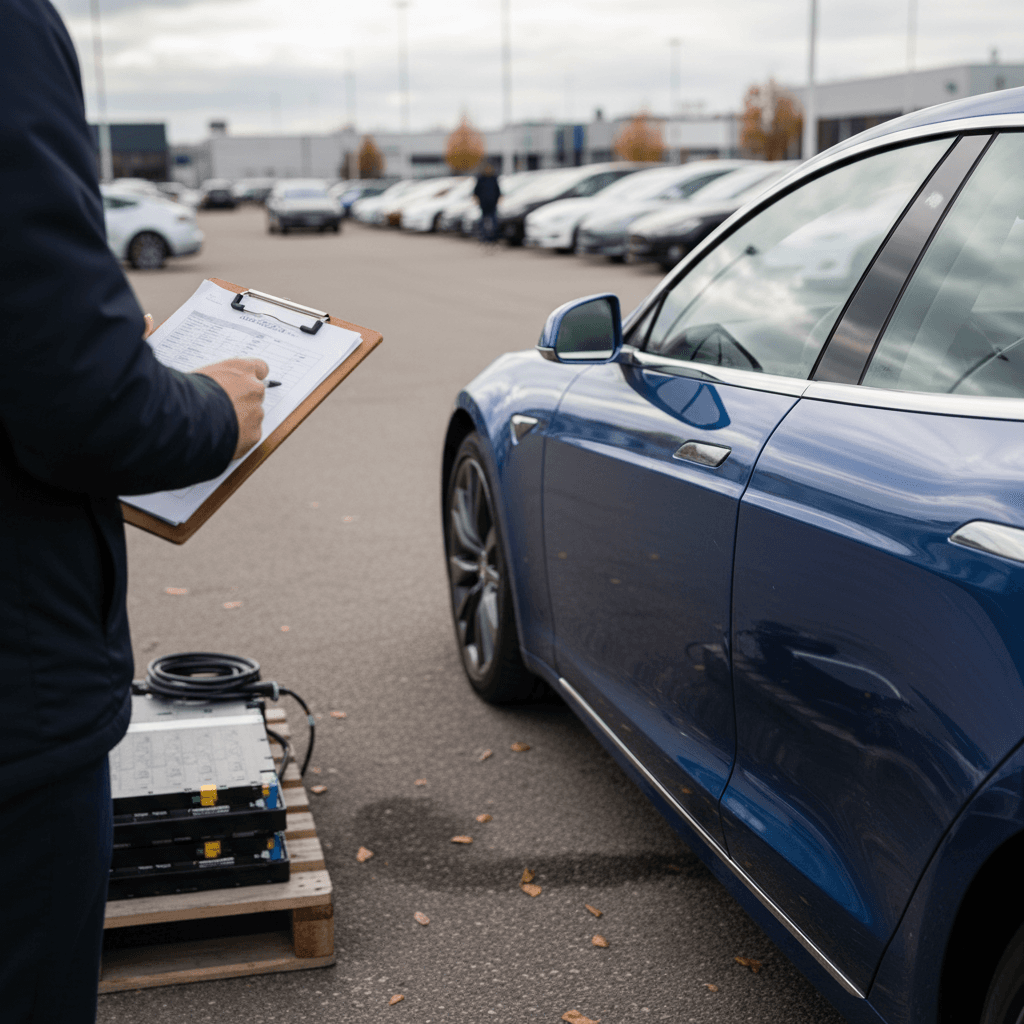
How buyers infer battery health
- Range at 100%: If a Touring that once promised 400+ miles now shows far less at a full charge, buyers notice.
- Charging behavior: Sudden throttling at DC fast chargers can signal heat‑management or cell‑health issues.
- Usage clues: High mileage in a short time or a history of road‑trip duty suggests more DC fast‑charging exposure.
Why a third‑party report helps
- Objective data: Tools like the Recharged Score pull pack data to estimate true health, not just dashboard optimism.
- Risk reduction: Less uncertainty means buyers don’t have to pad their offer for “what if the battery’s tired.”
- Better marketing: Listing your Air with verified battery health is like listing a house with a recent inspection.
Leverage the Recharged Score
Lucid incentives & loyalty bonuses that affect value
Lucid has experimented heavily with incentives to spur demand, especially in 2024 and 2025. Those programs matter to you even if you never took advantage of them, because they quietly reset the used market’s expectations.
How Lucid programs ripple into trade‑in values
Past and present offers shape what your car is worth today
Large new‑car credits
When Lucid stacks factory credits, EV bonuses, and "on‑site" discounts that can total over $20,000 on a new Air, it pushes real‑world transaction prices well below MSRP. Used shoppers follow those numbers, not the window sticker you paid.
Tesla conquest & trade allowances
At times, Lucid has dangled extra cash for Tesla owners who trade into an Air. Great news when you’re coming into the brand, but it also signals to the market that Lucid is willing to bend on price to move cars.
Low‑payment lease programs
Sub‑$500 lease offers on six‑figure hardware can look surreal, but they anchor shoppers on low monthly payments rather than high MSRPs. When those leases hit the secondary market, buyers judge them against what new lease deals look like at that moment.
Why incentives can hurt used values
Sample Lucid Air trade‑in value scenarios
To make this less abstract, here are fictional but realistic examples of how different Lucid Airs might appraise in mid‑2025. These are illustrations, not offers, but they reflect how book values, depreciation, and condition stack up.
Illustrative Lucid Air trade‑in scenarios (2025)
Three fictional Lucid Airs and how they might be valued in today’s market.
| Scenario | Key Details | Estimated Trade‑In Band | Why It Lands There |
|---|---|---|---|
| A. 2023 Air Pure RWD | 24,000 miles, clean history, minor wheel rash, basic options | $40,000–$47,000 | Solid spec and mileage, but early model year and light cosmetic wear keep it in the middle band. |
| B. 2024 Air Touring AWD | 9,000 miles, glass canopy, upgraded audio, immaculate, single owner | $55,000–$65,000 | Desirable spec, low miles, and clean presentation push this into the strong middle tier. |
| C. 2022 Air Grand Touring | 38,000 miles, one repaired rear‑end accident, all options, original MSRP ~$140K | $45,000–$55,000 | High original price helps, but age, miles, and a disclosed accident keep it from commanding top‑tier money. |
These are not live offers, just examples to help you benchmark your own car.
How to use these scenarios
Lucid Air trade‑in value: FAQs
Common questions about Lucid Air trade‑in value
The bottom line on Lucid Air trade‑in value
A Lucid Air is an extraordinary car, but in the used market it behaves like any ambitious young luxury EV: big early depreciation, wide pricing swings, and a small but passionate pool of buyers. Your Lucid Air trade in value will live at the intersection of model year, mileage, battery health, incentives, and how smart you are about where, and when, you sell.
Treat the online pricing tools as weather forecasts, not commandments. Clean up the car, gather your documents, and get multiple real offers, including from EV‑focused platforms that understand Lucid. If you’d like a data‑driven view of your car’s battery and a clear, guided path to your next EV, explore selling or trading your Air through Recharged. It won’t erase depreciation, but it can make sure you’re not giving away more value than you have to.