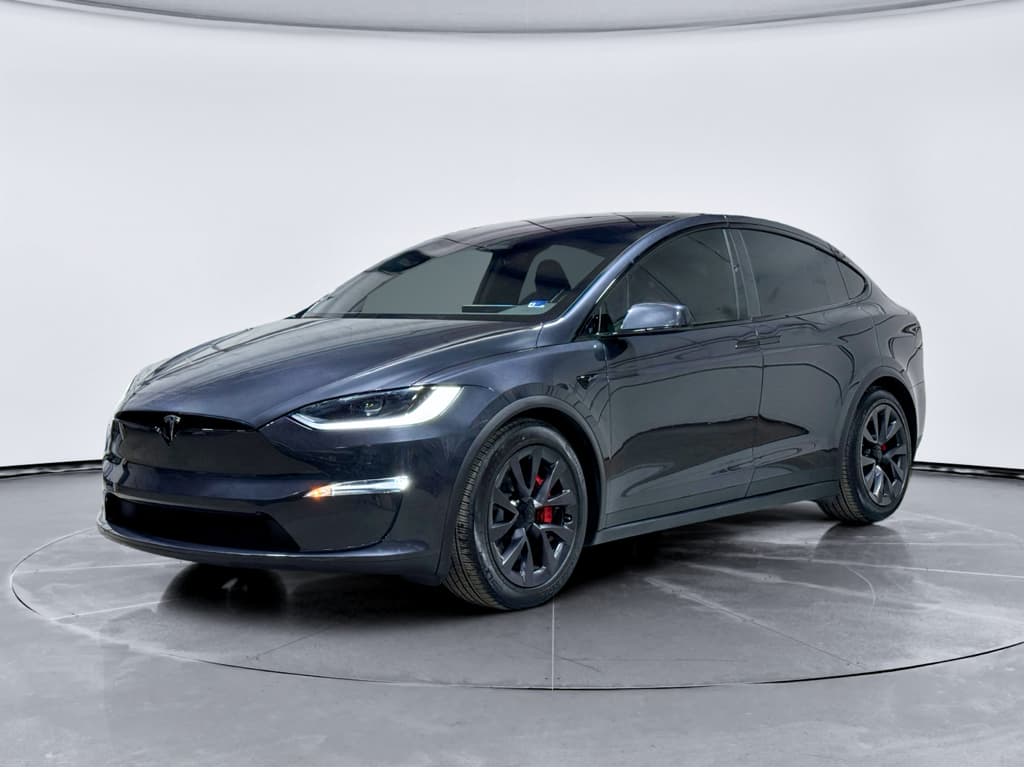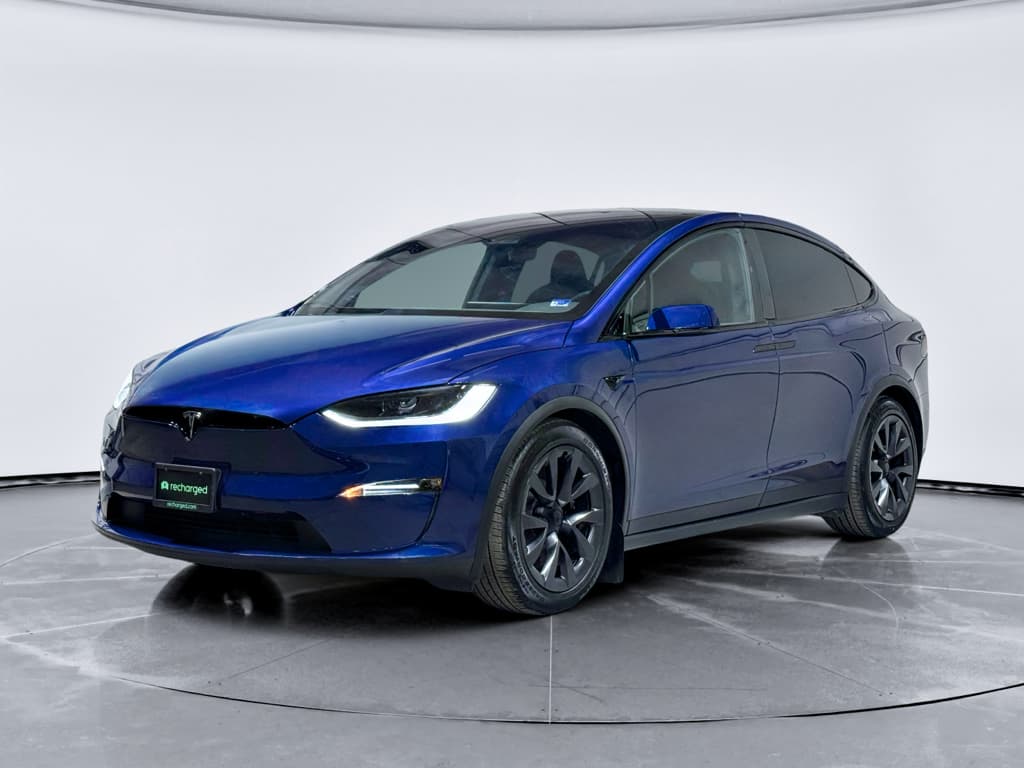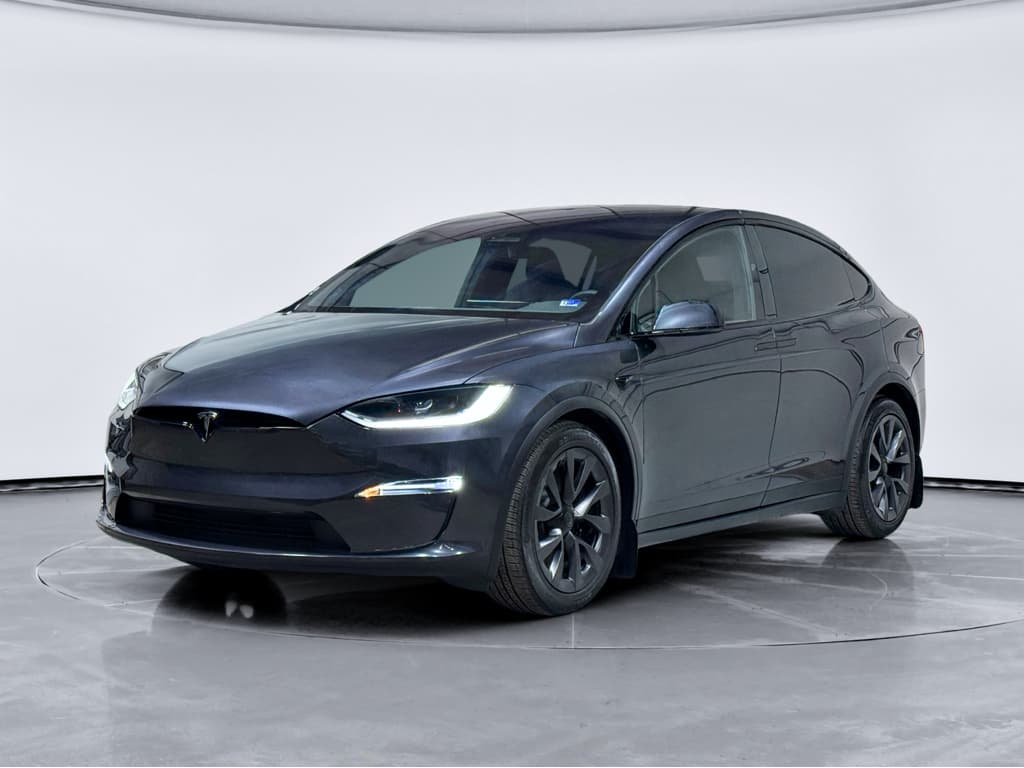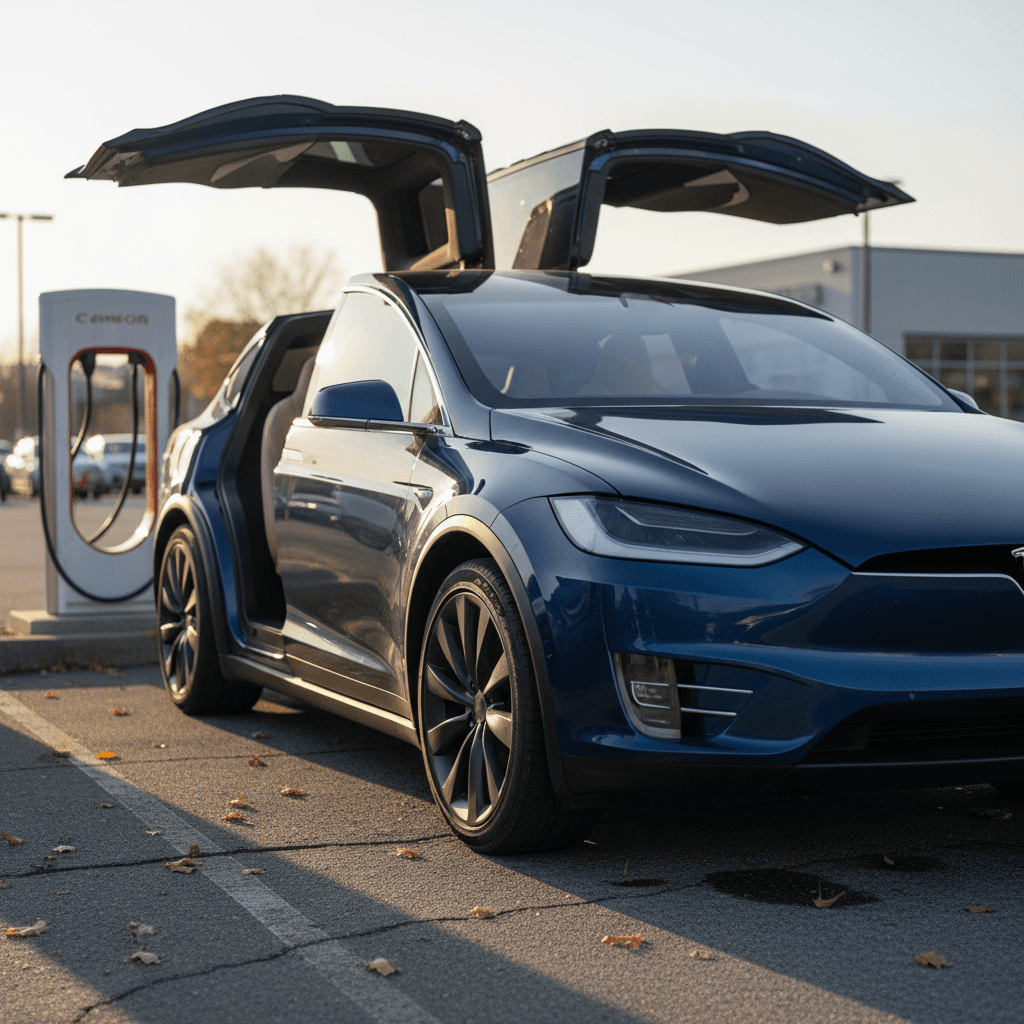
If you’ve been eyeing a used 2020 Tesla Model X, you’re not alone. Prices have finally fallen into reach, the “Raven” hardware update was already in place, and you still get the full spaceship drama of falcon-wing doors and instant torque. This 2020 Tesla Model X buying guide walks you through trims, real-world range, pricing, known issues, and the exact checks to make before you wire a cent.
Snapshot: 2020 Model X at a glance
Why the 2020 Model X is a used-market sweet spot
2020 Model X market snapshot (late 2025–early 2026)
By 2020, the Model X was past its early teething years but still wearing the first-generation design and interior. That means you benefit from Raven hardware (smoother adaptive air suspension and more efficient motors) without paying for the brand-new price of a refreshed Model X. Depreciation has already bitten hard, especially after Tesla’s new-car price cuts, so you’re shopping a family EV that once cost $90,000+ new for something close to nicely optioned mainstream SUV money.
Sweet spot rule of thumb
2020 Tesla Model X trims, battery, and key specs
In the U.S., the 2020 Model X lineup is fairly simple: you’re choosing between Long Range (later branded Long Range Plus) and Performance. Both are dual-motor all-wheel drive, both ride on air suspension, and both use a large pack around 95–100 kWh gross capacity. The difference is tuning, range, and how quickly your passengers grab the oh‑handles.
2020 Tesla Model X trims overview
Approximate EPA figures and specs when new; expect some degradation on used examples today.
| Trim | Motors / Drive | EPA range when new | 0–60 mph | Top speed | Notable traits |
|---|---|---|---|---|---|
| Long Range / Long Range Plus | Dual motor AWD | ≈328–351 mi | ≈4.4 s | ≈155 mph | Best mix of range and performance, volume seller. |
| Performance (Raven) | Dual motor AWD, performance tune | ≈290–305 mi | ≈2.7–3.4 s (with Ludicrous) | ≈163 mph | Brutally quick, lower range, often more heavily optioned. |
Specs vary slightly by build date and wheel size; check the original window sticker or EPA label when possible.
The Long Range Plus is the smart play for most buyers. It gives you genuinely road-trip-capable range, lower tire and brake wear than the Performance, and still feels shockingly quick compared to most gas SUVs. Performance is for the driver who wants supercar acceleration in a three-row EV and is willing to trade some range and possibly higher wear for it.
When Long Range Plus makes more sense
- You road‑trip often and want maximum charging flexibility.
- You’re coming from a mainstream SUV and don’t need supercar speed.
- You’d rather spend budget on low miles and clean history than raw power.
When Performance Raven is worth it
- You care deeply about acceleration and passing power.
- You’re fine with slightly more frequent charging stops.
- You’ve budgeted extra for stickier tires and potential wear items.
Real-world range and charging expectations
Official EPA stickers are optimistic. A healthy 2020 Model X Long Range Plus that originally carried a roughly 351‑mile rating is more realistically a 270–320‑mile SUV today, depending on climate, driving style, and wheel choice. Performance models sit a notch lower. Big 22‑inch wheels look fantastic, but they can peel 20–30 miles off your effective range.
- Expect better efficiency on 19" wheels and at 65–70 mph than on 22" wheels at 80 mph.
- Cold climates and frequent short trips can temporarily knock 15–25% off indicated range.
- DC fast charging from 10–60% is where this car shines; charges slow down as you approach 80–90%.
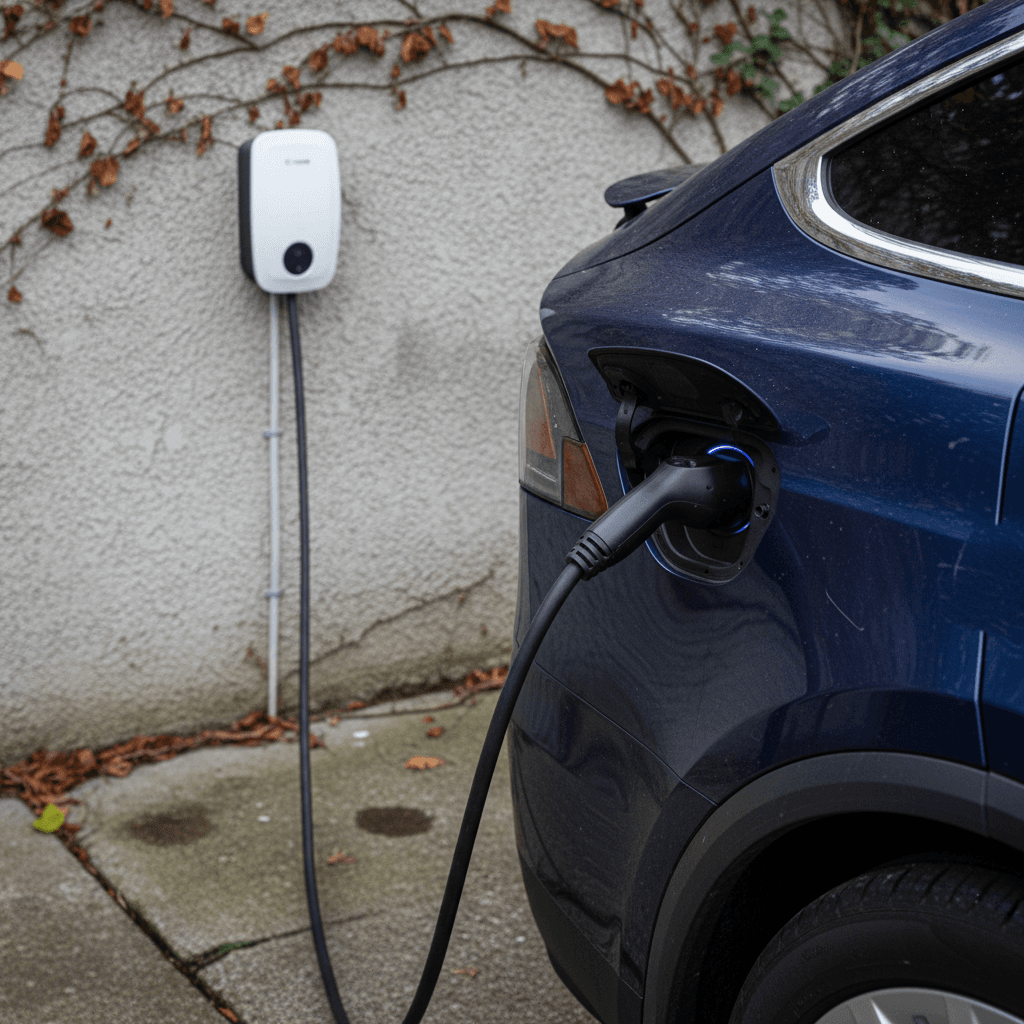
- Home Level 2 charging at 32–48 amps is ideal for battery health and convenience.
Range reality check
Used 2020 Model X pricing and depreciation (2025–2026)
Used Tesla pricing has been a roller coaster since 2022, but by early 2026, the 2020 Model X has largely settled into a band that reflects its age and desirability. Nationally, clean-title examples from reputable dealers tend to cluster in the low‑$30,000s to mid‑$40,000s, with outliers above and below depending on miles, spec, and history.
Typical 2020 Model X asking-price bands (U.S., early 2026)
Illustrative ranges for shopping; exact pricing will vary by region, condition, and market swings.
| Condition & mileage | Likely price range | What you’re getting |
|---|---|---|
| High miles (80k–110k), basic spec | ≈$27,000–$33,000 | Often Long Range, 19" wheels, few options, may be near or past basic warranty. |
| Average miles (45k–80k), decent options | ≈$33,000–$42,000 | Sweet spot: Long Range Plus with 5–7 seats, tow package or upgraded audio. |
| Low miles (<45k), Performance or heavily optioned | ≈$40,000–$50,000+ | Performance Raven, six-seat interiors, FSD, premium colors, pays for rarity and spec. |
Use this as a sanity check. A price way outside these bands deserves extra scrutiny.
How hard has it depreciated?
On Recharged, we build current market and battery data directly into your price. Every Model X listing includes a Recharged Score Report, so you can see how an individual SUV’s battery health, mileage, and equipment compare to similar 2020s on the market, before you start negotiating.
Must-have options & packages on a 2020 Model X
2020 Model X options that matter most on the used market
Some options add daily livability; others mostly add resale drama.
Seating configuration
5, 6, or 7 seats, and it matters. The 6‑seat layout with individual second‑row chairs feels the most special and is easier to access the third row. The 7‑seat bench is best for maximum people-hauling value.
Tow package
Adds a factory-rated tow hitch and cooling changes. If you plan to tow or run a hitch rack, this is highly desirable and expensive to retrofit properly.
Premium audio & interior
Upgraded audio, better upholstery, and trim make a bigger difference in the X’s big, echo-y cabin than you’d think. Nice to have, especially for road trips.
Software and wheels: nice-to-have or must-have?
Two of the most confusing line items on used Model X window stickers.
Autopilot vs. FSD
Basic Autopilot (lane-keeping + adaptive cruise) is included on nearly every 2020 X and is a must. Full Self-Driving (FSD) adds extra features, but its value is fuzzy and software-based.
Treat FSD as a bonus, not something to overpay thousands for on a used car.
Wheel choice: 19" vs 22"
The 19" wheels ride better, protect your range, and are cheaper to re‑tire. The 22" turbines look phenomenal but ding range and can be more prone to curb rash and damage.
If you want the look, budget extra for tires and slight range loss.
Common 2020 Model X issues and costly repairs
The 2020 X is better sorted than early builds, but this is still a heavy, complex luxury EV with exotic doors and a lot of hardware. Go in with clear eyes about what can go wrong and how much it costs if you’re paying out of pocket.
- Falcon-wing doors: Brilliant when they work, maddening when they don’t. Misaligned seals, sensor glitches, and latch problems can be expensive to diagnose and fix.
- Air suspension: The Raven setup rides beautifully, but air struts, compressors, and height sensors are all wear items on a 5,600‑lb SUV.
- Door handles and latches: Front doors and flush handles can have intermittent issues, especially on higher-mileage cars.
- MCU and screen issues: The worst of the infamous early MCU eMMC problems hit older model years, but any aging infotainment hardware can need attention.
- Interior squeaks and rattles: Big glass roof, giant doors, and a stiff body mean some owners report more creaks than in simpler SUVs.
Do not skip a suspension and door check
The Model X is the world’s fastest family minivan in a superhero cape, thrilling, ridiculous, and occasionally high-maintenance. The key is buying the right used one, not the cheapest.
Battery health, drive unit, and warranty checklist
The battery pack and drive units are the heart of the value proposition on a used EV. Tesla’s large packs age well when treated kindly, but you still want hard data, not vibes. The good news: at the 2020 model year, many SUVs still have some high‑voltage warranty coverage left in 2026, depending on in‑service date.
Battery, drivetrain, and warranty checklist for a 2020 Model X
1. Confirm original in-service date
Tesla’s high-voltage battery and drive unit warranty is typically 8 years / 150,000 miles for the Model X, with minimum 70% retention. A 2020 delivered in late 2020 could be covered into late 2028. Ask for documentation or check in the Tesla app if the seller has access.
2. Pull real battery health data
Don’t rely solely on the dash range estimate. A <strong>Recharged Score battery report</strong> uses diagnostics and historical charging behavior to estimate pack health versus similar 2020 Xs. It’s the difference between a guess and a data-backed decision.
3. Check charging history
Ask how often the car has been DC fast charged versus home‑charged. Long-term abuse looks like constant 0–100% DC fast charging and high heat. A mostly home‑charged car that lives in a mild climate is the ideal story.
4. Look for warning lights and messages
Any battery, charging, or drive-unit warnings in the dash or service history are red flags that need explanation. Never accept "it just popped up" without paperwork from Tesla or an EV‑specialist shop.
5. Inspect underbody and pack area
If you can, have a shop or inspector look for evidence of severe underbody impacts or corrosion around the pack area. A hard strike or flood history can turn a good deal into a total loss.
6. Verify remaining warranties
Beyond the battery and drive unit, see whether the basic vehicle warranty or any extended coverage is still in effect, or can be purchased. Build that into your value calculation.
How Recharged derisks this step
Ready to find your next EV?
Browse VehiclesTest drive and inspection checklist for 2020 Model X
On a traditional SUV, you’re listening for engine noise and gearbox shudder. On a 2020 Model X, the powertrain is usually the quietest, most trustworthy bit. Your attention should be on the doors, suspension, steering, brakes, and software behavior.
Real-world test drive checklist
1. Start with a cold soak
If possible, inspect and start the car after it has been sitting for several hours. Listen for air suspension compressor noises and any clunks as the car wakes up and self-levels.
2. Open and close every door repeatedly
Cycle both falcon‑wing doors, front doors, and the power liftgate multiple times. Watch for uneven motion, strange noises, or error messages. Try this on level ground and on a slight incline if you can.
3. Drive over broken pavement
Find a less-than-perfect road and listen for rattles, suspension thumps, and plastic creaks. Some noise is normal in a giant glass cocoon; sharp metallic clunks or air leaks are not.
4. Test Autopilot and basic features
On a safe road, engage Autopilot to see that steering assist, adaptive cruise, and lane-keeping behave as expected. Check cameras, parking sensors, and all lights, including the big LED tail cluster.
5. Hard brake and quick lane change
Do a firm stop from 40–50 mph on a safe, empty road. Feel for vibration (warped rotors) or pulling (alignment issues). A gentle, stable lane change at speed will expose loose suspension or alignment problems.
6. Check HVAC, seats, and glass
Confirm the heater, A/C, seat heaters, and defrost all work. Look closely at the big windshield and roof glass for chips, cracks, or excessive wind noise at highway speeds.
Who should (and shouldn’t) buy a 2020 Model X
Perfect 2020 Model X buyer
- You want a three-row electric SUV with genuine road-trip range.
- You appreciate the drama of falcon‑wing doors and a giant panoramic windshield.
- You’re comfortable trading some traditional luxury-car polish for cutting-edge software and performance.
- You understand that repairs out of warranty can be pricey and you’ve budgeted accordingly.
Maybe look elsewhere
- You need absolute top-tier build quality and isolation, like a Lexus LX.
- You live far from Tesla service or any EV-specialist shop.
- You routinely tow near maximum capacity over long distances.
- You want a set‑and‑forget appliance, not a conversation-starting spaceship with quirks.
When a Model Y or other EV SUV might be smarter
2020 Tesla Model X FAQ
Frequently asked questions about buying a 2020 Tesla Model X
Bottom line: how to buy a 2020 Model X with confidence
The 2020 Tesla Model X is a deeply charismatic machine: part luxury SUV, part family shuttle, part physics experiment. As a used buy in 2025–2026, it’s finally priced like an attainable dream instead of an indulgence for early adopters. But it’s still a complex, heavy EV with doors that open like a Broadway number, the wrong example can eat through savings as quickly as it eats highway miles.
If you focus on battery health, door and suspension condition, and a realistic understanding of range, the 2020 X can deliver years of fast, quiet, drama-filled transport. Use this guide as your pre-flight checklist, insist on real diagnostic data instead of guesses, and don’t be afraid to walk away from a "deal" that doesn’t add up.
If you’d rather skip the detective work, shopping through Recharged means every 2020 Model X comes with a Recharged Score battery report, fair-market pricing, optional financing, trade‑in support, and even deep depreciation analysis for the Model X. However you buy, go in informed, and enjoy driving the only three-row family hauler that can still outrun half the sports cars in your neighborhood.