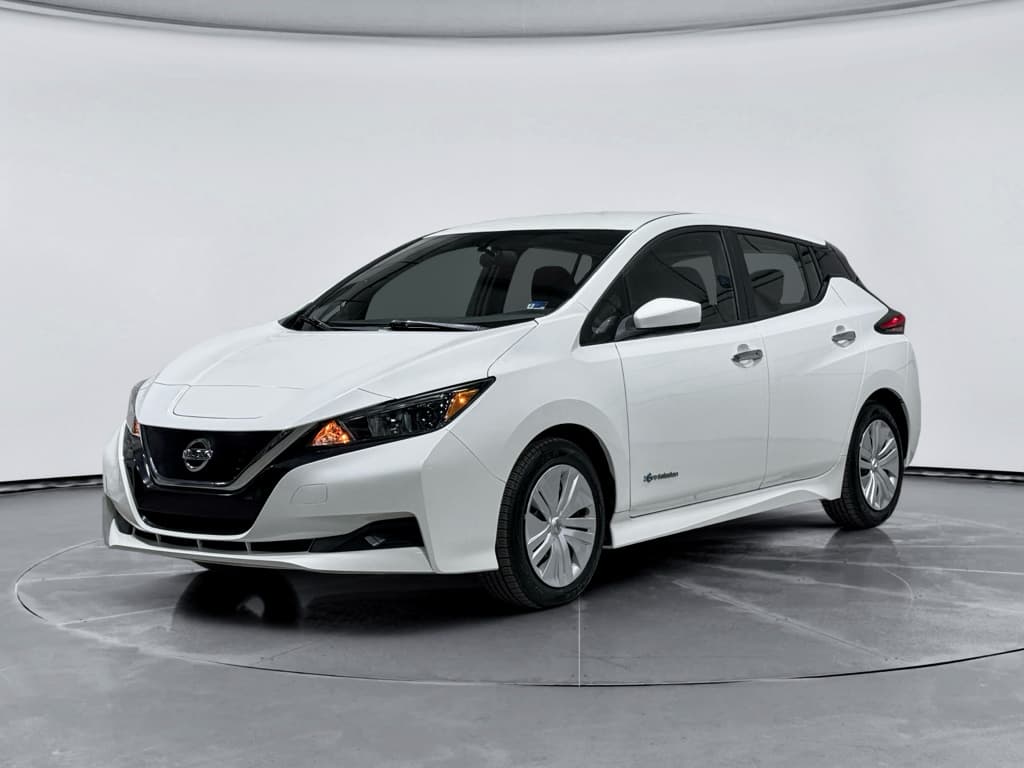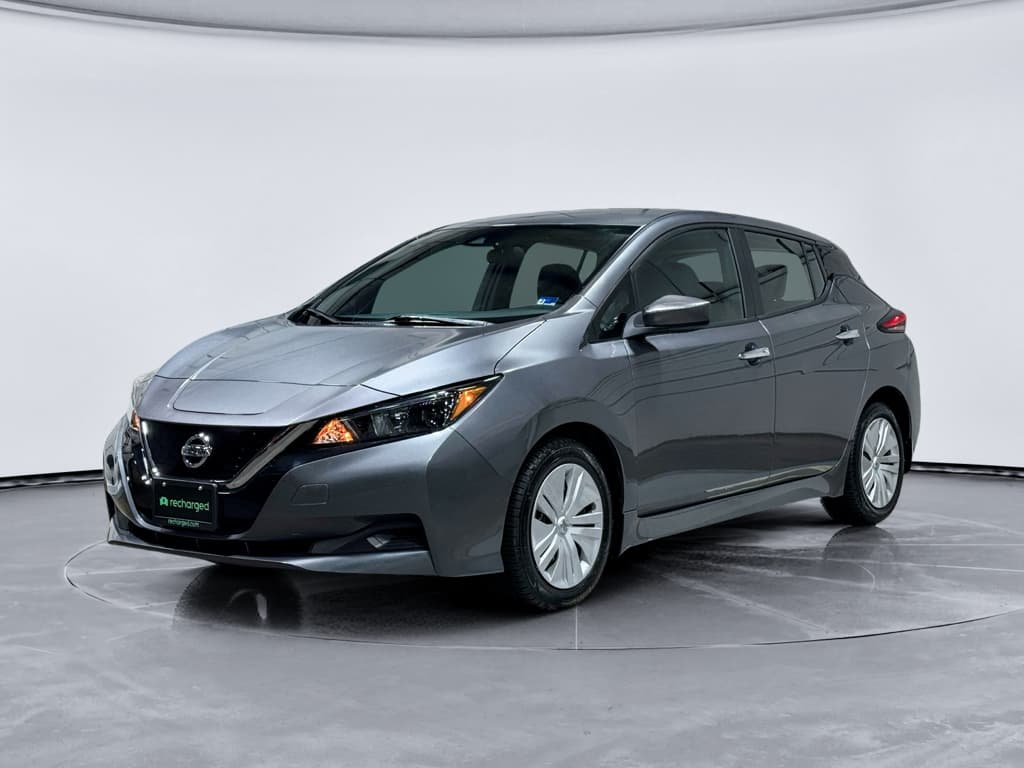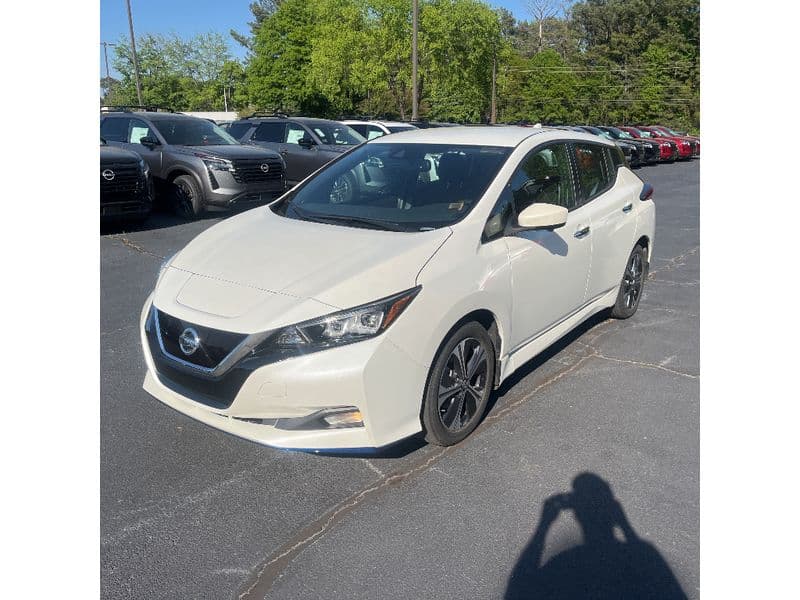
If you own or are shopping for a 2022 Nissan Leaf, you’ve probably heard about recalls, especially the high‑profile battery and fast‑charging campaigns. This guide walks through the complete 2022 Nissan Leaf recalls list as of 2026, explains what each recall actually means in plain English, and shows you how to quickly check your specific car by VIN before you sign any paperwork.
Quick reminder about recalls
Overview: Why 2022 Nissan Leaf recalls matter
The second‑generation Leaf is one of the more affordable EVs on the used market, and the 2022 model year sits in a sweet spot for price, range, and modern safety features. But as the fleet has aged, a handful of federally reported recalls have surfaced that every owner and used‑EV shopper should understand, especially around DC fast charging and battery safety.
2021–2022 Nissan Leaf battery recall in context
For 2022 Leaf owners, the main headline is the DC fast‑charging fire‑risk recall. But it’s not the only campaign that may show up when you run a VIN check. Below we’ll list the major recalls that can affect a 2022 Leaf, then dig into the details of the most important ones.
2022 Nissan Leaf recalls list at a glance
Known recalls that can affect a 2022 Nissan Leaf (U.S., as of 2026)
Use this as a high‑level reference, then scroll down for details on each campaign. Eligibility always depends on your specific VIN and build configuration.
| Recall / campaign | Main issue | Affected 2022 Leafs | Typical remedy | Can it affect used‑car value? |
|---|---|---|---|---|
| DC fast‑charging battery fire‑risk (NHTSA 25V655 / Nissan R25C8) | High‑voltage battery may overheat during Level 3 DC fast charging, creating a fire risk | Certain 2021–2022 Leafs with CHAdeMO quick‑charge port | Software update to battery management / charging logic, potential hardware inspection or replacement in some cases | Yes, unresolved recalls are red flags; documented completion is a plus |
| Battery fire risk – prior campaign (24V700, 2019–2020 base) | Earlier wave of the same underlying defect on 2019–2020 Leafs; relevant mainly for context if you own multiple Leafs | Does not directly cover 2022, but problem family is similar | Software update and monitoring; may influence how 2022 recall is handled | Indirect, shows pattern of Nissan addressing similar issues |
| Rearview camera inoperative (2018–2022 Leaf) | Backup camera image can fail to display, reducing rear visibility | Many 2018–2022 Leafs, especially early‑build cars | Software or head‑unit update / replacement so the camera displays reliably | Slightly, buyers expect this recall to be completed |
| Unintended acceleration / power control module (PCM/VCM) | In rare cases the vehicle may not respond as intended to accelerator inputs | Limited VIN ranges; more frequently discussed on 2023+, but some 2022 owners report dealer recall visits | Control module software reprogramming | Yes if not fixed, because it’s a safety‑critical system |
| Misc. small campaigns / TSBs | Quality‑of‑life items (HVAC, infotainment, manuals, labels) that sometimes show up alongside recalls | VIN‑specific | Software flash, part replacement or even an updated owner’s manual insert | Minimal, but good to have documented as done |
This table summarizes the most widely reported recalls touching the 2022 Nissan Leaf. Not every car is affected by every campaign.
VIN is the final word
DC fast‑charging battery fire‑risk recall (25V655 / R25C8)
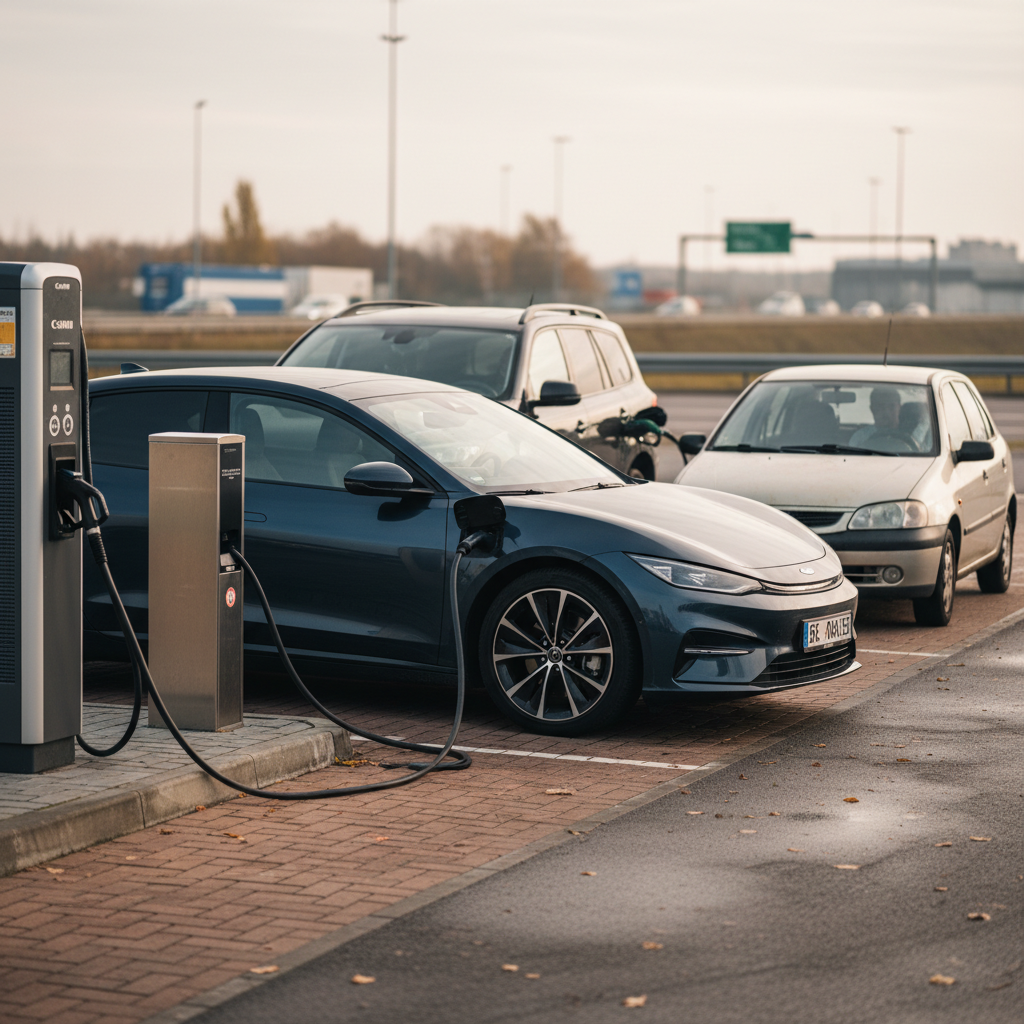
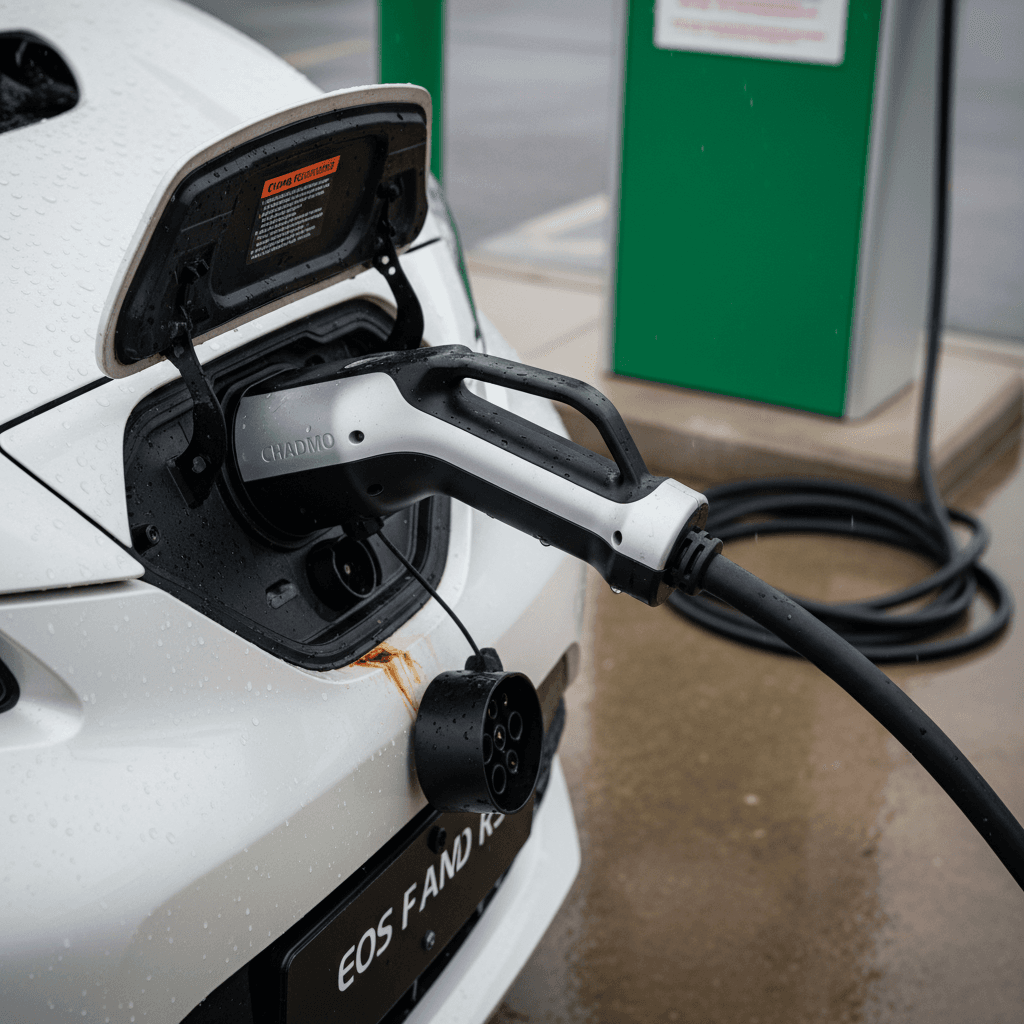
The most serious campaign on the 2022 Nissan Leaf recalls list is the high‑voltage battery overheating recall tied to DC fast charging. In federal filings, Nissan reports that some 2021–2022 Leafs equipped with a CHAdeMO Level 3 quick‑charge port can experience excessive battery heating while using DC fast charging, creating a risk of a thermal event or fire.
- Applies to Leafs with the quick‑charge (CHAdeMO) port, not just the standard Level 2 charge port
- Covers both 40 kWh and 62 kWh battery versions in the affected build window
- Linked to previous 2019–2020 Leaf campaigns about similar battery‑overheating behavior during fast charging
- Designated in NHTSA filings as a safety recall, not just a service bulletin
Nissan’s published remedy centers on a software update to the battery management and charging system. The goal is to better control pack temperature and charging behavior so the car can shut down or limit charging before temperatures approach dangerous levels. In some edge cases where diagnostics reveal abnormal cells, owners have reported more extensive battery‑related repairs or buyback discussions.
Follow interim “no DC fast charge” guidance
Level 3 fast charging: what owners should do today
If your recall is still open
- Avoid DC fast charging (CHAdeMO) unless absolutely necessary for safety.
- Schedule a recall visit with a Nissan dealer and confirm they have the latest software and procedures for your campaign number.
- Ask the service advisor to document pre‑ and post‑update battery diagnostics on your repair order.
- Keep copies of all recall paperwork for your records and for future buyers.
If the recall shows as completed
- Verify the completion date on your service invoice or Nissan owner portal.
- Ask what software versions were installed and whether any hardware was inspected or replaced.
- Use DC fast charging normally but continue to monitor for unusual smells, noises, or warning lights during charging.
- If you notice reduced fast‑charge performance, understand that additional safeguards may slow charging slightly to protect the pack.
Documented recall completion is a selling point
Rearview camera recall covering 2018–2022 Leaf
A separate Nissan safety campaign covers 2018–2022 Leaf rearview cameras. In affected vehicles, the backup camera image can fail to appear on the center screen or can be intermittent, reducing rear visibility when reversing. Because rear visibility is regulated under federal safety standards, this issue triggers a recall rather than a simple convenience fix.
- Covers a wide span of 2018–2022 model year Leafs depending on build date
- Symptom is usually a blank, frozen, or unreliable backup image when shifting into Reverse
- Dealers typically apply an infotainment or camera software update and replace hardware only if it fails testing
- Repair is free and usually completed in a single service visit
Easy pre‑purchase check
Unintended acceleration / power control module recall
Some Leaf owners, including 2022 model year drivers, have received notifications about a power control or vehicle control module (PCM/VCM) recall. The exact campaign number can vary, but the underlying concern is that, in rare circumstances, the vehicle might not respond as expected to accelerator inputs or could behave unpredictably under specific conditions.
On affected cars, Nissan’s remedy is typically a control‑module software reflash. Technicians load updated logic that refines how the Leaf’s power electronics interpret pedal position and manage torque delivery. In practice, most owners don’t notice a big change in day‑to‑day drivability, but it’s a crucial safety‑system update that should not be skipped.
Don’t ignore powertrain recalls
Other service campaigns vs. formal recalls
Alongside formal recalls, Nissan also issues service campaigns and technical service bulletins (TSBs) for the Leaf. These can cover software quirks, HVAC behavior, infotainment bugs, or even updates to the printed owner’s manual. They don’t rise to the level of a federally tracked safety recall, but they can still affect how pleasant your 2022 Leaf is to live with.
Recalls vs. service campaigns: what’s the difference?
Understanding the terms helps you read dealer paperwork correctly.
Safety recalls
Filed with federal regulators, tied to safety or emissions. Repairs are free, and manufacturers must notify owners.
Service campaigns
Manufacturer‑initiated programs to fix known issues, sometimes time‑limited. Often free, but not always safety‑critical.
Technical service bulletins
Guidance from Nissan to dealers on how to diagnose or repair recurring issues. May or may not include free repairs.
Why this matters for a 2022 Leaf purchase
How to check if your 2022 Leaf has open recalls
Because campaigns can expand or change over time, the safest move, whether you already own a 2022 Leaf or you’re shopping for one, is to run a fresh recall check using the VIN. The process takes two minutes and can save you a lot of guesswork.
Step‑by‑step: run a recall check on a 2022 Nissan Leaf
1. Locate the VIN
Find the 17‑digit VIN on the driver’s‑side dashboard (visible through the windshield), on the driver’s‑door jamb label, or on the registration/insurance card.
2. Use the NHTSA recall lookup
Go to the official U.S. recall lookup website and enter the VIN. It will show any <strong>open safety recalls</strong> that have not yet been completed.
3. Check Nissan’s owner portal or recall page
On Nissan’s owner site, you can plug in the VIN and see both recalls and certain <strong>manufacturer campaigns</strong> that may not appear in the federal tool yet.
4. Confirm status with a dealer
Call a Nissan dealer’s service department and ask them to pull your <strong>campaign history by VIN</strong>. Request email copies of any open or completed recall repair orders.
5. For used purchases, insist on proof
If a seller claims recalls are complete, ask to see <strong>service invoices</strong> showing the campaign IDs and dates. If they can’t produce them, assume the work still needs to be done.
6. Repeat checks periodically
New recalls can appear as vehicles age. It’s smart to run a quick VIN check <strong>once or twice a year</strong>, especially before long road trips.
Leverage third‑party history reports
Buying a used 2022 Leaf: how recalls affect value
For used‑EV shoppers, recalls are both a risk and an opportunity. On one hand, an open battery or powertrain recall is a clear negotiation point and a reason to slow down until you know the remedy and timing. On the other hand, a 2022 Leaf with documented recall completion, especially for the DC fast‑charging campaign, can look more attractive than an otherwise similar car whose status is unknown.
If you’re the buyer
- Use open recalls to negotiate price or require the seller to complete the work before delivery.
- Ask for battery health documentation and recall invoices together, so you can see how the pack has been treated.
- Be cautious if a car shows an open battery fire‑risk recall but the seller seems unaware or dismissive.
If you’re the seller or current owner
- Complete safety recalls before listing the car; it removes buyer objections.
- Keep a neat folder (or PDF pack) with all recall and service records.
- Highlight recent battery‑related recall work in your listing as a peace‑of‑mind feature, not a flaw.
How Recharged helps with recall transparency
Shopping a 2022 Nissan Leaf through Recharged
How our process adds clarity around recalls and battery health.
Recharged Score battery diagnostics
We test pack health directly, so you see more than just a recall checkbox, you see real‑world capacity and degradation.
Recall & service history review
Our team reviews available records for recall completion, campaigns, and major repairs before a car is listed.
Fair market pricing
Recalls, battery condition, and equipment like quick‑charge ports all flow into our transparent pricing, no guesswork.
Ready to find your next EV?
Browse VehiclesFAQ: 2022 Nissan Leaf recalls
Frequently asked questions about 2022 Nissan Leaf recalls
Bottom line on 2022 Nissan Leaf recalls
The 2022 Nissan Leaf remains one of the most budget‑friendly ways to get into an electric car, but you can’t ignore its recalls, especially the DC fast‑charging battery campaign. The good news is that these fixes are free, widely understood by dealers, and, when properly documented, can actually make a car more attractive on the used market by showing that critical safety work is up to date.
Whether you already own a 2022 Leaf or you’re shopping for one, your best move is to run a VIN check, confirm recall status, and pair that with a solid battery‑health report. If you’d like help decoding the results and comparing options, Recharged’s EV specialists, financing tools, trade‑in options, and the detailed Recharged Score Report make it easier to choose a 2022 Leaf that fits both your budget and your comfort level around safety and long‑term battery performance.