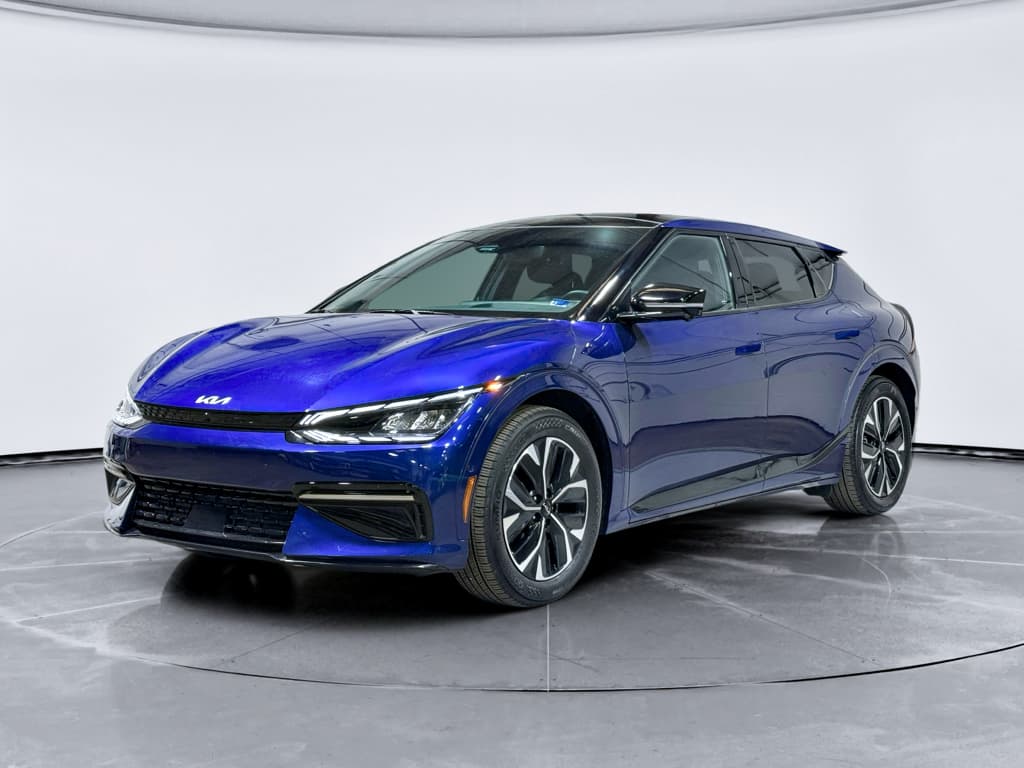
If you own, or are shopping for, a Chevrolet Bolt EUV, understanding the battery warranty and what it actually covers is just as important as knowing the range. The high‑voltage pack is the most expensive component in the car, and the Bolt’s recall history has only raised more questions. Let’s walk through the Chevy Bolt EUV battery warranty in plain English so you know what’s protected, what isn’t, and how that changes if the battery has already been replaced.
Quick answer
Chevy Bolt EUV battery warranty basics
The three warranty layers that matter
Your Bolt EUV has multiple overlapping warranties, only one is truly about the battery.
1. Bumper‑to‑bumper
Covers most parts & labor for defects for the first few years of ownership. Helpful for early issues, but not focused on the high‑voltage battery.
2. Powertrain / EV components
Covers major drivetrain pieces like the electric motor, reduction gear, and some high‑voltage components. On the Bolt EUV, GM treats these as part of the EV propulsion system.
3. High‑voltage battery warranty
The star of the show: an 8‑year/100,000‑mile limited warranty (in most states) aimed specifically at the traction battery and associated components.
Battery warranties can be confusing because automakers describe them differently in window stickers, marketing, and the actual warranty booklet. For the Chevrolet Bolt EUV, you’ll see language about an Electric Vehicle Propulsion Battery / High Voltage Battery Warranty. That’s the section you care about when you’re asking, “If the battery goes bad, is Chevy on the hook?”
Bolt EUV battery warranty at a glance
How long the Bolt EUV battery warranty lasts
For most Chevrolet Bolt EUV models, the high‑voltage battery warranty runs for 8 years or 100,000 miles, whichever comes first, from the original in‑service date. The in‑service date is when the vehicle was first sold or leased new, NOT when you buy it used.
- Coverage is time‑and‑mileage limited: once you pass 8 years or 100,000 miles (whichever you hit first), the battery warranty expires.
- The clock does not reset when the vehicle is sold to a second or third owner; it follows the car, not the owner.
- The warranty is generally transferable to subsequent owners in the U.S. as long as the vehicle remains titled/registered appropriately.
Longer coverage in CARB states
To put that into real‑world terms: if a Bolt EUV went into service on June 15, 2022, its standard 8‑year battery warranty will typically run until June 15, 2030, or 100,000 miles, whichever the car hits first. If you buy that vehicle used in 2026 with 40,000 miles on the odometer, you’re buying the remainder of that same warranty window, not a fresh one.
What the Chevrolet Bolt EUV battery warranty actually covers
GM’s legal wording is dry, but in simple terms the Bolt EUV battery warranty is designed to protect you from defects in the battery pack and key high‑voltage propulsion components that are the result of how the pack was built, not how you used it (assuming you used it as intended).
Core items usually covered under the Bolt EUV battery warranty
Exact language can vary by model year and state, but these are the big buckets.
High‑voltage battery pack & modules
- Battery cells and modules
- Battery case and internal wiring
- Battery management electronics that live inside the pack
If a defect causes the pack to fail or become unsafe within the warranty period, GM is generally responsible for repair or replacement.
Key electric propulsion components
- High‑voltage contactors and relays
- High‑voltage wiring/connectors within the propulsion system
- Some control modules that manage charging and power delivery
Failures tied to manufacturing defects, not accident damage or misuse, typically fall under this warranty.
Charging‑related faults caused by defects
If a covered defect in the battery or propulsion electronics prevents the car from accepting a charge, Chevy’s battery/EV component warranty is intended to step in.
Parts & labor at an authorized dealer
Repairs or replacements are performed at an authorized Chevrolet dealer. When the issue is confirmed as a covered defect, parts and labor should be included, you shouldn’t be paying out of pocket for the battery itself.
What happens if the pack is bad?
What the Bolt EUV battery warranty does NOT cover
Equally important is what the Chevrolet Bolt EUV battery warranty doesn’t protect you from. EV battery warranties are not unlimited “anything goes” policies; they’re targeted consumer protections.
Common exclusions in Bolt EUV battery coverage
Always confirm with your specific warranty booklet, but these categories are typically excluded.
| Category | Usually NOT Covered | Real‑world example |
|---|---|---|
| Normal wear / gradual degradation | Expected loss of range over many years and miles | After 9 years and 110,000 miles, your car still drives fine but has 15–20% less range than when new. |
| Misuse or abuse | Damage from racing, overloading, or ignoring warnings | Repeatedly driving with multiple fault lights on and ignoring “Service Battery” messages. |
| Improper modifications | Non‑approved aftermarket tuning or battery tampering | A third‑party “range extender” modification splices into high‑voltage wiring and causes damage. |
| Accident or impact damage | Collision, flood, or other external events | High‑voltage pack damaged in a rear‑end collision; this is an insurance claim, not a battery warranty issue. |
| Non‑approved commercial use | Some fleet or ride‑hailing scenarios may be excluded or limited | Using a personal‑use Bolt for heavy commercial delivery service beyond what your warranty allows. |
Knowing the exclusions helps you avoid surprises at the service counter.
Read the fine print, especially for commercial use
Battery degradation & capacity loss: what’s considered “normal”?
Every lithium‑ion battery slowly loses capacity over time, that’s physics, not a defect. Most EVs, including the Bolt EUV, are designed so you still have useful range long after the car is paid off, but you shouldn’t expect identical range 8–10 years down the road.
Normal vs. abnormal loss
GM, like most automakers, distinguishes between normal degradation and a true defect. A small percentage of capacity loss, especially in the first year or two, is expected. What raises red flags is a sudden, dramatic drop or a battery that can’t meet reasonable use despite modest mileage.
Does GM guarantee a specific %?
Some newer EVs advertise a guaranteed minimum battery capacity (for example, 70% after 8 years). As of today, Chevy’s detailed Bolt EUV battery warranty language has focused more on defects than on a publicly advertised capacity percentage. In practice, extremely rapid loss of range can trigger warranty investigation, but slight year‑over‑year shrinkage is usually viewed as normal.
Track your range over time
How recall battery replacements affect your warranty
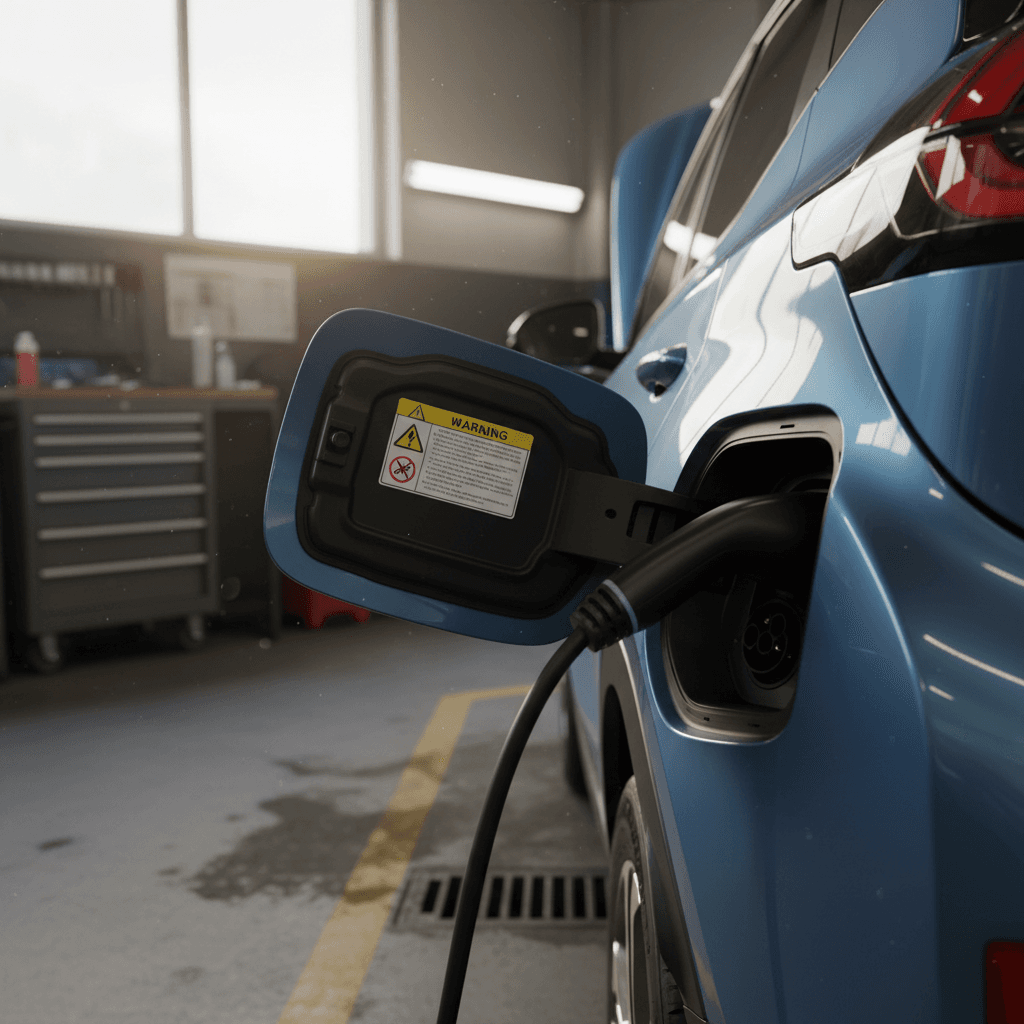
Because of the widely publicized Bolt EV/EUV battery recall covering 2017–2022 models, many Bolt EUVs on the road today have already had their high‑voltage packs replaced. That introduces a key wrinkle: not all battery replacements are treated the same way for warranty purposes.
Recall battery vs. regular warranty replacement
1. Batteries replaced under the official safety recall
If your Bolt EUV’s pack was replaced under the formal GM safety recall, GM has stated that the new pack is covered by an <strong>8‑year/100,000‑mile GM Service Replacement Parts Limited Warranty</strong>, measured from the date of replacement. That effectively gives you a fresh battery warranty window on the new pack.
2. Batteries replaced under normal EV battery warranty
If the pack is replaced because it failed within the standard 8‑year/100,000‑mile EV battery warranty (but not as part of the recall), the replacement typically carries <strong>only the remaining term</strong> of the original battery warranty, not a full new 8/100 on top.
3. Customer‑paid replacement batteries
If the high‑voltage battery is replaced out of pocket after the factory warranty has expired, the pack is usually treated like a major service part. That often means a <strong>shorter parts warranty</strong> (for example, 3 years or a limited mileage) rather than another full 8‑year EV battery warranty.
4. How to know which you have
Ask the servicing dealer for documentation showing whether your pack was replaced as part of the <strong>official recall campaign</strong> or a standard warranty repair. That paperwork will be key to understanding your remaining protection.
Don’t assume every new pack has a fresh 8‑year warranty
Warranty rules when you buy a used Bolt EUV
The good news for used‑EV shoppers is that the Bolt EUV battery warranty is transferable. That means you can still have meaningful coverage left, even if you’re the second or third owner. The key is understanding exactly how much warranty time and mileage you’re actually getting.
- Battery warranty follows the car’s in‑service date, not your purchase date.
- Ownership changes usually do not reduce or void the battery warranty, as long as the vehicle remains properly titled and used within the warranty terms.
- A Bolt EUV with a recent recall battery can be especially attractive, because you may be getting both a newer pack and a fresh 8‑year/100,000‑mile service‑replacement warranty window on that pack.
- In CARB states, a used Bolt may still carry extended 10‑year/150,000‑mile emissions‑component coverage, depending on how and where the car was first registered.
How Recharged helps on used Bolts
How to check your Bolt EUV battery warranty status
Before you sign a purchase agreement, or before you assume you’re out of luck on a repair, take a few minutes to verify your exact warranty status. Here’s a simple process that works whether you already own the car or you’re just looking at listings online.
5 steps to confirm your Bolt EUV battery coverage
1. Find the in‑service date
Ask the seller for service records, or contact a Chevrolet dealer with the VIN. They can usually tell you the original in‑service date, which sets the start of the 8‑year clock.
2. Confirm current mileage
Check the odometer yourself. Battery coverage ends at 100,000 miles even if the car is only 5 or 6 years old.
3. Ask about recall history
Has the car had the Bolt battery recall performed? If so, ask for the paperwork showing the date the new pack was installed and the campaign number.
4. Request a GM warranty printout
A Chevy service advisor can print a <strong>warranty summary</strong> for your VIN, showing which warranties are still active and their expiration dates/mileage limits.
5. Save everything
Keep digital copies of recall letters, repair invoices, and warranty summaries. They’re invaluable if a future claim is denied or you decide to sell the vehicle later.
Protecting your coverage, and your battery
Getting the most from your Bolt EUV battery warranty isn’t just about dates and mileage, it’s also about how you care for the pack and how well you document any issues. Treat the battery well and you’re less likely to need a warranty claim in the first place; if something does go wrong, you’ll be prepared.
Smart habits that help your battery, and your warranty
None of these are complicated, but together they make a difference.
Avoid extreme heat when you can
High temperatures accelerate battery aging. When possible, park in the shade, a garage, or use preconditioning instead of baking a full battery in the summer sun all day.
Don’t live at 0% or 100%
Occasional full charges for trips are fine, but living at max or near‑empty isn’t ideal. Keeping most daily use in the 20–80% range is gentler on the pack.
Document warning lights early
If you see battery or propulsion system warnings, get them checked while you’re still in the warranty window, and keep the repair orders.
Use approved charging equipment
Stick with properly installed outlets and reputable charging hardware. Homemade wiring or sketchy adapters can cause problems that won’t be covered.
Follow the maintenance schedule
EVs need less routine service than gas cars, but skipping recommended software updates or inspections can come back to haunt you on a warranty claim.
Build a relationship with a dealer
Having a service department that knows your car’s history can make warranty conversations smoother if something goes wrong with the battery.
Thinking about life after the warranty?
Chevy Bolt EUV battery warranty FAQ
Frequently asked questions about Bolt EUV battery coverage
Bottom line: what the Bolt EUV battery warranty really gives you
When you strip away the legal language, the Chevy Bolt EUV battery warranty is a long‑term safety net against true battery defects, not an all‑inclusive guarantee that range will never change. For most owners it runs 8 years or 100,000 miles, with the potential for longer coverage on qualifying vehicles in CARB states and a fresh warranty window on recall‑replacement packs.
If you already own a Bolt EUV, take a few minutes to confirm your in‑service date, mileage, and recall history so you know exactly where you stand. If you’re shopping used, look for clear documentation and recent battery diagnostic data, or let a platform like Recharged do that homework for you. Understand what’s covered and what isn’t, treat the pack well, and the Bolt EUV can deliver many years of quiet, low‑cost electric miles without an unwelcome surprise from its most expensive component.