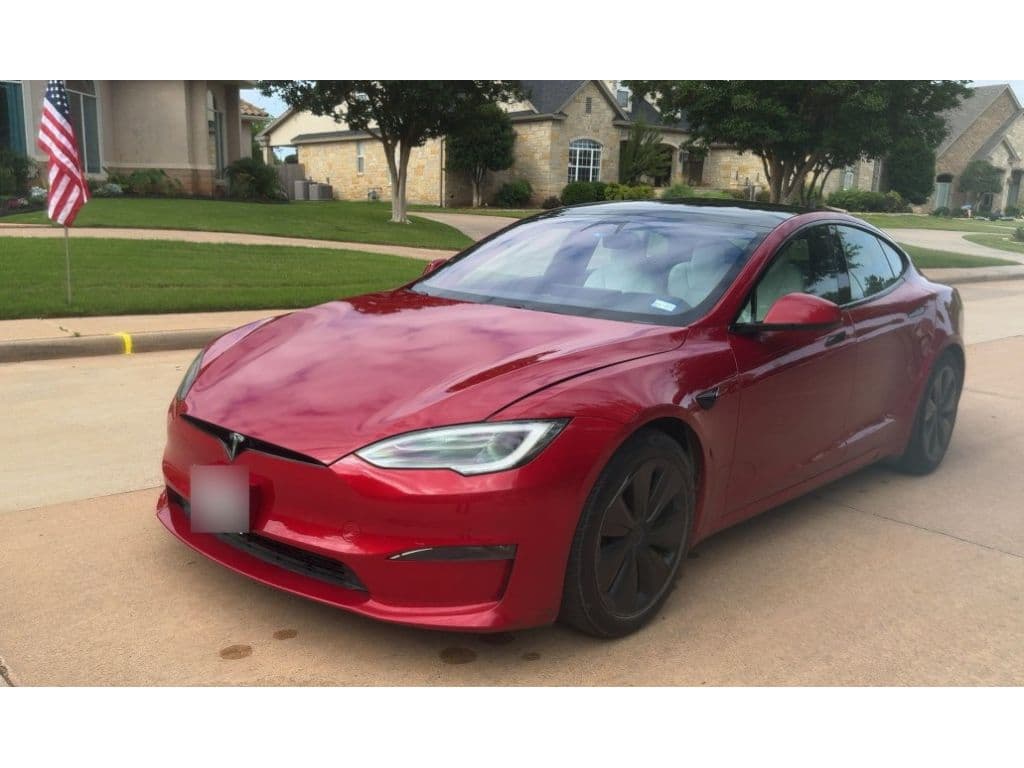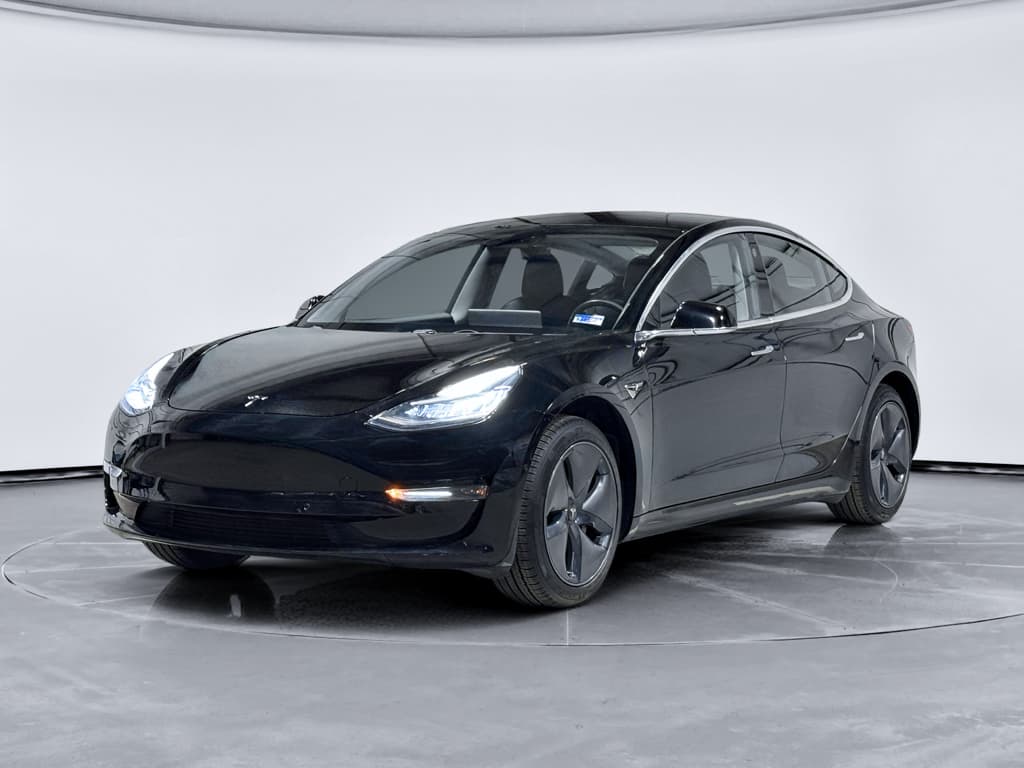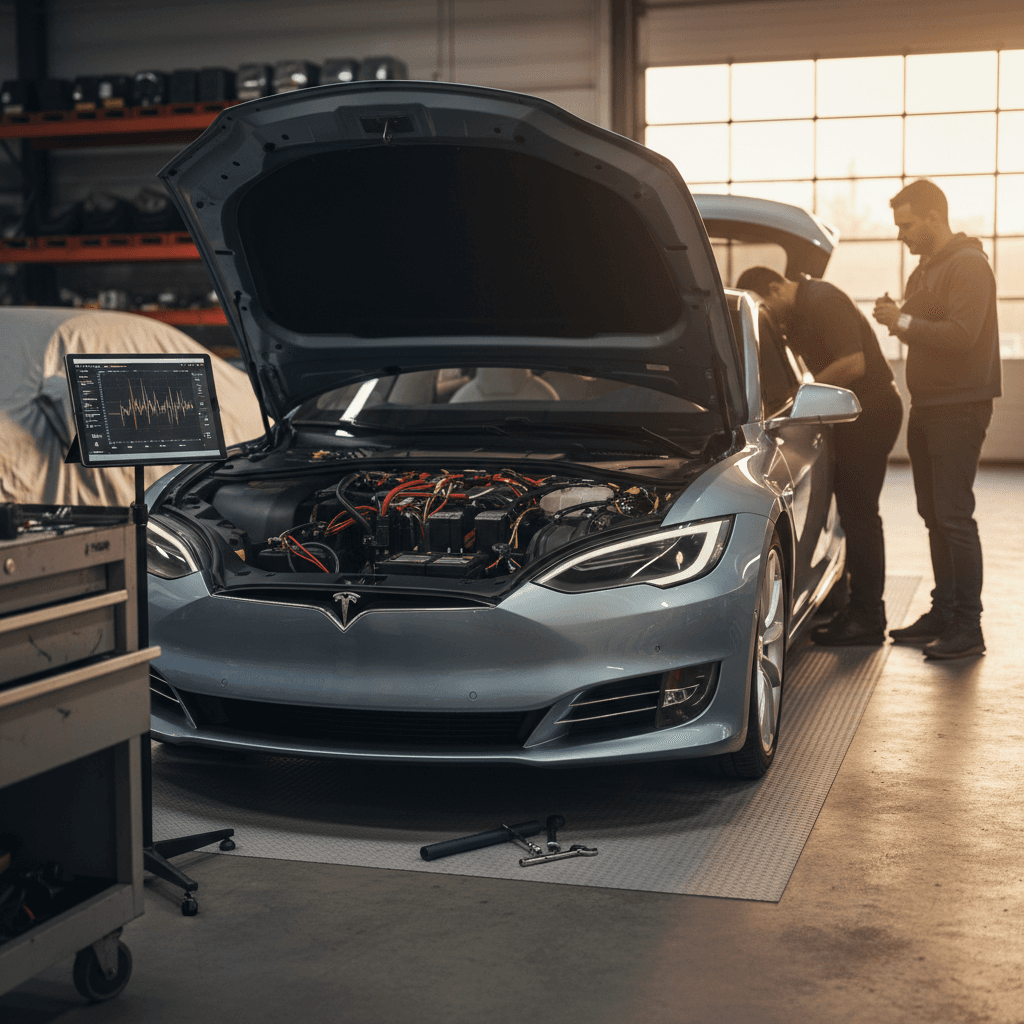
If you’re eyeing a used 2020 Tesla Model S, you’re probably wondering where the landmines are: battery degradation, expensive suspension repairs, glitchy screens, and the long list of recalls. This guide breaks down the most common 2020 Tesla Model S problems and fixes so you can decide whether a particular car is a smart buy, or a headache waiting to happen.
2020 Model S snapshot
2020 Tesla Model S reliability at a glance
2020 Model S reliability in context
The 2020 Model S sits in an interesting spot. It benefits from years of Tesla refinements, but it’s also caught in the era when many software‑driven recalls and hardware niggles were still being ironed out. Most issues are fixable; the key is understanding which problems are merely annoying (like trim creaks) and which can run into four‑figure repairs (like suspension or out‑of‑warranty electronics).
Should you avoid the 2020 Model S?
Why a 2020 Model S is appealing
- Mature platform: Better sorted than early Model S years, with improved battery and drivetrain reliability overall.
- Excellent range: Long Range Plus cars can still deliver impressive highway range if the battery has been cared for.
- Modern tech: Autopilot, fast Supercharging, and a cabin that still feels current in 2026.
- Used pricing: Significant depreciation versus new, with strong performance for the money.
Why some buyers look elsewhere
- Below‑average reliability ratings: Third‑party data shows more issues than the best luxury EVs.
- Recall fatigue: Many 2020 cars have seen multiple OTA recalls plus occasional shop visits.
- Suspension and drivetrain wear: High‑mileage cars, especially in rough climates, can need pricey work.
- Electronics aging: Screens, cameras, and sensors don’t last forever and are not cheap out of warranty.
How to think about the 2020 Model S
Battery and charging issues on the 2020 Model S
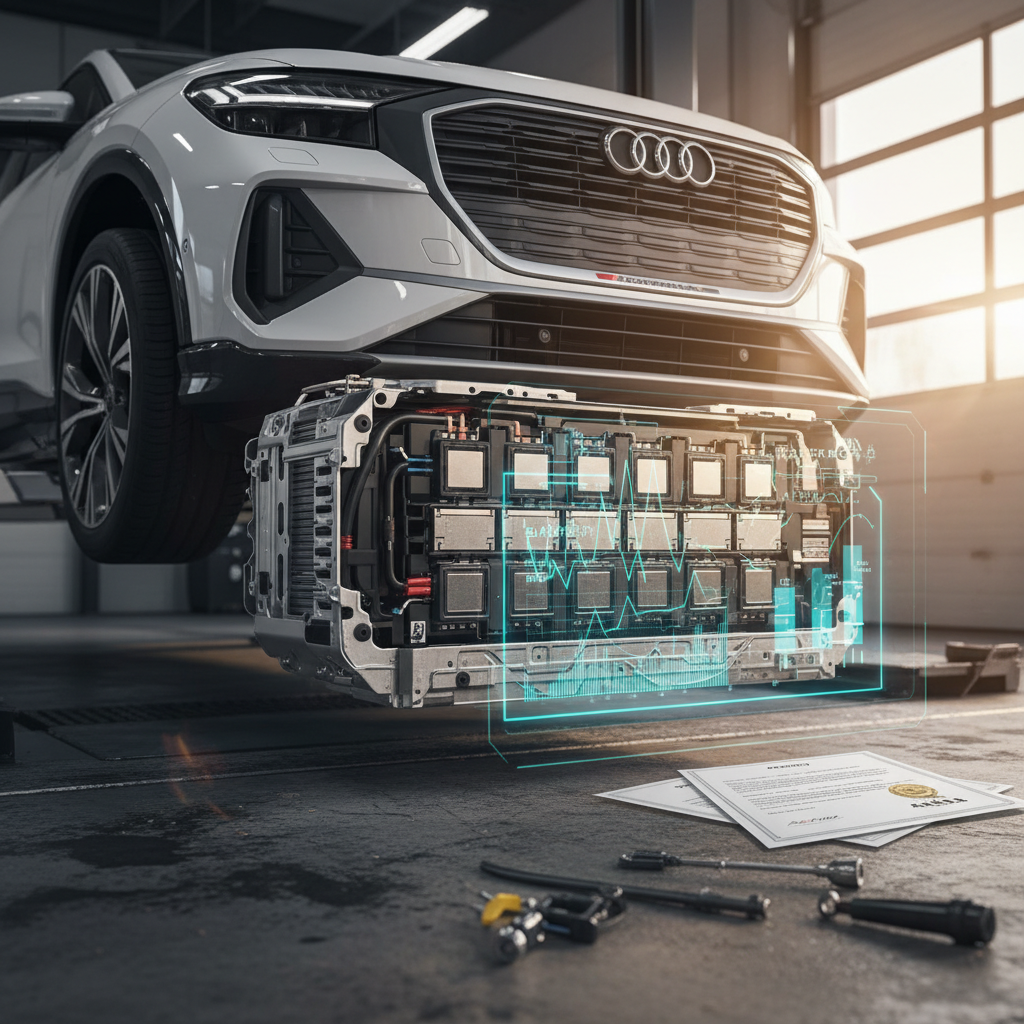
The battery pack is the heart of any used EV purchase. The good news: catastrophic battery failures on the 2020 Model S are not common. The more realistic concern is gradual range loss and software limitations that can make the car feel weaker than the spec sheet suggests.
Most common 2020 Model S battery & charging complaints
What owners report, and what it usually means for you
Noticeable range loss
Some owners report losing 8–15% of usable range by 80,000–100,000 miles, especially on cars that Supercharge frequently.
What to do: Compare current max range at 100% charge with the original EPA figure. A professional battery health report, like the Recharged Score, can quantify real degradation.
Slow DC fast charging
Older firmware, repeated high‑power charging, or a battery that has learned conservative limits can cause slower Supercharging, especially above 60–70%.
Fix: Confirm the car is on current software, precondition the battery before fast charging, and avoid routinely fast‑charging to 100%.
Onboard charger & home charging issues
Less common but still seen: onboard charger faults, intermittent charge port door issues, or wall connector communication errors.
Fix: Try another EVSE or outlet first, then schedule service. Onboard charger replacement is a four‑figure repair, check warranty status.
When a battery issue is a deal‑breaker
- Ask the seller for a recent screenshot of the car at 90% and 100% charge, plus typical highway consumption.
- Check Supercharger speeds in real‑world use or ask for photos of a recent charging session.
- Review service history for high‑voltage battery or BMS (battery management system) work, this can be a positive if done under warranty.
- Consider climate: cars that lived in very hot regions and fast‑charged heavily tend to show more degradation.
Drivetrain and suspension problems
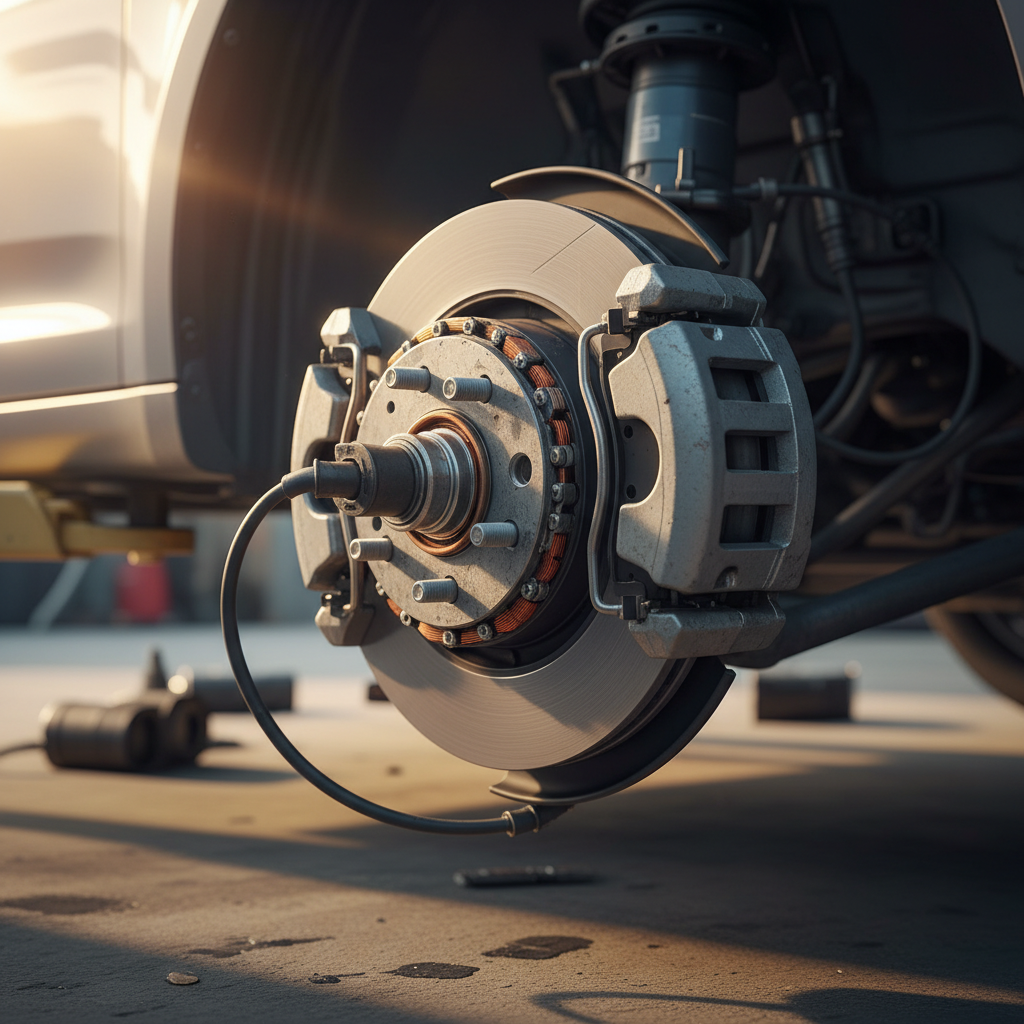
The 2020 Model S offers serious performance, even in Long Range form, which puts real stress on half‑shafts, suspension bushings, and steering components. For many buyers, this is where the largest out‑of‑pocket repairs show up after basic warranty coverage ends.
High‑mileage 2020 Model S: key mechanical issues
What to listen for on a test drive
Front half‑shaft shudder under hard acceleration
On 2016–2020 Model S and X, owners frequently report a vibration or shudder under heavy acceleration, especially in Sport/Ludicrous modes.
- Often felt through the steering wheel and floor around 30–50 mph.
- Related to front half‑shaft wear and motor mounting geometry.
Typical fix: Replacing front half‑shafts and sometimes the drive unit mounts. Common enough that many Tesla service centers know it well.
Air suspension clunks, knocks, and uneven ride
Many 2020 Model S cars use adaptive air suspension. Over time, control arms, links, and bushings can develop play, causing clunks over bumps or vague steering.
Typical fix: Replacement of upper/lower control arms, endlinks, and occasionally air struts. A full front suspension refresh can reach into the low four figures if you’re out of warranty.
Other mechanical complaints to watch for
Test‑drive checklist: catching drivetrain and suspension problems
1. Hard but safe acceleration
From 20–50 mph on a clear road, accelerate firmly. Feel for shudder or vibration through the steering wheel and seat. If present, budget for half‑shaft work.
2. Low‑speed parking lot maneuvers
Turn the wheel lock‑to‑lock at low speed. Listen for pops, groans, or clunks that can point to worn control arms or steering components.
3. Rough‑road and speed bump pass
Drive slowly over speed bumps or broken pavement. Repeated knocking from one corner often signals tired bushings or a loose suspension joint.
4. Straight‑line tracking
On a straight, flat road, briefly loosen your grip and see if the car drifts. Persistent pulling may mean alignment or suspension issues, and hidden tire wear.
Software, screens, and electronics issues
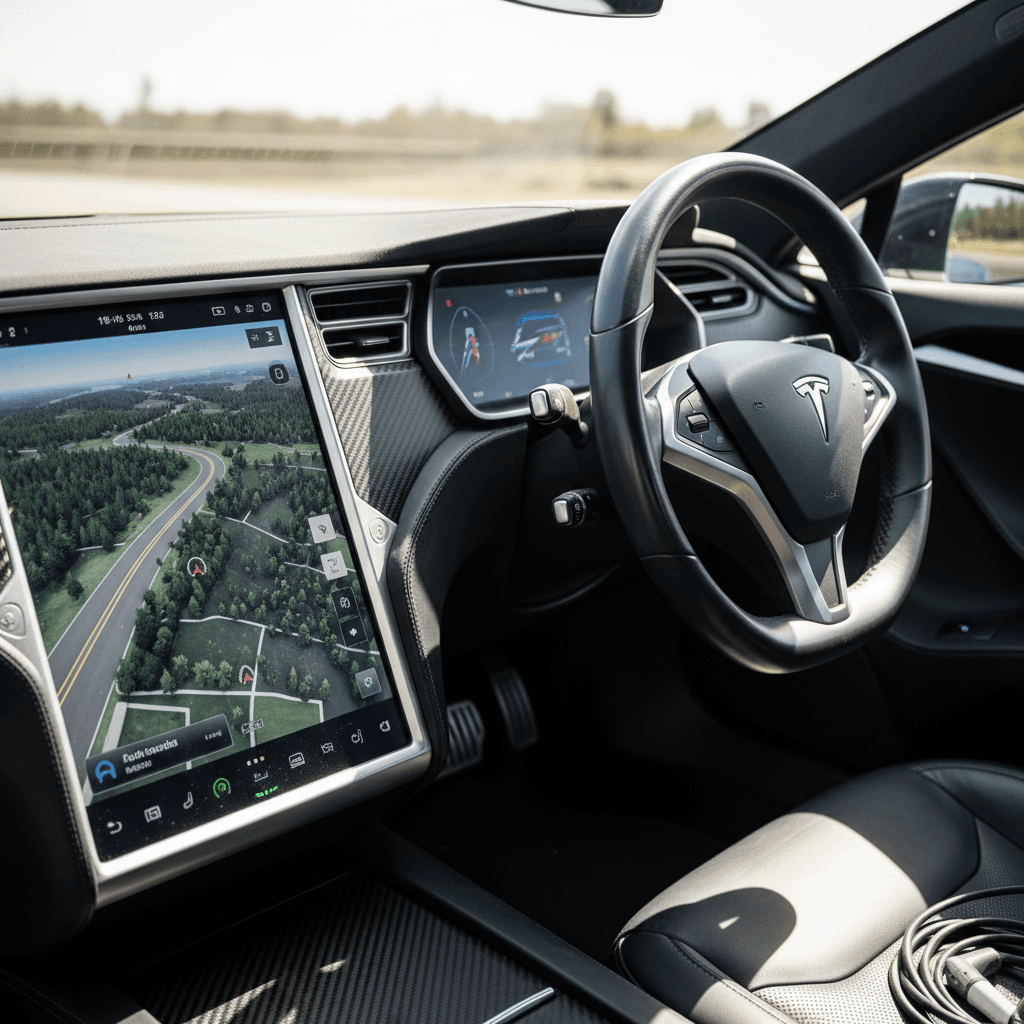
Earlier Model S years were infamous for MCU (Media Control Unit) failures and bubbling displays. By 2020, Tesla had improved the hardware, but the car is still a rolling computer, and computers occasionally act up. Treat the screens and cameras with the same respect you’d give a major mechanical component, because the cost to fix them can be comparable.
Common 2020 Model S software & electronics problems
Typical owner complaints and what usually resolves them
| Issue | Symptoms | How serious? | Likely fix |
|---|---|---|---|
| Glitchy or frozen center screen | Slow boot, unresponsive touch, random reboots | Annoying but usually fixable | Two‑button reboot, factory reset, or software update. If persistent, MCU diagnosis/replacement. |
| Camera failures (rear or side | Black screen, warnings about visibility, FSD/Autopilot limited | Safety and convenience impact | Camera replacement; sometimes wiring or moisture intrusion repair. |
| Bluetooth / audio bugs | Dropped calls, audio source switching, no sound | Low to medium | Software update or reset; rare cases need amplifier or speaker service. |
| Keyless entry / app issues | Door doesn’t unlock reliably, app can’t connect | Low to medium | Check 12V battery health, phone key settings, and connectivity; Tesla can diagnose remotely. |
Many software‑related issues can be fixed via updates or reboots, but physical screen or camera failures often require hardware replacement.
MCU and screen failures are not cheap
- Check that both the main screen and instrument cluster power up quickly from cold start.
- Cycle through all cameras, including the rear view and side repeaters, and verify a clear image.
- Test every stalk and steering wheel control: wipers, lights, voice commands, and scroll wheels.
- Confirm that basic functions still operate if the main screen is rebooting, Tesla designs limited backup controls, but you should experience them before buying.
Interior, exterior, and build-quality complaints
Compared with German luxury sedans, the 2020 Model S can feel a bit less buttoned‑down inside. Owners most often report rattles, squeaks, and minor trim issues rather than catastrophic failures. These won’t strand you, but they can erode the premium feel you expect at this price point.
Typical cosmetic and comfort complaints
Rarely dangerous, but worth using in negotiations
Seat wear and creaks
Driver’s seat bolsters on higher‑mileage cars can show flattening or cracking, and some owners report creaks when shifting weight.
Fix: Lubricating seat tracks and tightening fasteners can help; significant wear may need upholstery or seat frame work.
Wind noise and door alignment
Occasional reports of wind noise at highway speeds from frameless windows or slightly misaligned doors.
Fix: Seal and door adjustments at a Tesla or specialist shop. Often modest in cost but should be addressed under warranty when possible.
Water leaks & condensation
Less common but serious when present: water leaking around the liftgate or panoramic roof, or condensation in light housings.
Fix: Resealing, drain cleaning, or light replacement. Carefully check carpets and trunk for past water intrusion.
Use small flaws to improve the deal
Recalls and safety concerns for 2020 Model S
The 2020 Model S, like most Teslas from this era, has been subject to multiple safety recalls, some purely software‑related, others involving physical components like latches and warning lights. Many were handled via over‑the‑air (OTA) updates, which is convenient, but you still want to verify that a specific VIN is fully up to date.
Recall themes affecting many 2020 Model S vehicles
High‑level view of the types of recalls this model year has seen (exact applicability varies by VIN).
| Recall theme | Potential risk | How it’s usually fixed |
|---|---|---|
| Autopilot / FSD behavior | Non‑compliant driving behavior in certain situations | OTA software update to adjust system behavior and warnings. |
| Instrument panel warning text size | Brake/park/ABS warning fonts too small under federal rules | OTA update to change on‑screen graphics and font sizing. |
| Front trunk (frunk) latch / hood detection | Risk of hood opening or undetected open hood while driving in some build ranges | Latch inspection and replacement, plus software updates for detection logic. |
| Camera / computer behavior | Loss of rear camera or central display in certain failure modes | Software updates; in some cases, hardware inspection or replacement. |
Always run the VIN through NHTSA and Tesla to confirm recall status before you buy.
How to check recall completion
How to inspect a used 2020 Model S
A good 2020 Model S can be a fantastic value, but buying blind is a mistake. Here’s a structured way to evaluate a car in 60–90 minutes, even if you’re not a technician.
Pre‑purchase inspection roadmap
1. Pull service and Supercharging history
Ask for Tesla service records and, if possible, a screenshot of the car’s lifetime Supercharger versus AC charging use. Heavy DC fast charging isn’t a deal‑breaker, but it raises the bar for a clean battery bill of health.
2. Verify battery health and range
Charge the car to 90% if allowed and note the rated miles. Compare with expected values for a 2020 Long Range or Performance model. If you’re buying through <strong>Recharged</strong>, review the <strong>Recharged Score Report</strong> for quantified battery health data.
3. Test all driver‑assist features
On a safe road, verify cruise control, Autosteer, lane‑keeping, and automatic emergency braking functions. Watch for repeated sensor or camera warnings that could indicate upcoming repair needs.
4. Check underbody and suspension
On a lift, inspect control arms, bushings, and half‑shafts for play, leaks, or torn boots. If you can’t do this yourself, have a shop experienced with Teslas perform a pre‑purchase inspection.
5. Scan for water intrusion
Lift trunk and frunk liners, check underfloor storage, and feel the carpet under the front seats. Any musty smell or dampness should be investigated before you buy.
6. Confirm software, recalls, and keys
Make sure the car is on current software, all recalls are closed, and you receive all keys/cards plus app access at delivery.
Ownership costs and warranty coverage
By 2026, a 2020 Model S is roughly six years old. That means you’re in the gray area where some Tesla warranties still apply while others have expired. Understanding what’s covered, and what isn’t, helps you judge whether a car is priced realistically.
Typical 2020 Model S warranty coverage in 2026
Exact coverage depends on in‑service date, mileage, and region. Always confirm with Tesla.
| Component | Typical original coverage | Likely status in 2026 |
|---|---|---|
| Basic vehicle (bumper‑to‑bumper) | 4 years / 50,000 miles | Expired on most cars; check high‑mileage late‑delivered vehicles carefully. |
| Battery & drive unit | 8 years / 150,000 miles (with minimum capacity guarantee) | Often still active; excellent protection against catastrophic battery or motor failure. |
| Rust/perforation | 12 years (varies by market) | Usually still in effect; limited to perforation, not cosmetic rust. |
| MCU & screens | Covered under basic warranty; extended coverage on some earlier MCUs | Likely out of basic warranty; ask about prior replacements (a positive sign). |
Battery/drive‑unit coverage usually outlasts the basic warranty, but electronics and suspension may already be on your dime.
Budgeting for out‑of‑warranty repairs
How Recharged reduces risk on a 2020 Model S
Buying a used Tesla from a private seller can feel like detective work. You’re trying to read tea leaves from range estimates, vague service notes, and seller assurances like “it’s always been great.” Recharged is built to remove that guesswork, especially on cars like the 2020 Model S where the difference between a good one and a bad one is thousands of dollars.
What you get with a 2020 Model S from Recharged
Designed specifically for used EV buyers
Recharged Score battery report
Every vehicle includes a Recharged Score Report with verified battery health, charging history insights, and pricing anchored to real‑world condition, not just odometer readings.
EV‑specialist inspection
Our EV specialists know where 2020 Model S cars tend to have weaknesses, suspension wear, electronics, water intrusion, and check those areas carefully before a car is ever listed.
Financing, trade‑in & delivery
Recharged can handle financing, trade‑in, and nationwide delivery, or help you sell your current EV via instant offer or consignment. You can shop fully online or visit the Experience Center in Richmond, VA.
Ready to find your next EV?
Browse VehiclesWhy that matters for this model year
FAQ: 2020 Tesla Model S problems and fixes
Frequently asked questions
Bottom line: Is a 2020 Model S worth it?
A 2020 Tesla Model S can be one of the best long‑range EV values on the used market, or one of the more frustrating, depending entirely on the specific car in front of you. Go in with clear eyes: expect some recalls in the rear‑view mirror, scrutinize suspension and electronics closely, and treat battery health as the single most important data point. When those pieces line up, you get a fast, comfortable, future‑proof EV that still feels modern in 2026.
If you’d rather not play detective with every seller you meet, consider shopping through a marketplace that does the homework for you. At Recharged, every used EV, including 2020 Model S examples, comes with a Recharged Score battery health report, transparent pricing, and EV‑specialist guidance from first click to delivery. That way, you can enjoy the strengths of the 2020 Model S while minimizing the surprises.