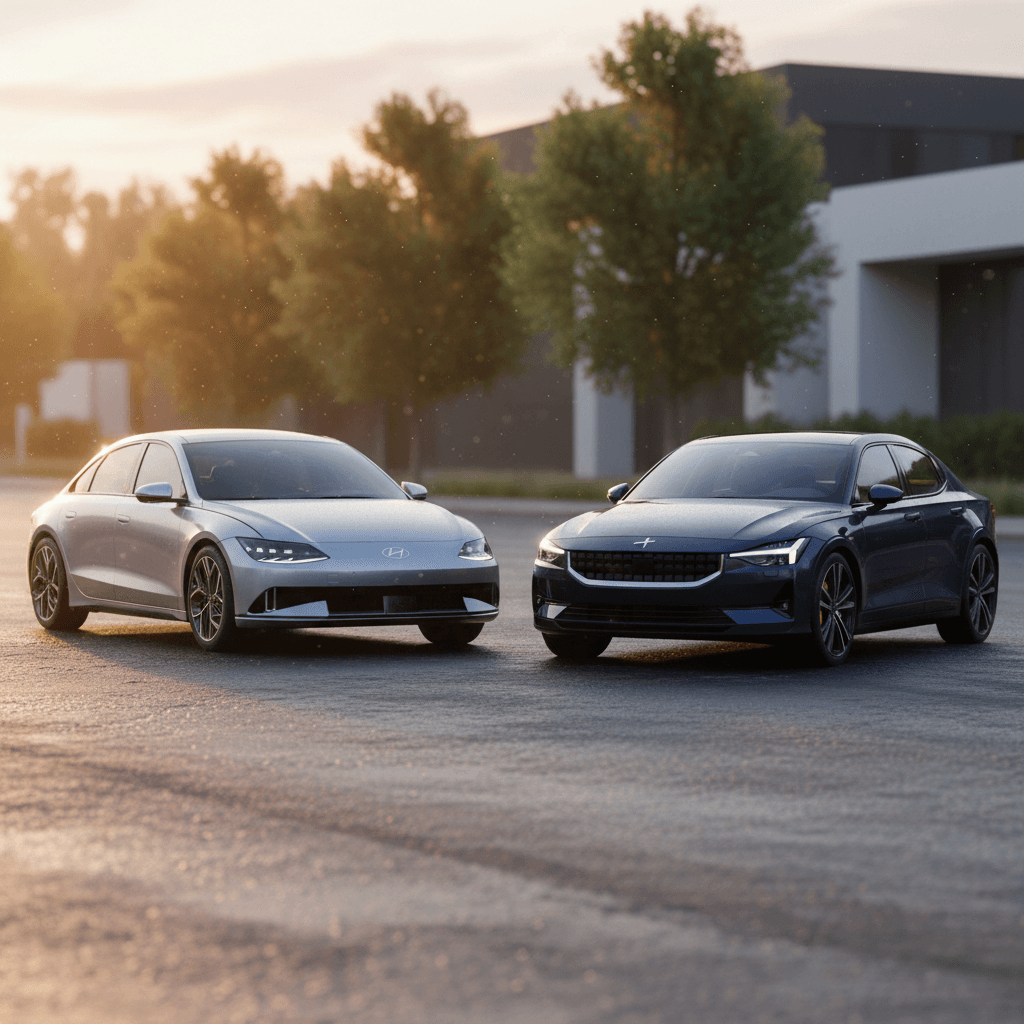
If you’re shopping for a sleek, premium-feeling electric sedan, the Hyundai IONIQ 6 vs Polestar 2 matchup is probably on your short list. Both offer Scandinavian-style minimalism, strong performance, and real highway range, but they prioritize very different strengths. This guide breaks down specs, real-world usability, and ownership costs (especially in the used market) so you can decide which EV actually fits your life.
Two Very Different Takes on the Electric Sedan
Hyundai IONIQ 6 vs Polestar 2: Quick Overview
How These Two EVs Are Positioned
Think of IONIQ 6 as the aero-efficiency specialist and Polestar 2 as the stylish all-rounder
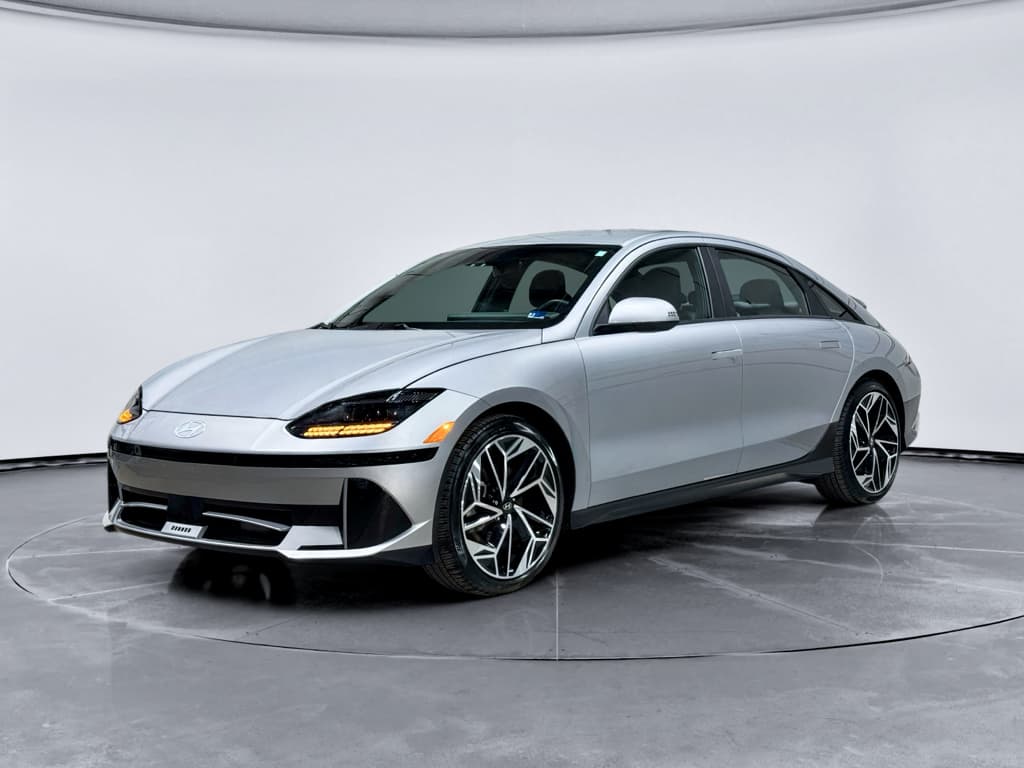
Hyundai IONIQ 6
The IONIQ 6 is a low, streamlined "streamliner" sedan built on Hyundai’s E-GMP platform, the same 800‑volt architecture as the IONIQ 5 and Kia EV6. Its mission is maximum range and ultra-fast DC charging at a relatively approachable price.
- Long-range RWD models can reach up to ~360 miles EPA.
- 10–80% DC fast charge in about 18 minutes under ideal conditions.
- Spacious cabin, especially rear legroom, but a relatively small trunk.
Polestar 2
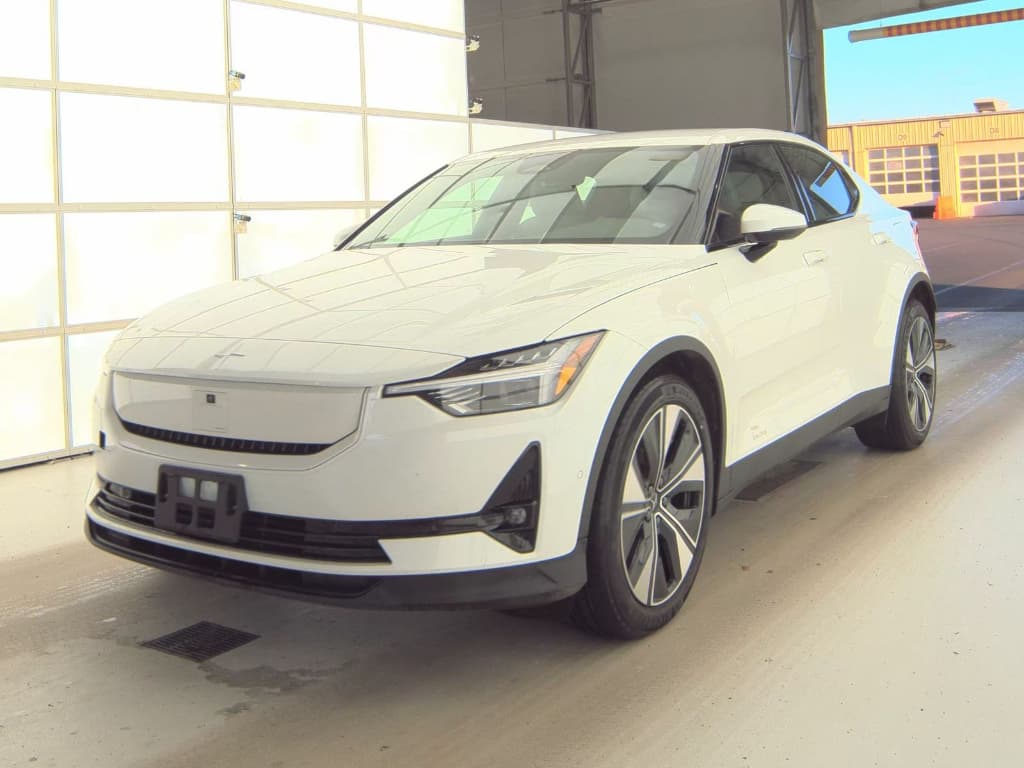
The Polestar 2 is a compact premium fastback with clear Volvo DNA. It brings luxury materials, a sporty feel, and Google-based tech to the party, competing more directly with the Tesla Model 3 and BMW i4.
- Updated powertrains deliver more power and better range than early models.
- Performance Pack versions feel genuinely quick and engaging.
- Cabin and cargo layout are practical but rear seat space is tighter than in the IONIQ 6.
How to Read This Comparison
Key Specs: IONIQ 6 vs Polestar 2 at a Glance
Headline Specs Comparison
Representative U.S.-market configurations. Exact numbers vary by trim, wheel size, and model year.
| Metric | Hyundai IONIQ 6 (U.S.) | Polestar 2 (recent U.S. spec) |
|---|---|---|
| Body style | Midsize 4-door sedan | Compact 5-door fastback |
| Battery capacity (usable) | 53 kWh or 77.4 kWh | ~69 kWh or ~82 kWh (varies by trim) |
| Max EPA range | Up to ~361 miles (RWD, LR, 18" wheels) | Generally ~260–320 miles depending on configuration |
| DC fast charge peak | Up to ~230–240 kW on 800V | Up to ~155–205 kW depending on battery |
| 0–60 mph (quickest trims) | ~4.4 seconds (AWD LR) | Around mid‑4‑second range on Performance-oriented trims |
| Drive layouts | RWD or AWD | RWD or AWD |
| Onboard AC charger | Up to ~10.9 kW | Up to ~11 kW (market dependent) |
Always confirm final specs against the exact model year and trim you’re considering, especially in the used market.
Efficiency Lean vs Power Bias
Range and Efficiency: How Far Can You Really Go?
On paper, the Hyundai IONIQ 6 is the clear range champion. With the larger 77.4 kWh battery, rear‑wheel drive, and 18‑inch wheels, it’s rated for up to about 361 miles of EPA range. Even dual‑motor AWD versions still post competitive numbers in the 270–316 mile ballpark, depending on wheel size. The smaller‑battery Standard Range model comes in closer to 240 miles, aimed at value buyers rather than road‑trippers.
The Polestar 2 has improved its efficiency over time, especially with the 2024 refresh, but it generally can’t match the IONIQ 6’s best figures. Depending on battery and drivetrain, you’re typically looking at roughly 260–320 miles of EPA range in U.S. trims, with single‑motor long‑range versions performing best and AWD or Performance packages shaving that down in exchange for stronger acceleration.
Cold Weather Reality Check
- If you road‑trip frequently on interstates, the IONIQ 6’s extra range buffer is a real asset.
- For mostly urban or suburban commuting under 80–100 miles per day, either car’s range is more than sufficient.
- Bigger wheels and performance tires hurt range on both; if efficiency matters, avoid 20-inch wheels and performance packs.
Charging Performance: 800-Volt Speed vs Solid DC Fast Charging
Charging is where the Hyundai IONIQ 6 pulls off a bit of a party trick. Built on Hyundai’s 800‑volt E‑GMP platform, it can accept up to roughly 230–240 kW on a compatible DC fast charger. Under ideal conditions on a 350 kW unit, Hyundai quotes roughly 18 minutes for a 10–80% charge, and owner tests show that’s not just marketing hype when the battery is warm and the charger is up to spec.
The Polestar 2 uses a more conventional 400‑volt architecture. Peak charge rates vary a bit by battery, but you’re typically in the 150–200 kW range at best, with real‑world 10–80% sessions landing closer to 30–35 minutes on a strong charger. That’s still quick enough for most road trips, but it’s noticeably slower if you’re used to 800‑volt hardware.
Hyundai IONIQ 6 Charging Experience
- Fast DC sessions can be legitimately short, which reduces dwell time and makes multi‑stop days more tolerable.
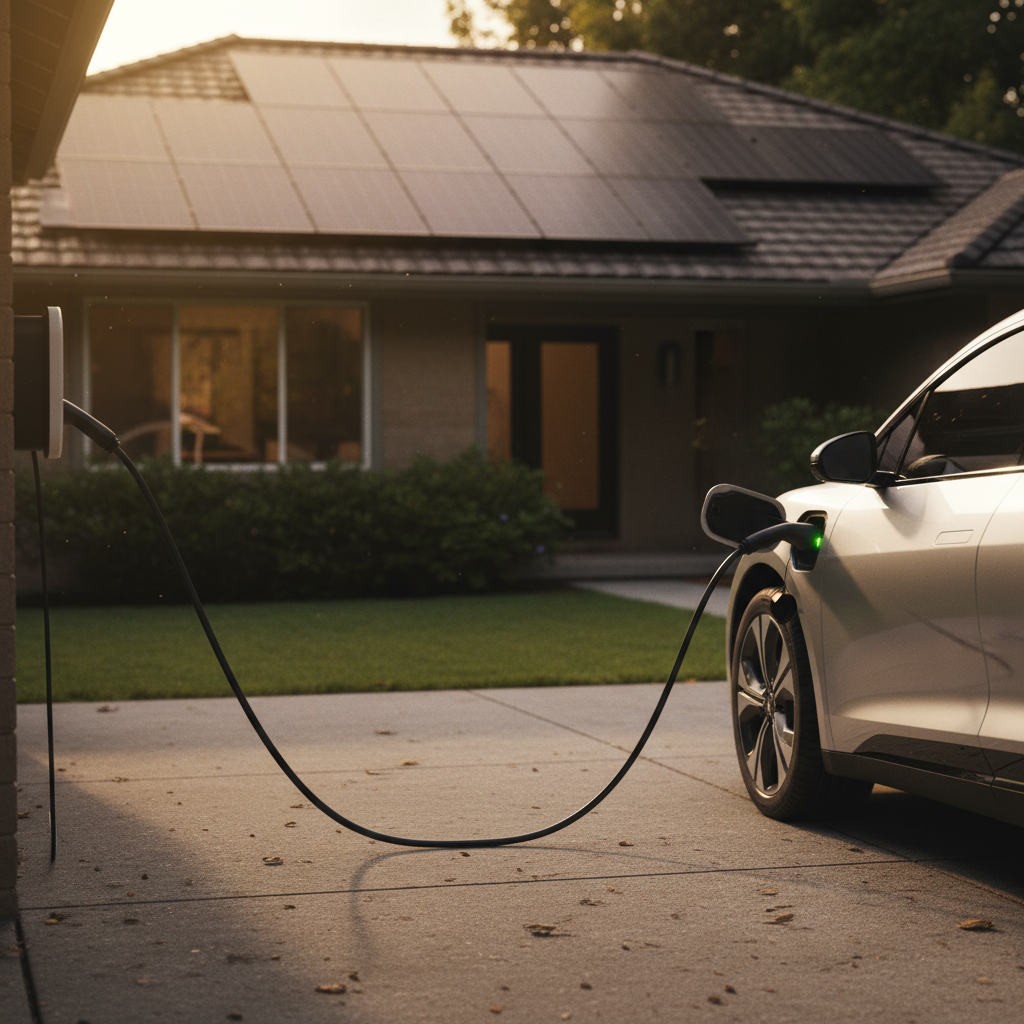
- Includes strong Level 2 capability (around 10.9 kW), so a 240V home charger can refill the big pack overnight.
- Hyundai has frequently bundled Electrify America DC fast‑charging perks and even home charger credits on new purchases, useful if you’re its first owner, and still a nice data point for used shoppers evaluating prior charging behavior.
Polestar 2 Charging Experience
- Perfectly usable for real‑world road trips, but the curve is more conventional, expect half‑hour coffee stops, not 15‑minute sprints.
- Onboard AC charging is competitive, so overnight home charging works well for most daily use.
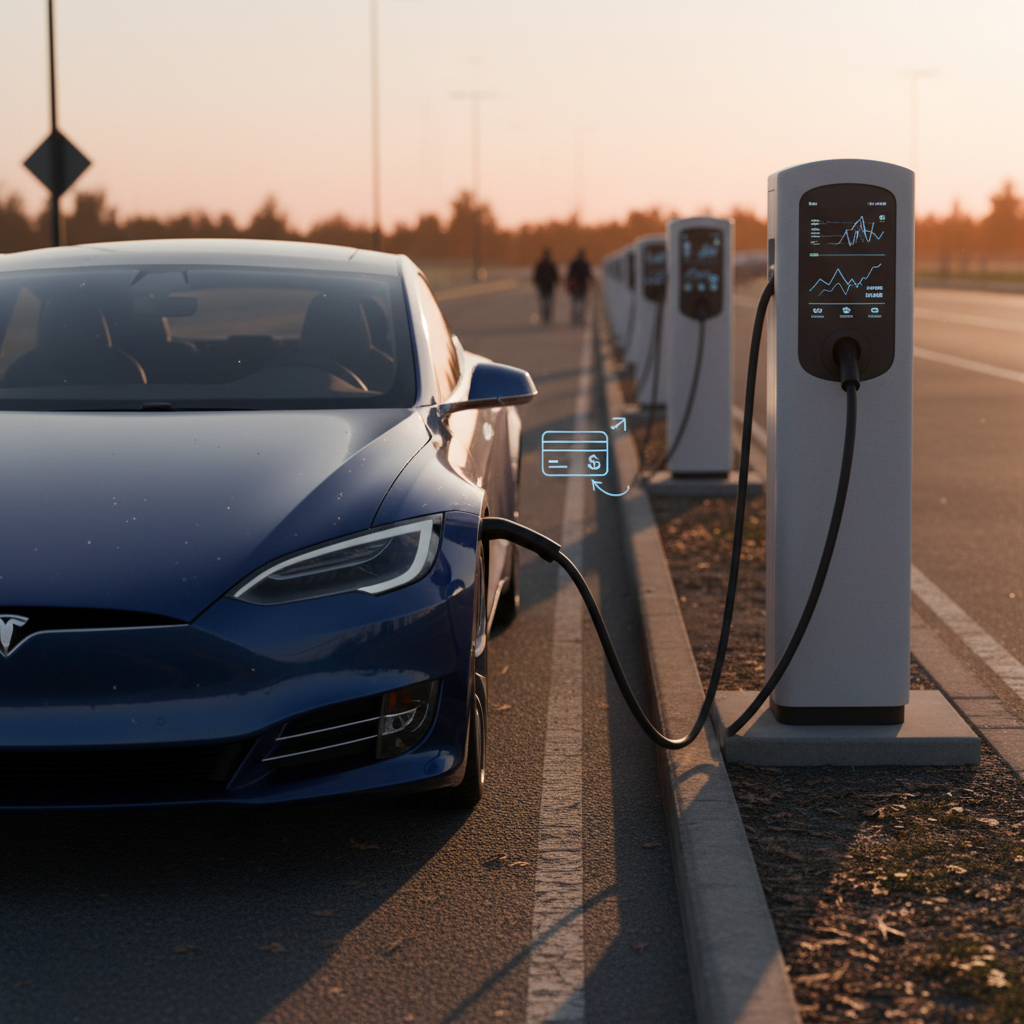
- Polestar owners typically lean on CCS networks like Electrify America, EVgo, and local utilities; Tesla Supercharger access will depend on adapter support and evolving network deals over time.
Plan Around the Chargers You Actually Have
Driving Experience: Comfort Cruiser vs Sporty Fastback
On the road, the IONIQ 6 and Polestar 2 are chasing slightly different buyers. The IONIQ 6 is tuned as a quiet, composed cruiser. Single‑motor RWD versions with the big battery deliver around 225 hp and a 0–60 mph time of about 6 seconds. Dual‑motor AWD trims bump power to roughly 320 hp and can cut that to the mid‑4‑second range, but the chassis still leans comfort rather than sharp‑edged sportiness.
The Polestar 2 is the one that feels more overtly driver‑focused. Even non‑Performance trims are tuned a bit firmer, with more immediate steering and a solid, planted feel. With dual motors and the Performance Pack, power climbs into the 400‑hp neighborhood and 0–60 mph sits in the mid‑4‑second bracket. If you enjoy back roads and a firmer, European-style ride, the Polestar speaks your language more fluently than the Hyundai.
Noise, Ride, and Everyday Comfort
Interior Space and Practicality
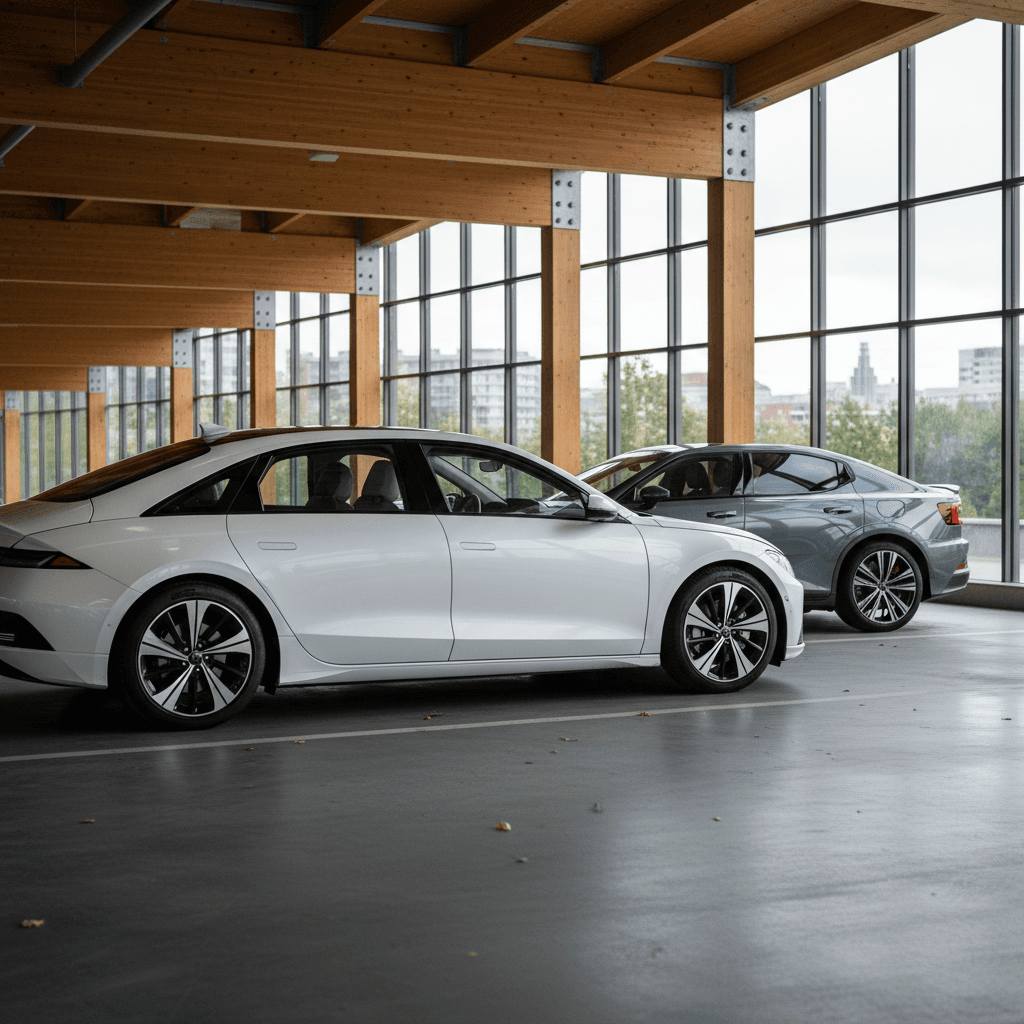
Space and practicality are areas where spec sheets can be misleading. The Hyundai IONIQ 6 is lower than many crossovers but surprisingly roomy inside, especially in the second row. Rear legroom is generous, and the flat floor makes it easier for adults to share the back seat on longer trips. The trade‑off is in the trunk: the sedan layout and aero‑sloped tail mean a relatively modest cargo opening and volume compared with hatchbacks and crossovers.
The Polestar 2 rides on a compact footprint and feels it inside. Front seats are supportive, and material quality, especially with the optional leather packages, is excellent. Rear headroom and legroom, though, are tighter than in the IONIQ 6, making it less ideal if you regularly carry tall passengers. On the plus side, the fastback hatch and split‑fold rear seats create a more versatile cargo area for bulky items, strollers, or pets.
Space and Practicality: What to Check on a Test Drive
1. Sit in the rear seats
Have adults sit behind adults in both cars. If you routinely carry friends, teenagers, or clients, you’ll quickly feel the IONIQ 6’s advantage in legroom.
2. Test your real cargo
Bring a stroller, golf bag, or bike wheel and see how easily it fits. The Polestar 2’s hatch makes life easier if you haul gear often.
3. Check visibility and parking
The IONIQ 6’s sleek roof and thick pillars can make rear visibility trickier. Polestar 2’s higher seating position and hatch glass can feel more conventional.
4. Try entry and exit
If you or passengers have mobility issues, pay attention to seat height and door openings, the lower IONIQ 6 may be less convenient than the more upright Polestar 2.
Infotainment, Tech, and Driver Assistance
Hyundai IONIQ 6: Familiar Interface, Lots of Features
- Dual 12.3‑inch displays create a wide digital cockpit with configurable layouts.
- Hyundai’s software is straightforward if a bit conservative; wireless phone mirroring support varies by model year and trim, but wired Apple CarPlay and Android Auto are common.
- Driver assistance is a strong point: highway assist, adaptive cruise, lane‑centering, blind‑spot camera views, and 360‑degree cameras are widely available.
Polestar 2: Google Native, Minimalist Execution
- Runs Android Automotive OS natively with Google Maps, Assistant, and the Play Store integrated into an 11+‑inch central touchscreen.
- Voice commands and navigation are class‑leading if you live in Google’s ecosystem.
- Advanced driver aids are competitive, though the tuning feels more like a traditional European luxury car than a semi‑autonomous cruiser.
Think About Software Updates Over Time
Ownership Costs, Incentives, and Warranty
Sticker price is only one part of the story. In the U.S., new Hyundai IONIQ 6 models have been priced aggressively, with base SE Standard Range trims starting in the high‑$30,000s and well‑equipped long‑range AWD models landing in the low‑ to mid‑$50,000s. Hyundai often layers on cash incentives or financing deals to stay competitive, especially as federal tax credit rules shift.
The Polestar 2 tends to start higher. Recent model years commonly land several thousand dollars above an equivalent IONIQ 6 in MSRP, especially once you add desirable options like the Pilot or Performance packages. That premium reflects its positioning as a more overtly luxury product, but it’s worth asking yourself how much of that you’ll actually feel in daily use versus the Hyundai.
Warranty and Coverage Snapshot
Both protect their high‑voltage hardware, but Hyundai leans harder into long‑term reassurance.
Hyundai IONIQ 6 Warranty
- Strong limited and powertrain warranties, often around 5 years/60,000 miles basic and 10 years/100,000 miles powertrain in the U.S. (check exact year and state).
- High‑voltage battery coverage generally matches the powertrain warranty for time and miles.
- Hyundai’s warranty reputation is a selling point if you’re keeping the car a long time or buying used while still in the coverage window.
Polestar 2 Warranty
- More in line with other premium brands, solid coverage, but typically shorter powertrain terms than Hyundai.
- High‑voltage battery coverage is competitive, but total years/miles may be lower than Hyundai’s headline numbers.
- If you’re buying used, pay close attention to in‑service date to see how much warranty is left.
Used Buyers: Don’t Ignore Battery Health
Used EV Perspective: Which Is the Smarter Second-Hand Buy?
In the used market, both cars are attractive for different reasons. The IONIQ 6 benefits from Hyundai’s aggressive new pricing and incentives, which often mean steeper early depreciation. For used buyers, that’s a feature, not a bug: you can sometimes pick up a relatively young, low‑mile IONIQ 6 with long warranty coverage remaining at a compelling price compared with new.
The Polestar 2, as a niche premium model with lower sales volume, can be a bit trickier to shop. Used prices don’t always fall as hard as you might expect because supply is thinner, but you may see more variation between individual cars based on options and early‑build vs refreshed hardware. The upside is that a well‑spec’d used Polestar 2 can deliver a lot of luxury feel and performance for significantly less than a new premium EV sedan.
What to Prioritize on a Used IONIQ 6
- Verify which battery and drivetrain you’re getting, range varies a lot between Standard Range and Long Range, RWD and AWD.
- Inspect wheel size: 20‑inch wheels look great but cost range and can make the ride busier.
- Look for documented use of fast‑charging networks; frequent DC fast charging isn’t a deal‑breaker, but it makes a professional battery health check even more important.
What to Prioritize on a Used Polestar 2
- Confirm whether it’s a pre‑refresh or post‑refresh drivetrain; newer cars bring more range and power.
- Check option packages carefully; Pilot, Plus, and Performance packs significantly change value and driving experience.
- Ask about software update history, Polestar leans heavily on over‑the‑air upgrades that can meaningfully change the car over time.
How Recharged Helps
Ready to find your next EV?
Browse VehiclesWho Should Choose IONIQ 6 vs Polestar 2?
Match the Car to the Driver
Both are excellent EVs, but they solve different problems.
Choose Hyundai IONIQ 6 if…
- You value maximum range and ultra‑fast DC charging for road‑trips.
- You want a roomy rear seat for adults or growing kids.
- You prioritize warranty coverage and lower running costs over badge prestige.
- You’re shopping used and want strong value plus remaining factory coverage.
Choose Polestar 2 if…
- You care a lot about design, interior ambiance, and driving feel.
- You prefer a more compact footprint that still offers hatchback practicality.
- You’re deep into the Google ecosystem and want native Maps/Assistant in the dash.
- You’re okay trading some range and charging speed for a more premium experience.
Hyundai IONIQ 6 vs Polestar 2: FAQ
Frequently Asked Questions
Bottom Line: How to Decide Between IONIQ 6 and Polestar 2
Viewed through an analyst’s lens, this comparison is less about which EV is “better” and more about which one is optimized for your specific use case. The Hyundai IONIQ 6 is built to stretch electrons further and spend less time plugged into DC fast chargers, all while delivering strong warranty coverage and attractive pricing, especially on the used market. The Polestar 2 doubles down on design, driving feel, and software polish, pushing into the same emotional space as European luxury sedans.
If you’re a commuter or road‑tripper who values range, efficiency, and warranty above all else, the IONIQ 6 is the rational winner. If you’re willing to trade some of that away for a more premium, characterful experience with a fantastic Google‑native interface, the Polestar 2 makes a compelling emotional choice. Either way, going used with a transparent battery health report, like the Recharged Score included with every EV on Recharged, lets you focus on which car you actually enjoy, not just which spec sheet looks best on paper.