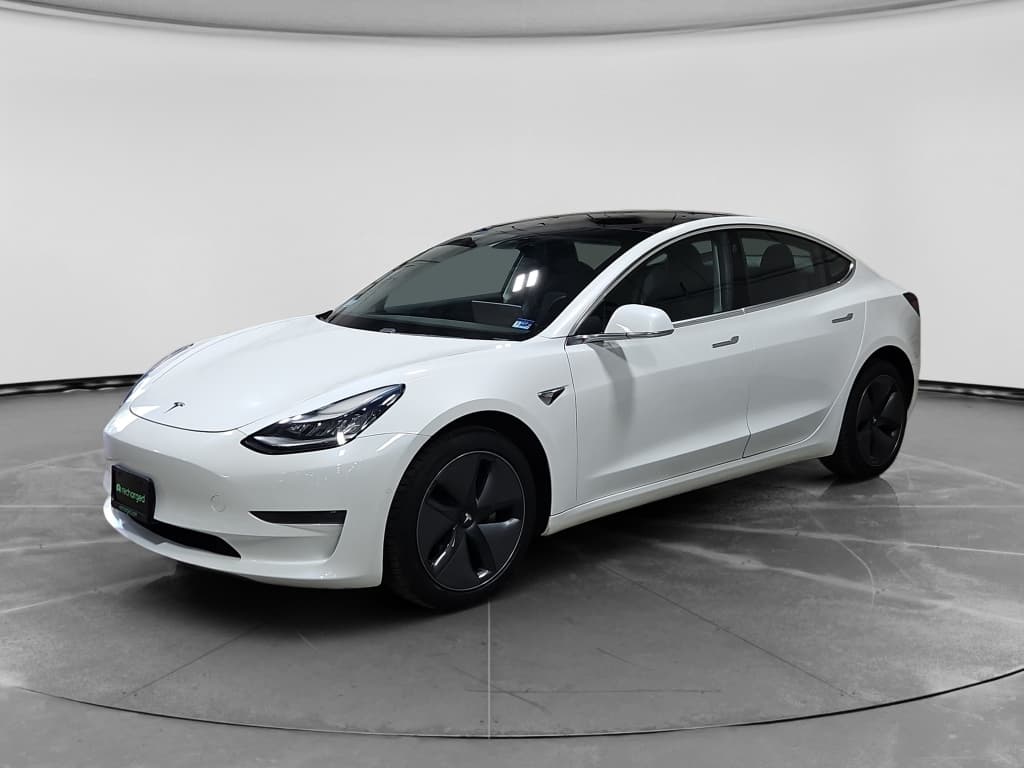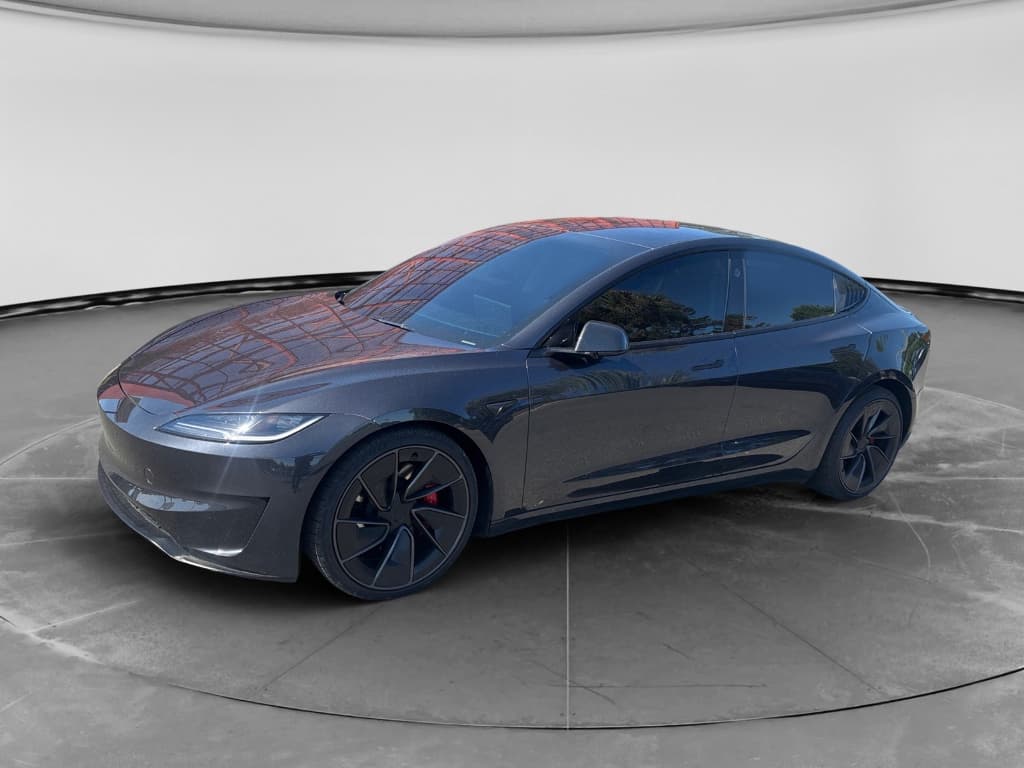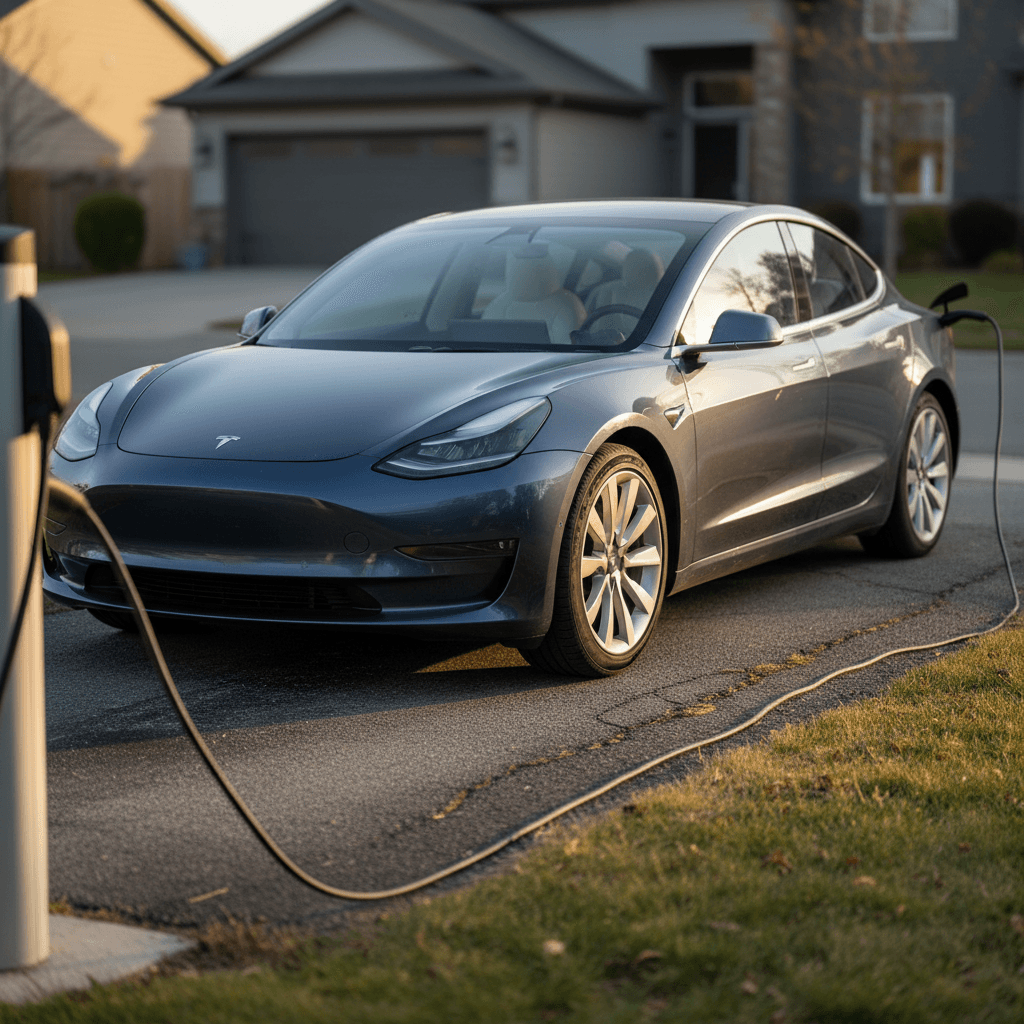
The 2020 Tesla Model 3 is the point where Tesla’s mass‑market sedan really hit its stride: the early teething issues had calmed down, the software was maturing, and the car was busy rewriting resale values. Today, as a used EV, the 2020 Model 3 sits in a sweet, and slightly complicated, spot: brilliant to drive, cheap to run, but with real questions around build quality, recalls, and long‑term support.
Snapshot Verdict
Overview: What Makes the 2020 Model 3 Special?
When the 2020 cars rolled off the line, the Tesla Model 3 was already the default EV choice for a certain kind of driver: tech‑first, brand‑ambivalent, willing to beta‑test the future in real time. By then, range was competitive, Superchargers were everywhere, and the car had become a familiar sight in suburbs and startup parking lots.
- Compact sport sedan footprint with big‑car efficiency
- Standard over‑the‑air updates that continue to add features and refine driving behavior
- Access to Tesla’s Supercharger network (with some regional and pricing caveats)
- High crash‑test scores and strong active‑safety tech for the time
- A used price that, in 2026, undercuts many new gas sedans while delivering far lower running costs
Who the 2020 Model 3 Fits Best
2020 Tesla Model 3 Key Specs & Trims
Tesla’s trim structure in 2020 was, in true Tesla fashion, a moving target. But broadly, U.S. buyers saw three main flavors: Standard Range Plus (RWD), Long Range (dual‑motor AWD), and Performance (dual‑motor AWD with spicier hardware and software).
2020 Model 3 Trims, Performance & Range (Approximate U.S. EPA)
Key specs for the most common 2020 Tesla Model 3 variants. Exact numbers vary slightly by wheel size and software version.
| Trim | Drivetrain | EPA Range (mi) | 0–60 mph (sec)* | Charge Port | Notable Equipment | ||||||
|---|---|---|---|---|---|---|---|---|---|---|---|
| Standard Range Plus | RWD | ~250 | ≈5.3 | Type 2 / CCS (EU), proprietary Tesla plug (NACS) in U.S. | Partial Premium Interior, 18" wheels, basic Autopilot | ||||||
| Long Range | Dual‑motor AWD | ~322 | ≈4.4 | Tesla (NACS) U.S. | Premium Interior, 18" or 19" wheels, longer range, better audio | Performance | Dual‑motor AWD | ~299 | ≈3.2 | Tesla (NACS) U.S. | Lowered suspension, 20" wheels, bigger brakes, Track Mode, carbon spoiler |
Always confirm exact range and performance based on VIN and wheel/tire configuration.
Specs Shift With Software
Why the 2020 Model 3 Still Matters
Driving & Performance: Still the Benchmark
Even in a world now thick with capable EVs, the 2020 Model 3 still drives like the future you were promised. It is light on its feet for an electric car, with a low center of gravity and steering that feels more like a sports sedan than a science project.
On‑Road Character of the 2020 Model 3
How it feels from behind the wheel, trim by trim.
Standard Range Plus
Rear‑wheel drive keeps the steering clean and the handling playful. 0–60 mph in the low‑5‑second range is more than enough to dust most commuter traffic.
Ride quality on 18" wheels is firm but not abusive; on broken pavement it can feel busy, but never sloppy.
Long Range AWD
The dual‑motor setup gives you instant, all‑weather traction and sub‑5‑second launches without the drama. It feels mature, planted, and secure at highway speeds.
This is the sweet‑spot trim if you like spirited driving but don’t need track‑day bragging rights.
Performance
The Performance trim is a small family car with supercar reflexes: roughly 3.2 seconds to 60 mph and aggressive throttle response.
On 20" wheels the ride stiffens noticeably, and tire wear becomes a hobby, not a cost.
Wheel Choice Matters
Real-World Range, Efficiency & Charging
On paper, the 2020 Tesla Model 3 is an efficiency champ. In the real world, it largely delivers, as long as you respect physics and weather. Owners routinely see 3.5–4.0 mi/kWh in mixed driving in moderate climates, with Standard Range Plus and Long Range trims particularly frugal.
What Range Feels Like Day to Day
- Standard Range Plus: Feels comfortable for 150–190 miles of mixed driving before you start looking for a plug.
- Long Range: Real‑world 220–260 miles between charges for most commuters, more on highway‑light use.
- Performance: Similar to Long Range when driven gently, but it invites you not to drive gently.
Cold weather, high speeds, and frequent DC fast‑charging will all chip away at those numbers, sometimes dramatically.
Charging Experience
- Home Level 2: On a 240V, 40‑amp circuit, expect roughly 30–36 miles of range added per hour.
- Supercharging: V3 stations can push up to 250 kW into a low‑state‑of‑charge battery, though typical peaks are lower and taper quickly.
- Public CCS/adapters: Depending on region and hardware, you may rely primarily on the Supercharger network, which remains the 2020 Model 3’s trump card on road trips.
Battery Health on a 2020
Interior, Tech & Comfort
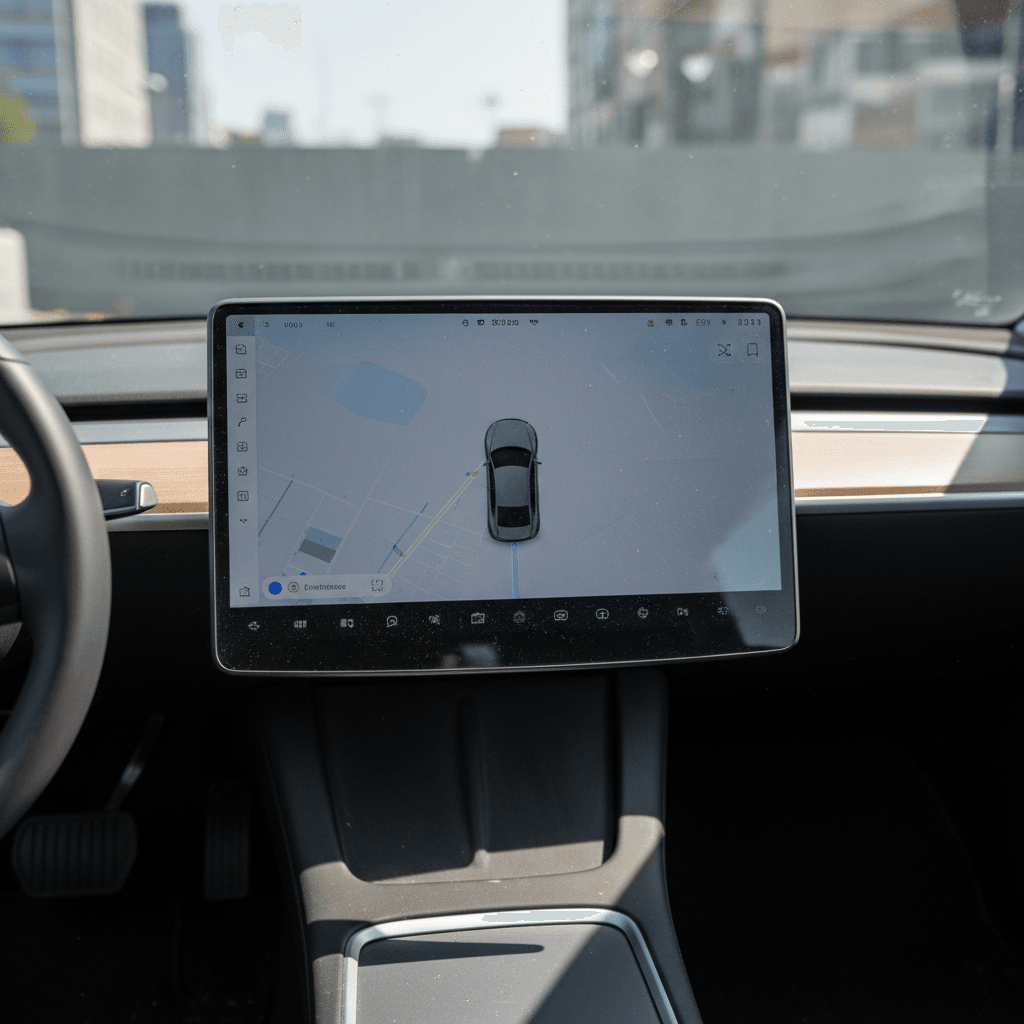
Open the door of a 2020 Model 3 and you don’t so much sit in a car as log into a device. The interior is famously minimalist: a single 15‑inch touchscreen, an uninterrupted dash with a strip of wood or trim, and almost no physical buttons. If you’re used to German switchgear, it can feel like someone forgot to finish the cabin, but the simplicity grows on many owners.
2020 Model 3 Interior & Tech Highlights
What works well, and what might annoy you.
Tech Positives
- 15-inch touchscreen handles navigation, climate, media, and vehicle settings with snappy responses.
- Over-the-air (OTA) updates add features, fix bugs, and occasionally improve range or acceleration.
- Premium audio (on Long Range/Performance) is genuinely excellent, rivaling many luxury cars.
- App integration allows you to precondition the cabin, check charge status, and use your phone as a key.
Daily‑Use Frustrations
- No instrument cluster in front of the driver; all information lives on the central screen.
- Touchscreen dependency for simple tasks like adjusting vents or opening the glovebox.
- Variable build quality: panel gaps, seals, and interior rattles are more common than in many rivals.
- Rear seat comfort is adequate but not generous for tall adults, especially on long trips.
Cargo & Practicality Win
Safety Ratings & Driver Assistance
Safety is a major part of the 2020 Model 3 story. It earned Top Safety Pick+ honors from the IIHS for that model year, with “Good” scores in most crash categories and strong marks for its automatic emergency braking and LED headlights. NHTSA crash tests also gave the car a 5‑star overall rating, with especially low rollover risk thanks to its low‑slung battery pack.
- Standard Automatic Emergency Braking and forward collision warning
- Standard lane‑keeping assistance and adaptive cruise (Autopilot) on most 2020 builds
- Optional "Full Self‑Driving" (FSD) package which, despite the name, still requires full driver attention
- Strong LED headlights with automatic high beams on many trims
- Solid child‑seat anchor (LATCH) scores, though access can be tight in some positions
About Autopilot & FSD
Reliability & Common 2020 Model 3 Issues
If the driving experience and efficiency are the Model 3’s halo, reliability is the little devil whispering on the other shoulder. Owner surveys and third‑party data paint the 2020 Model 3 as below‑average for reliability, dragged down by a swarm of minor but irritating issues, plus a blizzard of recalls handled mostly via software.
Common 2020 Model 3 Trouble Spots
Not every car will have these issues, but these are the patterns to watch for.
Water & Weather Sealing
Reports of trunk and tail‑light moisture, door seals whistling at highway speeds, and occasional water ingress in heavy rain. Inspect seals and carpets carefully.
Suspension & Steering Noises
Owners have noted clunks, squeaks, and premature wear in suspension bushings and links. Not dangerous if addressed, but can be expensive out of warranty.
Charging & Electronics
Occasional failures of charge ports, onboard chargers, or software glitches that prevent charging. Many are fixed via software, but some require hardware replacement.
Battery & Motor Durability
The good news: catastrophic battery or drive‑unit failures appear relatively rare. Most 2020 Model 3 packs are aging gracefully, especially when owners avoid frequent 100% DC fast‑charges and store the car at moderate states of charge.
Tesla’s battery and drive‑unit warranty (typically 8 years with a mileage limit and a minimum retention of 70% capacity) still covers many 2020 cars as of 2026, depending on in‑service date and miles.
Service Experience
Tesla’s direct service model can be a double‑edged sword. Mobile service is convenient when it works, but service appointments can be booked out weeks in some regions, and communication can feel app‑centric and impersonal.
When buying used, it’s smart to review the car’s service history and any open recalls, and to factor in potential downtime if an issue crops up.
20 Recalls and Counting
Used Prices, Depreciation & Value in 2026
Tesla resale values have been on a roller coaster: after years of sky‑high used prices, the market cooled as new‑car prices dropped and EV competition ramped up. More recently, volatility around incentives and Tesla’s own pricing has pushed values around again.
Typical 2026 U.S. Used Price Ranges for 2020 Model 3
Approximate asking‑price ranges as of early 2026. Actual prices vary by mileage, condition, trim, and region.
| Trim | Typical Mileage | Rough Price Range (USD) | Notes |
|---|---|---|---|
| Standard Range Plus | 40k–80k mi | $19,000–$24,000 | Best entry point; verify range and prior fast‑charging use. |
| Long Range AWD | 50k–90k mi | $22,000–$28,000 | Strong blend of range, performance and value; high demand. |
| Performance | 40k–80k mi | $26,000–$32,000 | Fastest but can be more worn: check tires, brakes, and wheels. |
Use these as ballparks; a well‑documented car with strong battery health justifies a premium.
Where Recharged Fits In
2020 Model 3 vs. Newer EVs & Other Used Options
By 2026, the 2020 Model 3 faces serious competition from newer EVs and refreshed Model 3 variants. Yet it still punches above its age in core metrics: efficiency, performance, and charging convenience.
Vs. Newer Model 3
- Newer cars offer updated styling, revised interiors, and sometimes more refined suspensions.
- Software feature‑parity is surprisingly close: many 2020 cars run similar infotainment and Autopilot code.
- The main difference is warranty status and subtle quality improvements, not a night‑and‑day driving experience.
Vs. Other Used Teslas
- Compared with Model S/X of similar price, the 2020 Model 3 is usually newer with fewer miles and lower running costs.
- The Model Y adds practicality and ride height but usually costs more on the used market.
Vs. Non‑Tesla EVs
- Hyundai, Kia, and GM rivals may offer better traditional build quality and dealer networks.
- But the 2020 Model 3 typically wins on efficiency, fast‑charging ease (Superchargers), and driving feel.
- If you road‑trip often, the Supercharger edge is hard to ignore.
Who Should Skip It
What to Check Before You Buy a 2020 Model 3
Pre‑Purchase Checklist for a 2020 Model 3
1. Verify Battery Health & DC Fast‑Charge History
Use a professional battery‑health diagnostic (such as the Recharged Score) to see usable capacity and any imbalance between modules. Ask how often the car has been Supercharged and whether it was routinely charged to 100%.
2. Inspect Exterior Fit, Seals & Glass
Look closely at panel gaps, door and trunk seals, and all glass edges for chips or stress cracks. Spray water over the car or visit a touchless wash to watch for leaks in the trunk and around the tail lights.
3. Check Suspension & Steering for Noises
On a test drive, navigate rough roads and low‑speed turns. Listen for clunks, squeaks, or knocks that could indicate worn bushings or links, common on higher‑mileage cars.
4. Test All Charging Methods
Confirm that the car charges reliably at Level 2 and, if possible, at a DC fast charger or Supercharger. Watch for error messages in the app or on the screen.
5. Review Software, Autopilot & FSD Status
Check which software version the car is on, whether basic Autopilot or FSD is enabled, and confirm that the hardware (cameras, radar) matches Tesla’s current support matrix. Don’t overpay for FSD; treat it as a nice‑to‑have.
6. Confirm Recall & Service History
Ask for a service printout or screenshot from the Tesla app showing past work and open recalls. A car maintained and updated regularly is a safer bet than a lightly used but neglected garage queen.
How Recharged Helps
Ready to find your next EV?
Browse Vehicles2020 Tesla Model 3 FAQ
Frequently Asked Questions About the 2020 Tesla Model 3
Bottom Line: Should You Buy a 2020 Model 3?
Viewed from 2026, the 2020 Tesla Model 3 is a bit like a used iPhone from the year the camera got good: the right mix of maturity and modernity. It’s no longer novel, but it still feels current in a way many newer cars don’t. The driving experience is sharp, the efficiency exemplary, and the charging ecosystem remains a genuine advantage.
The trade‑offs are real: build‑quality lottery tickets, a crowded recall history, and a service model that can test your patience. But if you go in clear‑eyed, armed with a battery‑health report, a careful inspection, and realistic expectations for range and warranty, the 2020 Model 3 can be an outstanding used‑EV purchase.
If you’re ready to explore real cars instead of spec sheets, you can browse certified used 2020 Model 3s on Recharged, compare Recharged Scores, and get EV‑specialist guidance on financing, trade‑in, and nationwide delivery. In a market crowded with electric promises, the right 2020 Model 3 remains one of the few that still over‑delivers where it counts: on the road.