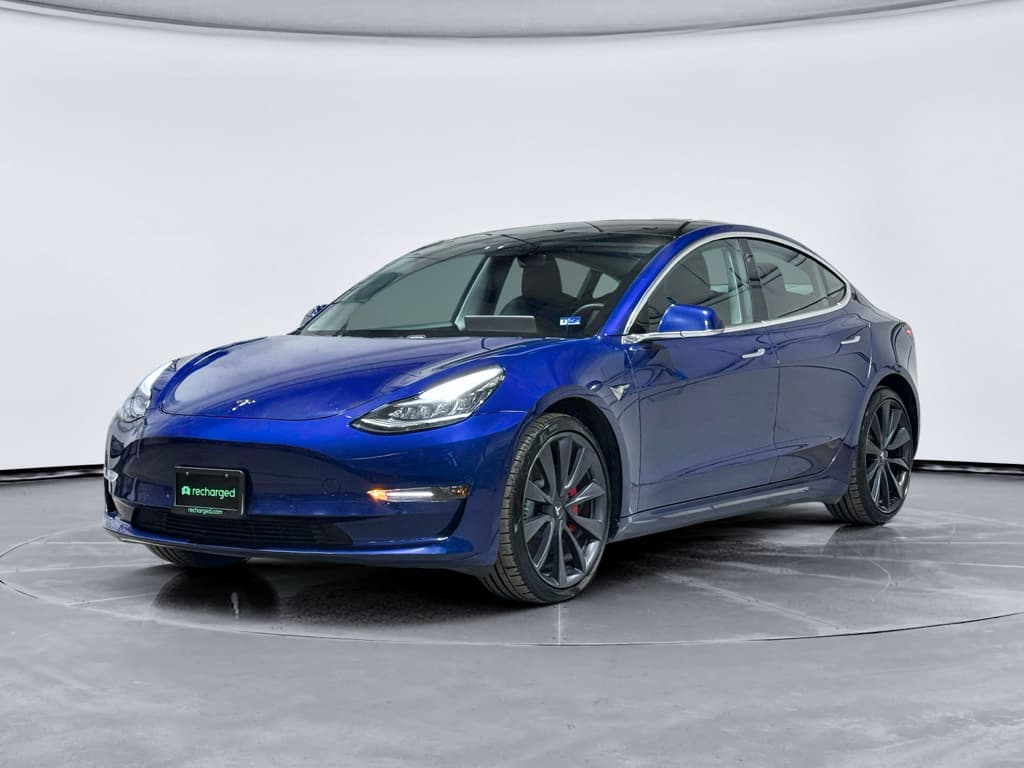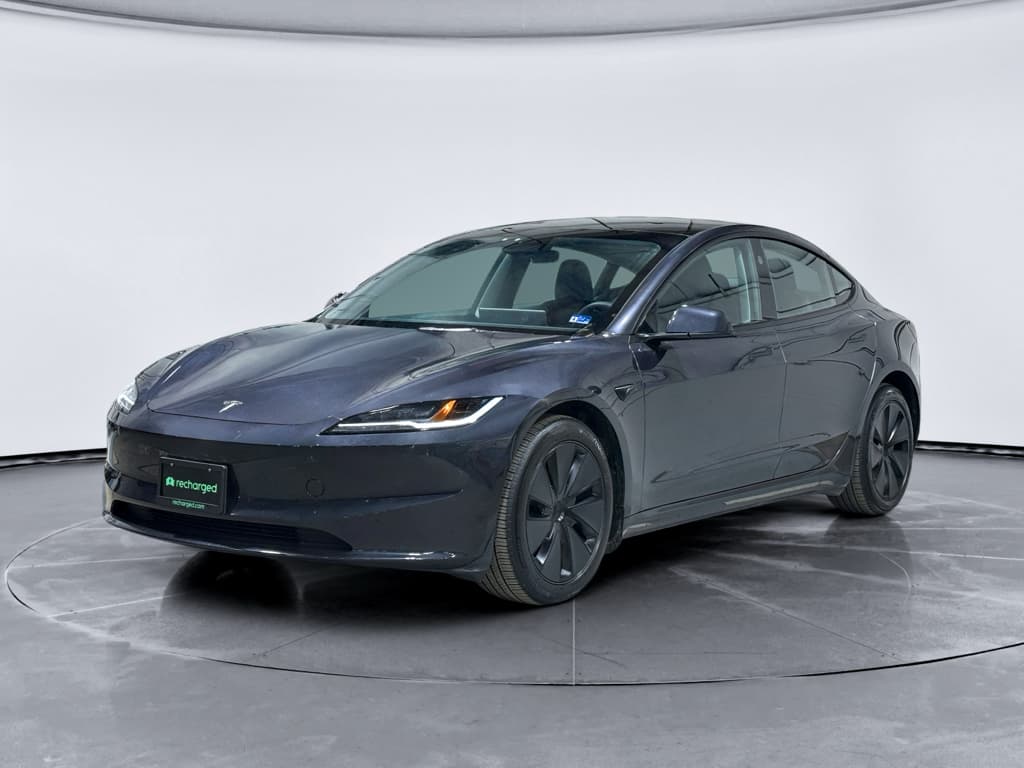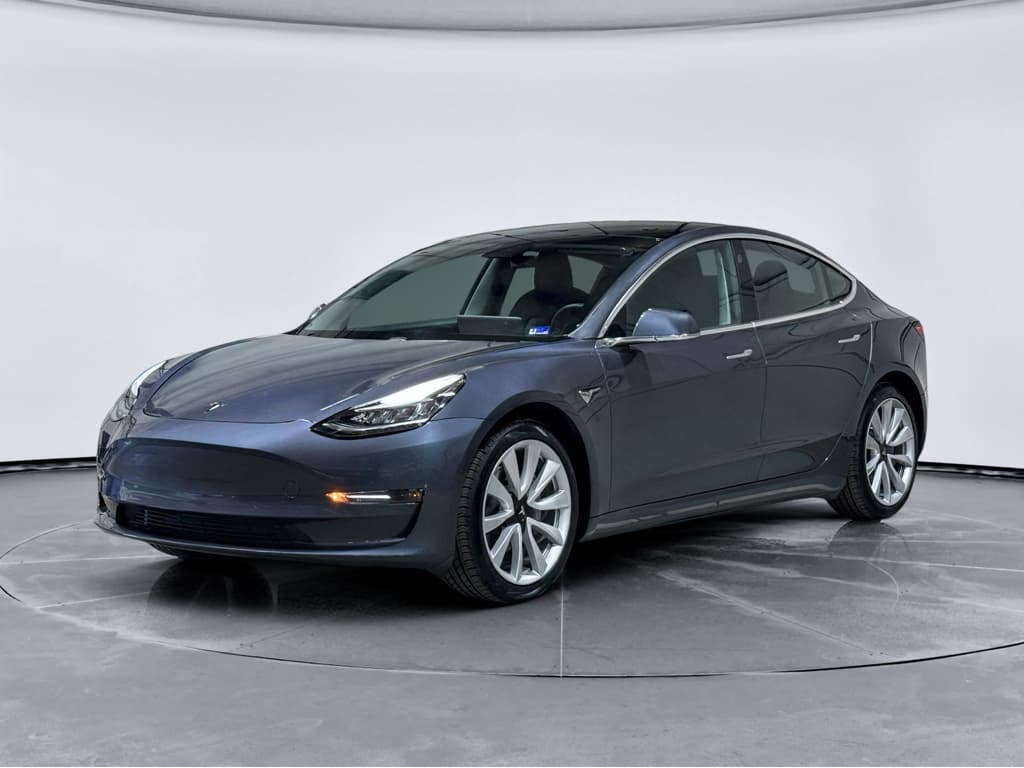
If you’re shopping for a used EV, the 2020 Tesla Model 3 is probably at the top of your list. It’s quick, efficient, and still looks modern. But reliability on a five‑ or six‑year‑old Tesla is where dreams and reality collide. The 2020 Tesla Model 3’s reliability is a story of two cars: a rock‑solid electric drivetrain wrapped in a body that can squeak, rattle, and occasionally throw an error message just to keep you humble.
Snapshot: 2020 Model 3 in 2026
2020 Tesla Model 3 reliability at a glance
Key reliability signals for the 2020 Model 3
Put simply, the 2020 Model 3 is **mechanically robust but not trouble‑free**. The battery, motors, and core EV bits age well. The trouble spots are usually things you can see or touch: suspension components, trim, glass, electronics, and the endless software tweaks that arrive overnight while you sleep.
How reliable is the 2020 Tesla Model 3 today?
Reliability is never one number; it’s a mix of **how often things go wrong**, **how serious they are**, and **how painful they are to fix**. By 2026, the 2020 Tesla Model 3 has earned a split verdict:
Where the 2020 Model 3 shines (and where it doesn’t)
Understanding the pattern helps you buy the right car, not just the right badge.
Strengths
- Drivetrain durability: Very few reports of motor or inverter failures compared with legacy ICE engines or transmissions.
- Battery health: Most owners see modest degradation in the first 5–6 years, often still well above 80% of original range.
- Brake longevity: Regenerative braking dramatically reduces pad and rotor wear.
- Rust resistance: Body and underbody corrosion are rarely a problem compared with many gas cars.
Weak spots
- Build quality: Panel alignment, paint quality, and squeaks/rattles remain common complaints.
- Electronics gremlins: Infotainment glitches, sensors, climate fan failures, and phantom warnings are not rare.
- Suspension wear: Some owners report premature wear of control arms or front suspension components.
- Service friction: Limited service centers and long lead times in some regions can turn a small issue into a big headache.
How to read the mixed reviews
Common 2020 Model 3 problems owners report
Owner surveys and forums paint a consistent picture of the 2020 Tesla Model 3: **few catastrophic failures**, frequent small annoyances. Here are the trouble spots you should specifically ask about or inspect.
Frequent issues on 2020 Tesla Model 3s
Not every 2020 Model 3 will have these problems, but they’re common enough that you should look for them when shopping used.
| System / Area | Typical Symptom | Severity | What it Means for You |
|---|---|---|---|
| Suspension & steering | Front suspension clunking, knocking over bumps, premature control‑arm or link wear | Medium | Annoying noises and vague steering feel; out‑of‑warranty repair can run into the low thousands. |
| Body & trim | Wind noise, rattles, loose interior trim, minor water leaks around glass or seals | Low–Medium | Mostly comfort issues, but water leaks can lead to mold or electronics problems if not fixed. |
| Paint & exterior | Thin paint, chips, or clear‑coat issues more obvious than on some rivals | Low–Medium | Cosmetic, but can affect resale and may need touch‑up or PPF if you’re picky. |
| In‑car electronics | Glitches with the center screen, cameras, sensors, Bluetooth or audio quirks | Low–Medium | Often fixed with software updates or reboots, but out‑of‑warranty hardware replacements can be pricey. |
| Climate system | Cabin fan failure, weak A/C, noisy blower | Medium | Comfort and safety concern in extreme temperatures; may require fan or HVAC component replacement. |
| Weather seals & glass | Squeaks, creaks, or occasional leaks around doors, trunk, or glass roof | Low–Medium | Can usually be corrected with new seals, adjustments, or better alignment. |
Use this as a checklist when reviewing service histories or a pre‑purchase inspection.
Don’t ignore noises and vibrations
2020 Model 3 battery life, degradation & warranty
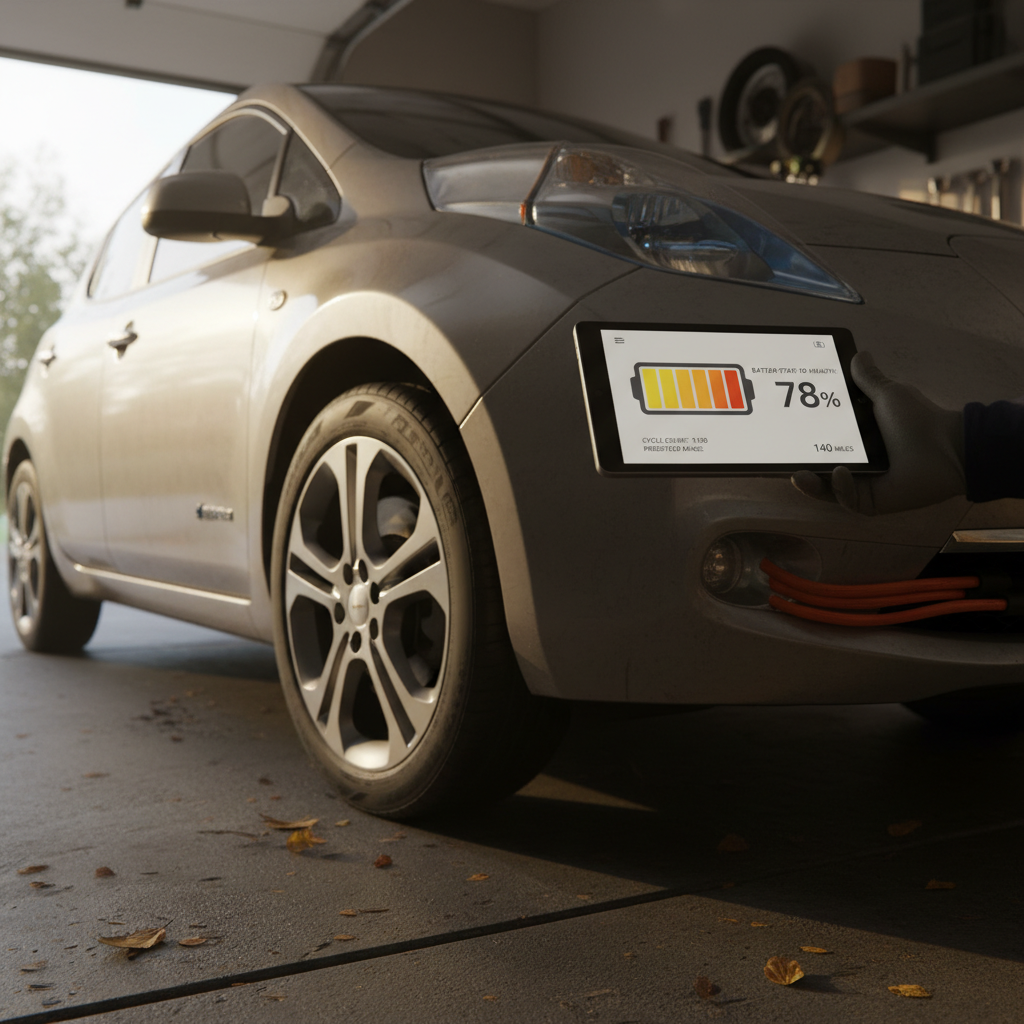
For any used EV, the question behind all your other questions is: **how’s the battery?** With the 2020 Tesla Model 3, the answer is generally “quite good,” especially compared with early‑generation EVs.
- Most 2020 Model 3 owners report modest range loss after several years, often in the ballpark of 5–15% depending on use, climate, and charging habits.
- Long‑range and Performance trims started with EPA ranges around 299–322 miles. Even with some degradation, many real‑world cars still comfortably clear 230–260 miles on a full charge.
- Daily driving on home Level 2 charging is easy on the pack; repeated DC fast‑charging and frequent 100% charges tend to accelerate wear.
Tesla’s official battery warranty on 2020 Model 3
- Standard / RWD trims: 8 years or 100,000 miles (whichever comes first).
- Long Range & Performance: 8 years or 120,000 miles (whichever comes first).
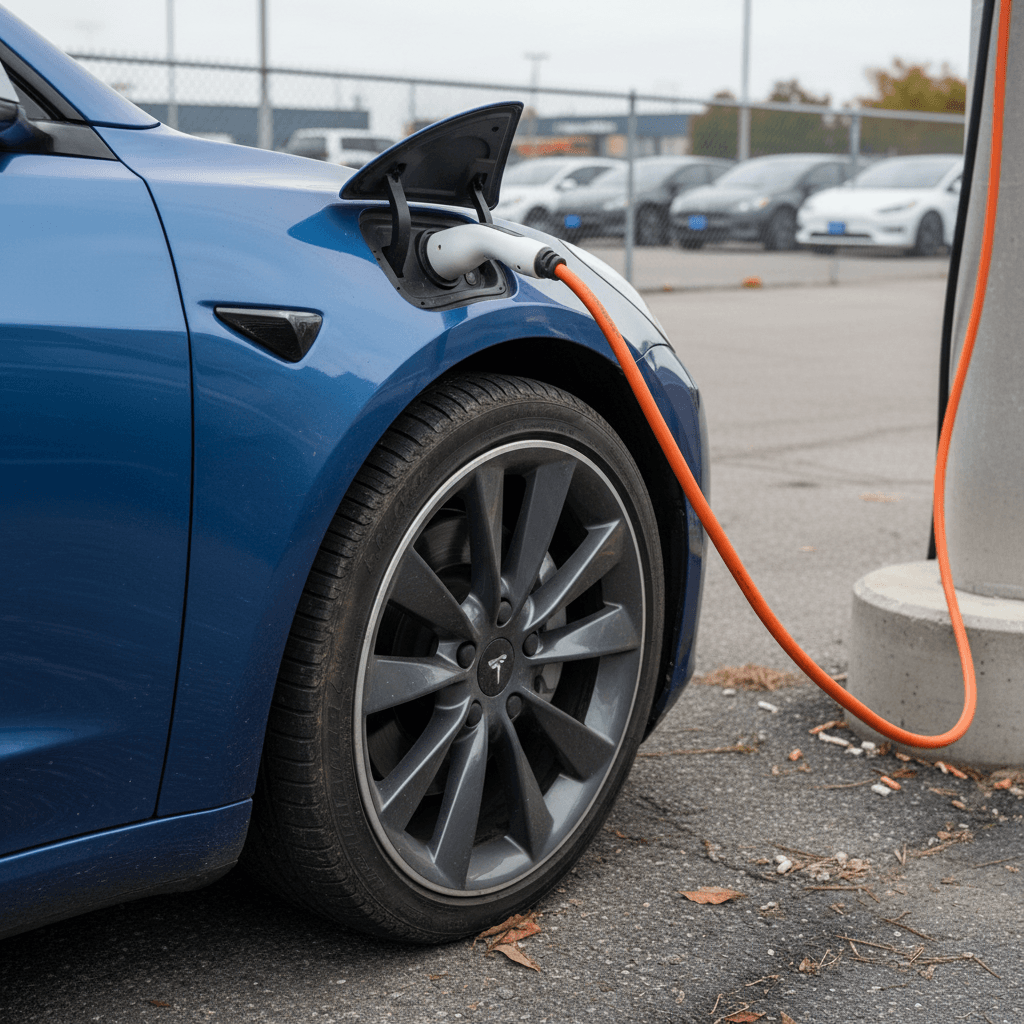
Unlike gas cars, a “tired” battery doesn’t usually strand you; it just shrinks your world. A 300‑mile car that’s quietly become a 210‑mile car changes how far you’ll road‑trip and how often you’ll hunt for fast chargers.
How Recharged measures battery health
Recalls, software updates & what they really mean
If you look up the 2020 Tesla Model 3 on a recall site, the sheer number of campaigns can be intimidating. You’ll see recalls for Autopilot behavior, warning‑light font sizes, seat‑belt anchorage, trunk harnesses, and more. On paper, the car looks like it’s constantly in the doghouse.
Why so many recalls?
- Software‑heavy car: Many recalls are essentially software updates pushed over the air, not physical failures.
- Regulators catching up: Autopilot and driver‑assist behavior have been under intense scrutiny, leading to multiple campaigns that change how the features operate.
- Platform sharing: Some recalls apply to a huge range of Tesla models and years, so the 2020 Model 3 gets pulled into wide‑net fixes.
What you should actually worry about
- Unresolved safety‑critical recalls: Anything involving steering, brakes, seat belts, or power loss needs to be completed before you buy.
- Physical rather than software fixes: Harness replacements, hardware swaps, or structural inspections are more significant than a user‑interface tweak.
- Owner follow‑through: A recall only helps if the prior owner actually completed it. Always verify with Tesla’s app or service history.
Always run a VIN recall check
Repair costs & total cost of ownership
One of the 2020 Model 3’s paradoxes is that it can be both **cheap to run** and **expensive to fix**. Electricity and minimal routine maintenance keep operating costs low, but when something outside the basic service menu breaks, you’re dealing with Tesla‑level labor rates and parts pricing.
Where 2020 Model 3 ownership saves you money (and where it doesn’t)
Think in decades, not months, and the pattern becomes clear.
Lower routine costs
- No oil changes, spark plugs, or timing belts.
- Brake wear is minimal thanks to regeneration.
- Fewer moving parts than a gas drivetrain.
Energy vs fuel
- Home charging typically undercuts gasoline on a per‑mile basis, especially with off‑peak rates.
- Public fast charging can approach gas‑car fuel costs, but not having to visit a station daily is its own reward.
Big‑ticket surprises
- Out‑of‑warranty suspension and electronics repairs can add up quickly.
- Cosmetic fixes (paint, glass, trim) are often pricier than on mainstream gas sedans.
- Accident repairs through Tesla‑approved body shops tend to be expensive and slow.
Why a clean history matters more than the badge
How to inspect a used 2020 Tesla Model 3
Tesla doesn’t make it easy for independent shops to talk to the car at the same depth as a dealer, so you need to be smart and systematic during your inspection. Here’s a practical checklist tailored to 2020 Model 3 reliability quirks.
2020 Tesla Model 3 reliability inspection checklist
1. Check battery health and range
Compare the displayed full‑charge rated range with the car’s original EPA range. Ask for any battery‑health reports. A Recharged Score Report gives you third‑party diagnostics instead of guesswork.
2. Review software version & feature set
Confirm the car is on recent software and that major driver‑assist recalls have been applied. Make sure features like Autopilot or Full Self‑Driving (if equipped) behave as expected on a test drive.
3. Listen for suspension and steering noises
On a rough road and over speed bumps, listen for clunks, knocks, or creaks from the front end. Any persistent noise deserves a professional look before you commit.
4. Inspect paint, glass, and panel alignment
Walk around the car in good light. Look for mismatched paint, uneven panel gaps, or poorly aligned doors and trunk, which can hint at accident repairs or sloppy factory build.
5. Test every door, window, and trunk
Open and close every door, trunk, and frunk. Check windows for smooth operation and listen for wind noise on the highway, which can point to seal issues.
6. Stress‑test the electronics
Play with the touchscreen, climate control, audio, Bluetooth, cameras, and parking sensors. Reboot the system once to check for weird behavior, then make sure everything reconnects correctly.
7. Pull service and recall history
Ask for Tesla service invoices and verify recall completion in the Tesla app or website using the VIN. Gaps in the record are not a deal‑breaker, but unexplained repairs or repeated visits deserve questions.
8. Confirm charging behavior
Charge the car on AC if possible and confirm it starts and stops charging cleanly. If the seller has DC fast‑charge history, ask whether the car regularly charged to 100% on fast chargers, which can accelerate degradation.
Leverage a specialist, not a generalist
How Recharged reduces reliability risk
With a mainstream used‑car lot, you’re often buying a story: “One‑owner, well maintained, drives great!” With a 2020 Tesla Model 3, that isn’t good enough. You need **data**, on the battery, on the software, and on how the car was really used.
Buying a 2020 Model 3 through Recharged
What we do differently from a typical used‑car dealer.
Verified battery & drivetrain health
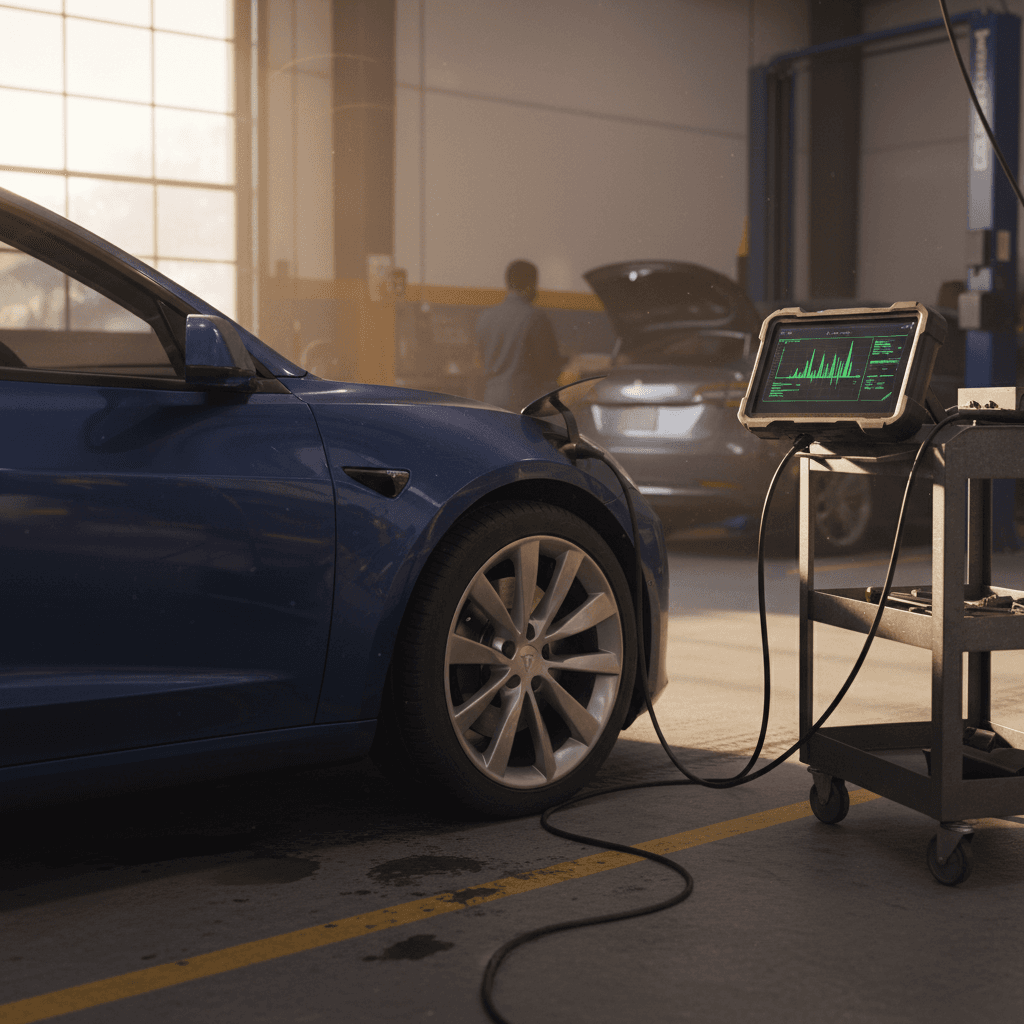
Every Recharged vehicle comes with a Recharged Score Report that includes advanced battery diagnostics, charge‑cycle analysis, and drivetrain checks. You see how the pack is aging and how the car has been used.
Transparent history & fair pricing
We combine service records, recall status, and market data to price each 2020 Model 3 fairly for its condition and equipment. No mystery fees, no “trust us, it’s fine.”
Expert EV guidance
Our EV specialists walk you through trim differences (Standard Range vs Long Range vs Performance), expected battery life, and ownership costs so you buy the right car for your commute and charging situation.
Trade‑in & nationwide delivery
You can trade in your current vehicle, finance your purchase, and have your used Tesla Model 3 delivered nationwide, or visit our Experience Center in Richmond, VA if you prefer to see it in person.
Ready to find your next EV?
Browse VehiclesA more predictable used‑Tesla experience
Who a 2020 Model 3 is (and isn’t) right for
Great fit for you if…
- You want an efficient, quick EV with strong charging infrastructure and modern tech.
- You’re comfortable with frequent software updates and the occasional glitchy screen.
- You have access to home charging, so small range loss over time isn’t a deal‑breaker.
- You’re willing to budget for potential suspension or trim repairs as the car ages.
Maybe look elsewhere if…
- You demand Lexus‑like build quality and absolute silence at highway speeds.
- The nearest Tesla Service Center is hundreds of miles away and you can’t be without a car.
- You regularly road‑trip at the edge of the car’s range in harsh climates.
- You prefer traditional buttons and gauges to a screen‑dominated interface.
The 2020 Tesla Model 3 is not the bulletproof, zero‑maintenance appliance some marketing promised. It is, however, a fundamentally solid EV with a strong battery warranty, good long‑term pack health, and a set of well‑understood weak spots. If you go in with clear eyes, armed with battery data, recall history, and a careful inspection, it can be one of the most rewarding used‑EV buys on the market. And if you’d rather have a guide than gamble, starting with a 2020 Model 3 that’s already been through Recharged’s diagnostics takes a lot of the uncertainty out of the equation.