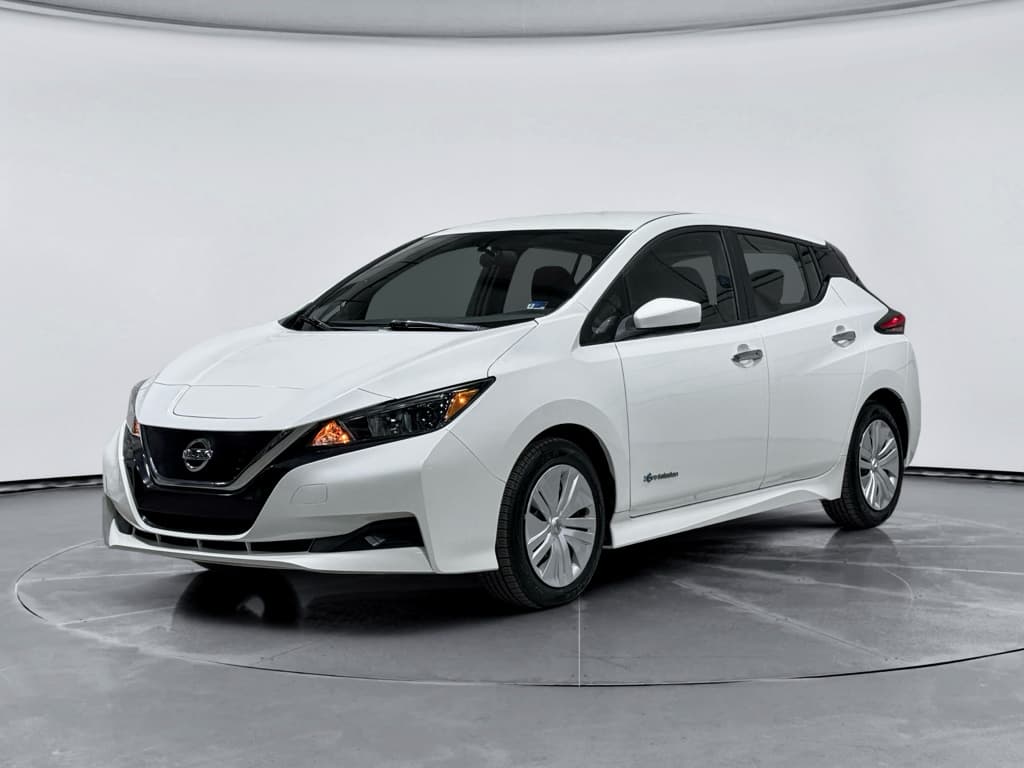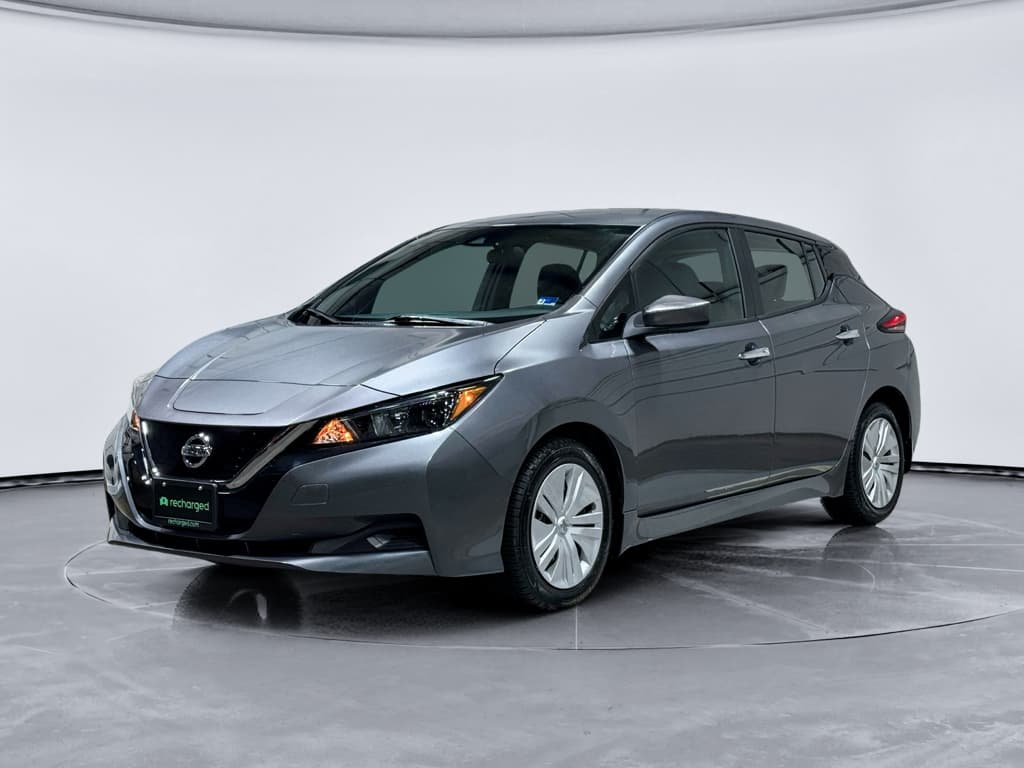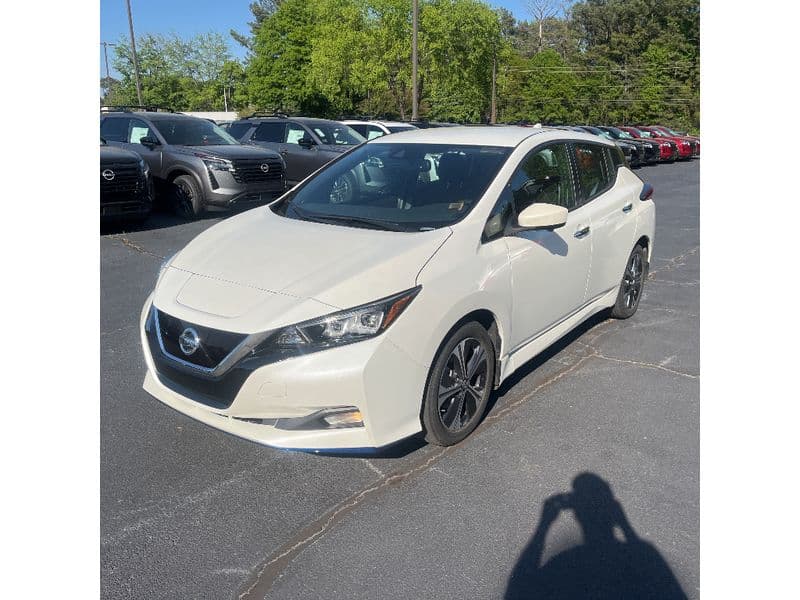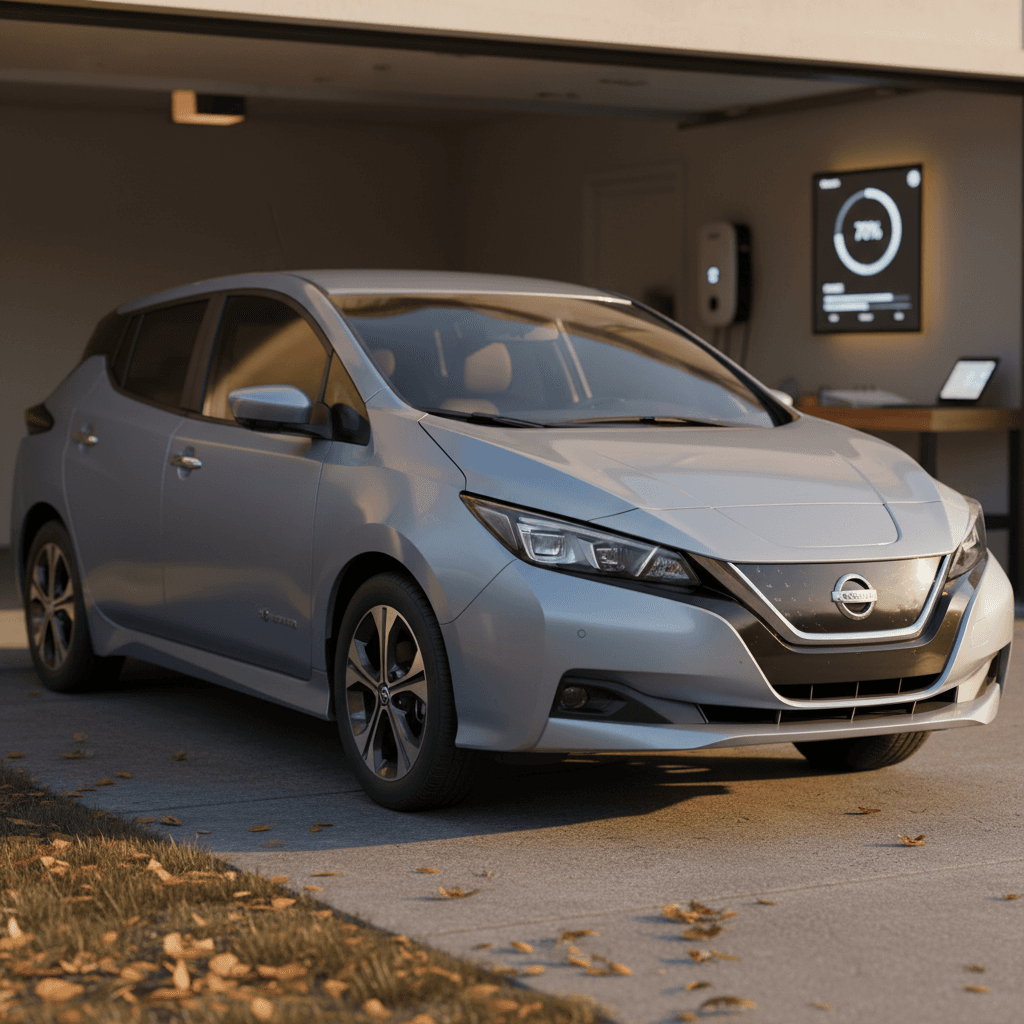
You don’t shop for a used 2020 Nissan Leaf because you want the hottest new thing. You shop for it because you want inexpensive, quiet, honest electric transportation. In 2026, the **2020 Leaf** might be the single most affordable way to get into a practical EV, *if* you understand its battery quirks, range limits, and brutal depreciation.
The short verdict
Overview: Should You Buy a 2020 Nissan Leaf Used?
Why a 2020 Leaf is tempting in 2026
- Low purchase price: 5‑year depreciation on the Leaf is among the steepest in the EV world, which is great news if you’re buying now.
- Simple, easy driving: Smooth, quiet, and stress‑free around town with strong one‑pedal driving in Eco mode.
- Decent range for commuting: Up to about 150 miles (40 kWh) or 215–226 miles (62 kWh Plus) when new, enough for most daily use.
- Proven platform: By 2020 this second‑generation Leaf had most early teething issues worked out on the non‑battery hardware.
Where the 2020 Leaf shows its age
- Battery anxiety, not range anxiety: The pack, not the motor, is the weak link. Premature cell failures and degradation complaints are common online.
- CHAdeMO fast charging: The Leaf is locked into an aging standard while North America moves to CCS and NACS. That hurts road‑trip flexibility and resale.
- Highway comfort: Soft suspension and light steering make it feel nervous at 70–75 mph.
- Depreciation story not over: Low prices today don’t guarantee strong resale tomorrow, especially with new long‑range EVs crowding the market.
2020 Nissan Leaf Used: Snapshot for Shoppers
Key Specs: 2020 Nissan Leaf Trims & Batteries
Before you can judge any **used 2020 Nissan Leaf review**, you need to know which Leaf you’re actually looking at. For this model year, there are effectively *two* cars: the regular Leaf with a 40 kWh battery, and the Leaf Plus with a 62 kWh pack and more power. They share the nameplate and basic shape, but they live different lives in the real world.
2020 Nissan Leaf Trim & Battery Comparison
Use this quick chart to decode which 2020 Leaf you’re test‑driving or browsing online.
| Trim | Battery | Motor output | EPA range (new) | Fast-charge connector | Best use case |
|---|---|---|---|---|---|
| S | 40 kWh | 147 hp / 236 lb-ft | ~149 miles | CHAdeMO (optional) | Budget city commuter with short drives |
| SV | 40 kWh | 147 hp / 236 lb-ft | ~149 miles | CHAdeMO (standard) | Daily driver with light highway use |
| SL | 40 kWh | 147 hp / 236 lb-ft | ~149 miles | CHAdeMO (standard) | Loaded commuter, small range penalty vs Plus for the price |
| S Plus | 62 kWh | 214 hp / 250 lb-ft | 226 miles | CHAdeMO (100 kW) | Best choice: most range, quickest acceleration |
| SV Plus | 62 kWh | 214 hp / 250 lb-ft | 215 miles | CHAdeMO (100 kW) | More features, slight range hit vs S Plus |
| SL Plus | 62 kWh | 214 hp / 250 lb-ft | 215 miles | CHAdeMO (100 kW) | Top trim, longest feature list, still commuter‑first |
Plus models bring the bigger 62 kWh battery and stronger motor; they’re the better bet if you can afford them.
Shop the Plus if you can
Driving Experience: City Darling, Highway Introvert
From behind the wheel, the 2020 Leaf is less a car and more an appliance that happens to be pleasant. Around town, the instant torque, quiet cabin, and compact footprint make it an easy, relaxing drive. You sit a bit high, visibility is excellent, and the steering is light enough that parallel parking feels like a video game.
- **Acceleration:** The 40 kWh versions feel adequate, not thrilling, on par with a decent compact hatchback. The 62 kWh Plus models, with their stronger motor, actually feel lively in city traffic.
- **Ride & handling:** Softly sprung and tuned for comfort, not corner carving. Great for potholes, less great for quick lane changes at 75 mph.
- **Noise:** Electric quiet, but not luxury‑car silent. Tire and wind noise show up on coarse pavement.
- **One‑pedal driving:** Nissan’s e‑Pedal lets you drive almost entirely with the accelerator, which becomes addictive in traffic and reduces brake wear.
Highway manners: know what you’re buying
Real-World Range: What You Actually Get
Official EPA numbers are one thing; the life you live with a five‑ or six‑year‑old battery is another. When new, the **2020 Nissan Leaf** carried ratings around 150 miles for the 40 kWh battery and up to 226 miles for the S Plus with the 62 kWh pack. In independent highway tests at a steady 70 mph, the Plus models often fall short of their label range, landing closer to 180–200 miles under ideal conditions.
Realistic Range Expectations in 2026
Approximate numbers owners commonly report for a healthy 2020 pack.
City & Suburbs (40 kWh)
Plan on ~100–120 miles between charges if your pack is in good shape. Stop‑and‑go driving actually helps efficiency.
Highway (40 kWh)
At 70–75 mph, that same car can feel like a 90‑mile EV, especially in cold weather or with winter tires.
Leaf Plus (62 kWh)
With a healthy battery, expect roughly 160–190 real‑world miles at highway speeds, and more in mixed driving.
Weather still matters
Battery Health & Degradation on a 2020 Leaf
On a used 2020 Leaf, **battery health is the entire ballgame**. Mechanically, these cars are simple and generally robust. The trouble, when it comes, is inside the high‑voltage pack. Owners of 2018–2020 Leafs have increasingly reported early cell failures, rapid capacity loss, or packs that behave unpredictably at higher state of charge. Many cases are covered under Nissan’s 8‑year/100,000‑mile capacity and defect warranty, but the path to resolution can be slow and frustrating.
Reading Battery Health on a Used 2020 Leaf
Three quick signals of how that pack has aged.
1. Capacity bars on dash
The Leaf’s dash shows 12 capacity bars when new. Anything below 10 bars on a 2020 car deserves serious scrutiny and a discount, or a walk‑away.
2. LeafSpy (or Recharged Score)
With a Bluetooth OBD adapter, LeafSpy can report State of Health (SOH). Mid‑80% SOH on a 2020 Leaf is common; much lower can indicate an abused or problematic pack.
3. Real‑world test drive
Note how quickly the percentage drops at highway speed and whether the last 20% vanishes suspiciously fast. That can hint at weak cells deep in the pack.
About those 2019–2020 battery stories…
Every vehicle sold through Recharged includes a detailed Recharged Score that measures real battery health, not just odometer and guesses. For a 2020 Leaf, that kind of diagnostics can be the difference between a screaming deal and a slow‑motion headache.
Reliability & Common Problems on Used 2020 Leafs
Set the battery aside for a moment and the 2020 Leaf is almost boringly reliable. The electric motor, single‑speed gearbox, and basic chassis hardware hold up well when serviced on time. Most owner complaints cluster around the high‑voltage pack and the support structure around it: warranty coverage, dealer parts availability, and long wait times for replacements.
- **Battery module failures:** Isolated cells or modules can weaken, triggering warning lights, sudden range drops, or charging limitations. Many of these cases qualify for pack repairs or replacement under warranty, but resolution can take months.
- **Rapid capacity loss:** Some owners report dropping capacity bars more quickly than expected, particularly in hot climates or with repeated DC fast‑charging on long trips.
- **CHAdeMO connector issues:** Occasional complaints about flaky DC fast‑charge connections or chargers refusing a session, partly due to aging infrastructure as networks prioritize CCS and NACS.
- **Aging 12‑volt battery:** Like most EVs, the low‑voltage battery can cause weird gremlins when it starts to fail. It’s an easy, relatively cheap replacement that many owners skip until problems appear.
- **Basic wear items:** Tires and brakes wear at normal (or slightly better) rates thanks to regeneration. Rust depends heavily on climate and prior care, not the EV hardware itself.
The service‑network reality
Charging Experience: Great for Homebodies, Not Road Warriors
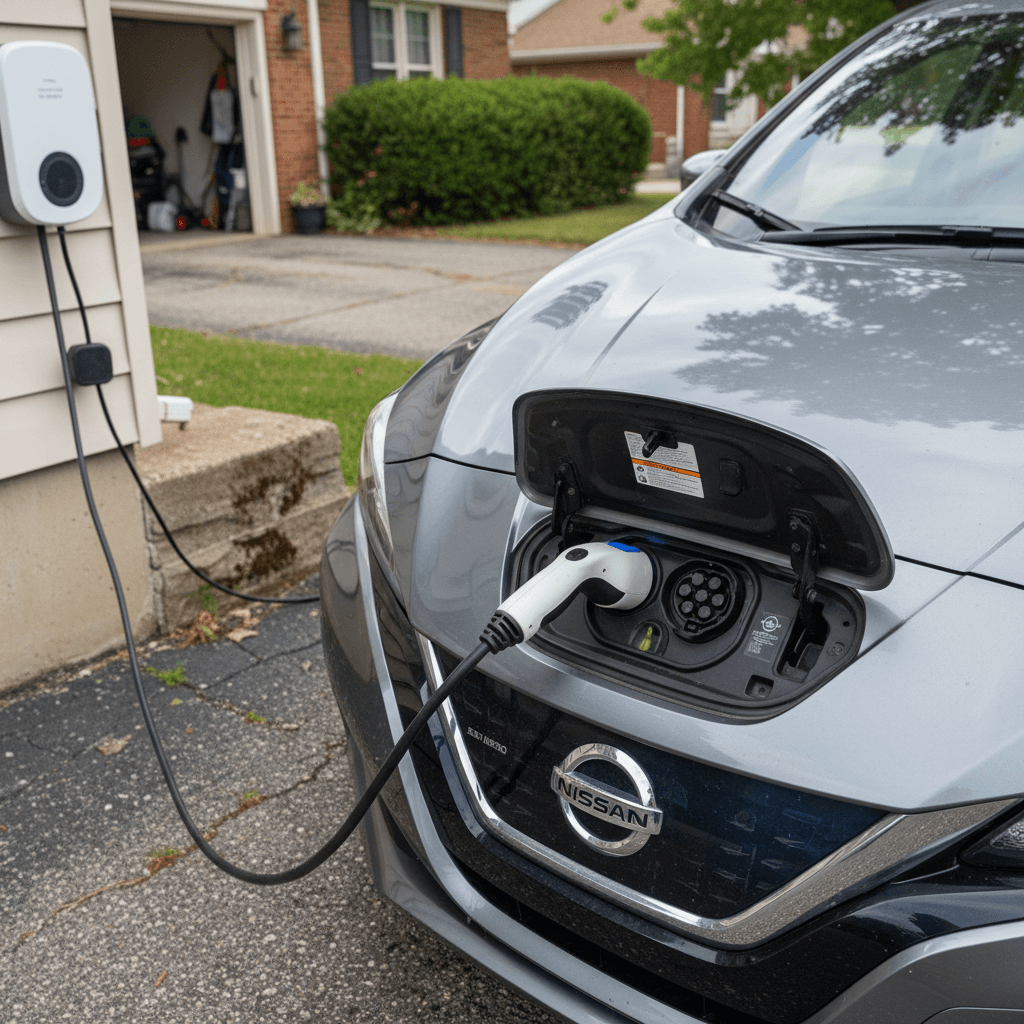
Plugged into your life as a home‑charged commuter, the 2020 Leaf is effortless. Plug it into a Level 2 charger overnight and you leave each morning with a full battery and a clear conscience. Where things get complicated is anywhere beyond your usual orbit, because the Leaf uses the **CHAdeMO** standard for DC fast charging, a format North America is gradually leaving behind.
How the 2020 Leaf Charges
What to expect at home and on the road.
Level 1 (120V home outlet)
Adding roughly 3–5 miles of range per hour, this is a last‑resort option. Fine for very short commutes or topping off.
Level 2 (240V home or public)
With the 6.6 kW onboard charger, a full charge typically takes around 7–8 hours from near empty. This is the sweet spot for daily use.
DC fast (CHAdeMO)
On paper the 62 kWh Leaf Plus can accept up to 100 kW, but real‑world sessions often hover lower and taper quickly. More importantly, CHAdeMO sites are shrinking while CCS/NACS grow.
Think of it as a regional EV
Used Prices & Depreciation: Bargain or Money Pit?
Here’s where the 2020 Leaf becomes genuinely compelling. Few modern EVs fall in value faster. Forecasts put five‑year depreciation around the mid‑70% range for the Leaf, dramatic compared to many compact gasoline cars. In practical terms, that means a 2020 Leaf that once stickered in the low‑ to mid‑$30,000s can now be found in the U.S. used market for the low‑teens, sometimes under that for high‑mileage or weaker‑battery examples.
Typical 2020 Nissan Leaf Used Price Bands (U.S.)
These are broad, illustrative ranges as of early 2026; actual prices vary by region, mileage, trim, and especially battery health.
| Condition | Trim examples | Odometer | Battery health | Typical asking range |
|---|---|---|---|---|
| Budget commuter | S / SV (40 kWh) | 60k–90k mi | 9–10 bars, mid‑70s SOH | $8,000–$11,000 |
| Sweet‑spot Plus | S Plus / SV Plus | 35k–70k mi | 10–12 bars, 80–90% SOH | $11,500–$15,000 |
| Low‑mile top trim | SL Plus | Under 40k mi | 11–12 bars, 90%+ SOH | $15,000–$18,000+ |
Battery condition and remaining warranty often matter more than trim level when it comes to pricing.
Where depreciation helps you
What to Look For Before You Buy a 2020 Leaf
Essential Used 2020 Leaf Pre‑Purchase Checklist
1. Decode the trim and battery
Confirm whether you’re looking at a 40 kWh or 62 kWh Plus car. Check the badge ("S Plus", "SV Plus", "SL Plus") and the window sticker or build sheet if available. Range and long‑term usability hinge on this.
2. Inspect capacity bars & get real SOH
Turn the car on and count the capacity bars. Aim for 11–12 bars on lower‑mileage cars, and be cautious under 10. If possible, request a <strong>Recharged Score battery report</strong> or a LeafSpy scan to see State of Health.
3. Review battery warranty status
Nissan’s 8‑year/100,000‑mile battery warranty on a 2020 Leaf runs until roughly 2028 on original in‑service cars. Ask for in‑service date, previous warranty work, and any paperwork related to battery complaints.
4. Drive it like you’ll use it
Your test drive should mirror your real life. Include at least 15–20 minutes at highway speed, some hills if possible, and climate control on. Watch how quickly the state‑of‑charge drops and whether power feels limited.
5. Test Level 2 and (if possible) DC fast charging
If the seller allows it, plug the car into a known good Level 2 charger and, ideally, a CHAdeMO fast charger. You’re checking for charging errors, unusual noises, and normal charging speeds.
6. Check tires, brakes, and underbody
EVs are hard on cheap tires; mismatched or low‑grade rubber is a negotiation point. Look for even brake wear and inspect the underbody for rust, especially in snow‑belt states.
7. Evaluate service history and dealer network
Ask where the car was serviced and whether the local Nissan dealer is Leaf‑certified and active with EV work. Your ownership experience can live or die on how that service department handles battery concerns.
Leverage third‑party inspections
Who the 2020 Leaf Fits Best (and Who Should Skip It)
Perfect for you if…
- You have reliable home Level 2 charging and rarely exceed 80–100 miles per day.
- You’re shopping on a strict budget but want the low running costs of an EV.
- You live in or near a city and don’t do frequent interstate road trips.
- You’re comfortable doing your homework on battery health, or letting a Recharged specialist do it.
- You see this as a 4–6‑year commuter tool, not a forever car.
Probably not for you if…
- You need an EV that can road‑trip effortlessly across states using modern CCS or NACS networks.
- You live in a rural area with few CHAdeMO chargers and no EV‑savvy Nissan dealer.
- You’re extremely risk‑averse about any possibility of battery repair drama.
- You want cutting‑edge driver‑assist tech, long‑range packs, or future‑proof charging standards.
FAQ: Used 2020 Nissan Leaf
Frequently Asked Questions About the 2020 Nissan Leaf Used
Bottom Line: Is a Used 2020 Leaf Worth It in 2026?
Taken on its own terms, the **2020 Nissan Leaf** is a very competent electric hatchback that’s been ambushed by progress. Newer EVs go farther, charge faster, and plug into friendlier networks. But those cars also cost more, often a lot more. On the used market, a well‑vetted 2020 Leaf, especially a Leaf Plus, can deliver quiet, low‑drama, low‑cost electric commuting for years at a price that undercuts almost everything else.
The trick is to buy with your eyes open. Know your daily mileage. Decide whether CHAdeMO’s twilight years matter for your lifestyle. And above all, demand real battery data, not just a friendly seller and a freshly detailed interior. If you’d rather have experts do that homework, Recharged can match you with a 2020 Leaf whose battery, price, and range are already verified, so you can simply plug in and drive.