If you’re shopping for an affordable used EV, the 2020 Chevy Bolt EV will be near the top of your list. It offers long range for the money, hatchback practicality, and low running costs, but it also comes with a highly publicized battery recall and heavier-than-average depreciation. This review walks you through how the 2020 Bolt drives, what it costs to own, and what to look for before you buy one used.
Quick Take
2020 Chevy Bolt EV at a Glance
Key 2020 Bolt EV Specs
2020 Chevy Bolt EV Core Specifications
A snapshot of the most important specs for everyday shoppers evaluating a used 2020 Bolt EV.
| Category | 2020 Bolt EV |
|---|---|
| Powertrain | Single front motor, ~200 hp, FWD |
| Battery | 66 kWh lithium-ion |
| EPA Range | 259 miles |
| 0–60 mph | ~6.5 seconds (manufacturer/road-test estimates) |
| Onboard AC Charging | Up to 7.2 kW (Level 2) |
| DC Fast Charging | Up to 55 kW (optional on most trims) |
| Body Style | 5-door hatchback |
| Seating | 5 passengers |
| Cargo Space | 16.9 cu ft (rear seats up); 56.6 cu ft (folded) |
Specifications shown are for U.S.-market 2020 Chevrolet Bolt EV LT/Premier.
For 2020, Chevrolet increased the Bolt EV’s usable battery capacity from 60 to about 66 kWh, boosting EPA range from 238 miles to 259 miles. That makes it one of the longest-range compact EVs of its era, and still competitive today for commuters and small families.

Driving Range and Real-World Efficiency
On paper, the 2020 Chevy Bolt EV’s 259-mile EPA range is its headline number. In mixed suburban driving at moderate speeds, many owners report real-world results in the 230–270 mile window on a full charge, depending on weather and driving style. That’s enough for most drivers to go several days between charges.
- City and suburban commuting: 4.0–4.5 miles/kWh is common in mild weather.
- Highway driving at 70–75 mph: expect closer to 3.0–3.5 miles/kWh, which can drop effective range into the 190–220‑mile zone.
- Cold weather: range can fall 25–40% in freezing conditions if you use cabin heat heavily.
- One-pedal driving: aggressive regenerative braking helps stretch range, especially in stop‑and‑go traffic.
Range Tip
Charging Performance: Home and Road Trips
Home Charging Experience
At home is where the 2020 Bolt EV shines. With its 7.2‑kW onboard charger, a typical 240‑volt Level 2 setup can add roughly 25–30 miles of range per hour. That means you can easily go from a low state of charge to nearly full during an overnight session.
Typical Charging Times for a 2020 Bolt EV
Approximate times from low state of charge to near full, assuming normal conditions.
Level 1 (120V Wall Outlet)
Best for: Occasional top‑ups or very short commutes.
- 3–4 miles of range per hour
- Roughly 24+ hours for a large recharge
- Included portable cord can be used on any standard outlet
Level 2 (240V Home or Public)
Best for: Daily charging at home or work.
- 25–30 miles of range per hour
- About 9–10 hours for a near‑empty to full charge
- Sweet spot for most Bolt EV owners
DC Fast Charging (CCS)
Best for: Road trips and quick highway top‑ups.
- Up to 55 kW peak when equipped
- Roughly 30–45 minutes from ~10% to ~80%
- Charge speeds taper noticeably past ~55–60%
DC Fast Charging: The Big Compromise
The 2020 Bolt EV’s biggest weakness is its slow DC fast‑charging capability. When optioned with the CCS fast‑charge port (standard on some trims, optional on others), the car tops out at about 55 kW. In early independent tests, a 2020 Bolt charging from roughly 4% to 80% state of charge held near its peak rate only briefly before tapering, stretching a typical highway stop longer than in newer EVs that can take 100–150 kW or more.
Pros for Road Trips
- Decent highway range between stops once fully charged.
- CCS compatibility gives you access to most non‑Tesla fast‑charge networks.
- One‑pedal driving and strong regen make mountain driving efficient.
Cons for Road Trips
- 55‑kW max DC rate means longer stops than many newer EVs.
- Charging power tapers aggressively above ~50–60% state of charge.
- CCS networks can still have reliability gaps depending on your region.
Check for DC Fast-Charge Option
Interior Space, Tech, and Comfort
The 2020 Bolt EV doesn’t try to be a luxury car. Think of it as a well‑equipped compact hatchback with modern tech. Tall, upright seating and a big glass area make it feel airy, and there’s enough rear‑seat room for two adults to be comfortable for moderate trips.
Interior Highlights: 2020 Bolt EV
Strengths and compromises you’ll notice on a test drive.
Space & Practicality
- Surprisingly generous headroom for front and rear passengers.
- Flat battery under the floor keeps cargo area usefully boxy.
- Split‑folding rear seats expand space for bikes, strollers, or bulky items.
Tech & Features
- 10.2‑inch center touchscreen with EV‑specific energy screens.
- Standard Apple CarPlay and Android Auto in 2020 models.
- Available surround‑view camera, heated seats, and steering wheel in Premier trim.
Ride and Noise
Safety Ratings and Battery Recall History
Safety is a two‑part story with the 2020 Chevy Bolt EV: traditional crash safety, which is solid, and the high‑profile battery fire recall that affected many Bolt models from 2017–2022.
- The Bolt EV earned strong crash‑test scores from major safety organizations, and its compact size plus instant torque make it very maneuverable in emergency situations.
- Available active safety features for 2020 included lane‑keep assist, forward automatic braking, and rear cross‑traffic alert, though not every used example will have them.
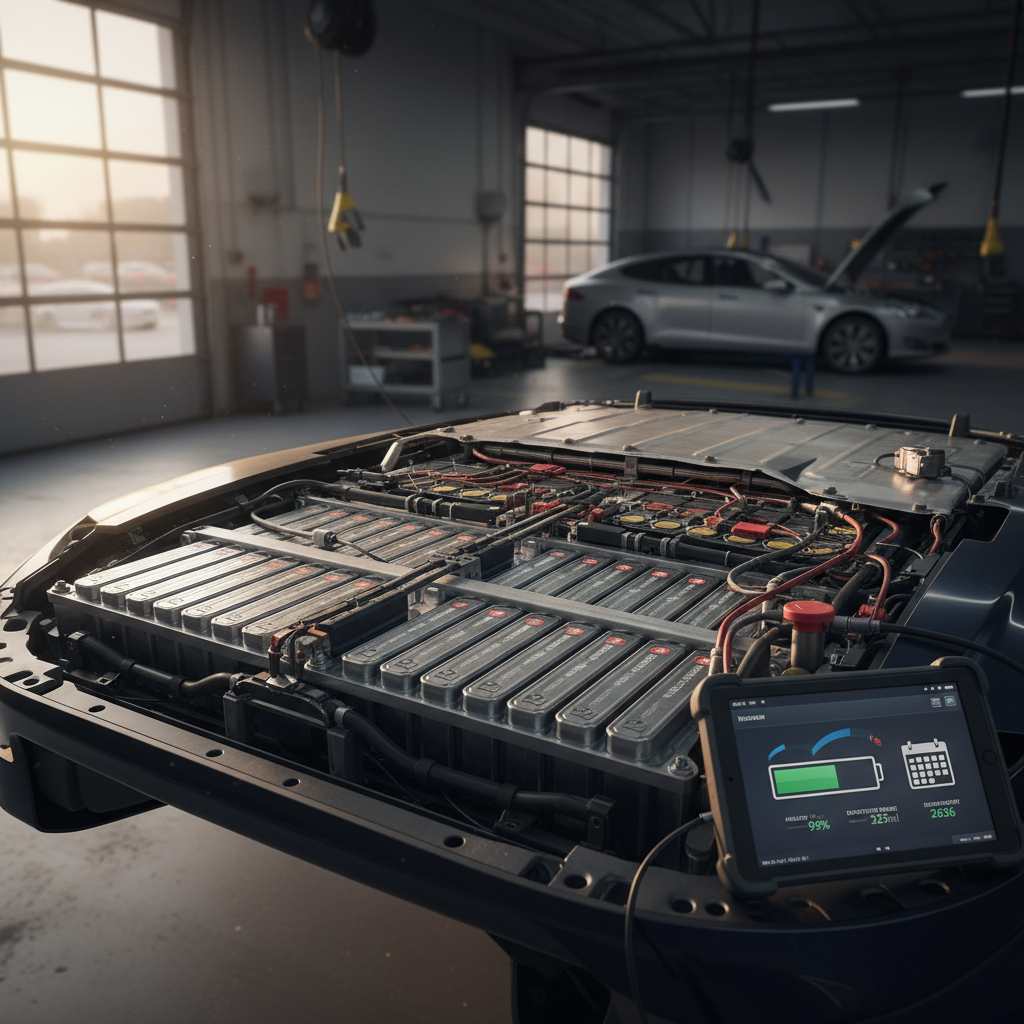
- The bigger concern for many shoppers is the battery recall tied to rare but serious fire incidents. GM responded by replacing battery modules, or entire packs, on many affected vehicles.
Battery Recall Reality Check
Battery Recall Checklist for 2020 Bolt EV Shoppers
1. Run the VIN for Open Recalls
Use a GM or NHTSA recall lookup tool to confirm that all battery‑related recalls and software updates have been completed on that specific VIN.
2. Ask for Battery Service Records
Request documentation showing whether the car received a full pack replacement, module replacement, or only software updates. More recent hardware is generally better.
3. Check for Charging or Overheating Complaints
Review the vehicle history and ask the seller about any incidents of overheating, charging failures, or "reduced propulsion" warnings.
4. Verify Charge Limits in the Software
Early in the recall, some Bolts had temporary software limits on maximum state of charge. Ensure those restrictions have been lifted if the remedy is complete.
Reliability, Maintenance, and Ownership Costs
Outside of the battery saga, the 2020 Bolt EV is generally inexpensive to own. No oil changes, fewer moving parts than a gasoline car, and regenerative braking that can extend brake‑pad life all work in your favor. However, you should budget realistically for insurance and out‑of‑warranty repairs as the car ages.
Estimated 5‑Year Ownership Costs (Typical Usage)
High‑level view of where your money goes over five years and 75,000 miles in a 2020 Bolt EV.
| Category | 5‑Year Estimate | Notes |
|---|---|---|
| Depreciation | ≈ $8,500–$10,000 | Biggest single cost; heavy early‑year value loss is already behind you on a used car. |
| Electricity | ≈ $3,500 | Assumes 15,000 miles per year and typical residential rates. |
| Maintenance | ≈ $4,000 | Tires, cabin filters, brake fluid, and inspections over five years. |
| Repairs | ≈ $3,000 | Out‑of‑warranty repairs; battery work should be recall‑covered if needed. |
| Insurance | ≈ $7,500 | Can be higher than average small cars due to EV repair costs. |
Figures are illustrative estimates based on third‑party cost‑of‑ownership tools and average U.S. electricity costs; your actual costs will vary.
Where EVs Save You Money
Used Market Pricing and Depreciation
Depreciation is where the 2020 Chevy Bolt EV quietly becomes a smart shopper’s play. New, a 2020 Bolt LT carried an MSRP just under $37,500. Today, five‑year‑old examples often sell in the mid‑teens, meaning they’ve shed around 60% of their original value in a short period.
2020 Bolt EV Depreciation Snapshot
For you as a used buyer, that steep curve is good news: someone else already absorbed the hardest hit. The key is finding a car whose low price isn’t hiding deferred maintenance or unresolved battery concerns.
Stretching Your Budget
What to Check Before You Buy a Used 2020 Bolt EV
Pre‑Purchase Checklist for a 2020 Chevy Bolt EV
1. Battery Health and Recall Documentation
Confirm all battery recalls are fully completed and ask for service invoices. If you’re buying through Recharged, the <strong>Recharged Score Report</strong> includes independent battery‑health diagnostics so you’re not guessing.
2. DC Fast-Charge Capability
Inspect the charge port for the dual‑format CCS connector and test a DC fast charge if possible. Lack of fast‑charging hardware is a deal‑breaker for many buyers who plan even occasional road trips.
3. Charging Behavior
Verify the car charges normally on Level 2, with no unexpected interruptions, overheating alerts, or unusual fan noise. Ask the seller about any past charging problems.
4. Tires, Brakes, and Suspension
The Bolt’s instant torque can wear front tires quickly. Check tread life, listen for suspension clunks, and confirm consistent brake feel in one‑pedal and regular modes.
5. Interior Electronics
Test the touchscreen, cameras, Bluetooth, and smartphone integration. Make sure all driver‑assist systems work and that no warning lights are present on the dash.
6. Vehicle History & Title Status
Pull a full history report to rule out flood damage, severe accidents, or branded titles. For peace of mind, Recharged also inspects each vehicle and provides transparent history details before you buy.
Don’t Skip a Professional EV Inspection
How the 2020 Bolt EV Compares to Newer EVs
In a world of 300‑mile crossovers and blazing‑fast fast‑charging, where does the 2020 Bolt EV stand? Think of it as a very efficient, budget‑friendly hatchback that trades some travel‑day convenience for a much lower entry price.
Where the 2020 Bolt Still Shines
- Value per mile of range is excellent on the used market.
- Compact footprint and tight turning radius are perfect for city driving.
- Simple, familiar cabin controls and smartphone mirroring (unlike some newer GM EVs that dropped Apple CarPlay/Android Auto).
- Proven platform with years of owner data and aftermarket support.
Where Newer EVs Pull Ahead
- Many rivals now offer faster DC charging in the 100–150 kW range.
- Larger, more versatile body styles (small SUVs, crossovers) with higher seating positions.
- More advanced driver‑assist suites and smoother ride/quietness.
- Factory NACS ports and seamless access to Tesla’s Supercharger network on some newer models.
Best Fit for the 2020 Bolt EV
FAQ: 2020 Chevy Bolt EV
Frequently Asked Questions About the 2020 Chevy Bolt EV
Bottom Line: Is the 2020 Bolt EV Worth It?
If you want an affordable, efficient electric hatchback and you can live with modest DC fast‑charging performance, the 2020 Chevy Bolt EV remains a compelling used buy. Its combination of 259‑mile rated range, city‑friendly size, and heavy early‑life depreciation means you get a lot of real‑world capability for the money.
The critical step is choosing the right car. Prioritize examples with documented battery recall work, healthy charging behavior, and clear history. When you shop through Recharged, every vehicle comes with a Recharged Score Report that verifies battery health, checks pricing against the fair market, and gives you EV‑savvy guidance from start to finish, so you can enjoy the benefits of electric driving without the guesswork.