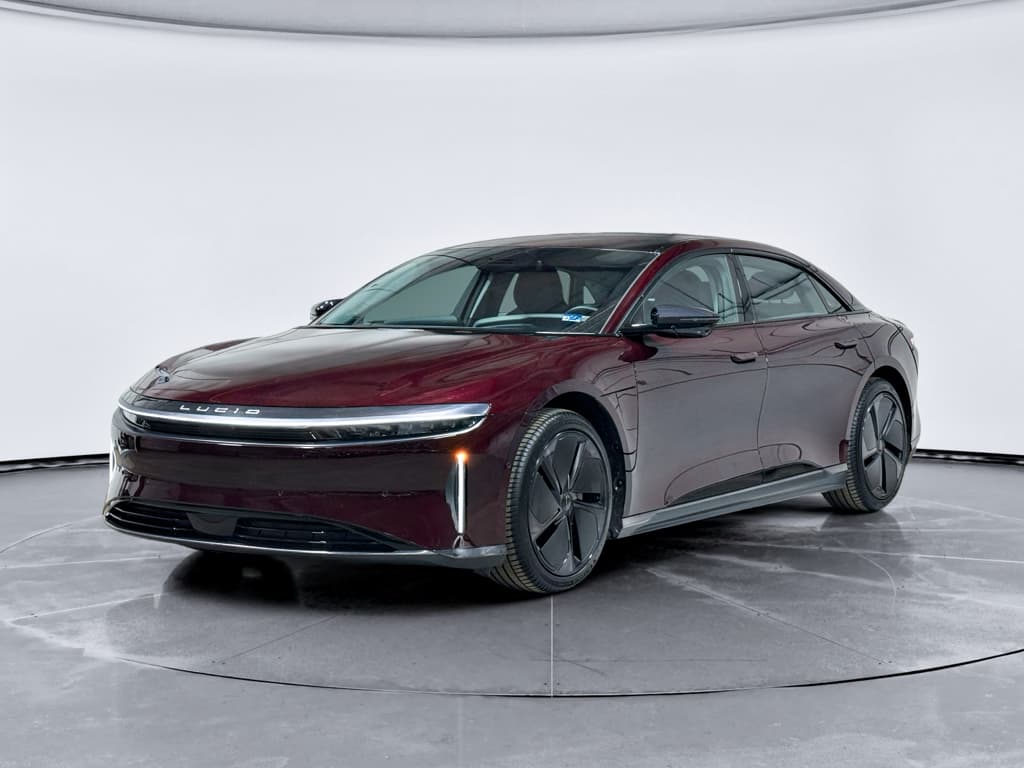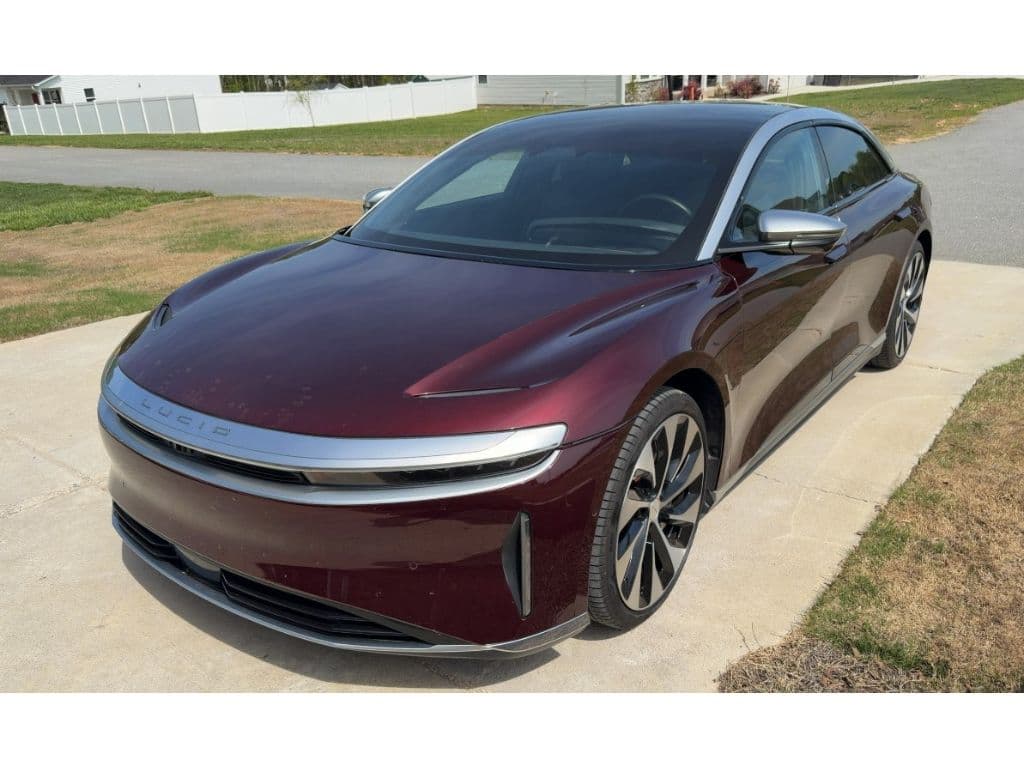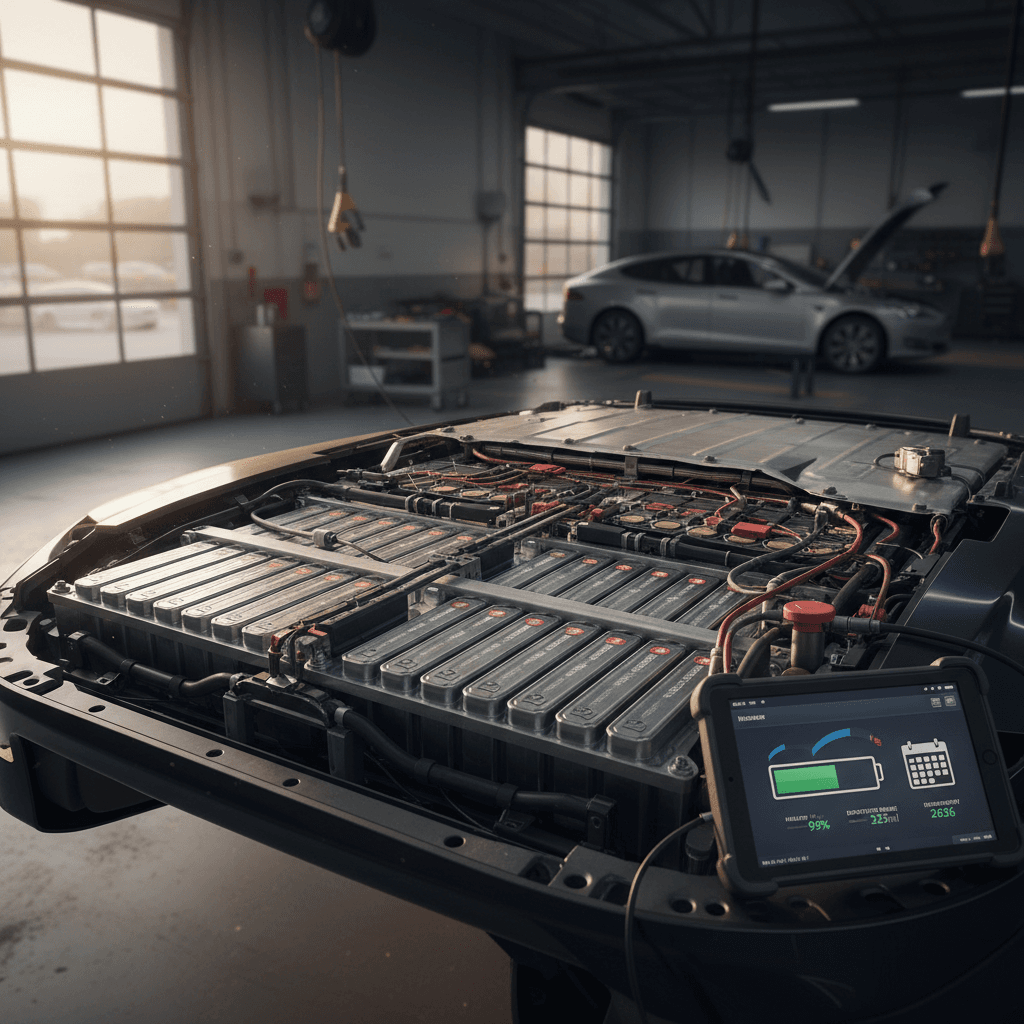
If you’re considering a Lucid Air, or eyeing one on the used market, the first thing you probably wonder is how long the battery will last and what happens if it doesn’t. The good news: every Lucid Air high‑voltage battery carries an 8‑year/100,000‑mile warranty with a 70% capacity guarantee. The fine print, however, really matters, especially if you’re buying used.
Short answer
Lucid Air battery warranty overview
Lucid structures its coverage just like other luxury EV makers, but with one crucial extra detail: a written capacity retention promise. Under the High Voltage Battery Limited Warranty, Lucid warrants the main traction battery in the Air for 8 years or 100,000 miles, whichever comes first, and states that the pack should retain at least 70% of its original capacity over that period. If it falls below that threshold during the warranty period, Lucid will replace the high‑voltage battery pack.
Lucid Air warranty numbers at a glance
Core Lucid Air warranty terms at a glance
Before zeroing in on the battery, it helps to see where it fits within the Lucid Air’s overall warranty package. For U.S.‑market cars, here’s the typical factory coverage you can expect on recent model years:
Lucid Air factory warranty coverage (U.S., recent model years)
These are the standard warranty terms reported for 2022–2025 Lucid Air models sold in the United States.
| Coverage type | Term (time) | Term (mileage) | What it generally covers |
|---|---|---|---|
| New Vehicle Limited (basic) | 4 years | 50,000 miles | Most defects in materials or workmanship on the vehicle as delivered. |
| Powertrain / drivetrain | 8 years | 100,000 miles | Electric drive units and related components. |
| High Voltage Battery Limited | 8 years | 100,000 miles | Main traction battery, with 70% capacity guarantee. |
| Corrosion perforation | 10 years | Unlimited miles | Perforation (rust‑through) of body panels from the inside out. |
Always confirm exact coverage for the specific VIN and model year you’re considering.
Model‑year and region caveat
High-voltage battery warranty details
Lucid’s High Voltage Battery Limited Warranty is where most of the battery‑specific protections live. In plain English, it promises two main things during the first 8 years or 100,000 miles from the original in‑service date:
- The high‑voltage battery is free from defects in materials or workmanship under normal use.
- The battery will retain at least 70% of its original capacity over the warranty period, as determined by Lucid.
If Lucid determines that the pack has dropped below 70% of its original capacity within that period, and the vehicle hasn’t been misused or abused, they will replace the high‑voltage battery pack. That’s a big deal, because it turns vague “battery degradation” anxiety into a specific threshold you can plan around.
Think in ranges, not just years
What’s considered the “high‑voltage battery”?
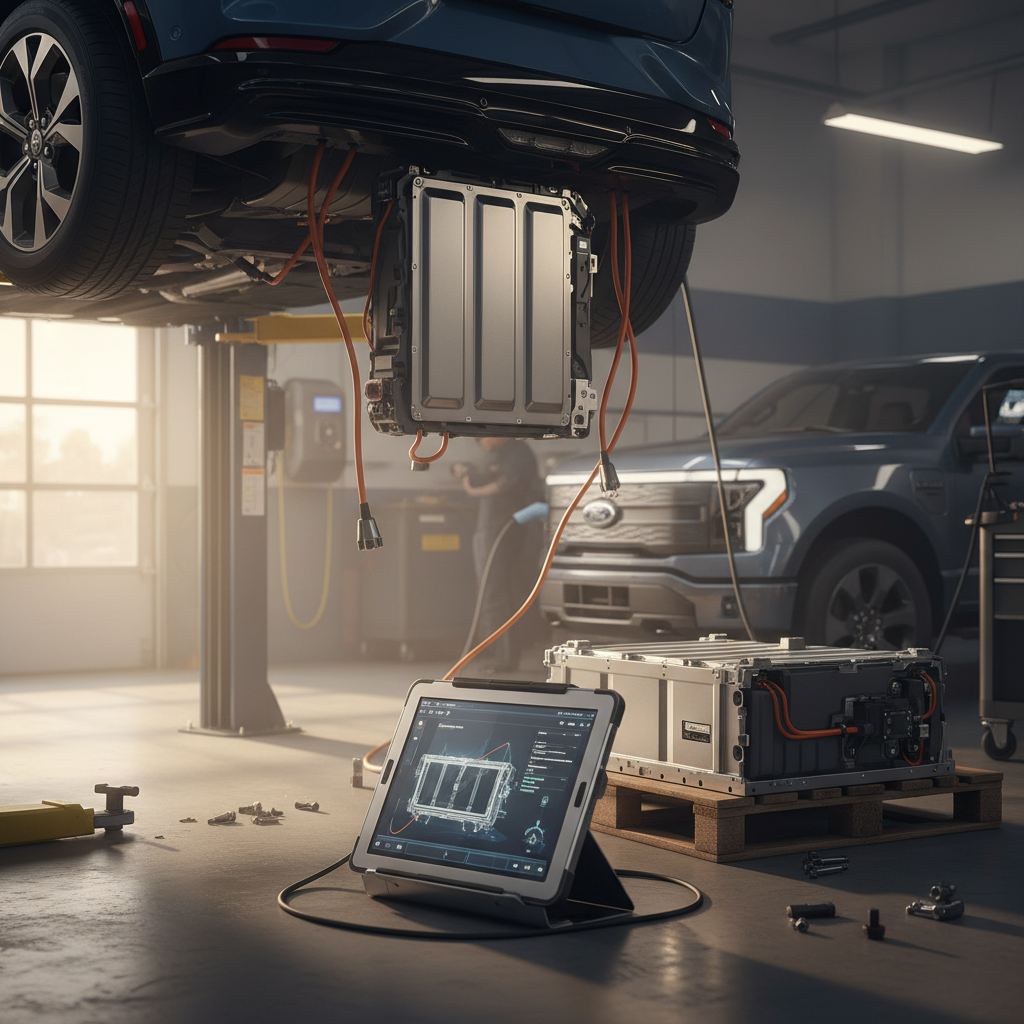
In Lucid’s warranty language, the high‑voltage battery refers to the main traction battery pack that powers the vehicle. It does not normally include low‑voltage components like the 12‑volt auxiliary battery or unrelated electronics. The pack itself is a complex assembly of modules, cooling hardware, and control electronics; when Lucid replaces it under warranty, it’s typically treated as a whole unit, not a DIY‑serviceable part.
What the Lucid Air battery warranty doesn’t cover
Like every OEM battery warranty, Lucid’s coverage comes with a list of exclusions. These don’t mean your battery will fail, they outline how to avoid doing things that could void coverage.
Common Lucid Air battery warranty exclusions
Behaviors and conditions that can limit or void coverage
Improper use or abuse
- Repeatedly driving to 0% and leaving the pack empty.
- Ignoring battery warning messages.
- Modifying or tampering with battery hardware or software.
Extreme storage conditions
- Leaving the car at 0% state of charge for more than 24 hours.
- Long‑term storage in very high or very low temperatures without plugging in.
Unauthorized repairs or parts
- Non‑Lucid or non‑authorized repairs to the pack or HV system.
- Aftermarket modifications that affect thermal management or charging.
Critical: don’t leave it at 0%
The warranty also doesn’t cover normal, gradual capacity loss that happens while the pack is still above 70% of its original capacity. A drop from, say, 100% to 80–85% over many years would generally be considered normal degradation and not a defect.
How Lucid measures battery capacity and when you qualify
One of the more nuanced pieces of Lucid’s warranty is how capacity is measured. In the official language, Lucid states that the method used to determine battery capacity is at the sole discretion of Lucid’s trained and authorized representatives. In other words, you don’t get to show your favorite third‑party app and demand a new pack; Lucid will test the car according to its own procedure.
What typically happens if you suspect excessive degradation
1. Document your concern
Note your typical driving pattern, recent range estimates on full charge, and any changes you’ve seen over time. Screenshots from the car’s display can help you explain the issue.
2. Schedule a Lucid service visit
Contact a Lucid Service Center or mobile service to open a battery‑related concern. They may run remote diagnostics before your appointment.
3. Allow Lucid to test the pack
Lucid’s technicians will follow their internal process to measure usable capacity. This may involve controlled charging and discharging procedures.
4. Compare to 70% threshold
If Lucid’s measurements show capacity below 70% during the 8‑year/100k‑mile window, the company can authorize a high‑voltage battery replacement under warranty.
5. Review results if you’re above 70%
If capacity is above 70%, they’ll usually treat it as normal degradation. They may offer software updates, usage tips, or monitoring over time.
Capacity vs. range display
Real‑world longevity: what Lucid Air owners are seeing
Lucid Air is still a relatively young product line, so we don’t yet have a decade of public data the way we do for some Tesla models. But early owner reports and Lucid’s own confidence level suggest the packs are designed to go well beyond the warranty window, often 200,000 miles or more, before dropping below 70% in typical use.
- Enthusiast forums increasingly show Lucid Airs crossing the 80,000–100,000‑mile mark on the original pack, often still under warranty.
- A small number of early batteries have been replaced under warranty, especially on high‑mileage or early‑build cars, common for first‑generation EVs as suppliers stabilize.
- Third‑party analysis of similar 2170‑format lithium‑ion cells (used broadly across the industry) suggests that, with proper thermal management, pack life can extend well past 200,000 miles before hitting 70% capacity.
What this means for you
Buying a used Lucid Air: how much battery warranty is left?
If you’re shopping the used market, the Lucid Air’s battery warranty can be a huge advantage, if you know how to read it. The clock starts on the original in‑service date (when the car was first sold or leased new), and coverage follows the car, not just the first owner, as long as it stays within its original Warranty Region.
Key questions to ask the seller
- What is the original in‑service date? This tells you how much of the 8‑year window is left.
- What’s the current mileage? Compare it to the 100,000‑mile cap.
- Has the high‑voltage battery ever been replaced? If so, when and under what circumstances?
- Any Lucid service records? These help confirm proper maintenance and any battery‑related visits.
Warranty transfer & regions
Lucid’s warranty is tied to the Warranty Region the car was built and sold for. Within that region, coverage generally follows the car through subsequent owners.
If the car was permanently exported to another market, Lucid may need to approve a regional warranty transfer. That process is handled case‑by‑case and can require hardware changes at the owner’s expense.
How Recharged helps on used Lucid Airs
Sample scenarios for used buyers
Examples of remaining Lucid Air battery warranty
These simplified scenarios assume standard U.S. coverage of 8 years/100,000 miles for the high‑voltage battery.
| Scenario | In‑service date | Current mileage | Battery warranty status |
|---|---|---|---|
| Early production, higher mileage | January 2022 | 78,000 miles | Covered until January 2030 or 100,000 miles, about 8,000–22,000 miles of battery coverage left, depending on driving. |
| Later production, moderate mileage | June 2024 | 24,000 miles | Covered until June 2032 or 100,000 miles, roughly 8 years/76,000 miles of battery coverage left. |
| Near the end of coverage | March 2021 | 97,000 miles | Whichever comes first will end warranty soon; just ~3,000 miles or a few years of capacity coverage remain. |
Actual coverage depends on the specific VIN, in‑service date, mileage, and any regional transfers.
Battery care tips to stay within warranty and extend life
The best warranty is the one you never have to use. Lucid’s documentation and broader EV battery research point to a few habits that both protect your coverage and extend real‑world battery life.
Lucid‑friendly battery habits
Keep the car plugged in when parked
Lucid explicitly recommends leaving the vehicle plugged into a charging source when not in use, especially for longer periods. The car’s battery management system will maintain a healthy state of charge.
Use the Daily charge setting
Instead of charging to 100% every night, use Lucid’s <strong>Daily</strong> or similar charge limit for routine driving. Keeping the pack around 40–80% for daily use reduces long‑term degradation.
Avoid extended time at 0% or 100%
Occasional full charges for road trips are fine, but don’t leave the car sitting at 0% or 100% for days. Extended time at extreme states of charge is hard on lithium‑ion cells and may affect warranty coverage.
Protect from extreme temperatures
When possible, park in a garage or shade in very hot or cold weather. The Lucid Air’s thermal management system does a lot of work for you, but avoiding extremes helps the pack age more gracefully.
Use DC fast charging thoughtfully
The Lucid Air is built for high‑power DC charging, but relying on it as your primary charging method every day can stress the pack over time. Mix in Level 2 home or workplace charging when you can.

Lucid Air battery warranty vs. other luxury EVs
On paper, Lucid’s battery warranty slots right in with other premium EV makers, but the explicit 70% capacity guarantee gives shoppers something concrete to benchmark against.
How Lucid Air battery coverage compares
High‑voltage battery warranty snapshots for major luxury EVs (U.S. market). Always consult the latest official documents for exact terms.
| Brand & model | Battery warranty term | Capacity guarantee | Notable details |
|---|---|---|---|
| Lucid Air | 8 yrs / 100,000 mi | 70% stated | Battery replacement if Lucid determines capacity falls below 70% within term. |
| Tesla Model S | 8 yrs / 150,000 mi (recent years) | 70% stated | Longer mileage cap but broadly similar capacity guarantee. |
| Mercedes‑Benz EQS | 10 yrs / 155,000 mi (approx., model‑dependent) | ~70% (varies by region) | Longer time and mileage in some markets; check regional terms. |
| Porsche Taycan | 8 yrs / 100,000 mi | ~70% (model‑year dependent) | Comparable structure; some markets offer slightly different terms. |
Most luxury EVs now offer 8‑year battery coverage, but capacity guarantees and mileage limits differ slightly.
Where Lucid stands out
FAQ: Lucid Air battery warranty questions answered
Frequently asked questions about Lucid Air battery warranty
Key takeaways for current and future Lucid Air owners
The Lucid Air’s battery warranty is competitive with the best in the luxury EV segment: 8 years or 100,000 miles with an explicit 70% capacity guarantee. For current owners, that means clear recourse if your pack degrades abnormally in the early years, as long as you follow Lucid’s usage and storage guidance. For used‑EV shoppers, it’s a built‑in safety net that can dramatically reduce long‑term risk, especially if you’re buying a 2‑ to 5‑year‑old Air with plenty of coverage left.
If you’re evaluating a Lucid Air on the used market, don’t stop at the odometer. Look at in‑service date, charging history, storage habits, and real battery health. That’s where a platform like Recharged can help, pairing verified battery diagnostics and a Recharged Score Report with expert EV guidance, financing, trade‑in options, and nationwide delivery. The more you understand the Lucid Air battery warranty going in, the more confident you can be that your next luxury EV will deliver the range and performance you’re paying for, today and years down the road.