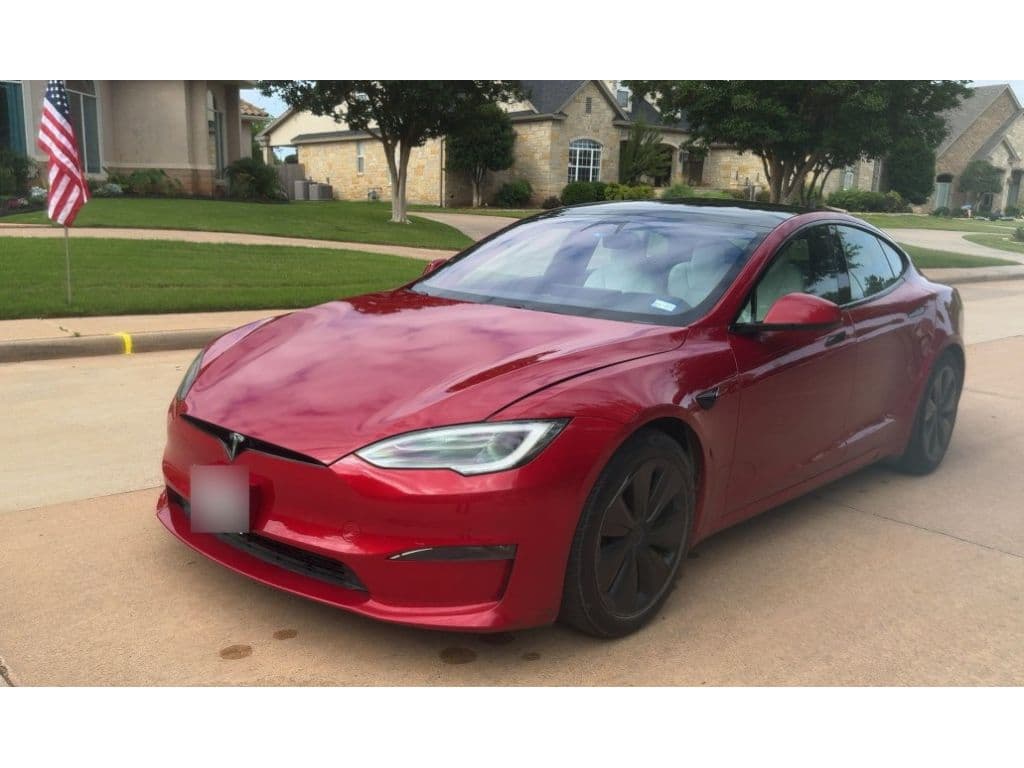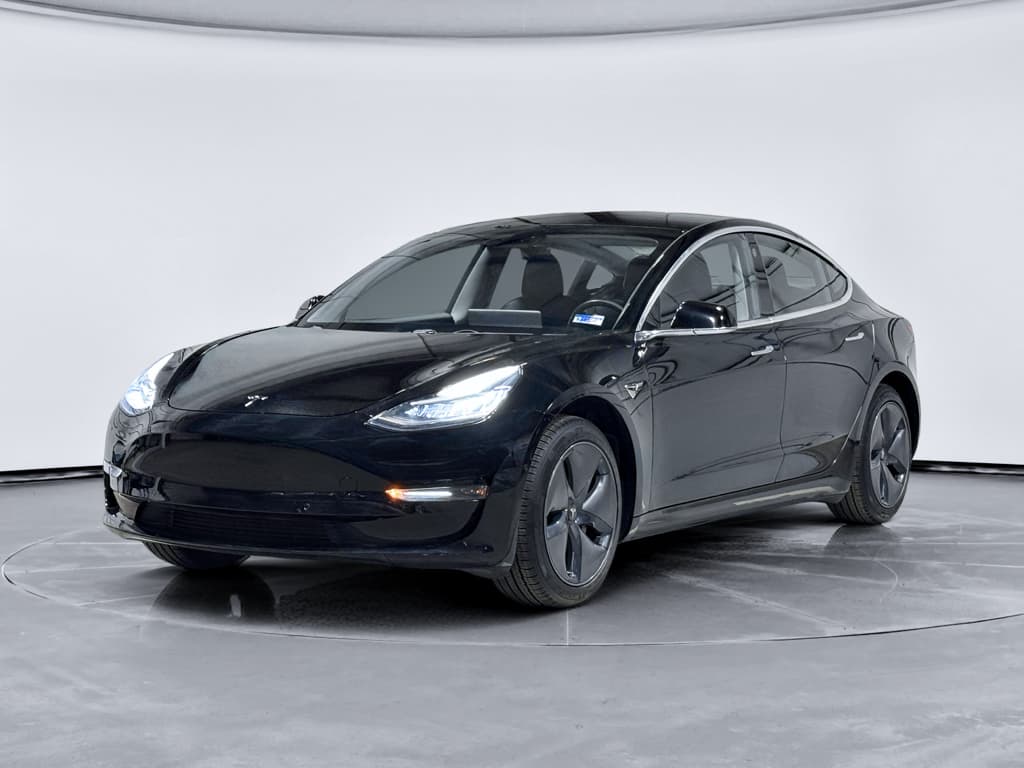
If you’re looking at a used luxury EV, a 2019 Tesla Model S will be near the top of your list, and so will searches for 2019 Tesla Model S problems. This model year sits in the middle of the S lineup’s evolution: newer “Raven” tech and range, but also some well‑documented reliability headaches. Understanding those issues is the difference between landing a great deal and inheriting someone else’s expensive experiment.
Quick context: what changed in 2019
Is the 2019 Tesla Model S reliable?
From a powertrain perspective, the 2019 Model S is strong. The dual‑motor setup and battery pack, when maintained and not abused, tend to go high mileage without catastrophic failures. Where reliability slips is in body, suspension and electronics. Independent reliability surveys in recent years have flagged 2019–2021 Model S as below‑average for problems-per-vehicle, driven by cosmetic defects, squeaks/rattles, alignment, and tech features that don’t always behave as advertised.
It’s important to separate true safety defects from nuisance issues. Most 2019 Model S complaints involve things that are annoying or costly (for example, premature tire wear or trim problems) rather than battery failures or motors dropping out. But if you’re buying used and out of warranty, those “small” issues add up. That’s why you want a structured inspection and clear battery‑health data, not just a quick test drive.
Where the 2019 Model S tends to struggle
Top 2019 Tesla Model S problems at a glance
- Suspension clunks, premature bushing wear and alignment issues, especially on cars with lots of rough‑road driving.
- Uneven and rapid tire wear tied to alignment and suspension settings.
- Body and trim defects: panel gaps, wind noise, liftgate or door alignment, and weather‑strip wear.
- Interior squeaks/rattles and occasional seat or trim loosening.
- Electronics and software glitches: infotainment lag, camera delays, Autopilot quirks, warning lights that resolve after software updates.
- Isolated battery and charging issues, more often related to DC fast‑charging abuse, high mileage or thermal‑management repairs than to outright pack failure.
- A steady stream of software‑related recalls, from power steering calibration to backup camera delay and driver‑assistance behavior.
Look at the trend, not one story
Battery and charging issues on the 2019 Model S
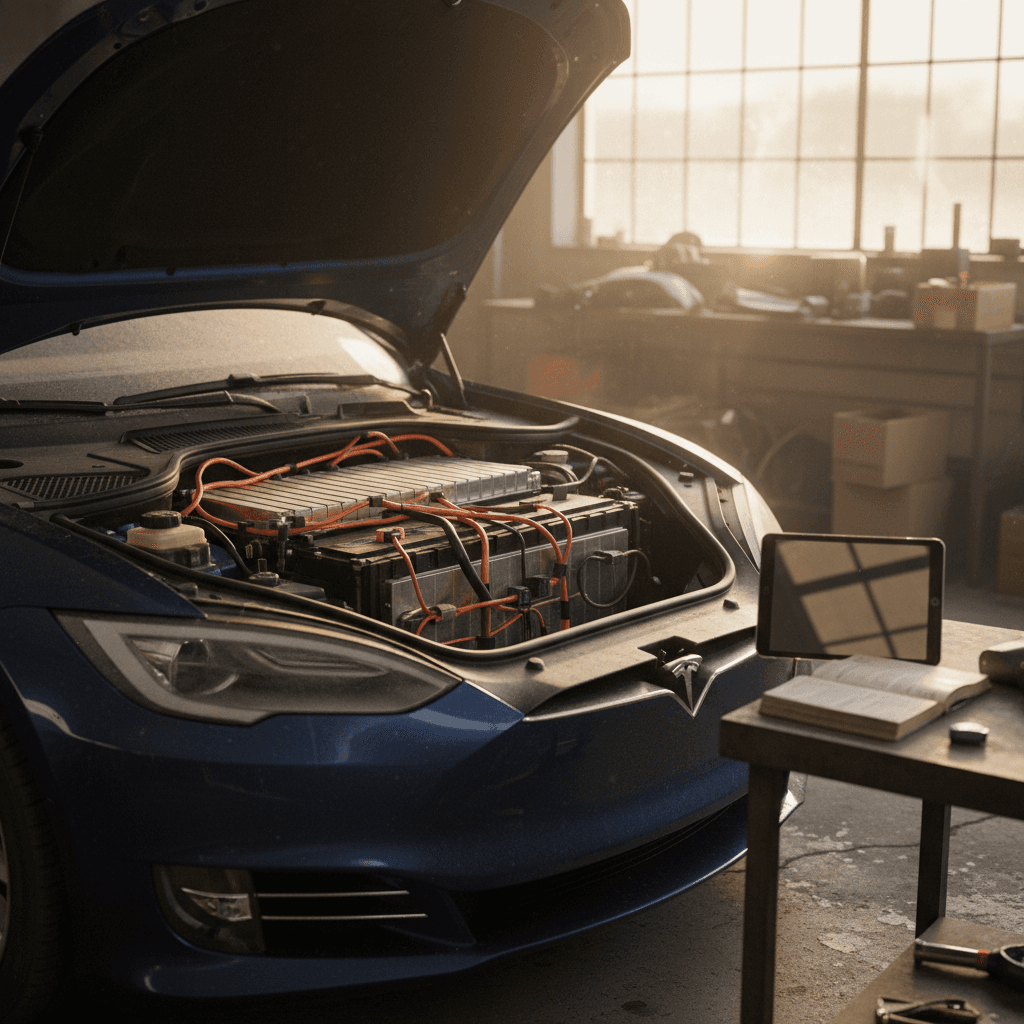
The battery pack is the single most expensive part of any Tesla, so it’s natural to worry about it first. The good news: by 2019, Tesla’s large‑pack chemistry and thermal management were relatively mature. Most owners see gradual, predictable range loss, often in the 8–15% range by roughly 100,000 miles, rather than sudden failures. Catastrophic pack failures on 2019 cars are rare compared with early Model S years.
1. Normal battery degradation
It’s normal for a 2019 Model S to show less range than when new. Expect an initial drop in the first couple of years, then a slower decline. The exact number depends on how often the car fast‑charged, how high the state‑of‑charge was kept, and climate.
- Cars that lived on Superchargers or sat at 100% state‑of‑charge will typically lose more range.
- Garage‑kept vehicles charged to 60–80% daily tend to age more gracefully.
2. Potential problem signs
- Sudden, step‑change drops in displayed range over a short period.
- Charging speed much slower than other similar‑mileage Teslas on the same Supercharger.
- Persistent warnings about battery cooling or temperature.
- Vehicle frequently limiting power output (“reduced power” messages) in moderate driving.
Any of these call for a diagnostic session and a detailed battery‑health report before you buy.
The 2019 Model S pack is covered by an 8‑year, unlimited‑mile battery and drive‑unit warranty from its original in‑service date. Many 2019s on the used market in 2026 still have a couple of years of that coverage left. That’s a meaningful safety net, but it doesn’t cover normal degradation or cosmetic issues like corrosion on underbody shields.
Fast‑charging history matters
Suspension, steering and tire wear problems
Ask any long‑term Model S owner where they’ve spent money, and suspension comes up fast. The 2019 “Raven” cars switched to a revised adaptive air suspension that improved comfort, yet complaints of clunks, knocks over bumps, and accelerated bushing wear still show up regularly, especially on cars driven on rough roads or big 21‑inch wheels.
Common suspension and steering complaints
Most are fixable, but they’re not cheap out of warranty
Clunks & rattles
Owners report clunking over low‑speed bumps traced to worn control‑arm bushings, sway‑bar links or top mounts. The fix can range from a minor parts swap to a more extensive front‑end refresh.
Uneven tire wear
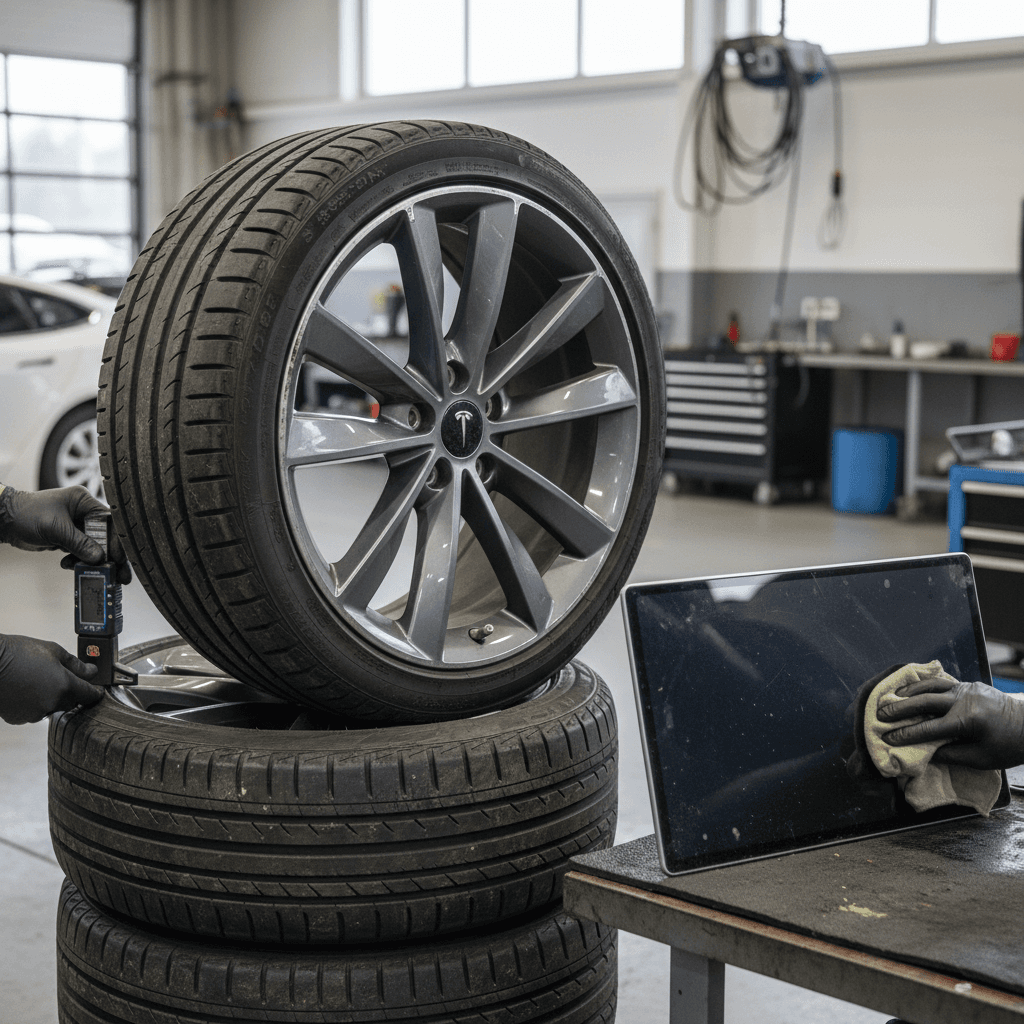
Aggressive factory alignment settings plus heavy curb weight can chew through tires quickly. Inside‑edge wear on rear tires is common on cars that haven’t had regular alignments.
Steering feel & pull
Some 2019 cars develop a slight pull or off‑center steering wheel. Others had power‑steering calibration recalls addressed via software. A good road test and alignment check are mandatory.
On a used 2019 Model S, figure that a full set of quality tires and at least one professional alignment are in your near future if they haven’t been done recently. Suspension refresh work, control arms, bushings, links, can easily run into four figures at Tesla service centers; independent EV‑specialist shops can sometimes do it for less.
Quick driveway checks
Body, trim and interior issues on 2019 Model S
Tesla made progress on build quality by 2019, but the Model S still isn’t as buttoned‑down as German or Japanese luxury sedans. When you zoom in, you’ll often find panel gaps, trim misalignment and wind noise that wouldn’t pass muster on an S‑Class or LS. These aren’t deal‑breakers by themselves, but they matter for both ownership experience and resale value.
- Panel gaps at the hood, liftgate and around headlights or taillights.
- Wind noise from frameless door glass that doesn’t seal well at highway speeds.
- Weather‑strip wear at doors and the liftgate leading to water intrusion or whistling noises.
- Interior squeaks and rattles from the dash, center console or seat frames, especially on rough roads.
- Premature wear on seat bolsters in high‑mileage or rideshare vehicles.
Earlier door‑handle issues mostly fixed
Software, Autopilot and electronics problems
By 2019, the Model S had moved to Tesla’s newer infotainment and Autopilot hardware, which brought faster processing and more advanced driver‑assist features. At the same time, this is where many owner complaints cluster: laggy screens, glitchy cameras, and over‑the‑air updates that occasionally introduce new bugs before Tesla patches them.
Infotainment & camera quirks
- Slow boot‑up or lag when shifting into reverse before the camera image appears.
- Intermittent blanking or flickering of the center screen that resolves after a reboot.
- Bluetooth or app connectivity dropping until the car sleeps and wakes again.
Tesla has issued software updates and recalls for delayed rear camera images on cars from this era, so it’s worth checking that recall work was completed.
Autopilot & FSD behavior
2019 cars can be equipped with Autopilot and, in some cases, Full Self‑Driving (FSD) capability. Most issues here are behavioral, not hardware failures, things like phantom braking, aggressive lane changes or inconsistent response to merging traffic. Regulators continue to scrutinize FSD updates, and Tesla periodically issues software recalls to change how these systems behave.
The bottom line: treat Autopilot and FSD as driver‑assist features, not self‑driving. From a used‑car standpoint, confirm that all safety and software recalls have been performed.
Never buy a car with active warning lights
Recalls affecting the 2019 Tesla Model S
Like most modern vehicles heavy on software, the 2019 Model S has seen a long list of recalls. Many of them are handled via over‑the‑air (OTA) updates, but some still require a service visit. As of early 2026, common recall themes for 2018–2019 Model S vehicles include:
Typical recall themes for 2019 Model S
Exact recall coverage depends on build configuration and software version, always run the VIN through a recall lookup tool.
| Area | Example concern | How it’s usually fixed |
|---|---|---|
| Steering / EPAS | Potential loss of power steering assist on rough roads or after a pothole hit. | OTA software update recalibrating the electric power steering system; no hardware change in most cases. |
| Rear camera display | Delayed backup camera image when shifting into reverse, violating rear‑visibility standards. | OTA software update improving how quickly the camera feed appears. |
| Autopilot / FSD behavior | Driver‑assist system rolling stop signs or not fully complying with traffic laws. | OTA updates revising behavior at intersections and lane changes. |
| Misc. lighting & displays | Warning‑light logic or telltale behavior not perfectly matching regulations. | OTA updates adjusting indicator logic and chimes. |
Use the vehicle’s VIN on NHTSA.gov or Tesla’s own site to see which of these apply to a specific car.
How to check recall status
What to check before buying a 2019 Model S used
Shopping for a 2019 Model S is all about separating a well‑cared‑for car from one that’s been used hard and lightly maintained. Here’s a focused checklist you can work through yourself or with an EV‑savvy inspector.
Used‑buyer checklist for 2019 Tesla Model S
1. Verify battery warranty and health
Confirm the original in‑service date so you know how much time remains on the 8‑year battery and drive unit warranty. Use an objective battery‑health report (not just the dash range) to understand degradation and fast‑charging history.
2. Inspect suspension and tires closely
Drive over speed bumps, rough pavement and tight turns, listening for clunks or creaks. Check tire tread depth across the full width, especially inner edges, for signs of aggressive camber or missed alignments.
3. Check body alignment and weather‑seals
Look at panel gaps around the hood, liftgate and doors. On the test drive, listen for wind noise around the A‑pillars and door glass at 60–70 mph. Inspect weather‑stripping for tears or compression set.
4. Test all screens, cameras and sensors
Make sure the center display and instrument cluster boot quickly and don’t flicker. Shift repeatedly into reverse to see how fast the backup camera appears. Verify that park sensors, wipers, lights and turn signals behave normally.
5. Review software, service history and recalls
Confirm the car is on a current software version and ask for service invoices. Look specifically for past suspension work, alignment records and any repeated visits for the same concern. Use the VIN to confirm recall completion.
6. Evaluate Autopilot and FSD realistically
If the car has FSD or Enhanced Autopilot, test it on a familiar route, but remember you’re still responsible for driving. Treat these options as nice‑to‑have value add, not the core reason to buy a particular car.
How Recharged evaluates 2019 Model S battery and condition
Because a 2019 Tesla Model S can feel flawless on a 10‑minute drive yet hide thousands of dollars in upcoming work, Recharged leans heavily on data and standardized inspections rather than gut feel. Every eligible vehicle gets a Recharged Score Report that goes far deeper than a typical used‑car walk‑around.
What’s different about buying a 2019 Model S through Recharged
Objective battery data, clear pricing and EV‑specialist support
Verified battery health
We run dedicated battery diagnostics on each Model S to estimate usable capacity and charging performance, not just rely on the dash display. That’s baked into the Recharged Score so you know how your range will look in the real world.
Fair market pricing
Our pricing tools look at mileage, options, battery health and condition, then benchmark against current EV market trends. You see exactly how a given 2019 Model S is priced relative to similar cars nationwide.
EV‑specialist support
From explaining Autopilot options to walking you through common 2019 Model S problems, Recharged’s EV specialists handle the details. We can also help with financing, trade‑ins and nationwide delivery if you buy online.
Ready to find your next EV?
Browse VehiclesEnd‑to‑end used EV experience
FAQ: 2019 Tesla Model S problems
Frequently asked questions about 2019 Model S issues
Bottom line: Should you buy a 2019 Model S?
A 2019 Tesla Model S can be a compelling used EV in 2026: long‑range, brutally quick, and still updated over the air in ways few rivals can match. But this is also a model year with more complaints than you’d expect from a six‑figure luxury sedan when new, especially around suspension wear, trim quality and software behavior. If you treat those as known variables, budgeting for alignment and tire work, insisting on a clean battery‑health report, and confirming recall completion, you can sidestep most of the pain that shows up in owner forums.
If you’d like a guided path through that process, Recharged is built for exactly this moment in the EV market. We combine battery diagnostics, fair‑market pricing and EV‑specialist support so you can decide whether a specific 2019 Model S is right for you, not just whether the idea of one sounds appealing. With the right homework and the right partner, a used 2019 Model S doesn’t have to be a gamble.