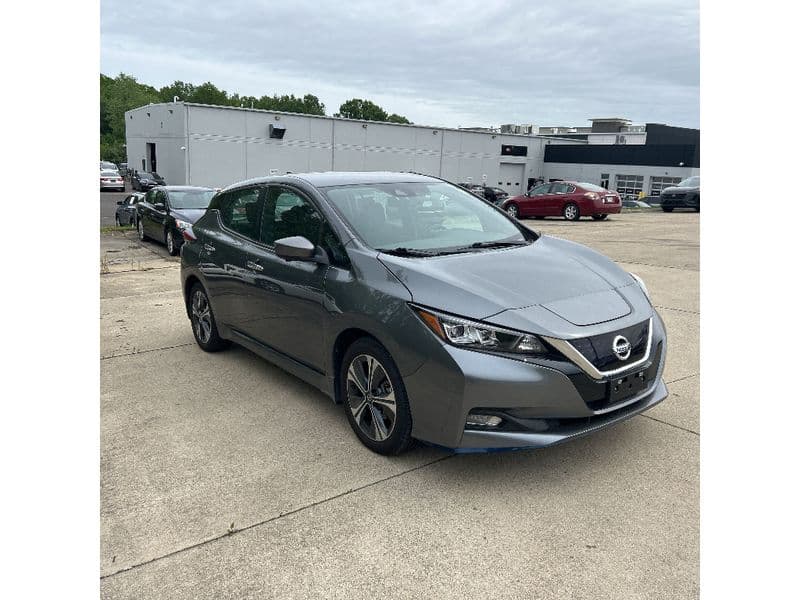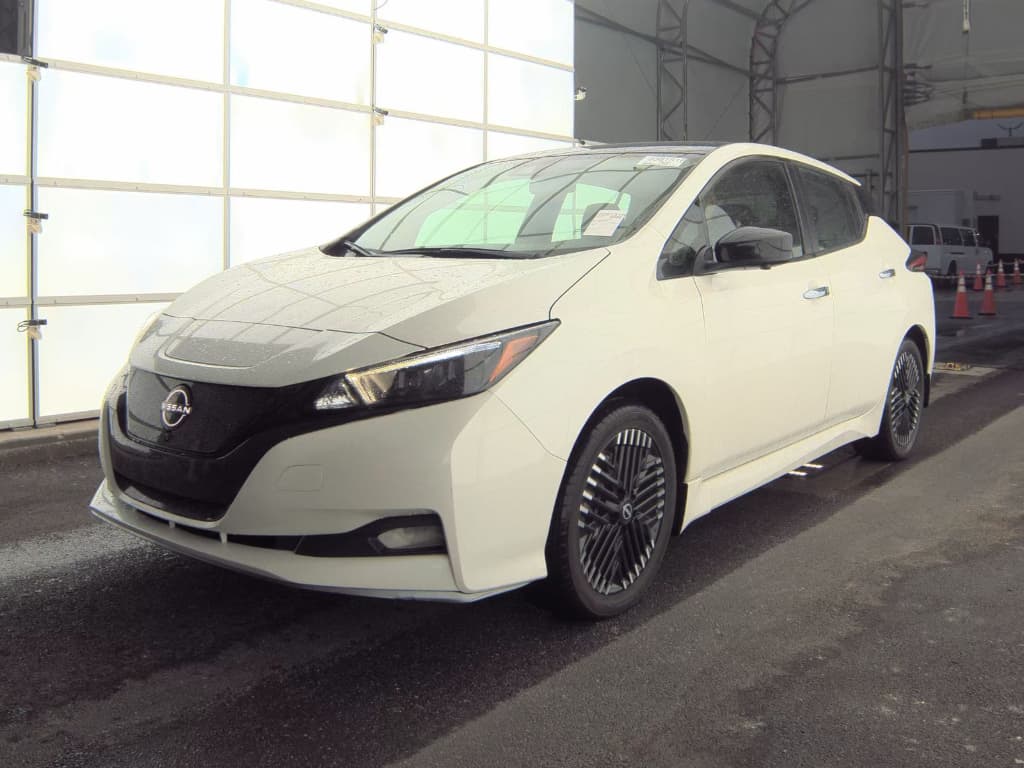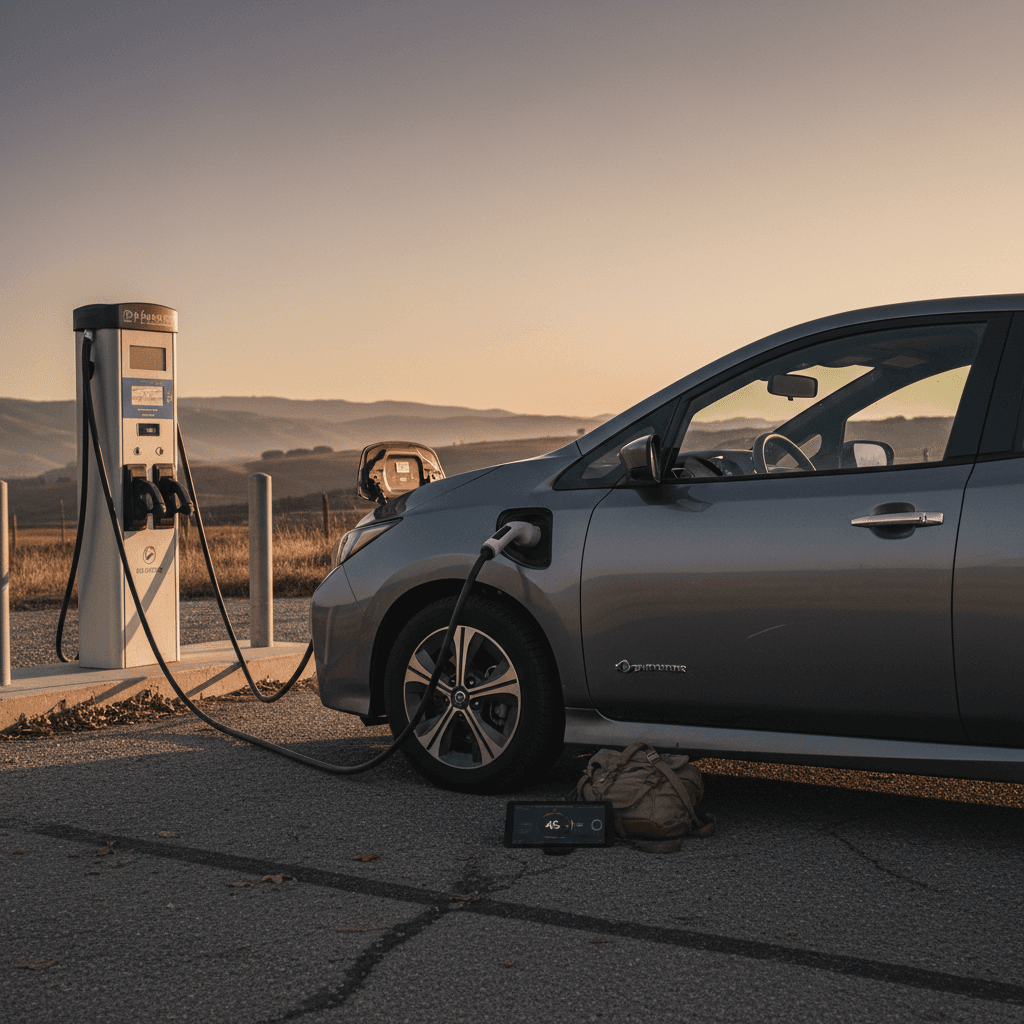
If you’re looking at a used 2019 Nissan Leaf, you’ve probably seen two very different numbers: 150 miles and 226 miles. On paper, those are the official EPA range ratings. But a real 2019 Nissan Leaf range test tells a more nuanced story that depends on battery size, speed, weather, and how the car’s been treated over the last few years.
Why 2019 Leaf range still matters in 2026
2019 Nissan Leaf range at a glance
Official 2019 Nissan Leaf range & efficiency
Those numbers are a helpful starting point, but they’re not the whole picture. Owners routinely see **more than 170 miles in city driving** from a healthy 40 kWh car, and **around 180 miles of highway range** from a Leaf Plus at 75 mph. On the flip side, cold weather, high speeds, and battery degradation can cut those figures dramatically.
Think in miles per day, not maximum range
EPA range vs real‑world range: 40 kWh vs 62 kWh Plus
2019 Nissan Leaf: EPA vs typical real‑world range
Approximate ranges assume a healthy battery, moderate temperatures, and starting near 100% charge. Real‑world values are rounded estimates from instrumented testing and owner reports.
| Model | Battery | EPA combined range | Typical mixed driving (65 mph max) | Typical 70–75 mph highway | Conservative city driving |
|---|---|---|---|---|---|
| Leaf S/SV/SL | 40 kWh | 150–151 mi | 130–150 mi | 110–125 mi | 160–180 mi |
| Leaf S Plus | 62 kWh | 226 mi | 190–210 mi | 170–185 mi | 230–250 mi |
| Leaf SV Plus / SL Plus | 62 kWh | 215 mi | 185–205 mi | 165–180 mi | 220–240 mi |
Use this as a planning guide, not a promise. Your results will vary with speed, terrain, temperature, and battery condition.
The **40 kWh Leaf** is best thought of as a short‑to‑medium‑range commuter. It shines in slower, stop‑and‑go traffic where its regenerative braking can stretch every kilowatt‑hour. By contrast, the **2019 Leaf Plus** finally pushes into what many drivers consider the “200‑mile club,” especially if you choose the lighter S Plus trim and keep highway speeds reasonable.
2019 Leaf 40 kWh: Who it suits
- Daily driving up to ~80 miles, mostly city/suburban.
- Occasional highway hops under 60–70 miles one way.
- Access to overnight Level 2 charging at home or work.
- Budget‑focused buyers comfortable trading range for price.
2019 Leaf Plus 62 kWh: Who it suits
- Daily driving 80–120 miles or frequent highway use.
- Regular weekend trips of 120–180 miles round‑trip.
- Drivers in colder climates who want more range buffer.
- Buyers planning to keep the car longer and want more headroom for degradation.
City vs highway range tests: what you can actually expect
Most range tests fall into two real‑world buckets: **steady‑state highway runs** and **mixed city/suburban loops**. The 2019 Leaf behaves very differently in each.
How driving patterns change 2019 Leaf range
Same car, same battery, very different outcomes depending on speed and stop‑and‑go traffic.
City & suburban driving
- Frequent stops let regenerative braking recapture energy.
- Average speeds of 25–45 mph are where EVs are most efficient.
- Real‑world range can meet or exceed EPA numbers in mild temperatures.
- A healthy 40 kWh Leaf can realistically return 160–180 miles if you’re not hammering the throttle.
Highway driving at 70–75 mph
- Aerodynamic drag climbs quickly above 60 mph.
- Very little chance to recapture energy through regen.
- Expect 15–25% less range than EPA ratings at U.S. freeway speeds.
- Many testers see ~180 miles from Leaf Plus and ~120 miles from 40 kWh cars in these conditions.
Beware “perfect world” YouTube tests
Cold‑weather range tests and how much you lose in winter
Like every EV, the 2019 Leaf loses range in the cold. Batteries dislike low temperatures, and running the cabin heater can be surprisingly energy‑hungry. Independent winter tests on the second‑generation Leaf have shown **roughly 20% range loss at highway speeds around freezing**, and **up to about 40% loss in deep cold when the heater is working hard**.
- In mild cold (around 32–40°F), expect **10–20% less range** than in spring or fall.
- In true winter (0–20°F), a 40 kWh Leaf that does 130–140 miles in good weather might only manage **80–100 miles** on the highway.
- The 62 kWh Leaf Plus gives you a much larger buffer, think **140–170 miles** in tough winter highway use with a healthy pack.
- Pre‑conditioning (heating the cabin while plugged in) and using the seat and steering‑wheel heaters instead of blasting the HVAC can noticeably help.
Don’t size your winter range to the last mile
Sample 2019 Leaf range test scenarios
To make all of this more concrete, let’s walk through a few simplified test scenarios that mirror how owners actually use their cars. These are examples, not guarantees, but they’ll give you a realistic sense of what the 2019 Leaf can do.
Real‑world style range test scenarios
1. 40 kWh Leaf commuter loop (suburban)
Temperatures in the 60s, mixed 35–55 mph driving, light traffic. Start at 100%, drive until the low‑battery warning. Many owners report using **~26–28 kWh** before the warning, translating to **140–160 miles**. That’s plenty for a 50–70 mile daily round‑trip with margin.
2. 40 kWh Leaf pure freeway test
Set cruise at 70 mph on mostly flat interstate, temps in the 70s, modest wind. Start at 100% and drive until the low‑battery warning. Expect **110–125 miles** before you really need to think about charging, depending on elevation and wind.
3. Leaf Plus mixed‑use weekend trip
62 kWh Leaf Plus S at 65 mph average with some town driving mixed in, temps in the 60s. Many tests and owner logs show **190–210 miles** before you’re down to the last few kilowatt‑hours, enough for a 180‑mile round‑trip without charging if you start full.
4. Leaf Plus 75 mph highway run
At brisk U.S. freeway speeds, efficiency drops, but the big pack helps. A well‑kept Leaf Plus often delivers **170–185 miles** between full and low‑battery warnings at 70–75 mph, which is a comfortable cushion for most interstate legs.
5. 40 kWh Leaf in winter traffic
Urban/suburban driving in the 20s with the heater on. If you’re doing shorter hops and can pre‑heat while plugged in, you may still see **100–120 miles** before you get nervous, more than enough for typical commutes but not a great choice for 80‑mile highway runs in sub‑freezing temps.
7 factors that hurt 2019 Leaf range (and how to fix them)
Biggest range killers for a 2019 Leaf
You can’t change the battery size on a used car, but you can change how efficiently you use it.
High speed & headwinds
Cold weather & heater use
Hills & elevation gain
Aggressive acceleration
Under‑inflated tires
Battery age & degradation
Easy wins to improve your Leaf’s range
Battery degradation on a used 2019 Leaf: what our tests show
By 2026, a 2019 Nissan Leaf is seven model years old. Even with low mileage, you should expect **some battery degradation**, which shows up as fewer “bars” on the Leaf’s capacity gauge and a lower real‑world range than when new.
Typical degradation patterns
- Moderate‑climate cars that were mostly charged at home on Level 2 often show 10–20% capacity loss after 6–7 years.
- Cars from hot climates, stored outside, or used heavily on DC fast charging can lose more, in some cases 25–30%+.
- The 62 kWh Leaf Plus pack often feels less affected in daily use simply because it started with a bigger buffer; losing 15% off 226 miles still leaves you with ~190 miles on paper.
What that means in miles
- 40 kWh Leaf: 150‑mile EPA car that has lost 20% capacity effectively behaves like a 120‑mile car in mixed driving.
- 62 kWh Leaf Plus: 215–226‑mile EPA car that has lost 15% behaves more like a 180–190‑mile car under similar conditions.
- If one or more capacity bars are missing, assume real‑world range will track those losses fairly closely.
How Recharged handles Leaf battery health
Charging speeds, “rapidgate,” and planning longer trips
The 2019 Leaf can do longer trips, but you have to understand its **charging behavior** and a quirk owners nicknamed “rapidgate”, the tendency for repeated DC fast‑charging sessions to heat up the battery and slow subsequent charges.
2019 Leaf charging basics
Approximate times from low state of charge under good conditions. Actual times vary by charger power, battery temperature, and the specific Leaf trim.
| Charging method | 2019 Leaf 40 kWh | 2019 Leaf Plus 62 kWh | Best use case |
|---|---|---|---|
| Level 1 (120V) | ~30–35 hours to full | ~45–50 hours to full | Emergency or overnight top‑offs with no 240V available |
| Level 2 (240V, 6.6 kW) | ~8 hours to full | ~11–12 hours to full | Home/work charging; plug in every night and ignore range most days |
| DC fast charging (CHAdeMO) | Roughly 40 min to ~80% on a 50 kW unit | ~45–60 min to ~80%, depending on charger power | Extending road‑trip legs or emergency mid‑day boosts |
The Leaf’s CHAdeMO fast‑charging standard is being phased out in favor of CCS and NACS, so check fast‑charger availability along your route before you rely on it.
Understanding “rapidgate” on the 2019 Leaf
How to do your own 2019 Leaf range test before you buy
When you’re cross‑shopping used 2019 Leafs, a simple, repeatable **personal range test** can tell you a lot more than a quick spin around the block. Here’s a practical process you can use in an afternoon.
Simple pre‑purchase range test for a 2019 Leaf
1. Start with a full charge
Ask the seller or dealer to fully charge the car to 100% the night before your visit. Confirm it’s at or near 100% on the dash before you begin.
2. Note battery bars and estimated range
On the main cluster, check that all 12 capacity bars are present or note how many are missing. Write down the estimated range the car shows at 100%, it’s not precise, but it’s a useful reference point.
3. Drive a known route at steady speed
Pick a loop of at least 20–30 miles with consistent speed limits (ideally 55–65 mph if highway is part of your life). Reset the trip computer so you can track distance and energy use for this drive only.
4. Track miles vs. percent used
After your loop, note how many miles you drove and how many percent of battery you used. For example, if you drove 30 miles and used 20% of the pack, that implies roughly <strong>150 miles of range</strong> in similar conditions (30 ÷ 0.20).
5. Check efficiency in mi/kWh
The Leaf’s trip computer shows efficiency. Multiply that number by the pack’s approximate usable capacity (around 36–38 kWh for a healthy 40 kWh car, 55–58 kWh for a healthy Leaf Plus) to cross‑check your estimated range.
6. Ask for a professional battery report
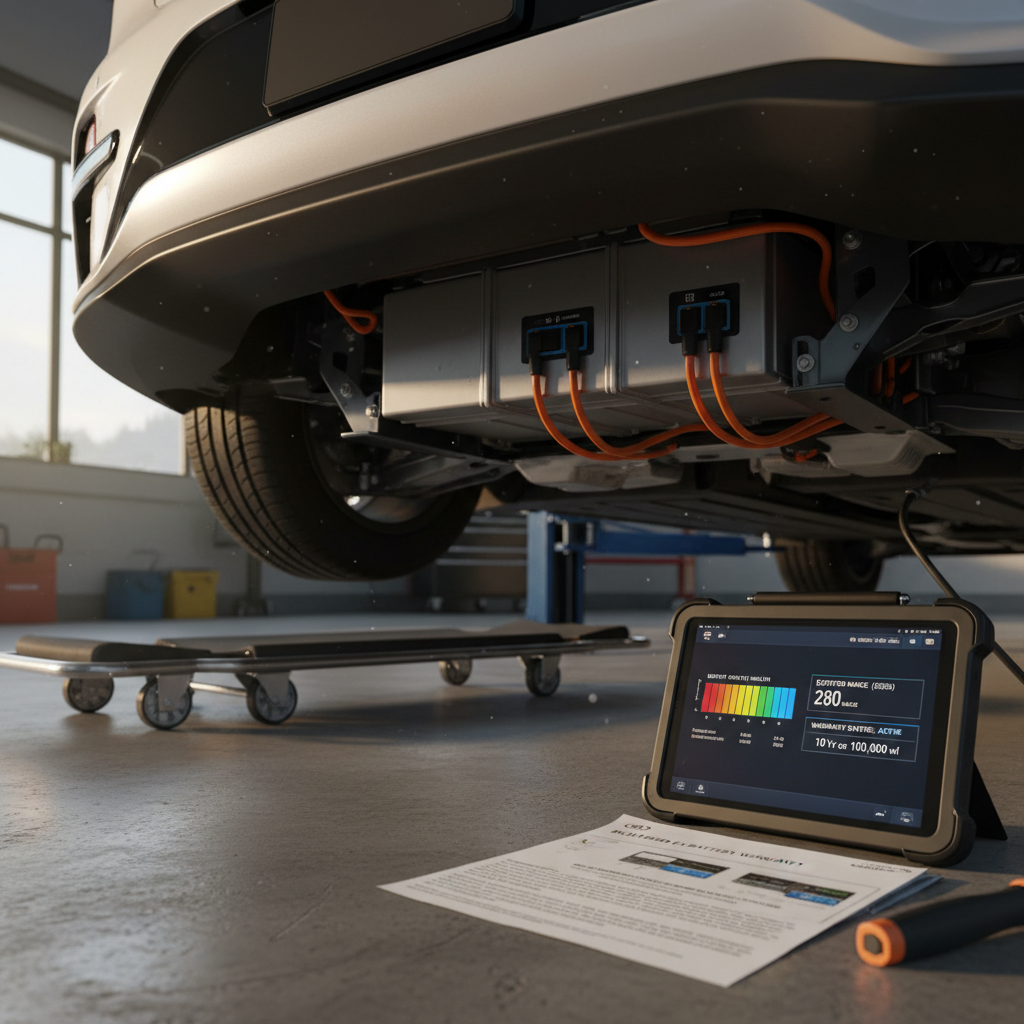
If you’re serious about the car, get a proper battery‑health check. At <strong>Recharged</strong>, this is included in the Recharged Score, but if you’re buying privately, an independent shop with Leaf‑specific tools can provide similar testing.
Bring a simple checklist when shopping
Is the 2019 Nissan Leaf’s range enough for you?
When a 2019 Leaf 40 kWh makes sense
- You drive under 70–80 miles per day, mostly in city or suburban conditions.
- You have reliable home or workplace charging and rarely need public DC fast charging.
- You live in a mild climate, or you can keep a second gas vehicle for occasional long winter trips.
- You’d rather pay less upfront and are comfortable with a smaller range buffer.
When you should hold out for a Leaf Plus
- You regularly do 80–120 miles a day or a lot of 70–75 mph freeway driving.
- You often drive in cold climates and want extra winter cushion.
- You occasionally road‑trip and are willing to plan around CHAdeMO fast chargers.
- You want more breathing room for future battery degradation, especially if you plan to keep the car 5+ more years.
Viewed through the lens of a careful **2019 Nissan Leaf range test**, the car still makes a lot of sense for the right driver. The 40 kWh version is a thrifty, low‑maintenance commuter if your daily miles are modest, while the Leaf Plus finally delivers genuinely useful highway range, even with a few years and a few percentage points of battery capacity behind it. Match the version you choose to your real driving needs, verify the battery’s health, and a used 2019 Leaf can be a smart, affordable entry into EV ownership.
How Recharged can help you pick the right 2019 Leaf
Ready to find your next EV?
Browse Vehicles