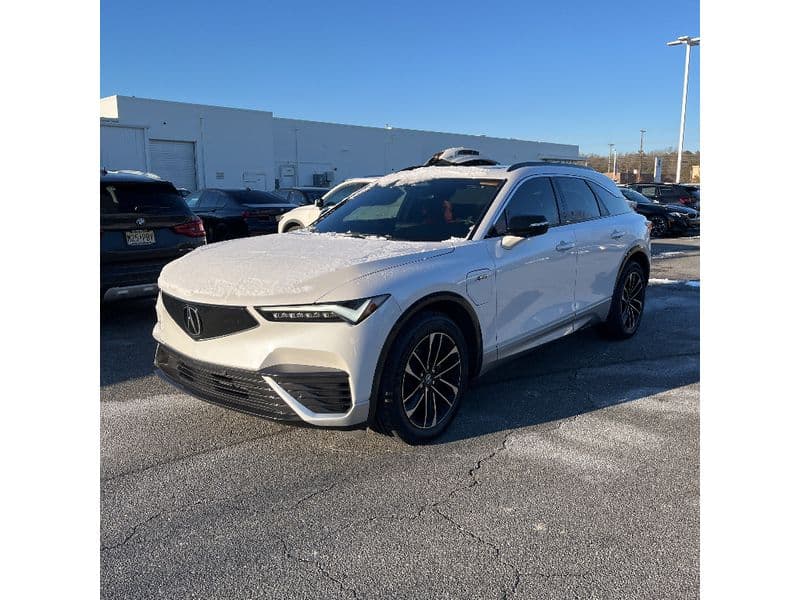
If you’re eyeing Acura’s all-electric ZDX, you’re probably wondering: how long will the Acura ZDX battery really last, and what does that mean for long‑term ownership or buying used later? In EVs, the battery is the new engine, and nobody wants a luxury SUV with a six‑figure repair lurking in the shadows.
Quick answer
Overview: How long does an Acura ZDX battery last?
Let’s start with the simple version, then we’ll work backwards into the technicals and fine print. The Acura ZDX rides on GM’s Ultium battery platform, using a large pack (around 100 kWh usable) designed for long‑term daily use, not laboratory heroics. Across modern EVs, large‑pack batteries are showing impressively slow degradation when they’re driven and charged normally.
- Most modern EV batteries are losing roughly 1–3% of capacity per year in real‑world use.
- Long‑term studies find many EV packs still above 85% of original capacity after 8–10 years.
- Manufacturers, including Acura, typically back batteries for 8 years or 100,000 miles and design them to comfortably exceed that.
- For a ZDX, that usually translates to well over a decade of usable range for a typical U.S. driver.
Think in “usable life,” not perfection
Acura ZDX battery basics: size, tech, and warranty
To talk about lifespan, you need the basics of what’s under the floor. The 2024–2025 Acura ZDX uses a large lithium‑ion pack on GM’s Ultium architecture, shared with vehicles like the Cadillac Lyriq. The A‑Spec and Type S variants both use a pack around 100–102 kWh, good for EPA ranges up to roughly 300 miles when new, depending on trim and wheel choice.
Key Acura ZDX battery facts
For U.S. buyers, Acura pairs a 4‑year / 50,000‑mile basic warranty with an 8‑year / 100,000‑mile high‑voltage battery warranty on the ZDX. That battery warranty typically covers the pack if it fails outright or drops below a defined capacity threshold spelled out in the warranty booklet.
Warranty ≠ expiration date
What real-world EV data says about battery life
The Acura ZDX is new, so we don’t yet have a decade of ZDX‑specific battery data. But we have mountains of data from tens of thousands of EVs using similar chemistry and pack sizes. Those numbers tell a different story from the early “your EV battery might die in 7 years” scare pieces.
What large EV battery studies are actually finding
Zooming out gives the best clue to Acura ZDX longevity
Slow, predictable degradation
Big datasets tracking real EVs on the road are seeing average capacity loss around 1.5–2.5% per year under normal use, far less than early lab estimates that scared everyone.
Batteries outlasting cars
Multiple studies now conclude that most EV batteries will outlast the vehicles they’re in, especially large‑pack models like the ZDX that don’t need to work as hard every day.
Climate & use matter most
Hot climates, frequent DC fast charging, and storing the pack near 100% for long stretches are the big villains. Cars treated gently show remarkably small range loss for 8–12+ years.
Why ZDX is on the “easy life” side
Translating that into Acura ZDX years and miles
So what does all this mean in the only units that matter to you, years and miles? Let’s make some conservative, real‑world assumptions based on observed EV behavior and work forward to a ZDX‑specific picture.
Acura ZDX battery lifespan scenarios
These aren’t guarantees from Acura, just realistic scenarios based on current EV data and typical U.S. driving patterns.
| Usage pattern | Annual miles | Charging habits | Likely outcome by year 8 | Likely outcome by year 15 |
|---|---|---|---|---|
| Gentle commuter | 10,000–12,000 | Mostly Level 2 at home, rarely fast charges | ~85–90% capacity, full warranty period with room to spare | Still running, ~75–80% capacity, usable for most owners |
| Average family | 12,000–15,000 | Mix of home Level 2 and occasional DC fast charging | ~80–85% capacity, range dip but still practical | May be around 70–75% capacity; some long‑range drivers may eye an upgrade |
| Heavy road‑tripper | 18,000+ | Frequent DC fast charging, high‑speed freeway miles | ~75–80% capacity; noticeable but manageable range loss | Could be closer to 65–70% capacity; still usable but more planning required |
How different driving and charging habits might play out over time for a ZDX battery.
For the typical ZDX owner driving 12,000–14,000 miles per year and charging at home most of the time, seeing a useful 15‑year battery lifespan is a reasonable expectation. The pack doesn’t turn into a pumpkin at year 15; it just slowly trades a bit of maximum range for the tens of thousands of miles you’ve already driven.
Battery degradation: how much range will a ZDX lose?
When you ask, “How long will an Acura ZDX battery last?”, what you’re really asking is, “How much range am I going to lose?” Capacity loss is gradual, not a cliff, more like your phone after a few years than a lightbulb burning out.
New ZDX range
Depending on trim, a new Acura ZDX delivers roughly 270–300+ miles of rated range. In real life, that shrinks in winter, at 80+ mph, or when you bolt on those huge wheels, but it’s a generous baseline.
After years of use
At 10–15% capacity loss, which is typical after 6–10 years for many EVs, you’re still looking at something like 230–260 miles of rated range. That’s more than enough for a commute and most weekend trips.
What “normal” degradation looks like
- You’ll notice the first few percent of loss most, because you’re watching the car obsessively when it’s new.
- After that, degradation tends to enter a gentle, long plateau where you may only lose a couple of percentage points over many years.
- The “I need a new battery” moment for most people will be well past 150,000 miles, if it happens at all during first ownership.
5 biggest factors that affect ZDX battery lifespan
Battery chemistry doesn’t care about marketing; it cares about heat, voltage, and stress. The Acura ZDX has sophisticated thermal management and software, but your habits still move the needle. Here are the big levers you control.
What actually shortens, or extends, ZDX battery life
1. How often you DC fast charge
Fast charging is fine in moderation, especially on road trips, but doing it multiple times a week for years keeps the pack hotter and at higher voltages, which nudges degradation upward.
2. Typical state of charge (SoC) window
Living between about <strong>20–80%</strong> on daily driving is gentler than bouncing from 0% to 100% all the time. High SoC plus heat is the kryptonite combo for lithium‑ion packs.
3. Climate and parking
Hot, sun‑baked parking lots are harder on batteries than cool garages. The ZDX’s thermal management helps, but <strong>covered or indoor parking</strong> still makes a difference over 10+ years.
4. Annual mileage and driving style
Higher mileage means more charge cycles; aggressive driving means more repeated high‑power discharge. Neither is inherently fatal, but they do add wear compared with a low‑mileage, gentle‑driven ZDX.
5. Software updates and pack care
Automakers continually refine thermal and charging logic over the air. Keeping your ZDX software current means you’re benefiting from the latest thinking on longevity, not just whatever the engineers knew at launch.
Habits that really hurt battery health
Habits that extend your Acura ZDX battery life
The good news is that extending your Acura ZDX battery lifespan doesn’t require monastic discipline or spreadsheets. A few light‑touch habits get you most of the way to that 15‑ to 20‑year horizon.
Simple ways to help your ZDX battery age gracefully
Use scheduled charging
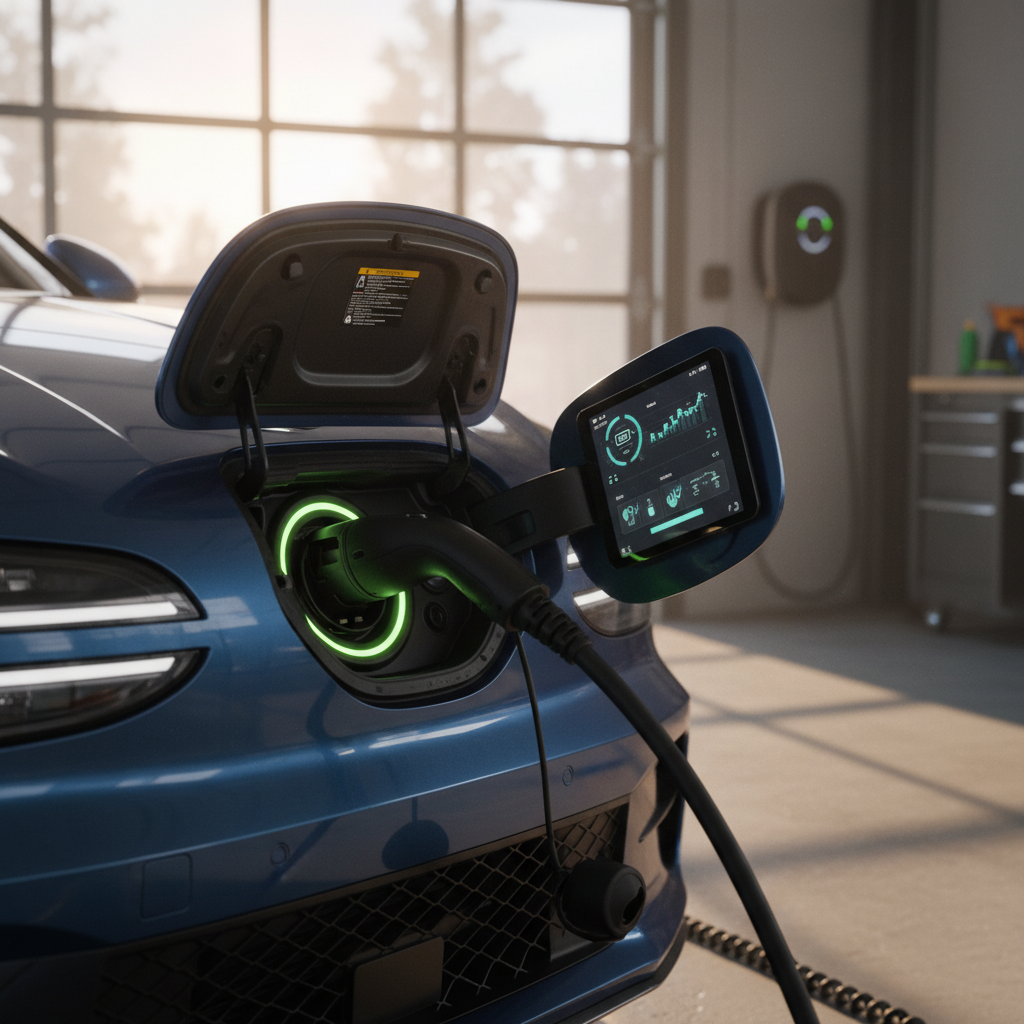
If you charge at home, set the ZDX or your charger to start overnight and finish near your morning departure. That minimizes time sitting at a high state of charge.
Aim for 70–80% for daily use
Unless you need full range, stop daily charging around <strong>70–80%</strong>. Save 90–100% for road trips and rare situations where every mile matters.
Avoid deep 0–5% discharges
Running the pack absolutely flat stresses the cells and eats into buffer reserves. Plug in when you can, especially if the car warns you you’re getting low.
Keep it cool when possible
Garage parking or even basic shade helps. The ZDX will actively manage battery temperature, but you don’t need to make its job harder by baking the pack unnecessarily.
Update your software
When the car or dealer prompts you for firmware updates, take them. Carmakers routinely tweak charging curves and thermal logic to improve longevity based on real‑world data.
Treat it like a laptop you care about
How to assess battery health on a used Acura ZDX
Fast‑forward a few years. You’re shopping for a used Acura ZDX, or thinking about selling yours. Battery health suddenly becomes the whole ballgame: it affects price, range, and peace of mind. The challenge is that a quick test‑drive and a seller’s shrug, “Range seems fine”, won’t tell you much.
DIY battery health clues
- Compare displayed range to original EPA rating on a full charge, adjusting for wheel size and conditions.
- Ask about charging habits: mostly home Level 2, or constant DC fast charging on road‑warrior duty?
- Check service records for any high‑voltage battery repairs, software campaigns, or related warnings.
Why third‑party diagnostics matter
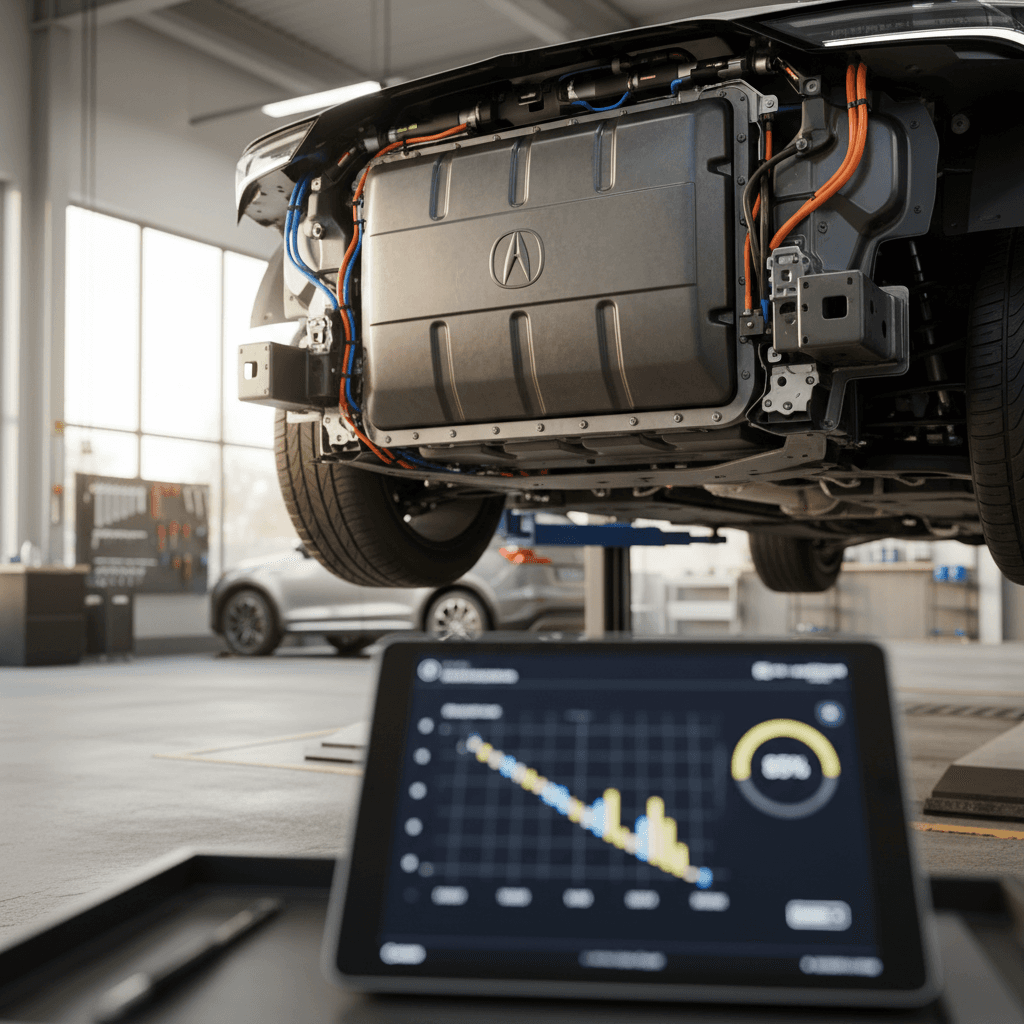
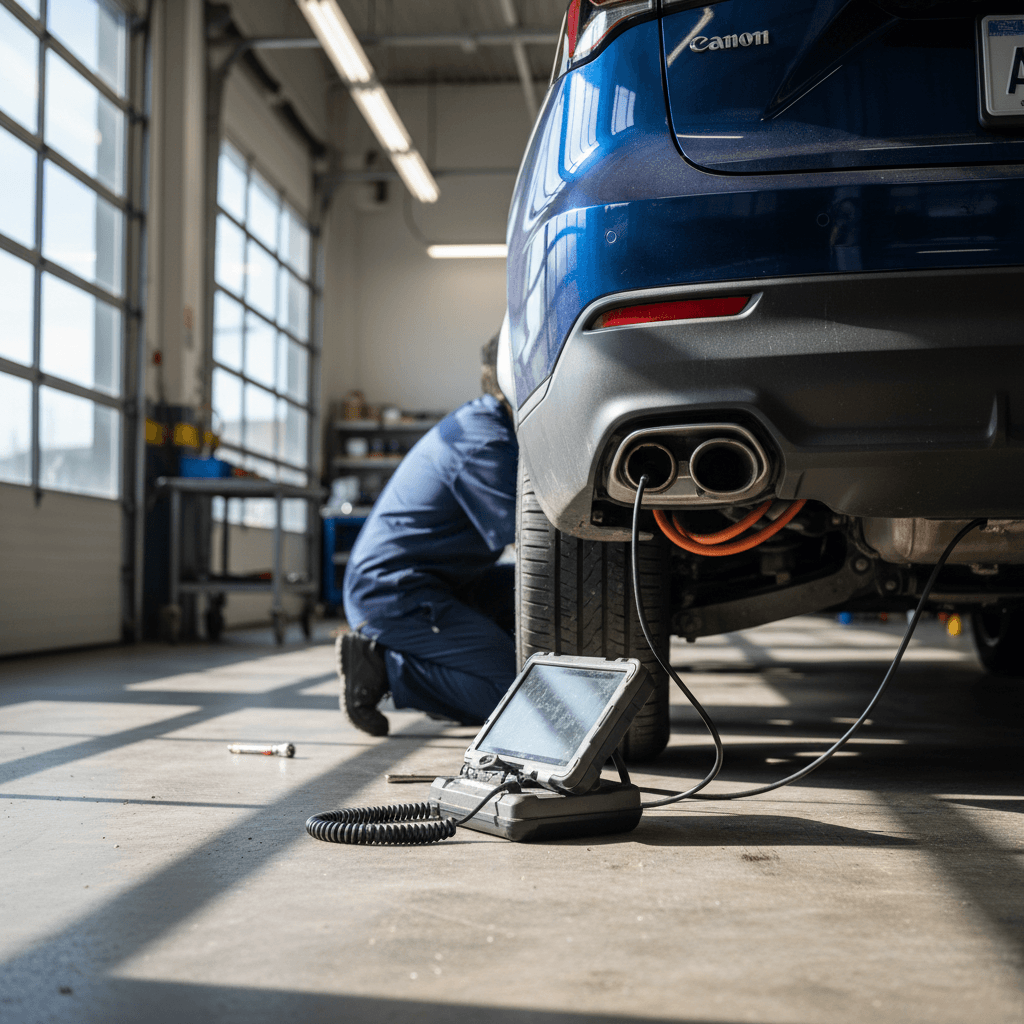
Modern EVs, ZDX included, hide most of the useful metrics, cell health, usable capacity, balance between modules, behind dealer tools. A professional battery health report can surface that hidden data so you aren’t buying (or selling) blind.
How Recharged handles used ZDX battery health
Will you ever need an Acura ZDX battery replacement?
The phrase “battery replacement” looms over EV conversations like a cartoon anvil. In reality, full pack replacements are rare, and usually tied to outlier issues (manufacturing defects, crash damage) rather than gentle, gradual degradation.
Battery replacement odds for a ZDX
Not as scary as the headlines make it sound
Low failure rates
Large studies across many EV brands consistently find that only a small minority of cars need a full battery replacement within the first decade, usually because of defects, not normal use.
Module vs. full pack
On Ultium‑based vehicles, there’s potential for module‑level repairs rather than replacing the entire pack. That can significantly lower worst‑case repair costs compared with older EVs.
Resale vs. repair
By the time a ZDX is old enough to genuinely need a new pack, many owners will simply trade or sell the vehicle rather than write a massive check for a replacement.
Battery replacement is a pricing factor, not an inevitability
For buyers and sellers on Recharged, that’s why we emphasize transparent battery health diagnostics. A car that’s eight years old with excellent pack health is a very different proposition from one that’s been fast‑charged daily and shows accelerated degradation, even if both wear the same badge.
FAQ: Acura ZDX battery lifespan questions, answered
Acura ZDX battery lifespan FAQ
Bottom line: Is Acura ZDX battery life a dealbreaker?
If you’re hesitating on an Acura ZDX because you’re worried the battery might croak right after the warranty runs out, you’re fighting the last decade’s war. Modern EV battery data, and the ZDX’s big Ultium pack, strongly suggest a long, boring, reliable lifespan where capacity fades slowly and predictably rather than falling off a cliff.
For most owners, the more realistic question isn’t “Will I need a new ZDX battery?” but “Will I still want this specific SUV 15 years from now?” By then, the industry will have moved on to new tech, new shapes, new screens. The battery will likely still be back there under the floor, quietly doing its job.
If you’re planning ahead for resale, or you’re hunting for a used Acura ZDX and want to be sure you aren’t inheriting someone else’s bad charging habits, that’s exactly where Recharged comes in. With expert EV support, transparent Recharged Score battery health diagnostics, and fair market pricing baked in, we make sure the question “How long will this ZDX battery last?” has a clear, data‑backed answer before you ever sign.