If you’re looking at a 2019 Chevy Bolt EV, the spec that catches your eye is the EPA‑rated 238 miles of range. But what does that look like in real‑world driving, on the highway at 70 mph, in winter, or with a few years of battery wear? Let’s walk through what a careful 2019 Chevy Bolt EV range test actually tells you, and how to translate that into everyday miles in 2026.
2019 Bolt EV at a glance
2019 Chevy Bolt EV range basics
Core range and efficiency numbers (when new)
The EPA’s 238‑mile number for the 2019 Bolt is an excellent starting point, but it’s not a promise. It’s based on a blend of city and highway cycles in controlled conditions. In independent 70‑mph tests, the 2017–2019 Bolt EV has delivered around 180 miles of continuous highway range, which lines up with the EPA’s 217‑mile highway rating once you factor in higher speeds and less stop‑and‑go. Around town, where you’re easing on and off the pedal and giving regenerative braking something to work with, many drivers can comfortably see 230+ miles from a full charge in mild weather.
How we framed a 2019 Bolt EV range test
Every driver’s route is different, but you can still use a structured 2019 Chevy Bolt EV range test to understand what *your* car can really do. Here’s a sensible way to test, without running the battery down to zero or stressing about getting stranded.
A simple real‑world range test for your Bolt
1. Start with a known state of charge
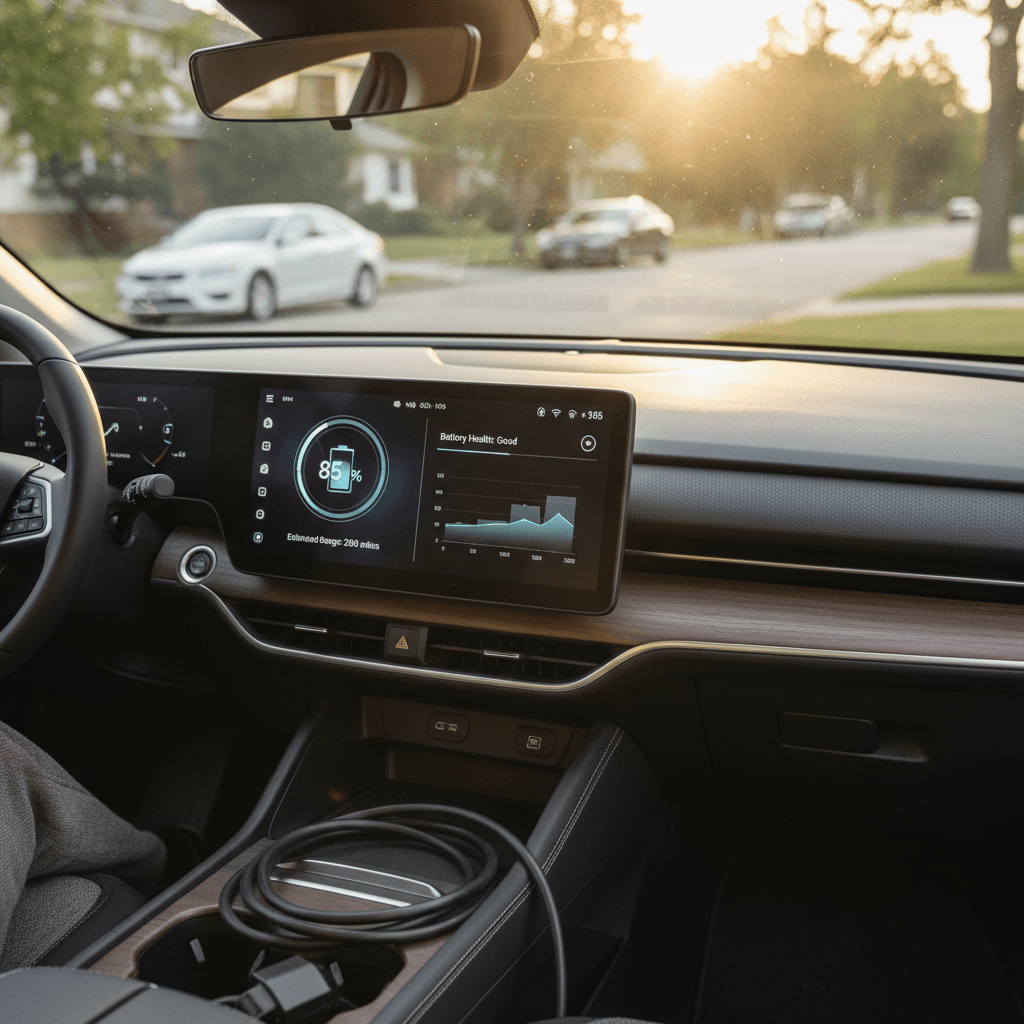
Charge the battery to 90–100% overnight on Level 2. Note both the percentage and the Bolt’s predicted range on the dash, pay attention to the middle number in the ‘range guess‑o‑meter’ trio, which is the estimate based on your recent driving.
2. Choose one type of route for the test
For clearer results, pick either mostly highway (65–70 mph) or mostly city/suburban (30–50 mph). Mixing everything together muddies the water when you’re trying to compare your results later.
3. Drive normally, but consistently
Use your usual style, but keep it steady. On the highway, set cruise between 65–70 mph. In town, avoid jackrabbit starts and hard braking. Run climate control the way you normally would so you’re testing reality, not a hypermiling fantasy.
4. Track miles driven and battery used
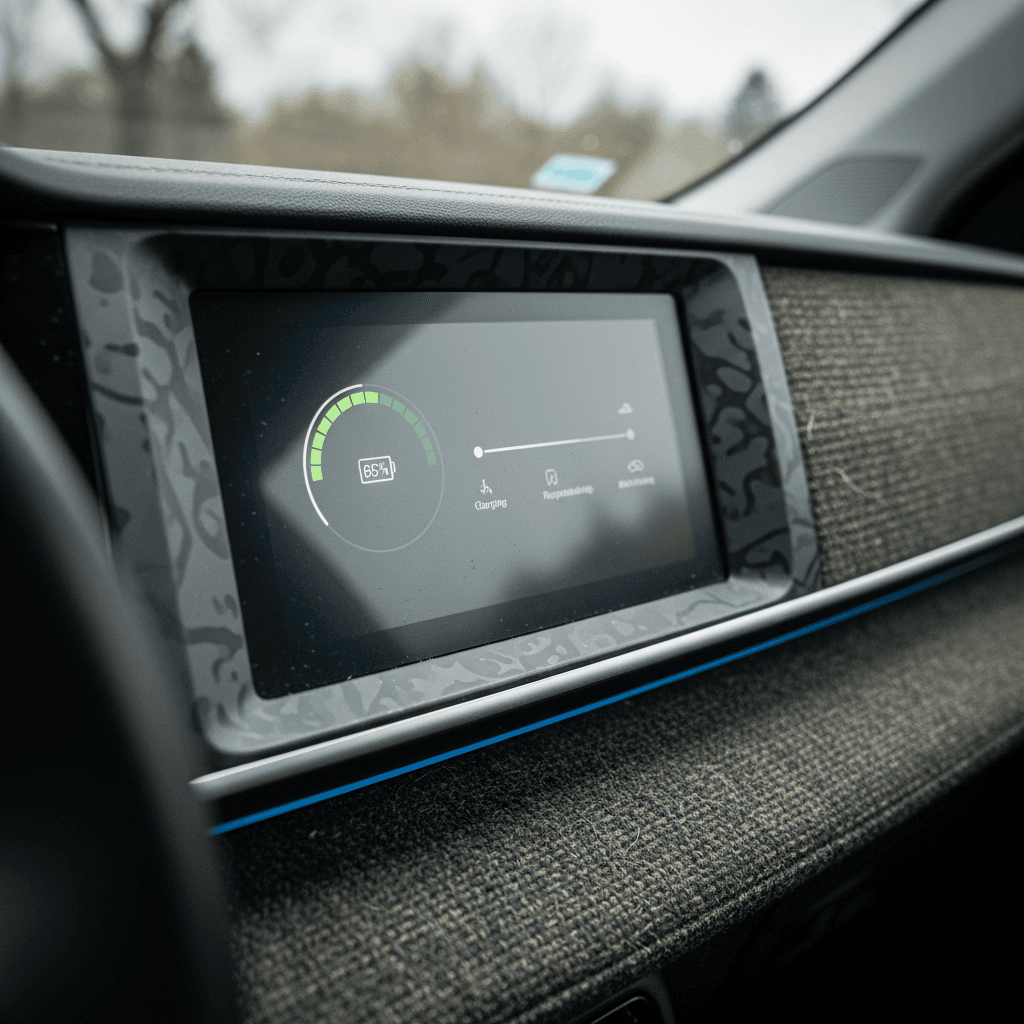
After at least 50–70 miles, note miles traveled and your remaining state of charge. For example: 70 miles driven, 65% battery left. That alone gives you a picture of total usable range.
5. Do the math for estimated range
Divide miles driven by the percentage of battery used, then scale up to 100%. If you drove 70 miles and used 35% of the pack, that’s 70 ÷ 0.35 ≈ 200 miles of total range in those conditions.
6. Repeat in different conditions
Try again on a cold day, a warm day, and a mixed city/highway commute. You’ll quickly build your own range profile, which is far more helpful than a single number on a spec sheet.
Don’t run it to zero
City vs highway: how the 2019 Bolt’s range really behaves
City & suburban driving
At lower speeds, the 2019 Bolt EV is in its element. Aerodynamic drag is lower, and every stoplight is a chance to harvest energy with regenerative braking. In mild temperatures (roughly 50–75°F), many drivers see 4.0–4.5 mi/kWh around town.
- Typical full‑charge city range: ~220–250 miles
- Lightfooted drivers: Can occasionally exceed the EPA’s 255‑mile city rating
- Lots of hills & traffic: Still surprisingly forgiving because regen makes up for the climbs
Highway driving at 65–75 mph
Once you’re at freeway speed, aerodynamics take over. The Bolt’s upright hatchback shape and relatively high drag coefficient mean it works harder slicing through the air.
- At 65 mph: ~3.3–3.7 mi/kWh is common, or roughly 195–220 miles per full charge
- At 70–75 mph: Real‑world tests have seen about 180 miles from full to empty
- Headwinds & roof racks: Can eat into range faster than you’d expect, sometimes 10–15% down
For most owners, that translates to a comfortable 140–160‑mile highway leg while keeping a safety buffer instead of running to zero.
A quick way to sanity‑check highway range
Weather, elevation, and how they change your Bolt’s range
The 2019 Bolt EV’s battery is liquid‑cooled, which helps keep performance and range more consistent than in air‑cooled EVs. But physics still wins: temperature, climate control, and hills can swing your real‑world range by 30% or more compared with that 238‑mile EPA number.
Biggest range killers (and helpers) for a 2019 Bolt
Know what’s nibbling away at those miles
Cold weather (below ~40°F)
Cold soaks the pack, thickens lubricants, and forces the cabin heater to work hard.
- Effect: 20–35% range loss isn’t unusual, especially on short trips
- Example: A 200‑mile mild‑weather highway range can drop near 140–160 miles on a frigid day
- Best defense: Precondition on the plug, use seat/steering‑wheel heaters, and plan extra buffer on winter road trips
Heat & A/C use
Heat is the bigger villain, but heavy A/C at 95°F still takes its cut.
- Hot weather highway range: Often 5–15% less due to A/C and battery thermal management
- City driving: Less aerodynamic penalty, but frequent stops mean climate losses loom larger
- Tip: Use the ‘Eco’ climate mode when you can tolerate it
Hills, grades, and altitude
Climbing long grades demands serious power, but coming down lets regen win some back.
- Mountain drives: Expect lower efficiency on the climb, improved on the descent
- Net effect: Depends on route, but steady uphill highway legs can cut range by 10–25%
- Watch temps: Long grades plus heat can raise pack temps and trigger more cooling
Beware short winter trips
Battery health on a 2019 Bolt EV: what to expect in 2026
On paper, the 2019 Bolt EV carries an 8‑year/100,000‑mile battery warranty, and many real‑world examples have proven reassuringly durable. Its 60 kWh pack has 288 liquid‑cooled cells and was one of the first affordable EV batteries to comfortably clear 200 miles of range. By 2026, though, every 2019 Bolt is 7 years old, and mileage varies wildly, some were commuter tools, others weekend toys.
What owners typically see from a 2019 Bolt pack by year 7
These are realistic ballpark numbers, not guarantees, every car’s history is different.
| Usage profile (2026) | Approx. odometer | Typical capacity loss | Real‑world range vs. new |
|---|---|---|---|
| Light‑use commuter | ≤40,000 miles | 5–8% | ~220–235 mi mixed driving |
| Average driver | 50,000–90,000 miles | 8–15% | ~200–220 mi mixed driving |
| High‑mileage rideshare / road‑warrior | 100,000+ miles | 15–25% | ~180–205 mi mixed driving |
Use this as a starting point; a battery‑health report or detailed scan is always better than guesses.
Those numbers line up with how modern liquid‑cooled EV packs behave when they’re charged mostly on Level 2 and not routinely hammered with DC fast charging. Hard use, repeated fast‑charge abuse, or long stretches parked at 100% can accelerate degradation. The good news: most 2019 Bolts in typical use still have well over 180 miles of realistic mixed‑driving range in 2026, and often more.
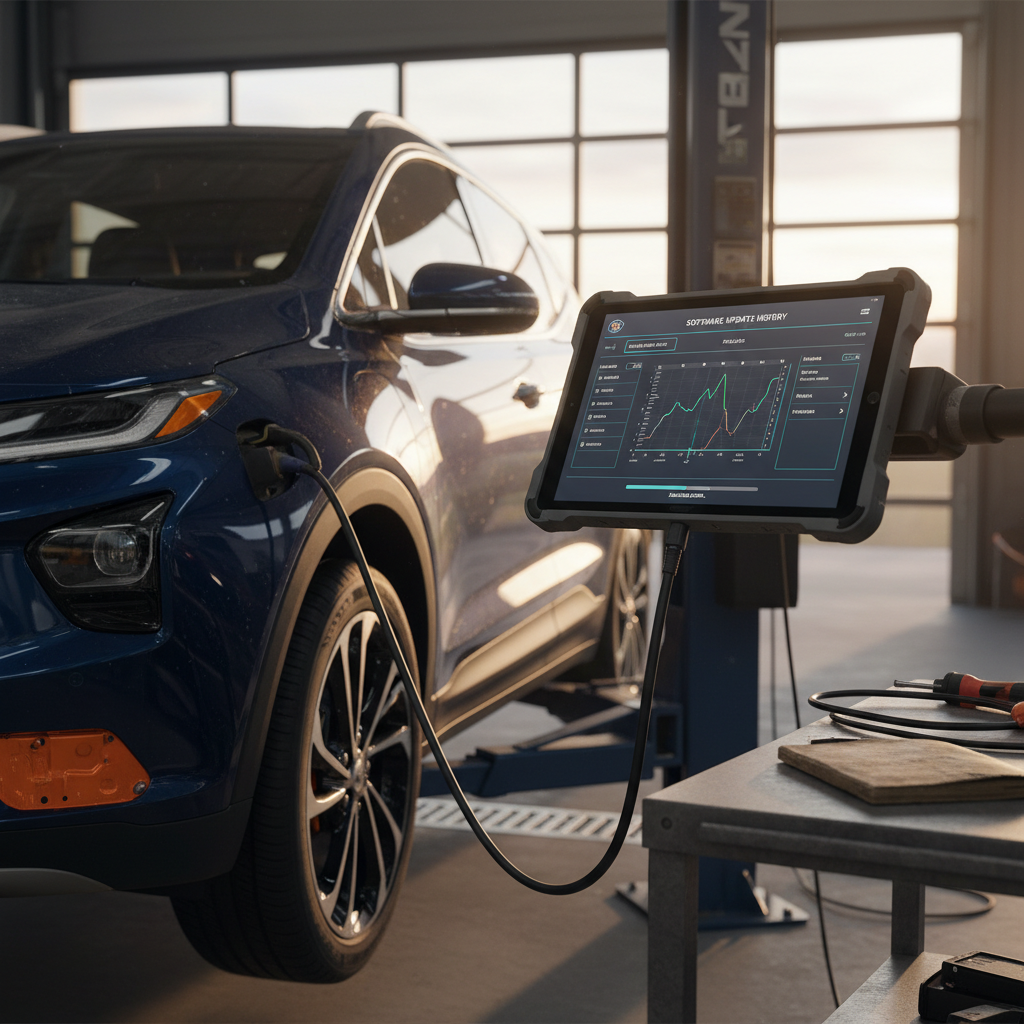
How Recharged checks a used Bolt’s battery
Ready to find your next EV?
Browse VehiclesPractical tips to maximize your 2019 Bolt EV range
- Use ‘L’ mode in traffic for stronger regen and one‑pedal driving, every smooth deceleration feeds miles back into the pack.
- On the highway, set cruise in the 65–70 mph band when you can; each extra 5 mph above that starts nibbling away at range.
- Precondition the cabin while plugged in at home, especially in winter, so heat or A/C energy comes from the wall, not the battery.
- Lean on seat and steering‑wheel heaters in cold weather instead of cranking cabin temperature, heating bodies is cheaper than heating air.
- Keep your tires at the recommended pressure; under‑inflated tires quietly drain range and feel sloppy on the road.
- Avoid parking at 100% state of charge for days at a time. For daily use, a 70–90% routine top‑off is healthy and still gives plenty of reach.
- Travel light and ditch roof racks or cargo boxes when you don’t need them; they’re range killers at freeway speed.
Use the energy screen as a coach, not a critic
Shopping used? How to judge a 2019 Bolt’s real range
If you’re eyeing a 2019 Bolt EV as a used buy, you’re not just buying a car, you’re buying whatever’s left in that 60 kWh battery. A smart version of a 2019 Chevy Bolt EV range test is part of your pre‑purchase homework, right alongside checking service history and tires.
Four quick checks before you commit to a used 2019 Bolt
You don’t need a lab coat, just a little structure
Check the predicted range at high state of charge
Ask the seller to fully charge the car (or at least to 90%) before you arrive.
- Look at the middle number in the range estimate on the cluster, it’s based on recent driving.
- If it shows ~200 miles at 90% on a warm day after normal driving, that’s a healthy sign.
- Be wary if it’s showing, say, 130 miles at 90% with no clear explanation.
Take a consistent 20–30 mile test drive
Mix some city and highway on your drive and note:
- Miles driven vs. percentage of battery used
- Average mi/kWh for the trip from the energy screen
- Any sudden drops or weird jumps in the range estimate
On a temperate day, losing ~10% battery over 20 miles of mixed driving is right in the ballpark.
Ask about charging habits
Gently probe how the previous owner charged the car:
- Frequent DC fast charging on road trips is fine; daily fast charging can be harder on the pack.
- Parking full for weeks at a time, not ideal, but not always a dealbreaker.
- Mostly home Level 2 charging is the best‑case scenario.
Get a professional battery health report
Some sellers guess at battery health; that’s not enough. A proper report pulls real data.
- With Recharged, every Bolt listing includes a Recharged Score with battery‑health details and a fair‑market price analysis.
- That turns ‘seems fine’ into real numbers you can compare across cars.
Why battery health matters more than odometer
2019 Chevy Bolt EV range test FAQ
Frequently asked questions about 2019 Bolt EV range
Bottom line: is the 2019 Bolt’s range enough?
When it launched, the 2019 Chevy Bolt EV’s 238‑mile EPA range changed what “affordable electric car” meant. Years later, a well‑cared‑for 2019 Bolt still delivers roughly 180–220 miles of honest real‑world range per charge in mixed driving, more in perfect conditions and less in winter. For a daily commute, school runs, and weekend errands, that’s plenty. For road‑trip duty, it’s absolutely workable if you plan around 140–160‑mile freeway legs and give yourself room for weather and traffic.
If you’re considering a used 2019 Bolt, the key is understanding *that specific car’s* battery health and how its past use lines up with your needs. That’s exactly what Recharged is built for: transparent Recharged Score battery diagnostics, fair‑market pricing, financing options, and EV‑savvy support from the first search to delivery. Whether you’re range‑testing your current Bolt or hunting for the right one to bring home, a little structure, and the right data, turns that 238‑mile promise into a clear, confidence‑inspiring picture of what the car can really do today.