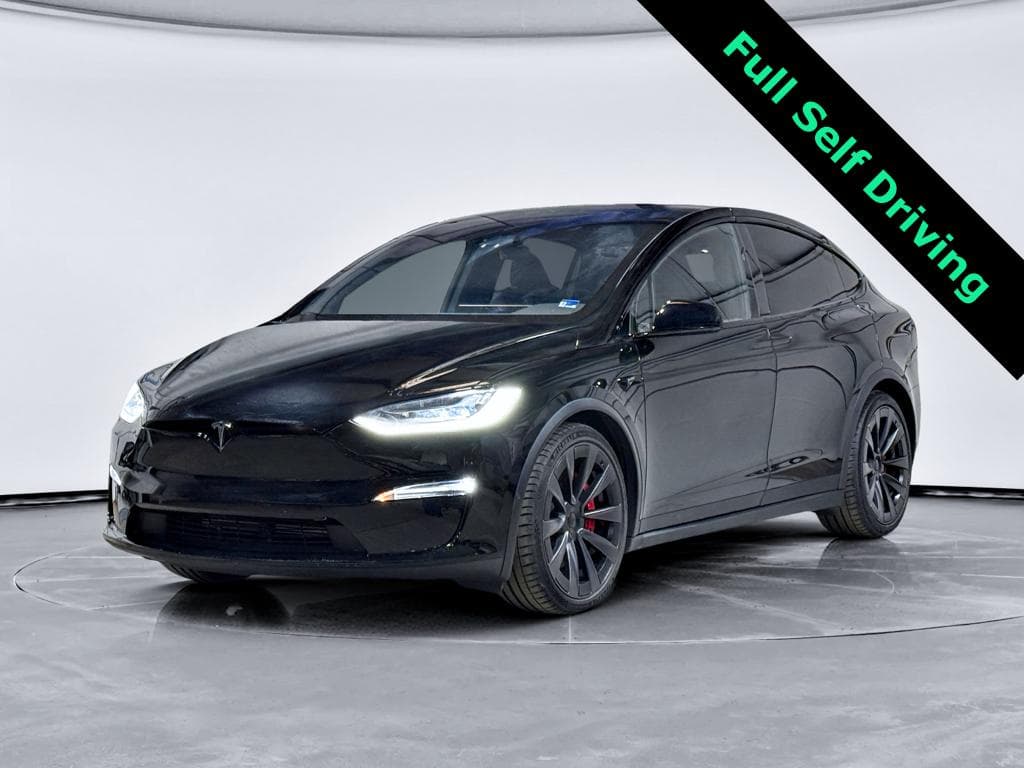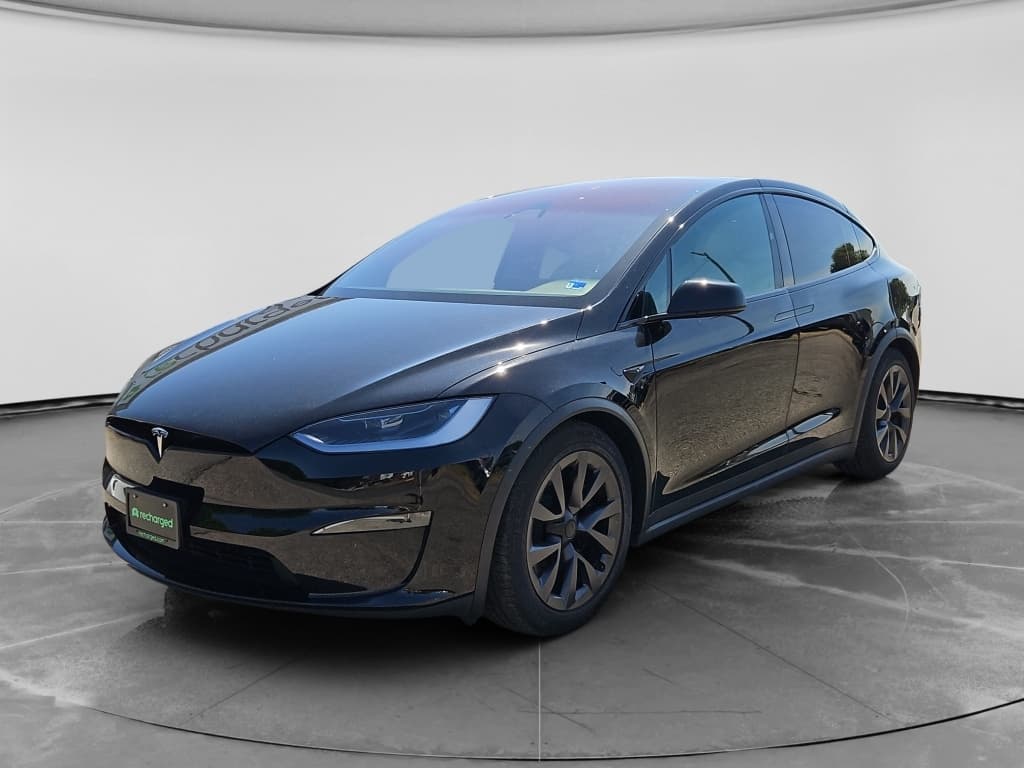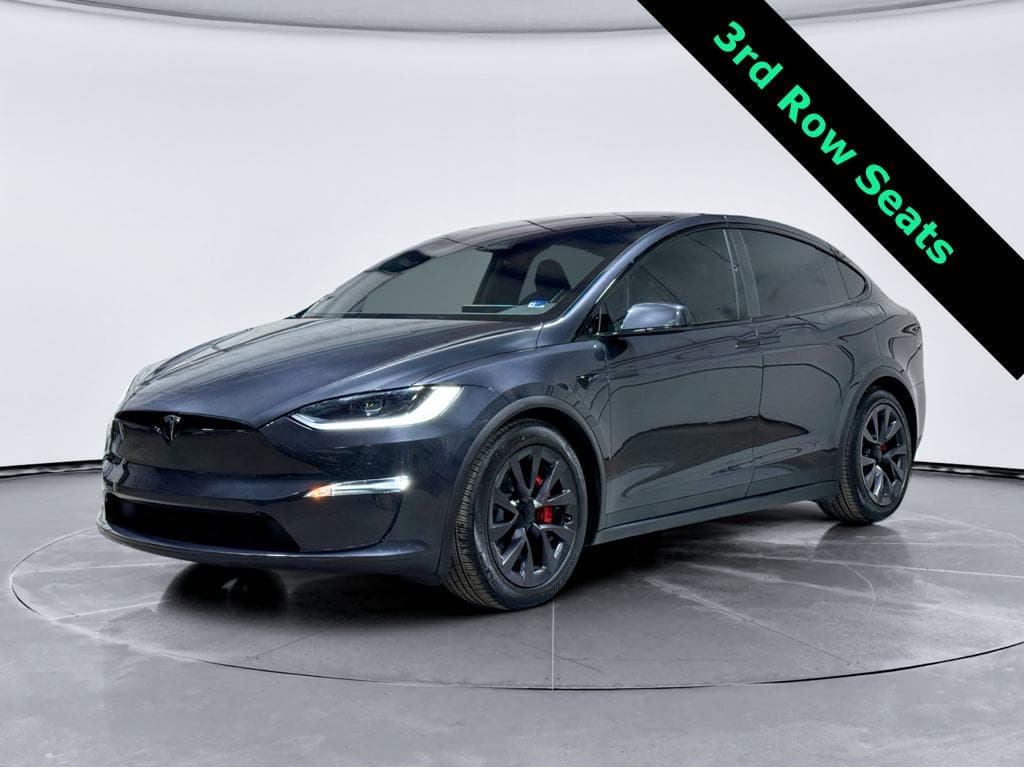
If you’re eyeing a 2018 Tesla Model X, you’re probably looking for a fast, tech-heavy, three-row electric SUV without paying new-Tesla money. As a used EV, the 2018 Model X can be a smart buy, but only if you understand its real-world range, reliability patterns, and ownership costs in 2026. This review walks through what’s great, what’s not, and exactly how to evaluate one before you sign anything.
Quick take
Who the 2018 Tesla Model X is (and isn’t) for
Is a 2018 Model X a good fit for you?
Match this used Tesla SUV to your real driving and family needs
Great fit if…
- You want a 3-row electric SUV with room for kids and gear.
- You value Supercharger access and long-trip capability.
- You’re OK with a firm, performance-oriented ride.
- You like tech-forward cabins more than traditional luxury wood and leather.
Best for these drivers
- Suburban families doing school runs plus weekend road trips.
- Owners with a Level 2 home charger.
- Drivers stepping up from a Model 3/Y who want real third-row space.
Probably not for you if…
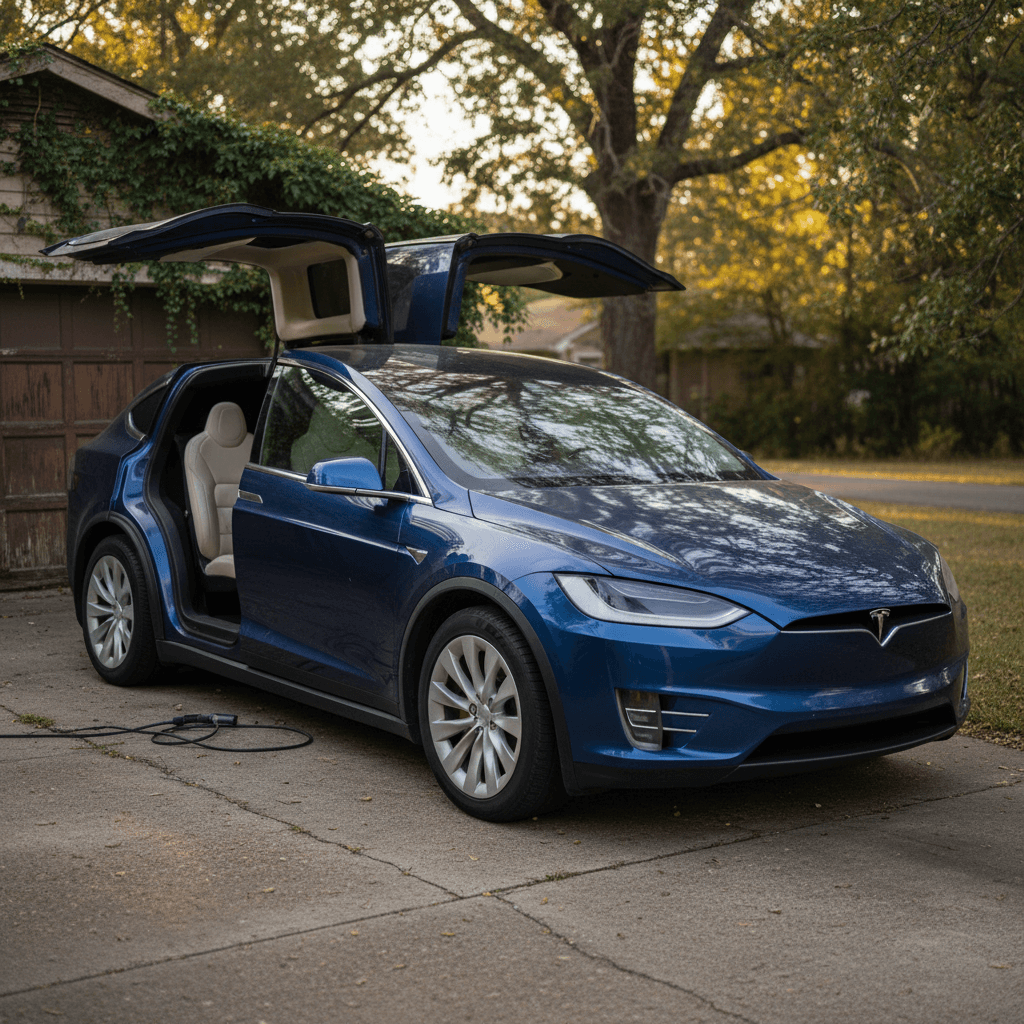
- You need to park in tight garages, the Falcon Wing doors need overhead clearance.
- You want soft, floaty ride comfort above all else.
- You’re highly risk-averse about out-of-warranty repairs.
2018 Tesla Model X trims, battery options, and key specs
By 2018, Tesla had simplified the Model X lineup somewhat, but you’ll still see different badges on used listings. The biggest differences you’ll care about are battery size, performance, and all-wheel-drive hardware. Every 2018 Model X is dual-motor AWD and has access to Tesla’s Supercharger network, but range and acceleration vary a lot by trim.
2018 Tesla Model X trims at a glance
Approximate EPA ranges when new; expect some real-world degradation on used vehicles.
| Trim (2018) | Battery label | EPA range when new (mi)* | 0–60 mph (approx.) | Seats |
|---|---|---|---|---|
| 75D | ~75 kWh | 237 | 4.9 sec | 5, 6, or 7 |
| 100D | ~100 kWh | 295 | 4.7 sec | 5, 6, or 7 |
| P100D (Performance) | ~100 kWh | 289 | 2.9 sec (Ludicrous) | 5, 6, or 7 |
Exact ranges vary slightly by wheel size and options; treat these numbers as ballpark for comparing trims.
Trim-shopping tip
In most markets today, the 100D is the sweet spot: long range, strong performance, and typically lower asking prices than the P100D. The 75D can make sense if you mainly stay local and find a clean example at a clear discount, but its usable range in 2026 may feel limiting on winter highway trips.
Range and charging: What to expect from a 2018 Model X today
Realistic range and charging expectations
Battery degradation on a 2018 Model X is usually front-loaded: you often see a noticeable drop in the first few years, then a slower decline. Many well-cared-for 100D examples still show around 90% of their original usable capacity, but actual numbers vary by climate, charging habits, and mileage. That difference can mean arriving at a charger with 15% instead of 5% on a cold night, so it’s not just academic.
Cold-weather reality check
On DC fast charging, a healthy 2018 Model X can still pull impressive power, especially at low states of charge. You’ll typically see the fastest rates from 10% to about 40–50%, after which the curve tapers off to protect the pack. For day-to-day use, most owners rely on Level 2 home charging, adding roughly 25–35 miles of range per hour depending on amperage, plenty to refill from a normal commute overnight.
Driving experience, performance, and comfort
Performance and handling
- Even the 75D feels genuinely quick, with instant torque and smooth AWD traction.
- The P100D is one of the quickest SUVs ever built, Ludicrous launches are dramatic enough that many families rarely use full power.
- Steering is light and direct, with a more “techy” feel than traditional luxury SUVs.
- Air suspension lets you raise the ride for steep driveways and lower it at speed for efficiency.
Ride quality and noise
- Ride skews firm, especially on 20"+ wheels. Potholes and expansion joints are noticeable.
- The cabin is quiet at city speeds but can pick up wind noise around the huge windshield at highway pace.
- Third-row passengers have a tighter, more upright seating position than the first two rows.
- Compared with newer luxury EV SUVs, the 2018 X feels slightly less isolated but more engaging.
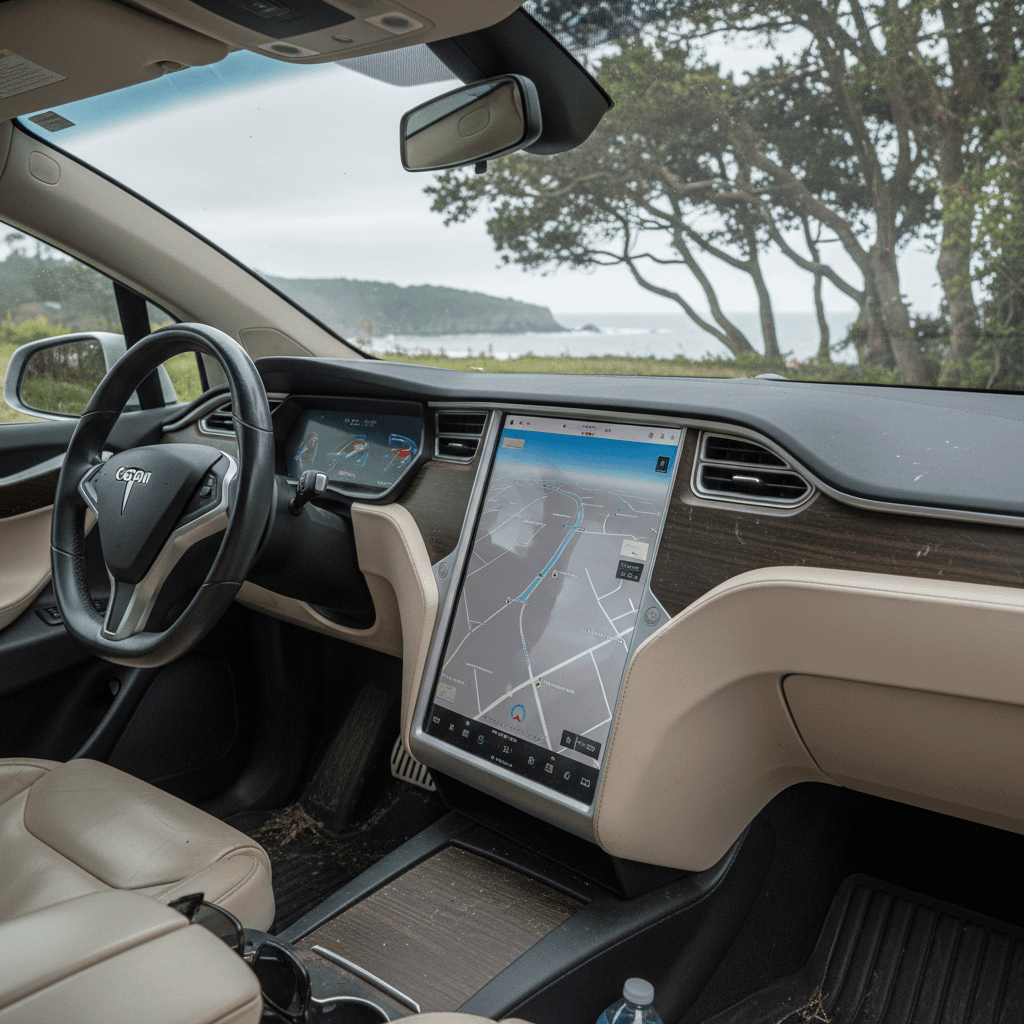
Cabin materials in the 2018 Model X lean minimalist and modern rather than plush. The star of the show is the massive central touchscreen, which controls nearly everything. If you’re coming from a German luxury SUV, you might find some plastics and trim a step down, but the overall experience feels more like a rolling smartphone than a traditional truck-based SUV.
Technology, Autopilot, and safety features
Technology is one of the main reasons shoppers still gravitate to the 2018 Model X in the used market. Over-the-air updates kept these SUVs feeling modern long after delivery, and many 2018s include early versions of Tesla’s more advanced driver-assistance hardware.
Key tech and safety features to know on a 2018 Model X
Exact features depend on build date and options, always verify on the individual vehicle.
Autopilot hardware
Driver assistance
Crash safety
Autopilot package confusion
Infotainment is anchored by the 17-inch touchscreen and a digital instrument cluster. Earlier 2018 builds may still have the original MCU1 computer, which can feel sluggish by modern standards, especially when rendering maps or streaming. Many owners have proactively upgraded to MCU2, which improves responsiveness and adds features like better video streaming and newer games.
Reliability and common 2018 Model X issues
Expect some quirks
- Falcon Wing doors: Impressively engineered, but they add moving parts, sensors, and latches that can misalign, squeak, or fail over time. Test every door multiple times in different parking situations.
- Front doors and latches: The auto-present front doors can occasionally misbehave or fail to latch smoothly. Look for alignment issues and listen for wind noise on test drives.
- MCU screen bubbling/yellowing: Some earlier screens developed discoloration or “bubbles.” Check the display closely at the edges and corners.
- Air suspension: Ride-height sensors, compressors, and struts can wear with age, especially on higher-mileage vehicles. Listen for compressor noise and look for uneven ride height after the car sits overnight.
- HVAC and cabin comfort: A few owners report premature failures of heater or AC components. Confirm the system heats and cools quickly in all modes.
- General squeaks and rattles: Big glass, large doors, and a stiff structure mean some 2018 Xs develop minor interior noises. Not safety-critical, but they can be annoying on long drives.
Out-of-warranty repair risk
On the upside, core EV components, motors, inverters, and battery packs, have generally held up well when not abused. The biggest long-term question is often how the car was treated: constant fast charging, aggressive driving on rough roads, and minimal maintenance typically show up later as repair bills.
Ownership costs, depreciation, and incentives
Cost picture for a used 2018 Model X
Depreciation has already hit the hardest by the time a 2018 Model X shows up on your radar, which is good news if you buy carefully. You’re effectively letting the first owner absorb the largest drop from the original price. That said, the X still commands a premium over many other used EVs and gas SUVs, especially for low-mileage 100D and P100D examples with strong option lists.
Where you save
- No fuel bills, just electricity, which is often cheaper per mile.
- Fewer routine services (no oil changes, spark plugs, or exhaust repairs).
- Regenerative braking means brake pads and rotors tend to last longer.
- Potential EV incentives on a used purchase in some states and local jurisdictions.
Where you may spend more
- Higher insurance than a typical midsize SUV, thanks to repair complexity and original vehicle value.
- Out-of-warranty repairs at Tesla service centers or specialists.
- Tire wear on heavy, high-torque EV SUVs can be faster, budget for quality replacements.
- Potential infotainment or battery warranty work if issues arise outside standard coverage.
Financing a used Model X
What to check when buying a used 2018 Model X
2018 Model X used-buying inspection checklist
1. Battery health and range
Ask for recent battery health data or a report. On Recharged vehicles, the <strong>Recharged Score</strong> includes a verified battery health diagnostic so you can see how much capacity is left versus when the SUV was new.
2. Autopilot and options verification
Confirm the current Autopilot/FSD status from the car’s software screen, not just seller claims. Make sure features like adaptive cruise, lane keeping, and Summon (if advertised) actually work.
3. Falcon Wing and front doors
Open and close all doors multiple times. Try them on level ground and on a slight slope. Listen for unusual noises, look for misalignment, and check that the doors clear your typical parking environments.
4. Air suspension behavior
Cycle through ride-height settings and listen for compressor strain. Check that the vehicle sits level after being parked for several hours. Any sagging or unevenness warrants a closer look.
5. Interior electronics and MCU
Test the touchscreen for responsiveness, check for discoloration or bubbles, and try all major functions, navigation, Bluetooth, backup camera, HVAC controls, and driver profiles.
6. Tires, brakes, and underbody
Inspect tires for even wear (inner edges on big wheels can wear first). Look for curb rash on expensive wheels, and have a professional check suspension and underbody for damage, especially if the vehicle has a long road-trip history.
Make a test drive work for you
How Recharged helps you shop a used Model X
Shopping for a 2018 Model X on your own can feel like detective work, especially if you’re trying to judge invisible factors like battery health or Autopilot hardware. That’s where Recharged is built to help. Every vehicle we list comes with a Recharged Score Report that includes verified battery diagnostics, fair market pricing analysis, and a clear look at key options and software status.
Why consider a 2018 Model X through Recharged
We’re focused on making used EV ownership more transparent and less stressful.
Verified battery health
Fair market pricing
Support from search to delivery
Ready to find your next EV?
Browse Vehicles2018 Tesla Model X FAQ
Frequently asked questions about the 2018 Tesla Model X
Bottom line: Should you buy a 2018 Model X?
A 2018 Tesla Model X still delivers something few used SUVs can match: three rows of seating, eye-opening acceleration, and a mature EV ecosystem built around Supercharging and over-the-air updates. As a used buy, it makes the most sense for shoppers who understand its quirks, have access to home charging, and are prepared for above-average repair bills if something big breaks outside warranty.
If you want a tech-forward family hauler and you’re willing to trade a bit of traditional luxury polish for EV performance and charging convenience, a clean, well-documented 2018 Model X, especially a 100D, can be an excellent choice. Just take the time to verify battery health, inspect the doors and suspension, and confirm software features on any specific SUV you’re considering. And if you’d rather not do that homework alone, Recharged is built to walk you through it, from your first online search to the moment an electric SUV pulls into your driveway.