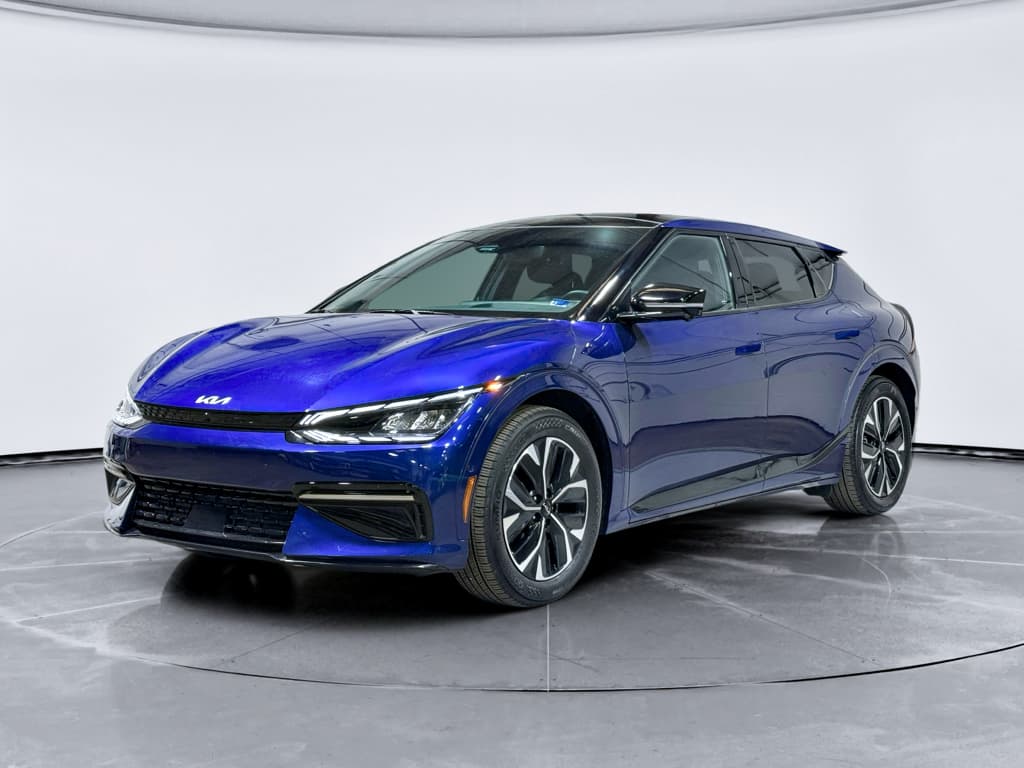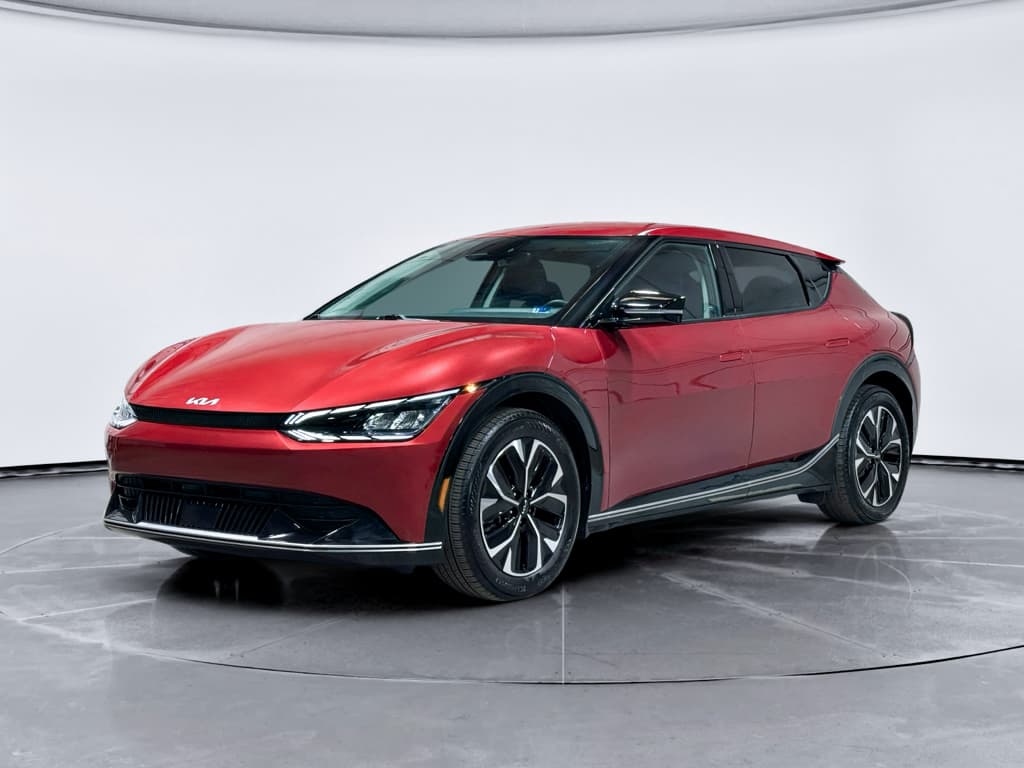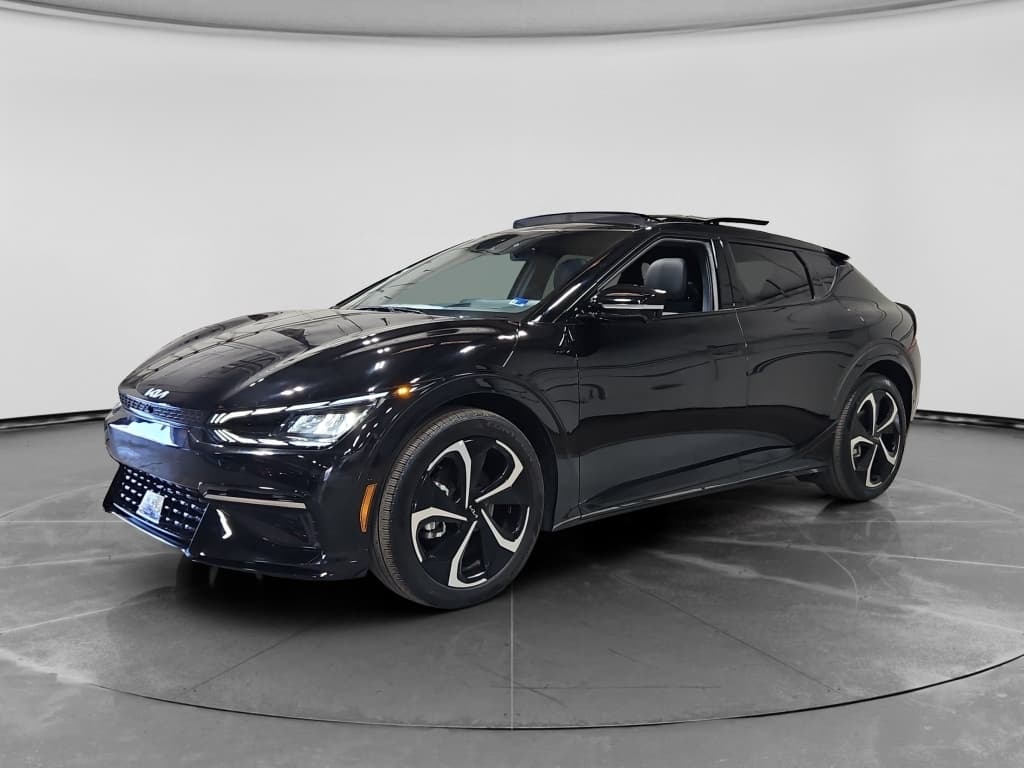
If you own a Kia EV6, you’ve probably wondered: **how much can it tow, and how badly will towing hammer my range?** The official numbers look tidy on a spec sheet, but the real world, hills, headwinds, and a boxy camper, plays by different rules. This guide breaks down Kia EV6 towing capacity and range loss in plain language so you can decide what kind of trailer makes sense and how far you can actually go between charges.
Quick takeaway
Kia EV6 towing overview
From the factory, the EV6 is not a body-on-frame pickup. It’s a low, slippery crossover built on Hyundai–Kia’s E‑GMP platform, optimized for **efficiency and aero**, not hauling horse trailers. But that same rigid skateboard chassis and strong rear structure mean it can tow more than you’d expect from a sleek family EV, when equipped and used correctly.
Where the EV6 shines as a tow vehicle
- Instant torque: Electric motors pull strongly from a stop, which feels great on ramps and city streets.
- Low center of gravity: The big battery in the floor keeps trailer sway more controlled than in many tall SUVs.
- Strong regen: Adjustable regenerative braking can help manage downhill speeds and reduce brake wear.
Where the EV6 falls short
- Range loss: Even a modest trailer can chop your real‑world range nearly in half.
- Thermal limits: Extended climbs in hot weather can stress the battery and power electronics.
- Packaging: Cargo plus passengers plus tongue weight can push you toward payload limits faster than you think.
U.S. vs. Europe ratings
Official Kia EV6 towing capacity by configuration
Kia doesn’t give every EV6 the same towing rating. The numbers depend on **drivetrain, region, and whether the trailer has its own brakes**. Below is a simplified view to help you orient yourself; always treat your owner’s manual as the final word.
Typical Kia EV6 towing capacity ranges
Approximate, commonly published EV6 tow ratings. Check your VIN-specific manual for exact limits.
| Configuration | Typical braked rating | Typical unbraked rating | Notes |
|---|---|---|---|
| RWD single‑motor (most trims) | Up to 3,500 lbs (≈1,600 kg) | ≈1,650 lbs (≈750 kg) | Full rating only with factory‑approved hitch and wiring |
| AWD dual‑motor (non‑GT) | Often 0–2,000 lbs (0–900 kg) | ≈1,650 lbs (≈750 kg) | Some markets don’t approve towing at all with certain AWD trims |
| GT performance model | Often 0 lbs (not rated) | 0 lbs | Many GT variants are officially **not approved for towing** |
| Any trim without factory/approved hitch | 0 lbs | 0 lbs | If it’s not rated and equipped, assume it’s not allowed |
Braked towing is the headline figure, but unbraked limits and tongue weight matter just as much.
Never guess your tow rating
How towing affects Kia EV6 range
EV range and towing is less about weight and more about **aerodynamics and speed**. Your EV6 can dead‑lift more than the spec sheet suggests, but it can’t cheat physics: pushing a tall, blunt trailer through the air at 70 mph is like driving into a perpetual headwind.
Main drivers of range loss when towing an EV6
Think in terms of air, hills, and how you drive, not just trailer weight.
Aerodynamic drag
Speed
Terrain & elevation
Rule‑of‑thumb Kia EV6 towing range expectations
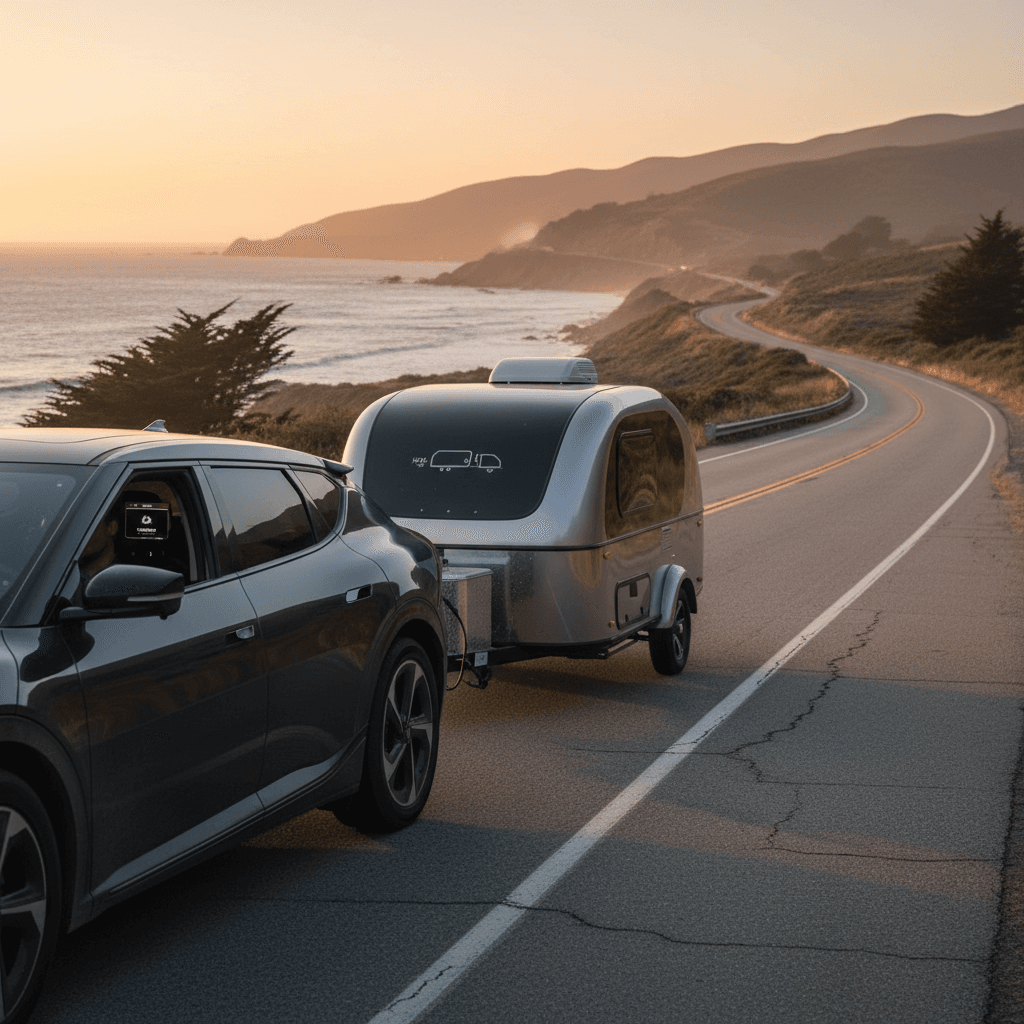
A What Car? towing test with a **Kia EV6 GT‑Line AWD and 77.4 kWh battery** saw range fall from about **232 miles to 101.5 miles** with a caravan in tow, roughly a **56% drop**. That result tracks closely with what many EV6 owners report in the real world: think half your solo range, sometimes worse in bad conditions.
Use EPA as your ceiling, not your plan
Real‑world range loss tests and examples
Range numbers on paper are tidy; the real world is a Jackson Pollock. Still, a few patterns show up again and again when EV6 drivers share towing data and tests.
- A long‑range RWD EV6 that can comfortably manage ~280–300 miles at 65 mph solo might see **120–160 miles** at the same speed towing a compact travel trailer.
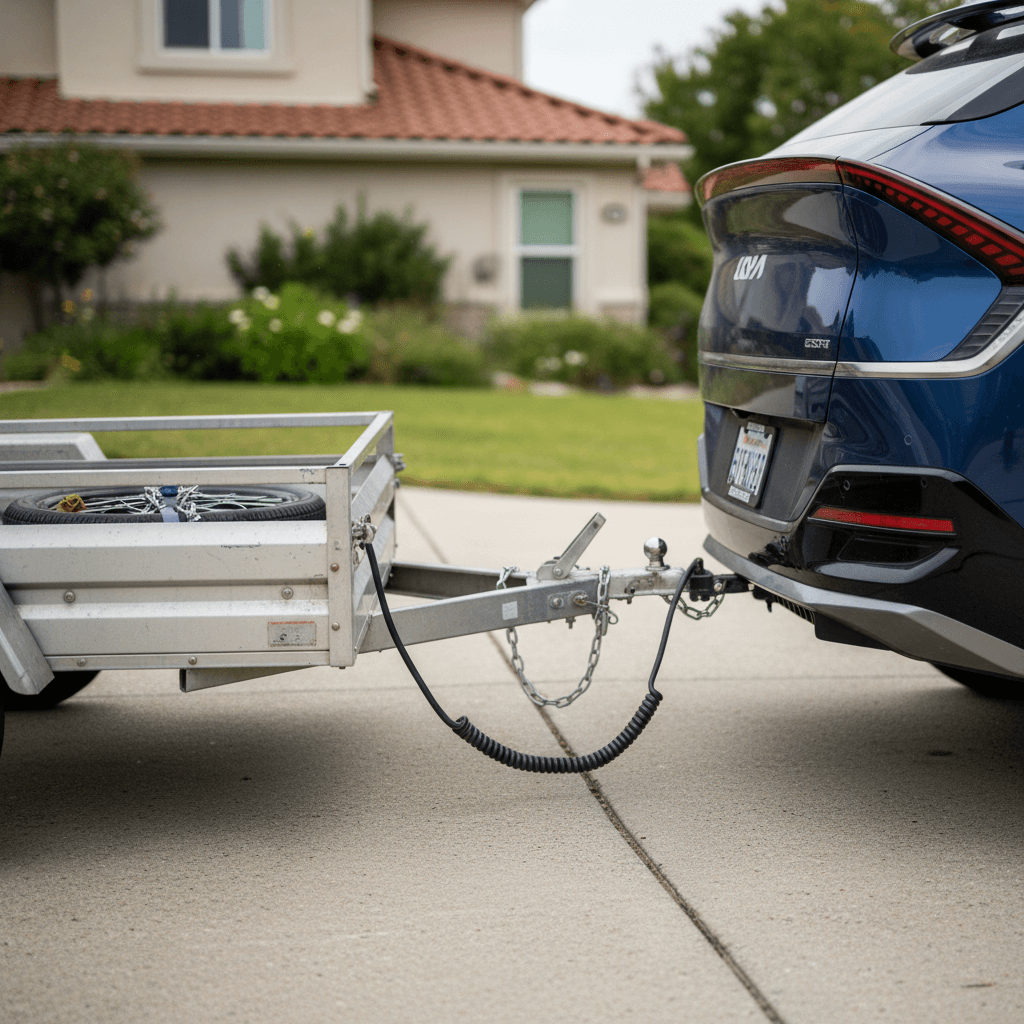
- Owners towing light utility trailers, think lumber, appliances, yard waste, often report **30–40% range loss** if the load sits below roof height and doesn’t add much frontal area.
- A lightly loaded, low motorcycle or cargo trailer can sometimes keep range loss closer to **25–30%** at moderate speeds on flat ground.
- Conversely, a tall, heavy camper on a windy day can push loss beyond **60%**, to the point where you’re stopping for a fast charge every 80–100 miles.
A simple back‑of‑the‑napkin estimate
Trip planning when towing with a Kia EV6
Towing with an EV is less about brute force and more about choreography. You’re not just hauling a trailer; you’re stage‑managing **charge stops, grade, weather, and campsite power**. The good news is that with a bit of planning, the EV6 can be a very civilized tow vehicle for road‑trip and camping duty.
Towing trip checklist for your EV6
1. Confirm your exact tow rating
Open your **owner’s manual** and verify the braked/unbraked trailer limits and maximum tongue weight for your specific EV6 trim and year. Don’t rely on generic internet numbers.
2. Weigh your trailer properly
Visit a public scale or RV dealer to measure **actual trailer weight and tongue weight** when loaded. Many “2,500‑lb” trailers end up much heavier once full of gear and water.
3. Map conservative charging stops
Use EV‑savvy route planners and aim to charge when you’ve used **40–50% of your battery**, not when you’re nearly empty. This keeps you in the fastest part of the DC fast‑charging curve.
4. Prefer stations with pull‑through access
Some fast‑charging sites are hopeless for trailers. Look on satellite view for **pull‑through spots, edge stalls, or easy loops** so you don’t have to unhitch just to plug in.
5. Slow down on the highway
On long stretches, setting cruise to **55–60 mph** can be the difference between two and three charging stops in a day. Your arrival time barely changes; your stress level does.
6. Pre‑book shore power when camping
If you’re using the EV6 for camping, reserve sites with **30A or 50A service**, and bring the right adapters. That lets you recharge overnight instead of wasting hours the next morning.
How Recharged can help
Ready to find your next EV?
Browse VehiclesProtecting your battery while towing
Towing doesn’t automatically “kill” an EV battery, but it does mean **high sustained loads and more heat**. If you tow frequently in an EV6, think like a long‑distance runner, not a sprinter, you want to keep the battery cool and avoid extremes.
Battery‑friendly habits when towing with an EV6
Small changes in how you drive and charge can pay off over years of ownership.
Watch temperature
Avoid high‑load at low SOC
Mix in Level 2 charging
Don’t ignore system warnings
Tow hitches, warranty, and safety notes
The easiest way to get into trouble with an EV6 is to bolt on a hitch, eyeball a trailer, and assume all is well. Kia, your insurer, and physics may disagree.
Key hitch and safety considerations for Kia EV6 owners
Questions to answer before you ever put a trailer on the ball.
| Topic | What to check | Why it matters |
|---|---|---|
| Hitch rating | Is the hitch rated in excess of your EV6’s tow rating? | The system is only as strong as its weakest link, hitch, vehicle, or trailer. |
| Wiring harness | Factory or factory‑approved harness with proper control module? | “DIY” wiring can confuse the EV’s systems and cause lighting or stability‑control issues. |
| Tongue weight | Within the maximum tongue weight in your manual? | Too much weight on the hitch can overload the rear axle and affect handling and braking. |
| Brake controller | Do you have an electric brake controller for heavier trailers? | Most EV6 tow ratings assume a **braked trailer** above a certain weight. |
| Insurance & warranty | Does your insurer and warranty clearly allow towing? | Exceeding rated capacity can complicate claims or future powertrain coverage. |
For EV towing, paperwork matters as much as hardware.
Remember: payload isn’t infinite
Is the Kia EV6 right for your towing needs?
If your idea of towing is a 30‑foot fifth‑wheel and a pair of ATVs, the Kia EV6 is the wrong tool for the job; you’re shopping in heavy‑duty pickup country. But for **small campers, utility trailers, bikes, kayaks, and weekend‑warrior projects**, the EV6 makes a surprisingly capable tow partner, provided you respect its limits and plan your routes.
Great use cases for EV6 towing
- Occasional trips with a 1,500–2,500 lb pop‑up or teardrop camper.
- Local runs with a small utility trailer for home‑improvement or yard work.
- Bike racks, cargo carriers, and light gear that barely dent range.
- Short‑haul boat launches where you’re only driving a few miles each way.
Consider a different EV or strategy if…
- You tow long distances at interstate speeds multiple times a month.
- You need to pull a tall, heavy RV that pushes against the EV6’s tow rating.
- You don’t have flexibility to stop every 90–140 miles for a fast charge.
- You live in a region with thin DC fast‑charging coverage on your favorite routes.
If you want an EV that can be a daily driver first and a tow rig second, the Kia EV6 is a compelling choice, as long as you walk into towing with open eyes about **range loss and logistics**. And if you’re hunting for a used EV6 with the battery health to back up real‑world towing, a Recharged Score report can give you the confidence that your range story starts strong before you ever hook up a trailer.