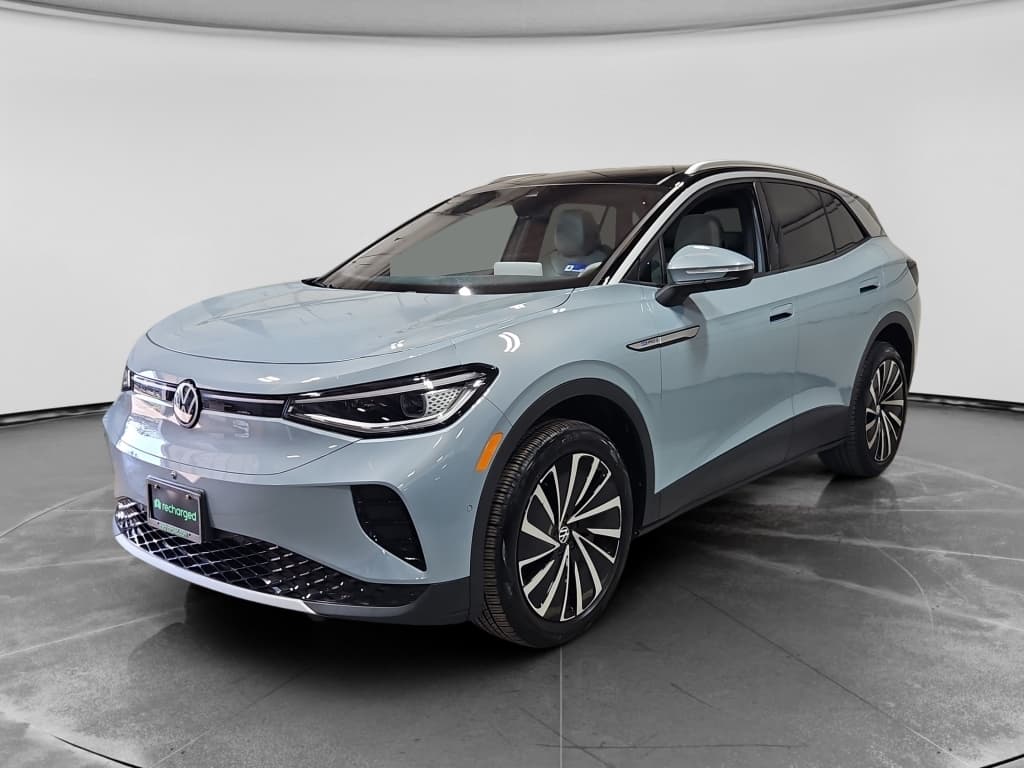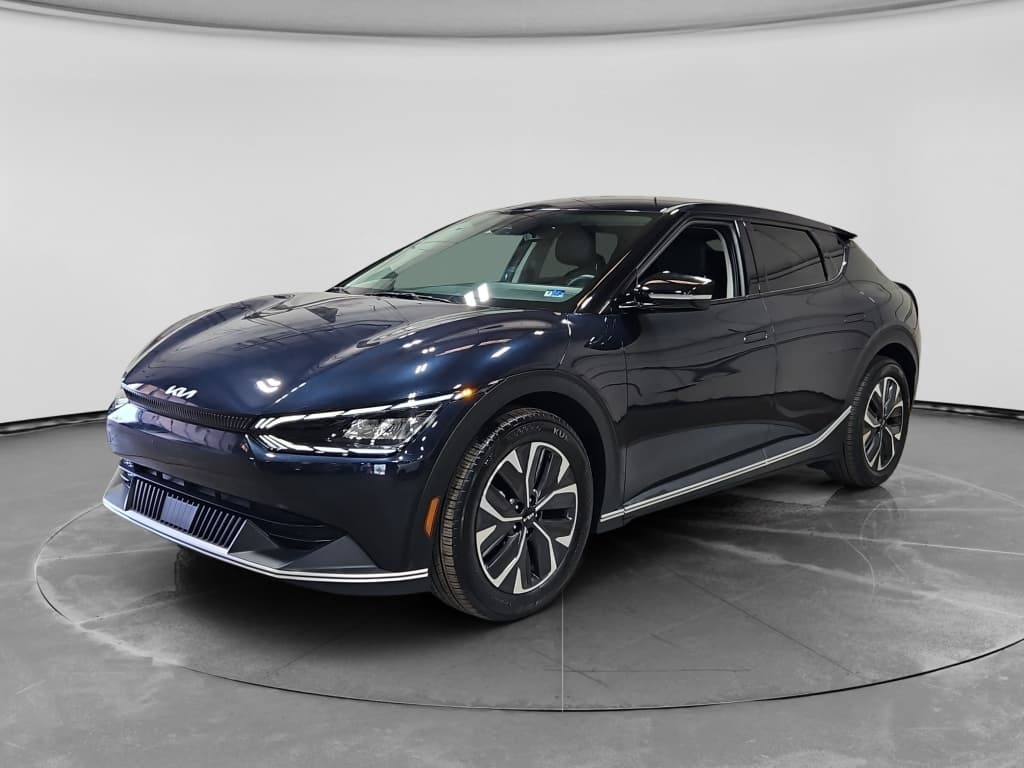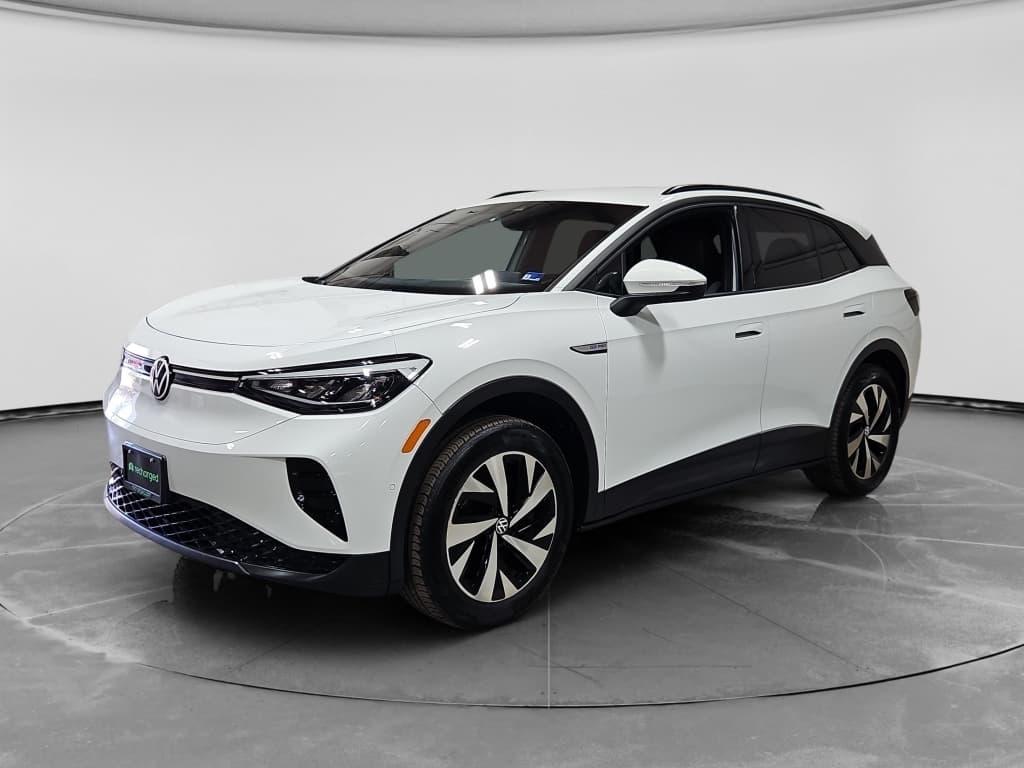
Electric car prices in 2025 are in a weird spot: new EVs still look expensive on showroom stickers, but used electric cars have quietly become some of the best values in the market. If you’re trying to decide whether an EV fits your budget, you need to look beyond the headline price and understand how incentives, battery health, and long‑term running costs all fit together.
Why EV pricing feels confusing right now
Overview: Electric car prices in 2025
Key electric car price stats for 2025
The short version: new electric cars are still expensive, but used EV prices have reset dramatically thanks to price cuts on new models, more lease returns, and shifting incentives. That’s great news if you’re shopping used, less so if you bought new a couple of years ago.
New electric car prices vs gas cars
If you walk into a dealership today, you’ll still see a noticeable gap between new electric car prices and comparable gas models. In late 2024, the average transaction price for a new EV in the U.S. sat around $55,500, while new gas cars averaged roughly $49,000. That gap has narrowed slightly as manufacturers cut EV prices, but it hasn’t disappeared.
Why new EVs still look expensive
Sticker price is only part of the story
Big batteries, big cost
Tech‑heavy trims
Incentives baked into pricing
Look past MSRP
Used electric car prices: where the value is
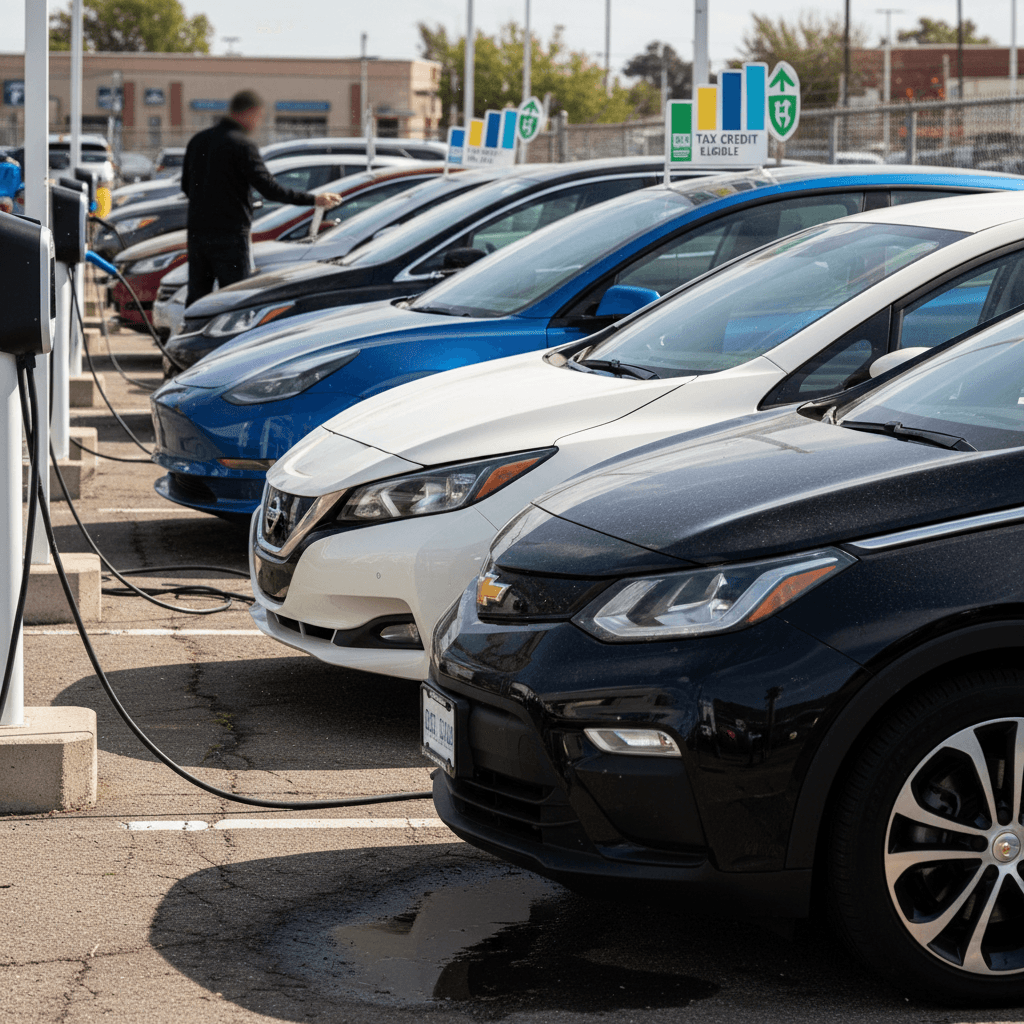
The used market is where electric cars prices have shifted most dramatically. After a spike in 2022–2023, late‑model used EV prices have fallen hard as new EVs got cheaper and a wave of lease returns hit the market.
Recent trends in used electric car prices
How prices for 1–5‑year‑old EVs have changed compared with a year earlier.
| Month (2025) | Avg used EV price | Year‑over‑year change | Comment |
|---|---|---|---|
| January | $31,400 | -20% | Steep declines as market corrected from 2022 peak. |
| March | $32,100 | -10% | Drops slowed but remained in double digits. |
| July | $30,600 | -1% | Market began to stabilize as buyers returned. |
| Latest trend | ~$30,000–$32,000 | Flat to slight decline | Used EVs now priced similarly to used gas cars. |
Used EV prices have dropped much faster than used gas car prices, but that decline is starting to stabilize.
For context, the average price of a 1–5‑year‑old used EV in early 2025 sat around $32,000, with more recent data suggesting roughly $30,000–$31,000 as the market stabilizes. That’s now in the same ballpark as used gas cars, a major shift from just a couple of years ago when used EVs commanded a clear premium.
Takeaway for shoppers
What actually drives electric car prices
1. Battery size and health
The larger the battery, the higher the price, both new and used. A 75–80 kWh pack simply costs more to build than a 50 kWh pack. On the used side, battery health becomes critical: a car that’s lost 10–12% of its original capacity is worth more than one that’s down 25%.
This is why Recharged runs a Recharged Score battery health diagnostic on every used EV we list. Instead of guessing based on age and miles, you can see measured capacity and projected degradation.
2. Range and charging speed
Range and charging speed are the two specs most buyers look at first, and they’re tightly linked to price. An EV that can go 300 miles and charge at 200 kW will typically command a premium over a 200‑mile EV that maxes out at 50 kW.
That premium shows up new and persists in the used market, though older fast‑charging standards (like early CHAdeMO cars) are increasingly discounted because the infrastructure is fading away.
- Brand and demand: High‑demand brands can hold value even as the broader EV market softens, while others must discount heavily to move inventory.
- Software and features: Over‑the‑air updates, advanced driver assistance, and connected services can support higher prices, especially for buyers planning to keep the car longer.
- Warranty coverage: Remaining battery and powertrain warranty is a big value driver in used EV pricing; cars still within their 8‑year battery warranty typically sell for more.
Don’t ignore battery warranty timelines
Price vs total cost of ownership
Sticker price is the loudest number, but it’s not the one that matters most. What you really care about is total cost of ownership, what you spend over several years including purchase price, finance costs, energy, maintenance, and resale value.
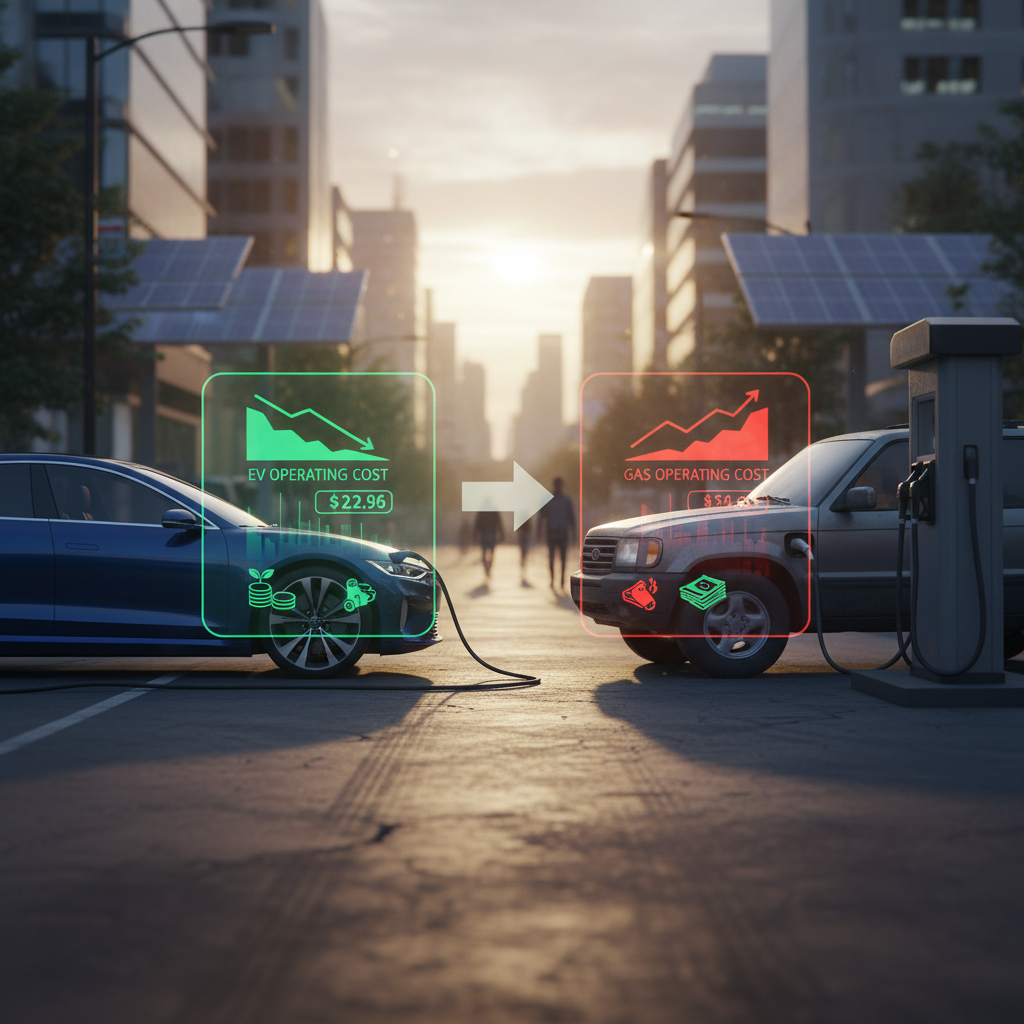
How EVs and gas cars compare on ongoing costs
A simple way to think about total cost of ownership
Electric car ongoing costs
- Energy: In many states, home charging works out to the equivalent of paying $1.00–$1.50 per gallon.
- Maintenance: No oil changes, fewer fluids, and far fewer moving parts reduce routine service spend.
- Brakes: Regenerative braking means pads and rotors often last much longer than on gas cars.
Gas car ongoing costs
- Fuel: Your cost is tied to gasoline prices, which are volatile and region‑dependent.
- Maintenance: Oil changes, exhaust systems, belts, and more add up over time.
- Wear items: Traditional transmissions and engines have more failure points as mileage climbs.
A simple rule of thumb
EV tax credits and incentives in 2025
Policy is a moving target, and it feeds directly into electric cars prices. For most of 2025, many new EVs in the U.S. still qualified for up to $7,500 in federal incentives, often available as a point‑of‑sale discount. There were also up to $4,000 incentives for certain used EVs bought from dealers, plus a patchwork of state and utility programs.
Important 2025 credit cutoff
- New EV incentives: May be reflected as a cash rebate at the time of sale rather than a tax refund the following year.
- Used EV incentives: Historically applied only to dealer‑sold vehicles, not private‑party sales, and had income and price caps.
- State & utility rebates: These can still knock hundreds or even thousands off the effective price, but they vary widely by ZIP code.
How to sanity‑check incentives in a listing
How to find a fairly priced used EV
6 steps to judge whether a used EV is fairly priced
1. Compare to similar cars, not just averages
National averages are useful background, but you should compare price to <strong>the same model, battery size, trim, and year</strong> in your region. An all‑wheel‑drive long‑range model will naturally sit above a base standard‑range car.
2. Look at battery health, not just mileage
Two EVs with 60,000 miles can be priced very differently if one has lost 8% of its battery capacity and the other has lost 20%. Recharged’s <strong>Score Report</strong> makes this explicit by measuring usable capacity rather than guessing from odometer alone.
3. Check remaining battery and powertrain warranty
A car with 3–4 years of battery warranty remaining deserves a pricing premium over one that’s months from expiration. If the seller can’t clearly document in‑service date and warranty terms, treat the price with skepticism.
4. Adjust for charging standard and infrastructure
Cars using fading standards or limited fast‑charging networks may be cheaper, but that discount comes with real convenience trade‑offs. Before you jump on a low price, make sure the car fits your charging reality.
5. Look for transparent pricing and reconditioning
A slightly higher price is often justified if the seller has done meaningful reconditioning, fresh tires, brake service, cabin filters, and provides documentation. Recharged bundles this into a transparent inspection report so you know what’s been done.
6. Factor in financing and trade‑in value
The monthly payment matters more than the sticker for many buyers. Competitive EV financing and a fair trade‑in for your current car can make a slightly higher asking price more affordable in practice.
How Recharged approaches used EV pricing
Ready to find your next EV?
Browse VehiclesExample price ranges by EV type
Exact numbers move month to month, but it’s helpful to anchor your expectations. Here’s a rough view of what you can expect to pay in the U.S. used market for popular types of electric cars in late 2025, assuming clean history and healthy batteries.
Typical used electric car price ranges (late 2025)
Approximate asking price ranges for common types of used EVs with reasonable mileage and solid battery health.
| Type of EV | Example models | Typical age | Approx. price range |
|---|---|---|---|
| Affordable commuter EV | Chevy Bolt EV, Nissan Leaf (newer gen), Hyundai Kona Electric | 3–6 years | $14,000–$22,000 |
| Mainstream compact/mid‑size | Tesla Model 3, Hyundai Ioniq 5, Kia EV6, VW ID.4 | 2–5 years | $22,000–$35,000 |
| Family SUV | Tesla Model Y, Ford Mustang Mach‑E, Kia Niro EV | 2–5 years | $25,000–$38,000 |
| Premium / performance EV | Tesla Model S/X, Porsche Taycan, Audi e‑tron | 3–7 years | $35,000–$70,000+ |
These are broad ranges; specific trims, options, and local supply can push a particular car above or below these bands.
Why these are estimates, not promises
Common electric car price mistakes to avoid
4 pricing mistakes that cost EV shoppers real money
If you avoid these, you’re already ahead of most buyers
Ignoring battery health data
Chasing the biggest discount
Assuming incentives are guaranteed
Underestimating depreciation if you buy new
Watch out for "too good to be true" EV deals
FAQ: Electric car prices
Frequently asked questions about electric car prices
Bottom line: Is now a good time to buy?
From a pricing standpoint, used electric cars are in a uniquely attractive window. New EVs are still expensive on average, but used EV prices have reset to the point where you can often buy one for about the same money as a comparable gas car, sometimes less. The catch is that battery health and charging reality matter more than ever.
If you focus only on headline electric cars prices, you’ll miss the real story: total cost of ownership, warranty coverage, and how the car fits into your charging routine. If you’re ready to explore used EVs with verified battery health, transparent pricing, and EV‑specialist support, you can browse vehicles on Recharged, get a Recharged Score Report on every car, and even pre‑qualify for financing online, all before you commit to anything.