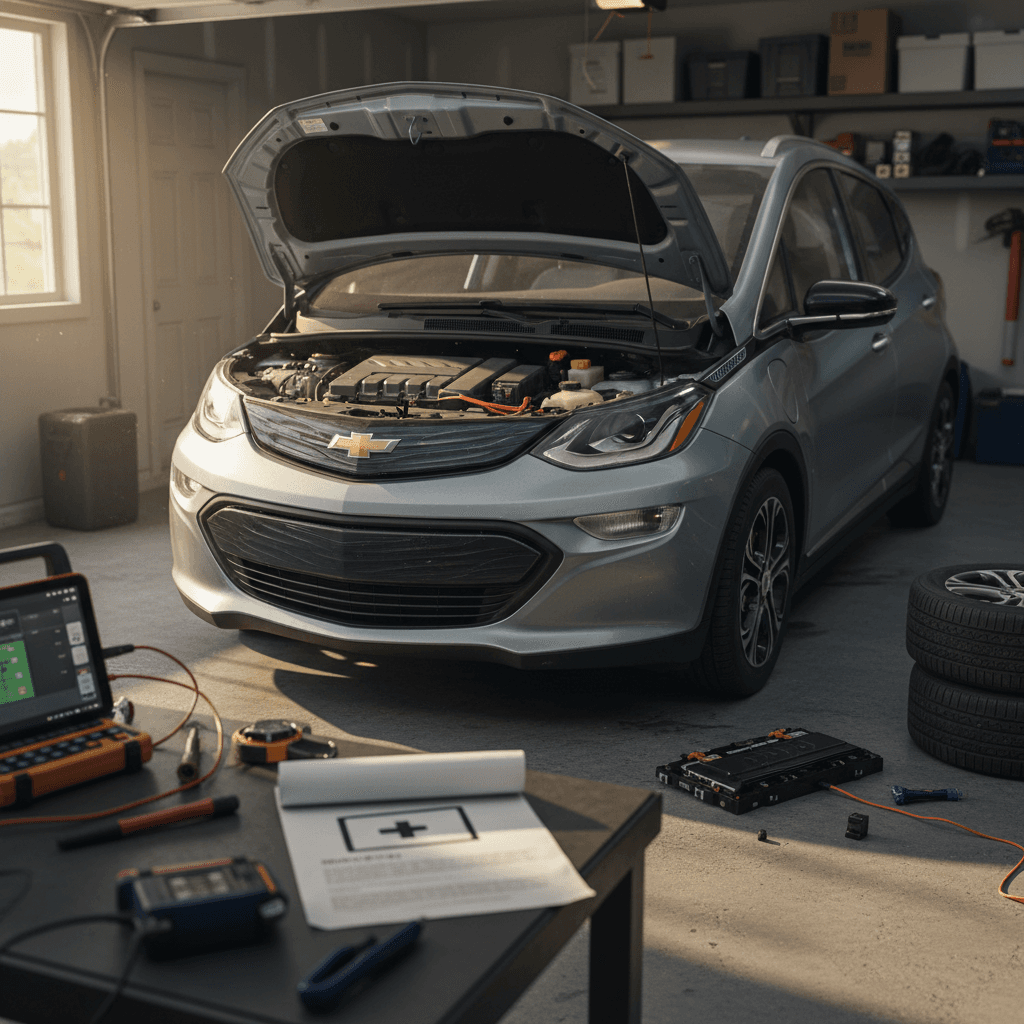
If you’re shopping for a used electric hatchback, the 2018 Chevy Bolt EV is probably on your shortlist. It’s quick, practical, and has real-world range that still holds up in 2026. But what about 2018 Chevy Bolt EV reliability, especially after the high‑profile battery recalls?
Big Picture
Overview: How Reliable is the 2018 Chevy Bolt EV?
Looking across owner reviews and long‑term reports, the 2018 Bolt EV lands in the “good but not flawless” camp. Consumer-oriented surveys rate its overall reliability as about average for 2018 model‑year vehicles, with particular watchpoints around in‑car electronics, charging quirks, and of course the battery recall history.
2018 Chevy Bolt EV at a Glance
In plain English: a well‑maintained 2018 Bolt that has had its recall work completed can be a very reliable daily driver. The powertrain is proving robust, and many owners report doing little more than tires and cabin filters for tens of thousands of miles. The key is to separate the strong fundamentals from the handful of recurring issues you’ll want to check before buying.
Where Recharged Fits In
Battery Recall, Replacement Packs, and Warranty Coverage
You can’t talk about 2018 Bolt EV reliability without talking about the battery recall and fire‑risk campaign. GM identified rare manufacturing defects in LG‑supplied battery cells that could, under certain conditions, cause fires. The solution came in two main phases: software and, for some vehicles, full battery replacements.
- Initial software update that monitored the high‑voltage battery and limited charge level until the car passed diagnostic checks.
- Physical inspection of battery modules; if defects were detected, GM replaced the entire pack with a new or remanufactured one.
- Extended parts warranty for recall replacement packs, typically up to 8 years/100,000 miles from installation under the recall campaign.
Why a Recall Battery Can Be a Plus
Separate from the recall, Chevrolet EVs are covered by an 8‑year/100,000‑mile high‑voltage battery warranty from the original in‑service date. That can overlap, or run alongside, any special warranty extension on a recall replacement pack. The bumper‑to‑bumper warranty (3 years/36,000 miles) has long expired on a 2018, but the battery coverage may still be active depending on when the car was first sold and whether it got a new pack later.
Don’t Assume, Verify
Common 2018 Bolt EV Issues Owners Report
Most 2018 Bolts don’t suffer from catastrophic failures, but there are a few recurring trouble spots that show up in owner surveys and forum threads. Knowing these ahead of time helps you spot a great used car, or walk away from a problem child.
Typical 2018 Bolt EV Trouble Spots
Not every car has these, but they’re worth checking on a test drive.
In‑Car Electronics
Charging Port & Door
EV Charging Quirks
Battery Recalls & Updates
HVAC & Heat Pump
Ride & Suspension Noises
How Serious Are These Issues?
Battery Health, Range Loss, and Real-World Charging
The 2018 Bolt EV launched with an EPA‑rated 238 miles of range. Eight model years on, you should expect some loss, but how much depends on climate, charging habits, and mileage. Many careful owners still report well over 200 miles in mild weather, while high‑mileage or hard‑used cars can drop closer to the 170–190‑mile range.
What Affects Bolt EV Battery Health
- Frequent DC fast charging: Speeds road‑trip days, but lots of 55 kW sessions can slowly stress the pack.
- High average state of charge: Storing the car at 100% regularly, especially in heat, isn’t ideal.
- Climate: Very hot regions tend to see faster degradation than mild coastal or northern climates.
- Mileage and age: Time and miles both matter; a low‑mile 2018 can still lose capacity just from age.
Real‑World Charging Experience
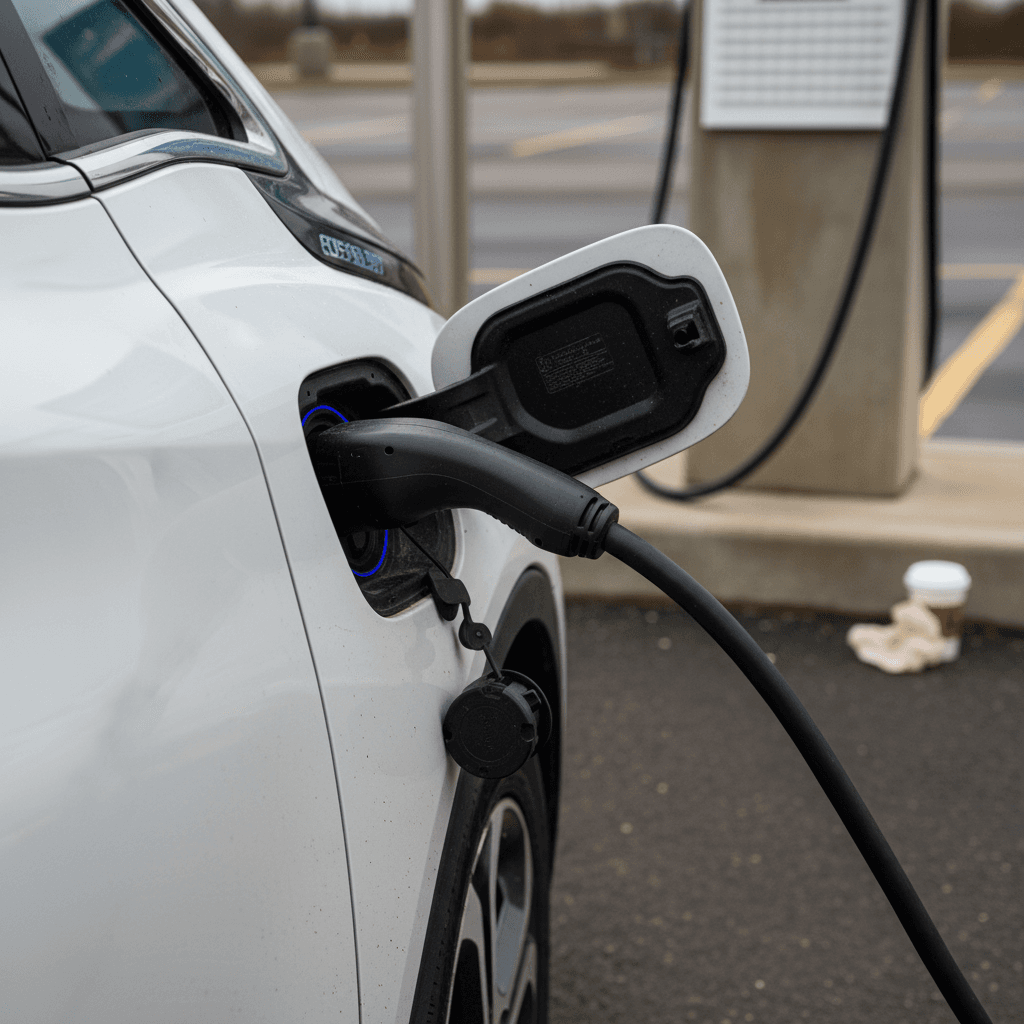
- Level 2 (240V): With a 32–40 A home charger, many owners gain 25–30 miles of range per hour.
- DC fast charging: The Bolt tops out at about 55 kW, so highway road trips mean 35–50 minute stops.
- Cold weather: Winter can temporarily cut range by 20–40%, especially on short commutes with cabin heat.
- City vs highway: Around‑town efficiency is excellent; sustained 75–80 mph highway speeds hurt range the most.
Why a Battery Health Report Matters
Safety, Fire Risk, and What’s Changed Since the Recall
Early Bolt EV fires made headlines, and if you’re new to EVs, that’s understandably unsettling. It’s important to separate the original risk from today’s situation. The hazard was tied to a specific manufacturing defect in certain LG battery cells, not to the basic idea of EVs or to every Bolt ever built.
- GM’s recall campaign added sophisticated diagnostic software to watch for abnormal cell behavior and limit charging if a problem is detected.
- Many cars received completely new or remanufactured packs built under updated quality controls.
- Owners were given detailed guidance on charging habits and parking until recall work was complete; those restrictions generally lift once the car passes recall steps.
Non‑Negotiable: Confirm Recall Completion
"They said there was a problem with the battery, but I never saw it, they gave me a new battery recently. No hassle."
Ownership Costs: Maintenance, Repairs, and What Breaks
Here’s where the 2018 Bolt EV really shines. Compared with a gas compact, long‑term owners often describe the car as almost boringly low‑maintenance. There’s no oil to change, no timing belt, no spark plugs, no exhaust system, and far fewer wear parts under the hood.
Typical 2018 Bolt EV Ownership Experience
What you’ll probably deal with, and what you won’t.
Routine Maintenance
- Cabin air filter every ~2 years.
- Tire rotations every 6–8k miles (more often if you drive hard).
- Brake fluid and coolant inspections per the maintenance schedule.
Regenerative braking means pads and rotors can last an exceptionally long time compared with gas cars.
Common Repair Costs
- Infotainment module or screen replacement if it fails.
- Charge port or door repairs if physically damaged or corroded.
- HVAC work in older, high‑mileage, or cold‑climate cars.
These are far less common than routine tires and alignment, but they’re the items most likely to generate a shop bill outside the battery recall story.
Total Cost of Ownership
Used 2018 Bolt EV Checklist: What to Inspect
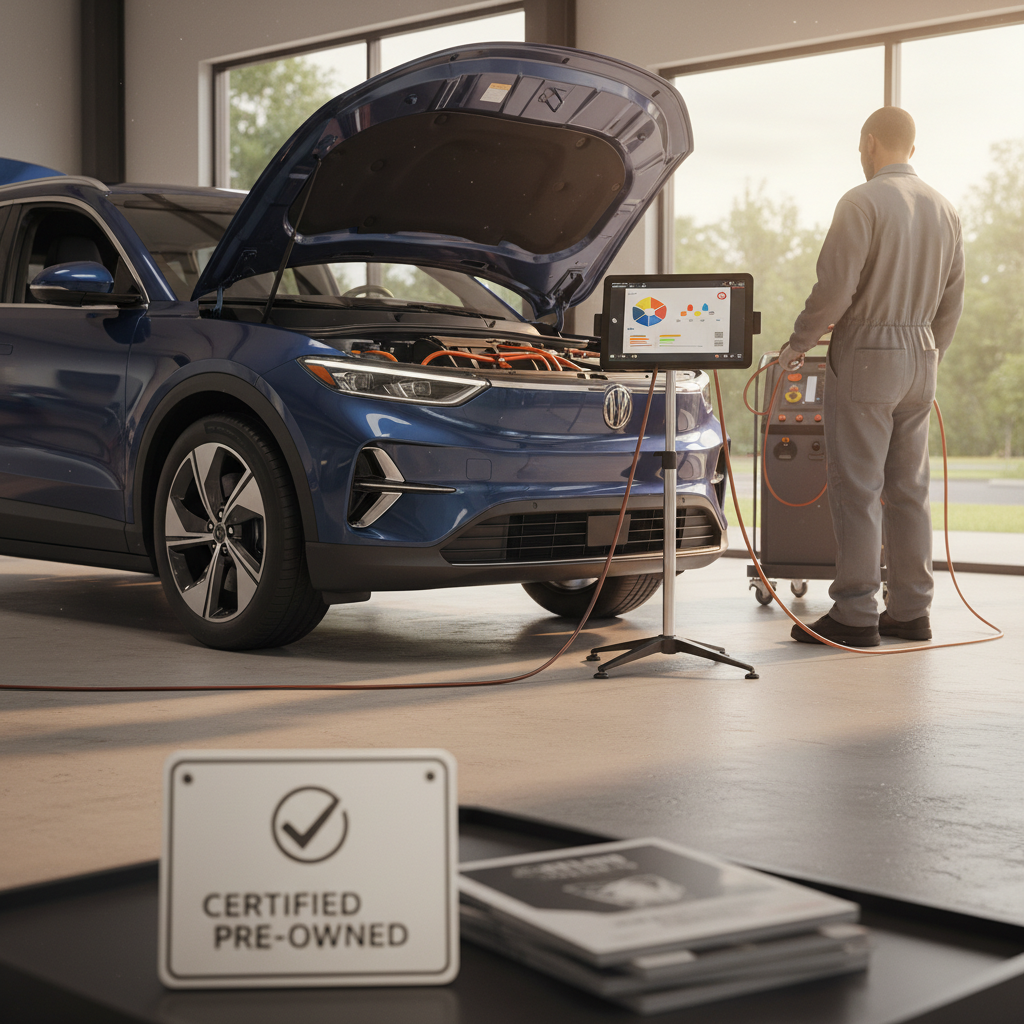
When you’re standing in front of a used 2018 Bolt EV, whether it’s on a dealer lot or in someone’s driveway, use this checklist to separate the keepers from the headaches. If you’re buying sight‑unseen, this is exactly the kind of inspection Recharged performs on your behalf.
Pre‑Purchase Checklist for a 2018 Chevy Bolt EV
1. Run the VIN for Recalls and Battery History
Ask for a printout from a Chevrolet dealer showing <strong>all completed recall campaigns</strong>. Look specifically for the high‑voltage battery recall code and any notes about a pack replacement or module repairs.
2. Confirm Battery Warranty Dates
Have the seller provide the original in‑service date and any documentation on a replacement pack. Check how much time or mileage is left on the 8‑year/100,000‑mile battery warranty or any recall‑specific extension.
3. Check State of Charge and Estimated Range
With the car at 80–100% charge on a mild‑weather day, note the estimated range. It won’t be perfectly accurate, but if a full charge only shows 120–140 miles, dig deeper into battery health data.
4. Test Level 2 and, If Possible, DC Fast Charging
Plug into a known‑good Level 2 charger and watch for handshake errors or repeated stops. If you can, do a short DC fast‑charge session to confirm the car ramps up smoothly toward its ~55 kW limit.
5. Exercise the Infotainment and Controls
Spend a few minutes with the touchscreen, Bluetooth, CarPlay/Android Auto, and backup camera. Watch for freezes, lag, or random reboots. Check all window switches, seat adjustments, and steering‑wheel controls.
6. Listen for Suspension and Interior Noises
On the test drive, find a rough road and a few speed bumps. Listen for <strong>clunks, rattles, or harsh impacts</strong> from the front suspension and rear cargo area that might indicate worn components or loose trim.
7. Inspect the Charge Port and Cable
Open the charge door, shine a light on the pins, and look for discoloration, bent contacts, or damage to the plastic housing. A damaged port can be expensive to fix and may explain weird charging behavior.
8. Review Service Records and Ownership Pattern
A stack of service records, regular tire rotations, and prompt recall work are all positive signs. Multiple owners in a short period, missing paperwork, or unexplained gaps are reasons to slow down and ask more questions.
How Recharged Handles This List
Is a 2018 Chevy Bolt EV Right for You?
Reliability isn’t just about how often a car breaks, it’s whether it fits how you actually drive. When the 2018 Bolt EV lines up with your lifestyle, it tends to feel like a rock‑solid, low‑drama appliance. When it doesn’t, the same quirks suddenly feel like big flaws.
Who the 2018 Bolt EV Suits Best
Match your driving pattern to the car’s strengths.
Daily Commuters
Two‑Car Households
Urban & Suburban Families
You Might Want to Skip It If…
- You road‑trip often on sparse charging corridors and can’t tolerate 35–50 minute DC fast‑charge stops.
- You live in an area where the Chevy dealer network has little EV experience or long waits for high‑voltage work.
- You want cutting‑edge driver‑assist tech; the 2018 Bolt’s feature set is basic by 2026 standards.
Why It Still Deserves a Look
If what you need is a quiet, quick, inexpensive‑to‑run commuter, a properly sorted 2018 Bolt EV still punches far above its used‑car price.
Factor in the possibility of a newer recall battery pack and remaining warranty, and you’re looking at one of the better values in the used‑EV market, especially when you have verified battery health data rather than guesswork.
So is the 2018 Chevy Bolt EV reliable? For most owners who have had the recall work completed and treat the battery kindly, the answer is yes. It’s not perfect, no eight‑year‑old compact is, but its electric drivetrain has proven stout, maintenance demands are low, and the big risks are now well understood and largely addressed. If you’re shopping used, the smartest move is to focus less on the odometer and more on battery health, recall history, and a thorough inspection. That’s exactly the gap Recharged is built to close, so you can enjoy the Bolt’s strengths without gambling on its past.