If you’re shopping the used-EV market, a 2017 Tesla Model S is probably on your radar. It was Tesla’s flagship sedan at the time, quick, spacious, and backed by the Supercharger network, and today it’s often priced like a new mainstream midsize car. The question is whether that 2017 Model S still makes sense in 2026, especially as newer EVs crowd the field and these cars age past their original warranties.
Snapshot: 2017 Model S at a glance
2017 Tesla Model S overview
For 2017, the Tesla Model S was already a mature product. Tesla had updated the nose (the “facelift” without the fake grille), expanded battery options, and refined its Autopilot hardware. The lineup ranged from more affordable single‑motor variants to the P100D, one of the quickest production sedans in the world at the time. As a used EV today, it offers long‑range highway comfort and access to Tesla’s still‑excellent fast‑charging network, if you choose carefully and understand the trade-offs.
2017 Tesla Model S key numbers
Used‑buyer tip
Key specs, trims, and real-world range
Tesla shuffled battery labels frequently, but by 2017 you’d typically see Model S variants badged 60, 75, 90, 100, and their dual‑motor counterparts (60D, 75D, 90D, 100D) plus the performance‑oriented P100D. The number roughly corresponds to battery capacity in kWh. Many 60 and 70 kWh cars actually carried larger packs that were software‑limited, so some owners later paid Tesla to unlock extra range.
2017 Model S trims and ballpark EPA range (when new)
Approximate EPA combined ranges for key 2017 Model S variants. Real‑world results vary with climate, speed, and wheel size.
| Trim | Drivetrain | Battery (nominal) | Approx. EPA range when new | 0–60 mph (approx.) |
|---|---|---|---|---|
| 60 / 60D | RWD or AWD | 60 kWh (often software‑limited 75) | ~210–218 mi | ~5.5–5.9 s |
| 75 / 75D | RWD or AWD | 75 kWh | ~230–259 mi | ~5.0–5.5 s |
| 90D | AWD | 90 kWh | ~294 mi | ~4.2 s |
| 100D | AWD | 100 kWh | ~335 mi | ~4.1 s |
| P100D | AWD performance | 100 kWh | ~315 mi | as quick as ~2.5 s |
Use this table as a starting point, then mentally subtract some range for age and your driving conditions.
Those were the showroom numbers. In the real world, particularly with a used 2017 example, you should expect less. Many owners report 10–15% battery degradation by this age, with well‑cared‑for cars still returning very usable range for typical commuting and road trips, especially from the 90D and 100D variants.
Watch the wheels
Driving experience: performance, comfort, and noise
Regardless of trim, the 2017 Model S still feels modern on the road. Electric torque delivers instant response from a stop, and dual‑motor AWD cars add confident traction in poor weather. The steering is quick if somewhat light, and the low center of gravity, from the floor‑mounted battery, helps the big sedan hide its mass in corners.
Where the 2017 Model S still shines
Even against newer EVs, it remains compelling in a few key areas.
Instant, effortless speed
Quiet long‑distance cruiser
Road‑trip friendly
Ride & comfort
Air‑suspension cars can float a bit over rough pavement but generally deliver a comfortable, composed ride. Coil‑spring cars feel a touch firmer but avoid some of the complexity and potential repair cost of air units.
Cabin space is generous in front, while rear legroom and headroom are merely adequate for adults. The hatchback layout and optional rear‑facing child seats (in some cars) give the Model S a practicality edge over traditional sedans.
Noise & refinement
You’ll notice more wind and road noise than in some newer luxury EV sedans, but it’s still quieter than most gas rivals from 2017. Older door and window seals may creak or squeak, so listen for wind noise on highway test drives.
Panel fit on earlier‑build cars isn’t always perfect; some owners report minor rattles as these cars age.
Good news for commuters
Technology, Autopilot, and infotainment
Tech is where the 2017 Tesla Model S still feels ahead of many same‑age luxury cars, though not all 2017 cars are equal. Tesla was transitioning from its original Autopilot hardware (AP1) to the in‑house “Hardware 2” stack around this time, and the big 17‑inch touchscreen is powerful but also a known failure point if it hasn’t been updated.
- Autopilot hardware: Early‑2017 cars may carry AP1 (Mobileye‑based) while later builds use Tesla’s AP2 hardware. AP1 is often praised for smoother lane‑keeping, while AP2+ supports more advanced features via software updates.
- Software features: Depending on previous owners’ purchases, your car may have basic Autopilot, Enhanced Autopilot, or Full Self‑Driving (FSD) capability associated with the VIN.
- MCU (Media Control Unit): 2017 cars use the first‑generation MCU with an embedded eMMC memory chip that can wear out, causing slow performance or a black screen. Tesla and independent shops can retrofit a newer MCU2 system for better speed and app support.
- Connectivity: Many 2017 cars came with premium connectivity initially; on the used market you’ll want to confirm what level of data and streaming service is active and whether a subscription is required.
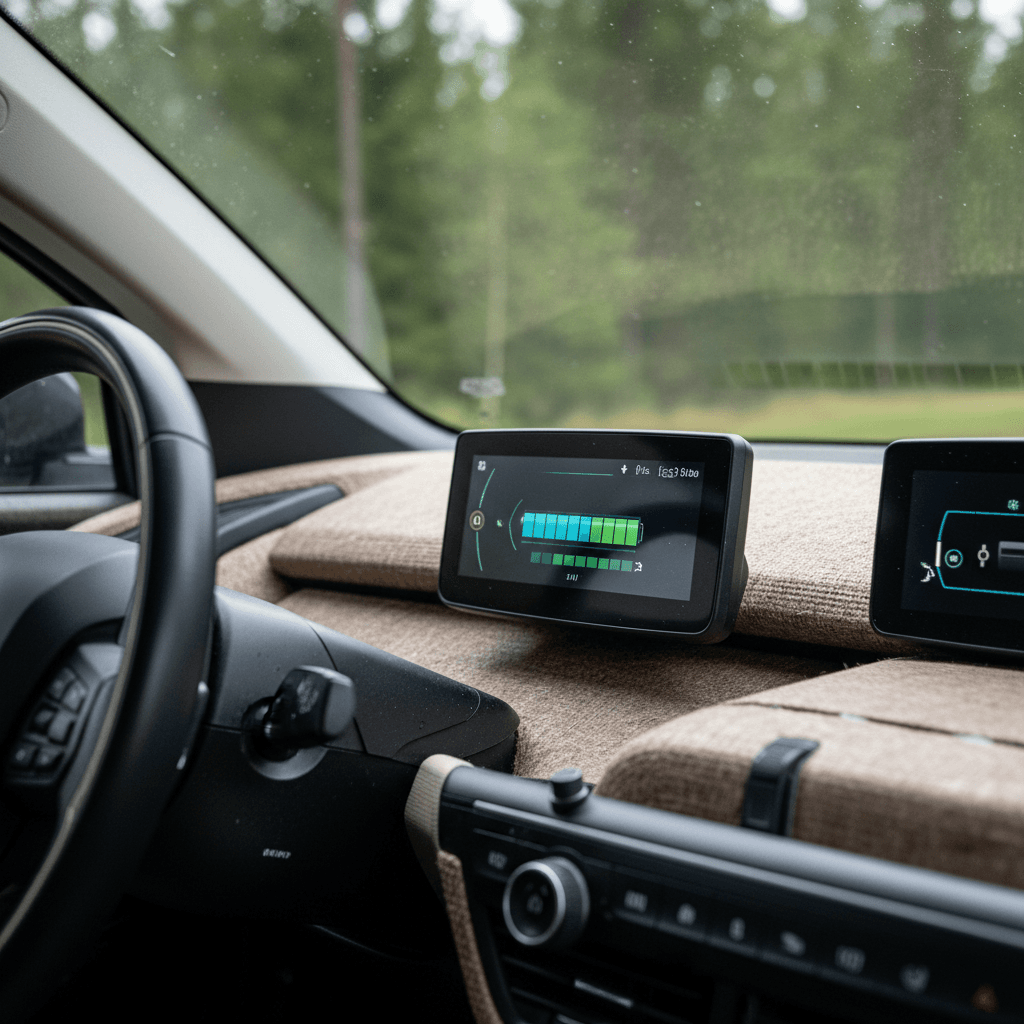
Software matters as much as hardware
Safety ratings and driver-assistance features
The Tesla Model S earned strong crash‑test scores from U.S. regulators and independent testers. The body shell benefits from the stiff battery pack and lack of engine, and 2017 models built after late 2016 saw structural improvements in key areas. However, the car missed out on top‑tier awards primarily because of headlight performance and some driver‑assistance nuances rather than poor crashworthiness.
2017 Model S safety highlights
Crash protection is strong; details matter by build date.
Solid crash structure
Standard active safety
Headlight limitations
Know your build date
Reliability: common 2017 Model S issues
The 2017 Model S mixed strong powertrain durability with more typical luxury‑car headaches elsewhere. Owners generally report that the motors and battery packs age well, but suspension components, door hardware, and the big center screen have generated repair bills as mileage climbs. Several recalls over the years have targeted items like backup cameras, power steering, and safety‑related software updates.
Common trouble spots on a 2017 Model S
Not every car will have these issues, but they’re patterns worth checking for.
MCU / touchscreen failures
Suspension components
Door handles & latches
Overall reliability data from owner surveys and third‑party guides puts the 2017 Model S below average compared with mass‑market cars, but roughly in line with many high‑end European luxury sedans of the same era. The big difference is that most major drivetrain components have held up well, so you’re mostly budgeting for wear‑and‑tear items, electronics, and the occasional large repair rather than routine engine work.
How Recharged mitigates used‑EV risk
Battery health and range degradation on a 2017 Model S
Battery longevity is the make‑or‑break factor for any used EV. The good news: most 2017 Model S packs have aged better than many early skeptics expected. Real‑world owner reports commonly show roughly 10–15% capacity loss after many years and six‑figure mileage, assuming normal use and charging habits. Abuse, like excessive fast charging from high states of charge or chronic overheating, can accelerate wear.
- Expect a healthy 100D to offer real‑world highway range in the 260–290‑mile neighborhood in mild weather rather than the original 335‑mile EPA figure.
- A 75D might realistically deliver around 190–220 miles on the highway today, depending on driving style and climate.
- Cold‑weather driving, high speeds, roof racks, and larger wheels can cut those numbers significantly, sometimes 20–30% in tough conditions.
- Cars that lived most of their lives in extremely hot climates or did frequent, deep‑cycle fast charging may see more pronounced degradation.
How to quickly check battery health
Ownership costs and used-market value
Depreciation has brought the 2017 Model S into reach for many shoppers who couldn’t consider it new. Pricing varies widely based on battery size, Autopilot/FSD status, mileage, and condition. In today’s market, you’ll find higher‑mileage 75D cars approaching mainstream midsize‑sedan money, while low‑mile P100D examples still command a hefty premium.
Running costs
- Fuel: Electricity is typically far cheaper per mile than gasoline, especially if you can charge at home overnight.
- Maintenance: No oil changes or traditional engine service, but budget for tires (especially on 21‑inch wheels), brake fluid, cabin filters, wiper blades, and the occasional suspension or alignment job.
- Repairs: Out‑of‑warranty Tesla repairs can be expensive through official channels. In many markets, independent EV specialists now handle common Model S repairs at lower labor rates.
Insurance & incentives
- Insurance: Premiums can be higher than average due to repair complexity and parts costs. Get quotes for specific VINs before you commit.
- Incentives: Federal tax credits in the U.S. generally apply to new EVs, not used, but some states and utilities offer used‑EV rebates or lower off‑peak charging rates.
- Financing: Lenders vary in how old a vehicle they’re willing to finance. Platforms like Recharged work with EV‑friendly financing partners who understand used‑EV values.
Stretching your EV dollar
Pre-purchase inspection checklist for a 2017 Model S
The Model S hides a lot of complexity behind its clean design. A methodical inspection, either by you or an EV‑savvy shop, will pay for itself quickly. Use this checklist as a starting point when evaluating any 2017 car.
2017 Tesla Model S used‑buyer checklist
1. Confirm battery and drive unit history
Review service records for any high‑voltage battery or drive‑unit replacements. These can be positives if done under warranty, but you still want to understand why they were needed.
2. Check battery health and range
Note rated range at a known state of charge, compare to factory specs, and consider a professional diagnostic. Ask how the previous owner typically charged (home Level 2 vs frequent fast‑charging).
3. Test MCU and screen behavior
Cycle through navigation, media, climate, and backup camera. Look for lag, freezes, yellowing around the screen edges, or random reboots. Ask if the MCU has been upgraded to the newer generation.
4. Inspect suspension and steering
During a test drive, listen for clunks over bumps and feel for looseness or wandering at highway speeds. Examine tire wear patterns; uneven wear can hint at alignment or suspension problems.
5. Exercise every door and handle
From outside, confirm each door handle presents and retracts smoothly and opens the door on first pull. From inside, check that manual releases work and latches feel solid.
6. Verify Autopilot level and features
In the car’s menus, confirm which Autopilot hardware and software package it has and which features are active today, not just what the listing claims. Some features may be tied to subscriptions or past purchases.
7. Scan for recalls and software updates
Use the VIN to check for open recalls and confirm that major safety and software updates have been performed. A car consistently updated over time is usually a better long‑term bet.
Don’t skip a professional inspection
Who the 2017 Model S is (and isn’t) right for
Great fit if you:
- Want a long‑range highway cruiser with access to Tesla’s Supercharger network.
- Value performance and tech more than the absolute latest styling or features.
- Are comfortable budgeting for the occasional big‑ticket repair on a tech‑heavy luxury car.
- Can charge at home or at work consistently, avoiding dependence on public Level 2 stations.
Think twice if you:
- Don’t have reliable home or workplace charging access.
- Prefer a set‑and‑forget ownership experience and don’t want to think about software versions, connectivity, or Autopilot details.
- Live far from Tesla service or independent EV shops, making support inconvenient.
- Need a cavernous rear seat or third‑row adult seating, this is more hatchback than long‑wheelbase limo.
2017 Tesla Model S FAQ
Frequently asked questions about the 2017 Model S
Bottom line: is a 2017 Tesla Model S still a good buy?
Viewed through a 2026 lens, the 2017 Tesla Model S is a used‑EV flagship that can still make a lot of sense. Its combination of long‑range capability, fast‑charging access, and effortless performance is hard to match at similar prices, and the minimalist interior and big touchscreen don’t feel nearly as dated as many 2017 competitors. The trade‑offs are familiar to anyone shopping older luxury metal: you’re balancing lower purchase price against the possibility of higher out‑of‑warranty repair bills for suspension, electronics, and cosmetic odds and ends.
If you prioritize careful vetting, battery health, MCU condition, Autopilot hardware, and a clean service record, a 2017 Model S can be a smart, satisfying way into long‑range EV ownership. And if you’d rather not decode all that alone, buying through a specialist used‑EV retailer like Recharged can streamline the process with diagnostics, financing, and delivery baked in.