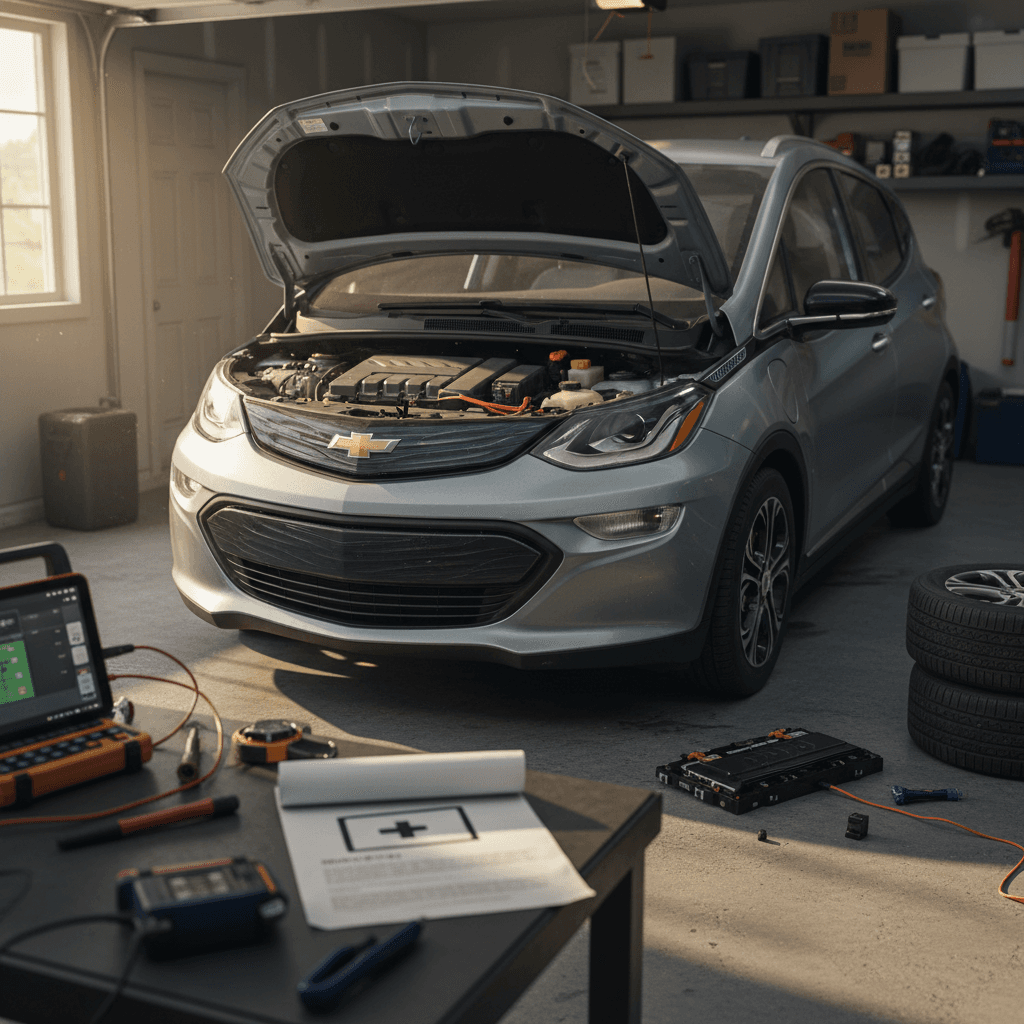
If you’re considering a used electric hatchback, the question “How reliable is the 2017 Chevy Bolt EV?” is absolutely worth asking. The first‑year Bolt delivered pioneering range, about 238 miles EPA, but it also lived through a high‑profile battery fire recall. The good news: when you understand the recall, battery warranty, and a few common problem spots, a 2017 Bolt EV can be a dependable, low‑cost daily driver.
Big picture on 2017 Bolt reliability
Is the 2017 Chevy Bolt EV reliable overall?
From a traditional reliability standpoint, things like the motor, drivetrain, and basic hardware, the 2017 Chevy Bolt EV holds up well. High‑mileage owners routinely report minimal unscheduled repairs, and the simple nature of an EV (no oil changes, no transmission, no exhaust) works in its favor.
2017 Chevy Bolt EV reliability at a glance
Those numbers are impressive for a first‑year, all‑electric model. Where things get complicated is the LG battery pack. A small percentage of packs suffered rare manufacturing defects that could lead to fires, triggering a sweeping recall and, eventually, battery module replacements. That recall is the single biggest reliability question mark for a 2017 Bolt, and it’s also a key opportunity if you’re shopping used.
One big exception: the battery recall
Battery recall: what happened and why it matters
In 2020 and 2021, several 2017–2019 Chevy Bolt EVs experienced battery fires while parked, even when not charging. Investigators traced the issue to two rare manufacturing defects (a torn anode tab and a folded separator) that, when present in the same cell, could lead to a short and thermal runaway.
- NHTSA issued consumer alerts urging affected owners to park outside and away from structures until repairs were made.
- GM expanded the recall to include all 2017–2022 Bolt EVs and 2022 Bolt EUVs with the affected LG battery cells.
- Early interim fixes limited usable state of charge (for example, to about 90%) to reduce fire risk while GM prepared new battery modules.
Ultimately, GM committed to replacing all defective battery modules in recalled vehicles at no cost to owners. For many 2017 Bolts, this means the car you’re looking at today may have a pack that’s effectively “newer” than the rest of the vehicle in both age and mileage.
How to verify recall status
Battery replacement and warranty coverage
Chevrolet originally backed the Bolt EV’s high‑voltage battery with an 8‑year/100,000‑mile warranty (whichever comes first). When GM replaces battery modules under the major recall, those new or remanufactured modules come with their own extended coverage that effectively resets the clock from the date of installation.
What a replaced 2017 Bolt battery usually means for you
Done right, the recall can turn a liability into an asset.
Fresh warranty coverage
GM’s replacement battery modules are typically covered for 8 years/100,000 miles from installation. On a car repaired in 2023, that can mean coverage into the early 2030s, even if the car is a 2017 model.
Full original range restored
Many owners report that a new pack restores or even improves usable range versus their worn original pack. It’s not unusual to see real‑world 250–300 miles in mild conditions after the swap.
Big hidden value
A battery pack is the single most expensive component in any EV. Getting it replaced under recall, rather than paying out of pocket, can add thousands of dollars of practical value to a used 2017 Bolt.
When you shop used, it’s critical to clarify exactly what’s been done. Some early recall visits only installed diagnostic software or charge limits. For peace of mind, look for language in service records such as “high‑voltage battery module replacement” or a campaign code tied to the full pack remedy.
Smart move: get a third‑party battery health check
Common 2017 Bolt EV problems beyond the battery
Once you set the battery recall aside, the 2017 Bolt’s reliability issues look fairly normal for an aging compact hatchback. Most are annoyances rather than deal‑breakers, but they’re worth knowing about before you buy.
Typical 2017 Chevy Bolt EV trouble spots
These are patterns seen in owner surveys, forums, and reliability data, not guarantees that every car will have them.
| System/Component | Common Symptoms | How Serious? | What to Look/Ask For |
|---|---|---|---|
| Infotainment & USB ports | Freezing screen, random reboots, flaky CarPlay/Android Auto connection | Annoying; occasionally requires module or USB hub replacement | Test every port and feature; review service history for repeated failures. |
| Charging port & inlet | Port damage, bent pins, difficulty starting a charge on some stations | Can be expensive if out of warranty | Inspect port closely; test on both Level 2 and DC fast charging where possible. |
| 12‑volt battery | Sudden no‑start, car stuck in park, multiple warning messages | Stranding risk but relatively inexpensive to fix | Ask if the 12‑volt battery has been replaced; many original units are aging out. |
| Suspension & ride quality | Noises over bumps, choppy ride on poor pavement | Generally minor but can affect comfort | Road‑test on rough roads; listen for clunks or rattles. |
| Interior wear (seats, trim) | Flat seat cushions, squeaks, worn fabrics and plastics | Mostly cosmetic and comfort related | Check bolsters, seat comfort, and rattles during the drive. |
Use this as a checklist during a pre‑purchase inspection or test drive.
Red flag: unresolved high‑voltage issues
Real-world owner experience and longevity
Owner reviews of the 2017 Bolt EV are, on balance, very positive. Many long‑term drivers call it the best daily driver they’ve owned, citing zippy acceleration, useful cargo space, and rock‑bottom running costs. Stories of three to five years of ownership with little more than tire rotations are common.
What satisfied owners highlight
- Performance: Instant torque makes the Bolt feel much quicker than a typical compact.
- Range: For a 2017 EV, ~238 miles EPA (and often more in the city) still feels generous.
- Low maintenance: Many owners report essentially no unexpected repairs over tens of thousands of miles.
- Practicality: Tall hatchback body offers more space than its footprint suggests.
Where complaints tend to cluster
- Seat comfort: Some drivers find the front seats too narrow or firm on long trips.
- Road noise: Economy‑car roots mean more wind and tire noise than a luxury EV.
- Early battery anxiety: Owners lived through charge limits and recall stress before packs were replaced.
- Infotainment quirks: Freezing screens or USB issues on some vehicles.
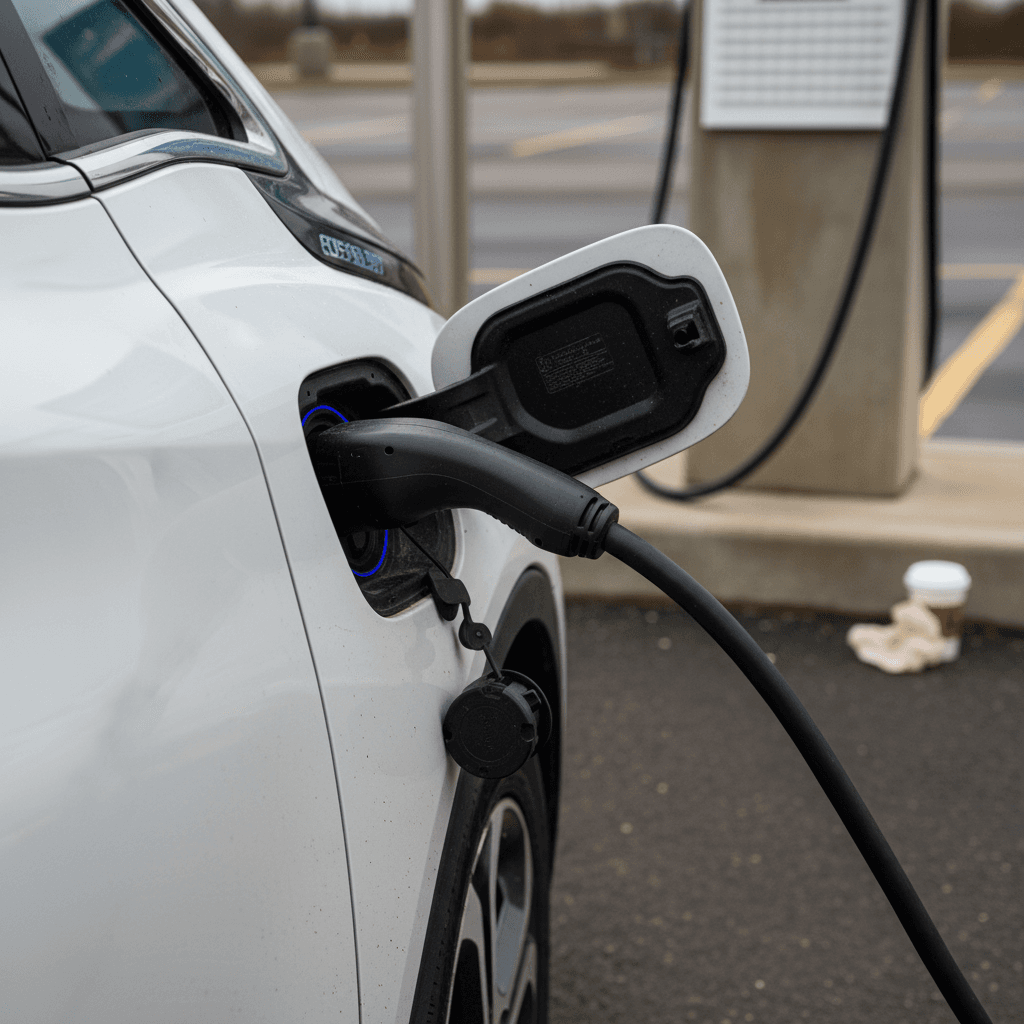
High miles aren’t necessarily a deal‑breaker
How the recall impacts used 2017 Bolt values
The battery saga has had a complicated effect on used 2017 Bolt pricing. Early on, the recall uncertainty pushed values down. Today, with replacement packs widely installed, the market is starting to differentiate between cars that have been fully remedied and those that haven’t.
Three pricing tiers you’ll see in the real world
Why two 2017 Bolts at the same mileage can be thousands of dollars apart.
Fully remedied, documented
These cars have proof of completed battery module replacement and clean recall status. They tend to command the strongest prices, and justifiably so, you’re getting a newer pack with long warranty coverage.
Software‑only or incomplete recall
Vehicles that only had early software fixes, or still show open recalls, are riskier. Discounts may look tempting, but you’re taking on more uncertainty and potential hassle.
Accident history or high mileage
Bolts with prior damage or very high miles can undercut the market, but value depends heavily on how recent and thorough the battery work was. Always weigh price against documentation.
If you’re shopping through a private seller, these differences often aren’t priced in correctly. That’s one reason a curated marketplace like Recharged can be helpful: vehicles are screened, pricing is benchmarked against real transactions, and every car includes a Recharged Score Report that shows you how its battery health, history, and price stack up.
What to check when buying a used 2017 Bolt EV
A 2017 Bolt can be a smart used EV purchase, but only if you’re methodical about your inspection. Here’s a practical checklist you can bring to a test drive or pre‑purchase inspection.
2017 Chevy Bolt EV pre‑purchase checklist
1. Confirm recall and battery status
Ask for a printout from a Chevy dealer showing all completed recalls. You want confirmation of <strong>full battery module replacement</strong>, not just software updates or charge‑limit programming.
2. Review battery warranty dates
Have the seller or dealer show you when the pack was replaced. Calculate how much of the <strong>8‑year/100,000‑mile</strong> coverage remains from that date, not just from the original in‑service date.
3. Test range in real conditions
On a reasonably long drive, note the projected range at 100% and how quickly miles drop in mixed driving. Big discrepancies between indicated and actual range deserve a deeper battery health check.
4. Inspect and test the charge port
Look for bent pins, cracks, or discoloration in the port. Test Level 2 charging at minimum; if possible, try a DC fast‑charge session to verify the car charges at expected speeds without errors.
5. Exercise all electronics
Run the infotainment system, Bluetooth, navigation (if equipped), cameras, and USB ports. Watch for freezing screens or unreliable connections that could hint at failing modules.
6. Check tires, brakes, and suspension
EV torque is hard on tires. Uneven wear, pulsating brakes, or clunky suspension noises can all indicate neglected maintenance. Budget for replacements if needed.
Let experts do the heavy lifting
Maintenance and running costs for a 2017 Bolt
Once you’ve found the right car, the 2017 Bolt is inexpensive to keep on the road. With no gasoline, oil changes, timing belts, or exhaust systems, your main recurring expenses are electricity, tires, and standard wear items.
- Scheduled maintenance: Periodic cabin air filter changes, brake fluid checks, tire rotations, and multi‑point inspections are the core of the service schedule.
- Brake wear: Thanks to aggressive regenerative braking, many Bolt owners go 70,000+ miles on original pads and rotors, especially if they use one‑pedal driving.
- Tire costs: The OEM low‑rolling‑resistance tires help efficiency but can wear faster if you drive hard; budget realistically for replacements.
- Electricity vs. gas: Even with rising power prices, most U.S. drivers will spend substantially less per mile on energy with a Bolt than with a comparable gas hatchback.
Plan for age‑related items
When a 2017 Bolt EV is a good buy, and when to walk away
Great candidate: worth serious consideration
- Documented battery module replacement with plenty of warranty left.
- Clean title and no major accident history.
- Complete service records showing recall campaigns and basic maintenance.
- Normal test drive with no high‑voltage errors or charging quirks.
- Price that reflects its stronger battery and documented history.
Think twice or walk away
- Open battery recall or vague answers about whether modules were replaced.
- Evidence of a prior battery fire or major high‑voltage failure.
- Serious infotainment or electrical gremlins that persist despite prior repairs.
- Salvage or rebuilt title where high‑voltage components may have been compromised.
- A price that seems “too good,” with no documentation to back it up.
So, is the 2017 Chevy Bolt EV reliable? In many ways, yes, especially if you find one that has its battery recall fully resolved and a clear maintenance history. With a fresh or warranted pack, low day‑to‑day running costs, and simple EV hardware, a sorted 2017 Bolt can be one of the most compelling affordable EVs on the used market. Just be picky about the specific car you choose, and lean on EV‑focused experts or marketplaces like Recharged if you’d rather not navigate the battery and recall maze on your own.