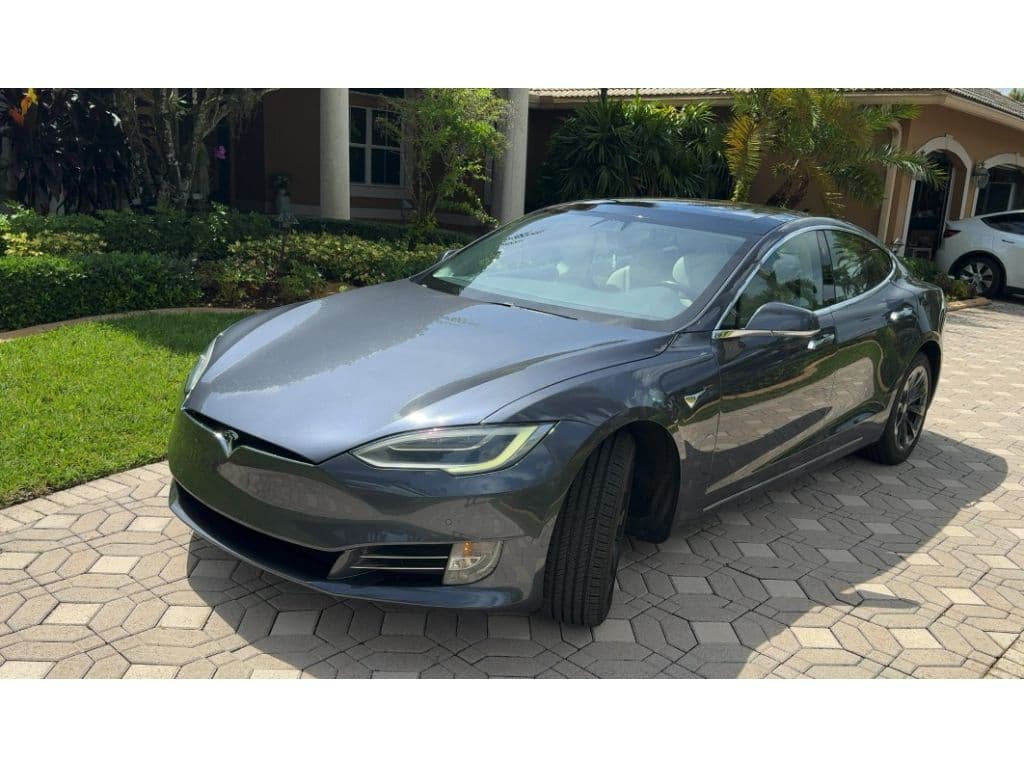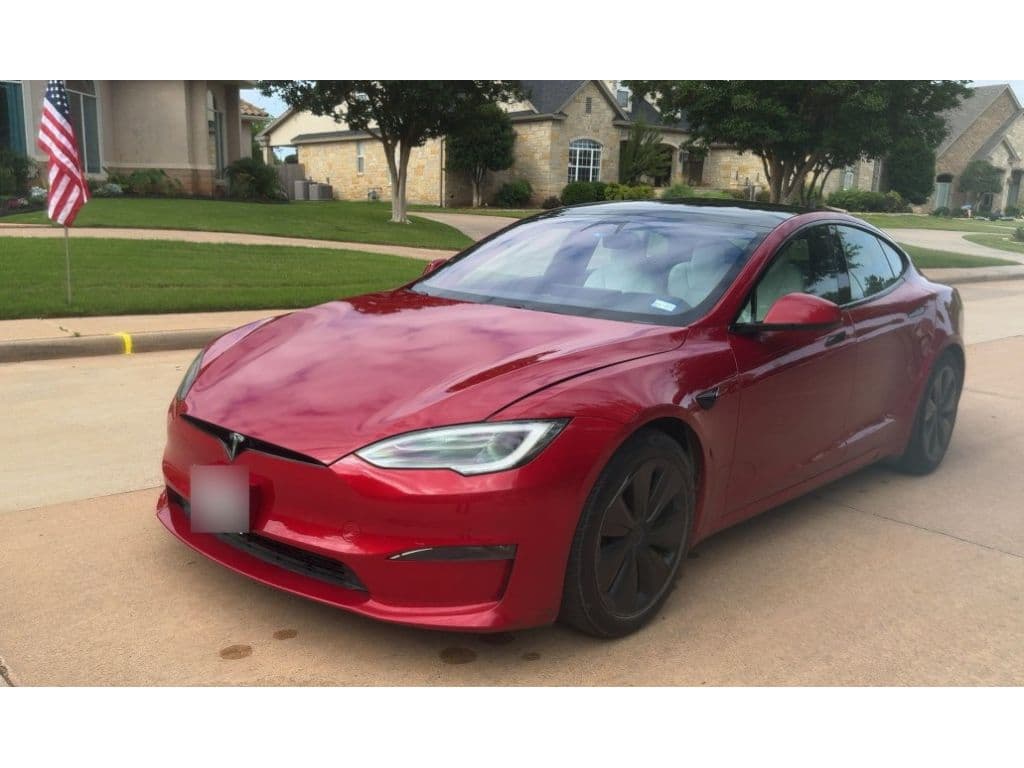
The 2016 Tesla Model S sits in a sweet spot of the lineup’s history: old enough to be affordable on the used market, but new enough to include the tech, range, and refinement that made Tesla’s flagship sedan a benchmark. If you’re considering a used 2016 Tesla Model S in 2026, you’re probably wondering how it holds up on **range, reliability, and value** compared to newer EVs, and whether it’s a smart buy or a risky gamble.
Quick take
2016 Tesla Model S overview: what makes this year special
The 2016 model year straddles a major turning point for the Model S. Early 2016 cars still wear the original nosecone front end; mid‑2016 introduced the **facelifted front fascia**, better sealing, and incremental component updates that improved long‑term reliability compared with earlier 2012–2015 cars. Underneath, it’s a large liftback sedan with seating for five (or seven with the rare rear-facing jump seats) and a massive hatch plus frunk that together offer over 26 ft³ of cargo space with the seats up and more than 58 ft³ with them folded.
- Large luxury liftback body with huge cargo space and optional rear-facing jump seats
- Multiple battery sizes (60, 70, 75, 85, 90 kWh) and dual‑motor AWD options
- Early Autopilot hardware (AP1) and, on some late‑2016 cars, the first AP2 hardware
- Access to the Supercharger network for long‑distance road trips
- Eight‑year battery and drive unit warranty from new (most 2016 cars have now aged out of this, depending on in‑service date)
Facelift vs. pre‑facelift matters
Key specs, trims, and performance for the 2016 Model S
Part of what makes any **2016 Tesla Model S review** tricky is the sheer number of configurations. In 2016 you could get everything from a relatively efficient single‑motor 70 to a Ludicrous‑capable P90D that still embarrasses modern sports sedans. Here’s a simplified view of the key trims most buyers encounter on the used market today.
2016 Tesla Model S trims at a glance
Approximate specs for common 2016 Model S variants. Exact EPA figures vary slightly by wheel choice and options, but this table captures the big picture for used shoppers.
| Trim | Battery (nominal) | Drivetrain | Approx. EPA range (mi) | 0–60 mph (sec) | Typical used pricing* |
|---|---|---|---|---|---|
| 60 / 60D | 60 kWh | RWD / AWD | ~210–218 | 5.5–5.9 | Low end of market |
| 70 / 70D | 70 kWh | RWD / AWD | ~230–240 | 5.2–5.5 | Similar to 60D; often better equipped |
| 75 / 75D | 75 kWh | RWD / AWD | ~249–259 | 5.0–5.5 | Strong value sweet spot |
| 85 / 85D | 85 kWh | RWD / AWD | ~253–270 | 4.2–5.4 | Older pack design; shop carefully |
| 90D | 90 kWh | AWD | ~270–288 | 4.0 | Great long-range cruiser |
| P90D | 90 kWh | AWD | ~253–270 | ~3.1 (2.8 w/ Ludicrous) | Performance halo; higher running costs |
Differences in power, range, and drivetrain matter more than 0–60 bragging rights when you’re buying used.
Performance highlight
Core 2016 Model S numbers to know
Real-world range and charging experience
Official EPA ratings put a 2016 Model S 90D around **270 miles of range**, with 75/75D cars in the mid‑240s and performance P90D variants slightly lower due to stickier tires and tuning. In practice, range depends heavily on temperature, speed, wheel size, and how the battery has been treated over the last decade.
What you can expect today
- Degradation: Many 2016 packs still retain around 80–90% of original capacity if they haven’t been abused.
- Highway reality: At 70–75 mph, plan on ~60–70% of the original EPA rating for planning long trips, especially in cold weather.
- Winter penalty: Older, non‑heat‑pump Teslas lose a noticeable chunk of range in cold climates, particularly on short trips.
Charging experience
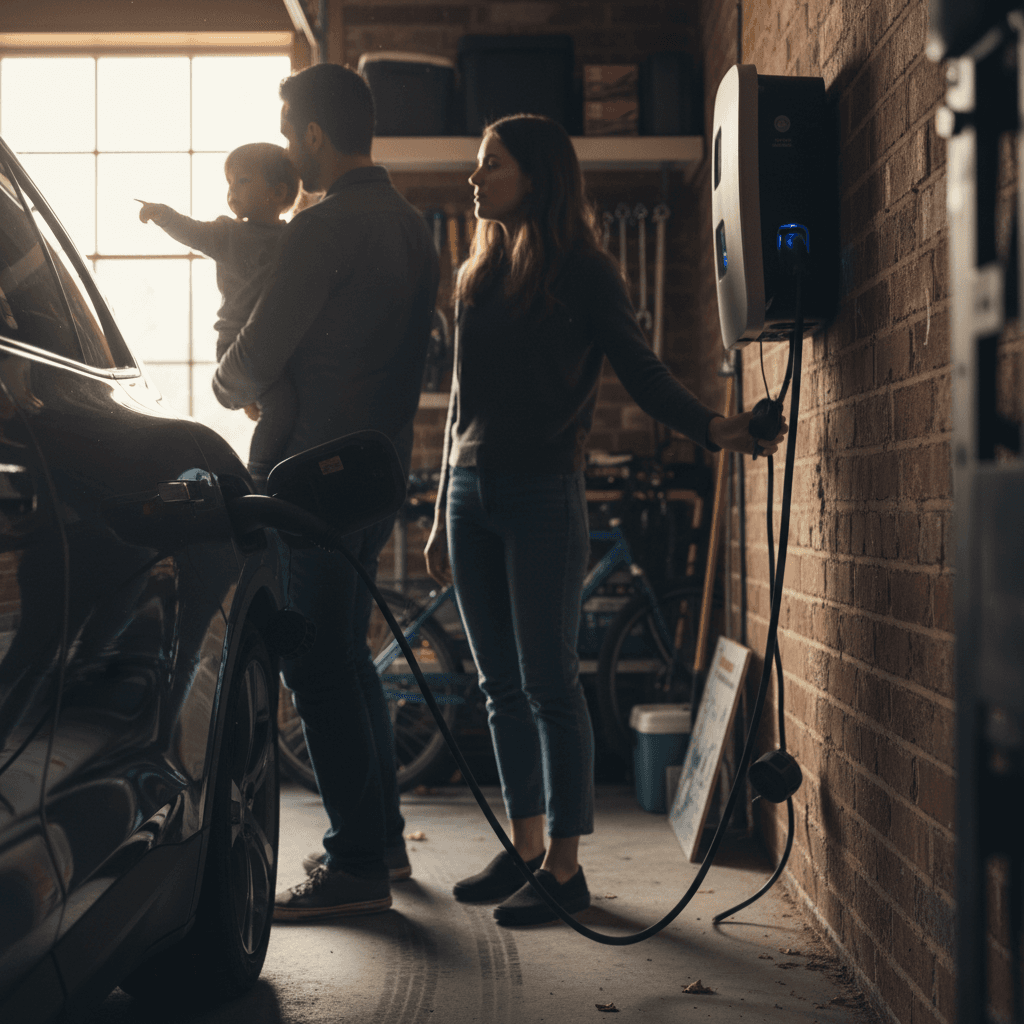
- Home charging: With a 240V Level 2 charger, expect a full charge overnight on most trims.
- Supercharging: V2 Superchargers peak around 120–150 kW, adding 150–170 miles in ~30 minutes under ideal conditions.
- Public networks: With the right adapter, you can also use many CCS or J1772 stations, broadening your options.
Plan around 10 years of age
One advantage that hasn’t aged much is the **Supercharger network**. While speeds on 2016‑era packs can’t match newer vehicles, the combination of reliability, station density, and easy plug‑and‑charge experience still makes long‑distance travel in a 2016 Model S smoother than in many newer non‑Tesla EVs.
Reliability, battery health, and common issues
Reliability is where you need to approach any used 2016 Tesla Model S with clear eyes. These cars are now around a decade old, and while the **electric powertrain has far fewer moving parts** than a gas V8, repairs, especially outside warranty, can be eye‑watering.
Known 2016 Model S trouble spots
Not every car will have these problems, but you should screen for them before you buy.
Battery health & charging speed
The big question on any 2016 Model S is the traction battery. Earlier 85 kWh packs (especially 2012–2014) developed a reputation for higher failure rates and reduced Supercharging speeds as Tesla tried to protect aging cells. Late‑2015 and 2016 packs are generally better, but you still want objective battery‑health data rather than trusting the dash readout.
Drive unit noise or failure
Some early RWD and performance models experienced rear motor issues, whines, shudder, or full failures. Tesla has revised components over time, but on an older car you’ll want to test for unusual noises under load and review service history for previous drive‑unit replacements.
HVAC, door handles & trim
Less catastrophic but still annoying: retractable door handles that stick, aging MCU screens with yellowing edges or bubbles, and HVAC components (AC compressors, valves) that can fail with age. None of these are unique to 2016, but they’re common enough to budget for.
Warranty reality check
“An older EV isn’t like an older gas car where you’re mainly worried about rust and oil leaks. Your single biggest risk is tied up in one very expensive component: the battery pack.”
This is exactly why Recharged puts so much emphasis on **battery diagnostics**. Every vehicle listed on the marketplace includes a Recharged Score Report with verified pack health, charge‑rate behavior, and pricing benchmarked against that data, not just mileage and cosmetic condition. On a 2016 Model S, having that insight is the difference between a savvy buy and a lottery ticket.
Ownership costs and value in 2026
From a depreciation standpoint, the 2016 Tesla Model S has already done most of its falling. Kelley Blue Book data shows 2016 cars that once stickered from roughly the mid‑$60,000s (for a 60) to well over $130,000 (for a loaded P100D) now often trade in the **mid‑teens to low‑$20,000s** range, depending on trim, mileage, and condition. That’s a steep but unsurprising drop for a luxury flagship over a decade.
Cost picture for a 2016 Model S today
Cost advantages
- Energy costs: Charging at home, especially on off‑peak rates, usually undercuts gas costs dramatically.
- Maintenance: No oil changes, spark plugs, or exhaust systems. Brake wear is low thanks to regen.
- Insurance: Rates vary, but many owners find premiums similar to other large luxury sedans.
Cost risks
- Battery or drive unit replacement: Can climb well into five figures if it happens out of warranty.
- Electronics: MCU screens, cameras, and sensors are now aging; out‑of‑warranty replacements are not cheap.
- Feature changes: Some cars have lost grandfathered perks (like unlimited free Supercharging) when ownership changed, verify what you’re actually getting.
Where Recharged fits in
Ready to find your next EV?
Browse VehiclesHow the 2016 Model S compares to newer EVs
The core question behind most **2016 Tesla Model S review** searches is simple: why buy a 10‑year‑old flagship instead of a newer mass‑market EV? The answer comes down to priorities.
2016 Model S vs. newer EVs: trade‑offs
Think about what you care most about, range, comfort, tech, or warranty coverage.
Where the 2016 Model S still shines
- Long highway range: A healthy 75D or 90D still outranges many new compact EVs.
- Interior space: Massive cargo area and adult‑friendly rear seats beat most crossovers.
- Supercharger access: Still the gold standard for DC fast‑charging reliability and convenience.
- Performance: Even non‑performance trims feel quick; P90D remains ferociously fast.
Where newer EVs pull ahead
- Driver‑assist tech: Modern systems offer better lane‑keeping, sensors, and safety aids than 2016 AP1.
- Efficiency: Newer designs often go farther per kWh, especially with heat‑pump HVAC systems.
- Warranty: New or late‑model CPO EVs still carry factory coverage on major components.
- Interior UX: Many rivals now match or exceed Tesla’s once‑unique screen‑centric interface.
Autopilot expectations
Best 2016 Model S configurations to look for used
If you’re trying to narrow down the right 2016 Tesla Model S, start with use case and risk tolerance. Not every trim makes equal sense a decade on.
Recommended 2016 Model S setups
1. 75D as the all‑rounder
For most shoppers, a **75D** offers the best balance of range, cost, and simplicity. You get dual‑motor all‑wheel drive, solid real‑world range, and plenty of performance, usually at a friendlier price than a 90D or P‑car.
2. 90D for frequent road‑trippers
If you drive long highway stretches regularly, a **90D**’s extra range can be worth the premium, provided the battery shows healthy capacity and fast‑charge behavior. Prioritize cars with detailed battery history and conservative previous ownership.
3. P90D only if you value speed over risk
A **P90D** is intoxicatingly quick, but you’re adding stress to the same aging battery and drive hardware. Budget more for tires, potential suspension wear, and higher component stress, or consider it only with excellent diagnostics and service records.
4. Be cautious with older 85 kWh packs
The 85 kWh era (especially 2012–2014) had elevated pack and drive‑unit failure rates and reduced DC fast‑charge speeds. Some 2016 85D cars are better, but you should be extra conservative: avoid high‑mileage examples without rock‑solid battery data.
5. Don’t overpay for rare options
Rear‑facing jump seats, panoramic roofs, or unusual paint colors can be nice to have, but they don’t fundamentally change the ownership experience. Focus your budget on **battery health and clean history** instead of chasing every option box.
Inspection checklist for a used 2016 Tesla Model S
Whether you buy through Recharged or elsewhere, you should evaluate a 2016 Model S with more rigor than a typical used gasoline car. Here’s a practical checklist to bring to any test drive or pre‑purchase inspection.
Critical items to verify before you buy
Battery health & estimated range
Check the displayed rated range at 90–100% charge and compare it to the original EPA rating. If possible, use a third‑party scan or a Recharged Score battery report to see estimated usable kWh, degradation, and DC fast‑charging behavior.
Fast‑charging test or history
If you can, do a Supercharger session and watch peak power and taper. Very slow charge rates at low state of charge can signal prior battery issues or heavy degradation.
Drive unit noises and behavior
On your test drive, accelerate gently and then more aggressively. Listen for whining, grinding, or shudder. Check for vibration at highway speeds that might point to alignment or suspension issues.
MCU, screen, and camera function
Make sure the center screen boots quickly, responds to touch, and shows no severe yellowing, bubbles, or ghosting. Test backup camera and side repeater camera views, and verify that over‑the‑air update status is current.
HVAC and heated features
Turn the climate control through its full range and confirm heat, AC, and defrost all work. In cold climates, heated seats and steering wheel matter a lot for winter efficiency in these non‑heat‑pump cars.
Body, glass, and underbody
Look for signs of prior accidents, misaligned panels, or cracked glass roof sections. If possible, put the car on a lift to inspect suspension arms and underbody corrosion, especially in rust‑belt regions.
Feature and subscription status
Confirm what software options (Autopilot, Premium Connectivity, etc.) are actually active on the car and whether free Supercharging, if present, is truly transferrable. Don’t rely on old listings or word of mouth.
Service records and recalls
Ask for Tesla service history printouts or app screenshots. Check that recall work, particularly around safety‑critical items, has been completed, and note any recurring issues like repeated MCU or drive‑unit replacements.
Don’t skip a specialist inspection
FAQ: 2016 Tesla Model S
Common questions about the 2016 Model S
Bottom line: is a 2016 Tesla Model S still worth it?
If you strip away the hype and backlash that’s swirled around Tesla over the last decade, the **2016 Model S remains fundamentally what it was at launch: a spacious, long‑range electric luxury sedan that makes road trips easy and daily driving feel effortless**. The difference in 2026 is that you can now buy one for a fraction of its original price, if you’re willing to navigate the risk that comes with an aging high‑tech flagship.
For many shoppers, a carefully chosen 75D or 90D with strong battery health and a clean history is still a better long‑distance tool than a brand‑new short‑range crossover. For others, the peace of mind of a newer EV with warranty coverage will be worth the extra money. Whichever camp you fall into, take the time to get real data on the specific car you’re considering, not just the model on paper.
And if you’d rather not become a battery‑forensics expert overnight, starting your search on Recharged means every 2016 Tesla Model S you see has already been vetted for pack health, pricing fairness, and overall condition, so you can focus on whether it fits your life, not whether it’s hiding an expensive surprise.