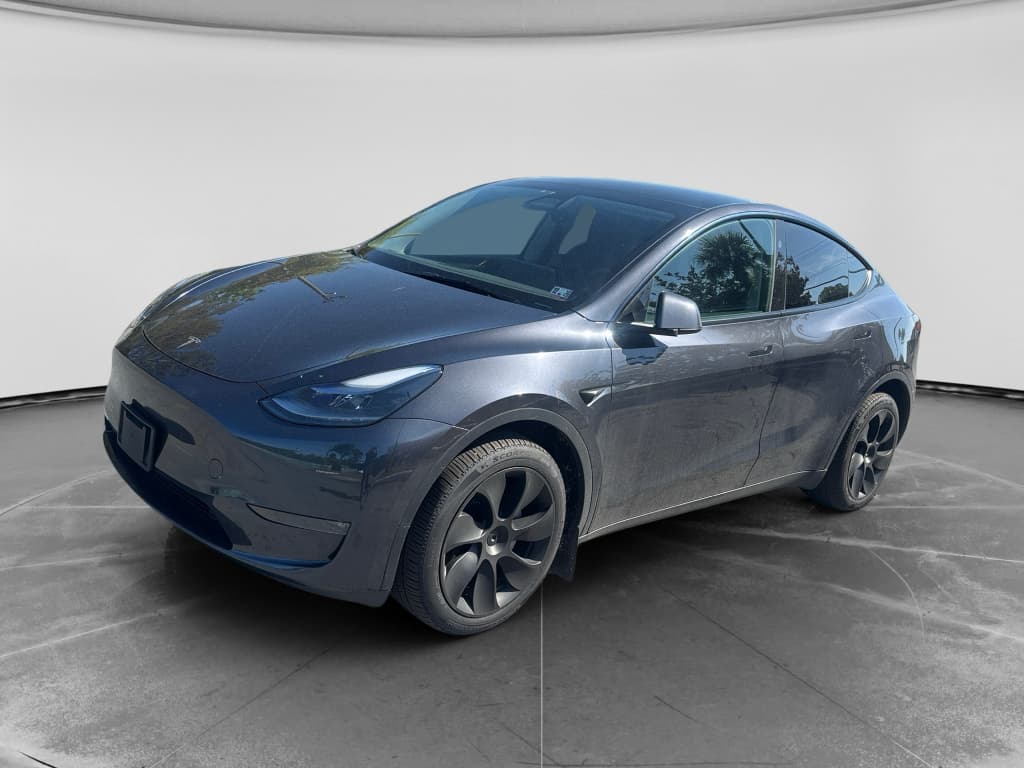
If you’re debating 19 vs 20 inch wheels on a Tesla Model Y, you’re really choosing between efficiency and comfort on one side and sharper looks and handling on the other. The difference isn’t just cosmetic: wheel size affects range, ride quality, tire costs, and even long‑term ownership experience, especially if you’re buying a used Model Y.
Quick takeaway
Overview: 19" vs 20" Wheels on the Tesla Model Y
Tesla offers the Model Y with several wheel options, but the common comparison is between the 19" Gemini wheels and the 20" Induction wheels. Both use the same basic tire width, but the 20s run a lower‑profile tire and a heavier wheel. That combination changes how the car feels and how far it goes on a charge.
19" vs 20" Wheels at a Glance
The main differences boiled down to what you’ll actually notice day‑to‑day.
Efficiency & Range
19" Gemini: Best efficiency and range, lighter wheel, taller sidewall reduces rolling losses.
20" Induction: Typically 3–7% higher consumption depending on speed, climate, and tires, which can mean roughly 10–20 fewer miles of usable range per charge in real‑world driving.
Ride & Handling
19" Gemini: Softer, more compliant ride, better for broken pavement and long commutes.
20" Induction: Sharper turn‑in and flatter cornering, but noticeably firmer over potholes, expansion joints, and rough roads.
Costs & Durability
19" Gemini: Cheaper tires, better protection from pothole damage, less curb‑rash risk.
20" Induction: More expensive tires, lower‑profile sidewall is easier to bend or crack on impacts, and cosmetic damage stands out more.
Think long‑term, not just delivery day
Factory Specs: 19" Gemini vs 20" Induction
From the factory, the Model Y Long Range and RWD in the U.S. typically offer 19" Gemini or 20" Induction wheels. The Performance trim adds a 21" option, but most shoppers cross‑shopping trims or used listings are comparing 19s to 20s.
Model Y Wheel & Tire Specs (19" vs 20")
Approximate factory specs for mainstream Model Y trims sold in North America.
| Wheel Option | Wheel Diameter | Typical Tire Size | Sidewall Height Character | From Factory |
|---|---|---|---|---|
| 19" Gemini | 19 inches | 255/45R19 | Taller sidewall (more cushion) | Standard on many RWD/Long Range trims |
| 20" Induction | 20 inches | 255/40R20 | Lower‑profile sidewall (firmer) | Optional upgrade on RWD/Long Range, sometimes standard in appearance packs |
Exact equipment can vary slightly by model year and region, but this captures the core differences most owners will see.
Both wheel options generally use a 255‑mm wide tire, so the main change is that the 20" wheel uses a shorter sidewall to keep the overall diameter close. That means less "air cushion" between the rim and the road, which directly affects comfort and durability.
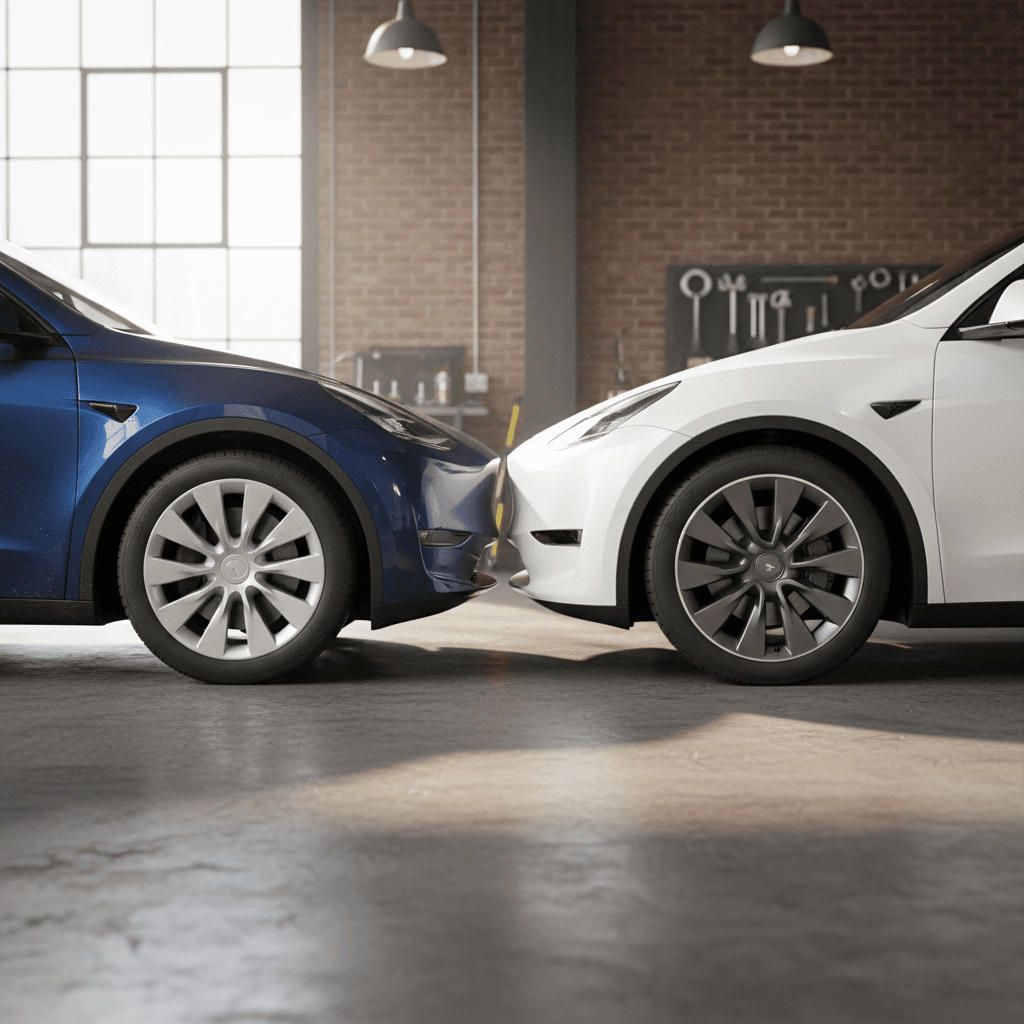
Range & Efficiency: How Much Do 20s Really Cost You?
Wheel size doesn’t change your battery pack, but it does change how much energy you need to move the car. Bigger wheels are usually heavier and often use stickier, lower‑profile tires. That increases rotational inertia and rolling resistance, which shows up as higher Wh/mi and lower effective range.
Typical Efficiency Difference: 19" vs 20" on Model Y
EPA ratings vs real life
When 19" wheels shine
- Long highway or interstate commutes where every Wh/mi matters.
- Cold‑climate driving, where winter penalties already eat into range.
- Owners who routinely charge at home from a time‑of‑use rate plan and want to keep monthly energy costs low.
- Rideshare or high‑mileage drivers who feel range and charging time directly in their bottom line.
When 20" wheels are “good enough”
- You mostly drive short trips in town and don’t often run the pack down.
- You live near a dense fast‑charging network and rarely worry about range planning.
- You’re willing to trade a bit of efficiency for aesthetics and a more planted feel.
Watch tire choice, not just wheel size
Ride Comfort, Noise & Handling Differences
The Model Y already rides on the firm side compared with a traditional crossover, and wheel choice can either soften that edge or sharpen it. You feel this most over broken pavement, joints, and potholes.
How 19" vs 20" Wheels Change the Driving Experience
Same car, same suspension, different personality.
Ride Comfort & Noise
19" Gemini: The taller 45‑series sidewall acts like an extra mini‑shock absorber, helping the car feel less crashy over potholes, patched asphalt, and expansion joints. Many owners find the 19s noticeably more comfortable, especially in cities with rough roads.
20" Induction: The 40‑series sidewall has less flex, so more impact forces go straight into the cabin. The car feels tighter but also more abrupt over sharp edges. Road noise can be a bit more pronounced, depending on tire brand and tread pattern.
Handling & Steering Feel
19" Gemini: Slightly softer sidewalls mean a bit more compliance in quick transitions. For daily commuting, that extra comfort usually matters more than ultimate grip.
20" Induction: With shorter sidewalls and usually a stiffer carcass, turn‑in feels quicker and the car feels more planted in fast corners. For drivers who frequently enjoy twisty roads, this can be a real upside.
Suspension vs wheel size
Costs: Tires, Repairs & Resale Value
It’s easy to focus on the $2,000 factory option price for 20" wheels and forget the lifetime cost of that choice. Over tens of thousands of miles, tires and repairs can dwarf the original upcharge, especially if you live where roads are rough or winters are harsh.
Ownership Cost Comparison: 19" vs 20" Wheels
Approximate relative costs in the U.S. market. Exact numbers depend on brand, region, and how you drive.
| Cost Category | 19" Gemini | 20" Induction | What It Means for You |
|---|---|---|---|
| Replacement tire price | Typically lower | Typically higher | 20" tires are often $20–$60 more per tire for comparable models. |
| Tire life | Slightly longer on average | Can be shorter | Lower‑profile tires and more aggressive compounds may wear faster. |
| Pothole damage risk | Lower | Higher | More sidewall on 19s helps protect rims from impacts. |
| Curb rash visibility | Moderate (with covers) | High (exposed alloy) | Cosmetic damage on dark Induction wheels is easy to spot. |
| Resale appeal | Appeals to practical buyers | Appeals to style‑focused buyers | On the used market, both find an audience as long as wheels are in good condition. |
Think in terms of direction and magnitude, not exact dollars; tire prices shift, but the relative pattern is consistent.
Budgeting for tires
Durability, Potholes & Real‑World Ownership
Wheel size also changes how forgiving your Model Y is when the real world intrudes, potholes, construction zones, unexpected curbs. That’s where the extra sidewall height of the 19s becomes more than a comfort feature; it’s a form of insurance.
- Pothole resistance: With more rubber between the rim and the road, 19" wheels are better at surviving sharp impacts without bending or cracking.
- Sidewall pinch: The 40‑series tires on 20" wheels have less room to deform, which increases the risk of bulges or sidewall damage when you hit something hard.
- Curb rash: The 20" Induction wheels sit visually closer to the curb, and their dark finish makes every scrape obvious. The Gemini wheels’ aero covers are easier and cheaper to replace if you clip a curb.
- Winter and all‑season setups: Many owners run 19" wheels for winter because narrower, taller‑sidewall tires perform better in snow and slush and are less vulnerable to cold‑weather potholes.
Don’t ignore damage on low‑profile setups
Which Wheel Size Fits Your Driving and Roads?
There’s no single "right" answer, only the right fit for how and where you drive. Instead of thinking in abstract pros and cons, match each setup to a specific use case.
Decision Checklist: 19" vs 20" Wheels for Your Model Y
1. How bad are your local roads?
If you regularly deal with potholes, frost heaves, or rough city streets, 19" wheels are the smart play. The extra sidewall protects your rims and your spine.
2. How often do you fast‑charge or road‑trip?
If you regularly run long highway stretches or depend on Supercharging, the added efficiency of 19s translates into fewer stops and shorter charging sessions.
3. Do you prioritize looks or comfort?
If you love the aggressive look of the 20" Inductions and are willing to accept more impact harshness and slightly less range, they can be worth it. If you just want a quiet, relaxed family hauler, 19s are easier to live with.
4. What’s your tire budget?
If you’d rather keep tire replacements as cheap and infrequent as possible, 19" tires usually win. They’re widely available and cost less for comparable quality.
5. Will you drive in snow and ice?
For winter duty, many owners prefer 19s with proper winter or all‑weather tires. Better compliance and a taller sidewall make them more forgiving in cold conditions.
6. Are you open to aftermarket options?
Some owners buy the car with 19" wheels and later add lighter aftermarket wheels that keep similar sidewall height but improve looks and handling. That can be a sweet spot between form and function.
Pick the Wheel Size That Matches Your Scenario
Daily Commuter or Family Driver
Mostly mixed city and highway driving with passengers on board.
Comfort, predictable range, and low running costs matter more than stance.
Recommendation: <strong>Go 19" Gemini</strong> (or equivalent) and invest in quality EV‑rated tires.
Style‑Focused Urban Driver
Shorter trips, lots of city driving, and aesthetics high on your list.
You’re comfortable budgeting extra for tires and potential cosmetic repairs.
Recommendation: <strong>20" Induction</strong> wheels can make sense if you avoid the worst potholes.
Road‑Trip and High‑Mileage Driver
Frequent long‑distance trips or high annual mileage.
Charging time and efficiency have real value to you.
Recommendation: <strong>19" wheels</strong> with low‑rolling‑resistance tires are the better long‑term partner.
Performance‑Oriented Enthusiast
You enjoy spirited driving and may eventually upgrade suspension or brakes.
You’re okay trading range and some comfort for sharper handling.
Recommendation: 20" wheels are a reasonable compromise, but consider that true performance builds often pair wheel upgrades with suspension tuning.
Buying a Used Model Y: How Wheels Affect Value at Recharged
When you’re shopping used, you don’t always get to configure your ideal spec, but you do get to choose from what’s available. That’s where understanding 19 vs 20 inch wheels on a Tesla Model Y becomes a practical filter, not just a technical curiosity.
What wheels tell you about a used Model Y
- Driving style hints: A car on 20" Induction wheels may have been owned by someone who prioritized looks and perhaps drove more enthusiastically, though that’s not always the case.
- Road environment clues: Lots of curb rash or repair history on 20s can be a red flag if you live where roads are equally rough.
- Future tire costs: Factor your first tire replacement into your total cost of ownership, not just the purchase price.
How Recharged helps you choose wisely
- Transparent listings: Every used Model Y on Recharged includes detailed photos of wheels and tires so you can spot curb rash, mismatched tires, or unusual wear.
- Recharged Score Report: Alongside verified battery health and fair market pricing, you get insight into how the car has been used, context you can pair with wheel and tire condition.
- EV‑specialist support: Our team can walk you through the tradeoffs between 19" and 20" setups on specific cars and help you budget for future tire replacements or a potential wheel swap.
Pro move for used buyers
Ready to find your next EV?
Browse VehiclesFAQ: 19" vs 20" Wheels on the Tesla Model Y
Common Questions About 19" vs 20" Model Y Wheels
Choosing between 19 vs 20 inch wheels on a Tesla Model Y is ultimately about how you want the car to feel, and how much ongoing cost and risk you’re willing to take on for a more aggressive look. If you value range, comfort, and low‑stress ownership, 19s are the safe bet. If you’re drawn to the Induction wheels and your roads are kind, 20s can be a satisfying upgrade as long as you walk into the tradeoffs with eyes open. And if you’re shopping used, pairing this wheel knowledge with a transparent Recharged Score Report and expert guidance makes it much easier to find the Model Y that truly fits your life.