If you’re trying to sort through the 10 best electric cars in 2025, you’re not alone. Range numbers keep climbing, prices are finally coming down on the used market, and more brands are switching to Tesla’s NACS charging standard. The trick is matching the right EV to how you actually drive, and knowing when a used model is a smarter buy than something brand‑new.
New vs. used matters more with EVs
How we picked the 10 best electric cars
Instead of just listing the latest shiny thing, this ranking blends real‑world usability with ownership economics, especially for used buyers. We focused on EVs that are widely available in the U.S. and that make sense whether you buy new or used.
- Range of at least ~200 miles on the versions we recommend (where available)
- Strong value on the used market versus comparable gas cars
- Good fast‑charging performance and access to solid public charging networks
- Reliability track record and/or long battery warranty coverage
- Interior space and practicality for daily life, not just spec‑sheet bragging rights
- Availability today or in the near term, not vaporware or limited‑run halo cars
Why 2025 is a sweet spot for EV shoppers
Quick look: top 10 electric cars of 2025
Snapshot of the 10 best electric cars
Approximate starting prices refer to new vehicles before incentives unless noted; ranges are for popular configurations, not always the absolute maximum.
| Rank / Model | Typical Role | Est. New Price (USD) | Est. Max Range (mi) | Best Bought |
|---|---|---|---|---|
| 1. Hyundai Ioniq 6 | All‑around sedan | $38k–$50k | ~340 | New or lightly used |
| 2. Tesla Model Y | Family crossover | $44k–$55k | ~330 | New or used |
| 3. Chevy Equinox EV | Affordable family SUV | $34k–$45k | ~319 | New (when deals apply) |
| 4. Kia Niro EV | Value crossover | ~$40k new, ~$12k used | ~240 | Used |
| 5. Hyundai Ioniq 5 | Versatile hatch/SUV | $40k–$60k | ~303 | Used or CPO |
| 6. Lucid Air | Luxury range champ | $70k+ | 400–500+ | Used for value, new for max spec |
| 7. Ford F‑150 Lightning | Electric pickup | $65k+ | ~300 | New or fleet off‑lease |
| 8. Rivian R1S | Luxury adventure SUV | $75k+ | 300–390 | New |
| 9. Nissan Leaf | Budget commuter | Under $30k new, <$10k used | ~212 | Used |
| 10. Chevy Bolt EV | Compact range champ | $15k–$20k used | ~259 | Used |
Always verify current pricing, range ratings, and incentives by VIN when you’re ready to buy.
Use this list as a short‑list, not a verdict
1. Hyundai Ioniq 6 – the all-around standout
Hyundai’s Ioniq 6 is the rare EV that checks almost every box: long range, fast DC charging, comfortable ride, and a price that undercuts many rivals. In multiple 2025 rankings it’s at or near the top of the “best electric cars” lists, thanks to EPA range figures up to the mid‑300‑mile range and an efficient 800‑volt platform that can charge from 10–80% in under 20 minutes in ideal conditions.
Hyundai Ioniq 6 at a glance
Why it deserves the top spot in 2025
What it does best
- Excellent range for the money (up to ~340+ miles)
- 800‑V charging architecture for ultra‑fast road‑trip stops
- Comfortable, quiet ride and a distinctive aero design
- Qualifies for federal and state incentives on many trims
Where to be cautious
- Not everyone loves the low, sedan‑like seating position
- Trunk opening is smaller than a hatchback’s
- New tech means you may want extended coverage if buying new
Best for
2. Tesla Model Y – the do‑everything family EV
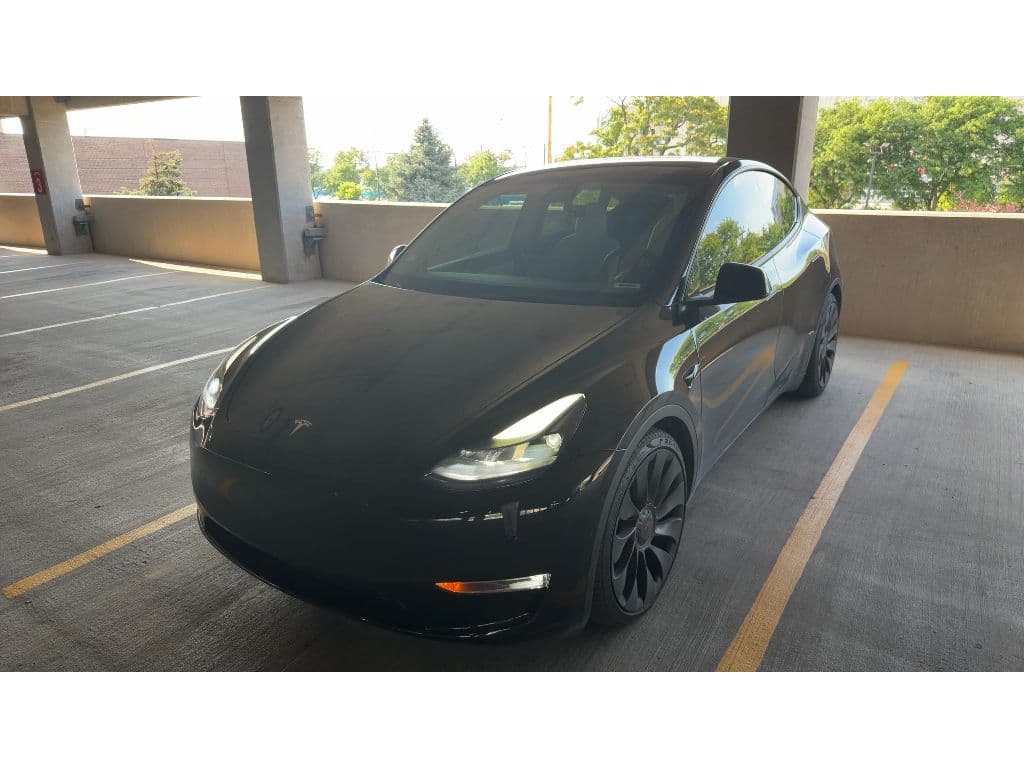
The Tesla Model Y remains the default answer for a lot of American households, and that’s not an accident. You get strong range (up to roughly 330 miles depending on configuration), a huge fast‑charging network, plenty of cargo space, and over‑the‑air software updates that keep the car feeling current for years.
Why it keeps winning
- Supercharger access still leads the field for reliability and coverage.
- Excellent efficiency helps keep your electricity costs low.
- Minimalist interior with great app integration and remote control features.
Consider before you buy
- Ride quality can feel firm on rough pavement.
- Interior fit and finish are good but not luxury‑car level.
- Used prices are volatile, great if you’re buying, painful if you’re selling.
Watch for build details
3. Chevrolet Equinox EV – best affordable family SUV
The Chevrolet Equinox EV hits a sweet spot many shoppers have been waiting for: a compact SUV with more than 300 miles of range, modern driver‑assist tech, and a starting price in the mid‑$30,000s before incentives. That’s a rare combination in 2025, and it’s why the Equinox EV shows up on nearly every “best electric cars” list focused on value.
Chevy Equinox EV – value highlights
Why it’s one of the best electric cars for families
Family‑friendly space
Safety and tech
Incentive‑friendly pricing
Lease vs. buy
4. Kia Niro EV – best used‑EV deal
If you’re shopping used, the Kia Niro EV is one of the strongest value plays in the market. Earlier model years have seen steep depreciation, with some examples now selling at a fraction of their original price while still offering around 200+ miles of range and a practical crossover shape.
Why used Niro EVs are such a bargain
- Sharp price drops relative to original MSRP make them affordable first EVs.
- Decent range for commuting and regional trips.
- Simple, familiar interior that’s easy to live with.
What to check carefully
- DC fast‑charging speed is modest compared to newer models.
- Earlier years may have shorter remaining warranty coverage.
- Confirm battery health and any history of rapid‑charging‑only use.
Best for
5. Hyundai Ioniq 5 – versatile and future‑proof
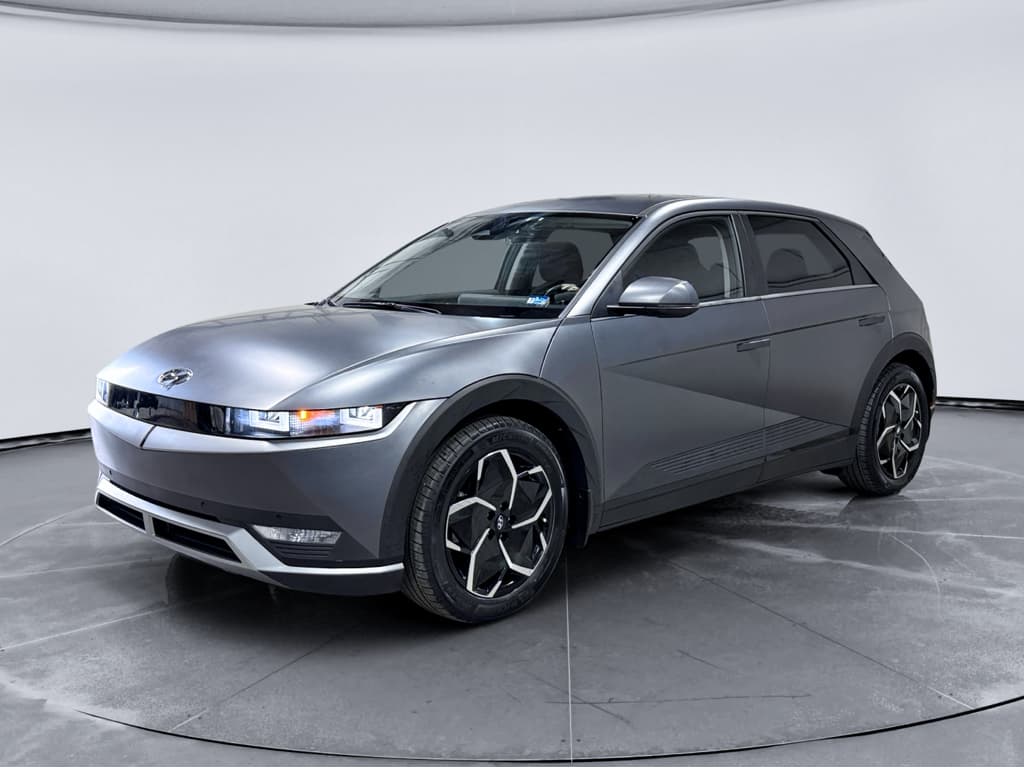
The Hyundai Ioniq 5 has been a fixture on “10 best electric cars” lists since launch, and for good reason. Think of it as an electric Swiss Army knife: SUV‑like space, hatchback practicality, eye‑catching design, and the same fast‑charging 800‑V platform as the Ioniq 6.
Hyundai Ioniq 5 – why it still stands out
Especially strong as a used or CPO buy
Everyday usability
Charging flexibility
Mind the trim and wheels
6. Lucid Air – maximum range and luxury
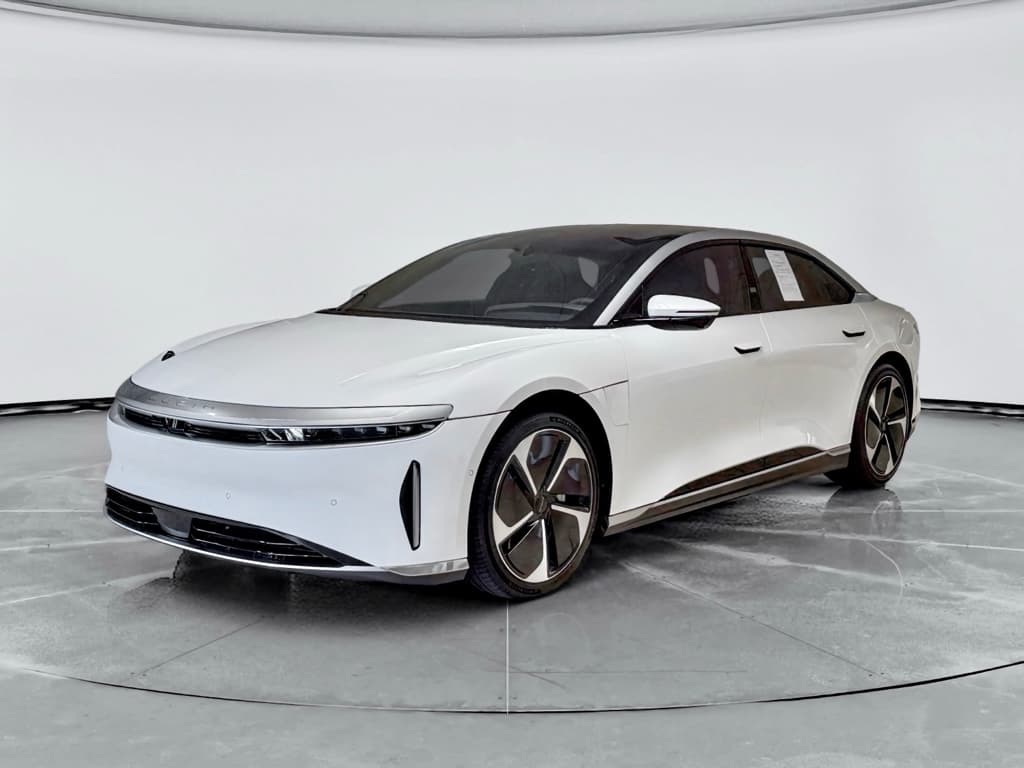
If you care about range above almost everything else, and want genuine luxury, the Lucid Air is the standout. Various trims offer 400–500+ miles of EPA‑rated range along with some of the quickest acceleration and fastest charging you can buy, period.
Why it’s on the list
- Class‑leading range that takes the edge off long‑distance trips.
- Genuinely upscale interior and quiet ride.
- Innovative packaging yields a roomy cabin.
Who it actually makes sense for
- High‑mileage drivers who want the longest possible legs between stops.
- Luxury buyers cross‑shopping high‑end gas sedans and SUVs.
- Used‑EV shoppers seeking big discounts off original six‑figure stickers.
Ownership reality check
7. Ford F‑150 Lightning – best electric truck
Ford’s F‑150 Lightning has effectively defined the modern electric pickup segment. With configurations offering roughly 300 miles of range, massive onboard power capability, and the familiarity of the F‑150 cab, it’s the most approachable electric truck for many Americans.
Ford F‑150 Lightning – truck‑specific advantages
More than just a zero‑emission F‑150
Work & towing
Pro Power Onboard
Use case fit
Range vs. reality
8. Rivian R1S – best luxury electric SUV
The Rivian R1S is what happens when you combine serious off‑road capability, three‑row seating, and a clean‑sheet EV platform. It’s expensive, but for families who actually adventure, camping, skiing, mild off‑roading, it’s one of the most compelling electric SUVs on sale.
Strengths
- Up to roughly 300–390 miles of range depending on battery and drive configuration.
- Genuine off‑road hardware, not just SUV styling.
- High‑quality interior with clever storage and camping‑friendly features.
Trade‑offs
- Price lands firmly in luxury territory.
- Charging network is growing but still smaller than Tesla’s.
- Startup brand means more uncertainty about long‑term residuals.
9. Nissan Leaf – budget city commuter
On paper, the Nissan Leaf is outclassed by newer EVs: modest range, older CHAdeMO fast‑charging hardware, and a design that’s been around for years. But on the used market, that’s exactly what makes it compelling. For short‑range commuting, a well‑priced used Leaf can undercut almost any other EV while still delivering the smooth, quiet drive that makes electric commuting addictive.
When a Nissan Leaf makes sense
And when it really doesn’t
Good fit
Poor fit
Important for Leaf shoppers
10. Chevrolet Bolt EV – used‑range champion
GM has ended new Bolt EV production for now, but the used market is full of them. That makes the Bolt one of the best electric cars you can buy used in 2025: compact outside, surprisingly roomy inside, and capable of around 259 miles of EPA‑rated range on a full charge for many model years.
Why it’s still a top pick
- Excellent used pricing relative to range and features.
- Easy to park yet comfortable for adults in the front and rear seats.
- Simple, intuitive controls compared with some newer EVs.
What to know about recalls
- Earlier Bolt EVs had well‑publicized battery recalls; many have had pack replacements.
- A properly repaired car can actually be a plus, newer pack, older price.
- Verify recall status by VIN before you sign anything.
Comparison table: specs and use cases
Key specs for the 10 best electric cars
Approximate data for popular trims. Exact range and pricing vary by year, battery, drive type, and wheel size.
| Model | Body Style | Max Range (mi, approx.) | Home Charging Needs | Ideal Use Case |
|---|---|---|---|---|
| Hyundai Ioniq 6 | Midsize sedan | ~340 | Level 2 preferred | One‑car households, commuters, road‑trippers |
| Tesla Model Y | Compact SUV | ~330 | Level 2 preferred | Families, mixed city/highway, frequent trips |
| Chevy Equinox EV | Compact SUV | ~319 | Level 2 preferred | Budget‑minded families, first‑time EV buyers |
| Kia Niro EV | Subcompact SUV | ~240 | Level 2 ideal, Level 1 workable | Budget commuters, small families, used shoppers |
| Hyundai Ioniq 5 | Compact crossover | ~303 | Level 2 preferred | Families, outdoor users, V2L fans |
| Lucid Air | Large luxury sedan | 400–500+ | Level 2 plus reliable DC fast‑charging access | High‑mileage luxury buyers, long‑range commuters |
| Ford F‑150 Lightning | Full‑size pickup | ~300 | Dedicated Level 2 or higher | Contractors, fleets, suburban truck owners |
| Rivian R1S | 3‑row SUV | 300–390 | Level 2 plus access to fast‑charging network | Adventure‑oriented families, premium SUV shoppers |
| Nissan Leaf | Compact hatchback | ~212 (newer trims) | Level 1 or Level 2 | City commuters, budget second car |
| Chevy Bolt EV | Compact hatchback | ~259 | Level 2 ideal | Budget buyers wanting strong range in a small package |
Use this table to align each EV with how you actually drive.
How to choose the best electric car for you
Six questions that narrow your EV short‑list
1. How far do you really drive in a day?
If your daily driving is under 60–80 miles, you don’t need a 300‑mile battery for your commute. A cheaper used EV like a Leaf, Niro EV, or Bolt might be all you need, freeing budget for home charging and road‑trip rentals when necessary.
2. Where will you charge most of the time?
Home Level 2 charging is the single biggest quality‑of‑life upgrade for EV ownership. If you can’t install it, prioritize models with excellent DC fast‑charging performance and reliable public networks, like the Model Y, Ioniq 6, or Ioniq 5.
3. How often do you road‑trip?
If you regularly do multi‑hundred‑mile days, prioritize range and fast‑charging speed (Lucid Air, Ioniq 6, Model Y, Ioniq 5) over raw horsepower or styling details.
4. What’s your real budget, including charging?
Instead of stretching for the newest model, consider the total package: purchase price, financing, home‑charger install, electricity, and insurance. A lower‑priced used EV with remaining battery warranty can be the smarter long‑term play.
5. How long do you plan to keep the car?
If you tend to keep cars 8–10 years, focus on long battery warranties and brands with strong service networks. If you swap cars every 3–4 years, prioritize models that hold value better or are easy to sell nationwide.
6. Are you okay being an early adopter?
Buying from newer brands or first‑model‑year vehicles can be rewarding but riskier. If you prefer predictability, lean toward proven models with lots of production under their belt and strong parts availability.
Use data, not just test drives

Buying used vs new – how Recharged helps
New‑car “10 best” lists are fine, but a huge amount of EV value in 2025 lives in the used market, where pricing can swing wildly based on battery health and options. That’s where a specialist marketplace like Recharged changes the game.
Why a used‑EV specialist matters
What you get with Recharged vs a generic used‑car site
Verified battery health
Fair pricing transparency
EV‑specialist support
Digital‑first, nationwide
Recharged is built around a fully digital retail experience. You can browse, finance, and complete your purchase online, then get nationwide delivery to your driveway.
Options for your current car
Already own an EV or gas car? Recharged offers trade‑ins, instant offers, or consignment, so you can unlock equity without the usual dealership run‑around.
Recharged data
Used EV battery health
94%
avg remaining capacity
From Recharged battery inspections, not manufacturer estimates.
- Lowest
- 70%
- Median
- 95%
- Highest
- 100%
- Est. range
- 266 mi avg
- Cell balance pass
- 100%
- Quick charges
- 18 avg
- Slow charges
- 61 avg
Average cell imbalance: 7.8 mV
Based on vehicles Recharged tested as of Jul 23, 2026
Recharged data
Recent EV sold prices
$25,997
median sold price
What buyers actually paid through Recharged, not list price.
- Lowest
- $4,527
- Average
- $28,433
- Highest
- $129,998
Monthly median sold price
Based on Recharged sales in the last 12 months as of Jul 23, 2026
FAQs about the best electric cars
Frequently asked questions about the best electric cars
The 10 best electric cars in 2025 aren’t just tech showcases; they’re tools that either fit your life or don’t. Start with how you actually drive, be honest about your charging reality, and then use range, price, and brand as filters, not the other way around. Whether you land on a new Ioniq 6 or a bargain‑priced used Bolt, the right EV will feel almost invisible in daily use, quietly doing its job while saving you time, fuel, and maintenance headaches. And when you’re ready to shop, leaning on a used‑EV specialist like Recharged can turn a confusing market into a transparent, data‑driven decision.