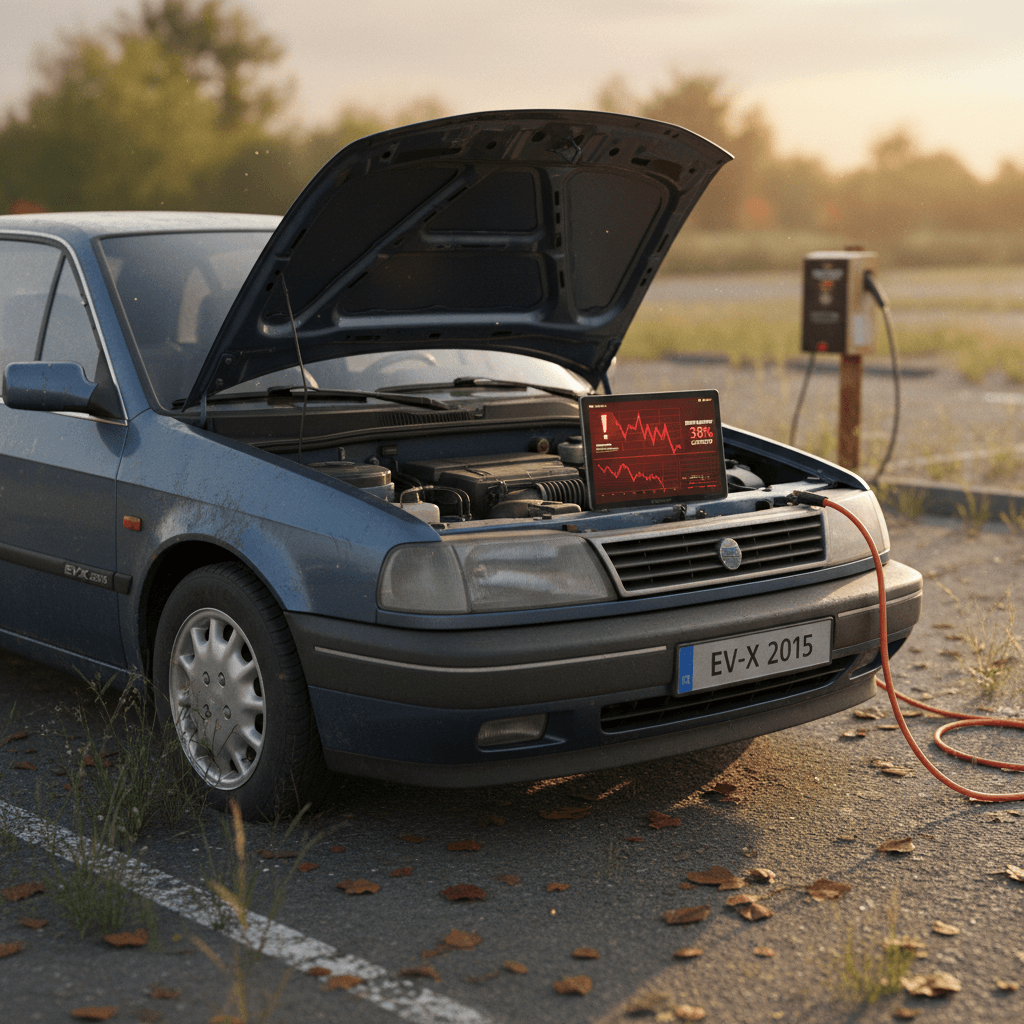
If you’re shopping for a used EV in 2026, you’ll see some shockingly low prices. That’s no accident. A handful of models have earned a reputation for weak batteries, spotty reliability, or brutal depreciation. This guide ranks the worst used electric cars for 2026, explains why they’re risky, and shows you when a “bad” EV can still be a smart buy, if you know what you’re looking at.
Not a “hate list”
Why “worst used electric cars” matters in 2026
Used EV reality check in 2026
In 2024–2025, used EV prices fell sharply before stabilizing, and by early 2026 they’re still under pressure. That’s great news if you’re buying, less so if you pick the wrong car. The worst used EVs share a few themes: undersized or uncooled batteries that age badly, early‑generation tech with expensive fixes, and luxury price tags that collapsed on the resale market.
How we ranked the worst used electric cars
Instead of a clickbait “top 10 worst cars ever” list, we focused on what actually hurts you as a used‑EV buyer in 2026. Models here show multiple red flags:
- Above‑average battery degradation or very small packs that make real‑world range marginal by today’s standards
- Known reliability or recall issues that are costly or difficult to fix out of warranty
- Severe depreciation that often signals weak demand or underlying concerns
- Limited support, parts, or dealer expertise, especially for discontinued or niche models
- Real‑world owner and dealer experience that suggests you must shop very carefully
Depreciation vs. Disaster
Worst used electric cars ranked for 2026
Headline list: worst used electric cars ranked 2026
These models combine tougher battery chemistry, problematic early designs, or severe depreciation. Exact risk depends heavily on build year, battery size, climate, and how the car was charged.
| Rank | Model (Used Focus Years) | Primary Red Flags | Key Buyer Risks |
|---|---|---|---|
| 1 | Early Nissan Leaf (2011–2016, 24 kWh) | Air‑cooled, small battery; heavy degradation in hot climates | Severely reduced range, limited highway usability, rapid value loss if pack is weak |
| 2 | First‑gen BMW i3 (2014–2017, 22 kWh BEV/REx) | Tiny pack; carbon‑fiber body repairs costly; quirky packaging | Range short by 2026 standards; expensive to repair after minor accidents |
| 3 | Kia Soul EV (2014–2019, 27–30 kWh) | Small battery; compliance‑market support patchy in some regions | Limited parts availability; short range; weaker dealer familiarity outside EV hubs |
| 4 | Volkswagen e‑Golf (2015–2019) | Short range; discontinued; fewer EV‑specialist dealers | Aging packs; limited fast‑charging; VW shifted focus to newer ID. models |
| 5 | Older luxury EV flagships (Tesla Model S, Audi e‑tron, Jaguar I‑PACE, Mercedes EQC/EQS, early Taycan) | Huge depreciation; complex, expensive components; early‑gen tech | Big repair bills, especially out of warranty; poor resale if you buy too high |
| 6 | Legacy small‑pack “compliance EVs” (Fiat 500e, Ford Focus Electric, Spark EV, etc.) | Very limited range; often sold only in a few states | Great urban runabouts but bad road‑trip or one‑car‑household choices |
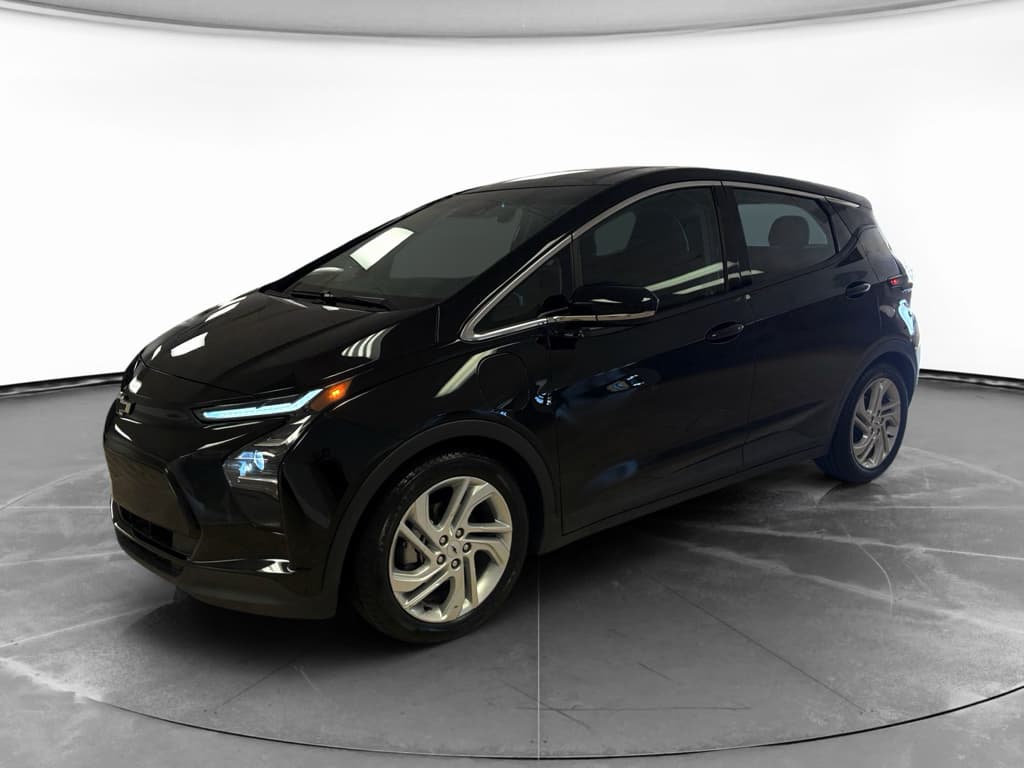
| 7 | Early Chevy Bolt EV (2017–2019) | High‑profile battery recall history and pack replacements | Great when fixed, but history can be confusing, buy only with documentation |
| 8 | Aging DC fast‑charging road‑trip EVs (older Hyundai Kona Electric, early CCS crossovers, early ID.4, etc.) | Fast‑charging performance may lag newer standards; heavy road‑trip use can age packs | If used hard at DC fast chargers, range and charging speed can both suffer |
| 9 | Orphaned or low‑volume imports (niche Chinese or European EVs in limited US numbers) | Spotty parts and dealer support; uncertain long‑term value | Harder to service; thinner used‑buyer pool if you later sell |
| 10 | Any EV with undocumented, heavily degraded battery regardless of model | Unknown charging history; no battery report; out‑of‑warranty | Real‑world range may be half of what you expect, this is the true worst‑case used EV. |
Always evaluate individual vehicles, battery health and service history matter more than model reputation.
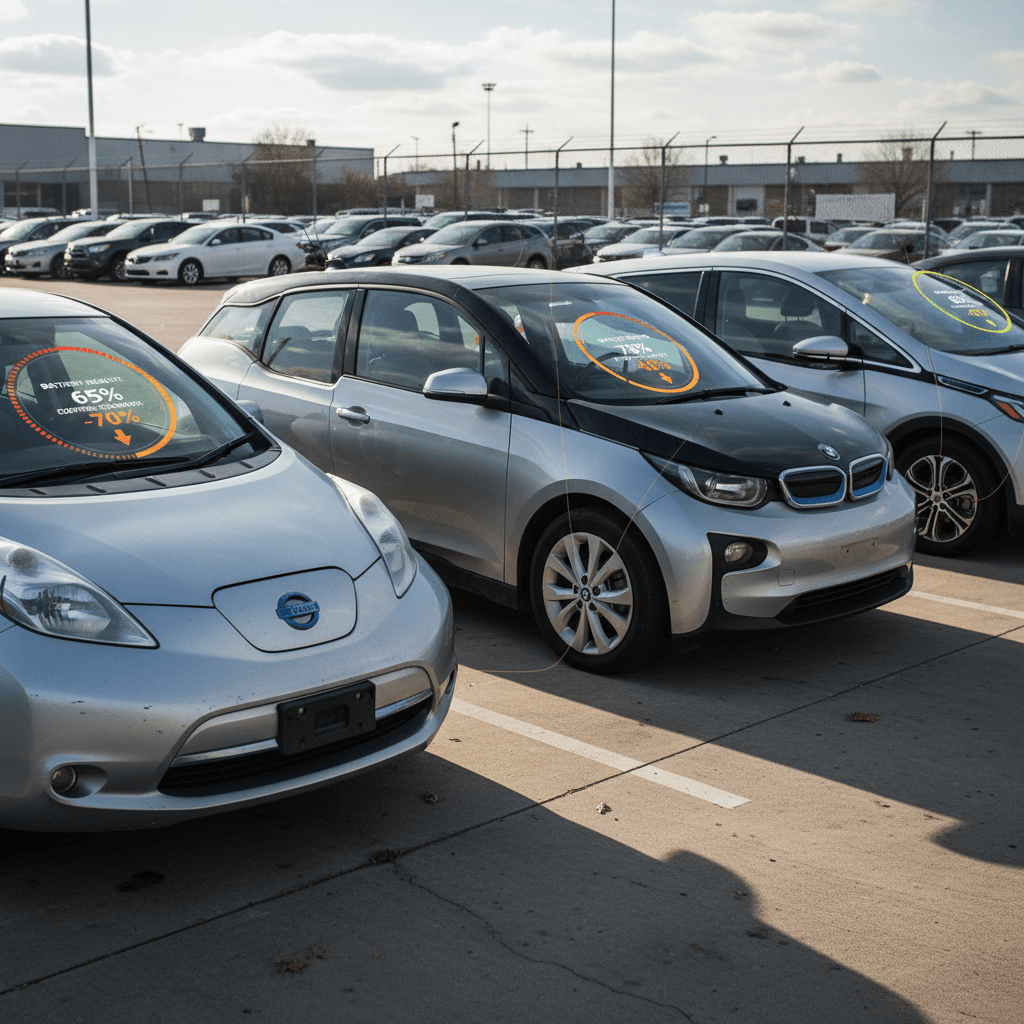
1–4: Early short‑range EVs, small batteries, big compromises
The common thread across early Nissan Leafs, BMW i3s, Kia Soul EVs and VW e‑Golfs is simple: small, aging batteries. When these cars were new, 70–90 miles of real‑world range could work for short commutes. A decade later, after years of heat cycles and quick charges, usable range can drop far enough that highway or winter driving becomes stressful.
Why early short‑range EVs rank so poorly in 2026
They can be cheap, but the compromises are real.
Shrinking real‑world range
Many early packs were 22–30 kWh, often air‑cooled. After a decade, some cars in hot states have lost a large share of capacity. That can turn an advertised 80–90 mile EPA range into 40–60 usable miles on the highway.
Limited use cases
For a short city commute with easy charging, these can still work. But as a family’s only vehicle, or for regular highway trips, you may quickly hit frustrating limits in winter, at high speeds, or with passengers and cargo.
Parts & support challenges
Several of these were sold mainly as compliance cars in a few states. That can mean fewer technicians trained on them, fewer used parts, and spotty knowledge at non‑EV‑focused dealerships.
Tempting prices hide risk
Seeing a used EV for well under $10,000 can be tempting. But if the battery health is poor, you’re buying the right to pay for an expensive pack replacement, or to live with a car you can’t really trust outside a tight local radius.
When an early EV can still make sense
5: Luxury EVs with brutal depreciation
On paper, big luxury EVs like the Audi e‑tron/Q8 e‑tron, Jaguar I‑PACE, Mercedes EQS/EQC, Porsche Taycan, and older Tesla Model S should be dream used buys. They often sold new for $80,000–$120,000 and can now show up for half, or less, of that after just a few years.
- Complex air suspensions and high‑performance drivetrains that are costly to repair once warranties expire
- Fast‑charging hardware that may already feel dated compared with newer 800‑volt architectures
- Outdated infotainment and driver‑assist technology that ages poorly on a six‑figure car
- Higher insurance, tire and brake costs compared with mainstream EVs
Luxury EV trap
6–9: Compliance EVs, recall history, and orphaned models
Rounding out the “worst used electric cars” conversation are cars that weren’t bad products so much as awkward experiments, short‑range compliance EVs, models with complicated recall histories, and orphaned imports with thin support networks.
Short‑range compliance EVs
Fiat 500e, Ford Focus Electric, Chevy Spark EV and similar models were sold in small numbers to meet emissions rules. They can be fun city cars, but:
- Real‑world range is often well under 100 miles today.
- Dealer and parts support can be spotty outside EV‑dense states.
- Resale demand is limited, so you must buy very cheap.
Recall and orphan issues
Early Chevrolet Bolt EVs, for example, had a highly publicized battery recall and pack replacements. Many are now perfectly good used buys, but only if you see clear documentation of recall completion and pack work.
Niche imports or low‑volume Chinese or European EVs may also be fine cars yet still land on our risk radar because finding parts, software support, or knowledgeable technicians in the U.S. is simply harder.
When a “terrible” EV can still be a great bargain
Here’s the twist: some of the worst depreciating EVs are actually the best values if you buy them with your eyes open. A luxury EV that lost 60% of its value in five years might now cost the same as a new mainstream crossover, but drive, ride, and feel like the premium car it still is.
3 situations where a “worst” EV turns into a smart buy
Depreciation pain for the first owner can be your opportunity.
1. Clean battery bill of health
If diagnostics show strong state of health (SOH), no rapid‑charging abuse, and normal cell balance, a heavily depreciated EV can deliver years of service for a fraction of its original price.
2. Complete recall and service history
Models with big recalls, like early Bolt EVs, are not automatic deal‑breakers. In some cases, they received brand‑new packs, giving them a second life when documented properly.
3. Right use case, right expectations
A city‑range EV is a poor cross‑country cruiser but an excellent second car. If you plan around its strengths, daily commuting, local errands, overnight home charging, it may fit your life perfectly.
Where Recharged fits in
How to protect yourself when buying a risky used EV
Due‑diligence checklist for higher‑risk used EVs
1. Get a real battery health report
Don’t rely on a simple dashboard range estimate. Ask for third‑party or dealer‑level diagnostics that show battery state of health, cell balance, and DC fast‑charging history. Every vehicle Recharged sells includes a Recharged Score Report with verified battery data.
2. Confirm recall and warranty status
Search the VIN for open recalls and verify that past campaigns, especially battery or high‑voltage related, were completed. Clarify what’s left of the battery and drivetrain warranty based on in‑service date and mileage.
3. Match range to your real use case
List your longest typical drives, climate, and charging options. If you regularly need 120+ miles in winter without charging, a heavily degraded early Leaf or Soul EV is a poor fit no matter how cheap it is.
4. Inspect for previous fast‑charging abuse
Frequent DC fast charging, especially on road‑trip duty, can age packs faster. Battery data and service records sometimes reveal whether the car was a commuter or a constant highway warrior.
5. Check parts and service access
Before buying niche or orphaned EVs, identify where you’d get high‑voltage work done, and whether parts are realistically available in the U.S. A cheap car you can’t repair isn’t a bargain.
6. Use realistic resale assumptions
Assume that an unpopular early EV will continue to be hard to resell. Price your purchase accordingly and consider whether you’re comfortable driving it into the ground instead of counting on strong resale later.
Don’t skip a road test
Recharged Score: how we quantify used‑EV risk
Because so much of a used EV’s value is hidden in the battery and charging history, Recharged built the Recharged Score, a standardized way to rate used electric vehicles beyond the usual Carfax‑and‑a‑test‑drive approach.
What goes into a Recharged Score Report
Every Recharged vehicle includes this, at no extra cost.
Battery health & usage
We run battery diagnostics that look at state of health, pack balance, temperature history and charging patterns. That gives you a grounded view of how much usable life is realistically left.
Service & recall verification
We verify major recalls, especially battery‑related campaigns, and incorporate that into both our pricing and our guidance. A recalled‑and‑repaired EV may actually be a better buy than an untouched example.
Fair‑market pricing & depreciation
Our pricing engine factors in actual transaction data, incentives, and model‑specific depreciation curves so you’re not overpaying for a luxury EV that’s still sliding down the value curve.
EV‑specialist guidance
Recharged advisors live and breathe EVs. They’ll help you decide whether a “high‑risk” model fits your use case, or point you toward lower‑risk alternatives on our marketplace.
Ready to find your next EV?
Browse VehiclesBetter alternatives to the worst used EVs
If this list makes you nervous, that’s actually a healthy reaction. The good news is that 2026 is also one of the best times to buy a used EV that doesn’t carry as much baggage, especially if you’re flexible on brand or trim.
Smarter alternatives to high‑risk used EVs
Rough pairings of risky segments to more balanced options. Availability and pricing vary by market.
| If you’re considering… | Key worry | Consider instead… | Why it’s safer |
|---|---|---|---|
| Early Nissan Leaf or Soul EV as only car | Very short real‑world range, heavy degradation risk | Later‑generation Nissan Leaf (40+ kWh) or Chevy Bolt EUV | Larger, newer packs with better range; still affordable on used market |
| Heavily depreciated luxury EV sedan or SUV | Out‑of‑warranty repair bills, complex tech | Well‑equipped mainstream EV crossover (e.g., Ioniq 5/6, Model Y, Niro EV, ID.4) | Newer architectures, simpler hardware, broader dealer and indie‑shop support |
| Obscure compliance EV with limited parts | Thin servicing network, unknown long‑term value | More common compact EVs (Leaf, Bolt, Kona Electric, Niro EV) | Stronger parts pipelines, more technicians familiar with the platform |
| Early fast‑charging road‑trip EV with hard‑to‑verify history | High DC‑fast‑charge usage may have aged pack rapidly | Later‑model year with documented lighter use and clear pack data | You trade a little extra purchase price for less battery‑health uncertainty |
Always compare battery health, warranty status, and charging needs, not just model names.
Use depreciation to your advantage
FAQ: Worst used electric cars ranked 2026
Frequently asked questions about the worst used EVs
Bottom line on the worst used EVs
The phrase “worst used electric cars ranked 2026” can be misleading. In reality, there are very few truly bad EVs, there are just mis‑matches between the car’s capabilities and a buyer’s needs, plus a lot of hidden information about how an individual battery has aged.
If you focus on battery health, documented history, and realistic range for your life, you can safely shop right past the horror stories and use depreciation to your advantage. Whether you’re eyeing an early city EV or a once‑six‑figure luxury electric SUV, the key is data, not guesswork.
Recharged was built to make that data visible. Every vehicle we list comes with a Recharged Score Report, EV‑specialist support, financing options, and nationwide delivery, all wrapped in a fully digital experience or an in‑person visit to our Richmond, VA Experience Center. That way, the only thing “worst” about your used EV is how badly it makes gas cars look in comparison.