You’re not the only one asking, “Will electric vehicles get cheaper?” In late 2025, new EV prices are stuck in a tug‑of‑war: batteries and competition are pushing costs down, while politics and incentives are pushing transaction prices back up. But on the used side of the market? The bargains are already here.
Context: What Changed in 2025
Will EVs Get Cheaper? The Short Answer
- Used electric vehicles are already significantly cheaper than they were in 2023, and in many cases cheaper than comparable used gas cars.
- New EV sticker prices will drift down over the next 3–5 years, but the path won’t be smooth thanks to the loss of federal incentives and shifting regulations.
- By the early 2030s, EVs are widely expected to reach or beat price parity with gas vehicles on both purchase price and total cost of ownership in most segments.
- For shoppers right now, the best deals are in the used EV market, especially 2–5‑year‑old cars with solid battery health.
So yes, in most scenarios electric vehicles will get cheaper, but not in a straight line, and not equally across new and used markets. To understand where the real value is, you need to see how prices have already moved.
How Electric Vehicle Prices Have Shifted Already
What’s Happened to EV Prices So Far
If you were shopping for a used EV in 2022, you were playing musical chairs in a crowded showroom. Today, that same shopper finds a calmer floor and a lot more price tags with a “2” in front. That’s the combination of three forces: more models, more off‑lease vehicles, and a broader recognition that early‑generation EVs depreciate faster than their gasoline peers.
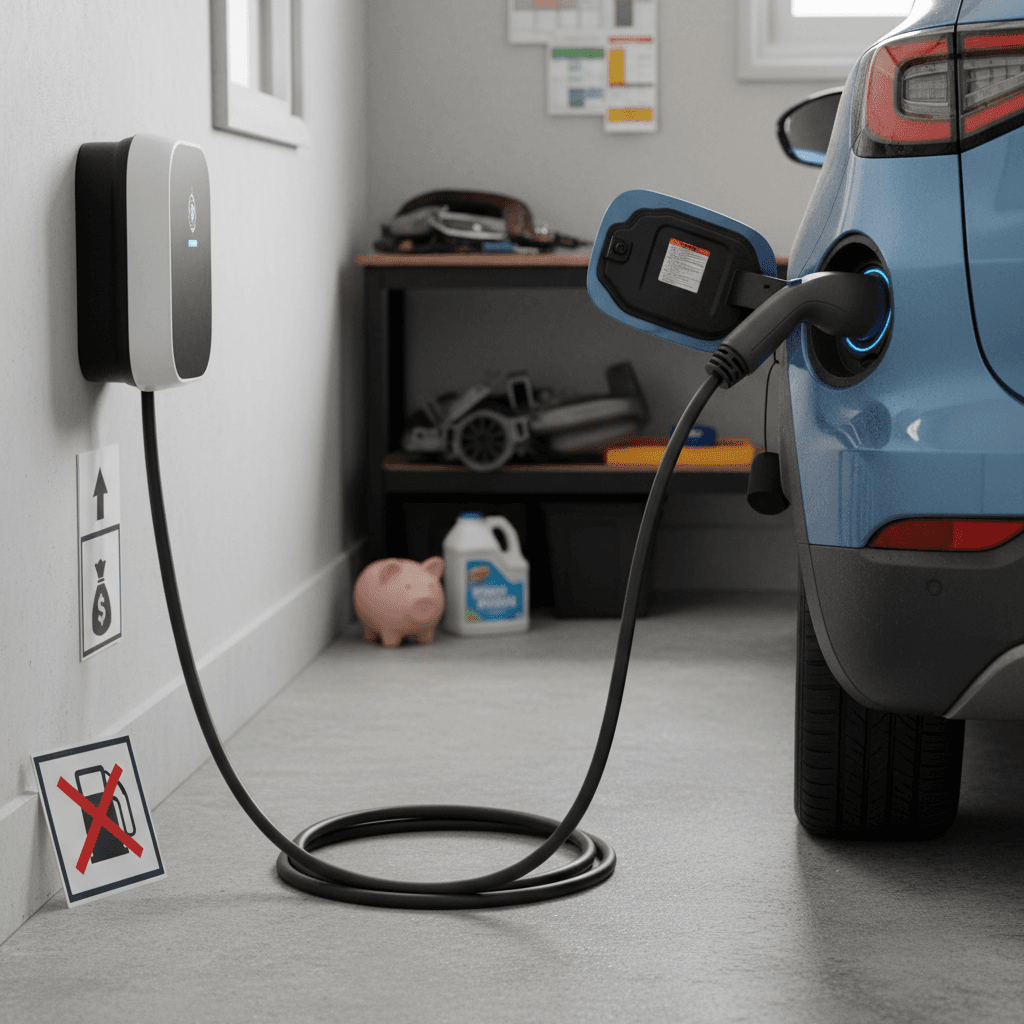
Why Used EVs Are Getting Cheaper Fast
Four Big Forces Pushing Used EV Prices Down
Most of them work in your favor as a buyer, not as a seller.
1. Wave of Off‑Lease Cars
The first big generation of mainstream EVs hit leases in 2020–2022. Those cars are cycling back now, creating a flood of 2–5‑year‑old inventory. Dealers would rather move them quickly than sit on uncertain residual values.
2. Faster Early Depreciation
EV tech improves quickly. A 2021 battery and a 2025 battery are not the same animal. That makes older EVs feel outdated faster than equivalent gas cars, and resale values fall to match.
3. Market Jitters & Headlines
Stories about charging access, winter range, or political fights around incentives make some shoppers hesitant. That hesitancy shows up as softer demand and steeper discounts on anything that isn’t the latest and greatest.
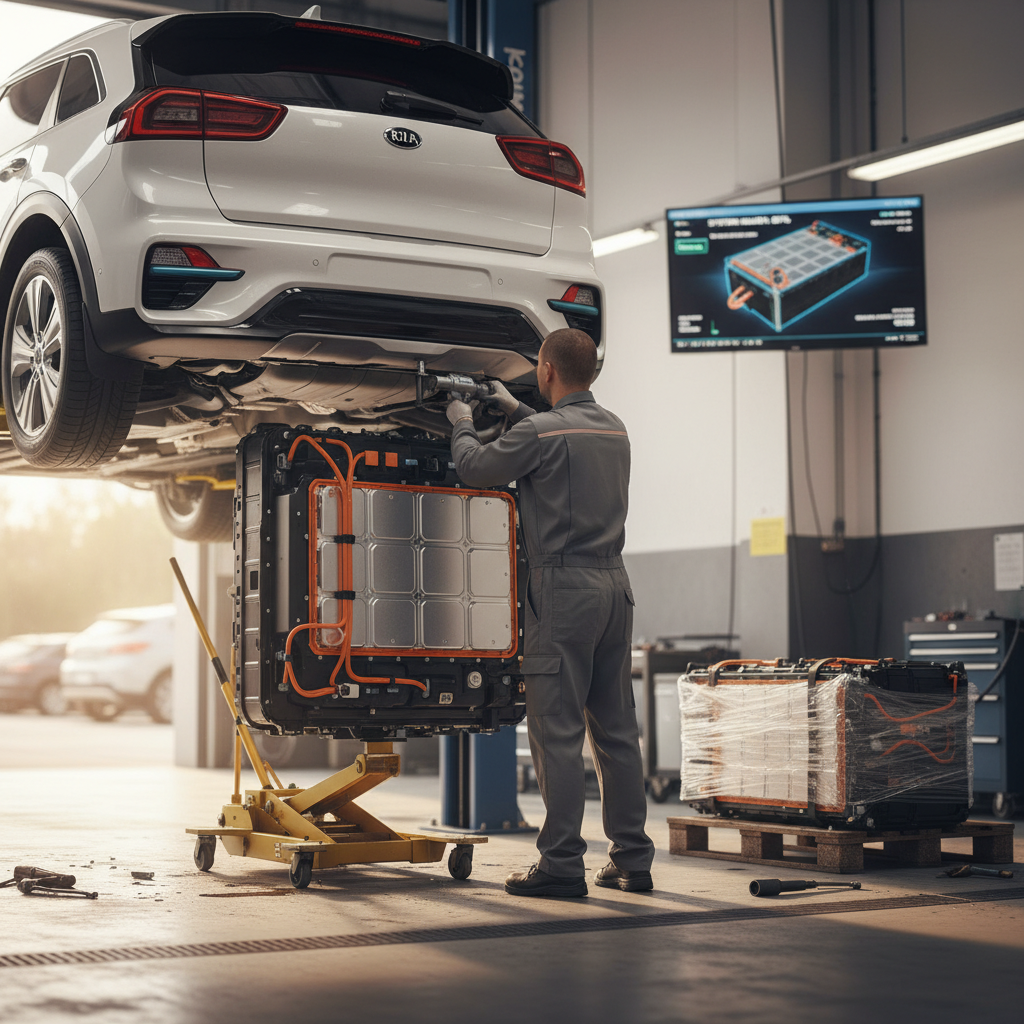
4. Battery Fear, Often Overblown
Many buyers still assume that a used EV battery is a ticking time bomb. In reality, most packs age more slowly than people think, but the fear alone pushes prices down.
How Recharged Turns Battery Fear Into Opportunity
If you’re willing to buy a 3‑ or 4‑year‑old EV and verify the battery, you’re surfing the leading edge of an unusual moment: a technologically advanced car that’s cheaper than a comparable gas model, with far lower running costs, precisely because other shoppers don’t yet trust the math.
What Happens to EV Prices Now That Tax Credits Ended?
Until September 30, 2025, the U.S. federal government effectively underwrote part of your EV purchase with a $7,500 credit on many new models and a smaller credit on some used ones. As of October 1, 2025, those incentives are gone, at least for now. That changes the game in three ways.
- Sticker prices matter more. There’s no tax‑season rebate to bail out an overpriced EV. Automakers that leaned on the credit to make their numbers now have to sharpen pencils on MSRP, discounts, or content levels.
- Automakers are experimenting with cheaper trims. You’re already seeing lower‑range, lower‑feature versions of popular EVs launched to hit price points that used to rely on incentives.
- Short‑term turbulence, long‑term pressure. In the near term, some EVs will look more expensive than they did in early 2025. But over a 3–5‑year horizon, competition and battery cost declines will keep pulling real transaction prices down.
Don’t Compare Apples to Pre‑Credit Apples
Battery Costs and Technology: The Big Lever on EV Pricing
Batteries are the single most expensive component in an electric vehicle. Over the past decade, pack‑level battery costs dropped from well over $1,000 per kWh to roughly a tenth of that, depending on chemistry and supplier. That’s what made modern EVs possible.
What Cheaper Batteries Mean
- Lower cost per kWh lets automakers either lower prices or add range without blowing up the budget.
- High‑volume battery plants (“gigafactories”) spread fixed costs over more vehicles, making every pack cheaper.
- New chemistries like LFP (lithium iron phosphate) trade some energy density for lower cost and longer life, ideal for entry‑level EVs.
But Why Don’t Prices Plunge Overnight?
- Automakers still need to cover R&D, software, and regulatory costs.
- Pricing is strategic: if demand is strong, companies won’t rush to give you every penny of savings.
- Supply chains for critical minerals can tighten, temporarily pushing costs back up.
The Direction of Travel Is Clear
New EVs vs. Used EVs: Where the Real Bargains Are
New vs. Used EVs in Late 2025: Who Wins on Price?
How the economics of new and used EVs compare in the current U.S. market.
| New EV (2025) | Used EV (1–5 years old) | |
|---|---|---|
| Purchase price | Higher upfront, no federal credit as of Oct 2025 | Often 15–30% below original MSRP; many below similar gas cars |
| Technology | Latest range, charging speeds, safety tech | Previous‑gen tech but still competitive for daily use |
| Warranty | Full new‑car warranty; some battery warranties 8 yrs/100k+ miles | Remaining factory warranty; battery often still under coverage |
| Depreciation | Steeper in first 3 years, especially if newer tech arrives quickly | Slows after the initial cliff; much of the drop already priced in |
| Best fit for | Buyers prioritizing cutting‑edge tech and long term ownership | Value‑seekers, commuters, first‑time EV buyers |
High‑level comparison; individual models and local incentives will vary.
If your primary question is “Where is the cheapest way into an EV right now?” the answer is almost always the used market. If your question is “When will brand‑new EVs be as cheap as brand‑new gas cars?”, that’s more of a timeline conversation.
Who Should Buy New vs. Used EVs Today?
You want the lowest monthly payment
A used EV with healthy battery diagnostics will usually beat a new EV, or a new gas car, on payment once you factor in lower fuel and maintenance costs. Recharged can also help you <strong>finance a used EV</strong> with terms tailored to your budget.
You drive modest miles each year
If you’re commuting 30–60 miles a day, a 2–4‑year‑old EV with 220–260 miles of range is more than enough. No need to pay a premium for 300+ unless you road‑trip constantly.
You keep cars for 8–10 years
A new EV starts you at the top of the technology curve and under full warranty. You’ll absorb more depreciation, but you’ll also extract more useful years from the car.
You’re EV‑curious but cautious
A well‑priced, pre‑owned EV is the ideal low‑risk entry point. With a <strong>Recharged Score Report</strong>, you get clarity on battery health, pricing, and expected range before you commit.
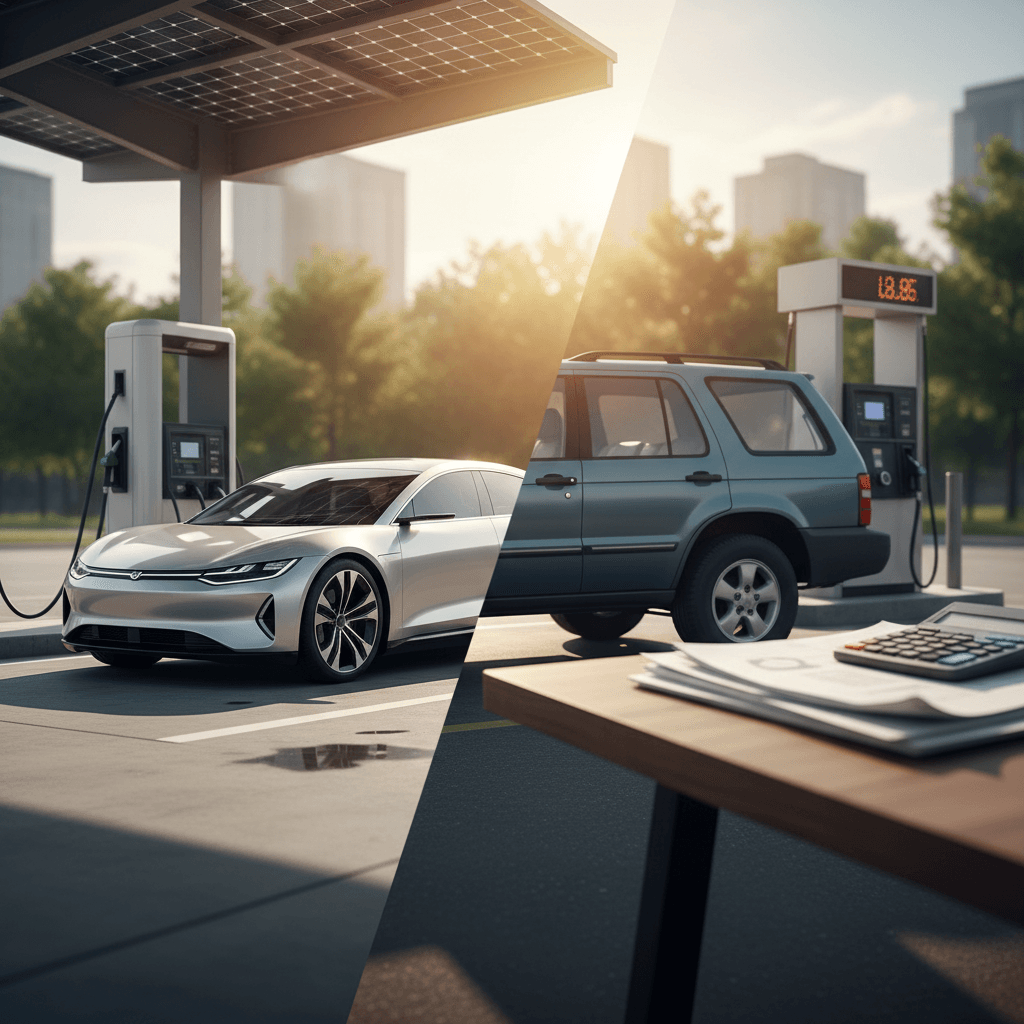
Will EVs Ever Be Cheaper Than Gas Cars?
On the sticker price side, most analysts expect EVs and internal‑combustion vehicles to reach broad parity sometime in the early 2030s, with some segments, small crossovers, compact sedans, hitting parity sooner. Luxury EVs are already there: a high‑end electric SUV is priced right alongside a high‑end gasoline SUV, sometimes lower when discounts are layered in.
Upfront Price
- Entry‑level EVs will likely undercut equivalent gas cars first, as cheaper LFP batteries and simpler drivetrains scale up.
- Tightening emissions regulations in many regions, even with U.S. political swings, will make gas cars more expensive to build over time.
Total Cost of Ownership
- Even today, many EVs are cheaper to own over 5–8 years thanks to lower fuel, maintenance, and repair costs.
- If electricity prices stay relatively stable while gasoline continues its roller‑coaster, EV ownership economics only get better.
Run the Math, Not the Myths
How to Tell If an EV Is Fairly Priced Today
With incentives shifting and headlines screaming in both directions, the real question for you as a buyer is: “Is this specific EV fairly priced given its battery, history, and the market?” Here’s how to sanity‑check that quickly.
Quick Checklist for Evaluating EV Pricing
1. Check recent comps, not just original MSRP
Look at prices for similar EVs the same age, mileage, and trim, ideally sold in the last 60–90 days. A 25% drop from original MSRP on a 3‑year‑old EV isn’t abnormal right now.
2. Demand battery health, not just a Carfax
Two identical cars on paper can have very different real‑world range. Use a platform like <strong>Recharged</strong> that provides a detailed battery health report so you know exactly what you’re paying for.
3. Factor charging into the value
If you can charge at home or at work, your fuel savings are huge. If you rely entirely on DC fast charging, you’ll pay more per mile. That changes what a “good price” looks like.
4. Be wary of suspiciously cheap early EVs
First‑generation EVs with tiny batteries can be a steal, or a headache. Make sure the remaining range meets your daily needs with headroom for winter and degradation.
5. Look at warranty coverage
A used EV still under battery warranty is fundamentally less risky than one outside of coverage. That security is worth real money, even if the sticker is a bit higher.
Practical Timeline: When Will EVs Get Cheaper?
EV Pricing Timeline: What to Expect and How to Shop
2025–2026: The Incentive Hangover
Federal EV tax credits are gone, so new‑car deals will depend on automaker discounts and dealer incentives.
Used EV prices should remain attractive as more leases roll off and early adopters trade up.
Best move if you’re price‑sensitive: focus on 2–5‑year‑old EVs with strong battery health reports.
2027–2030: Volume and Battery Scale
More EV models in every segment, from compact SUVs to trucks, will intensify price competition.
Battery factories coming online in North America help stabilize or lower pack costs, even without federal credits.
Expect more new EVs that launch at or near gas‑car pricing, especially in mainstream segments.
Early 2030s: Broad Price Parity
In many segments, new EVs and new gas vehicles should be at rough sticker‑price parity, especially once you factor typical discounts.
Total cost of ownership tilts strongly toward EVs in regions with reasonable electricity pricing and strong charging infrastructure.
At this stage, waiting for EVs to get cheaper makes less sense than finding the right car and deal.
The Risk of Waiting Forever
FAQ: Will Electric Vehicles Get Cheaper?
Frequently Asked Questions About EV Prices
Bottom Line: Should You Wait or Buy a Used EV Now?
If your core question is “Will electric vehicles get cheaper?” the answer is yes, especially on the used side, and gradually for new cars as batteries and volume scale up. But if your real question is “When does it make sense for me to switch?” the answer might be “much sooner than you think.”
We’re in a rare window where used EVs are sharply discounted relative to their original prices, yet still deliver excellent range, modern safety tech, and dramatically lower running costs. With incentives gone, waiting for brand‑new EVs to tumble in price could take years; grabbing a well‑vetted used EV can start saving you fuel money next month.
If you’re ready to explore that path, Recharged makes the messy part, the battery questions, the pricing puzzle, the paperwork, boringly straightforward. Every car comes with a Recharged Score battery health report, fair‑market pricing, financing options, trade‑in support, and the option to do it all online or visit our Experience Center in Richmond, VA. That way, when you finally say yes to an EV, the only surprise is how quickly you stop missing gas stations.