If you’ve shopped quotes for an electric vehicle lately, you’ve probably had some sticker shock and wondered, “Why is EV insurance so expensive?” You’re not imagining it: in 2025–2026, multiple national analyses show EV insurance often running 20–50% higher than comparable gas cars, with many EV drivers paying around $3,500–$4,000 a year for full coverage. That doesn’t mean EVs are a bad deal, but it does mean you need to understand what’s going on under the hood of those premiums.
Quick answer
How Much More Does EV Insurance Cost Today?
EV vs. Gas Insurance Snapshot, 2024–2026 (U.S.)
Those averages hide a lot of spread. A relatively modest EV like a Chevy Bolt or Nissan Leaf can be much closer to gas‑car pricing, while big, high‑performance EVs and niche models (think Cybertruck or Hummer EV) can be outliers with premiums more than double the national average. Where you live, how you drive, and whether you shop around matter just as much as what you drive.
Why Is EV Insurance So Expensive? The Fundamentals
Insurance isn’t a mysterious black box. At its core, your premium reflects how big a check an insurer thinks they’ll eventually have to write for you, plus their expenses and profit margin. When you ask, “Why is EV insurance so expensive?” you’re really asking why expected claim costs are higher for many EVs than for comparable gas cars.
- EVs still tend to carry higher purchase prices than similar gas vehicles, especially when new.
- EV crash repairs often cost more because of battery‑related damage and complex body structures.
- Parts and labor for EV‑specific repairs are more expensive and harder to find in many markets.
- Advanced driver‑assistance tech (cameras, radar, lidar) lowers crash frequency but spikes repair bills when it’s damaged.
- Insurers have less long‑term data on EV risk, so their pricing models are still conservative in some segments.
It’s not about fire risk
Higher Vehicle Prices & Repair Economics
The most boring explanation is also the most important: EVs have historically cost more to buy than equivalent gas cars. Even as prices have come down, the typical new EV in the U.S. has still been several thousand dollars more expensive than a similar internal‑combustion model. Higher sticker price means higher replacement cost when a car is totaled, and that alone raises premiums.
1. Higher sticker price, higher payouts
Insurers look at what it would cost to replace your vehicle if it’s a total loss. If a new EV costs $45,000 and a comparable gas car is $36,000, the expected payout for a severe claim is simply higher. That difference gets baked into every quote.
2. More expensive repairs for similar damage
Even when an EV isn’t totaled, the same fender‑bender can cost more to fix. Structural glue‑bonded aluminum, tightly packaged battery tunnels, and integrated sensors often mean more parts need replacing and more labor time to restore the car to factory specs.
Good news on purchase price
Battery Packs: The Big Wildcard in Total Loss Decisions
From an insurer’s perspective, the battery pack is the single most consequential component in an EV. It’s the most expensive part of the vehicle, and in many designs it’s mounted in a way that makes it vulnerable to underbody damage.
How Batteries Drive Up EV Insurance Costs
Why a minor crash can lead to a major claim
1. High replacement cost
Even as battery prices fall per kWh, a full pack replacement can still run well into five figures on many models. When a pack is compromised, the line between repair and total loss comes fast.
2. Limited repairability
Some OEMs only approve replacing entire packs or large modules, not cell‑level repairs. Insurers must assume worst‑case scenarios when official guidance is conservative.
3. Safety & liability concerns
If there’s any doubt about internal damage or thermal risk after a crash, insurers and shops tend to err on the side of replacement or totaling the vehicle to avoid future liability.
Why seemingly "minor" damage can total an EV
Specialized Parts, Labor & Limited Repair Networks
Most insurers aren’t afraid of EVs; they’re afraid of being held hostage by a thin repair network. When only a small number of shops in a region are certified to work on high‑voltage systems or aluminum body structures, those shops can, and often must, charge more. Parts are more specialized, and they’re not always sitting on a shelf at the local distributor.
- Specialized training for high‑voltage systems and OEM aluminum repair procedures pushes hourly labor rates higher than basic collision work.
- Many EVs still use OEM‑only parts for key components, with limited or no aftermarket alternatives, especially on newer or lower‑volume models.
- Longer repair times (waiting on parts, limited bays) mean more days in a rental car, which insurers also pay for under many policies.
- In some regions, EV‑certified shops are booked out weeks or months, so insurers must price in that friction as well.
What you can do
Safety Tech Helps You Avoid Crashes, but It’s Expensive to Fix
EVs tend to be early adopters of advanced driver‑assistance systems (ADAS): automatic emergency braking, adaptive cruise control, lane‑keeping, 360‑degree cameras, and more. Those features do reduce the frequency of serious crashes over time, which should help premiums in the long run. In the short run, though, they’ve done something else: turned simple body work into sensor‑calibration projects.

A minor collision that used to require a painted bumper cover now requires radar replacement, camera recalibration, and OEM‑approved repair procedures. That can triple the parts bill and add hours of labor. Insurers see that in their loss data and respond with higher premiums, especially on vehicles laden with the latest sensor suites.
The Data Gap: How Insurers Price Risk on a Young Technology
Traditional auto insurance is built on decades of highly granular data about how specific vehicles perform in the real world. EVs, by contrast, have only been meaningfully mainstream for a few model generations. There’s less history on long‑term reliability, repair paths, and how different EV driver profiles correlate with loss frequency and severity.
Short data history
Insurers know a lot about a 20‑year‑old Civic or F‑150. They know far less about a brand‑new EV architecture that just launched two years ago with a unique battery chemistry and body structure. Until more years of claims data roll in, pricing tends to be conservative.
Changing mix of EV buyers
In early adopter years, EV buyers skewed wealthier, more urban, and often younger, groups that carry their own insurance risk profiles. As EVs broaden into mainstream and used markets, the mix of drivers changes, and insurers continuously re‑run the numbers. That churn keeps pricing in flux.
The trend line is improving
Why Some EVs Are Way More Expensive to Insure Than Others
Talking about “EV insurance” as a single number is misleading. In reality, model choice is one of the biggest levers you control. A mainstream compact EV with a long production run and plentiful parts will sit in a very different risk bucket than a 9,000‑pound luxury pickup with 0–60 times that rival supercars.
How Model Choice Affects EV Insurance
General patterns we see across the US market as of 2026 (exact numbers vary by driver and ZIP code).
| EV Type | Typical Examples | Relative Insurance Cost vs. Similar Gas Car | What’s Driving Cost |
|---|---|---|---|
| Mainstream compact / hatchback | Nissan Leaf, Chevy Bolt EUV, Hyundai Kona Electric | Slightly higher to similar | Lower purchase prices, modest performance, smaller batteries, more parts availability. |
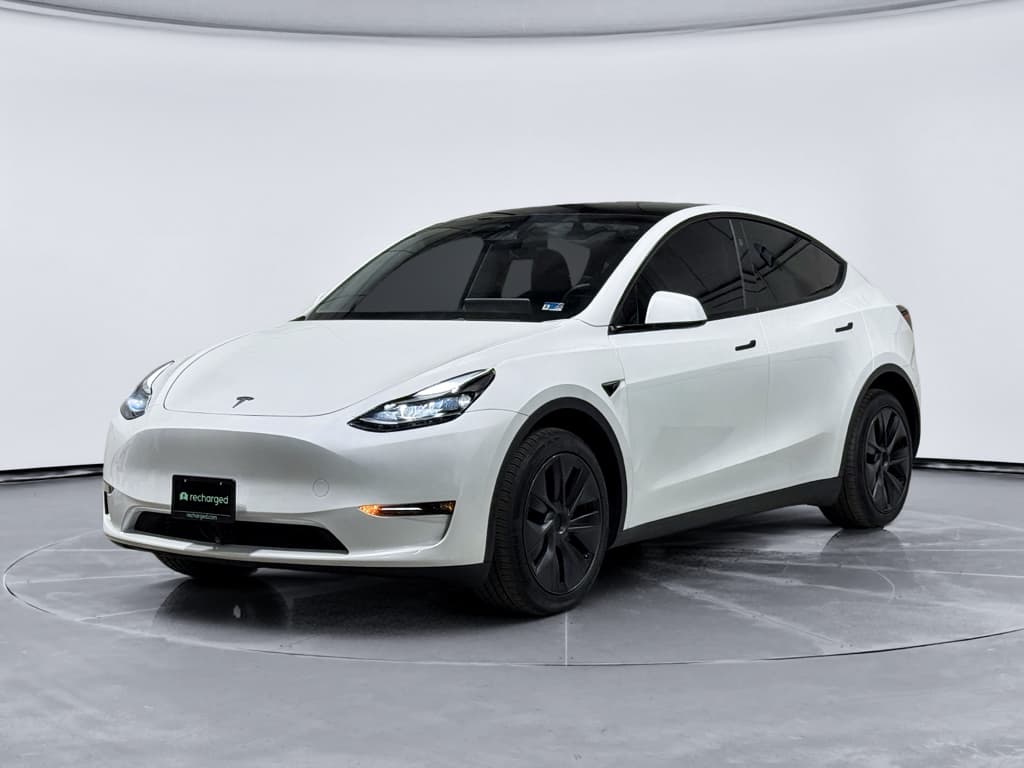
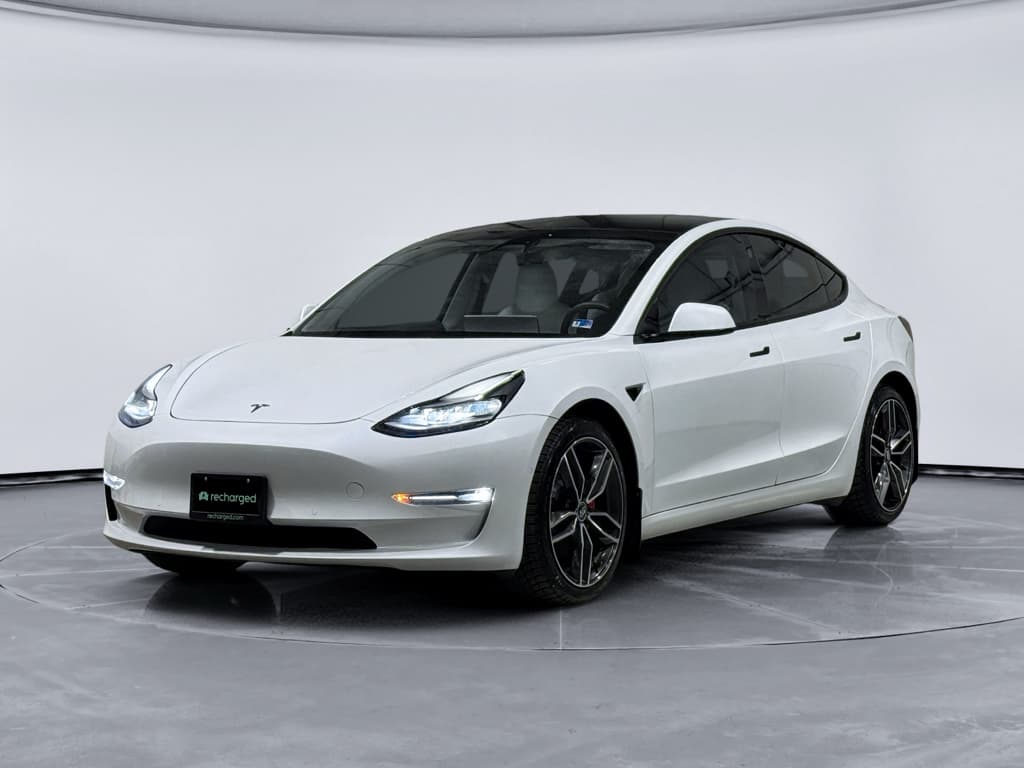
| Family crossovers & sedans | Tesla Model 3/Y, Hyundai Ioniq 5, VW ID.4, Kia EV6 | Moderately higher | Higher MSRP, larger battery packs, ADAS‑heavy, aluminum or mixed‑material bodies. |
| Performance & luxury EVs | Tesla Model S/X, Porsche Taycan, BMW iX | Significantly higher | Very high vehicle value, powerful motors, complex suspensions and braking, expensive trim and glass. |
| Heavy EV pickups & off‑roaders | GMC Hummer EV, Rivian R1T, Cybertruck | Much higher (often 50%+ higher) | Huge curb weight, towering repair bills, niche parts, and in some cases, elevated claim severity in early data. |
Think in terms of "insurance tiers" rather than just battery size or range when you compare EVs.
Always quote specific VINs
Will EV Insurance Get Cheaper Over Time?
There are good reasons to think the answer is yes, even if we’re not fully there yet. The same dynamics that made EVs pricey to insure in the first place are slowly working in reverse:
Forces That Should Bring EV Insurance Down
Why today’s pain isn’t necessarily permanent
1. Cheaper batteries & parts
Pack and module prices keep falling, and more components are being standardized. As replacement costs go down and aftermarket options appear, claim severity should ease.
2. More trained repair shops
Every year, more collision centers and independents certify on EV procedures. More competition for repairs tends to mean more efficient outcomes and shorter cycle times.
3. Better actuarial data
As insurers collect more EV‑specific loss histories, they can identify which models and drivers are actually low risk and reward them with lower prices instead of painting with a broad brush.
On the flip side, some factors could keep pressure on EV insurance costs: heavier vehicles causing more damage in multi‑car crashes, continued reliance on OEM‑only parts for cutting‑edge tech, and the sheer complexity of software‑defined vehicles. Expect a bumpy, model‑by‑model evolution rather than a single turning point when “EV insurance suddenly gets cheap.”
9 Ways to Lower Expensive EV Insurance Costs
You can’t rewrite the industry’s loss curves on your own, but you do have more control than you might think. Here are practical ways to push back on high EV premiums today.
Concrete Steps to Reduce Your EV Premium
1. Shop multiple EV‑friendly insurers
Some carriers have leaned into EVs and price them more competitively because they’re accumulating positive data. Others are still in "wait and see" mode and quote very high. Get competing quotes each renewal cycle, especially when you switch vehicles.
2. Adjust coverage and deductibles strategically
You may be able to raise your comprehensive and collision deductibles slightly to trim premiums, as long as you’re comfortable covering a larger out‑of‑pocket repair bill. Just avoid gutting liability limits; that’s where real financial risk lives.
3. Take advantage of telematics and safe‑driver programs
Usage‑based programs that track mileage and driving behavior can materially cut rates for gentle, low‑mileage EV drivers. If you mostly commute at moderate speeds or work from home, that can work in your favor.
4. Right‑size your EV choice
If insurance cost is a pain point, consider a mainstream used EV or a lower‑trim model rather than a high‑performance flagship. You’ll still get the benefits of electric torque and low fueling costs without paying a "supercar" risk premium.
5. Ask how OEM insurance compares
Some manufacturers, Tesla included, offer branded insurance in certain states that uses vehicle telemetry and EV‑specific claim data. In some markets it’s meaningfully cheaper, though not always. It’s worth quoting alongside traditional carriers.
6. Bundle home and EV coverage
If you own a home, bundling auto and homeowners policies can produce 10–20% savings on the auto side. That sometimes offsets the EV surcharge entirely, especially on more affordable EVs.
7. Keep your driving record clean
It sounds obvious, but small moving violations can be expensive on a vehicle that’s already costly to insure. Defensive‑driving courses approved by your insurer can also produce small but real discounts.
8. Check mileage assumptions
If you drive fewer miles than average because you charge at home and consolidate trips, make sure your policy reflects that. Over‑estimated annual mileage can quietly inflate your premium.
9. Re‑quote when you move or refinance
Location and garaging address have a huge impact. If you move to a lower‑risk ZIP code or transition a leased EV into a used‑car loan with a lower value, it’s worth re‑quoting insurance rather than letting an old rating profile ride.
How Recharged can help
Ready to find your next EV?
Browse VehiclesUsed EVs & Insurance: Different Math, New Opportunities
If you’re open to a used EV, the insurance conversation changes in important ways. The same structural factors, battery cost, parts availability, repair complexity, still apply, but they interact with much lower vehicle values and more mature repair networks on older models.
Lower values, smaller checks
A three‑ to five‑year‑old EV often costs many thousands less than its new equivalent. That immediately reduces the maximum payout an insurer faces in a total loss, which can narrow the EV–gas premium gap substantially.
Better repair "playbook"
By year three or four of a model’s life, collision repairers have usually seen the common damage patterns and OEM procedures. Parts pipelines improve, and some components gain aftermarket options, both of which help insurers sharpen their pencils.
Leaning into the used market
On Recharged, you can compare used EVs not just on price, range, and battery health, but also on total cost of ownership. Our specialists can walk you through how different models tend to fare on insurance and what real‑world owners are paying, so you’re not making a five‑figure decision based on guesswork.
EV Insurance Costs: Frequently Asked Questions
Why is EV insurance so expensive? And other common questions
Bottom Line: Expensive EV Insurance Isn’t the Whole Story
EV insurance is expensive right now because insurers are still digesting a rapidly changing technology. Higher vehicle prices, complex repairs, battery‑driven total losses, and limited long‑term data all inflate premiums, especially on newer and higher‑end models. But that’s only one line item in the total cost of owning an electric car.
When you factor in lower fueling and maintenance costs, many EVs still undercut comparable gas vehicles over a normal ownership window, particularly in the used market where purchase prices and replacement values have come down. The key is to choose the right vehicle, get honest insurance quotes up front, and be intentional about controlling the levers you can: model selection, coverage, deductibles, and insurer choice.
If you’re considering a used EV and want a clear picture of insurance, battery health, and long‑term costs, Recharged is built for exactly that job. Every car we list includes a Recharged Score report, transparent pricing, and expert guidance so you can step into EV ownership with eyes open, not blindsided by an insurance bill you didn’t see coming.