Ask a dozen EV owners why they went electric and you’ll hear a dozen different stories. But when you zoom out, clear patterns emerge. In 2025, people buy electric cars mainly for three big reasons: to save money over time, to enjoy a better driving experience, and to reduce their environmental impact, with tech, convenience, and incentives sweetening the deal.
What this guide covers
Why People Are Buying Electric Cars Now
What’s Actually Driving EV Interest
Recent national surveys show that cost savings on fuel and maintenance consistently top the list of reasons people buy EVs, followed closely by environmental concerns and interest in newer technology and features. At the same time, hesitation remains around price, charging access, and long trips, so the people who do buy electric cars have usually decided that the benefits clearly outweigh those trade‑offs for their specific situation.
Top Reasons People Buy Electric Cars
The 6 Big Motivations Behind EV Purchases
Most buyers fall into several of these buckets at once.
1. Save money
EVs can cost less to power and maintain than gas cars, especially if you drive a lot and can charge at home.
2. Enjoy driving
Instant torque, smooth power, and quiet operation make daily driving more relaxed, and often more fun.
3. Cut emissions
Many buyers want lower tailpipe emissions and a smaller carbon footprint without giving up capability.
4. Charge at home
Skipping gas stations is a quality‑of‑life upgrade for commuters and families alike.
5. Get modern tech
Advanced safety features, large touchscreens, and over‑the‑air updates are big draws.
6. Use incentives
Federal tax credits and lower prices on used EVs help close the gap with comparable gas cars.
Cost Savings and Total Cost of Ownership
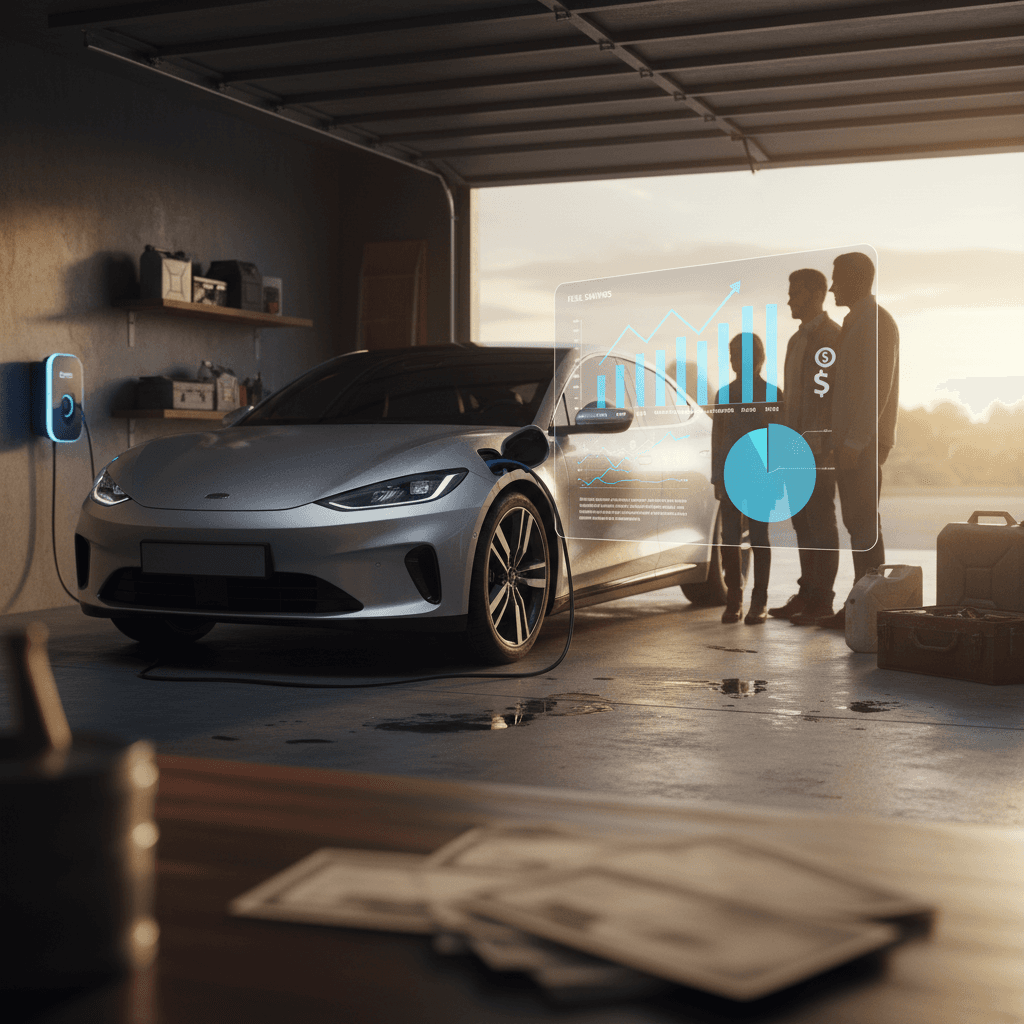
When people talk about why they bought an EV, money is almost always in the first sentence. Not because electric cars are cheap to buy, many aren’t, but because the total cost of ownership can be lower once you factor in fuel, maintenance, and incentives.
Fuel: Electricity vs. gasoline
- Multiple independent analyses show that powering an EV with electricity typically costs 40–60% less per mile than fueling a similar gas car, assuming average U.S. electricity and fuel prices.
- If you drive 12,000–15,000 miles a year and charge mostly at home, that can translate into hundreds of dollars in annual savings—more if gas prices spike.
- Public fast charging is more expensive than home charging, but still often competitive with gas on a per‑mile basis.
Maintenance: Fewer moving parts
- EVs don’t need oil changes, spark plugs, or exhaust-system work, and their brakes often last longer thanks to regenerative braking.
- Several studies estimate EV owners spend around half as much on maintenance and repairs as owners of comparable gas cars.
- You’ll still have tires, cabin air filters, brake fluid, and occasional software or hardware updates, but far fewer “surprise” service visits.
How a used EV changes the math
None of this means every EV is automatically cheaper than every gas car. High purchase prices, interest rates, and insurance can offset savings, especially if you don’t drive many miles. But for many owners, especially commuters, fuel and maintenance savings over several years are a primary reason they chose electric and a big reason they stay electric.
Performance and Driving Experience
If you haven’t driven one yet, it’s easy to assume people buy electric cars just to save money or the planet. Talk to owners and you quickly hear about something else: they’re just good to drive.
- Instant torque: Electric motors deliver power immediately, so even practical EVs feel quick in city traffic and on freeway on‑ramps.
- Quiet, smooth operation: With no engine noise and fewer vibrations, long commutes feel less tiring.
- One‑pedal driving: Many EVs let you slow the car just by easing off the accelerator, which makes stop‑and‑go traffic less of a chore.
- Confident handling: Heavy battery packs mounted low in the chassis can improve stability and cornering compared with many gas cars.
Why enthusiasts are paying attention
Environment and Clean Air
For many drivers, especially those in cities or regions with air‑quality concerns, the motivation to buy an electric car is simple: they want cleaner air and lower carbon emissions without giving up personal mobility.
Lower tailpipe emissions
Battery‑electric vehicles have no tailpipe emissions. That means no tailpipe CO2, nitrogen oxides, or particulate matter in the places where people live, work, and go to school. For drivers who spend a lot of time in traffic or around kids, this is a big deal.
Lower lifecycle emissions
Producing an EV battery is energy‑intensive, but over the lifetime of the vehicle, most EVs still produce significantly less total greenhouse gas emissions than comparable gas cars, especially as the electric grid adds more renewable energy. For buyers concerned about climate change, this is often a decisive factor.
Environment isn’t always the top reason
Convenience: Home Charging and Everyday Perks
One of the most surprising reasons people give for buying an electric car has nothing to do with specs. It’s about how the car fits into their routine. Once a home charger is installed, most owners simply plug in at night and stop thinking about gas stations altogether.
- Home charging: For homeowners with a driveway or garage, this is a game‑changer. You plug in where you park, and the car is full by morning.
- Time savings: Many owners say they spend less total time dealing with energy for their car, even if an occasional road‑trip fast charge takes longer than a gas stop.
- Local perks: In some cities, EVs get preferred parking, reduced tolls, or access to HOV lanes, making commuting easier.
- Retail charging: More workplaces and shopping centers offer EV charging, so you can add range while you’re already parked.
Apartment and street parking challenges
Technology, Safety, and Features
EVs tend to be among the most advanced vehicles in a brand’s lineup. People who like technology, safety features, and modern design often find themselves naturally considering electric models first.
Why Tech‑Minded Drivers Go Electric
It’s not just the powertrain, EVs are often where automakers debut their best ideas.
Advanced safety
Automatic emergency braking, lane‑keeping assistance, adaptive cruise control, and 360° cameras are common on newer EVs.
Big screens & UX
Large touchscreens, clean interfaces, and smartphone‑like controls appeal to drivers who live on their phones.
Over‑the‑air updates
Some EVs get new features or improvements via software updates, so the car can actually get better over time.
Don’t overlook the basics
Tax Credits, Incentives, and Used EV Value
Incentives don’t drive every purchase, but for many buyers they’re the nudge that makes an electric car competitive with a well‑equipped gas SUV or sedan.
- Federal tax credits: As of late 2025, qualifying new EVs can still be eligible for a federal clean‑vehicle tax credit, and many used EVs can qualify for a smaller credit. Eligibility depends on income limits, vehicle price caps, and where the car and battery were built.
- State and utility incentives: Some states and electric utilities offer rebates or discounted rates for EV buyers or for installing home charging equipment.
- Used‑market pricing: Rapid new‑EV price cuts and improved supply have pushed prices down in the used EV market, making electric cars more attainable for budget‑conscious shoppers.
Incentives can change quickly
If you’re shopping used, this is where a platform like Recharged can help. You can see transparent pricing, financing options, and battery‑health diagnostics in one place, so you’re not guessing how much real‑world value is left in the car.
Who Is Buying Electric Cars Today?
Despite the growth in EV choices, most U.S. households still drive gas vehicles. But the people who do buy electric cars tend to share a few traits that help explain their motivations.
Common Profiles of Today’s EV Buyers
You don’t have to fit a stereotype, but patterns are emerging.
Commuters & professionals
They drive predictable miles each day, can charge at home or work, and are motivated by fuel savings, comfort, and HOV perks where available.
Multi‑car households
Many EVs go into households that already have one gas car. The EV handles commuting and local trips; the gas vehicle covers long‑distance or towing duty.
Urban & suburban buyers
EV ownership is higher in metro areas with shorter trips, higher fuel prices, and more public charging.
Tech‑forward early adopters
Some buyers simply enjoy being early to new technology, and they’re more willing to live with drawbacks in charging or infrastructure.
You don’t need to be an early adopter anymore
Reasons Not to Buy an EV (Yet)
A realistic conversation about why people buy electric cars should include why some people wisely decide not to, at least for now. The best EV advocates tend to be owners who made a good match between the car and their use case. The most frustrated owners, in contrast, bought an EV that didn’t fit how or where they drive.
When an Electric Car Might Not Be the Right Choice
Common situations where it’s smart to pause before going fully electric.
| Your situation | Why it can be a problem | What owners who are happy with EVs usually have instead |
|---|---|---|
| No reliable home or workplace charging | You’d depend almost entirely on public chargers, which can be crowded, inconsistent, or inconvenient in some regions. | A driveway, garage, or workplace charger where they can plug in most days. |
| Frequent long‑distance driving in charging “deserts” | Sparse or slow fast‑charging networks can turn trips into stressful planning exercises. | Major routes with multiple reliable DC fast‑charging options. |
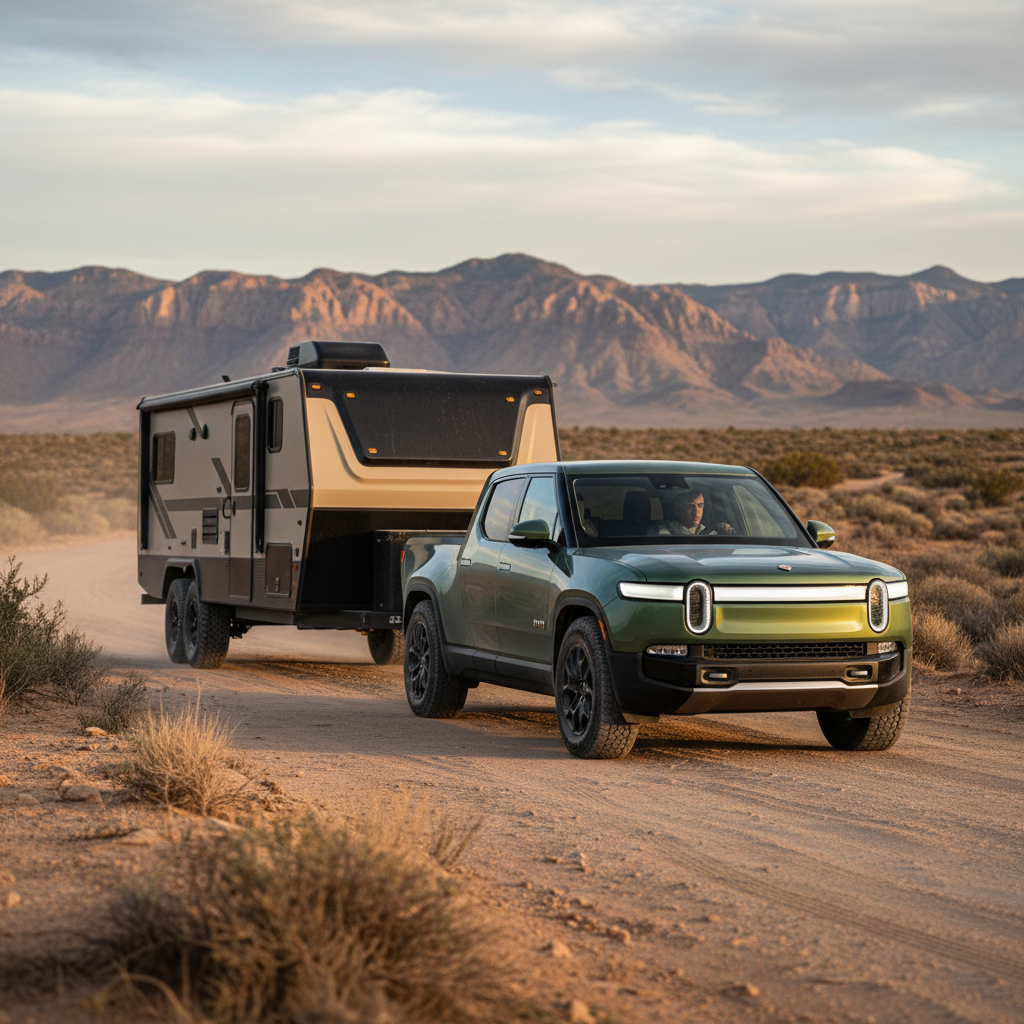
| Towing or hauling heavy loads often | Range drops significantly when towing or carrying heavy cargo, and fast‑charging with a trailer is still awkward. | A gas or diesel truck or SUV for heavy work, plus an EV for daily use. |
| Tight budget and limited financing options | New EVs can still carry higher upfront prices and insurance; used options help, but not for every budget. | Flexible financing, or willingness to consider a used EV at a lower price point. |
If several of these describe you, a hybrid or plug‑in hybrid might be a better bridge step than a full EV right now.
Why some owners go back to gas
How to Decide If an Electric Car Is Right for You
Quick Checklist: Are You a Good Candidate for an EV?
1. Map your real daily miles
Look at a typical week. If most days are under 60–120 miles, almost any modern EV will cover your routine comfortably, especially if you can charge at home.
2. Confirm home or workplace charging
Do you have a driveway or garage where you can install a Level 2 charger, or reliable workplace charging? If yes, that’s a strong green light.
3. Think about your second vehicle
If your household has another gas car, an EV can be the efficient daily driver while the gas vehicle covers edge cases like road trips or towing.
4. Run a total cost-of-ownership comparison
Compare monthly payment, insurance, fuel, and maintenance between a realistic EV and a realistic gas alternative, not just the sticker price.
5. Consider used EVs with battery data
A used EV with verified battery health can offer a very attractive value. Recharged’s Score Report shows real‑world battery diagnostics so you’re not guessing.
6. Test‑drive more than one EV
Range and charging matter, but so do comfort, noise, visibility, and how intuitive the tech feels. A quick test drive often answers more questions than hours of research.
Make the most of a test drive
FAQ: Why People Buy Electric Cars
Frequently Asked Questions About EV Buyer Motivations
Bottom Line: Should You Join Them?
People buy electric cars for a mix of practical and emotional reasons: lower fuel and maintenance costs, a smoother and quicker driving experience, cleaner air, and the appeal of driving something modern and well‑equipped. Those reasons are strongest when the car fits the owner’s daily reality, reliable charging, realistic range, and a payment that makes sense over the long haul.
If you’re EV‑curious, the smartest next step is to match the right vehicle to your use case instead of chasing specs or hype. That’s where Recharged can help: with verified battery health through the Recharged Score, transparent pricing, expert EV‑specialist support, and flexible financing, you can explore used electric cars that actually fit your life. Whether you’re ready to go electric now or just planning ahead, understanding why people buy EVs, and when they shouldn’t, is the best foundation for a confident decision.