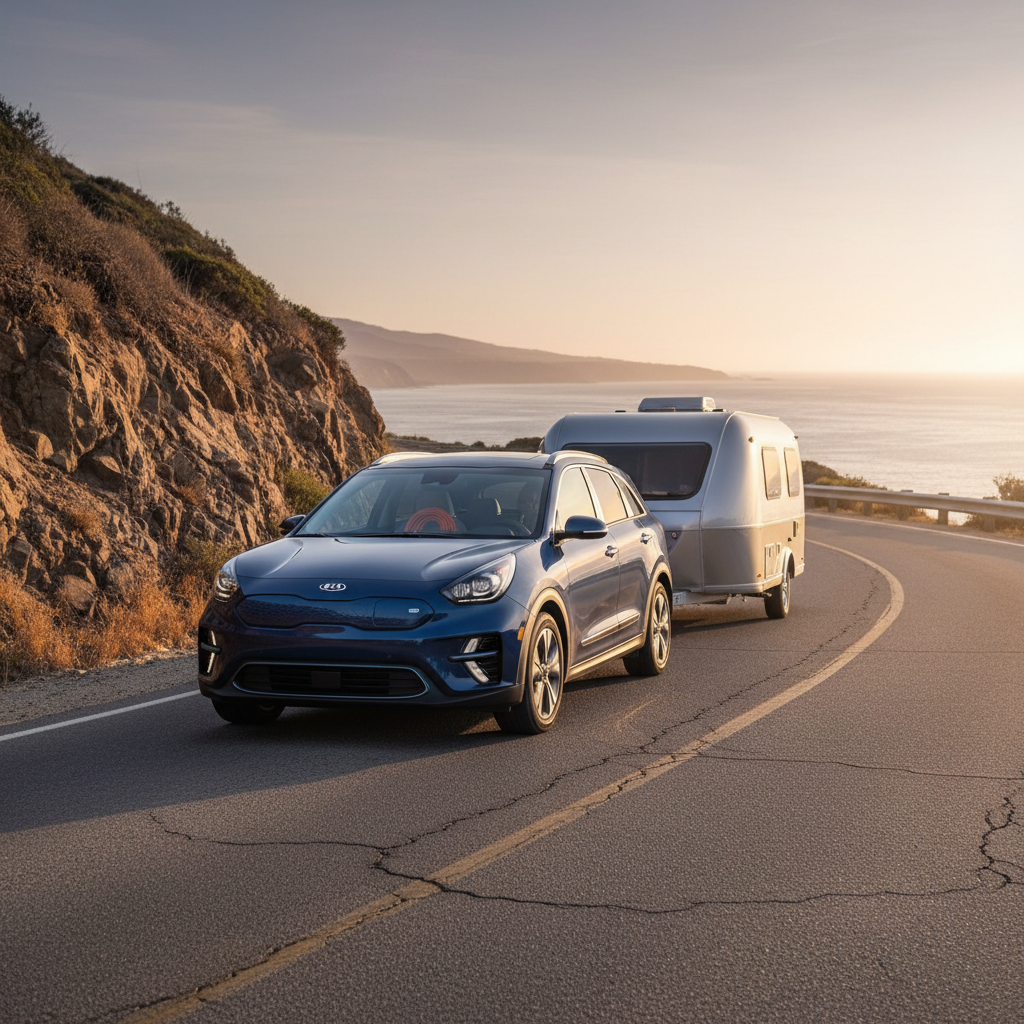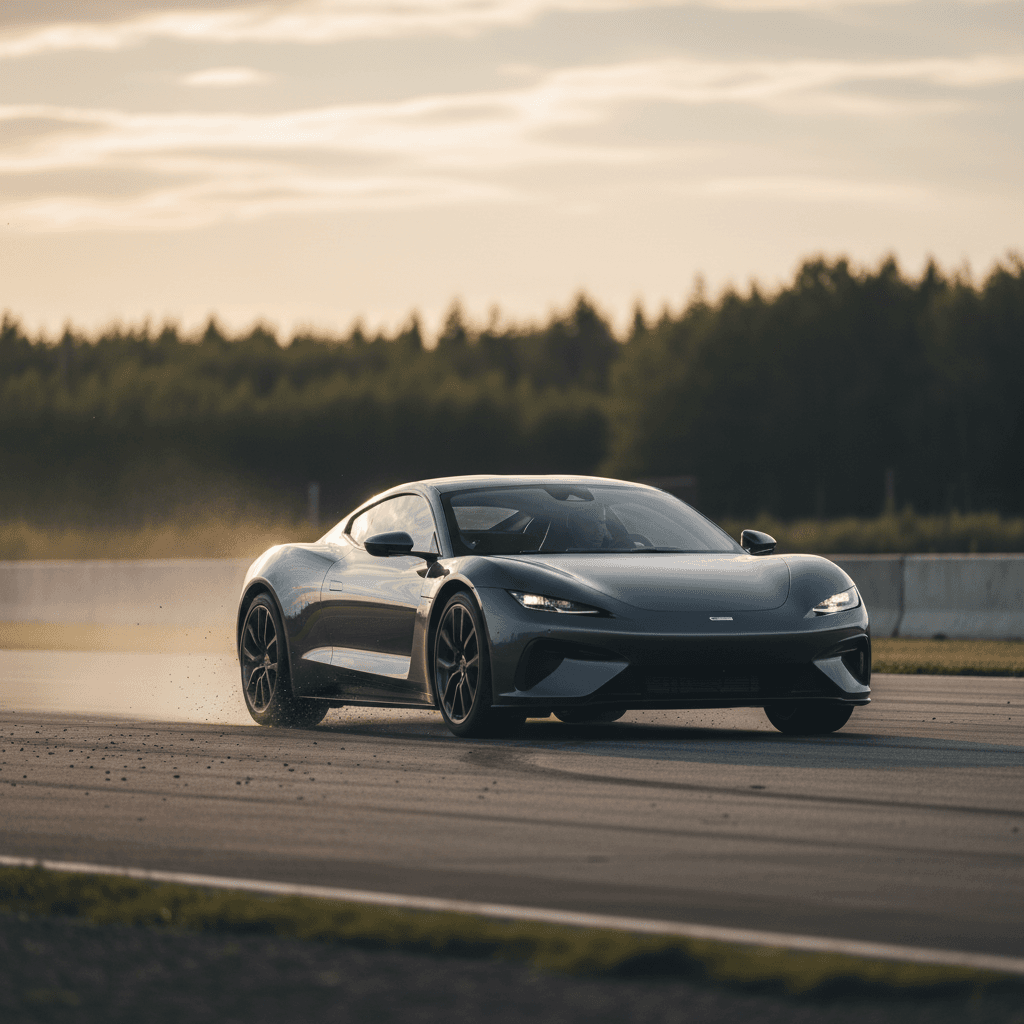
If you’ve ever floored an electric car from a stop, you know the feeling: a smooth, silent shove that makes even ordinary EVs feel faster than many gas cars. That “whoa” moment comes from one core advantage, electric motors deliver instant torque. But why do EVs have instant torque, and what’s actually happening under the floor and at the wheels?
Quick definition
What “instant torque” really means
Torque is just a fancy word for twisting force. In a car, torque at the wheels is what pushes you back in your seat when you accelerate. Power (horsepower or kilowatts) tells you how strong the car is over time, but it’s torque that gives you that immediate shove.
- Torque = twisting force (how hard the motor can turn the wheels)
- Power = torque × speed (how quickly work gets done)
- In EVs, maximum torque is available almost instantly from zero RPM
- In gas cars, torque builds with RPM and gear changes
Feel it at the stoplight
How electric motors create torque
The core reason EVs have instant torque is that electric motors are fundamentally different machines from internal-combustion engines. They don’t need air, fuel, and explosions; they just need current and a magnetic field.
Electric motor basics (without the physics degree)
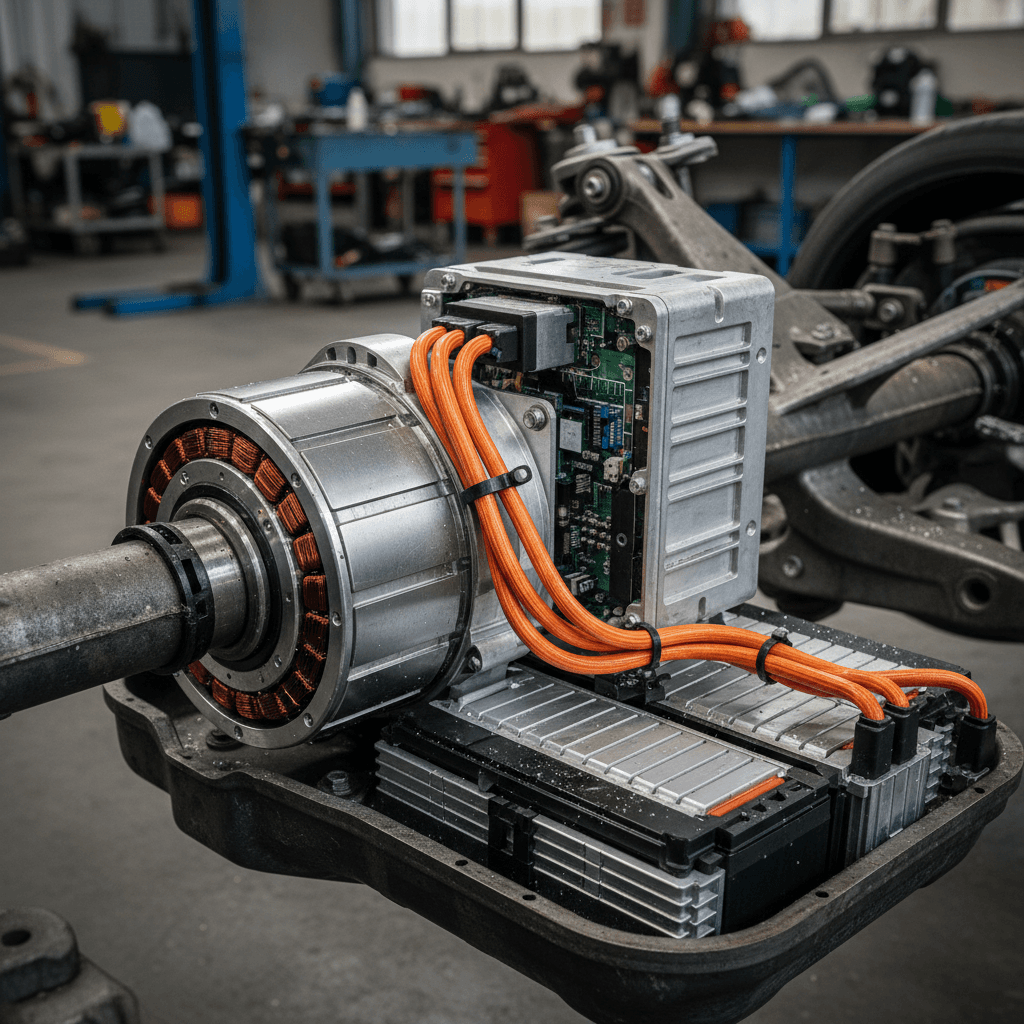
Three key pieces work together to create instant torque
1. Battery
The high-voltage battery stores electrical energy as DC (direct current). When you press the accelerator, the car’s power electronics pull energy from the battery.
2. Inverter
The inverter acts like a translator, turning DC from the battery into AC (alternating current) with precisely controlled frequency and phase to drive the motor.
3. Motor + rotor
The motor uses magnetic fields to push and pull on the rotor. Because electric fields react almost instantly, torque appears effectively the moment current flows.
Because the inverter can control current and magnetic fields in microseconds, the motor can produce maximum torque from zero RPM. There’s no waiting for combustion cycles, turbo spool, or the right gear. The control system simply says, “give me this much torque,” and the motor responds almost immediately, limited mainly by traction and how much current the battery can safely deliver.
Why it’s so smooth
Why gas engines can’t match EV instant torque
Gasoline engines rely on controlled explosions of fuel and air. That makes them powerful, but also inherently slow to respond compared with an electric motor. A few things get in the way of instant torque in an internal‑combustion car:
Four reasons ICE cars feel lazier off the line
1. Narrow power band
A gas engine only makes its best torque in a relatively narrow RPM range. Below that, it feels weak; above that, it runs out of breath.
2. Need to rev up
An engine at idle isn’t making much torque. It has to rev up as you open the throttle, which takes time and mechanical work.
3. Gears get in the way
To keep the engine in its sweet spot, you need a multi‑speed transmission. Shifts take time and can interrupt torque to the wheels.
4. Turbo lag and response
Turbocharged engines can make great torque, but they rely on exhaust pressure to spin the turbo. That lag is why you often wait a beat before the shove arrives.
Engines like to rev, motors like to pull
Torque curves: EV vs gas at a glance
If you plotted torque on a graph, the difference between an EV and a gas car is dramatic. You don’t need math to get the idea, just think of the shapes:
Simplified torque curve comparison
How torque is delivered from a stop to highway speeds.
| Speed (vehicle) | Typical EV torque | Typical gas car torque |
|---|---|---|
| 0–10 mph | Near max torque immediately | Low torque, engine just coming off idle |
| 10–30 mph | Flat, strong pull | Building as RPM climbs through lower gears |
| 30–60 mph | Still strong, may start tapering | Often strongest here, near peak torque band |
| 60+ mph | Torque tapers, power matters more | Torque depends on gear; downshifts needed for passing |
Real curves are more complex, but this captures the feel from the driver’s seat.
Instant torque, not infinite torque
What instant torque feels like in real-life driving
On paper, instant torque sounds like a spec‑sheet detail. Behind the wheel, it changes how the car feels in everyday situations, even in relatively modest EVs.
Everyday moments where instant torque stands out
It’s not just about 0–60 times
City stoplights
From 0–30 mph, EVs feel effortless. You get a strong, smooth surge without engine noise or gear hunting, which makes merging into gaps and clearing intersections feel easy.
On‑ramps and passing
At 30–60 mph, many EVs still have abundant torque. You don’t wait for a downshift, just press the pedal and the car responds nearly instantly, which can actually make passing feel safer.
Hills and loads
Because an electric motor doesn’t care if it’s going uphill or pulling weight, the response stays consistent. Instant torque makes EVs surprisingly competent on grades and with passengers or cargo.
Performance without effort
Does instant torque hurt range or battery life?
Instant torque is a capability, not a requirement. Your EV can deliver a hard hit from a stop, but it doesn’t have to. How you use that power affects both range and long‑term battery health.
How hard launches really affect range
Hard acceleration pulls more current from the battery, which can warm it up and reduce efficiency in the moment. But modern EVs have thermal management and software limits that protect the pack. Used occasionally, full‑torque launches don’t significantly shorten battery life.
Use the torque when you need it
Traction and safety: managing all that torque
Dumping huge torque into the wheels at 0 mph could be a recipe for tire smoke or wheelspin, if the car didn’t manage it for you. Modern EVs use fast electronics not just to make torque quickly, but also to shape and limit it for grip and stability.
Electronic traction control
Wheel‑speed sensors and stability control software constantly watch for slip. If a wheel starts to spin, the system can instantly cut motor torque or even send more to the other axle (in dual‑motor EVs). Because the motor is software‑controlled, these adjustments are smoother and faster than in most gas cars.
Torque curves by drive mode
Sport modes often let the car deliver more of its available torque more quickly, while Eco or Comfort modes intentionally soften the response. You’re still benefiting from instant torque, but it’s filtered through the character you’ve chosen.
Respect the torque
What instant torque means when you’re shopping for a used EV
If you’re coming from a gas car, the instant torque of an EV can make even a practical hatchback feel like a big step up in performance. When you’re evaluating used EVs, it’s worth thinking about how that characteristic lines up with your priorities.
How to factor instant torque into a used‑EV decision
1. Don’t obsess over 0–60 times
Even EVs with middling spec‑sheet numbers feel strong around town thanks to instant torque. Focus on how the car responds from 0–40 mph in a test drive.
2. Prioritize battery health
Torque is no fun if range has faded. A <strong>battery health report</strong>, like the Recharged Score you get with every car on <a href="/">Recharged</a>, tells you how much real‑world performance you can expect over time.
3. Test different drive modes
Some used EVs default to a gentle mode that softens throttle response. Try Eco, Normal, and Sport to see how the instant‑torque character changes and which you prefer.
4. Consider traction and climate
If you live in a snowy climate, look at traction options: winter tires, dual‑motor all‑wheel drive, and stability systems all influence how safely you can use that torque.
5. Balance fun with efficiency
Instant torque is addictive, but range matters. On your test drive, notice how the car feels when driven briskly but smoothly, that’s how you’ll likely use it day‑to‑day.
How Recharged helps
Ready to find your next EV?
Browse VehiclesFAQ: EV instant torque and performance
Frequently asked questions about EV instant torque
Bottom line: why EVs have instant torque
EVs have instant torque because electric motors can turn electrical energy into twisting force at the wheels almost immediately. There’s no waiting for revs, gears, or turbos, just a short, tightly controlled path from battery to motor to axle. That makes even everyday EVs feel eager and responsive in traffic, on ramps, and up hills.
For you as a driver, instant torque means confidence and ease more than constant drag‑strip antics. It helps you merge safely, slot into gaps, and carry passengers or cargo without the car feeling strained. And when you’re shopping for a used EV, it’s one more reminder that you don’t need the latest performance badge to enjoy that electric punch, so long as the underlying battery and powertrain are healthy and well‑understood, something Recharged is built to make transparent.