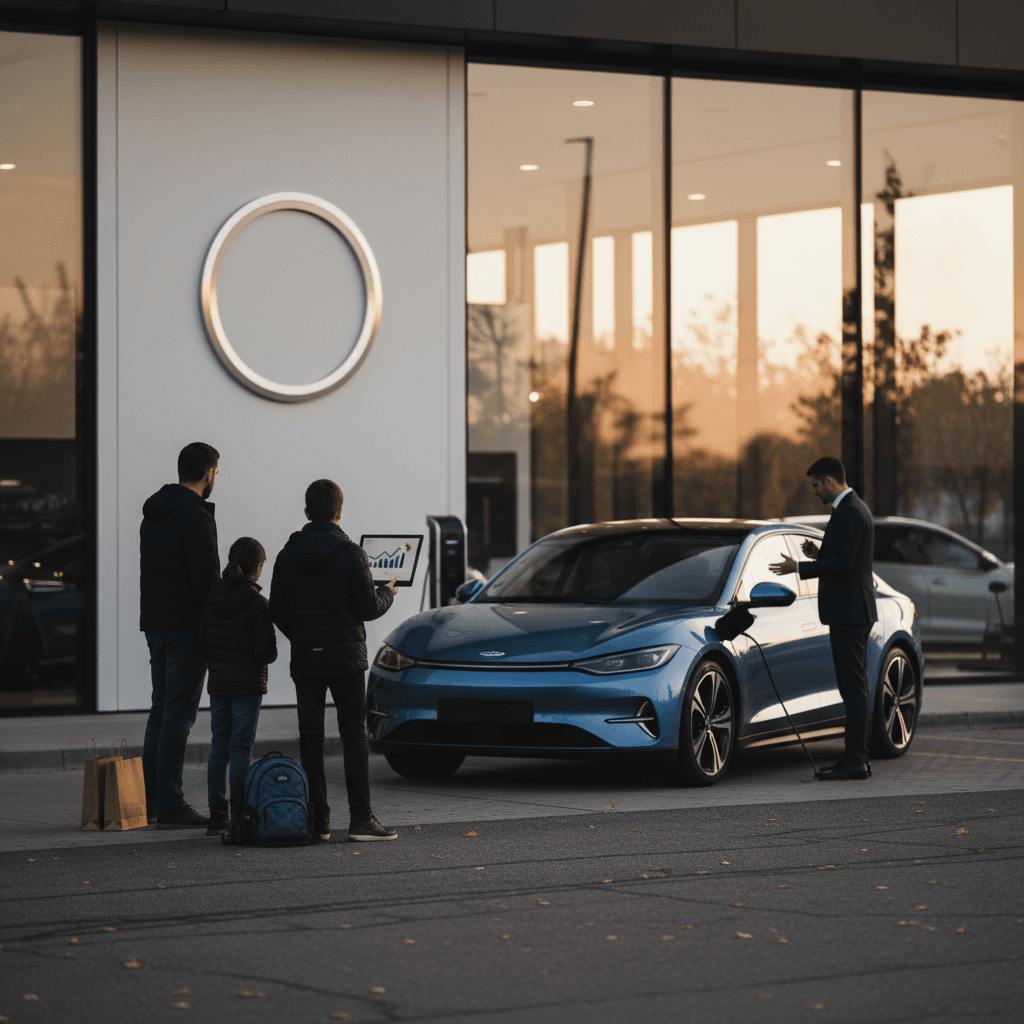
If you feel like you’re seeing more electric cars every month, you’re not imagining things. Even as headlines obsess over short-term sales ups and downs, millions of drivers are quietly making the switch. Surveys in 2024–2025 show the same pattern: people switch to electric cars mainly to save money over time, enjoy a better driving experience, and cut their environmental impact, with tech, convenience, and incentives sealing the deal.
The short version
Why people are really switching to electric cars
What recent studies say about switching to EVs
Zoom out from the marketing slogans and you see a familiar pattern. Drivers have always chased three things: a lower cost of ownership, a car that’s easy to live with, and something that feels like progress, not a compromise. Modern EVs score well on all three, which is why people are switching to electric cars even as incentives and headlines fluctuate.
1. Lower running costs beat gasoline
Sticker price gets all the attention, but owners live with running costs: fuel, maintenance, and repairs. That’s where EVs quietly win a lot of hearts.
- Electricity is usually cheaper per mile than gasoline, especially if you can charge overnight at home on a time-of-use or EV-friendly rate plan.
- EVs have fewer moving parts: no oil changes, no exhaust system, no timing belt, and far less wear on brakes thanks to regenerative braking.
- Over 5–10 years, many owners find the higher upfront price is offset, or more than offset, by lower operating and maintenance costs.
Think in cost-per-mile, not cost-per-gallon
Very rough cost-of-ownership comparison over 5 years
These are ballpark, illustrative numbers for a typical U.S. commuter. Your actual costs will vary by state, electricity rate, fuel price, and vehicle.
| Cost area | Typical gas car | Typical electric car |
|---|---|---|
| Energy (fuel/electricity) | Higher, volatile with gas prices | Lower and more predictable, especially with home charging |
| Maintenance | More frequent service, fluids, exhaust, belts | Fewer scheduled services; tires and cabin filters dominate |
| Repairs | More wear on brakes and engine components | Less brake wear; drivetrain has fewer moving parts |
| Total 5‑year running costs | Often the bigger surprise after purchase | For many owners, noticeably lower than expected |
The point isn’t the exact dollar figure, it’s that many households discover the EV’s higher purchase price is cushioned by lower running costs.
2. Convenience of home and destination charging
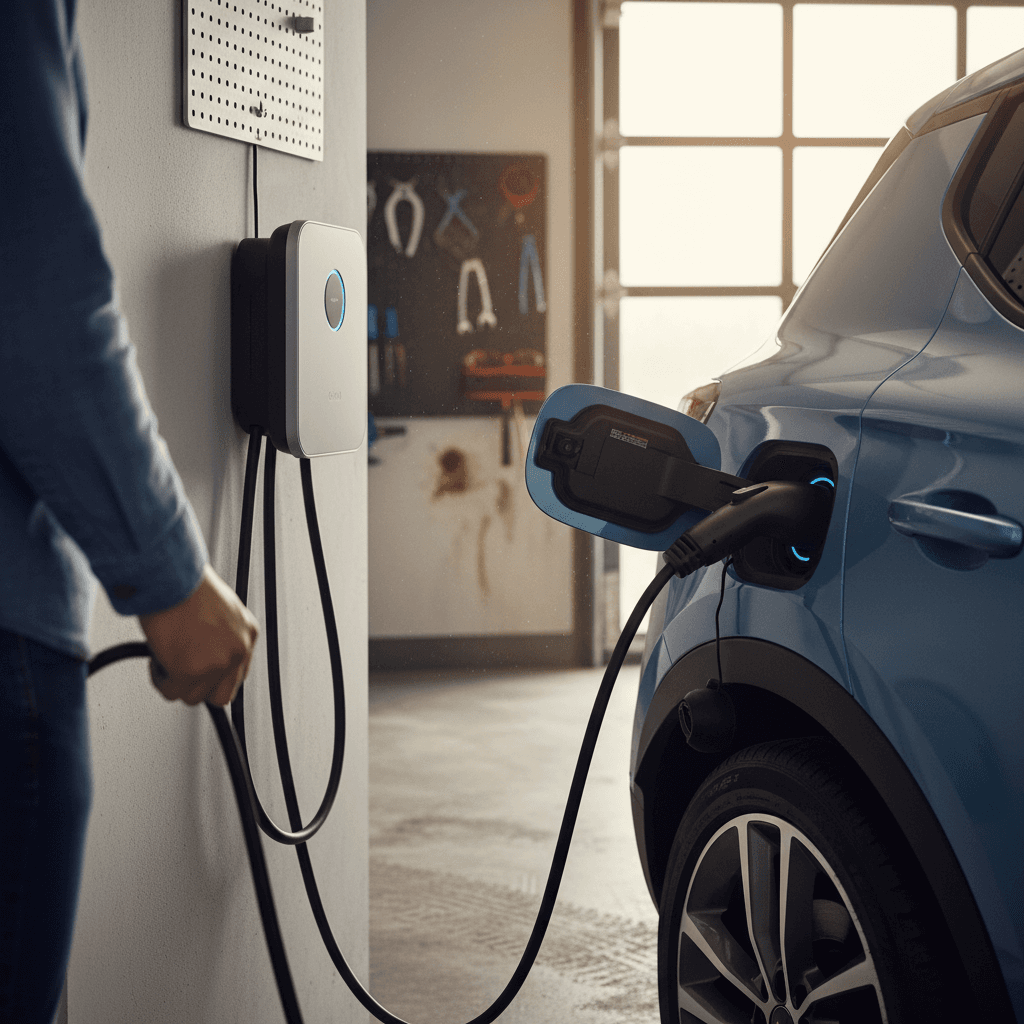
On paper, stopping at a gas station versus plugging in at home looks like a wash. In real life, once people experience home charging, they tend to hate going back.
How charging changes day-to-day life
The EV pitch isn’t just "no gas", it’s a different rhythm altogether.
Overnight “refueling” at home
You plug in when you park at night and wake up with a full battery most days. No detours, no waiting in line, no fueling stops in bad weather.
For many commuters, public charging becomes an occasional thing, not a weekly chore.
More places to top up on the go
Public charging can still be patchy depending on your area, but there are far more Level 2 chargers at workplaces, hotels, parking garages, and shopping centers than there were even a few years ago.
Drivers who plan ahead increasingly treat charging as something that happens while they’re doing something else.
But infrastructure isn’t perfect
3. Performance and driving experience
Ask existing owners why they’re glad they switched to electric and you’ll hear less about polar bears and more about how the car feels.
- Instant torque: Even modest EVs snap off the line with a smooth shove you don’t get from a four‑cylinder crossover.
- Quiet cabin: No engine noise, no gear hunting. Just wind and tire noise, often reduced by better sound insulation.
- One‑pedal driving: Regenerative braking lets you slow down just by easing off the accelerator. Once you get used to it, stop‑and‑go traffic is less frustrating.
- Low center of gravity: Batteries in the floor make many EVs feel planted and secure in corners.
Why this matters more than people expect
4. Environmental impact and cleaner air
No, an EV isn’t a moral halo on wheels. Batteries require mining; manufacturing any new car has a footprint. But when people talk about why they’re switching to electric cars, environmental impact still shows up near the top of the list.
Lower tailpipe emissions (in fact, none)
For local air quality, the big win is simple: a battery-electric vehicle has zero tailpipe emissions. In dense cities and along busy corridors, that matters for asthma rates and general public health.
Lifecycle emissions keep improving
Multiple studies over the past few years have found that, even accounting for battery production and today’s power grid, a typical EV ends up with lower lifetime CO₂ emissions than a similar gas car, often significantly so in regions with cleaner electricity.
As the grid adds more renewables, that advantage grows over the years you own the car.
Environment is often a tie-breaker, not the only reason
5. Tech features and the “future-proof” feel
EVs tend to be the tech flagships in their makers’ lineups. Carmakers throw their latest software and driver-assistance tricks at them first, which is catnip for anyone who likes gadgets or just wants a car that won’t feel outdated halfway through the loan.
Tech reasons people like living with an EV
Not every EV has every feature, but this is where a lot of the excitement lives.
Better apps and connectivity
Most EVs ship with robust smartphone apps: check range, start climate control, schedule charging, even pre-heat or pre‑cool the cabin while plugged in so you’re not wasting range.
Driver assistance as standard
Adaptive cruise control, lane-keeping aids, and 360‑degree cameras show up more often and earlier on EV trims. You don’t always have to option them up to the ceiling.
Over‑the‑air updates
Increasingly, software updates add features, tweak range estimates, or improve charging curves over time. Your car doesn’t stay frozen on the day you bought it.
The flip side: software quirks
6. Incentives, rebates, and perks
Money talks. For years, federal and state incentives in the U.S. sweetened the math on both new and used electric vehicles. As of mid‑2025 some national programs have changed or sunset, but there are still plenty of regional rebates, utility bill credits, HOV lane perks, and employer benefits floating around.
- State and local rebates or sales tax breaks on qualifying EVs or home chargers.
- Utility-company rebates for installing a Level 2 home charger or for charging off‑peak.
- Reduced registration fees, toll discounts, or HOV/carpool-lane access in some states and metro areas.
- Employer programs that subsidize workplace charging or offer salary‑sacrifice or pre‑tax benefits tied to EV use.
Don’t rely on yesterday’s tax credit
7. Used EVs are opening the door for more drivers
For many households, the real turning point has been the rise of the used EV market. Early buyers took the depreciation hit; the second and third owners get the value.
Lower prices, same core benefits
Used EVs often undercut new models, sometimes by a lot, while still delivering low running costs, quiet driving, and home charging convenience. That’s especially true for slightly older models whose range still easily covers a daily commute.
Better tools for judging battery health
Battery degradation used to be a big question mark. Today, you have more data and diagnostics to work with. At Recharged, every vehicle comes with a Recharged Score Report that includes verified battery health and fair‑market pricing, so you’re not guessing about the most expensive component in the car.
How Recharged helps de‑risk a used EV
Do people regret switching to electric?
You don’t need to be an early adopter to worry about buyer’s remorse. The data is mixed in the short term, EV sales growth has wobbled in the U.S., and some surveys show softening interest, but one pattern keeps popping up: people who already own EVs are generally very happy with them and often say they wouldn’t go back to a gas-only car.
EV adoption is now driven as much by cost, convenience and car appeal as by environmental values or incentives.
- Owners who planned realistically around charging (home or reliable workplace access) tend to be the most satisfied.
- Frustration is highest where public charging is unreliable, or where people bought an EV that doesn’t match their actual driving patterns (for example, frequent long‑distance towing with a small‑battery EV).
- Most complaints are about the ecosystem, chargers, software, incentives, not about the fundamental experience of driving the car.
So why the headlines about slowing EV sales?
Is switching to an EV right for you?
Understanding why people are switching to electric cars is one thing. Deciding whether you should switch is another. Here’s a quick, honest self‑check.
Quick checklist: are you a good EV candidate?
1. Where will you charge most of the time?
If you have off‑street parking and can install a Level 2 home charger, you’re in the EV sweet spot. If you rely entirely on public chargers, map out what’s actually available along your routes before you commit.
2. How many miles do you drive on a typical day?
If you’re under 40–60 miles on most days, even a modest‑range EV will feel effortless. If you routinely do 200‑plus miles in a day, especially in remote areas, you’ll need to think harder about fast‑charging coverage and trip planning.
3. Do you tow or haul heavy loads often?
EVs can tow, and some do it brilliantly, but heavy towing eats range quickly. If you’re pulling a camper every other weekend, you may want a larger‑battery EV or a hybrid for now.
4. How long will you keep the car?
The longer you keep an EV, the more those lower running costs can outweigh the upfront price. If you swap cars every 24 months, you’re more exposed to depreciation swings, in any powertrain.
5. Are you open to learning new habits?
Living with an EV is not hard, but it is different. You’ll think about charging schedules instead of gas stops, and you’ll pay attention to temperature and speed in a new way. If that sounds interesting instead of exhausting, you’re the target audience.
Electric vehicles aren’t a perfect fit for every driver yet. But when you look past the noise, the core reasons people are switching to electric cars are surprisingly pragmatic: lower running costs, the convenience of plugging in where you live and work, a genuinely better driving experience, and a sense that the technology is moving in the right direction. If those reasons resonate with you, and your charging reality matches your ambitions, an EV, especially a carefully vetted used one, may be the smartest next car you can buy. That’s exactly the gap Recharged is built to fill.