If you’ve ever price‑shopped replacement tires for your electric car and felt your eyebrows climb into the headliner, you’re not alone. Many drivers discover EV tires are more expensive than comparable tires for gas cars, sometimes by hundreds of dollars per set. The good news: there are clear reasons why, and once you understand them, you can make smarter choices that keep your EV quiet, safe, and reasonably affordable to own.
Quick take
EV tires cost more: the short answer
Compared with a similar gas car, you’ll usually see two cost differences when you replace tires on an EV:
- The tires themselves often cost more per tire because they’re EV‑specific or higher load‑rated versions of an existing model.
- They may need to be replaced a bit sooner if you drive aggressively or ignore rotations, because EVs are harder on tires.
Tire makers aren’t charging more just because they can. Most modern EVs are heavier, quicker, and quieter than their gas equivalents. That combination means a normal all‑season tire will either wear out quickly, get noisy, or hurt your range. EV‑branded tires are built to avoid those pitfalls, and that extra engineering shows up on the invoice.
How EVs change the tire equation
How EVs stress tires differently than gas cars
To understand why EV tires are more expensive, you need to understand what they’re being asked to do. Electric cars put stress on tires in a few very specific ways that most gas cars simply don’t.
Why EVs are tougher on tires
Same black circles, very different job description
1. Extra weight
2. Instant torque
3. Regenerative braking
4. Near‑silence in the cabin
Why “regular” tires can be a false economy
What actually makes an EV tire different?
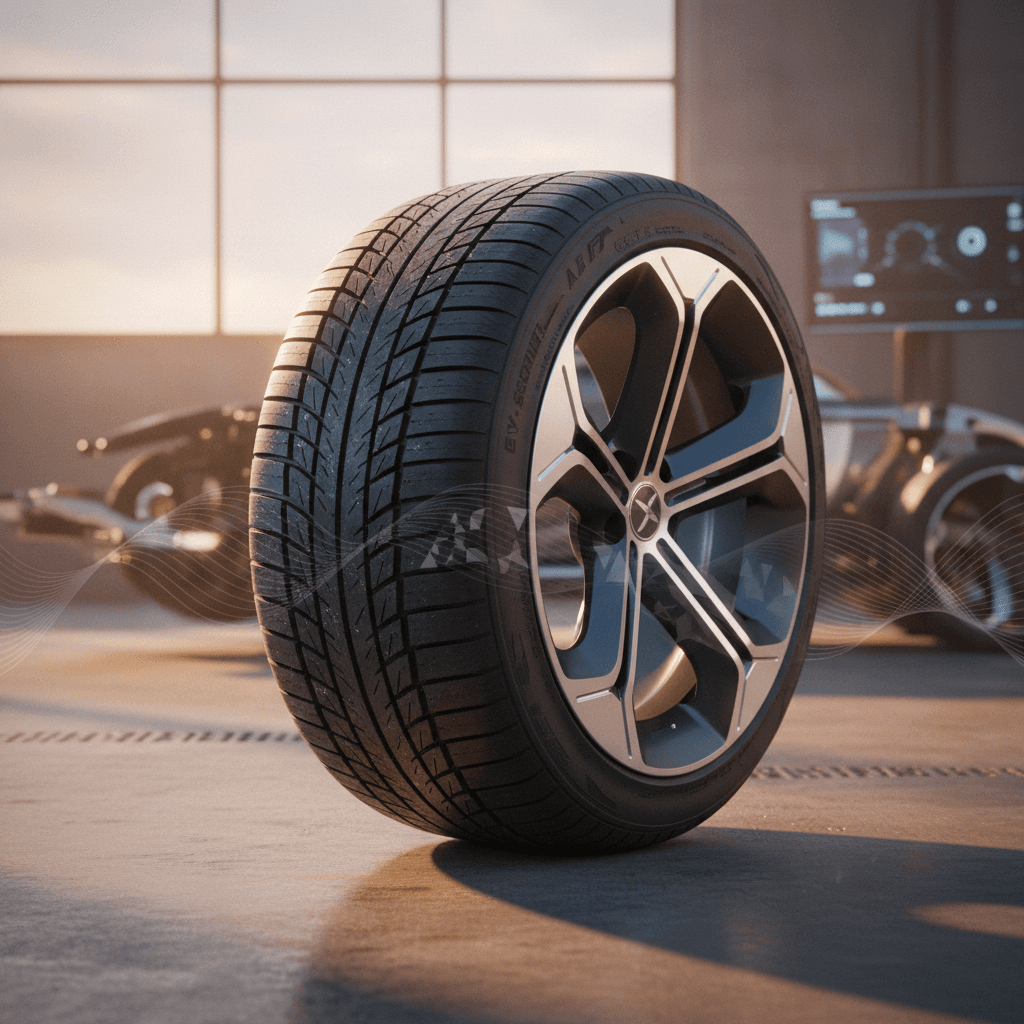
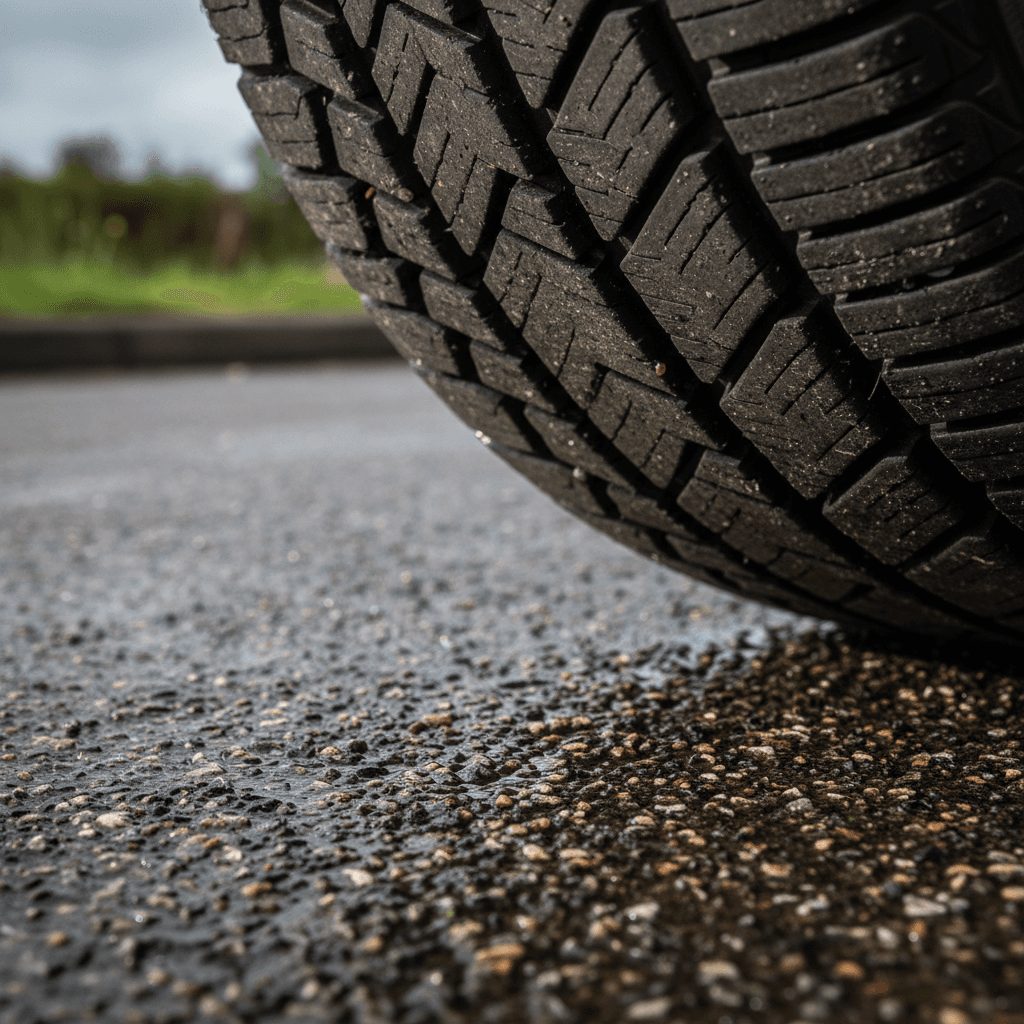
Look closely at a modern EV tire and you’ll notice subtle differences: extra markings on the sidewall, slightly squarer shoulders, maybe a different tread pattern than the gas‑car version. Under the skin, the differences are more dramatic, and they all contribute to the higher price.
Inside an EV tire vs. a standard tire
The design details that quietly add cost, but also deliver EV‑friendly performance.
| Design feature | How it’s different on EV tires | Why it costs more |
|---|---|---|
| Load rating & structure | Stronger internal belts, reinforced sidewalls, higher load index numbers. | More material and more stringent testing raise manufacturing cost. |
| Rubber compound | Blends aim for low rolling resistance with good wet grip and durability. | Complex compound chemistry and extra R&D time aren’t free. |
| Tread pattern | Blocks and sipes tuned to cut noise and manage torque without feathering. | More intricate molds and pattern development add tooling cost. |
| Noise control | Some EV tires add foam liners or tuned casing plies. | Extra material and manufacturing steps increase price per unit. |
| Aerodynamics | Shoulder design and sidewall shape optimized for airflow. | Iterative design and wind‑tunnel work add engineering overhead. |
Not every tire will have every feature, but EV‑focused tires tend to stack several of these together.
Sidewall code to look for
How much more do EV tires really cost?
Prices vary wildly by size and brand, but for most mainstream EVs, think Nissan LEAF, Chevy Bolt EUV, Tesla Model 3/Y, Hyundai IONIQ 5, Kia EV6, you can expect to pay a noticeable premium for EV‑specific rubber.
- On smaller EVs and crossovers, an EV‑branded all‑season tire might run $170–$230 per tire where a similar non‑EV touring tire in the same size might be $140–$190.
- On larger, heavier EV SUVs or performance models, it’s easy to see $250–$350 per tire, especially for 20–21 inch wheels. A comparable gas SUV might sit more often in the $200–$280 range for the same wheel diameter.
Some of that is pure tire: bigger wheels and wider tread are more expensive no matter what you drive. But when you compare same‑size, same‑brand tires, it’s common to see EV‑specific versions tagged with a 10–25% price premium over the regular touring or performance model.
Where the extra money goes
- Engineering time: simulations, track testing, and NVH (noise, vibration, harshness) work for a specific EV platform.
- Material upgrades: stronger belts, additional plies, or sound‑deadening foam liners.
- Shorter production runs: OE‑spec EV tires are sometimes made in lower volumes than mass‑market gas‑car tires.
Benefits you actually feel
- Better range: low rolling resistance can add miles back to every charge.
- Quieter cabin: less hum and drone at highway speeds.
- More stable handling: especially in emergency maneuvers with a heavy battery pack onboard.
Do EVs wear out tires faster?
If you hang around EV forums long enough, you’ll hear horror stories: “My first set of tires was gone at 18,000 miles.” That can happen, but it’s not guaranteed. Tire life on an EV is a three‑way tug of war between vehicle weight, driver behavior, and maintenance habits.
What really controls EV tire life
Less mystery, more math (and a little self‑control)
Driving style
Rotation & alignment
Tire choice
Reality check
Six ways to make your EV tires last longer
You may not control tire prices, but you have a lot of influence over how often you have to pay them. Here are practical steps that work whether you drive a LEAF or a Lucid.
EV tire longevity checklist
1. Respect the torque
Quick EV acceleration is addictive, but full‑power launches magnify wear. Save the max‑torque party tricks for safe on‑ramps and open stretches, not every city block.
2. Check pressure monthly
EVs are heavy; running under‑inflated is a great way to cook a tire from the inside out. Use the pressure on the door jamb, not the sidewall, and check when the tires are cold.
3. Rotate on schedule
Follow your owner’s manual, but 5,000–7,500 miles is a good rule of thumb. If you use a shop that’s new to EVs, remind them about any staggered sizes or directional tread patterns.
4. Watch your alignment
If the car pulls, the steering wheel is off‑center, or you see uneven wear, get an alignment sooner rather than later. It’s cheaper than sacrificing half a tire’s life.
5. Choose the right category
If you do mostly commuting, an EV‑tuned touring tire makes sense. If you track your car, accept that max‑performance rubber is a consumable and budget accordingly.
6. Don’t cheap out on load rating
Never downgrade load rating to save money. EV weight leaves little margin; an underrated tire can overheat, deform, or fail under stress.
Smart shopping move
EV tires and the true cost of a used EV
Tires are one of the biggest routine expenses you’ll see with an EV, especially if you’re buying used. That makes them a critical line item in the total cost of ownership, right alongside electricity rates and insurance.
When you’re evaluating a used EV
- Check tread depth across the whole width of each tire, not just one spot.
- Look for uneven wear on inner or outer edges, which can signal past alignment issues or hard driving.
- Note the brand, model, and EV markings on the sidewall to understand what you’re getting.
How Recharged factors tires into the picture
Every vehicle on Recharged comes with a Recharged Score Report that covers tire condition alongside battery health and fair‑market pricing. If a car is going to need tires soon, that’s reflected in how we value it, so you’re not surprised six months in.
Shopping used EVs? You can lean on our EV specialists to talk through realistic running costs, including likely maintenance like tires and brakes.
Common mistakes EV owners make with tires
EVs are new territory for a lot of tire shops and owners alike. That leads to predictable (and avoidable) missteps that drive costs up and safety down.
- Downgrading load rating to save money. The tire may fit, but it’s doing a harder job than it was built for.
- Skipping rotations because “it’s just an electric car.” The laws of physics don’t care what fuels it, weight still needs to be managed.
- Ignoring alignment after curb hits or potholes. A heavy EV on a slightly bent alignment will erase the inside edge of a tire in shockingly few miles.
- Assuming any “quiet” tire will behave well on an EV. Some tires that are quiet on gas sedans howl on a silent electric platform.
- Mixing tire types or tread depths on dual‑motor EVs. That can confuse traction control and impact range and stability.
Safety first
FAQ: Your biggest questions about EV tire costs
EV tire cost & maintenance FAQ
Bottom line: why EV tires are more expensive (and when they’re worth it)
EV tires cost more because they’re doing more. They’re holding up heavier vehicles, with instant torque, in cabins so quiet you can hear the tread pattern whispering. The extra engineering, materials, and testing show up on the bill, but they also show up every time your car stops short in the rain, glides quietly down the highway, or squeezes a few extra miles out of a charge.
If you understand what you’re paying for, you can be strategic: pick EV‑friendly tires that match how you actually drive, keep them rotated and aligned, and budget for replacements as part of your EV’s life cycle, not as an ambush. And if you’re cross‑shopping used EVs, working with a specialist marketplace like Recharged gives you an honest read on tire condition and total ownership costs before you sign anything, so those expensive black circles never catch you off guard.