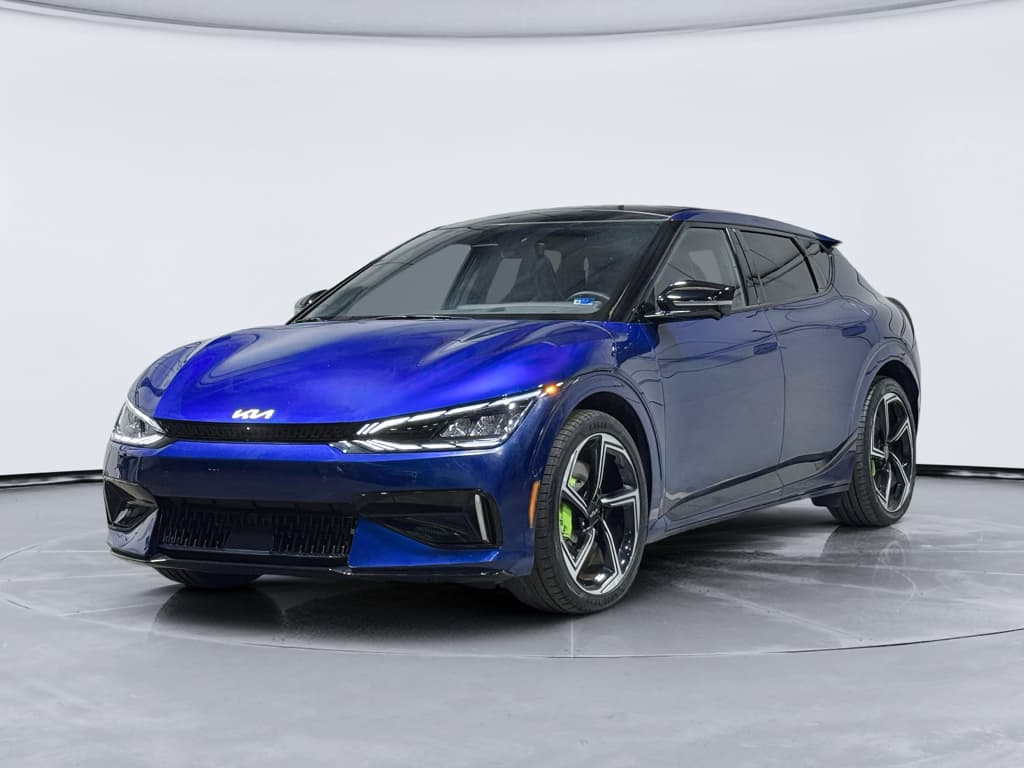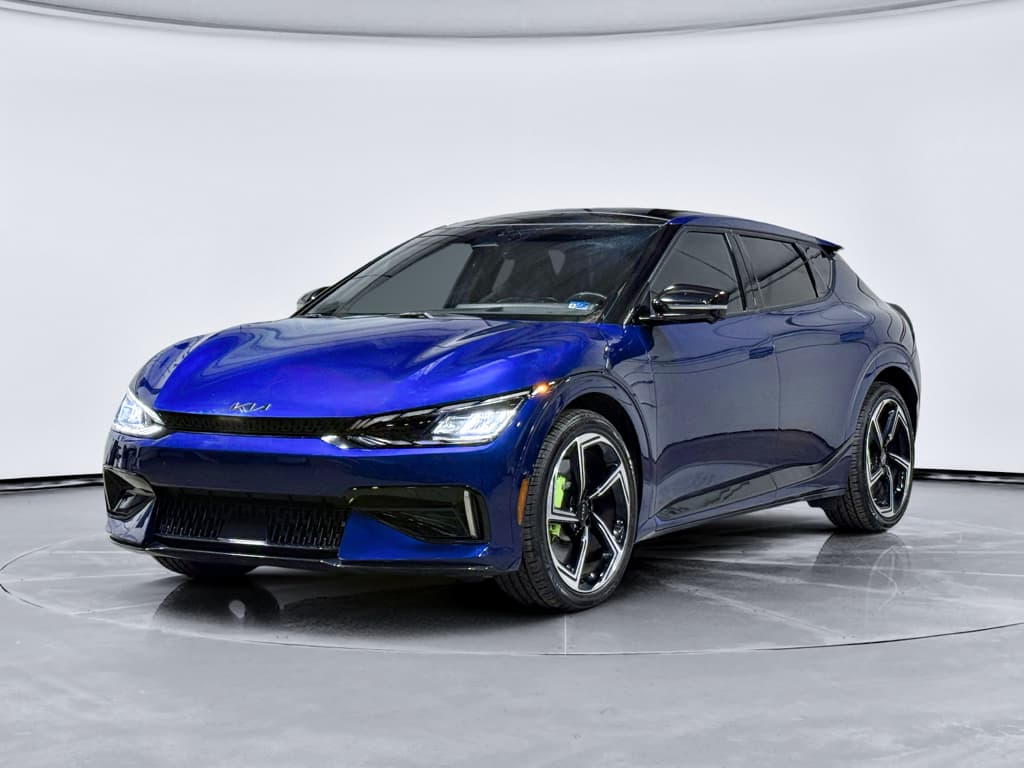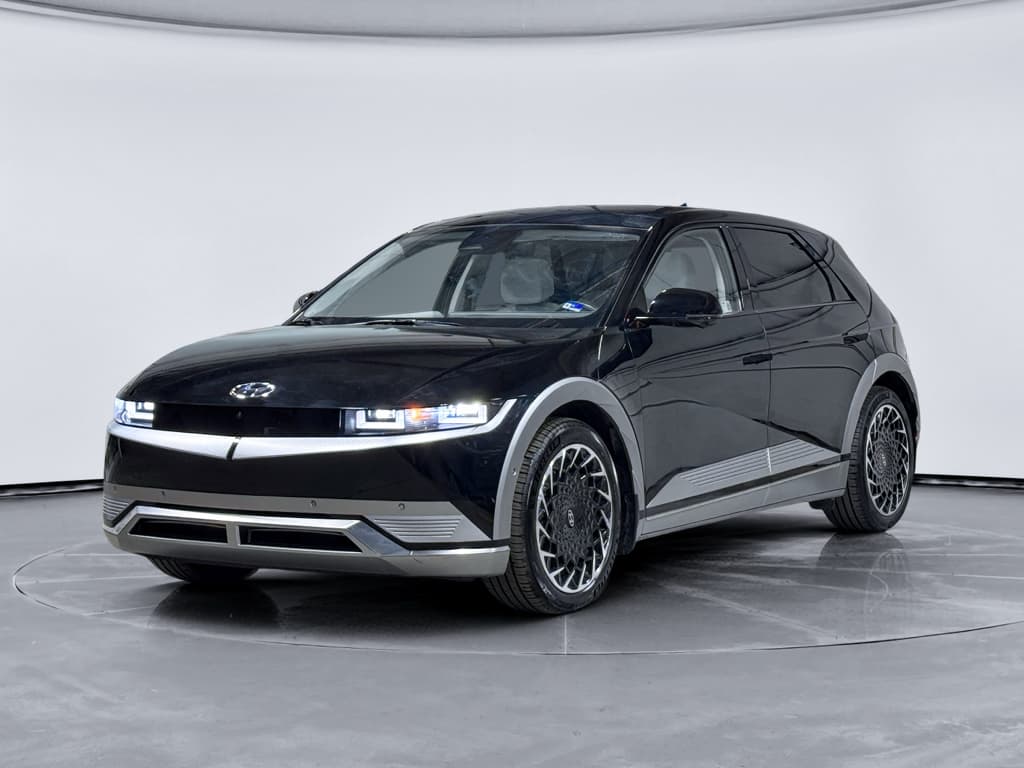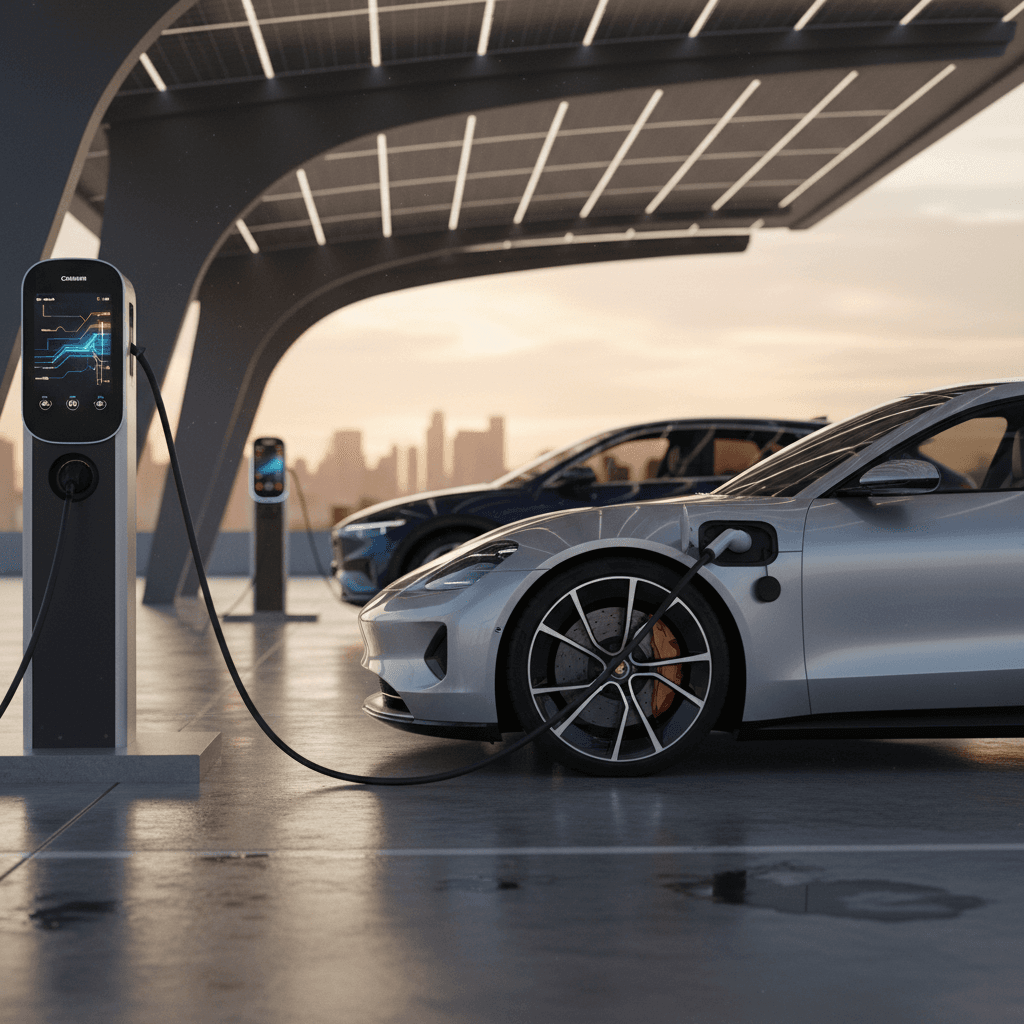
If you’ve started digging into EV specs, you’ve probably seen the phrase “800-volt architecture” attached to some of the quickest-charging electric cars on the market. But which EVs actually have 800-volt systems, what does that mean in real life, and should you hold out for one, especially if you’re shopping used?
Quick answer
What does 800-volt architecture actually mean?
In an EV, system voltage is the nominal voltage of the battery pack and the high-voltage bus that feeds the inverter, motor, and DC fast-charging hardware. Most earlier EVs used roughly 350–400V packs. Newer performance and long-range models are moving to around 800V (some are 700–900V) to reduce current for the same power output.
400V architecture (most EVs)
- Lower pack voltage, higher current for a given power
- Thicker cables and bus bars to stay cool
- Typically lower peak DC fast-charge power
- Still excellent for daily driving and home charging
800V architecture (emerging segment)
- Higher pack voltage, lower current for same power
- Thinner cables and lighter hardware possible
- Enables very high DC fast-charge rates on capable stations
- At home, behaves much like a 400V EV (AC charging is about amps, not pack voltage)
Key takeaway
Why 800-volt EVs matter: faster charging and efficiency
How 800V can change your charging stops
On paper, 800V unlocks impressive metrics. In practice, the benefit depends on the charging station, the car’s software, and the state of the battery when you plug in. You’ll only see headline numbers when the battery is suitably warm and low in state of charge, on a capable high-power DC fast charger.
Don’t chase kilowatts alone
Which EVs have 800-volt architecture today?
The list of true 800V (or higher) EVs is still relatively short but growing. Below is a simplified overview of mainstream 800V platforms and models you’re likely to encounter in U.S. and European markets, both new and used. Model availability and exact trim names vary by year and region, so treat this as a technology map rather than a full buyer’s guide.
Major EVs with true 800V-class architectures
Representative models using roughly 800V battery and drive systems. Always verify specs for your model year.
| Brand / Platform | Representative Models | Architecture notes | Approx. peak DC fast charge* |
|---|---|---|---|
| Porsche J1 | Porsche Taycan (all body styles, most trims) | First volume 800V platform; dual-inverter drivetrains | Up to ~270 kW |
| Audi/Porsche PPE | Audi Q6 e-tron, Porsche Macan Electric (early EU) | Premium 800V crossover platform shared by Audi & Porsche | ~270+ kW (trim-dependent) |
| Hyundai e-GMP | Hyundai Ioniq 5, Hyundai Ioniq 6, Kia EV6, Kia EV9, Genesis GV60 | Mass-market 800V skateboard; bi-directional charging on many trims | ~230–240 kW |
| Hyundai E-GMP derivatives | Genesis Electrified GV70, some region-specific models | Premium spin-offs of e-GMP with 800V charging | ~230 kW |
| Lucid Air platform | Lucid Air (all trims) | Ultra-high-voltage pack (well above 800V); efficiency-focused | >300 kW when hardware and conditions allow |
| Lotus / Geely 800V | Lotus Eletre, some Geely/Zeekr models (mainly EU/China) | Performance SUVs and sedans with 800V packs | Up to ~350 kW (model-dependent) |
| BYD e-Platform 3.0 (800V variants) | Select BYD models in global markets | Some trims use "e-Platform 3.0" with 800V packs | 200 kW+ (varies widely) |
Feature availability, pack voltage, and peak charging power can change by model year and market. Use this as a starting point, then confirm details for the specific VIN you’re considering.
About that asterisk
400V vs 800V: EVs that “boost” to higher voltage
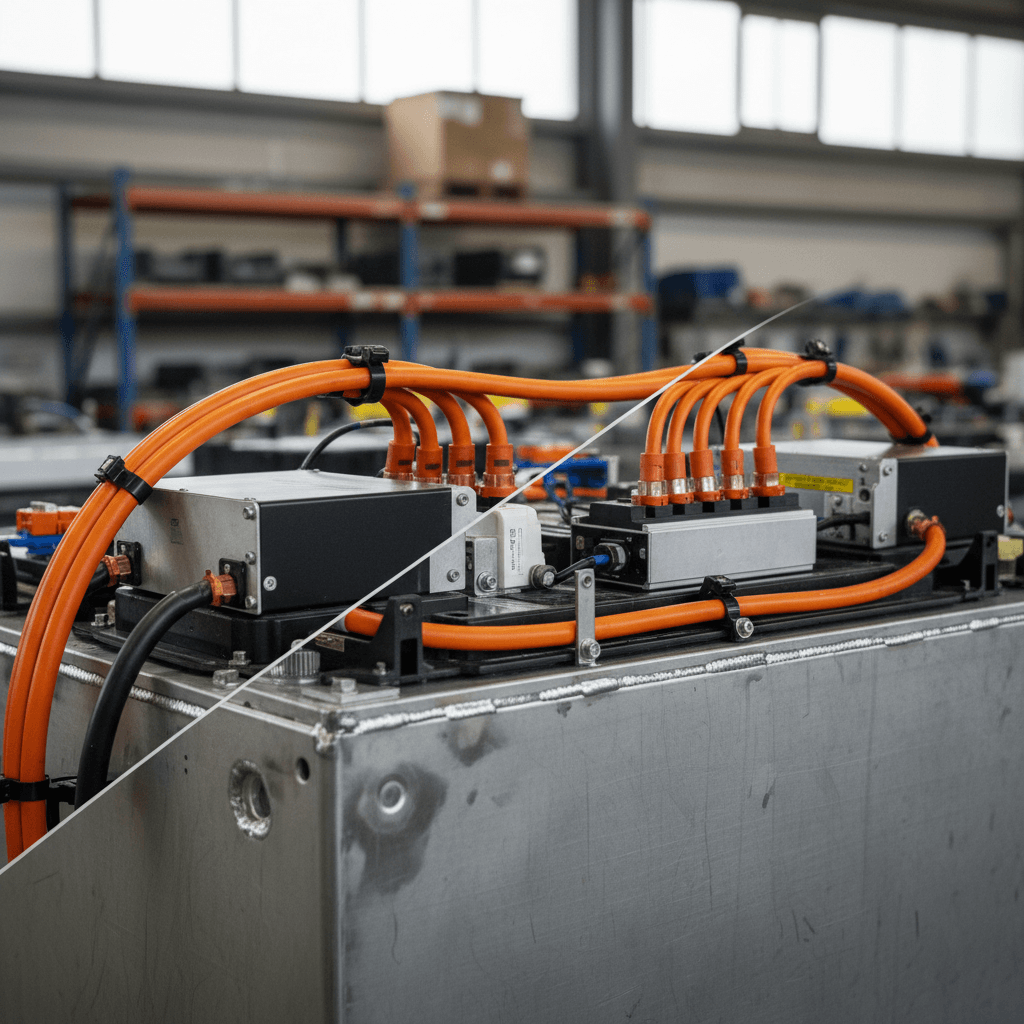
Some newer EVs don’t use a true 800V pack, but they behave like one while charging thanks to smart power electronics. A few platforms use a 400–500V pack with a built-in "booster" or dual-inverter setup that effectively doubles voltage to the charger. That lets them pull high power from 800V-capable DC fast chargers while staying 400V under the skin.
Examples of "800V-ready" or boosted 400V systems
These aren’t full-time 800V packs, but they can leverage high-voltage chargers.
Boost converters
Dual inverters
Why it matters
Good news for shoppers
Shopping used: 800V advantages and trade-offs
If you’re browsing used EVs on a marketplace like Recharged, you’ll see a mix of 400V and 800V architectures at very different price points. Here’s how 800V typically plays out for used buyers.
What to weigh when considering a used 800V EV
1. Charging pattern
If you mostly charge at home or work and rarely road-trip, an 800V pack may not change your life. AC charging speed depends on the onboard charger and the circuit, not pack voltage.
2. Access to high-power DC fast chargers
To benefit from 800V, you need <strong>high-power stations</strong> (often 150 kW+). In some parts of the U.S., especially away from interstates, infrastructure may still be limited.
3. Battery health beats architecture
For any used EV, the <strong>actual state of the battery</strong> is more important than pack voltage. A healthy 400V pack is better than a heavily degraded 800V pack. Recharged’s battery-focused <strong>Recharged Score</strong> is designed to make that transparent.
4. Repair and parts complexity
800V systems push more demanding requirements on insulation, contactors, and power electronics. Most of this is invisible to you, but specialized repairs may be limited to certain dealers or high-end independent shops.
5. Total cost of ownership
You don’t automatically save money owning an 800V EV. What matters more is reliability, efficiency, tire and brake wear, and how you actually use the vehicle.
Safety reminder
Real-world charging: what you can actually expect
On paper, 800V EVs promise eye-catching charging times. On the ground, results swing with temperature, charger quality, and software. As a used-EV shopper, it helps to think in bands instead of obsessing over the single highest number.
Typical DC fast charging behavior by architecture
Approximate road-trip charging patterns for modern EVs in reasonable conditions. Individual models will vary.
| Architecture | Example vehicles | Typical 10–80% highway stop* | Notes |
|---|---|---|---|
| True 800V | Porsche Taycan, Hyundai Ioniq 5/6, Kia EV6, Lucid Air | ~18–25 minutes | Best-case results with warm battery and high-power charger; excellent for frequent long trips. |
| Fast 400V with boost | Select newer 400V models with advanced electronics | ~20–30 minutes | Can rival 800V cars on compatible chargers, but may taper earlier at high states of charge. |
| Conservative 400V | Many mainstream compact and older EVs | ~30–45+ minutes | Adequate for occasional road trips; more time-efficient if you stop a bit earlier and more often. |
Charging curves are simplified here. Always consult owner reports and independent testing for the specific EV you’re considering.
Plan around the 10–60% window
Ownership, reliability, and cost considerations
Voltage level is only one piece of the long-term ownership story. Automakers are still in the early innings of high-volume 800V deployments, which means the reliability data set is smaller than for mainstream 400V cars. That doesn’t mean 800V is risky, it just means you should look at the whole package.
Beyond volts: what really shapes your ownership experience
Four factors that matter just as much as architecture when you buy used.
Brand & platform maturity
Battery degradation history
Service ecosystem
Depreciation and resale
Should you prioritize 800V when choosing an EV?
If you’re cross-shopping EVs, voltage architecture should be part of the conversation, but not the whole story. The right choice depends heavily on how you drive and charge.
You’ll really feel 800V if…
- You road-trip several times a year on high-power DC corridors.
- You’re choosing between multiple fast-charging platforms and want the shortest possible stops.
- You value cutting-edge tech and are comfortable with higher upfront pricing.
- You have reliable access to 150 kW+ chargers along your usual routes.
You may not need 800V if…
- Most charging happens overnight at home or at work.
- Your trips are mostly under 200–250 miles.
- Budget, cargo space, or brand ecosystem matter more than absolute charging speed.
- Public charging near you is limited to lower-power DC units.
How Recharged can help
Ready to find your next EV?
Browse VehiclesFAQ: Common questions about 800-volt EVs
Frequently asked questions about 800V architectures
The bottom line: which EVs have 800-volt architecture is an interesting technical question, but it’s only one piece of picking the right car. For many drivers, a well-priced 400V EV with a healthy battery, solid range, and predictable charging is the smarter buy. For others, especially frequent road-trippers, an 800V platform can turn long-distance driving into a much smoother, faster experience. Whichever camp you’re in, Recharged is built to make the used EV process simpler, pairing transparent battery diagnostics with expert guidance so you can match the right technology to the way you actually drive.