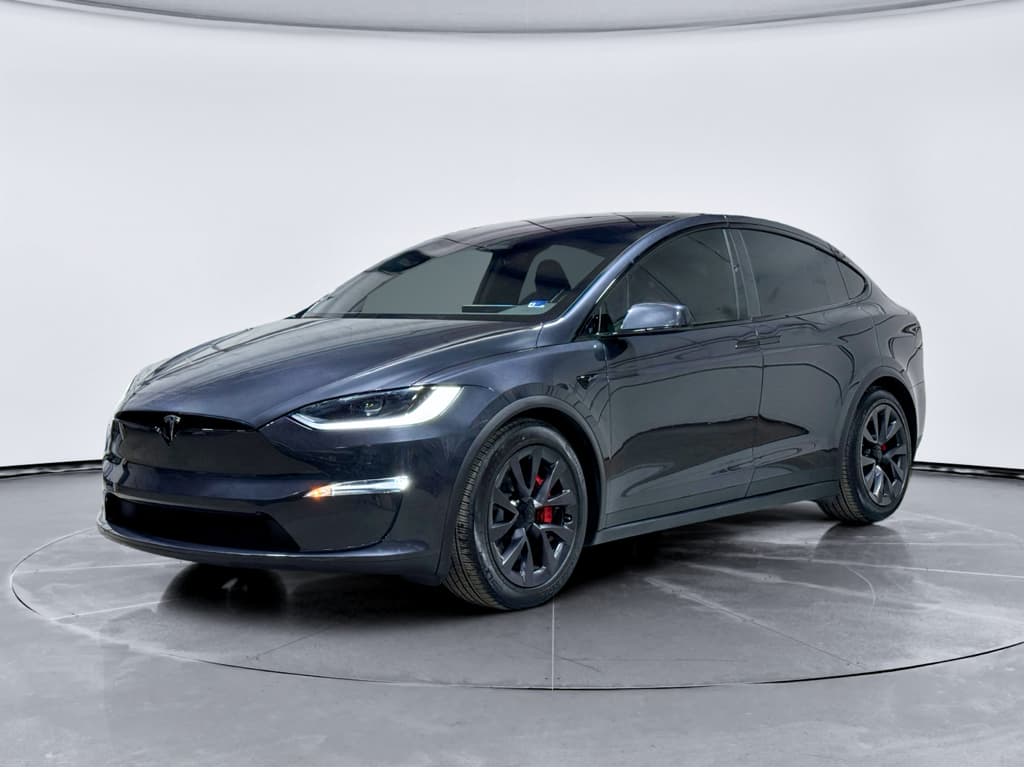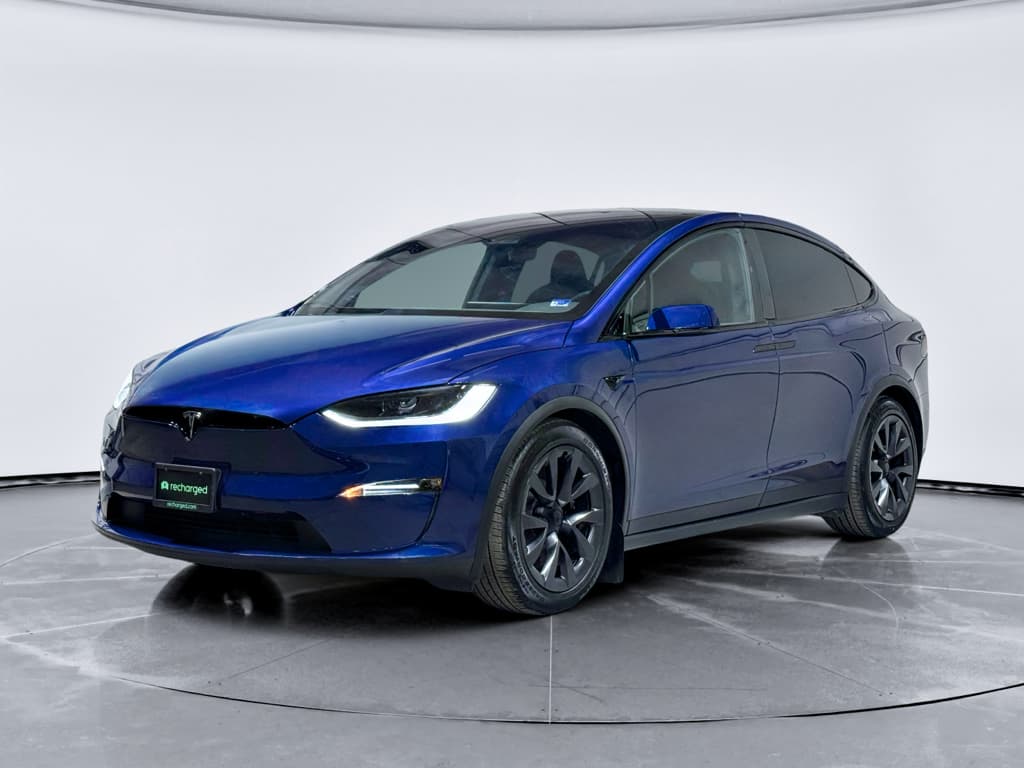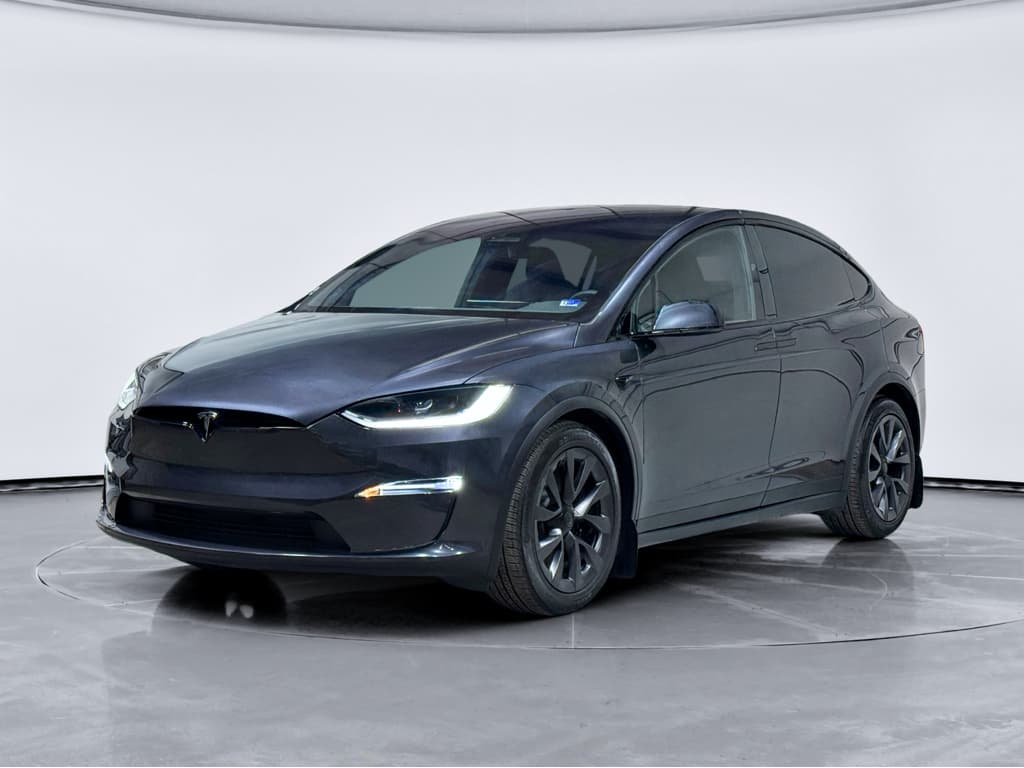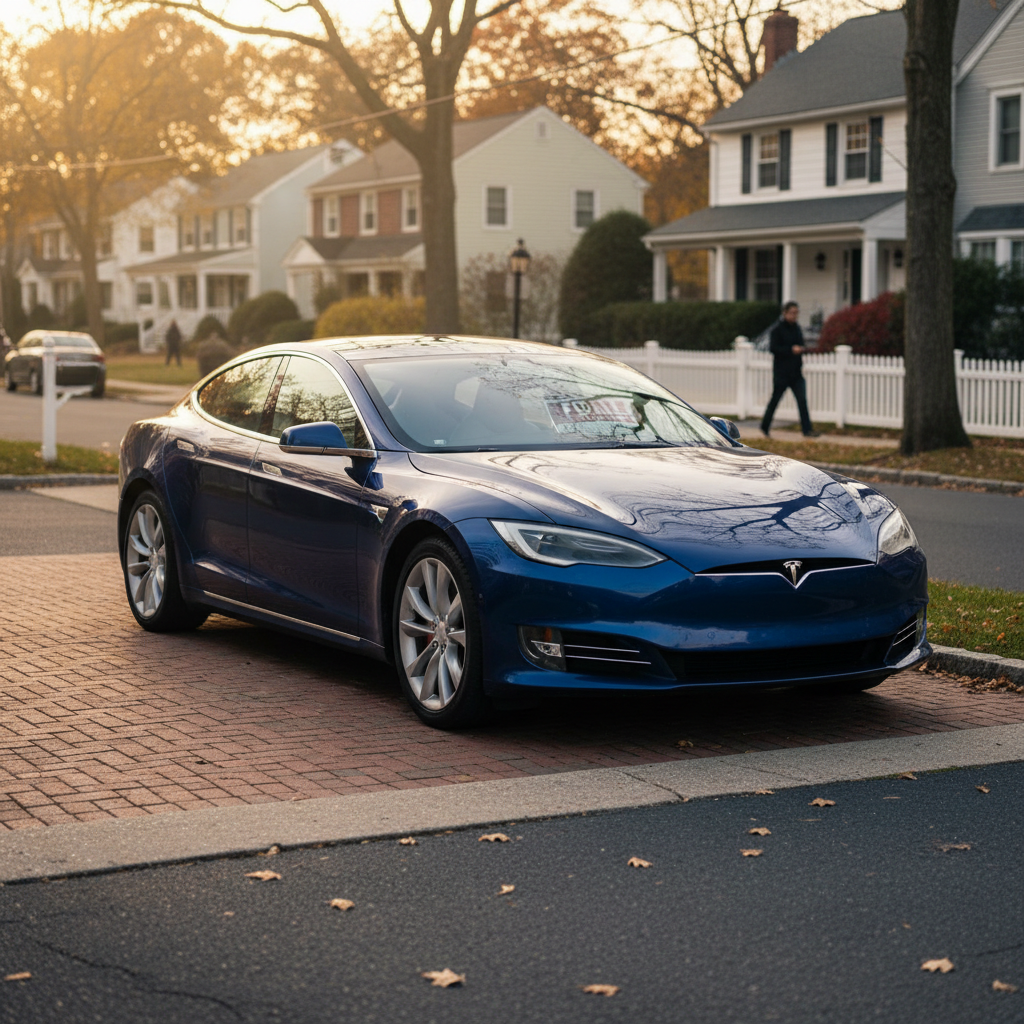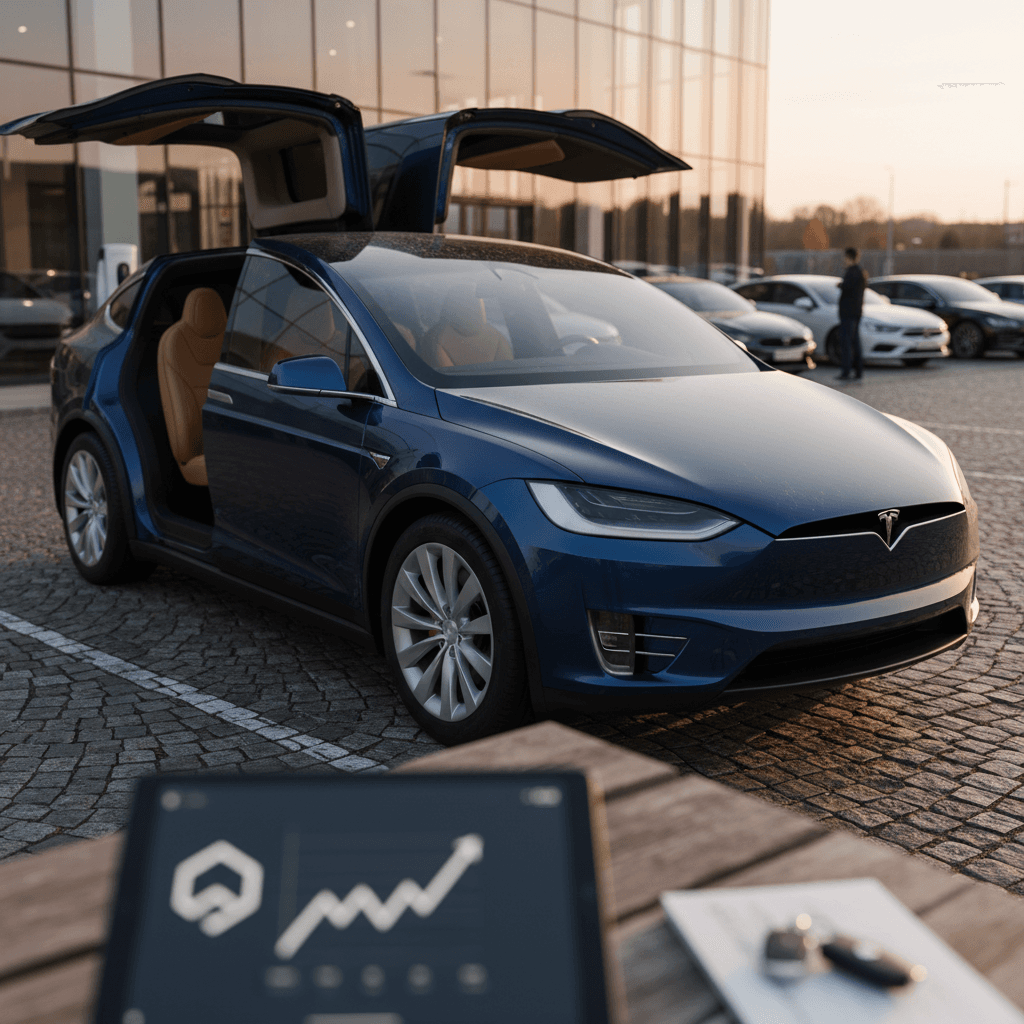
If you’re wondering where to sell a used Tesla Model X in 2026, you’re in a very particular corner of the car market. The Model X is a high‑MSRP, tech‑heavy luxury EV that’s just been discontinued new, and that combination makes its resale game completely different from a typical gas SUV. The good news: if you pick the right selling channel and present the car well, you can still get strong money for it despite EV volatility.
Why this matters now
Why selling a used Model X is different right now
Three forces shaping Model X resale in 2026
Understanding the backdrop helps you pick the right place to sell.
Discontinued but in demand
Tesla has shifted focus away from the Model X, which means no more new supply in the near term. For buyers who still want a 3‑row Tesla with Falcon Wing doors, the used market is now the only game in town.
Resale values rebounding
After painful depreciation in 2023–2024, used Tesla pricing has started to tick back up, especially for Model S and Model X. Some reports show around a 10% price lift for Model X from late 2025 to early 2026 as buyers scramble for the last of them.
High MSRP cuts both ways
A $90,000+ sticker means the X shed a lot early on, but it also means there’s still a deep pool of buyers who’d rather pay used‑car money for a well‑optioned X than six figures for something new.
Luxury EV reality check
The 5 main ways to sell a used Tesla Model X
All of the usual routes exist for a used Tesla Model X, trade‑ins, instant online offers, private sale, and so on. But your net proceeds, time investment, and risk vary wildly between them. Here’s the landscape at a glance:
- Tesla trade‑in or direct sale back to Tesla
- Online car‑buying sites (Carvana‑style) that cut you a quick check
- Local dealers and used‑car lots
- Private‑party sale you manage yourself
- EV‑specialist marketplaces like Recharged that sit between an instant offer and full DIY
Start with quotes, not with loyalty
Option 1: Tesla trade‑in or direct sale
Tesla will buy your Model X outright or take it as a trade‑in if you’re ordering another Tesla. The process is modern and mostly online, but the offer is designed to protect Tesla from market swings, not to squeeze every last dollar out for you.
Pros of selling your Model X to Tesla
- One‑stop transaction: You configure your next Tesla, upload photos of your Model X, and get a firm offer integrated into the deal.
- No strangers, no tire‑kickers: You drop the car off at delivery and you’re done.
- Tax advantage in many states: When you trade in, you often only pay sales tax on the price after trade‑in value, which can offset a weaker offer.
- They know the product: Tesla doesn’t need you to explain Autopilot packages or battery specs.
Cons of selling your Model X to Tesla
- Typically the lowest price: Tesla’s offers are conservative by design. They’re taking market risk and warranty risk, so they leave margin for themselves.
- No cross‑shopping: You won’t get into a bidding war like you might with several independent buyers.
- New Tesla purchase required for trade‑in: If you just want out of the X and not into another Tesla, it’s less compelling.
- Limited flexibility: Tesla won’t do cosmetic recon or storytelling to maximize your resale, it’s a wholesale‑style offer.
When Tesla trade‑in makes sense
Option 2: Online car buyers and Carvana‑style sites
Online car‑buying platforms, think Carvana, Vroom, CarMax, Shift and their newer clones, will usually give you an instant or near‑instant offer for your Model X based on photos and VIN data. For many ICE vehicles, this market is reasonably efficient. For a discontinued six‑figure EV with complex options, it’s far less precise.
How online car buyers stack up for a Model X
Fast money, but not always smart money.
Speed
Usually among the fastest ways to turn a Model X into cash. You can go from quote to pickup in a few days if your title situation is simple.
Price level
Offers are algorithm‑driven. They’re often better than a local non‑EV dealer but still leave a noticeable margin versus what a well‑presented X can fetch from an informed EV buyer.
Risk & effort
Low risk and low effort. You don’t deal with private buyers, and the platform handles payoff and paperwork. But you have no say in how your X is marketed or priced on the other end.
The EV‑specific blind spot
Option 3: Local dealers and independent lots
You’ll increasingly see late‑model Model Xs sitting on regular used‑car lots and franchise dealers. They’ll often appraise your X as part of a trade‑in on a different brand, or write a check outright if they think they can flip it quickly.
Where local dealers help
- Useful for swaps: If you’re done with EVs for now and want a gas or hybrid SUV, a local dealer can make the whole move in one visit.
- Fast payment: Dealers can usually cut a check same‑day if the numbers work for them.
- Local convenience: Easier if you don’t want to coordinate shipping or meet‑ups.
Where they struggle with Teslas
- Limited EV expertise: Many dealers still treat Teslas like exotic inventory. That usually means conservative bids and nervousness about battery and software issues.
- Auction mindset: If they don’t think they can retail it locally, they’ll price it like auction fodder, not like a flagship EV SUV.
- Slower sales = lower offers: If Model Xs have sat on their lot before, they’ll bake that risk into your offer.
Don’t confuse appraisals with market reality
Option 4: Private‑party sale
Selling privately, via Facebook Marketplace, Craigslist, local EV groups, or enthusiast forums, gives you the most control and often the highest gross sale price. With the Model X’s complex option structure and cult following, there are buyers who will pay a premium for the exact spec you’re driving.
What private‑party sellers trade off
1. Highest potential sale price
If you’re patient, price smartly, and document your car well, you can often get <strong>thousands more</strong> than instant‑offer sites or trade‑ins, especially on low‑mileage or rare‑spec Xs.
2. Significant time investment
You’re writing the listing, answering DMs, screening buyers, scheduling test drives, and managing payment and paperwork. Plan on this being a <strong>multi‑week project</strong>, not a Saturday errand.
3. Safety and logistics
You’ll need to handle test drives, verify funds, and possibly meet at a bank or DMV for the hand‑off. With a six‑figure vehicle, you can’t cut corners here.
4. Financing hurdles for buyers
Some buyers will struggle to get financing for a used luxury EV from a private seller. That can shrink your pool to cash buyers or those with flexible banks/credit unions.
5. Price discovery risk
If you mis‑price or mis‑time your listing, you can end up <strong>chasing the market down</strong> while the car sits, gathering lowball offers.
When private sale still makes sense
Option 5: EV‑specialist marketplaces like Recharged
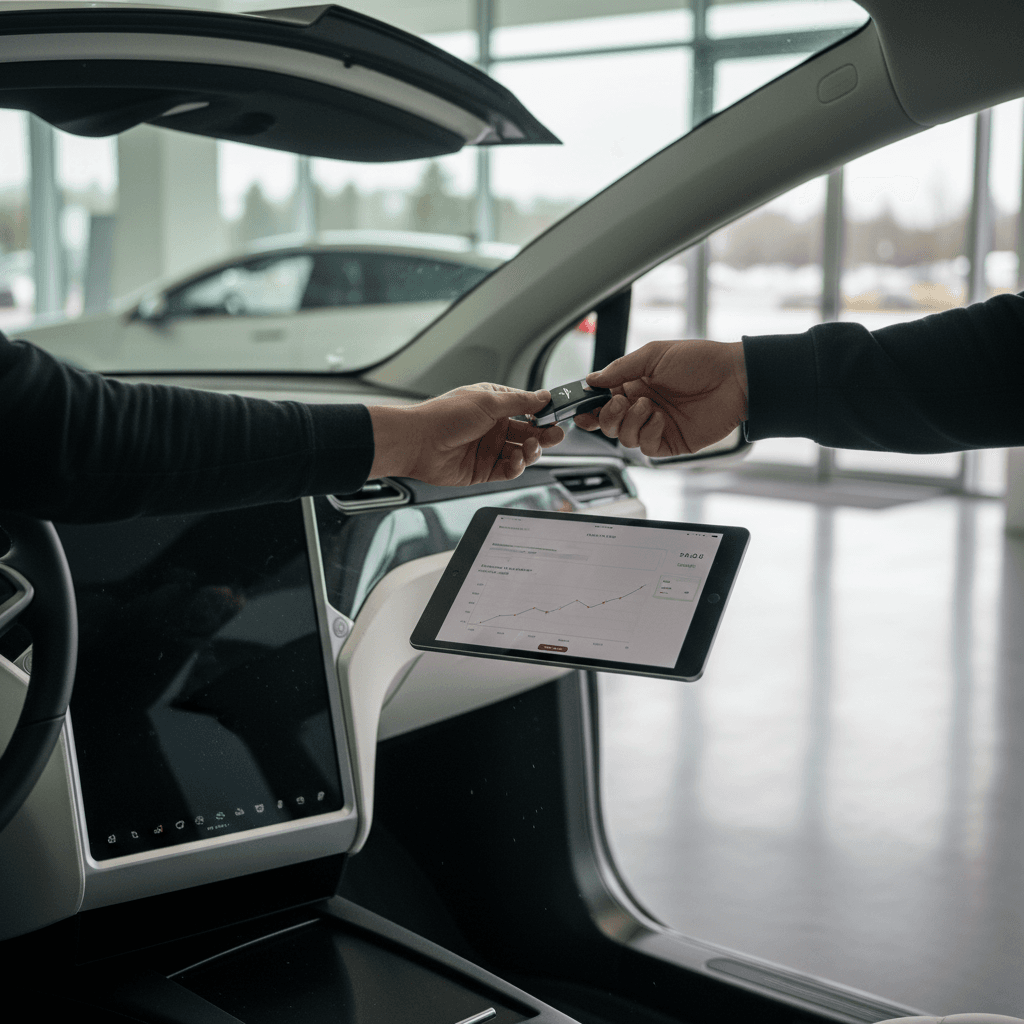
Increasingly, there’s a middle ground between doing everything yourself and taking a lowball instant offer: EV‑specialist marketplaces. Recharged is built specifically around used EVs, including Tesla Model X, with tools and services aimed at the exact friction points that make selling high‑end EVs tricky.
What you get with an EV‑specialist marketplace
Designed around the realities of selling used electric vehicles, not just any used car.
Battery health front and center
Every vehicle on Recharged includes a Recharged Score Report with verified battery health and range. That lets you prove your Model X’s pack is strong instead of letting generic pricing algorithms assume the worst.
Sale, trade‑in, or consignment
You can request an instant offer, get a number for your trade‑in, or choose consignment, where Recharged markets and sells the X on your behalf, often for more than a direct buy‑out.
Digital, EV‑literate process
From photos and pricing strategy to paperwork and nationwide delivery for the buyer, Recharged handles the unglamorous details with people who live and breathe EVs, not just generic used‑car inventory.
Where Recharged usually beats generic options
Ready to find your next EV?
Browse VehiclesHow battery health and options impact your Model X offer
On a used Tesla Model X, two examples with the same model year and odometer reading can still be worth wildly different amounts. The difference usually comes down to battery health, software and hardware options, and how well those are documented.
Big value drivers for a used Model X
Details that move the needle
Step‑by‑step: How to prepare your Model X to sell
Pre‑sale checklist for a stronger Model X offer
1. Pull your Tesla app and service history
Screenshot recent battery‑health indicators, charging behavior, and odometer, and download your service history from Tesla. Buyers and EV marketplaces will use this to sanity‑check the car’s story.
2. Fix cheap cosmetic issues
Curb‑rashed wheels, missing trim caps, and obvious dings are inexpensive to address but give buyers an excuse to hammer your price. Prioritize visible, cost‑effective fixes.
3. Clean and de‑personalize
Have the X professionally detailed, remove personal items, and take high‑quality, daylight photos that show every angle, the interior, screens, and the charging port.
4. Gather both keys and accessories
Extra key cards/fobs, mobile connector, winter wheels, and roof accessories can all support a higher price. Note them clearly in your listing or when requesting quotes.
5. Get a third‑party or Recharged battery report
For high‑value EVs, a verified <strong>battery health diagnostic</strong> is the new pre‑purchase inspection. Recharged includes this in its Score Report so buyers can compare your X to others confidently.
6. Shop multiple channels before committing
Get numbers from at least one instant‑offer site, a Tesla trade‑in quote, and an EV‑specialist option like Recharged before you decide. Then weigh dollars against hassle and timing.
Comparison table: Where to sell your Tesla Model X
Pros and cons of each selling route
Use this to match your priorities, price, speed, or simplicity, to the right option.
| Selling route | Typical price vs. best‑case | Time & effort for you | Risk & complexity | Best for |
|---|---|---|---|---|
| Tesla trade‑in/direct sale | Low (you pay for convenience) | Very low | Very low | Current Tesla owners ordering another Tesla who want a simple, tax‑efficient swap |
| Online instant‑offer sites | Low–medium | Low | Low | Owners who want quick cash without private‑sale headaches |
| Local dealers/independent lots | Low–medium | Low–medium | Low–medium | Owners moving into non‑Tesla vehicles who value a one‑visit transaction |
| Private‑party sale | Highest potential, but unpredictable | High | High (fraud, logistics, paperwork) | Owners with time, sales comfort, and a very desirable spec who want every last dollar |
| EV‑specialist marketplace (Recharged) | Medium–high (often close to private‑sale net) | Low–medium | Low–medium | Owners who want strong pricing and expert guidance without managing the process solo |
No two Model Xs (or owners) are identical, so treat this as a directional guide rather than a guarantee.
Frequently asked questions about selling a used Tesla Model X
Model X selling FAQ
Bottom line: Which selling route makes sense for you?
Match your situation to the right selling path
You want maximum money
Document your Model X thoroughly: service history, battery data, options list, and high‑quality photos.
Get indicative values from pricing tools, but don’t anchor too hard on them.
List the car privately and/or use Recharged consignment so EV‑savvy buyers can see its full value.
Be patient and resist lowball offers; the right buyer for a well‑specced X often shows up if you’ve priced it sensibly.
You want a fast, low‑stress exit
Request a Tesla trade‑in quote if you’re ordering another Tesla.
Get instant offers from at least one online buyer plus an EV‑focused marketplace like Recharged.
Compare net proceeds, not just top‑line number, remember tax savings on trade‑ins in your state.
Pick the option that gets you out of the X cleanly with the least friction, even if it’s not the top dollar.
You’re EV‑curious but risk‑averse
Start with an EV‑specialist marketplace such as Recharged to benchmark what your Model X is really worth in today’s market.
Ask specifically how battery health and options are being valued in your offers.
Use their guidance to decide whether chasing a private‑party sale is worth the extra complexity for your situation.
If not, lean on their instant‑offer or consignment program to keep the process safe and transparent.
Selling a used Tesla Model X in 2026 isn’t just about finding a buyer, it’s about matching your specific vehicle and priorities to the right selling channel. A recent‑build, well‑optioned X with strong battery health can still command impressive money, but only if you tell that story to the market in a way generic dealers and instant‑offer algorithms rarely do. Whether you choose to grind out a private sale, trade into another Tesla, or lean on an EV‑specialist marketplace like Recharged, take the time to prep the car, get multiple offers, and understand how its battery and options are being valued. That’s how you turn a complicated, volatile segment into a fair, transparent outcome for both you and the next owner.